
Nutrition comparison
Black Eyed Peas vs Cannellini Beans: Nutrition, Protein, and Health Comparison
Compare Black Eyed Peas and Cannellini Beans side by side. Discover which bean has more protein, better folate, fewer calories, and which is right for your health goals.
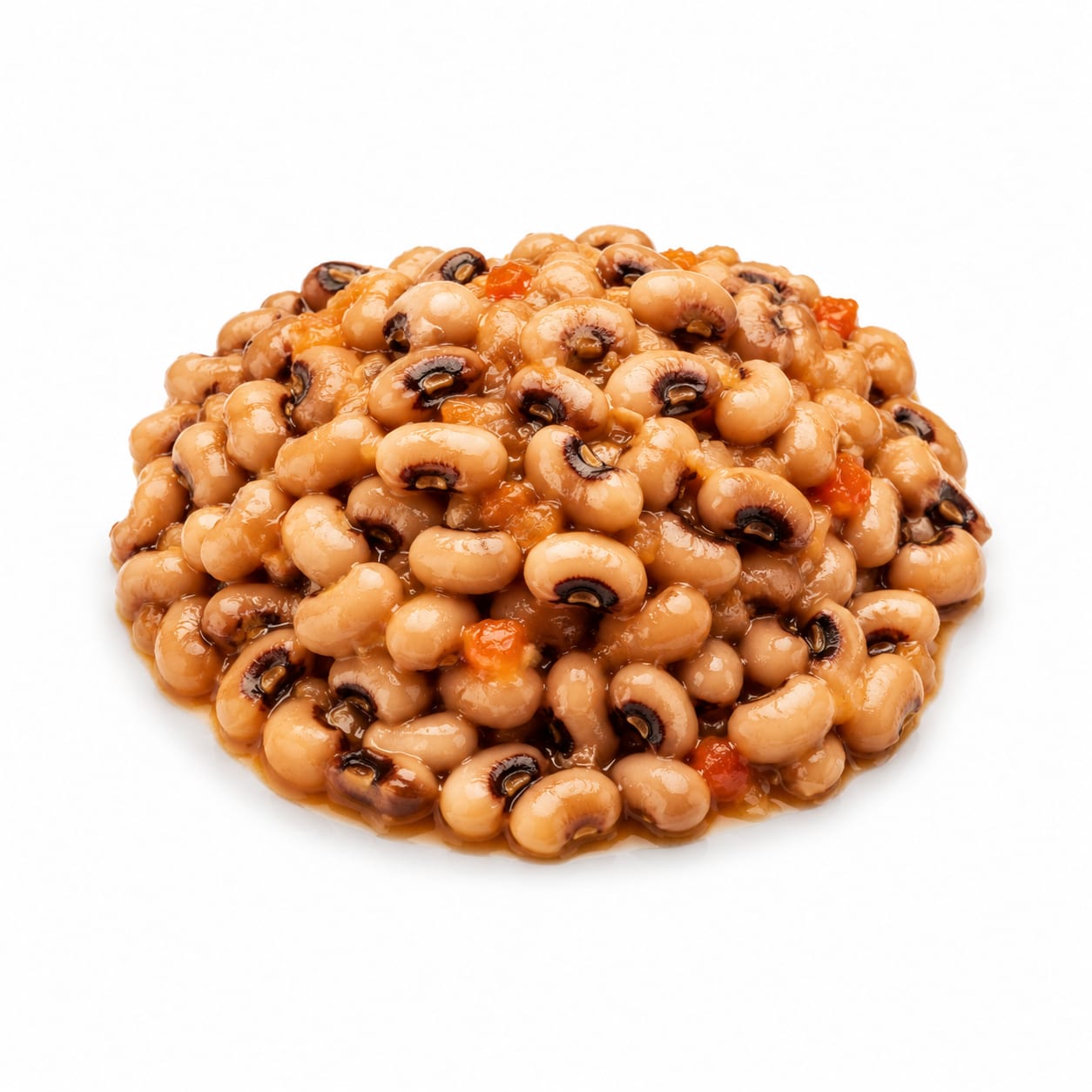
Black Eyed Pea
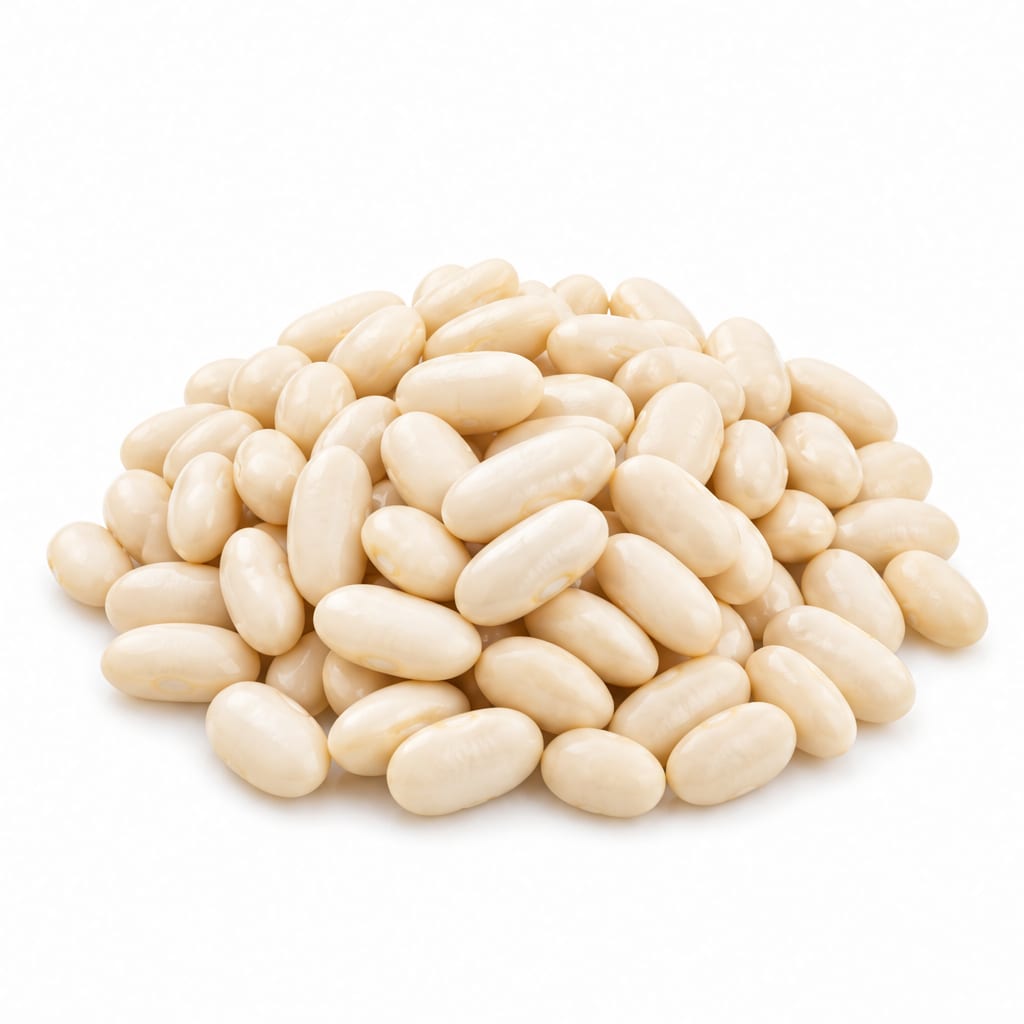
Cannellini Beans
Cannellini Beans win on protein and satiety, while Black Eyed Peas shine for folate and lighter calorie loads. Your pick depends on what your body needs most.
Cannellini Beans edge ahead with higher protein, fiber, and iron, but Black Eyed Peas remain excellent for folate and calorie efficiency. The gap is small because both are nutritious whole legumes.
More protein and fullness from Cannellini Beans versus fewer calories and superior folate from Black Eyed Peas
At a glance
Executive summary
Overall
It depends
Healthier
It depends
More practical
Cannellini Beans
Daily use
It depends
Key comparison lenses
protein and satiety comparison
Cannellini Beans deliver significantly more protein per serving, making them more filling and better for sustained energy
micronutrient density differences
Black Eyed Peas are a standout folate source while Cannellini Beans offer more iron and magnesium, creating a meaningful nutrient tradeoff
calorie efficiency for weight management
Black Eyed Peas are lighter per cup, appealing to calorie-conscious eaters, while Cannellini Beans provide more substance per serving
digestive tolerance and gas concerns
Both are legumes but differ in oligosaccharide profiles, affecting gas and bloating differently for sensitive individuals
culinary versatility and meal integration
Cannellini Beans blend smoothly into soups and dips while Black Eyed Peas hold their shape better in salads and stews
Best choice for
Black Eyed Pea
- Pregnant women or those trying to conceive needing extra folate
- Calorie-conscious eaters wanting a lighter legume option
- Anyone seeking a Southern or West African flavor profile
- People who prefer beans that hold their shape in salads
Cannellini Beans
- Athletes and active people needing more protein per meal
- Anyone prioritizing sustained fullness and appetite control
- Iron-deficient individuals needing a plant-based iron boost
- Home cooks wanting a creamy base for soups and dips
Least suitable for
Black Eyed Pea
- Those needing high protein intake from plant sources
- People looking for a creamy, blendable texture in recipes
- Anyone wanting maximum satiety from a single serving
Cannellini Beans
- Strict calorie counters watching every serving size
- Those prioritizing folate intake above all other nutrients
- People who dislike the softer, creamier bean texture
Deep comparison
Dimension by dimension
Each lens scores both foods and breaks down who each option suits.
- Dimension 1 · Priority 95Cannellini Beans
protein_content_and_satiety
Black Eyed Pea · 62Cannellini Beans · 85Cannellini Beans deliver roughly 50% more protein per cup, making meals significantly more filling and satisfying.
Tradeoff
You get more staying power from Cannellini Beans but at a higher calorie cost per serving
Why it matters
Higher protein means steadier blood sugar, fewer cravings between meals, and better muscle maintenance over time
Real-world impact
A Cannellini Bean lunch keeps you full until dinner; a Black Eyed Pea lunch may leave you snacking by 3pm
Black Eyed Pea
- Lighter meals where you want less heaviness
Better for
- Situations where you need sustained fullness for hours
Worse for
Cannellini Beans
- Post-workout recovery meals
- Main protein source in vegetarian dishes
- Long gaps between meals
Better for
- Small appetite days when a heavy bean bowl feels like too much
Worse for
- Dimension 2 · Priority 90It depends
micronutrient_density
Black Eyed Pea · 82Cannellini Beans · 78Black Eyed Peas dominate in folate while Cannellini Beans lead in iron and magnesium. Each serves a different nutritional purpose.
Tradeoff
Exceptional folate support from Black Eyed Peas versus stronger iron and mineral replenishment from Cannellini Beans
Why it matters
Folate is critical for cell repair and pregnancy, while iron directly affects energy and magnesium supports muscle and nerve function
Real-world impact
Choosing Black Eyed Peas during preconception or early pregnancy matters more; choosing Cannellini Beans helps more when fatigue or low iron is the concern
Black Eyed Pea
- Prenatal nutrition and reproductive health
- Rapid cell turnover and recovery needs
Better for
- Situations where iron deficiency is the primary concern
Worse for
Cannellini Beans
- Combating iron-deficiency fatigue
- Athletes needing magnesium for muscle recovery
Better for
- Pregnancy when folate is the top priority
Worse for
- Dimension 3 · Priority 85Black Eyed Pea
calorie_efficiency
Black Eyed Pea · 88Cannellini Beans · 68Black Eyed Peas deliver solid nutrition at roughly 25% fewer calories per cup than Cannellini Beans.
Tradeoff
Fewer calories and a lighter eating experience with Black Eyed Peas, but less protein and fiber per bite
Why it matters
For weight management or portion flexibility, lower calorie density lets you eat a satisfying volume without overshooting your target
Real-world impact
You can have a heftier bowl of Black Eyed Peas for the same calories as a modest Cannellini Bean portion
Black Eyed Pea
- Weight loss phases where volume eating helps
- Smaller people with lower calorie needs
Better for
- When you need concentrated nutrition in a small serving
Worse for
Cannellini Beans
- Active individuals who need calorie-dense fuel
- Hard gainers struggling to eat enough
Better for
- Strict calorie budgets where every 50 calories matters
Worse for
- Dimension 4 · Priority 82Cannellini Beans
fiber_and_digestive_health
Black Eyed Pea · 72Cannellini Beans · 84Cannellini Beans provide slightly more fiber per serving, supporting better digestion and gut health over time.
Tradeoff
More fiber from Cannellini Beans but potentially more gas and bloating during adjustment periods
Why it matters
Higher fiber intake correlates with lower heart disease risk, better blood sugar control, and healthier gut bacteria
Real-world impact
Regular Cannellini Bean consumption may improve bowel regularity more noticeably, though both beans are excellent fiber sources
Black Eyed Pea
- People with sensitive digestion who need moderate fiber
- Transitioning to a higher-fiber diet gradually
Better for
- When maximum fiber intake is the explicit goal
Worse for
Cannellini Beans
- Anyone already adapted to high-fiber eating
- Chronic constipation relief
Better for
- First-time legume eaters unaccustomed to high fiber loads
Worse for
- Dimension 5 · Priority 80Cannellini Beans
blood_sugar_stability
Black Eyed Pea · 74Cannellini Beans · 82Both beans have low glycemic loads, but Cannellini Beans' higher protein and fiber combo slows glucose absorption more effectively.
Tradeoff
Slightly better blood sugar dampening from Cannellini Beans, though both are far superior to refined carbs
Why it matters
Steadier blood sugar means fewer energy crashes, reduced cravings, and better long-term metabolic health
Real-world impact
Neither bean will spike your blood sugar, but Cannellini Beans may give you a slightly longer energy runway after eating
Black Eyed Pea
- Paired with a protein source for balanced meals
Better for
- Eaten alone when blood sugar control is critical
Worse for
Cannellini Beans
- Standalone blood sugar-friendly meals
- Prediabetic dietary management
Better for
- Rarely a downside here; both are strong choices
Worse for
- Dimension 6 · Priority 72It depends
culinary_versatility
Black Eyed Pea · 75Cannellini Beans · 80Cannellini Beans blend into creamy soups and dips effortlessly, while Black Eyed Peas hold firm in grain bowls and salads.
Tradeoff
Creamy integration from Cannellini Beans versus structural integrity and visual appeal from Black Eyed Peas
Why it matters
How a bean cooks determines how often you actually reach for it and whether it fits your recipe rotation
Real-world impact
Cannellini Beans disappear into a white bean soup beautifully; Black Eyed Peas give a grain bowl its signature dotted look and bite
Black Eyed Pea
- Cold salads and grain bowls
- Stews where you want visible, distinct beans
- Hoppin' John and Southern-style dishes
Better for
- Recipes requiring a smooth, creamy base
Worse for
Cannellini Beans
- Blended soups and creamy dips
- Italian and Mediterranean recipes
- White bean hummus or bean spreads
Better for
- Dishes where you want each bean to hold its shape
Worse for
Timeline
Health impact over time
Short-term
Hours to days
Black Eyed Pea
- Moderate satiety without feeling overly full
- Possible mild gas if unaccustomed to legumes
- Steady energy without heaviness after meals
Cannellini Beans
- Stronger and longer-lasting fullness after eating
- Slightly more gas potential due to higher fiber load
- More sustained energy over several hours
Long-term
Months to years
Black Eyed Pea
- Excellent folate status supporting cell health and DNA repair
- Consistent fiber intake for cardiovascular protection
- Lower calorie habit supporting weight maintenance
Cannellini Beans
- Improved iron stores reducing fatigue risk
- Higher protein intake preserving muscle mass with age
- Superior fiber intake for gut microbiome diversity
Risk profile
Safety & processing
Both Black Eyed Peas and Cannellini Beans are whole, minimally processed legumes. Canned versions may contain added sodium, so rinsing or choosing low-sodium cans is recommended for both.
Black Eyed Pea
Sodium in canned varieties
mediumCanned Black Eyed Peas can contain 400-600mg sodium per serving. Rinsing reduces this by roughly 40%, or choose low-sodium or dried versions.
Phytohaemagglutinin undercooking
lowBlack Eyed Peas contain much lower levels of this toxin than red kidney beans, making undercooking far less dangerous, but proper cooking is still best practice.
Cannellini Beans
Sodium in canned varieties
mediumCanned Cannellini Beans often carry 400-700mg sodium per serving. Rinsing thoroughly or cooking from dried eliminates this concern.
Phytohaemagglutinin undercooking
mediumAs a white kidney bean variety, Cannellini Beans contain moderate levels of this lectin. Undercooked beans can cause nausea and vomiting. Always cook thoroughly, especially from dried.
Who wins for whom
Audience fit
Same foods, different winners depending on your goal.
children
Black Eyed PeaBlack Eyed Peas are smaller, milder, and less dense, making them easier for kids to eat and digest. Their lower fiber load is gentler on developing digestive systems.
daily consumption
It dependsRotating both provides the broadest nutrient coverage. Black Eyed Peas on lighter days, Cannellini Beans on active days creates an ideal balance.
diabetes
Cannellini BeansThe higher protein and fiber combination in Cannellini Beans slows glucose absorption more effectively, providing slightly better post-meal blood sugar control.
elderly
Cannellini BeansOlder adults benefit more from the higher protein for muscle preservation and higher iron for anemia prevention, both common concerns with aging.
muscle gain
Cannellini BeansCannellini Beans provide substantially more protein per serving, which is the critical driver for muscle repair and growth when paired with resistance training.
weight loss
Black Eyed PeaBlack Eyed Peas offer fewer calories per cup while still providing solid fiber and protein, making it easier to stay within a calorie target without feeling deprived.
Your move
Decision guide
Choose Black Eyed Pea
- You are pregnant, trying to conceive, or prioritizing folate intake
- You want a lighter bean that will not weigh you down at lunch
- You are counting calories and want more volume per serving
- You love Southern, Caribbean, or West African cuisine
- You have a sensitive stomach and prefer moderate fiber intake
Choose Cannellini Beans
- You need more plant-based protein in your meals
- Iron deficiency or low energy is a concern for you
- You want a bean that blends into creamy soups and dips
- You are an athlete or active person needing sustained fuel
- You are older and want to preserve muscle mass through diet
Either works if
- You simply want a nutritious legume to add to your weekly rotation
- You are eating a balanced diet with other protein and folate sources
- You are cooking a stew or chili where either bean works well
- You are transitioning to more plant-based meals and both sound good
Avoid both if
- You have a diagnosed legume allergy
- You are in an acute gout flare and limiting purine intake
- You are on a very low-carb or ketogenic diet
Final recommendation
Keep both in your pantry and rotate them. Black Eyed Peas for lighter meals and folate focus, Cannellini Beans for protein-heavy days and creamy recipes. If you must pick one, Cannellini Beans give you more nutritional bang per serving, but Black Eyed Peas are the smarter choice when calories or folate matter most.
Practical
Consumer tips
- 1
Always rinse canned beans thoroughly to remove roughly 40% of the added sodium
- 2
Soak dried beans for 8-12 hours before cooking to reduce gas-causing oligosaccharides and improve digestibility
- 3
Cannellini Beans must be boiled vigorously for at least 10 minutes if cooking from dried to neutralize lectins
- 4
Add a piece of kombu seaweed while cooking either bean to further reduce gas-producing compounds
- 5
Black Eyed Peas cook faster from dried than Cannellini Beans, making them more convenient for weeknight meals
- 6
Freeze cooked beans in portioned bags for instant meal prep — both freeze beautifully for up to 3 months
- 7
Pair either bean with a vitamin C source like tomatoes or bell peppers to dramatically boost iron absorption