
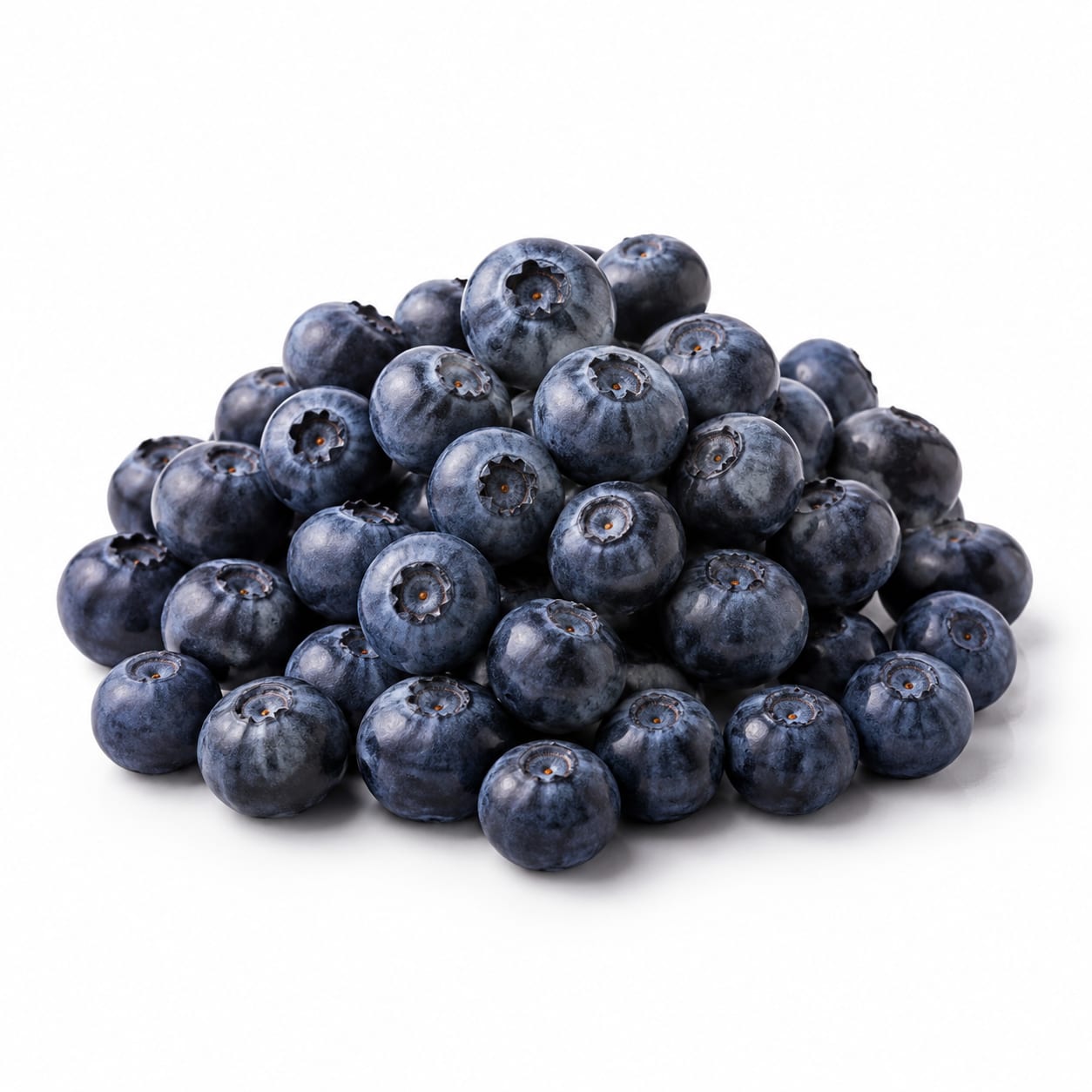
Berry
Bilberry
A small, nutrient-dense European berry renowned for its exceptionally high anthocyanin antioxidant content.
A small, dark-blue edible berry native to Europe, closely related to the blueberry but smaller, softer, and packed with deeper purple pigments inside. Known for its potent antioxidant properties, particularly anthocyanins.
antioxidant-dense low-glycemic berry
Typical serving · 100g
Common varieties · wild bilberry, cultivated bilberry, dwarf bilberry
Overall context score across nutrition, safety, and diet fit
At a glance
Quick facts
Simple indicators based on nutrition, processing, and diet fit.
The story
What makes it unique
Bilberries are low-calorie, fiber-rich berries with a low glycemic index. They digest slowly due to fiber content, promoting steady blood sugar. Their macronutrient profile is low in fat and protein but rich in complex carbohydrates and micronutrients. As a minimally processed whole food, they retain high bioactive compound availability.
Varieties: wild bilberry · cultivated bilberry · dwarf bilberry
Per 100g
Nutrition breakdown
Macro balance and key metrics at a glance.
Energy
Density 0.44 kcal/g
Protein
Carbs
Fat
Fiber
Sugar
5.2 g
Sodium
2 mg
Potassium
100 mg
Glycemic index
25
Glycemic load
3
Water content
85%
Standout compounds
Nutrient highlights
Anthocyanins
highReduces oxidative stress and supports eye and vascular health
Vitamin C
moderateSupports immune function and collagen synthesis
Dietary Fiber
moderatePromotes digestive regularity and gut microbiome health
Manganese
moderateSupports bone health, metabolism, and antioxidant defense
Wellness map
Health scores & processing
NOVA processing scale
minimally processed · Whole food
Raw bilberries are unprocessed whole fruits harvested directly from the shrub.
Diet compatibility
- Weight loss
- Muscle gain
- Diabetes
- Gut health
- Low carb
- High protein
- Heart health
Relative standing
Food rankings
Qualitative ranks compared to similar whole foods.
- Satietygood
- Blood sugarexcellent
- Nutrient densityexcellent
- Fitness fuelmoderate
- Processing qualityexcellent
Eat with confidence
Food safety profile
Bilberries are generally very safe. Wild-harvested varieties have negligible pesticide exposure, while cultivated ones should be washed. Mold can occur if stored improperly.
Evidence confidence 85%
- Pesticideslow
- Antibioticslow
- Heavy metalslow
- Contaminationlow
Watch for
- mold
- pesticide residue (if conventionally farmed)
Safer choices
Organic or wild-crafted bilberries eliminate pesticide residue concerns.
Prep tips
Rinse gently under cold water just before consuming to avoid premature spoilage.
Minimal; mostly wild-harvested or low-spray cultivated.
Deep dive
Health analysis
How this food may fit different goals and preparation choices.
Weight loss
Low energy density and high fiber content promote fullness without excess calories, making them ideal for volume eating.
Blood sugar
Low glycemic index and load prevent sharp blood sugar spikes, supporting stable glucose levels.
Fitness & energy
Provide quick-digesting natural sugars for short bursts of energy, but lack the protein needed for muscle recovery.
Gut health
Dietary fiber and polyphenols act as prebiotics, supporting beneficial gut bacteria and healthy digestion.
Processing quality
As a raw whole food, bilberries have maximum nutrient bioavailability and zero harmful additives.
Food safety
Very low risk of contamination; washing mitigates the minor risk of agricultural residue or natural debris.
Common mistakes
Confusing them with blueberries, which have a different antioxidant profile, or consuming them in sugary jams that negate blood sugar benefits.
Best preparation
Eaten fresh, added to oatmeal, or blended into smoothies without added sugar to preserve their low glycemic profile.
Practical guide
Best use cases
When and how this food fits real eating patterns.
Antioxidant boost
Consume fresh or frozen to maximize intake of anthocyanins for cellular protection.
Low-sugar smoothie ingredient
Adds vibrant color and nutrients without the high sugar content of other fruits.
Oatmeal topping
Provides fiber and flavor to breakfast while keeping the overall glycemic load of the meal low.
Blood sugar friendly snack
A handful of fresh bilberries offers a sweet treat without causing glucose spikes.
Balance sheet
Pros & cons
Upsides
- Exceptionally high in anthocyanin antioxidants
- Low glycemic index supports stable blood sugar
- Fiber content promotes satiety and gut health
- Naturally low in calories and fat
- Supports cardiovascular and eye health
Trade-offs
- Fresh bilberries are expensive and hard to find outside Europe
- Easily confused with blueberries in commercial products
- Can stain teeth and clothing easily
- Low in protein and healthy fats
Fit check
Who is it for?
Great match
- antioxidant supplementation
- blood sugar management
- low-carb snacking
- eye health support
Consider alternatives
- muscle building
- high-calorie bulking diets
- those seeking a high-protein snack
Side by side
How it compares
Open the full head-to-head analysis for nutrition, safety, and practical tradeoffs.
This food
Bilberry
VS95% alike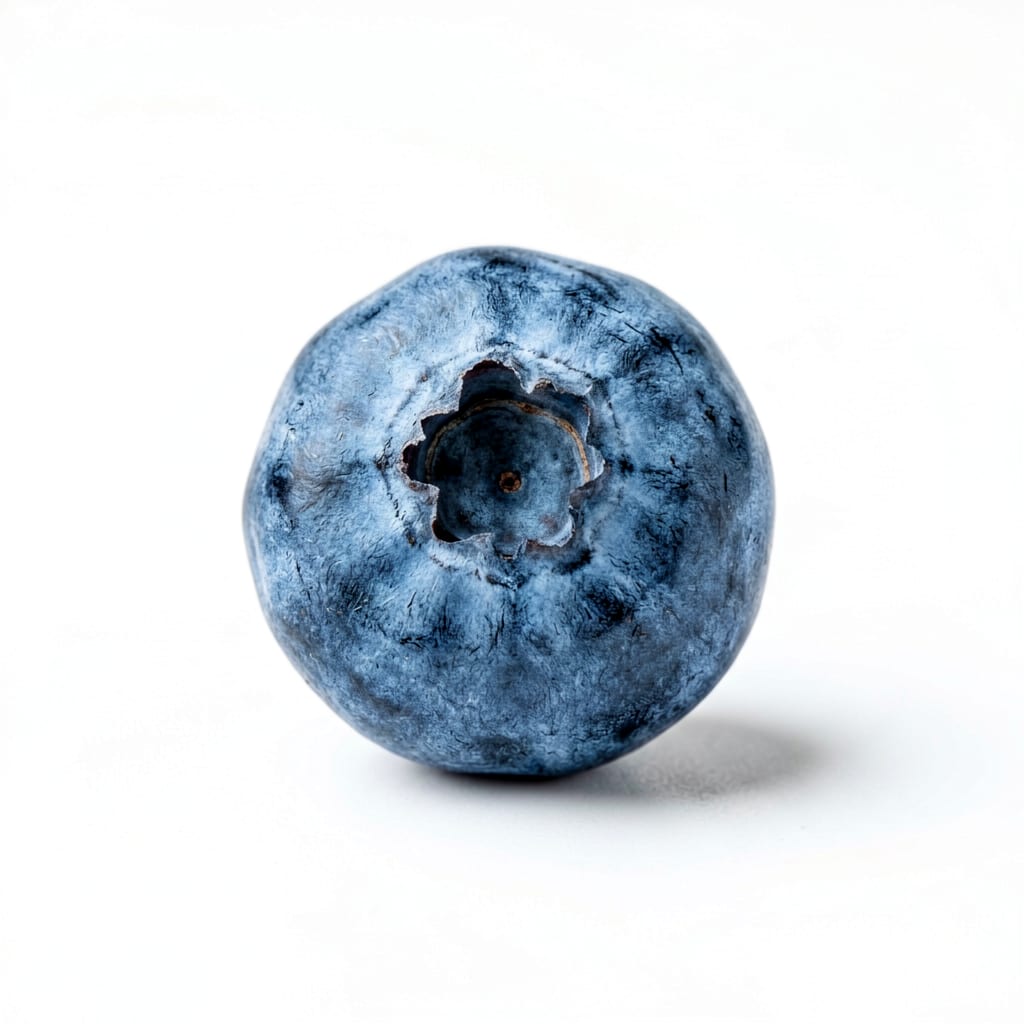
Compare with
Blueberry
Blueberries are larger with pale flesh, while bilberries are smaller with dark pigment throughout, giving bilberries a higher antioxidant concentration.
Bilberries provide more antioxidants and better blood sugar control, while blueberries are larger, more accessible, and slightly more filling per serving.
This food
Bilberry
VS90% alike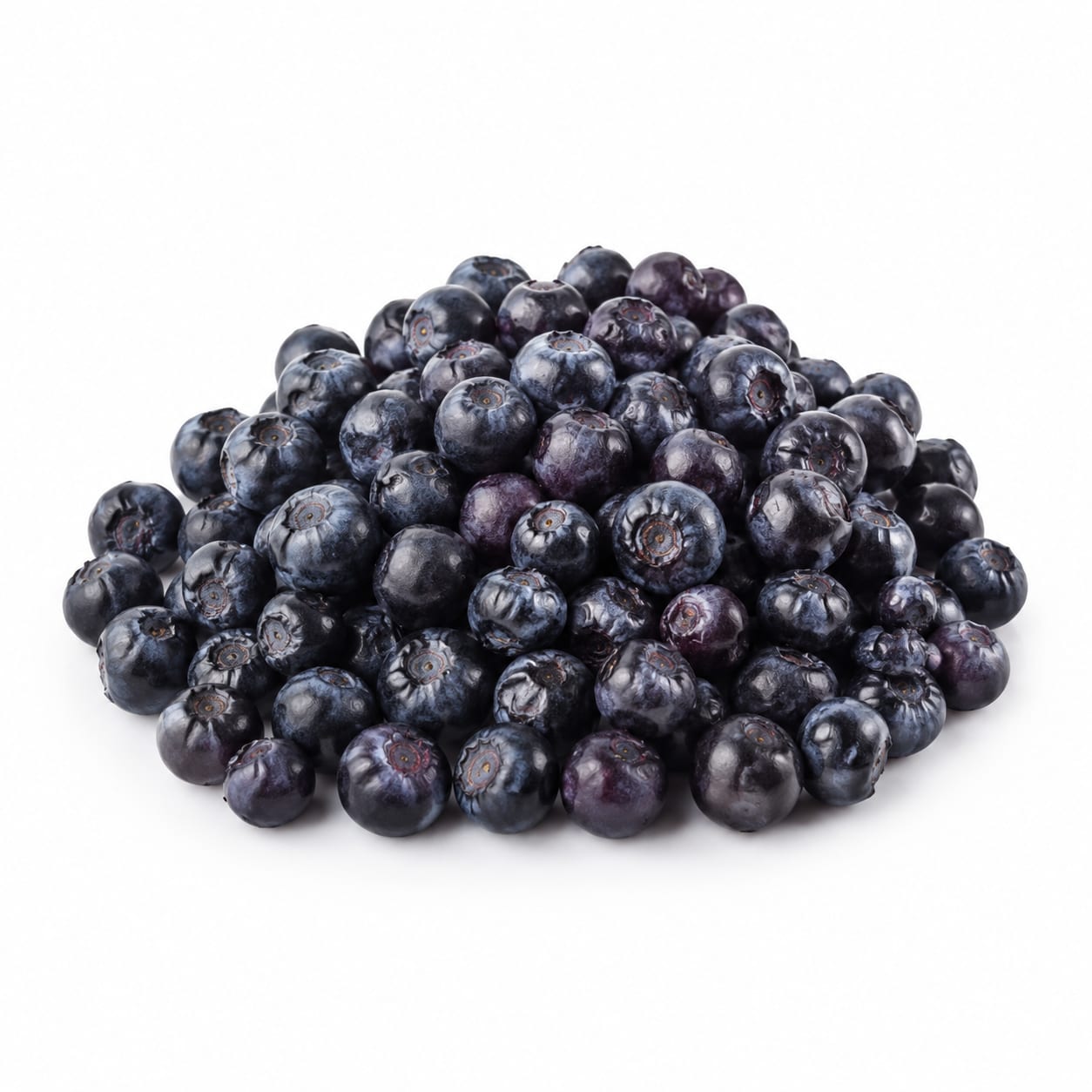
Compare with
Huckleberry
Huckleberries have larger seeds and a slightly tarter flavor, while bilberries are softer and higher in specific anthocyanins.
Bilberries and huckleberries are nutritionally similar wild berries, but bilberries are softer with fewer seeds, making them better for smooth textures.
This food
Bilberry
VS80% alike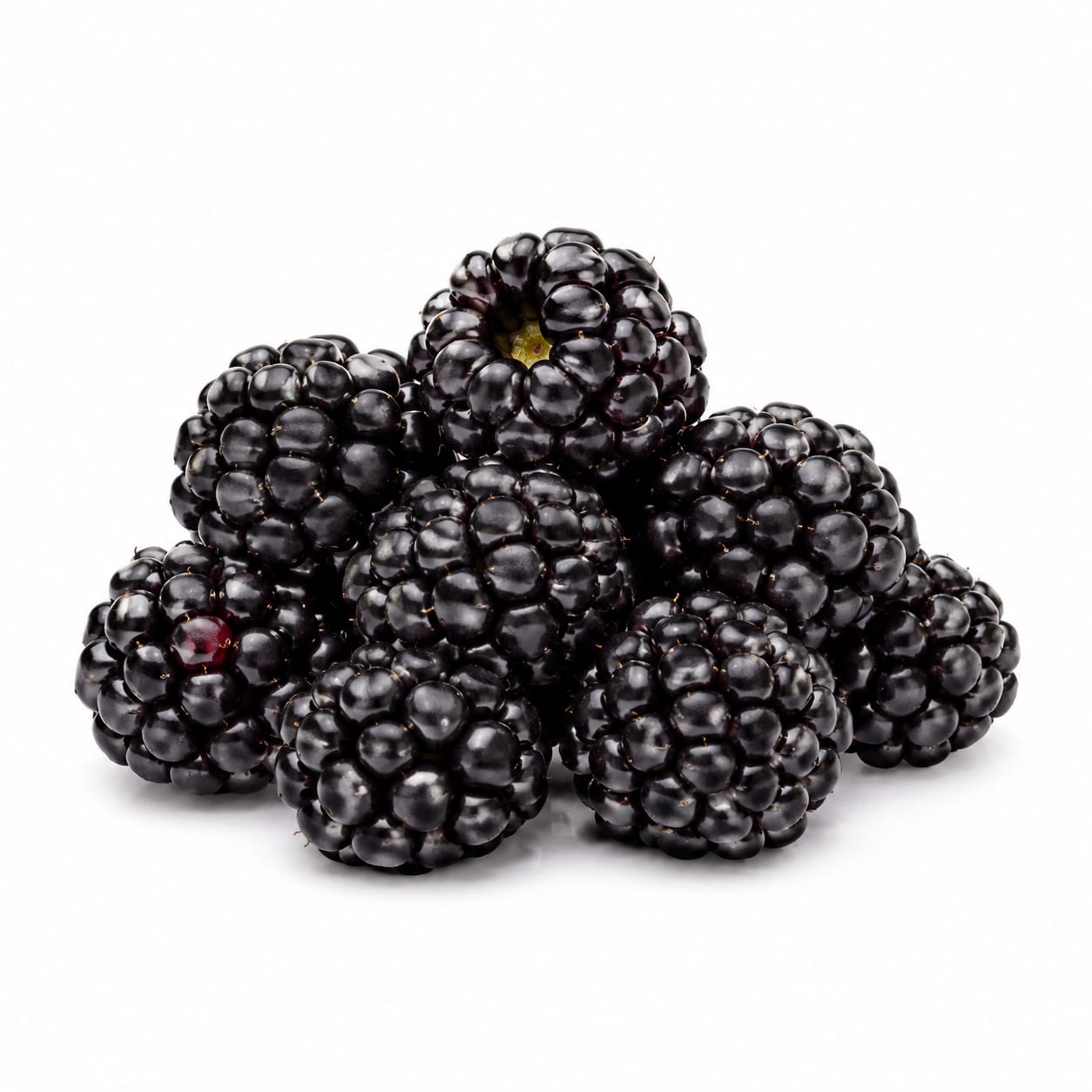
Compare with
Blackberry
Blackberries are larger, have a different structure (drupelets), and are higher in fiber, while bilberries are higher in anthocyanins.
Blackberries offer more fiber and satiety, while bilberries provide a lower sugar option with superior anthocyanin content.
This food
Bilberry
VS75% alike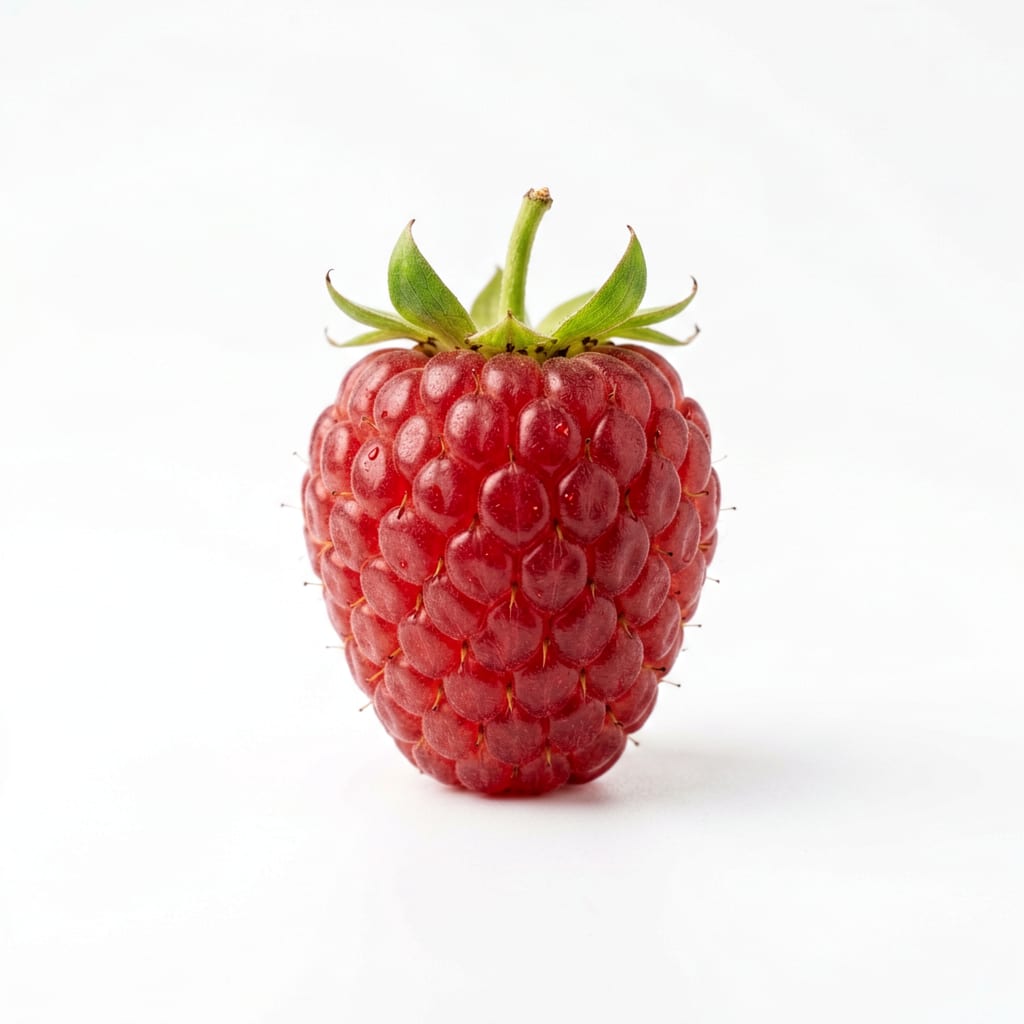
Compare with
Raspberry
Raspberries are significantly higher in fiber and lower in sugar, but bilberries offer more deep-purple antioxidants.
Raspberries are better for fiber and low-sugar diets, whereas bilberries excel in providing specific antioxidants for eye and vascular health.
This food
Bilberry
VS70% alike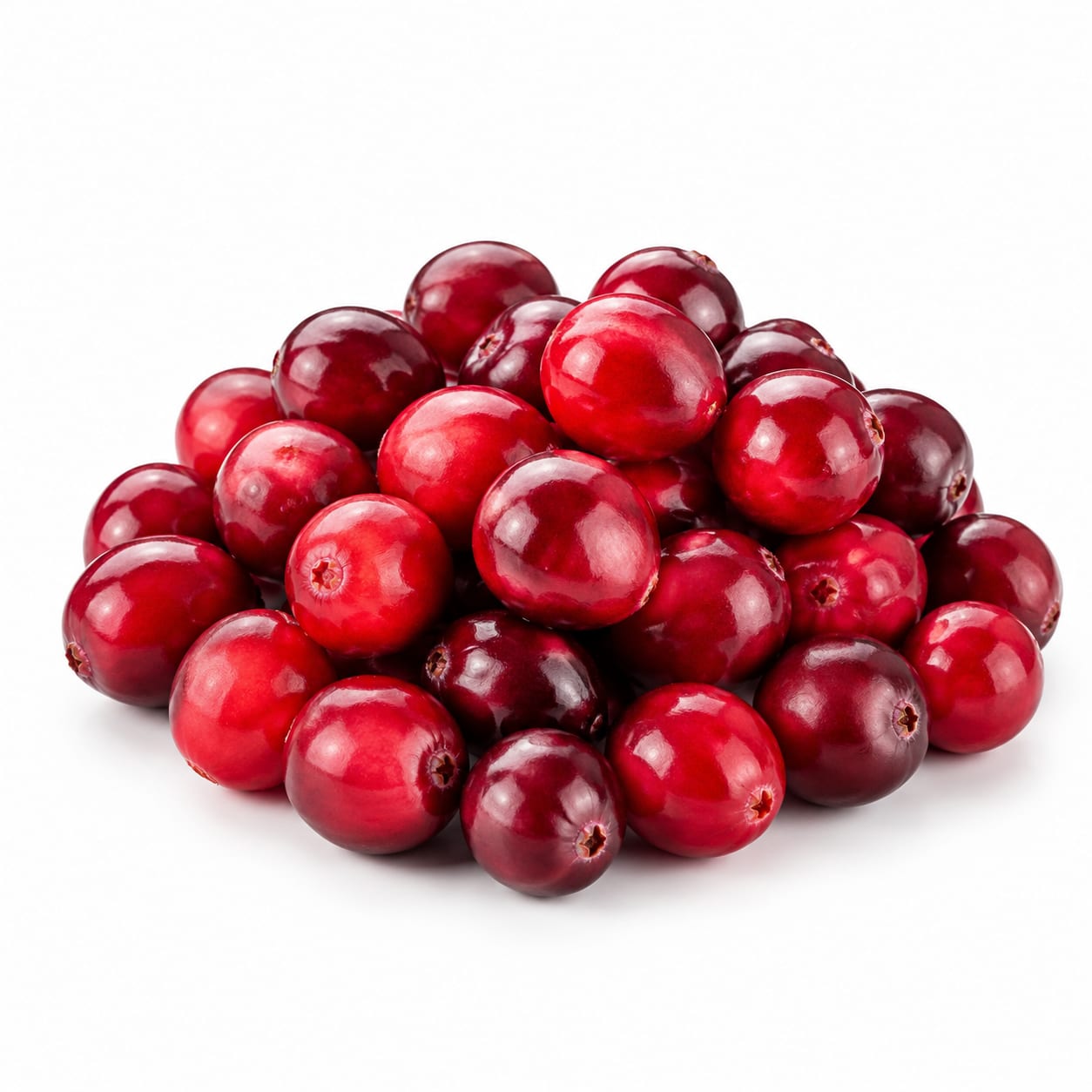
Compare with
Cranberry
Cranberries are tart and renowned for urinary tract health, while bilberries are sweeter and targeted toward eye health.
Cranberries are best for UTI prevention but are very tart, while bilberries are sweeter, lower in sugar, and better for daily snacking and eye health.
This food
Bilberry
VS65% alike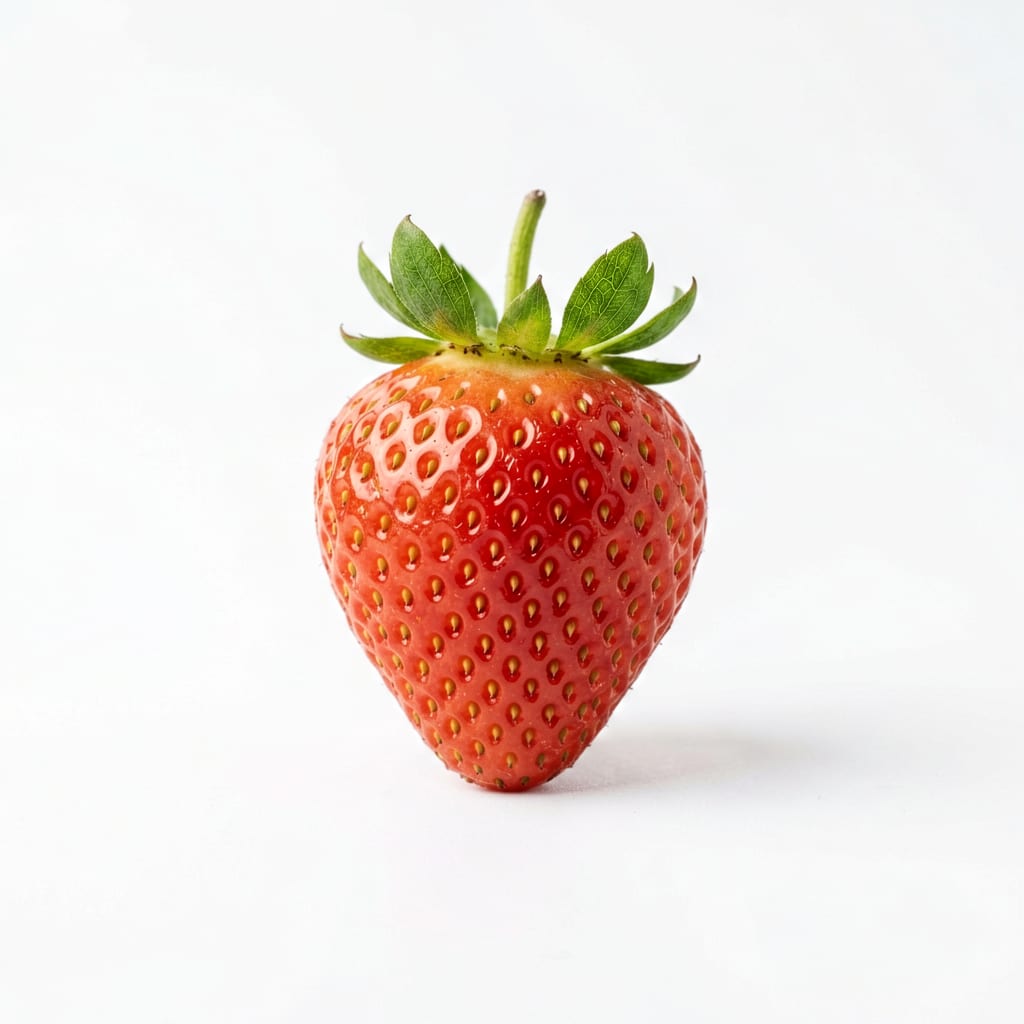
Compare with
Strawberry
Strawberries are higher in Vitamin C and larger in volume, while bilberries are vastly superior in anthocyanin content.
Strawberries offer more Vitamin C and volume for fewer calories, but bilberries provide deeper antioxidant benefits and a lower glycemic impact.
This food
Bilberry
VS60% alike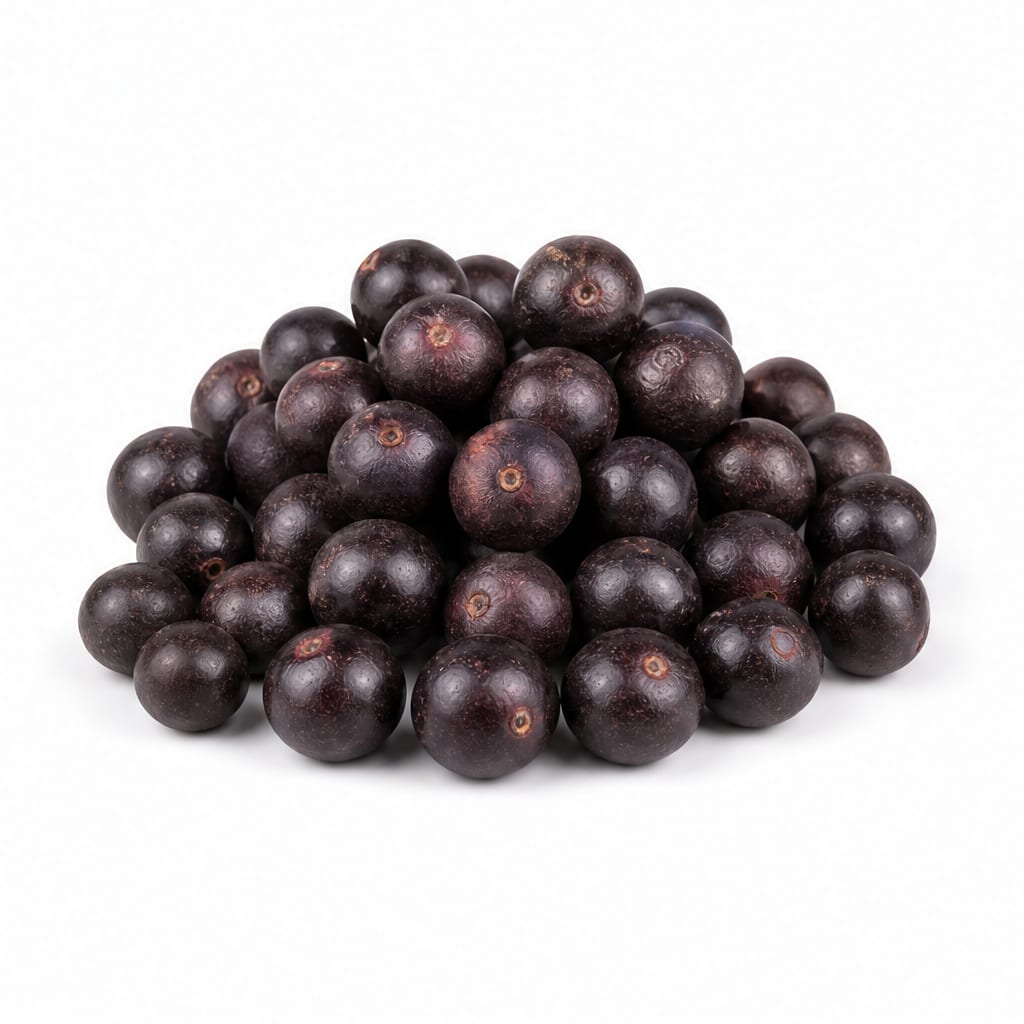
Compare with
Acai Berry
Acai is higher in healthy fats and calories, often consumed as a puree, while bilberries are a low-calorie whole fruit.
Acai berries provide healthy fats for sustained energy, while bilberries are a low-calorie, low-sugar fruit better for weight loss and blood sugar control.
This food
Bilberry
VS55% alike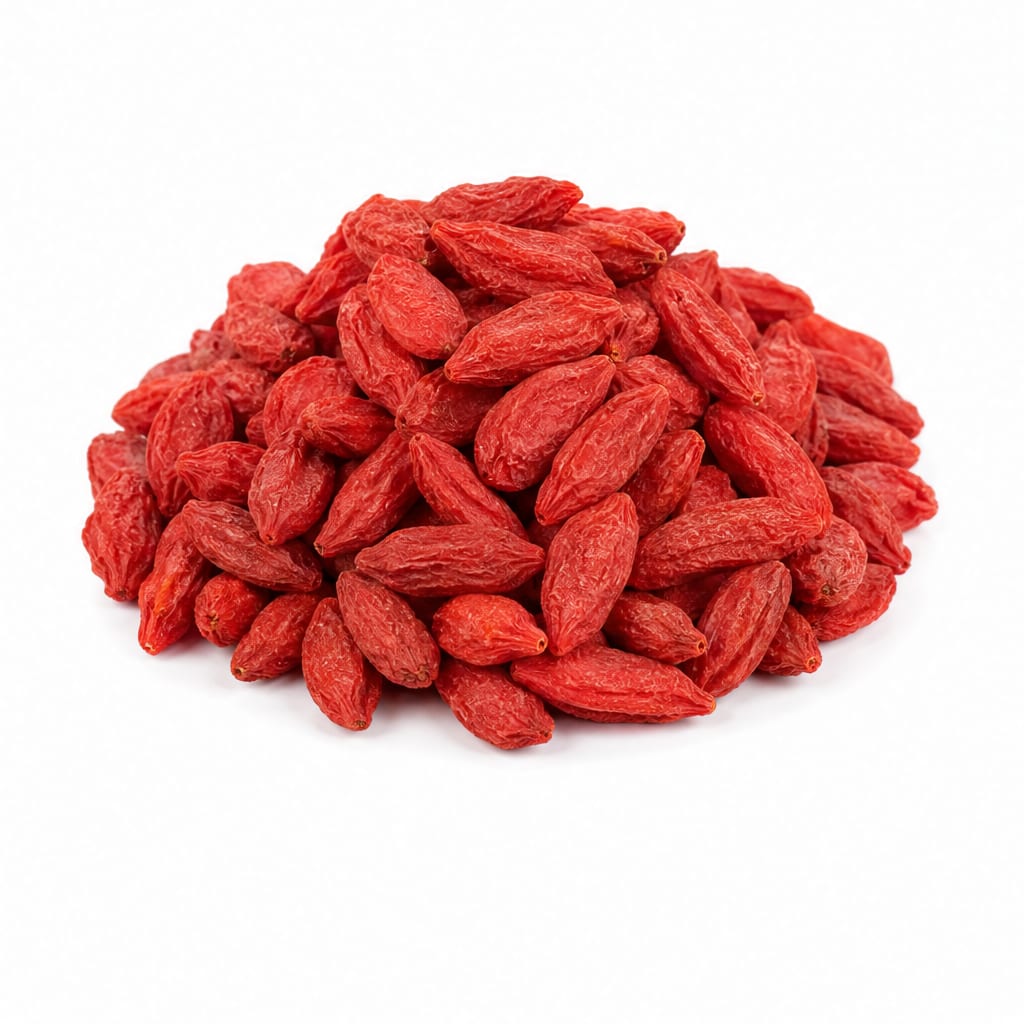
Compare with
Goji Berry
Goji berries are usually dried, higher in sugar and protein, while fresh bilberries are low in sugar and higher in water content.
Goji berries offer more protein but are dried and higher in sugar, whereas fresh bilberries are superior for low-carb diets and blood sugar management.
This food
Bilberry
VS50% alike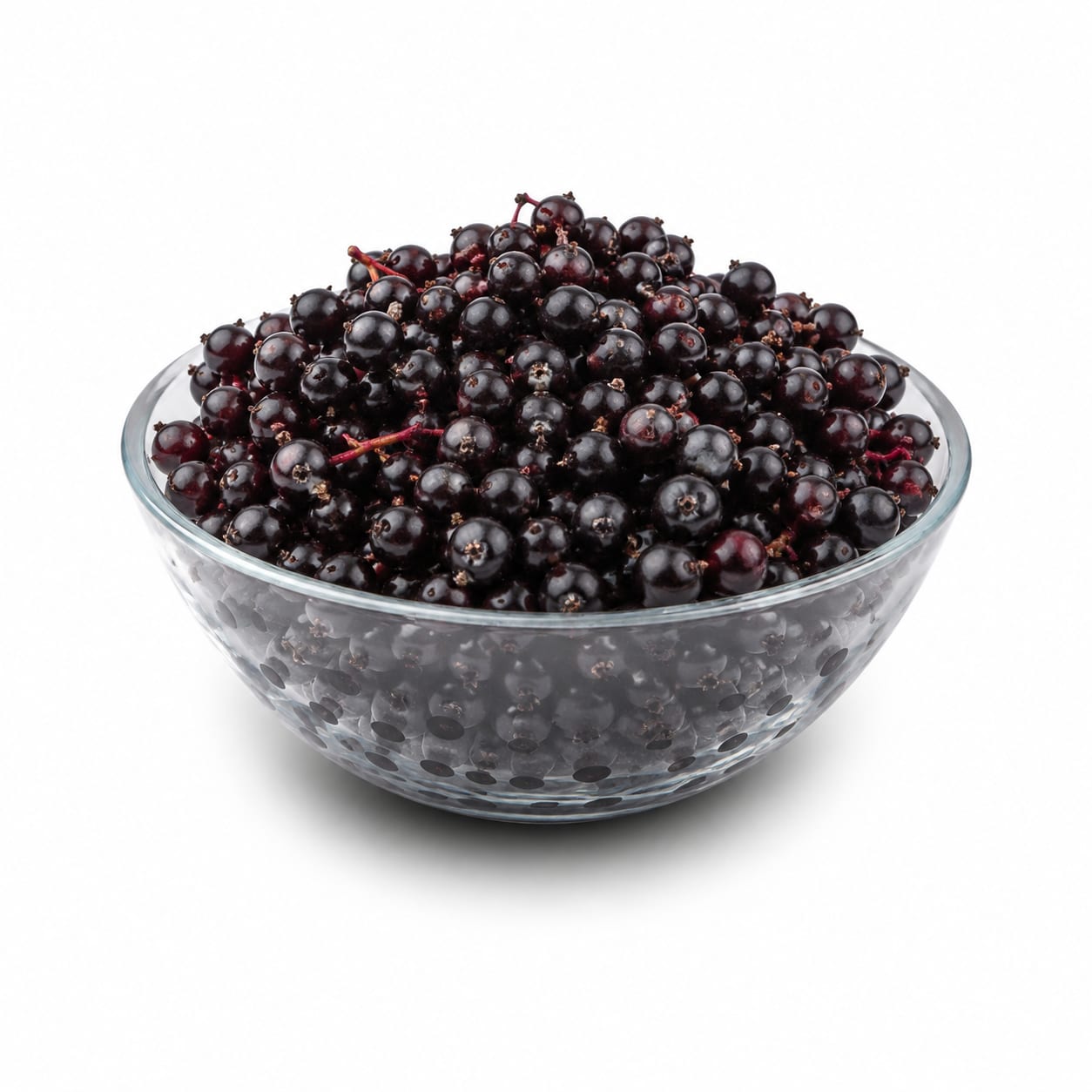
Compare with
Elderberry
Elderberries are typically cooked or made into syrup for immune support and are toxic raw, while bilberries are safe and enjoyable raw.
Elderberries are best for immune syrup and must be cooked, while bilberries are a versatile, safe, low-sugar snack for daily consumption.
This food
Bilberry
VS45% alike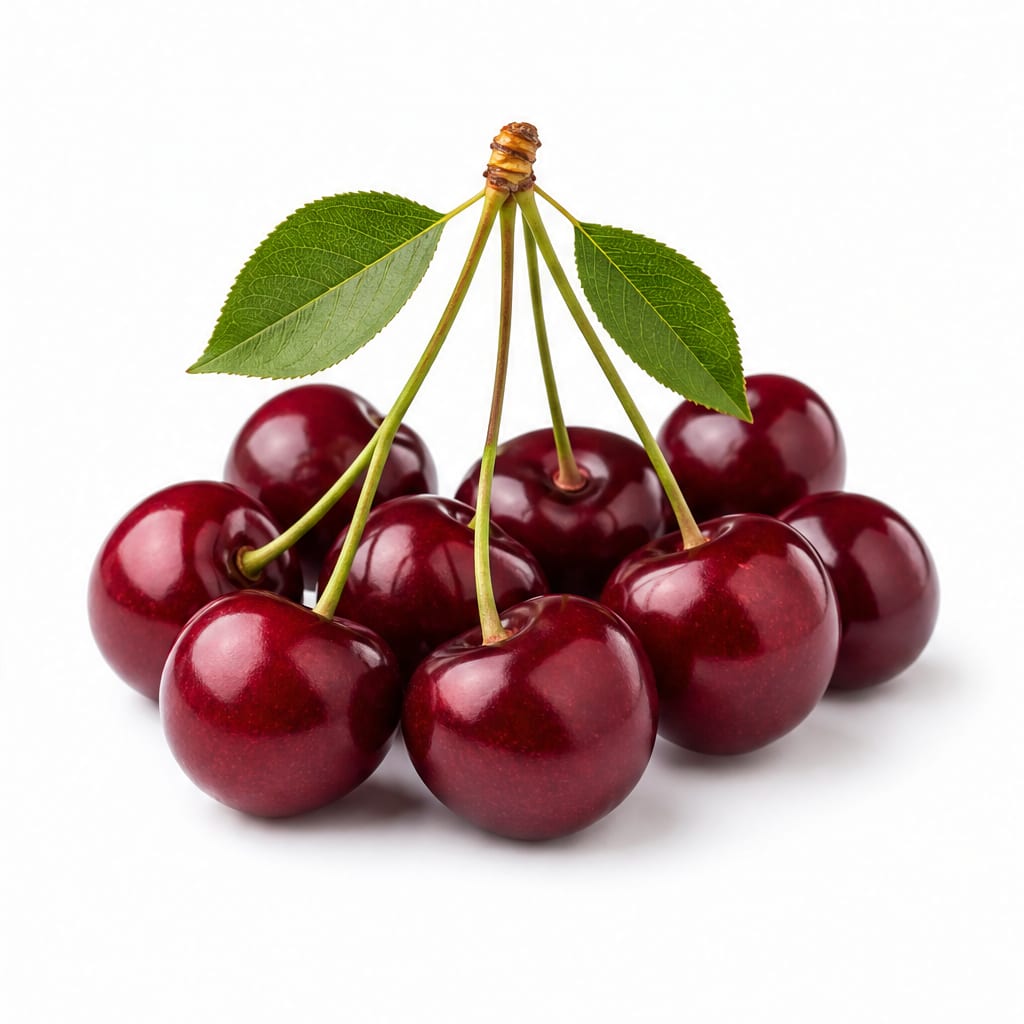
Compare with
Tart Cherry
Tart cherries are linked to muscle recovery and sleep improvement, while bilberries are linked to eye health and blood sugar control.
Tart cherries are better for workout recovery and sleep due to melatonin, while bilberries are lower in calories and better for daily blood sugar management.
Common questions
FAQ
Answers aligned with how people search for this food.
Are bilberries good for weight loss?
Yes, they are low in calories and high in fiber, which helps you feel full without consuming excess energy.
Can diabetics eat bilberries?
Yes, bilberries have a low glycemic index and contain anthocyanins that may help improve insulin sensitivity and regulate blood sugar.
Is bilberry the same as blueberry?
No, bilberries are smaller, softer, and have dark purple flesh inside, while blueberries have pale flesh and are larger. Bilberries also contain higher concentrations of certain antioxidants.
What are the health benefits of bilberries?
They are rich in antioxidants, particularly anthocyanins, which support eye health, reduce inflammation, and promote cardiovascular health.
Can you eat raw bilberries?
Yes, raw bilberries are safe to eat and offer the highest concentration of nutrients and antioxidants compared to cooked or processed forms.
Do bilberries help with night vision?
Historically, bilberries have been linked to improved night vision due to their high anthocyanin content, though modern clinical evidence is mixed.
Are bilberries high in sugar?
No, bilberries are relatively low in sugar compared to other fruits, containing about 5 grams of sugar per 100 grams.
Where do bilberries grow?
They grow wild across Europe and parts of Northern Asia, typically in acidic, nutrient-poor soils and cooler climates.
Transparency
Data confidence
Estimated confidence for nutrition data, interpretation, safety notes, and comparisons.
Nutrition data
Health analysis
Food safety
Comparisons