
Nutrition comparison
Bilberry vs Raspberry: Antioxidant Power vs Daily Fiber Champion
Bilberry delivers superior anthocyanins for eye health, while Raspberry wins on fiber, vitamin C, and everyday value. Find out which berry fits your health goals.
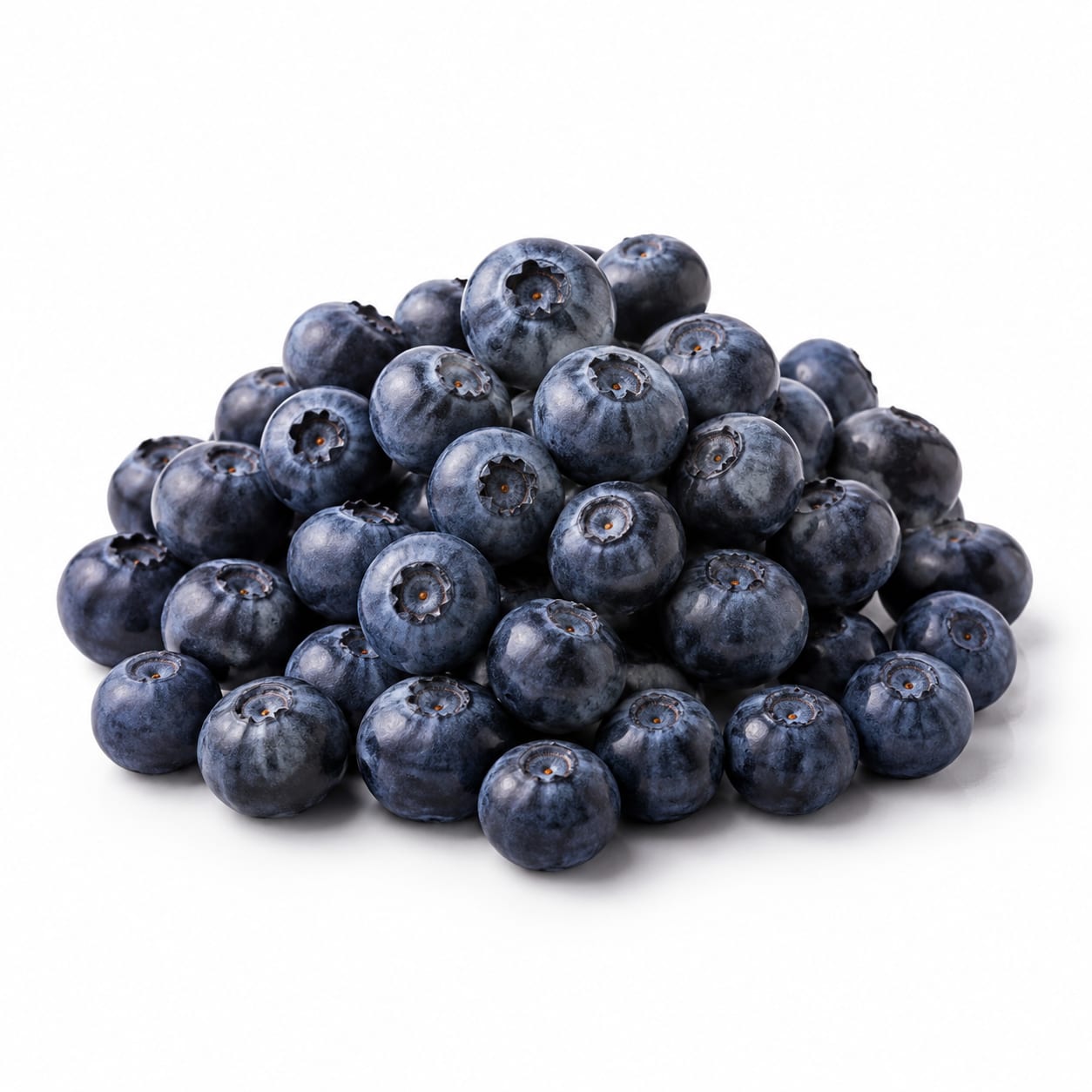
Bilberry
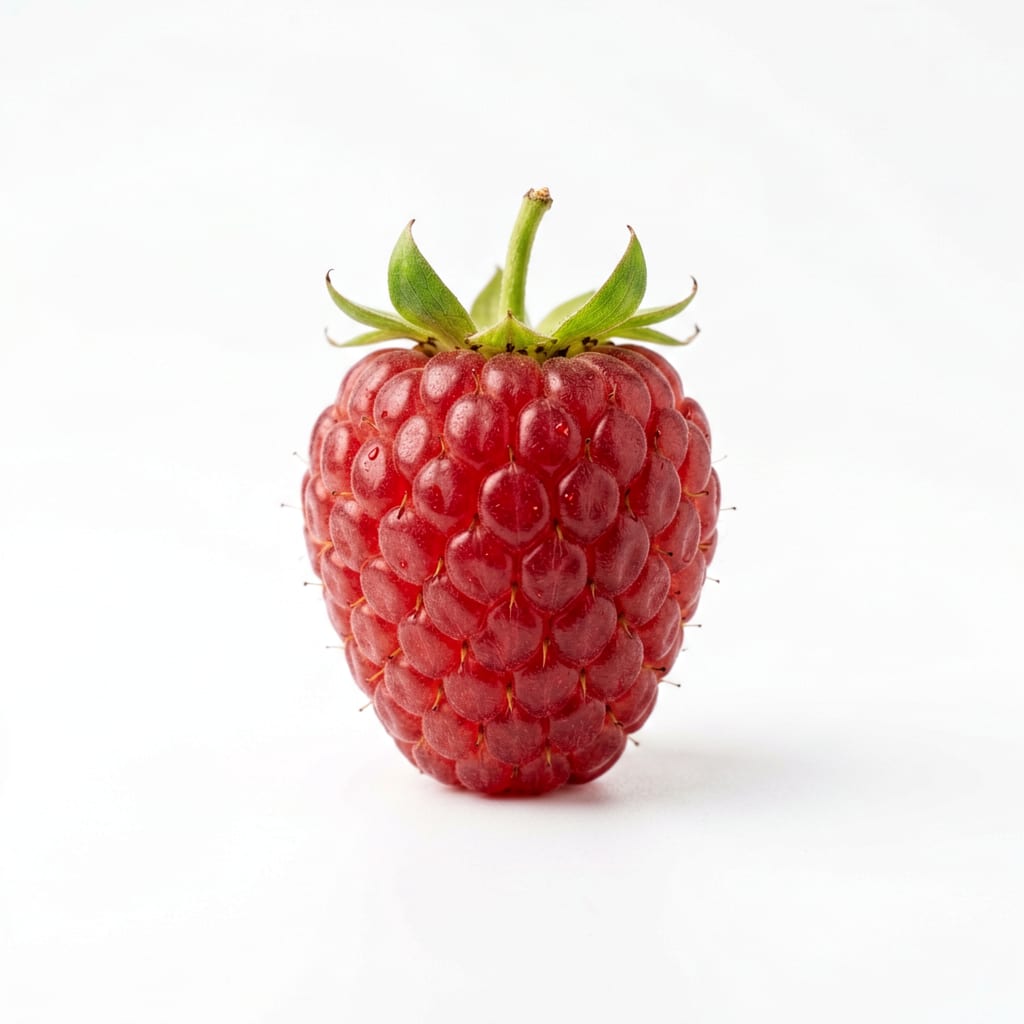
Raspberry
Bilberry wins on antioxidant potency and eye health, while Raspberry dominates on fiber, vitamin C, and everyday practicality.
Raspberry edges ahead due to superior fiber, vitamin C, availability, and daily practicality. Bilberry scores high on antioxidant density but loses ground on cost and accessibility, making it harder to sustain as a daily habit.
Deep medicinal power versus daily usability — Bilberry is the specialist, Raspberry is the reliable workhorse.
At a glance
Executive summary
Overall
It depends
Healthier
It depends
More practical
Raspberry
Daily use
Raspberry
Key comparison lenses
antioxidant density and eye health
Bilberry is legendary for anthocyanin content and eye health benefits, making this the defining contrast
fiber and digestive benefits
Raspberry is one of the highest-fiber fruits available, a major practical differentiator
everyday accessibility and cost
Bilberry is harder to find fresh and more expensive, while Raspberry is widely available year-round
sugar content and keto compatibility
Both are low-sugar fruits but differences matter for strict low-carb diets
anti inflammatory and long term disease prevention
Both berries excel here but through different compound pathways
Best choice for
Bilberry
- Eye health and vision support
- Maximum antioxidant intake in small portions
- Circulatory and vascular health
- Supplement-oriented berry users
Raspberry
- Daily fiber needs and gut health
- Weight loss and satiety
- Budget-conscious shoppers
- Cooking, baking, and smoothie regulars
Least suitable for
Bilberry
- People who need affordable daily fruit
- Anyone wanting fresh berries at a regular grocery store
- Large portion eaters due to cost per serving
Raspberry
- Those specifically targeting anthocyanin-dense supplementation
- People seeking the most concentrated antioxidant punch per gram
Deep comparison
Dimension by dimension
Each lens scores both foods and breaks down who each option suits.
- Dimension 1 · Priority 92Bilberry
Antioxidant Potency
Bilberry · 95Raspberry · 72Bilberry delivers significantly more anthocyanins per gram, especially in the flesh where most berries concentrate them only in the skin.
Tradeoff
You get more antioxidant firepower from Bilberry, but you will pay more and find it harder to source.
Why it matters
Anthocyanins protect blood vessels, reduce oxidative stress, and support night vision — areas where Bilberry has clinical evidence.
Real-world impact
If you are specifically targeting eye health or circulation, Bilberry is the more potent tool. For general wellness, Raspberry still provides solid antioxidant coverage.
Bilberry
- Night vision and eye fatigue
- Capillary strength and circulation
- Intensive antioxidant protocols
Better for
- Cost per antioxidant unit is higher
Worse for
Raspberry
- Broad-spectrum antioxidant variety
- Everyday inflammation management
Better for
- Lower total anthocyanin concentration
Worse for
- Dimension 2 · Priority 88Raspberry
Fiber Content
Bilberry · 55Raspberry · 94Raspberry is one of the highest-fiber fruits at roughly 6.5g per cup, while Bilberry provides about half that.
Tradeoff
Raspberry keeps you fuller longer and supports gut health significantly better, making it the superior choice for digestive regularity.
Why it matters
Fiber controls blood sugar, feeds beneficial gut bacteria, and increases satiety — all critical for weight management and metabolic health.
Real-world impact
A cup of Raspberry with breakfast meaningfully moves your daily fiber needle. Bilberry contributes but will not move the needle as much.
Bilberry
- Less effective at filling you up
- Weaker gut health support per serving
Worse for
Raspberry
- Gut microbiome diversity
- Blood sugar stabilization
- Feeling full between meals
- Constipation prevention
Better for
- Dimension 3 · Priority 75Raspberry
Vitamin C
Bilberry · 48Raspberry · 88Raspberry delivers roughly 32mg of vitamin C per cup compared to Bilberry's modest contribution.
Tradeoff
Raspberry supports immune function and collagen production more effectively, while Bilberry relies on other compounds for health benefits.
Why it matters
Vitamin C is essential for immune resilience, skin health, and iron absorption — areas where Raspberry contributes meaningfully.
Real-world impact
Eating Raspberries regularly helps cover your vitamin C needs without supplementation. Bilberry alone will not move the needle here.
Bilberry
- Not a meaningful vitamin C source
Worse for
Raspberry
- Immune system support
- Skin and collagen health
- Iron absorption enhancement
Better for
- Dimension 4 · Priority 72Bilberry
Sugar and Keto Compatibility
Bilberry · 85Raspberry · 74Bilberry contains slightly less sugar per serving, making it marginally more keto-friendly, though both are low-sugar fruits.
Tradeoff
The difference is small enough that both fit comfortably into low-carb diets, but strict keto trackers may prefer Bilberry.
Why it matters
For people counting every gram of carbohydrate, even small differences between berries can influence food choices.
Real-world impact
On a strict keto diet, Bilberry gives you slightly more room for other carb sources. For everyone else, the difference is negligible.
Bilberry
- Strict ketogenic diets
- Minimalist carb budgets
Better for
Raspberry
- Moderate low-carb approaches where fiber offsets net carbs
Better for
- Slightly higher sugar per serving
Worse for
- Dimension 5 · Priority 80Raspberry
Availability and Practicality
Bilberry · 35Raspberry · 90Raspberries are available fresh or frozen in virtually every grocery store. Fresh Bilberries are rare outside Europe and often require specialty sourcing.
Tradeoff
You can eat Raspberries three times a week easily. Bilberries require effort, planning, and often accepting dried or supplement forms.
Why it matters
The healthiest food is the one you actually eat consistently. Accessibility drives consistency more than nutrient density.
Real-world impact
Most people will struggle to find fresh Bilberries locally. Frozen Raspberries are available year-round at reasonable prices.
Bilberry
- Specialty health food enthusiasts willing to order online
Better for
- Hard to find fresh
- Often expensive when available
- Limited to dried, frozen, or supplement forms
Worse for
Raspberry
- Weekly meal preppers
- Budget-conscious families
- Anyone shopping at regular grocery stores
- Smoothie and baking regulars
Better for
- Dimension 6 · Priority 70It depends
Anti-inflammatory Profile
Bilberry · 86Raspberry · 83Bilberry fights inflammation through concentrated anthocyanins, while Raspberry uses ellagic acid and diverse polyphenols. Both are excellent.
Tradeoff
Bilberry offers deeper anti-inflammatory intensity in smaller doses. Raspberry provides broader anti-inflammatory variety across larger portions.
Why it matters
Chronic inflammation drives most modern disease. Both berries help, but through different pathways that could complement each other.
Real-world impact
Eating both berries regularly would give you the widest anti-inflammatory coverage. Choosing only one still provides meaningful benefits.
Bilberry
- Targeted vascular inflammation
- Eye-related inflammatory conditions
Better for
Raspberry
- General systemic inflammation
- Digestive tract inflammation due to fiber
Better for
Timeline
Health impact over time
Short-term
Hours to days
Bilberry
- Quick antioxidant absorption supporting blood flow
- Mild blood sugar stabilization from low sugar content
- Tart flavor can satisfy sweet cravings without a sugar spike
Raspberry
- Noticeable fullness from high fiber content
- Rapid vitamin C boost for immune support
- Satisfying texture and volume that curbs overeating
Long-term
Months to years
Bilberry
- Stronger capillary integrity and reduced vascular fragility
- Potential preservation of night vision and reduced eye fatigue
- Sustained anti-inflammatory protection for cardiovascular health
Raspberry
- Improved gut microbiome diversity from consistent fiber intake
- Better long-term blood sugar regulation and diabetes risk reduction
- Cell-protective effects from ellagic acid against certain cancers
Risk profile
Safety & processing
Both berries are whole foods with minimal processing concerns. However, Bilberry is more commonly sold dried or in supplement form, which can introduce added sugars or processing aids. Fresh or frozen Raspberries are almost always additive-free.
Bilberry
Mislabeled products
mediumMany Bilberry supplements are adulterated with cheaper blueberry extract. Source from reputable brands if buying in supplement form.
Pesticide residue on cultivated varieties
lowWild Bilberries are naturally pesticide-free, but cultivated versions may carry residues similar to other berries.
Raspberry
Pesticide residue
mediumRaspberries consistently appear on the EWG Dirty Dozen list. Choose organic when possible, especially for children.
Mold and spoilage
mediumRaspberries spoil quickly and can harbor mold within days. Inspect carefully and consume within 1-2 days of purchase.
Who wins for whom
Audience fit
Same foods, different winners depending on your goal.
children
RaspberryRaspberries are sweeter, more available, and more affordable for regular kids' snacks. Their softer texture is also more child-friendly.
daily consumption
RaspberryRaspberry's affordability, availability, and fiber content make it sustainable as a daily habit. Bilberry works better as a targeted supplement.
diabetes
RaspberryRaspberry's superior fiber content slows glucose absorption more effectively, providing steadier blood sugar responses after eating.
elderly
BilberryBilberry's anthocyanins specifically support eye health and capillary integrity, both major concerns for aging populations.
muscle gain
It dependsNeither berry is a significant protein source. Both serve as antioxidant support for recovery, with no clear advantage for muscle building.
weight loss
RaspberryRaspberry's high fiber content creates more satiety per calorie, making it easier to eat satisfying portions without overconsumption.
Your move
Decision guide
Choose Bilberry
- You specifically want eye health and vision support
- You are building a targeted antioxidant protocol
- You can access quality Bilberry products without overpaying
- You prefer smaller portions with concentrated benefits
Choose Raspberry
- You want a high-fiber fruit you can eat daily
- Budget and availability matter for your food choices
- You need versatile berries for smoothies, oatmeal, or baking
- Gut health and digestive regularity are top priorities
Either works if
- You want anti-inflammatory fruit options
- You are following a low-sugar or keto diet
- You enjoy rotating different berries for nutrient diversity
Avoid both if
- You have a severe berry allergy or salicylate sensitivity
- You are on blood-thinning medications without medical guidance, as both can affect clotting
Final recommendation
Eat Raspberries as your daily berry for fiber, vitamin C, and practicality. Add Bilberry as a targeted supplement or occasional treat when eye health and circulatory benefits are your priority. Together, they cover more ground than either alone.
Practical
Consumer tips
- 1
Buy frozen Raspberries in bulk bags for the best value — they retain nutrients well and work perfectly in smoothies
- 2
If buying Bilberry supplements, look for products standardized to at least 25% anthocyanins and third-party tested for adulteration
- 3
Choose organic Raspberries when possible due to consistent pesticide residue concerns
- 4
Wild-crafted Bilberries from Northern Europe are the gold standard if you can find them
- 5
Mix both berries together for the broadest antioxidant and fiber coverage in one bowl
- 6
Store Raspberries in the fridge and eat within 48 hours — they spoil faster than almost any other fruit