
Nutrition comparison
Bilberry vs Acai Berry: Which Superfood Is Better for You?
Compare Bilberry and Acai Berry to find out which is best for eye health, weight loss, and daily nutrition. Discover the real differences in antioxidants, calories, and benefits.
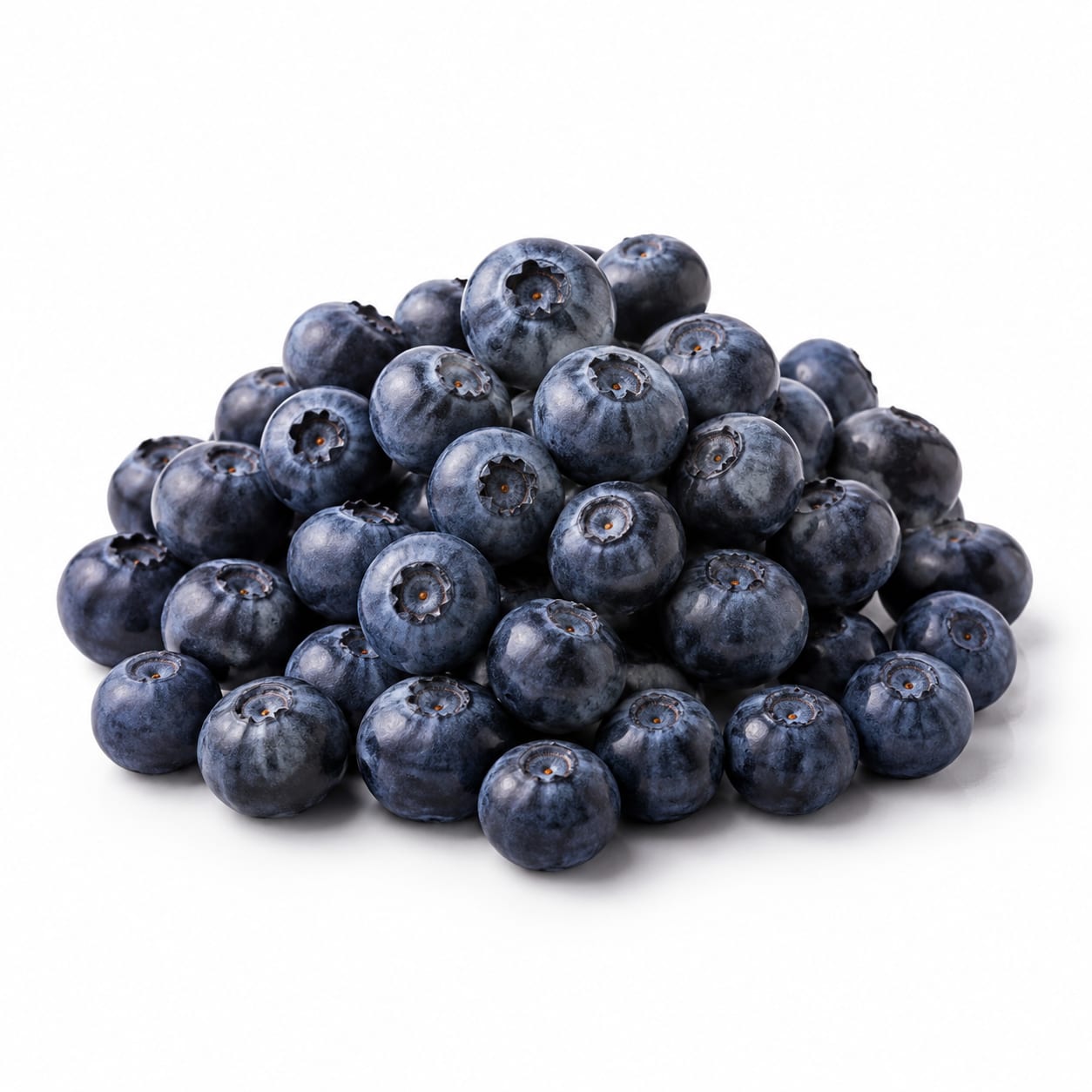
Bilberry
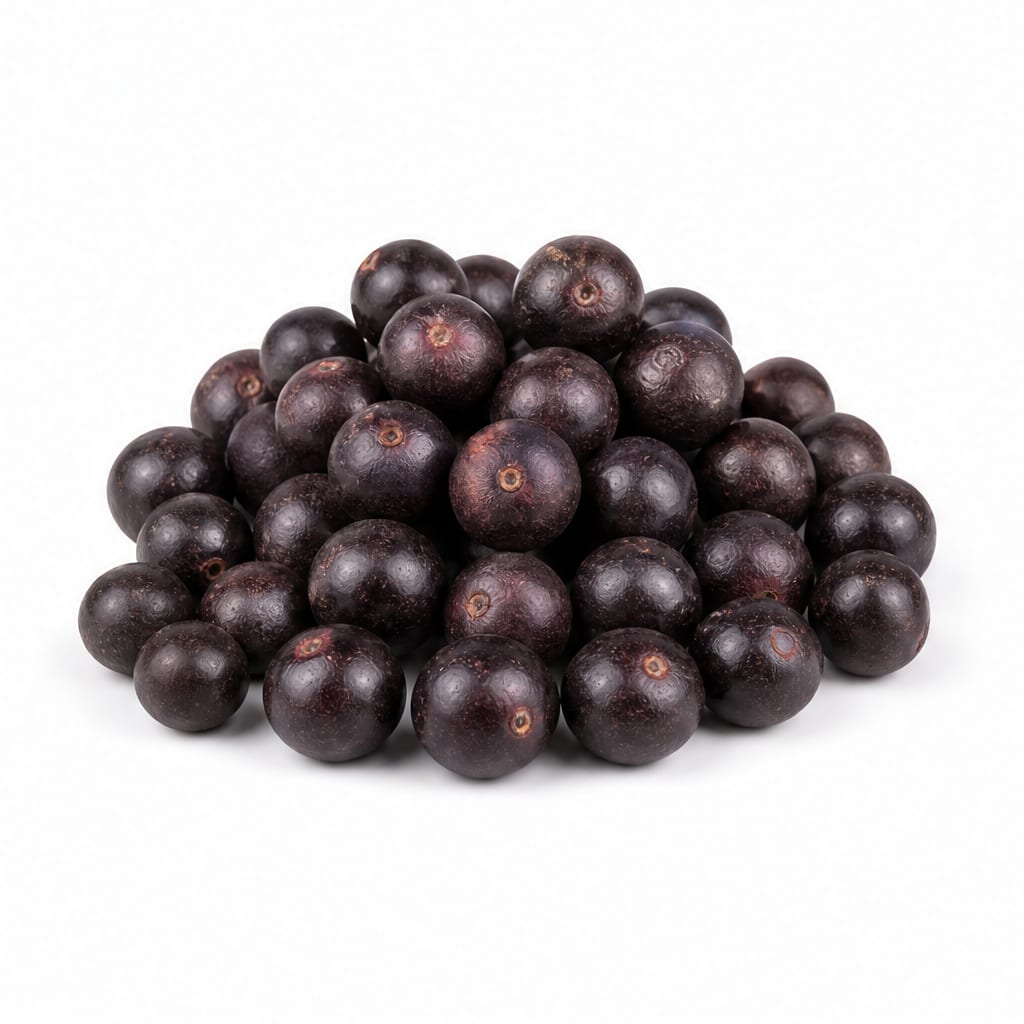
Acai Berry
Bilberry targets eye health and is lower in calories, while Acai Berry delivers more heart-healthy fats and skin-supporting antioxidants but comes with a higher calorie load.
Both are elite antioxidant sources, but Bilberry's specific clinical backing for vision and lower calorie count slightly edges out Acai Berry's higher fat content and frequent over-processing in commercial bowls.
Specialized vision support and low calories versus broader antioxidant coverage and satisfying healthy fats.
At a glance
Executive summary
Overall
It depends
Healthier
It depends
More practical
Acai Berry
Daily use
It depends
Key comparison lenses
Antioxidant specificity and superfood benefits
Both are famous for their antioxidant density, but they target different body systems and offer unique protective benefits.
Weight management and calorie density
Bilberry is a light, low-calorie snack, while Acai Berry is often used as a calorie-dense, fat-rich meal base.
Processing and added sugar concerns
Acai is rarely eaten fresh and commercial products often contain added sugars, whereas Bilberry is usually consumed whole or as a pure extract.
Best choice for
Bilberry
- Screen-heavy workers
- Calorie-conscious snackers
- Those focused on eye health
Acai Berry
- Smoothie lovers
- People wanting healthy fats
- Those seeking skin and heart benefits
Least suitable for
Bilberry
- People looking for a high-calorie smoothie base
- Those wanting a creamy texture
Acai Berry
- Strict calorie counters
- People avoiding added sugars in commercial purees
Deep comparison
Dimension by dimension
Each lens scores both foods and breaks down who each option suits.
- Dimension 1 · Priority 95It depends
Antioxidant Specificity
Bilberry · 90Acai Berry · 88Bilberry excels in anthocyanins that protect the retina, while Acai Berry offers a broader spectrum of antioxidants plus omega fats for skin and heart.
Tradeoff
Targeted vision support versus whole-body skin and heart benefits.
Why it matters
If you stare at screens all day, Bilberry gives you exactly what your eyes need. If you want a general glow and cardiovascular boost, Acai Berry covers more bases.
Real-world impact
Choosing Bilberry might reduce your eye fatigue after a long workday. Choosing Acai Berry might give your skin a healthier look over a few months.
Bilberry
- Screen-heavy workers needing eye support
- People with night vision concerns
Better for
- Those uninterested in eye health specifically
- People wanting a meal-replacement base
Worse for
Acai Berry
- People seeking a skin glow
- Those wanting cardiovascular support
Better for
- Those on a tight calorie budget
- People who want a light, refreshing snack
Worse for
- Dimension 2 · Priority 90Bilberry
Calorie and Macronutrient Profile
Bilberry · 85Acai Berry · 70Bilberries are light and low-calorie, whereas Acai Berries are calorie-dense due to their healthy fat content.
Tradeoff
A low-calorie snack versus a filling, fat-rich meal base.
Why it matters
If you are watching your weight, Bilberries are an easy win. If you need something satisfying that holds you over, Acai Berry's fats do the job.
Real-world impact
Eating Bilberries as a snack won't dent your daily calorie budget. An Acai bowl can easily become a full meal with its fat and calorie load.
Bilberry
- Calorie-conscious snackers
- Those tracking macros strictly
Better for
- Those trying to gain healthy weight
- People wanting a thick, filling smoothie
Worse for
Acai Berry
- People needing sustained energy
- Those looking to increase healthy fat intake
Better for
- Those on a strict calorie deficit
- People who prefer light snacking
Worse for
- Dimension 3 · Priority 85Acai Berry
Availability and Processing Risk
Bilberry · 65Acai Berry · 80Acai Berry is widely available as frozen puree, making it accessible, though often mixed with sugar. Bilberry is harder to find fresh and is often taken as an extract.
Tradeoff
Convenient access with a sugar risk versus harder-to-find purity.
Why it matters
You can find Acai in almost any grocery store freezer, but you have to read labels to avoid added sugars. Bilberries require more effort to source in their whole form.
Real-world impact
You can easily grab an Acai packet for a quick breakfast, but you might accidentally consume hidden sugars. Finding whole Bilberries might mean ordering online or visiting specialty stores.
Bilberry
- Those who prefer simple, unprocessed fruit
- People using targeted supplements
Better for
- People who want quick, ready-to-blend options
- Those without access to specialty stores
Worse for
Acai Berry
- Smoothie enthusiasts wanting convenience
- Those who need easy grocery access
Better for
- People strictly avoiding any processing
- Those sensitive to added sweeteners
Worse for
- Dimension 4 · Priority 80Bilberry
Blood Sugar and Cravings
Bilberry · 88Acai Berry · 75Whole Bilberries have a low sugar load. Acai bowls often pack hidden sugars that can spike blood sugar.
Tradeoff
Steady blood sugar versus the risk of a sugar crash from commercial products.
Why it matters
A sugar spike from a sweetened Acai bowl can leave you hungry an hour later. Whole Bilberries keep your blood sugar steady.
Real-world impact
A Bilberry snack won't trigger afternoon cravings. A sugary Acai bowl might lead to an energy crash before lunch is over.
Bilberry
- People managing diabetes
- Those prone to sugar cravings
Better for
- Those wanting a sweet dessert alternative
Worse for
Acai Berry
- Those who blend their own unsweetened Acai at home
- People needing quick pre-workout energy
Better for
- Those sensitive to blood sugar spikes
- People trying to break sugar habits
Worse for
Timeline
Health impact over time
Short-term
Hours to days
Bilberry
- Quick antioxidant boost without a sugar crash
- Light on the stomach and refreshing
Acai Berry
- Sustained energy from healthy fats
- Commercial bowls can cause a sugar spike and subsequent crash
Long-term
Months to years
Bilberry
- Better night vision and reduced eye strain over years
- Lower cumulative calorie intake supporting weight maintenance
Acai Berry
- Improved cardiovascular markers from omega fats
- Better skin elasticity from consistent fat and antioxidant intake
Risk profile
Safety & processing
Bilberries are typically consumed fresh, dried, or as straightforward extracts. Acai is highly perishable, so it is almost always sold as frozen puree or powder, which often involves pasteurization and occasional added ingredients to balance tartness.
Bilberry
Blood thinner interaction
mediumHigh-dose Bilberry extracts can amplify the effects of blood-thinning medications due to anthocyanin content.
Acai Berry
Added sugars in commercial products
mediumMany Acai purees and smoothie packs contain added sugars or syrups to improve the naturally tart taste.
Heavy metals in powders
lowSome lower-quality Acai powders have been found to contain trace heavy metals from soil and processing.
Who wins for whom
Audience fit
Same foods, different winners depending on your goal.
children
Acai BerryAcai's creamy texture and sweeter taste in smoothie bowls make it much more appealing to kids than tart Bilberries.
daily consumption
It dependsBilberry is better for daily low-calorie snacking, while Acai is better as a daily satisfying meal base.
diabetes
BilberryWhole Bilberries have a lower sugar content and less risk of hidden added sugars compared to commercial Acai products.
elderly
BilberryThe specific anthocyanins in Bilberries support eye health and microcirculation, which are common concerns with aging.
muscle gain
Acai BerryAcai provides more calories and healthy fats, which help meet the higher energy demands of building muscle.
weight loss
BilberryBilberries are significantly lower in calories and fats, making them easier to fit into a calorie deficit.
Your move
Decision guide
Choose Bilberry
- You work long hours on screens
- You want a low-calorie antioxidant source
- You are tracking macros closely
Choose Acai Berry
- You want a filling smoothie base
- You need healthy fats for heart and skin
- You prefer a richer, creamier texture
Either works if
- You just want a general antioxidant upgrade to your diet
- You enjoy rotating different berries in your meals
Avoid both if
- You have berry allergies
- You are on blood thinners without consulting a doctor
Final recommendation
Let your daily routine decide. If you are stuck behind a screen and want a light snack, go for Bilberry. If you need a satisfying, fat-rich breakfast bowl to fuel your morning, choose unsweetened Acai Berry.
Practical
Consumer tips
- 1
Buy frozen Acai with no added sugar to avoid the energy crash.
- 2
Bilberry extracts are often more potent for eye health than the whole fruit if you want targeted benefits.
- 3
Blend Acai with protein powder to balance the carb and fat ratio for a steadier energy release.
- 4
Watch portion sizes with Acai bowls; granola and honey toppings can double the calories quickly.