
Nutrition comparison
Bilberry vs Blueberry: Which Berry Is Better for You?
Compare Bilberry vs Blueberry for antioxidants, eye health, taste, and pesticide risk. Find out which berry is the true superfood and best for your diet.
Overall winner · Blueberry
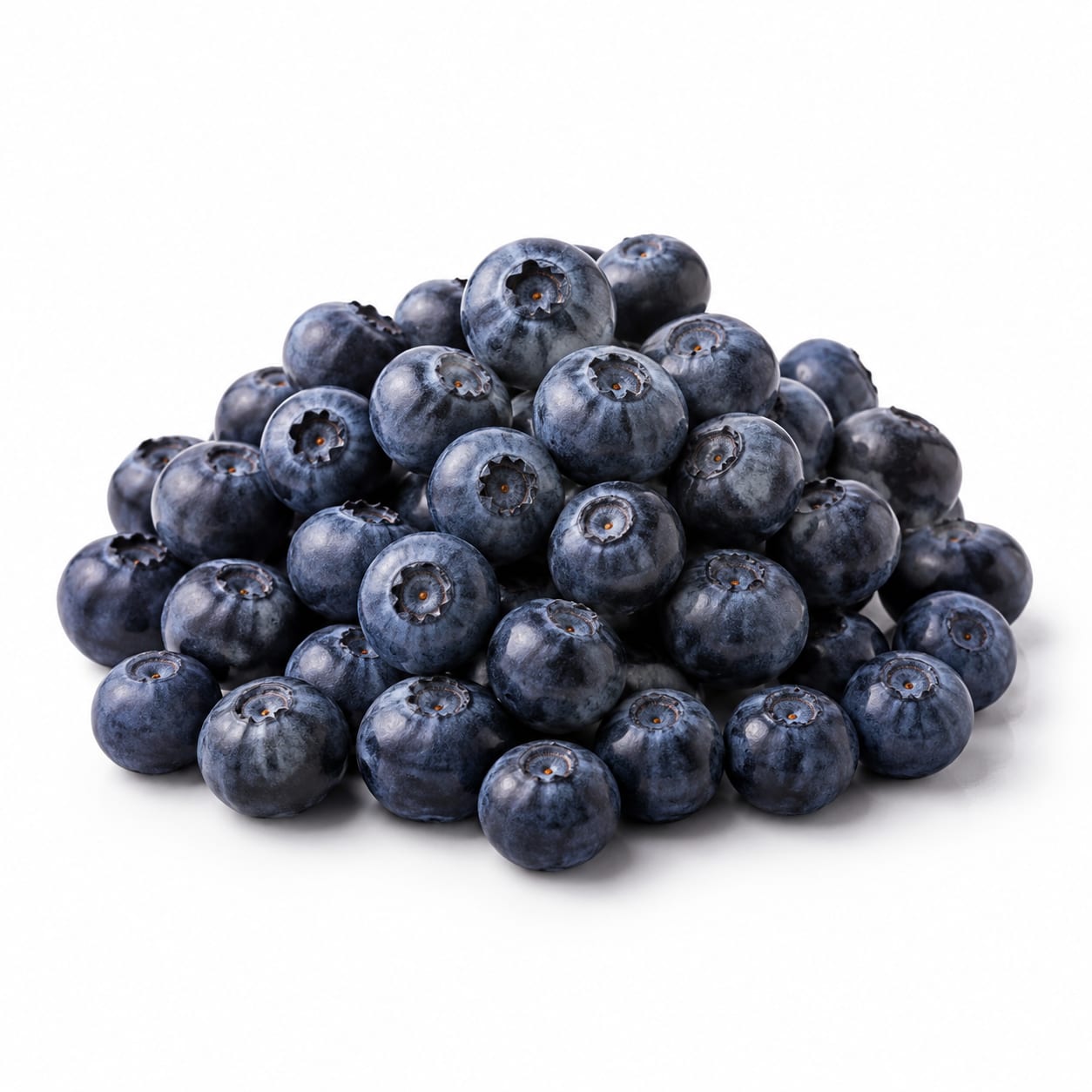
Bilberry
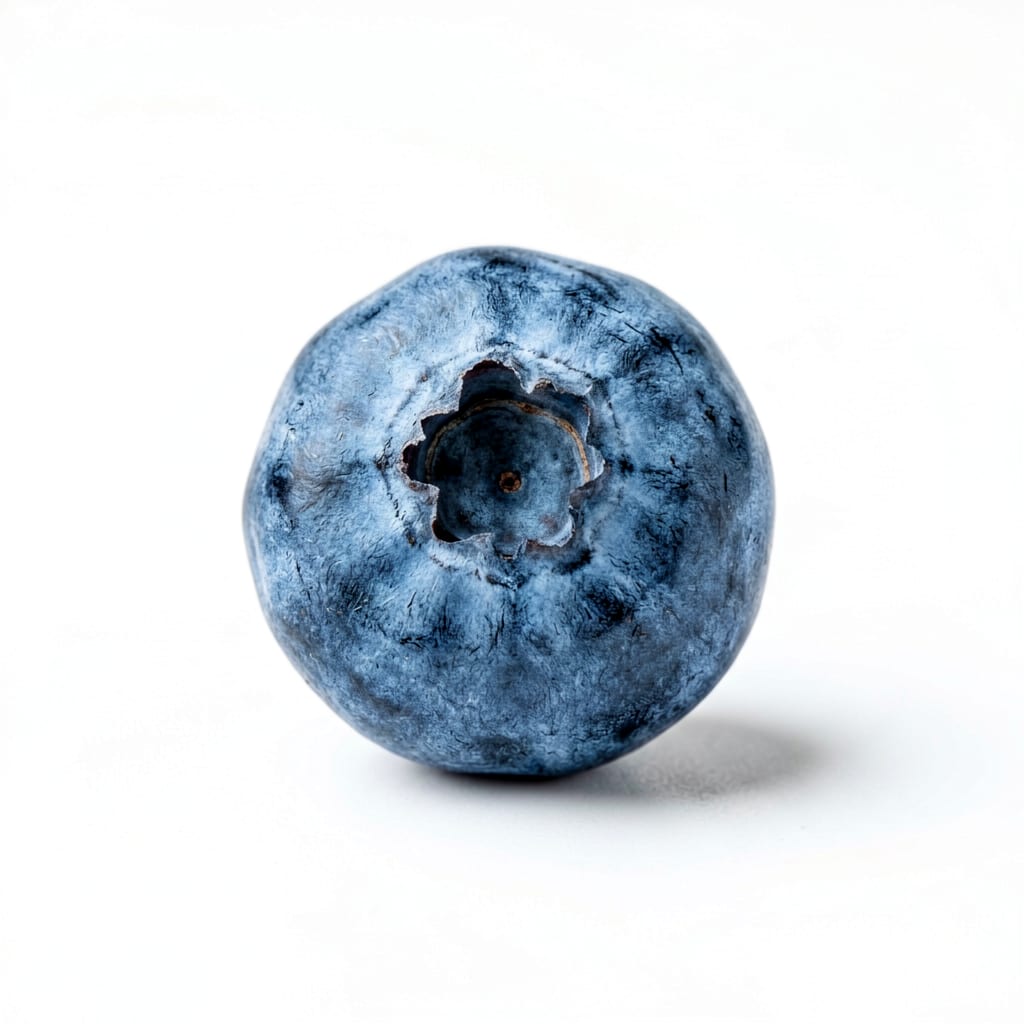
Blueberry
Bilberry is the medicinal powerhouse, but Blueberry is the practical everyday champion.
Blueberry scores slightly higher overall due to its practicality, taste, and ease of integration into daily diets. Bilberry wins on specific health metrics but loses points on availability, cost, and culinary versatility.
You trade significantly higher antioxidants and wild purity in Bilberries for the sweet taste, larger size, and year-round fresh availability of Blueberries.
At a glance
Executive summary
Overall
Blueberry
Healthier
Bilberry
More practical
Blueberry
Daily use
Blueberry
Key comparison lenses
Antioxidant and eye health benefits
Bilberry is renowned for its exceptionally high anthocyanin content, specifically linked to vision and vascular health.
Everyday accessibility and taste
Blueberries are sweeter, larger, and available fresh year-round, making them a practical daily staple.
Pesticide exposure and wild vs cultivated
Bilberries are typically wild-foraged with minimal pesticide use, while conventional blueberries often have notable pesticide residues.
Best choice for
Bilberry
- Targeted eye health support
- Reducing pesticide exposure
- Deep antioxidant and vascular benefits
Blueberry
- Easy daily snacking
- Adding to breakfasts and baking
- Getting kids to eat berries
Least suitable for
Bilberry
- People wanting a sweet, fresh snack
- Budget-conscious shoppers
- Baking where a mild, sweet flavor is expected
Blueberry
- Those strictly avoiding pesticide residues (unless organic)
- Targeted therapeutic eye health protocols
Deep comparison
Dimension by dimension
Each lens scores both foods and breaks down who each option suits.
- Dimension 1 · Priority 95Bilberry
Antioxidant Density & Eye Health
Bilberry · 98Blueberry · 75Bilberries contain up to 4 times more anthocyanins than Blueberries, and the pigment goes straight through the flesh, unlike Blueberries which are pale inside.
Tradeoff
You get vastly superior antioxidant support from Bilberries, but they are tarter and less enjoyable to eat by the handful.
Why it matters
Anthocyanins protect blood vessels and retinal cells, making Bilberries a targeted functional food for eye strain and circulation.
Real-world impact
If you stare at screens all day, Bilberry extract or frozen Bilberries might noticeably reduce eye fatigue compared to regular Blueberries.
Bilberry
- Screen-induced eye fatigue
- Circulatory issues
- Maximizing antioxidant intake per calorie
Better for
- Those who want a sweet treat rather than a functional supplement
Worse for
Blueberry
- Casual antioxidant maintenance
- A more enjoyable eating experience
Better for
- Therapeutic doses of eye-protecting anthocyanins
Worse for
- Dimension 2 · Priority 85Blueberry
Taste & Culinary Versatility
Bilberry · 60Blueberry · 92Blueberries are sweeter, plumper, and milder, making them a kitchen staple. Bilberries are smaller, tarter, and more acidic.
Tradeoff
Blueberries elevate smoothies, baking, and snacks effortlessly, while Bilberries can overpower dishes with their tartness and dark pigment.
Why it matters
A healthy food only works if you actually want to eat it. Blueberries are universally palatable.
Real-world impact
You will easily toss a handful of Blueberries into yogurt or pancake batter. Bilberries are better blended into a targeted smoothie where their tartness can be masked.
Bilberry
- Complex, tart flavor profiles
- Making richly pigmented jams
Better for
- Picky eaters
- Sweet baking recipes
Worse for
Blueberry
- Kids' lunchboxes
- Baking muffins
- Sweet breakfast bowls
Better for
- Intense, wild berry flavor enthusiasts
Worse for
- Dimension 3 · Priority 80Blueberry
Accessibility & Cost
Bilberry · 40Blueberry · 95Blueberries are available fresh in almost any grocery store year-round. Fresh Bilberries are extremely rare outside of Northern Europe and usually sold frozen or as supplements at a premium.
Tradeoff
You can grab Blueberries anywhere, anytime. Finding real Bilberries requires specialty shopping and a higher budget.
Why it matters
Consistency in diet relies on convenience. If a food is hard to find, you won't eat it regularly.
Real-world impact
A quick grocery run yields fresh Blueberries. Sourcing Bilberries often means ordering frozen online or buying expensive imported jars.
Bilberry
- Those willing to pay a premium for wild-foraged superfoods
Better for
- Spontaneous shoppers
- Tight grocery budgets
Worse for
Blueberry
- Weekly meal preppers
- Budget-conscious shoppers
- Convenience seekers
Better for
- None regarding accessibility
Worse for
- Dimension 4 · Priority 75Bilberry
Pesticide & Contamination Profile
Bilberry · 95Blueberry · 55Bilberries are almost exclusively wild-harvested, meaning virtually zero pesticide exposure. Conventional Blueberries frequently land on the EWG's Dirty Dozen list.
Tradeoff
Eating Bilberries gives you wild purity, while conventional Blueberries carry a real risk of pesticide residue unless you buy organic.
Why it matters
Pesticide exposure accumulates over time, impacting hormonal and neurological health.
Real-world impact
Choosing organic Blueberries closes the safety gap, but wild Bilberries offer guaranteed clean eating without the organic price premium.
Bilberry
- Minimizing chemical exposure
- Clean eating purists
Better for
- None regarding safety
Worse for
Blueberry
- Organic options are widely available if you actively choose them
Better for
- High pesticide risk if buying conventional
Worse for
Timeline
Health impact over time
Short-term
Hours to days
Bilberry
- May reduce eye strain and visual fatigue after long screen time
- Tart flavor can feel refreshing but less satisfying as a sweet snack
Blueberry
- Provides a quick, light energy boost without a sugar crash
- Very gentle on the stomach and easy to digest
Long-term
Months to years
Bilberry
- Superior support for microcirculation and capillary strength
- Greater long-term protection against age-related vision decline
Blueberry
- Consistent daily intake supports heart health and cognitive aging
- Maintains steady antioxidant defense against cellular damage
Risk profile
Safety & processing
Both are whole, natural berries. Bilberries edge out slightly as they are inherently wild-foraged rather than cultivated, offering a truly untouched food profile.
Bilberry
Mislabeling
mediumSome supplements and frozen products sold as Bilberry are actually Blueberry. Source from reputable suppliers.
Blueberry
Pesticide residue
highConventional Blueberries often test high for pesticide residues. Always opt for organic to mitigate this risk.
Who wins for whom
Audience fit
Same foods, different winners depending on your goal.
children
BlueberryBlueberries are sweeter, larger, and more fun for kids to eat. Bilberries are tart and small, making them a harder sell.
daily consumption
BlueberryBlueberries are affordable, available fresh year-round, and taste great every day. Bilberries are better as a targeted supplement or occasional treat.
diabetes
BilberryBilberries have slightly less sugar and a marginally lower glycemic impact, plus higher anthocyanins which improve insulin sensitivity.
elderly
BilberryThe concentrated anthocyanins in Bilberries offer stronger protection against age-related macular degeneration and poor circulation.
muscle gain
It dependsNeither is a primary muscle-building food, but both offer recovery antioxidants. Blueberries are more commonly paired with protein in post-workout meals.
weight loss
It dependsBoth are low-calorie, high-fiber fruits. Bilberries are slightly lower in sugar, but Blueberries are easier to eat as a satisfying low-calorie snack.
Your move
Decision guide
Choose Bilberry
- You want maximum antioxidant and eye health benefits
- You are concerned about pesticide exposure and prefer wild foods
- You don't mind a tart flavor or paying a premium for frozen or imported berries
Choose Blueberry
- You want a delicious, easy-to-find daily snack
- You are baking or making smoothies for the whole family
- You need an affordable, fresh berry option year-round
Either works if
- You just want a low-sugar, high-fiber fruit to add to your morning oatmeal
- You are looking for general cardiovascular and anti-aging support
Avoid both if
- You have a severe allergy to salicylates or similar berry compounds
Final recommendation
Keep Blueberries as your daily dietary staple for their taste and convenience, but consider adding frozen Bilberries or a high-quality Bilberry extract if you are specifically targeting eye health or circulatory issues.
Practical
Consumer tips
- 1
If buying Blueberries, always choose organic to avoid high pesticide residues.
- 2
Do not be fooled by fresh Bilberries in stores; true Bilberries are almost never sold fresh outside their native regions and are usually frozen.
- 3
Bilberry stains are notoriously difficult to remove; handle with care and avoid light-colored clothing.
- 4
Mixing a small handful of frozen Bilberries into a Blueberry smoothie gives you the best of both worlds: the sweetness of Blueberries with the antioxidant kick of Bilberries.