
Nutrition comparison
Bilberry vs Elderberry: Which Berry is Better for You?
Compare Bilberry and Elderberry for immune support, eye health, and safety. Learn the key differences and which berry fits your health goals.
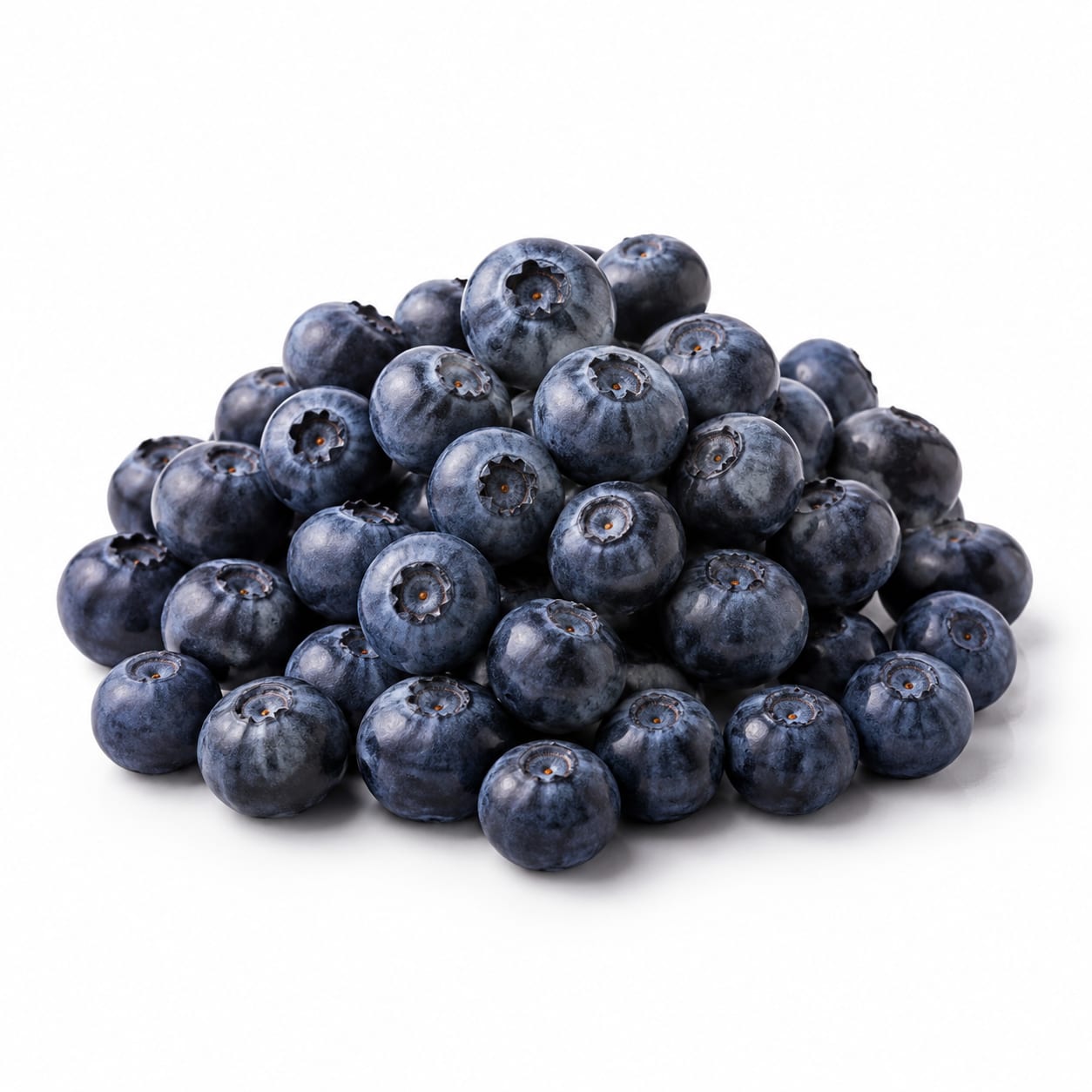
Bilberry
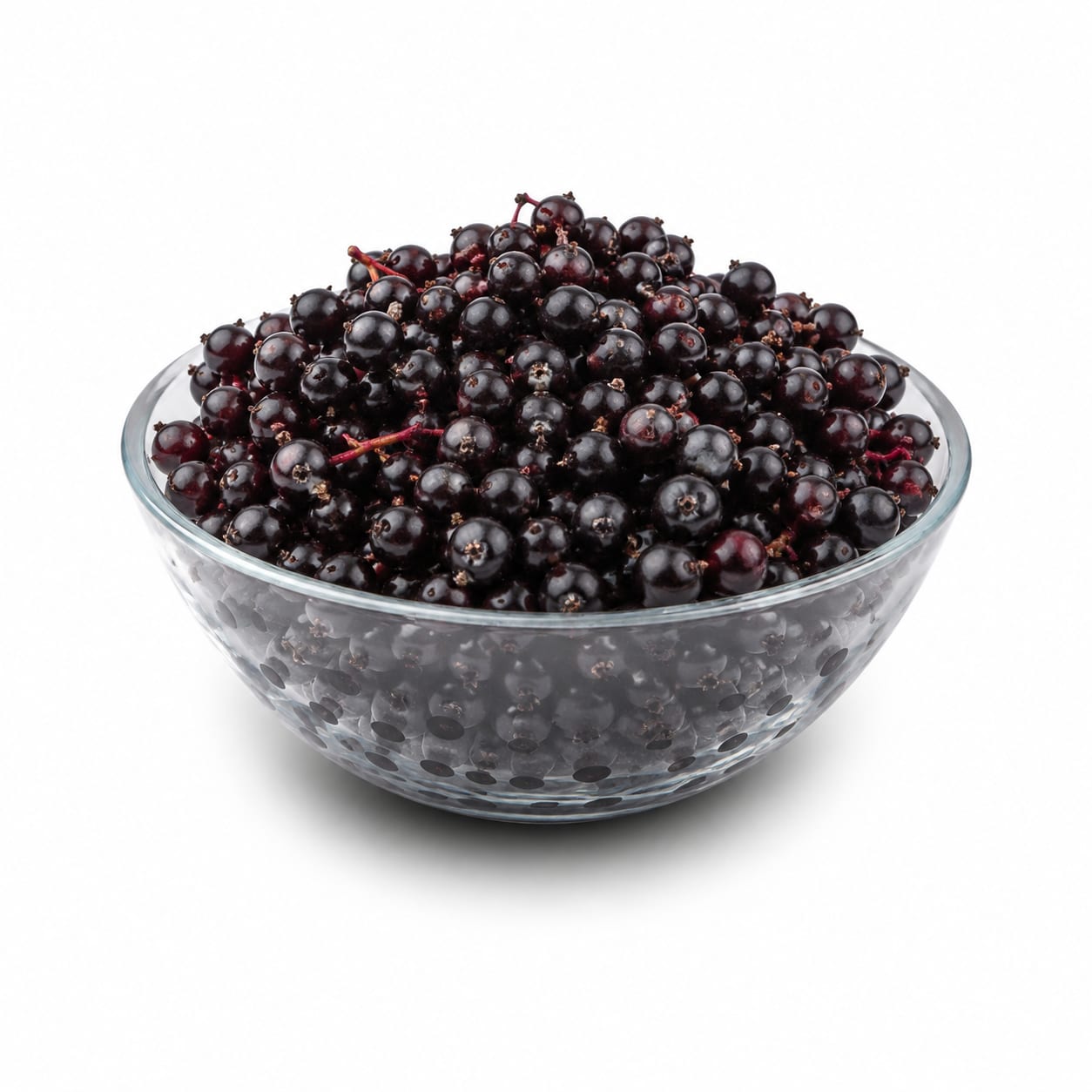
Elderberry
Bilberry is your daily eye-health ally, while Elderberry is your targeted immune fighter when cold season hits.
Bilberry scores higher due to superior daily safety and versatility, while Elderberry's raw toxicity and specific use-case lower its general score, despite its powerful immune benefits.
Bilberry is safer and easier for daily snacking, whereas Elderberry offers stronger acute immune support but requires careful cooking to avoid toxicity.
At a glance
Executive summary
Overall
It depends
Healthier
It depends
More practical
Bilberry
Daily use
Bilberry
Key comparison lenses
Immune support vs. eye health
Elderberry is famous for cold and flu defense, while Bilberry is the gold standard for vision and vascular support.
Raw consumption safety
Elderberry contains toxic compounds when raw, making preparation a critical factor, unlike Bilberry which is safe raw.
Daily dietary integration
Users need to know if these berries can be eaten casually as snacks or if they require specific preparation and dosing.
Best choice for
Bilberry
- Daily eye health and reducing screen fatigue
- Low-sugar snacking
- Safe raw fruit addition to meals
Elderberry
- Acute cold and flu relief
- Immune system boosting during winter
- Making homemade medicinal syrups
Least suitable for
Bilberry
- Quick immune rescue during an active illness
- People wanting a strong antiviral effect
Elderberry
- Casual raw snacking
- Families with toddlers who might eat raw berries off the bush
Deep comparison
Dimension by dimension
Each lens scores both foods and breaks down who each option suits.
- Dimension 1 · Priority 90Bilberry
Antioxidant Profile & Vision Support
Bilberry · 92Elderberry · 80Bilberry packs more anthocyanins throughout its flesh, making it superior for eye health and reducing visual fatigue.
Tradeoff
Elderberry still offers great antioxidants, but its profile leans more toward immune flavonoids rather than vision support.
Why it matters
If you stare at screens all day, Bilberry offers a more targeted benefit for your eyes.
Real-world impact
Less eye strain during long work sessions and better night vision over time.
Bilberry
- Reducing screen fatigue
- Supporting night vision
- Daily vascular protection
Better for
- Acute antiviral defense
Worse for
Elderberry
- Fighting oxidative stress during illness
- Reducing inflammation
Better for
- Targeted eye health support
Worse for
- Dimension 2 · Priority 95Elderberry
Immune Defense & Antiviral Properties
Bilberry · 70Elderberry · 95Elderberry is clinically recognized for blocking viral replication and shortening cold and flu duration.
Tradeoff
You give up the casual snacking ease of Bilberry, but you gain a potent natural remedy for when you feel a tickle in your throat.
Why it matters
When sickness is going around, Elderberry provides a more aggressive defense mechanism.
Real-world impact
Recovering from a cold a day or two faster and experiencing less severe symptoms.
Bilberry
- General daily wellness
Better for
- Stopping a cold in its tracks
Worse for
Elderberry
- Shortening flu duration
- Acute immune defense
- Fighting respiratory infections
Better for
- Casual unprepared snacking
Worse for
- Dimension 3 · Priority 90Bilberry
Safety & Raw Consumption Risk
Bilberry · 100Elderberry · 40Bilberry is completely safe to eat raw, while raw Elderberry contains toxins that cause severe stomach upset.
Tradeoff
Elderberry requires cooking or processing to be safe, making it far less convenient than Bilberry.
Why it matters
Mistaking raw Elderberry for a snacking berry can lead to nausea, vomiting, and a ruined afternoon.
Real-world impact
Bilberry can be grabbed straight from the fridge; Elderberry demands careful preparation or buying pre-made syrups.
Bilberry
- Spontaneous snacking
- Adding to raw dishes like salads
Better for
- None regarding safety
Worse for
Elderberry
- Making cooked jams and syrups
Better for
- Raw snacking
- Quick prep meals
Worse for
- Dimension 4 · Priority 85Bilberry
Daily Snacking & Culinary Versatility
Bilberry · 90Elderberry · 55Bilberry easily fits into daily meals like oatmeal and smoothies, whereas Elderberry is mostly limited to syrups and cooked preserves.
Tradeoff
Elderberry's strong medicinal flavor and required cooking make it a supplement rather than a food.
Why it matters
A healthy food only works if you actually eat it; Bilberry is far easier to incorporate into a regular diet.
Real-world impact
You'll actually reach for Bilberry on a Tuesday morning, while Elderberry sits in the cabinet until flu season.
Bilberry
- Smoothies
- Yogurt toppings
- Baking
Better for
- Intense immune-boosting remedies
Worse for
Elderberry
- Medicinal syrups
- Lozenges
- Immune gummies
Better for
- Fresh fruit salads
- Quick snacks
Worse for
Timeline
Health impact over time
Short-term
Hours to days
Bilberry
- Mild blood sugar stabilization
- Quick antioxidant boost without digestive upset
Elderberry
- Potential nausea and vomiting if eaten raw
- Rapid immune system stimulation when taken as cooked syrup
Long-term
Months to years
Bilberry
- Better night vision and reduced eye fatigue
- Sustained vascular health and circulation
Elderberry
- Reduced frequency and severity of seasonal illnesses
- Stronger immune memory against common viruses
Risk profile
Safety & processing
Both berries are whole foods when fresh, but Elderberry is almost always consumed after cooking or as a processed syrup, which can introduce added sugars.
Bilberry
Blood-thinning interaction
lowHigh doses of Bilberry may mildly increase bleeding risk, but standard dietary amounts are perfectly safe.
Elderberry
Cyanogenic glycosides (toxins)
highRaw Elderberries contain compounds that metabolize into cyanide, causing severe nausea, vomiting, and diarrhea. They must be thoroughly cooked before consumption.
Who wins for whom
Audience fit
Same foods, different winners depending on your goal.
children
BilberryBilberry is safe to eat raw and makes a great lunchbox snack; raw Elderberry poses a serious toxicity risk to curious kids.
daily consumption
BilberryBilberry is safe, versatile, and easy to eat every day, while Elderberry is best reserved for seasonal or acute use.
diabetes
BilberryBilberry has a lower sugar content and a gentler effect on blood sugar compared to typical Elderberry preparations.
elderly
It dependsBilberry is better for age-related vision decline, while Elderberry is better for avoiding severe flu complications.
muscle gain
It dependsNeither berry is a significant protein source, so both are equally irrelevant for direct muscle building.
weight loss
BilberryBilberry is lower in sugar and can be eaten freely as a fresh snack, whereas Elderberry is usually consumed as a sugar-laden syrup.
Your move
Decision guide
Choose Bilberry
- You want a safe, everyday berry for snacking and meals
- Eye health and reducing screen fatigue are priorities
- You prefer eating berries raw without cooking
Choose Elderberry
- You need targeted immune support during cold and flu season
- You are comfortable cooking the berries or using a trusted commercial syrup
- You want a natural remedy to shorten an active illness
Either works if
- You are looking for general antioxidant protection
- You enjoy making homemade cooked jams or preserves
Avoid both if
- You are looking for a high-protein food for muscle recovery
- You have a known allergy to berries
Final recommendation
Keep Bilberry in your kitchen for daily snacking and eye health, and stock Elderberry syrup in your medicine cabinet for when flu season hits.
Practical
Consumer tips
- 1
Never eat raw Elderberries; always cook them thoroughly or buy trusted commercial syrups.
- 2
Bilberry makes a great addition to overnight oats or smoothies without any prep needed.
- 3
If using Elderberry syrup, stick to recommended doses—more is not better due to potential digestive upset.
- 4
Look for Bilberry extracts standardized to anthocyanin content if you want targeted vision support.