
Nutrition comparison
Bilberry vs Goji Berry: Which Superfood Is Better for You?
Compare Bilberry vs Goji Berry for eye health, antioxidants, and sugar content. Find out which berry is best for your diet and wellness goals.
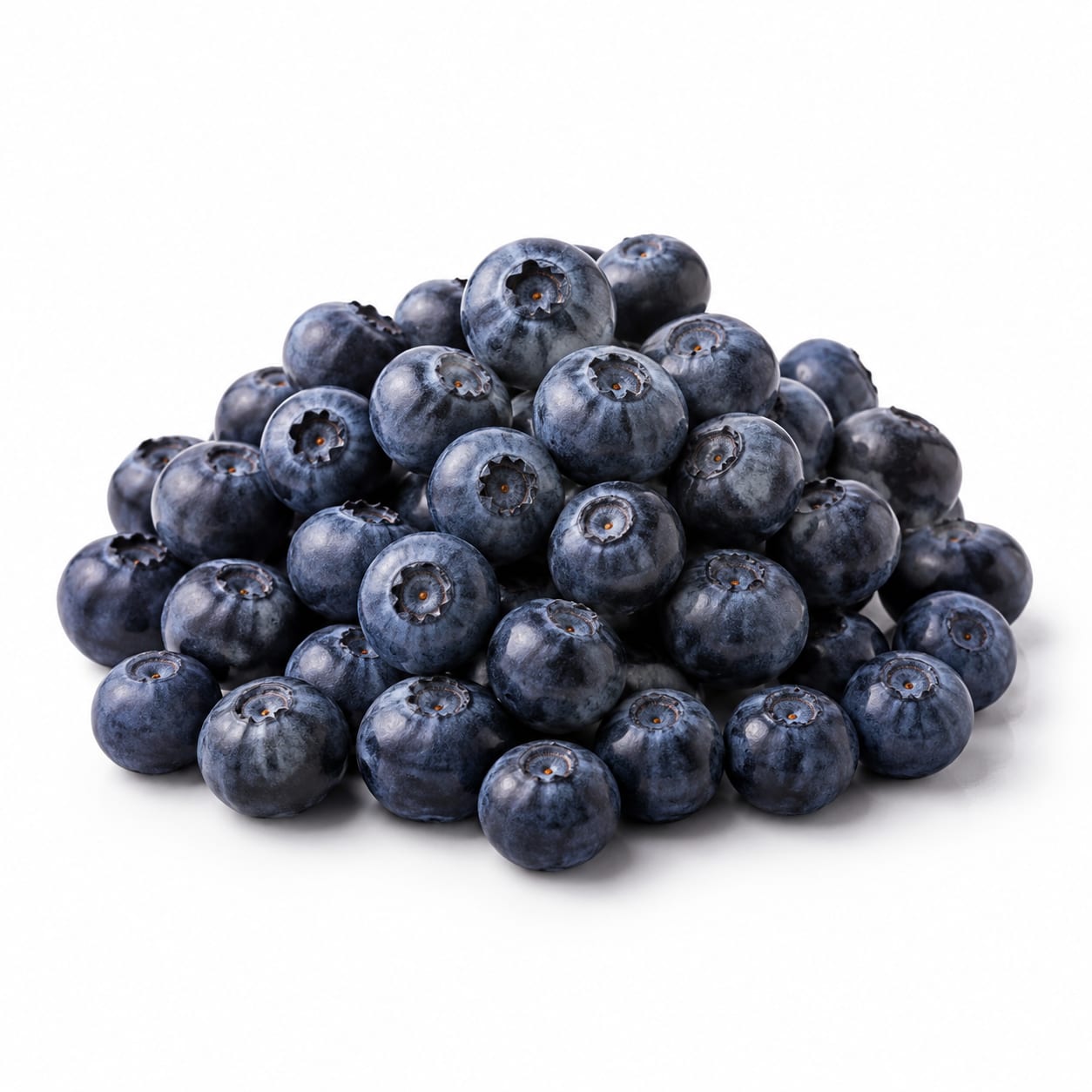
Bilberry
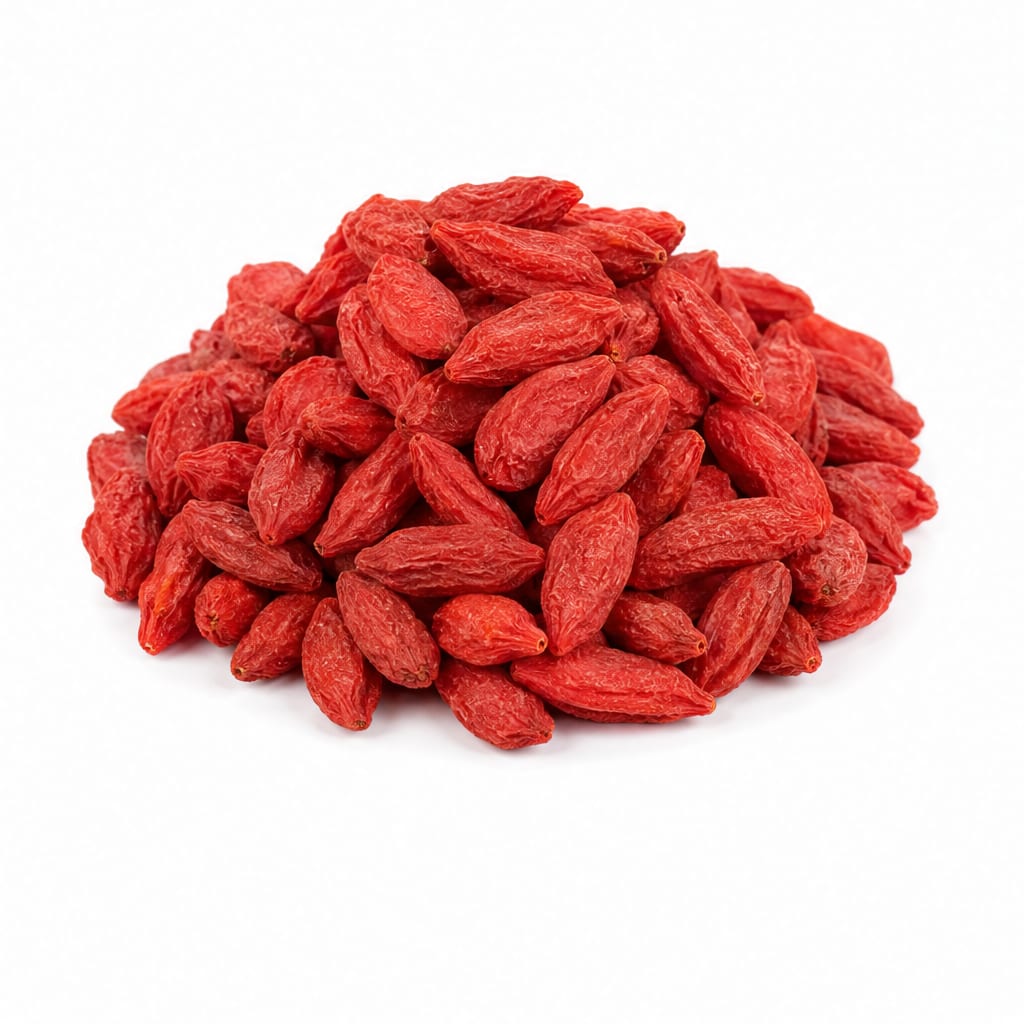
Goji Berry
Bilberries are better for blood sugar control and anthocyanin-driven eye and vein health, while Goji berries offer more vitamin A, iron, and convenience as a dried snack.
Bilberries edge out slightly for metabolic health and lower sugar, but Goji berries are more practical and nutrient-dense, making them nearly tied depending on your priorities.
Lower sugar and potent anthocyanins in Bilberries versus higher nutrient density and easy availability in Goji berries.
At a glance
Executive summary
Overall
It depends
Healthier
It depends
More practical
Goji Berry
Daily use
Goji Berry
Key comparison lenses
Eye health and vision support
Both berries are legendary for eye health, but they target completely different parts of the eye—Bilberries focus on night vision and blood vessels, while Goji berries protect the retina and macula.
Blood sugar and metabolic impact
Bilberries are typically consumed fresh or freeze-dried with low sugar, whereas Goji berries are mostly eaten dried, which concentrates their sugars and impacts blood sugar differently.
Superfood sourcing and purity
Goji berries are mass-produced and often carry pesticide residues, while Bilberries are frequently wild-harvested, raising questions about authenticity and clean sourcing.
Best choice for
Bilberry
- Blood sugar management
- Capillary and vein health
- Low-sugar snacking
Goji Berry
- Immune support
- Convenient on-the-go snacking
- Boosting vitamin A and iron
Least suitable for
Bilberry
- People who want an easy-to-find everyday snack
- Those looking for high iron intake
Goji Berry
- Strict low-carb or low-sugar diets
- People sensitive to dried fruit sugars
Deep comparison
Dimension by dimension
Each lens scores both foods and breaks down who each option suits.
- Dimension 1 · Priority 95It depends
Antioxidant Profile & Eye Health
Bilberry · 92Goji Berry · 90Bilberries excel in anthocyanins for night vision and blood vessel integrity, while Goji berries shine with beta-carotene and zeaxanthin for retina protection.
Tradeoff
Vascular and night vision support from Bilberries versus macular and immune support from Goji berries.
Why it matters
Eye health relies on different antioxidants; your specific visual concerns dictate the winner.
Real-world impact
If you stare at screens all day, Goji berries help your retina; if you have poor night vision or circulation, Bilberries are the better pick.
Bilberry
- Night vision
- Circulation and vein health
Better for
- Retina-specific protection
Worse for
Goji Berry
- Screen-induced eye strain
- Macular degeneration prevention
Better for
- Blood vessel integrity
Worse for
- Dimension 2 · Priority 90Bilberry
Sugar Content & Blood Sugar Stability
Bilberry · 88Goji Berry · 65Bilberries are typically consumed fresh or freeze-dried with low sugar, whereas Goji berries are mostly eaten dried, concentrating their sugars.
Tradeoff
Lower glycemic impact and fewer carbs in Bilberries versus the dense, sweet chewiness of dried Goji berries.
Why it matters
Dried fruits can spike blood sugar and trigger cravings, making fresh or freeze-dried options safer for daily grazing.
Real-world impact
Eating a handful of Goji berries can cause a mild sugar rush, while Bilberries offer a steadier, lighter snack.
Bilberry
- Stable energy
- Diabetic-friendly snacking
Better for
- Calorie density for hikers
Worse for
Goji Berry
- Quick pre-workout energy
Better for
- Blood sugar management
- Keto diets
Worse for
- Dimension 3 · Priority 85Goji Berry
Vitamin & Mineral Density
Bilberry · 75Goji Berry · 92Goji berries pack significantly more vitamin A, vitamin C, and iron per serving than Bilberries.
Tradeoff
A broader micronutrient profile in Goji berries versus a more targeted antioxidant profile in Bilberries.
Why it matters
If you need immune support or an iron boost, Goji berries deliver more per bite.
Real-world impact
Adding Goji berries to oatmeal gives a noticeable nutrient upgrade, especially for plant-based iron intake.
Bilberry
- Targeted anthocyanin therapy
Better for
- Broad-spectrum nutrient needs
Worse for
Goji Berry
- Immune system support
- Plant-based iron intake
Better for
- Targeted vascular health
Worse for
- Dimension 4 · Priority 80Goji Berry
Practicality & Availability
Bilberry · 50Goji Berry · 90Goji berries are available in almost any grocery store dried, while true Bilberries are rare and often expensive to find fresh or freeze-dried.
Tradeoff
Everyday convenience and affordability of Goji berries versus the specialty sourcing required for Bilberries.
Why it matters
The best berry is the one you can actually buy and eat consistently.
Real-world impact
You can toss Goji berries into trail mix easily; finding real Bilberries usually requires online orders or specialty shops.
Bilberry
- Occasional targeted supplementation
Better for
- Spontaneous grocery runs
Worse for
Goji Berry
- Daily pantry staple
- Travel-friendly snacking
Better for
- Culinary freshness
Worse for
- Dimension 5 · Priority 75Bilberry
Purity & Sourcing Concerns
Bilberry · 85Goji Berry · 70Bilberries are often wild-harvested with fewer pesticide issues, while mass-produced Goji berries have faced contamination and pesticide residue concerns.
Tradeoff
Cleaner, wild-sourced confidence in Bilberries versus the need to vet organic sources for Goji berries.
Why it matters
Superfood hype can lead to mass production shortcuts; knowing your source matters for heavy metals and pesticides.
Real-world impact
You can eat Bilberries with less worry about hidden chemicals, whereas Goji berries demand a trusted organic brand.
Bilberry
- Clean eating purists
- Low pesticide exposure
Better for
- Cost-conscious shoppers
Worse for
Goji Berry
- Budget buyers who prioritize organic
Better for
- Minimizing toxin exposure
Worse for
Timeline
Health impact over time
Short-term
Hours to days
Bilberry
- Gentle on blood sugar
- Mild digestive aid from fiber
Goji Berry
- Quick energy boost from natural sugars
- Hydrating when soaked in water
Long-term
Months to years
Bilberry
- Stronger capillary walls
- Better night vision retention
Goji Berry
- Improved immune resilience
- Protected macular health
Risk profile
Safety & processing
Bilberries are usually eaten fresh or freeze-dried, retaining their natural state. Goji berries are almost always dried, which concentrates their sugars but keeps additives low.
Bilberry
Mislabeling
mediumMany products sell regular blueberries as Bilberries, which have far less potent anthocyanins.
Goji Berry
Pesticide residue
highConventional Goji berries frequently test high for pesticides; always choose certified organic.
Added sulfites
mediumSome dried Goji berries contain sulfites for color preservation, which can trigger asthma.
Who wins for whom
Audience fit
Same foods, different winners depending on your goal.
children
Goji BerryThe sweet, chewy texture of Goji berries appeals more to kids, plus the vitamin A supports growth.
daily consumption
Goji BerryEasier to find, store, and incorporate into meals daily, despite the slightly higher sugar.
diabetes
BilberrySignificantly lower sugar content and glycemic impact keep blood sugar stable.
elderly
It dependsGoji berries help with macular degeneration, but Bilberries aid night vision and circulation; both are valuable.
muscle gain
Goji BerryMore carbohydrate energy and iron support workout recovery and oxygen transport.
weight loss
BilberryLower sugar and calorie density make Bilberries easier to fit into a calorie deficit without triggering cravings.
Your move
Decision guide
Choose Bilberry
- You are managing blood sugar or weight
- You want targeted vein and night vision support
- You can source authentic wild Bilberries
Choose Goji Berry
- You need a convenient, shelf-stable superfood
- You want to boost vitamin A and iron
- You prefer a sweeter, chewier snack
Either works if
- You want general antioxidant protection
- You are looking for natural eye health support
Avoid both if
- You are on a strict zero-carb diet
- You have severe pollen allergies to related plants
Final recommendation
For daily convenience and broad nutrient coverage, Goji berries are the practical choice, but if you can source them, Bilberries are the superior option for metabolic health and targeted vascular benefits. Prioritize organic Goji berries to avoid pesticide exposure, and verify your Bilberry source to avoid blueberry knockoffs.
Practical
Consumer tips
- 1
Always buy organic Goji berries to avoid high pesticide residues.
- 2
Look for 'wild-crafted' or 'Vaccinium myrtillus' on Bilberry labels to ensure you are getting the real deal, not just blueberries.
- 3
Soak Goji berries in warm water to rehydrate them and reduce the concentrated sugar hit per bite.
- 4
Keep freeze-dried Bilberries in a cool, dark place; they lose antioxidant power when exposed to light and heat.