
Nutrition comparison
Bilberry vs Blackberry: Which Berry Is Better for Your Health Goals?
Compare bilberry and blackberry nutrition, antioxidants, fiber, and health benefits. Find out which berry wins for eye health, weight loss, and daily use.
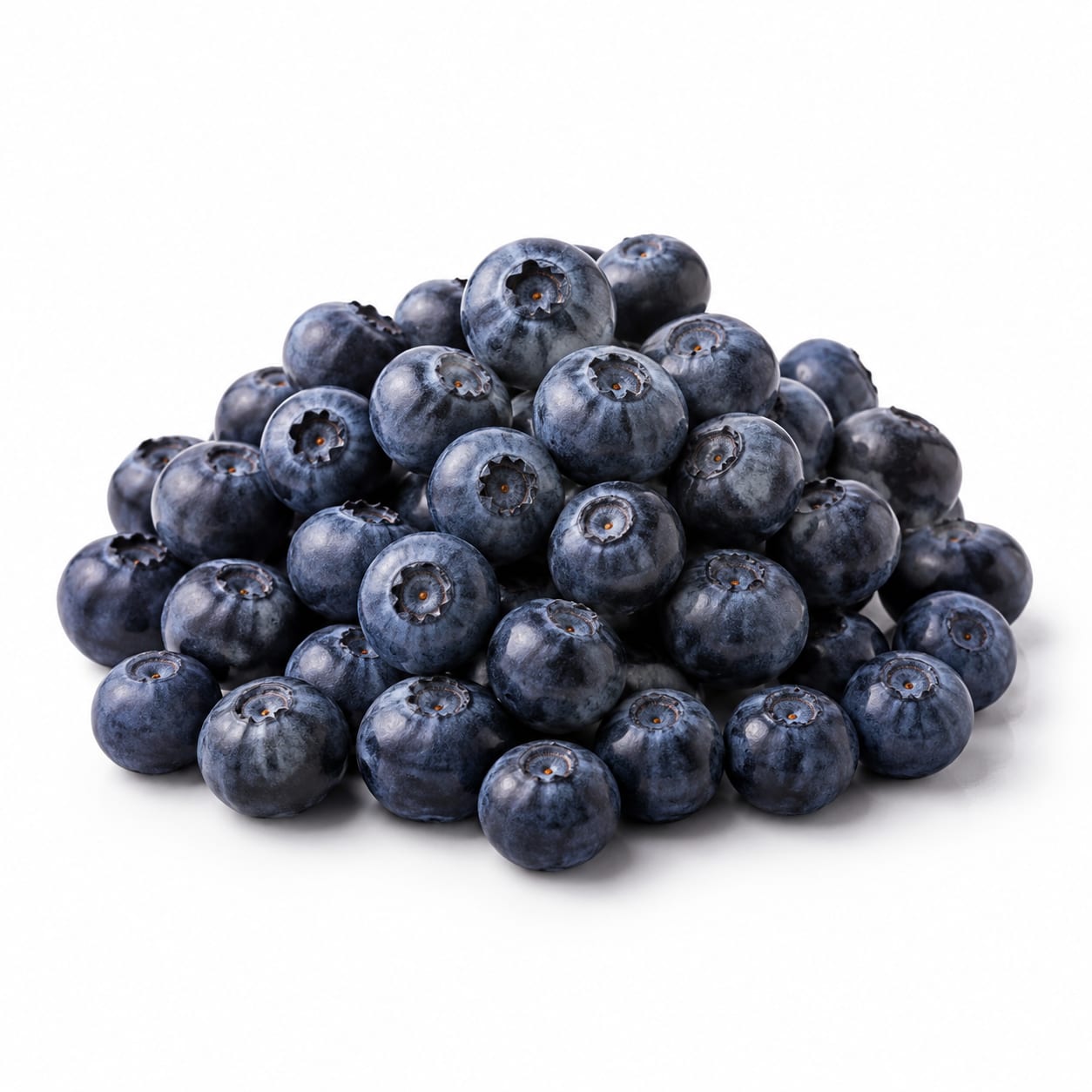
Bilberry
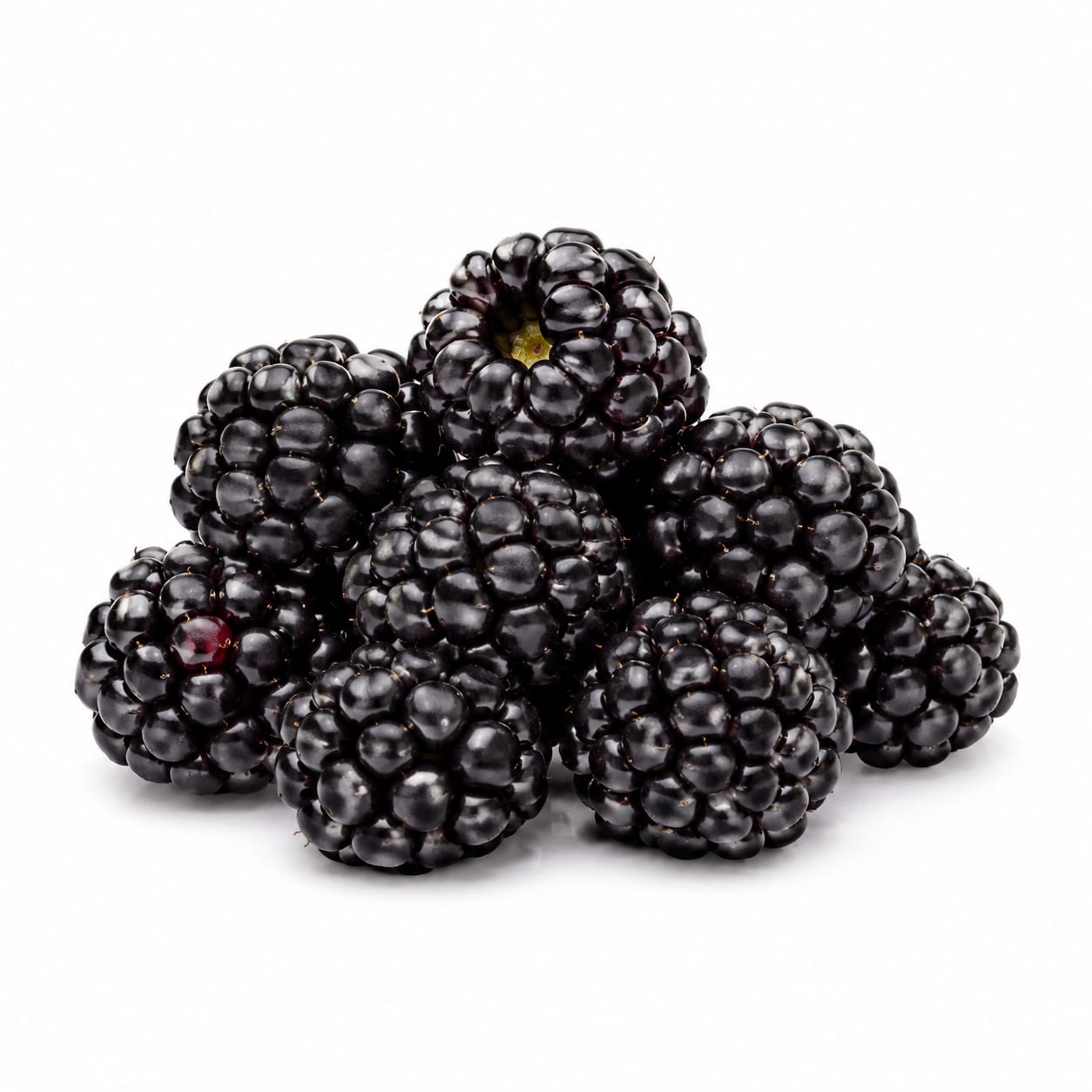
Blackberry
Bilberry is the medicinal powerhouse for eyes and circulation; blackberry is the practical daily fiber champion you can actually find at the store.
Blackberry scores slightly higher due to far better accessibility, higher fiber, and stronger everyday practicality. Bilberry earns a niche advantage for targeted anthocyanin benefits but loses ground on availability and cost.
Bilberry delivers unmatched anthocyanin density for vascular and eye health but is expensive and hard to source fresh. Blackberry offers superior fiber, wider availability, and better everyday value.
At a glance
Executive summary
Overall
It depends
Healthier
It depends
More practical
Blackberry
Daily use
Blackberry
Key comparison lenses
antioxidant potential
Both berries are antioxidant powerhouses but bilberry is legendary for its anthocyanin density, making this the defining comparison axis
everyday accessibility
Bilberry is notoriously hard to find fresh outside Europe while blackberry is in every grocery store, heavily influencing real-world decisions
eye and vascular health
Bilberry has a strong clinical reputation for vision and circulation support that blackberry cannot match
fiber and digestive benefits
Blackberry is one of the highest-fiber berries available, making it superior for gut health and satiety
blood sugar management
Both are low-sugar fruits but bilberry edges ahead with slightly less sugar and more blood-vessel-protective compounds
Best choice for
Bilberry
- People targeting eye health and night vision support
- Those seeking maximum anthocyanin intake for vascular protection
- Individuals managing capillary fragility or circulation issues
- Europeans with access to fresh bilberries at local markets
Blackberry
- People prioritizing digestive health and regularity
- Anyone wanting a high-fiber, filling snack for weight management
- Budget-conscious shoppers needing affordable berries year-round
- Families looking for an easy-to-find, kid-friendly fruit
Least suitable for
Bilberry
- Shoppers on a tight budget
- People who need readily available fresh produce
- Anyone unfamiliar with sourcing specialty or imported berries
Blackberry
- Those specifically seeking therapeutic anthocyanin doses for eye health
- People wanting the lowest possible sugar berry option
Deep comparison
Dimension by dimension
Each lens scores both foods and breaks down who each option suits.
- Dimension 1 · Priority 95Bilberry
antioxidant_density
Bilberry · 94Blackberry · 76Bilberry contains significantly more anthocyanins per gram, especially in its deeply pigmented flesh throughout the berry, not just the skin.
Tradeoff
You get more antioxidant firepower from bilberry, but you pay a premium and may only find it dried or frozen, which can degrade some compounds.
Why it matters
Anthocyanins protect blood vessels, reduce oxidative stress, and support eye health in ways that general antioxidants cannot replicate.
Real-world impact
If you are specifically trying to support night vision or circulation, bilberry is the more targeted choice. For general antioxidant intake, blackberry still does a solid job.
Bilberry
- Night vision and eye fatigue reduction
- Capillary strength and microcirculation
- Targeted oxidative stress protection
Better for
- Cost per serving of antioxidants is much higher
Worse for
Blackberry
- General daily antioxidant coverage
- Broader polyphenol diversity including ellagic acid
Better for
- Lower total anthocyanin concentration per serving
Worse for
- Dimension 2 · Priority 88Blackberry
fiber_and_satiety
Bilberry · 58Blackberry · 92Blackberry is one of the highest-fiber berries available, delivering roughly 5-7 grams per cup. Bilberry provides less than half that.
Tradeoff
Blackberry keeps you fuller longer and supports gut health dramatically better, but bilberry still offers some fiber alongside its antioxidant edge.
Why it matters
Fiber controls hunger, stabilizes blood sugar, feeds gut bacteria, and makes a snack genuinely satisfying rather than just tasty.
Real-world impact
A cup of blackberries as an afternoon snack will keep you full for an hour or two. The same volume of bilberries disappears quickly without the same staying power.
Bilberry
- Light snacking when you want flavor without fullness
Better for
- Less satisfying as a standalone snack
- Weaker digestive regularity benefits
Worse for
Blackberry
- Weight management and appetite control
- Gut microbiome support
- Blood sugar stabilization after meals
Better for
- Higher fiber can cause bloating if you eat large quantities suddenly
Worse for
- Dimension 3 · Priority 75Blackberry
vitamin_and_mineral_profile
Bilberry · 65Blackberry · 82Blackberry delivers more vitamin C, vitamin K, and manganese per serving. Bilberry has a modest nutrient profile beyond its anthocyanins.
Tradeoff
Blackberry is the more well-rounded nutrient source, while bilberry leans heavily on its antioxidant specialty rather than broad vitamin content.
Why it matters
Vitamin C supports immunity and skin health. Vitamin K is essential for bone density and blood clotting. Manganese supports metabolism and bone formation.
Real-world impact
Eating blackberries regularly contributes meaningfully to your daily vitamin C and K targets. Bilberries contribute less toward conventional nutrient goals.
Bilberry
- Manganese content is still respectable
Better for
- Lower overall vitamin diversity
- Vitamin C content is modest compared to blackberry
Worse for
Blackberry
- Immune support from vitamin C
- Bone health from vitamin K
- Metabolic support from manganese
Better for
- No single vitamin stands out as exceptional relative to other common fruits
Worse for
- Dimension 4 · Priority 72Bilberry
blood_sugar_impact
Bilberry · 84Blackberry · 76Bilberry has slightly less sugar per serving and its anthocyanins actively protect blood vessel linings from glucose damage.
Tradeoff
The difference is modest. Blackberry's higher fiber slows sugar absorption enough that both berries are excellent low-glycemic choices.
Why it matters
For people monitoring blood sugar, every gram of sugar and every protective compound matters, especially with repeated daily consumption.
Real-world impact
Both berries are safe for most people with diabetes. Bilberry has a slight edge if you are being very strict about sugar intake or want vascular protection alongside glycemic control.
Bilberry
- Lower total sugar per serving
- Anthocyanins that directly protect blood vessels from glycemic damage
Better for
- Lower fiber means slightly less natural glucose buffering
Worse for
Blackberry
- Higher fiber slows glucose absorption effectively
Better for
- Slightly higher sugar content per serving
Worse for
- Dimension 5 · Priority 85Blackberry
availability_and_cost
Bilberry · 35Blackberry · 90Blackberries are available year-round in most grocery stores at reasonable prices. Fresh bilberries are essentially unavailable outside parts of Europe.
Tradeoff
You can actually buy and eat blackberries regularly. Bilberry often requires ordering dried, frozen, or supplement forms, which changes the nutritional profile and increases cost.
Why it matters
The healthiest food is the one you can consistently access and afford. A marginally less nutritious berry you eat daily beats a superior one you can never find.
Real-world impact
Most people reading this comparison will find blackberries at their local store this week. Finding fresh bilberries will require specialty suppliers, travel, or settling for processed forms.
Bilberry
- Dried bilberry supplements are available online for targeted use
Better for
- Fresh bilberries are nearly impossible to find outside Scandinavia and parts of Central Europe
- Imported or processed forms are expensive
- Quality and authenticity of supplements varies widely
Worse for
Blackberry
- Fresh availability in virtually all grocery chains
- Affordable pricing especially during summer
- Frozen options retain most nutrients at lower cost
Better for
- Out-of-season pricing can spike
Worse for
Timeline
Health impact over time
Short-term
Hours to days
Bilberry
- Noticeable reduction in eye fatigue after screen-heavy days when consumed regularly
- Mild blood sugar stabilization after meals
- Quick antioxidant absorption supporting vascular comfort
Blackberry
- Improved fullness and reduced snacking between meals due to high fiber
- Better digestive regularity within a day or two of consistent consumption
- Vitamin C boost supporting immediate immune readiness
Long-term
Months to years
Bilberry
- Stronger capillary integrity and reduced risk of microvascular complications
- Potential preservation of night vision and retinal health with age
- Sustained anti-inflammatory protection for cardiovascular tissue
Blackberry
- Healthier gut microbiome diversity from consistent high fiber intake
- Lower long-term risk of constipation and related digestive issues
- Improved bone density support from sustained vitamin K intake
Risk profile
Safety & processing
Both berries are whole, unprocessed foods when consumed fresh or frozen. However, bilberry is more commonly encountered in supplement or dried form, which may include added sugars, fillers, or processing artifacts. Always check labels on bilberry products.
Bilberry
Supplement adulteration
mediumMany bilberry supplements have been found to contain cheaper blueberry extract instead of genuine bilberry. Third-party testing matters here.
Added sugars in dried forms
mediumDried bilberries often contain added sweeteners that negate the low-sugar advantage of the fresh fruit.
Blackberry
Pesticide residue
mediumBlackberries consistently appear on the EWG Dirty Dozen list. Organic is strongly recommended when possible.
Mold and spoilage
lowBlackberries spoil quickly. Check for fuzzy mold before eating, especially on berries deep in the container.
Who wins for whom
Audience fit
Same foods, different winners depending on your goal.
children
BlackberryBlackberries are sweeter, easier to find, more affordable, and their larger size makes them more fun and manageable for small hands.
daily consumption
BlackberryBlackberry's availability, affordability, and fiber content make it realistic to eat every day. Bilberry's scarcity and cost make daily fresh consumption impractical for most people.
diabetes
BilberryBilberry's lower sugar content and vessel-protective anthocyanins give it a slight edge for strict glycemic management, though both are excellent choices.
elderly
It dependsBilberry supports aging eyes and circulation. Blackberry supports digestive regularity and bone health. Both address different senior health priorities.
muscle gain
It dependsNeither berry is a meaningful protein source. Both can support recovery through antioxidants, but neither directly drives muscle growth.
weight loss
BlackberryBlackberry's high fiber content makes it significantly more filling per calorie, reducing the urge to overeat.
Your move
Decision guide
Choose Bilberry
- You are specifically targeting eye health, night vision, or screen-fatigue recovery
- You have access to genuine fresh or properly frozen bilberries
- You want maximum anthocyanin intake for vascular protection
- You are working with a practitioner who recommended bilberry for circulation issues
Choose Blackberry
- You want a high-fiber, filling berry for daily snacking and weight management
- You need something affordable and available at your regular grocery store
- You care about digestive health and gut microbiome support
- You are feeding a family and need practical, kid-friendly fruit options
Either works if
- You simply want a low-sugar, antioxidant-rich berry and both are available
- You are rotating berries for polyphenol diversity in your diet
- You are making a mixed berry smoothie or dessert
Avoid both if
- You have a salicylate sensitivity, as both berries are moderately high in salicylates
- You are on blood-thinning medication and consuming large amounts without medical guidance, due to vitamin K content in blackberry
Final recommendation
Eat blackberries as your everyday berry for fiber, fullness, and practical access. Add bilberry as a targeted supplement or occasional specialty treat when eye health and circulation are your priority. If you can only pick one, blackberry wins on sustainability and real-world consistency.
Practical
Consumer tips
- 1
Buy organic blackberries when possible — they rank high for pesticide residue on the EWG Dirty Dozen list
- 2
If buying bilberry supplements, look for brands with third-party anthocyanin verification to avoid blueberry adulteration
- 3
Frozen blackberries retain nearly all their nutrients and are often cheaper and more consistent than fresh
- 4
Dried bilberries often contain added sugar — check the ingredient list before assuming they are a low-sugar option
- 5
Mix both berries together when you can find bilberries: you get blackberry's fiber and bilberry's anthocyanins in one bowl
- 6
Store blackberries in the refrigerator and eat within 2-3 days. Do not wash until ready to eat to prevent mold