
Nutrition comparison
Bilberry vs Strawberry: Antioxidants, Sugar, and Health Compared
Bilberry vs Strawberry: Which berry is healthier? Compare antioxidants, sugar content, vitamin C, and pesticide risks to find the best choice for your diet.
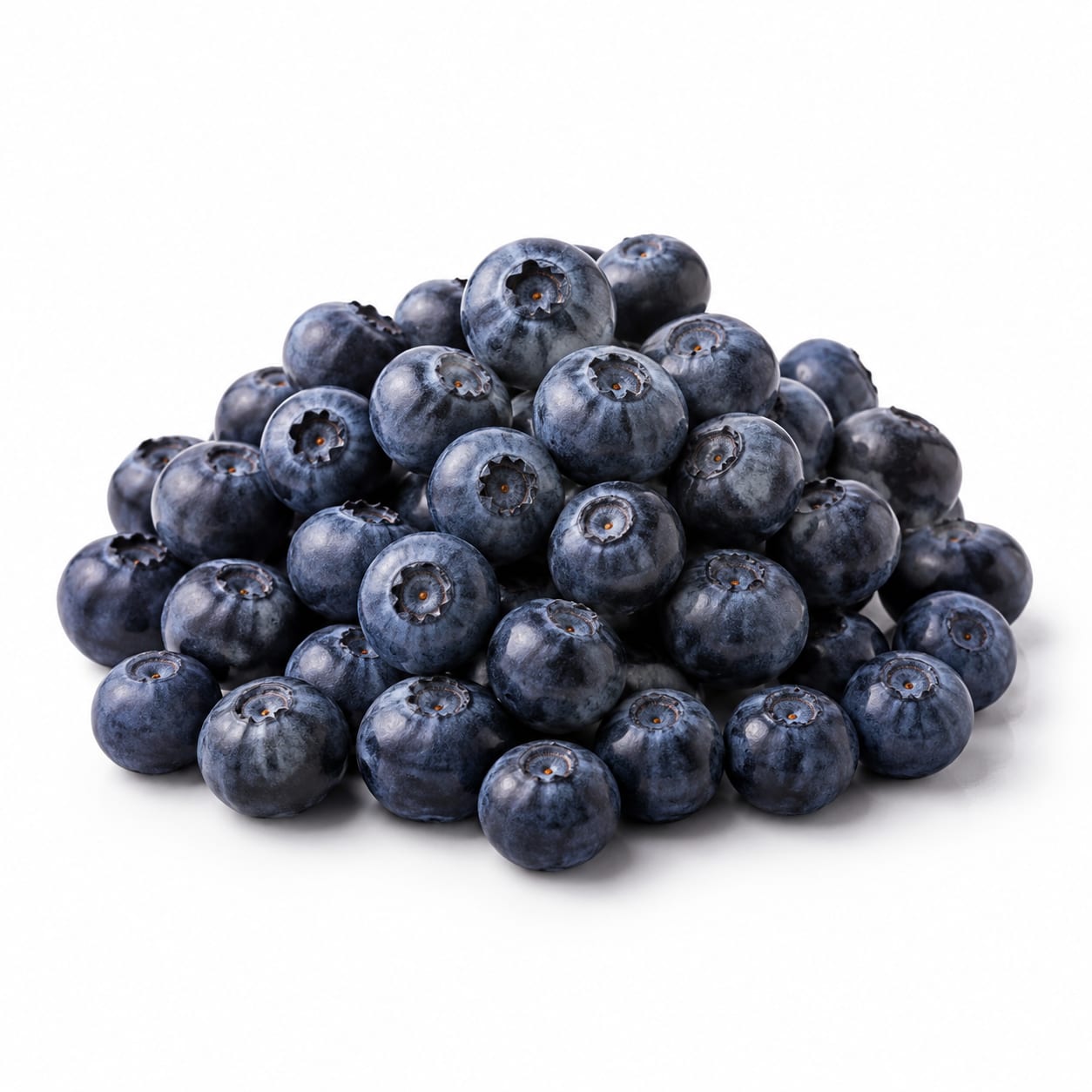
Bilberry
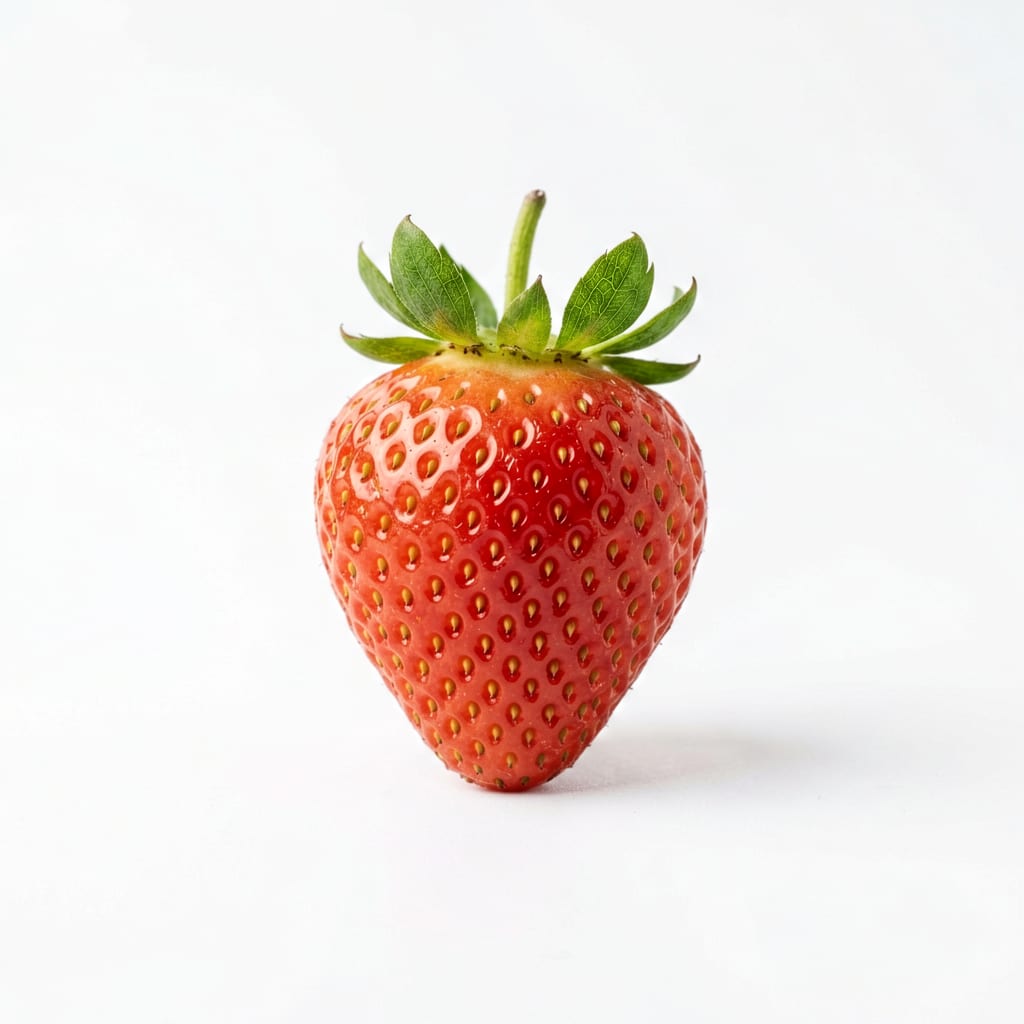
Strawberry
Bilberries win for deep antioxidants and lower sugar, but strawberries are far more practical, affordable, and richer in vitamin C.
Bilberry edges ahead slightly for dense nutrition and lower sugar, but Strawberry's accessibility, vitamin C, and everyday usability keep the scores extremely close.
Superior cellular protection and blood sugar control versus easy availability, lower cost, and stronger immune support.
At a glance
Executive summary
Overall
It depends
Healthier
Bilberry
More practical
Strawberry
Daily use
Strawberry
Key comparison lenses
Antioxidant density and eye health
Bilberries are famously rich in anthocyanins, which are specifically linked to vision and vascular health, making this the most defining contrast.
Blood sugar impact and low-carb suitability
Bilberries contain significantly less sugar than strawberries, making them a key point of comparison for glucose management.
Pesticide exposure and food safety
Strawberries consistently rank at the top of the EWG's Dirty Dozen list for pesticide residues, while bilberries are often wild-harvested.
Everyday accessibility and cost
Strawberries are cheap and available year-round, whereas fresh bilberries are rare, expensive, and often sourced as frozen or supplements.
Best choice for
Bilberry
- Low-carb and keto dieters
- People focused on eye health and screen strain
- Those avoiding high-sugar fruits
Strawberry
- Families needing affordable fresh fruit
- Vitamin C seekers and immune support
- Smoothie and dessert makers
Least suitable for
Bilberry
- Budget-conscious grocery shoppers
- People wanting fresh berries year-round
Strawberry
- Strict low-carb dieters
- Those highly concerned about pesticide residues
Deep comparison
Dimension by dimension
Each lens scores both foods and breaks down who each option suits.
- Dimension 1 · Priority 95Bilberry
Antioxidant Density & Eye Health
Bilberry · 98Strawberry · 70Bilberries contain up to four times more anthocyanins than strawberries, giving them a massive edge in cellular protection and vision support.
Tradeoff
You get far more deep-pigment antioxidants with Bilberries, but miss out on the everyday convenience of Strawberries.
Why it matters
Anthocyanins support night vision, capillary strength, and reduce oxidative stress far more effectively than the antioxidants in strawberries.
Real-world impact
Choosing Bilberries is like taking a targeted supplement for your eyes and blood vessels, whereas Strawberries offer more general immune support.
Bilberry
- Reducing eye strain from screens
- Supporting blood vessel integrity
- Fighting deep cellular oxidative stress
Better for
- Quick, cheap snacking
Worse for
Strawberry
- General immune boosting
- Collagen production for skin
Better for
- Targeted vision and capillary support
Worse for
- Dimension 2 · Priority 85Bilberry
Blood Sugar & Low-Carb Fit
Bilberry · 92Strawberry · 72Bilberries have roughly half the sugar content of strawberries, making them much friendlier for glucose control.
Tradeoff
A tart, less sweet flavor profile in Bilberries versus the satisfying natural sweetness of Strawberries.
Why it matters
Lower sugar means steadier energy levels and fewer cravings after eating.
Real-world impact
Bilberries won't trigger the subtle afternoon energy crash that sweeter fruits can cause.
Bilberry
- Keto and low-carb dieters
- Diabetics managing glucose
- Steady energy seekers
Better for
- Satisfying a sweet tooth naturally
Worse for
Strawberry
- Athletes needing quick carbs
- Kids who reject tart flavors
Better for
- Strict carb counting
Worse for
- Dimension 3 · Priority 80Strawberry
Vitamin C & Immune Support
Bilberry · 55Strawberry · 96Strawberries are loaded with Vitamin C, providing over 100% of your daily needs per cup, while Bilberries offer much less.
Tradeoff
You sacrifice a massive dose of immune-boosting Vitamin C if you skip Strawberries.
Why it matters
Vitamin C is crucial for immune defense, skin health, and iron absorption.
Real-world impact
A bowl of Strawberries can genuinely help fend off a cold, while Bilberries work more in the background on cellular repair.
Bilberry
- Chronic inflammation management
Better for
- High Vitamin C needs
Worse for
Strawberry
- Fighting off a cold
- Improving skin elasticity
- Enhancing iron absorption from meals
Better for
- Managing systemic inflammation
Worse for
- Dimension 4 · Priority 75Strawberry
Availability & Practicality
Bilberry · 40Strawberry · 95Strawberries are available fresh year-round in most grocery stores, while fresh Bilberries are rare and often require frozen or supplement forms.
Tradeoff
Convenience and cost heavily favor Strawberries, while Bilberries require effort and expense to source.
Why it matters
The healthiest food is the one you can actually buy and eat consistently.
Real-world impact
You can grab Strawberries anywhere, but finding real Bilberries might mean a specialty store or online order.
Bilberry
- Targeted supplementation routines
Better for
- Spontaneous snacking
- Staying on budget
Worse for
Strawberry
- Weekly grocery runs
- Budget-friendly meal prep
Better for
- Exotic or specialized nutrition plans
Worse for
- Dimension 5 · Priority 70Bilberry
Pesticide Exposure & Safety
Bilberry · 90Strawberry · 45Strawberries are notoriously high in pesticide residues, while Bilberries are often wild-harvested and naturally organic.
Tradeoff
Strawberries require careful washing or buying organic, adding cost or risk, whereas Bilberries are typically cleaner.
Why it matters
Pesticide exposure can disrupt hormones and gut health over time.
Real-world impact
Eating conventional Strawberries daily means a higher chemical load, while Bilberries offer peace of mind.
Bilberry
- Minimizing chemical exposure
- Gut health protocols
Better for
- None significant
Worse for
Strawberry
- Cost-saving if buying conventional
Better for
- Long-term toxin accumulation
Worse for
Timeline
Health impact over time
Short-term
Hours to days
Bilberry
- Steadier blood sugar without a sugar rush
- Mild improvement in visual acuity or eye comfort after prolonged screen time
Strawberry
- Quick energy boost from natural sugars
- Immediate immune support from high Vitamin C
Long-term
Months to years
Bilberry
- Stronger capillary health and reduced risk of varicose veins
- Better long-term eye health and night vision retention
Strawberry
- Improved skin elasticity from collagen synthesis
- Higher risk of pesticide exposure if not consistently buying organic
Risk profile
Safety & processing
Both are whole, natural fruits when purchased fresh or frozen, though Bilberries are more often found in supplement or extract forms which alters their naturalness.
Bilberry
Mislabeling or adulteration in supplements
mediumMany Bilberry supplements are adulterated with cheaper blueberry extract; always verify sourcing and standardization.
Strawberry
Pesticide residue
highStrawberries consistently top the EWG Dirty Dozen list; washing reduces but does not eliminate all systemic residues.
Who wins for whom
Audience fit
Same foods, different winners depending on your goal.
children
StrawberrySweeter taste and familiar texture make Strawberries a much easier sell for kids.
daily consumption
StrawberryCost and accessibility make Strawberries a far more sustainable daily habit for most people.
diabetes
BilberrySignificantly lower sugar content prevents glucose spikes and supports steady insulin levels.
elderly
BilberryThe anthocyanins in Bilberries directly support age-related vision decline and vascular health.
muscle gain
StrawberryStrawberries provide more Vitamin C, which aids in collagen formation and joint recovery for heavy lifting.
weight loss
BilberryLower sugar and calorie density make Bilberries slightly better for strict weight loss and avoiding cravings.
Your move
Decision guide
Choose Bilberry
- You are focused on eye health and reducing screen-time eye strain
- You are on a strict low-carb or keto diet
- You want maximum antioxidants with minimal sugar
- You are concerned about pesticide exposure and prefer wild-harvested foods
Choose Strawberry
- You need an affordable, accessible fruit for the whole family
- You want a high Vitamin C boost for immune or skin health
- You prefer sweeter, larger berries for smoothies and desserts
- You can easily find organic options to mitigate pesticide risks
Either works if
- You just want a healthy, antioxidant-rich snack
- You are mixing berries into oatmeal or yogurt for general health
Avoid both if
- You have a severe berry allergy
- You are looking for a high-protein food to satisfy hunger
Final recommendation
Choose Bilberries for targeted eye health and low-sugar nutrition, but stick with Strawberries for an affordable, Vitamin C-rich daily fruit. Mixing the two gives you the best of both worlds if budget allows.
Practical
Consumer tips
- 1
If buying Strawberries, opt for organic to avoid the high pesticide load of conventional farming.
- 2
Frozen Bilberries are often more reliable and affordable than fresh, without losing their antioxidant power.
- 3
Be wary of cheap Bilberry supplements; many are just blueberry extract. Look for anthocyanin standardization on the label.
- 4
Mix a handful of each into a smoothie to get the Vitamin C of Strawberries and the deep antioxidants of Bilberries.