
Nutrition comparison
Bilberry vs Cranberry: Which Berry Is Better for You?
Compare Bilberry vs Cranberry for eye health, UTI prevention, sugar content, and antioxidants. Find out which berry fits your health goals best.
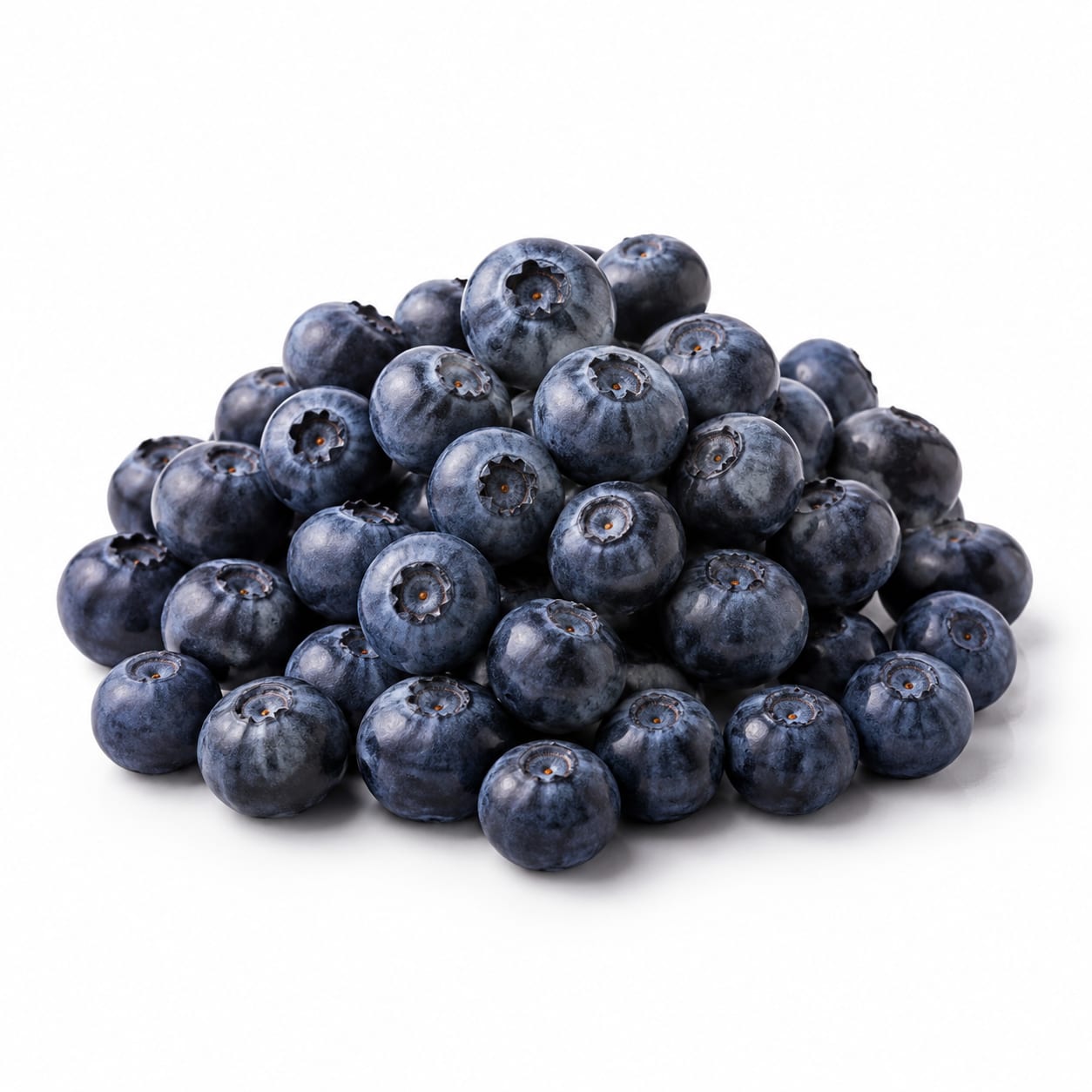
Bilberry
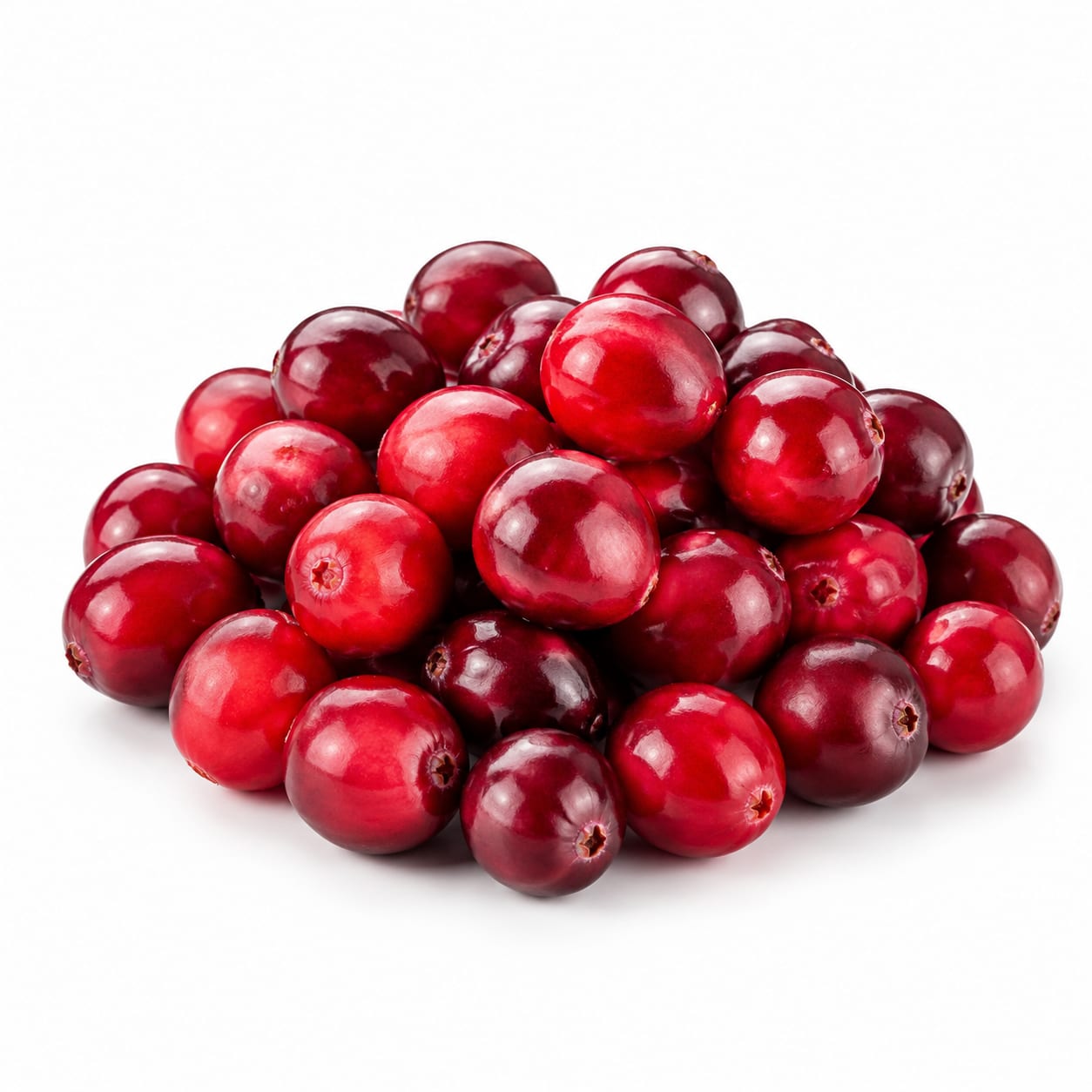
Cranberry
Bilberry excels for vision and vascular health with its deep anthocyanins, while Cranberry is the undisputed champion for urinary tract health.
Bilberry edges ahead for whole-food nutritional density and lower sugar risk, but Cranberry's unique UTI benefits and accessibility keep it highly competitive.
Targeted eye and circulation benefits versus UTI prevention and everyday availability, with a major catch on added sugars in common Cranberry products.
At a glance
Executive summary
Overall
It depends
Healthier
Bilberry
More practical
Cranberry
Daily use
Bilberry
Key comparison lenses
Antioxidant and vision support comparison
Bilberry is renowned for its exceptionally high anthocyanin content, which directly targets eye and vascular health.
UTI prevention and urinary tract health
Cranberry is the gold standard for preventing urinary tract infections due to its unique proanthocyanidins.
Hidden sugar and blood sugar impact
Most commercial Cranberry products are heavily sweetened to offset natural tartness, impacting metabolic health.
Accessibility and product formats
Fresh Bilberries are rare and seasonal, whereas Cranberries are ubiquitous in juices, dried forms, and supplements.
Best choice for
Bilberry
- Eye health support
- Circulation improvement
- Low-sugar antioxidant boost
Cranberry
- UTI prevention
- Easy supermarket access
- Kidney health maintenance
Least suitable for
Bilberry
- People wanting an easy-to-find fresh snack
- Those on a tight grocery budget
Cranberry
- People strictly avoiding added sugars (if buying juice or dried)
- Those seeking vision-specific benefits
Deep comparison
Dimension by dimension
Each lens scores both foods and breaks down who each option suits.
- Dimension 1 · Priority 95Bilberry
Antioxidant & Vision Support
Bilberry · 95Cranberry · 75Bilberry contains significantly more anthocyanins, the pigments linked to improved night vision and retinal health.
Tradeoff
Cranberry still has antioxidants but focuses more on proanthocyanidins, which don't target eye health as directly.
Why it matters
If you stare at screens all day, Bilberry offers more targeted relief for eye fatigue.
Real-world impact
Less eye strain during long work sessions and better adaptation to low light.
Bilberry
- Screen-heavy workers
- Aging adults concerned about vision
Better for
- Someone looking for UTI-specific prevention
Worse for
Cranberry
- Those prioritizing general immune support over vision
Better for
- People wanting targeted ocular nutrition
Worse for
- Dimension 2 · Priority 90Cranberry
Urinary Tract Health
Bilberry · 40Cranberry · 98Cranberry contains unique A-type proanthocyanidins that prevent bacteria from sticking to the urinary tract walls.
Tradeoff
Bilberry lacks this specific anti-adhesion property, making it far less effective for UTI prevention.
Why it matters
Recurrent UTIs are painful and disruptive; Cranberry is a proven, non-antibiotic defense.
Real-world impact
Fewer bathroom trips and less discomfort for prone individuals.
Bilberry
- Those using it for bladder health
Worse for
Cranberry
- Women prone to UTIs
- Individuals avoiding antibiotics
Better for
- Dimension 3 · Priority 85Bilberry
Blood Sugar & Hidden Sugars
Bilberry · 88Cranberry · 60Whole Bilberries are naturally low in sugar. Most Cranberry products (juices, dried snacks) are loaded with added sugar to offset extreme tartness.
Tradeoff
Fresh Cranberries are low sugar but nearly inedible raw; Bilberry is palatable fresh without sweeteners.
Why it matters
Hidden sugars in Cranberry juice can spike blood sugar and negate antioxidant benefits.
Real-world impact
A Cranberry juice habit might cause afternoon energy crashes, whereas fresh Bilberries provide steady energy.
Bilberry
- Diabetics
- Keto dieters
- Whole-food purists
Better for
Cranberry
- People managing insulin resistance
- Those trying to cut added sugars
Worse for
- Dimension 4 · Priority 75Cranberry
Accessibility & Convenience
Bilberry · 45Cranberry · 90Cranberry products are available year-round in any grocery store. Fresh Bilberries are rare and often expensive or sold as supplements.
Tradeoff
You can easily grab Cranberry juice or dried Cranberries anywhere, but finding fresh or frozen Bilberries requires effort.
Why it matters
The best berry is the one you can actually consistently buy and eat.
Real-world impact
Cranberry fits easily into a weekly grocery run; Bilberry might require online ordering or specialty stores.
Bilberry
- Supplement users comfortable with pills or powders
Better for
- Impulse buyers
- Rural grocery shoppers
Worse for
Cranberry
- Busy shoppers
- People wanting immediate availability
Better for
Timeline
Health impact over time
Short-term
Hours to days
Bilberry
- Quick antioxidant boost
- Mild blood sugar stabilization
Cranberry
- UTI symptom mitigation (if unsweetened extract)
- Potential sugar rush if consuming sweetened juice
Long-term
Months to years
Bilberry
- Better retinal health
- Improved microcirculation
- Reduced oxidative stress
Cranberry
- Fewer UTI recurrences
- Kidney health support
- Risk of added sugar intake if not careful with product choices
Risk profile
Safety & processing
Bilberry is typically consumed closer to its natural state, while the Cranberry's extreme tartness forces most commercial products to rely heavily on added sugars and processing.
Bilberry
Pesticide residue
mediumThin skin makes Bilberries susceptible to pesticide absorption; opt for organic when possible.
Cranberry
Added sugar toxicity
highCranberry juice cocktails and sweetened dried Cranberries deliver high amounts of added sugar, which can contribute to metabolic issues.
Kidney stones
lowHigh doses of Cranberry extract may increase oxalate levels, posing a slight risk for those prone to calcium oxalate stones.
Who wins for whom
Audience fit
Same foods, different winners depending on your goal.
children
CranberryKids are more likely to accept the sweeter taste of Cranberry products, though parents must watch the sugar content.
daily consumption
BilberryLower sugar content and broader vascular benefits make Bilberry a safer daily staple if you can source it.
diabetes
BilberryBilberries have a lower glycemic impact and lack the hidden added sugars found in most Cranberry products.
elderly
CranberryUTI prevention and easy-to-consume juice formats make Cranberry highly practical for older adults, despite the sugar tradeoff.
muscle gain
It dependsNeither berry is a significant protein source; both offer recovery antioxidants but won't drive muscle growth.
weight loss
BilberryWhole Bilberries are lower in calories and free from the added sugars common in Cranberry snacks.
Your move
Decision guide
Choose Bilberry
- You want targeted vision and circulation support
- You strictly avoid added sugars
- You have access to fresh or frozen whole berries
Choose Cranberry
- You struggle with recurrent UTIs
- You need something available at any corner store
- You want an easy-to-drink antioxidant source
Either works if
- You just want a general antioxidant boost
- You are mixing them into a smoothie with other berries
Avoid both if
- You have a severe salicylate sensitivity
- You are on blood thinners without doctor approval due to potential vitamin K interactions
Final recommendation
Use Cranberry specifically for UTI defense, but choose Bilberry for daily low-sugar antioxidant and vision support. If you buy Cranberry, always opt for unsweetened varieties to avoid the sugar trap.
Practical
Consumer tips
- 1
If buying Cranberry juice, look for 100% pure unsweetened juice and mix it with sparkling water to make the tartness palatable.
- 2
Frozen Bilberries are often more nutritious and affordable than fresh, since they are picked at peak ripeness.
- 3
Avoid dried Cranberries in trail mix—they are essentially candy coated in fruit skin.
- 4
If taking blood thinners like Warfarin, consult your doctor before loading up on either berry, as they can affect clotting.