
Grains
Basmati Rice
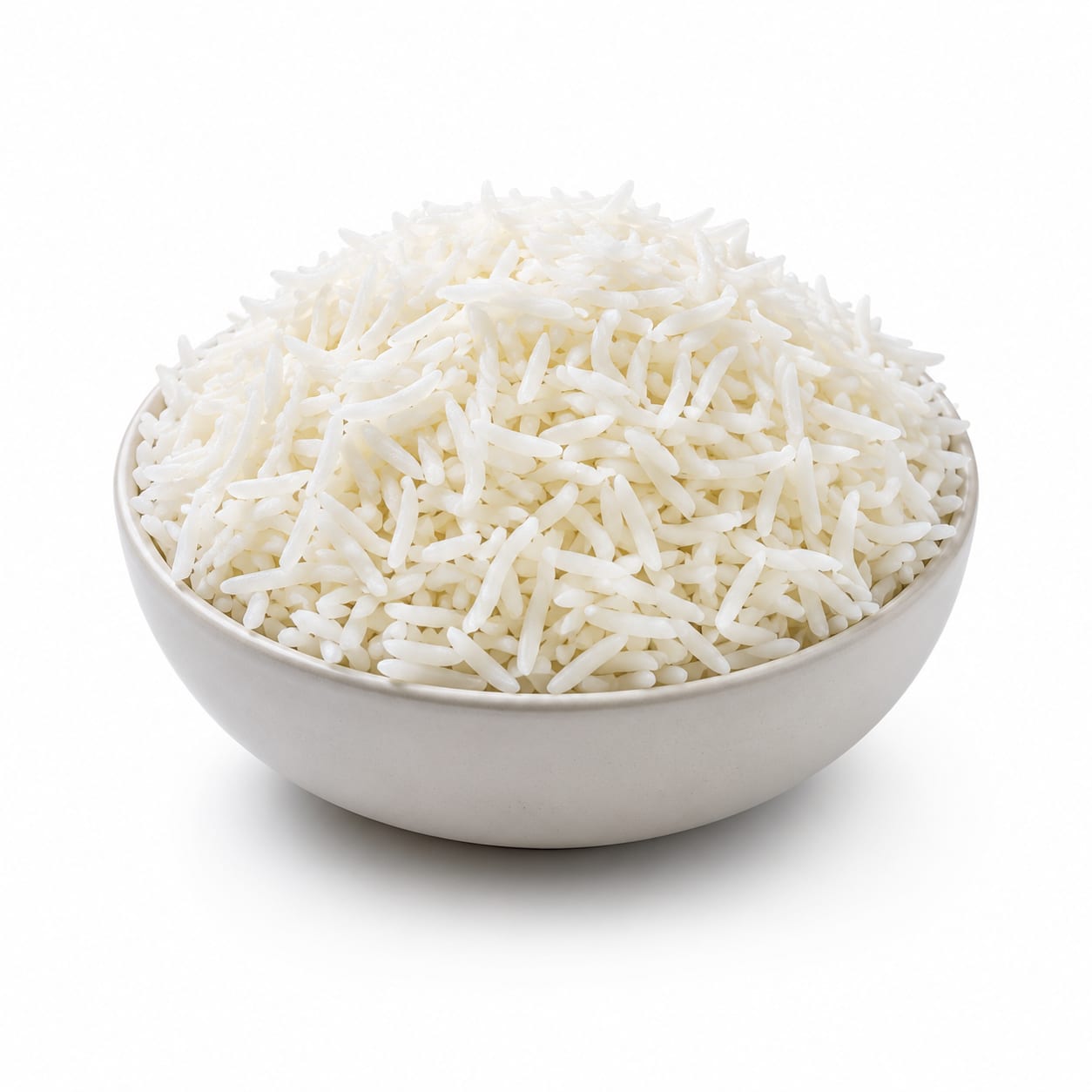
Basmati rice is a long-grain aromatic rice known for its light, fluffy texture and moderate glycemic index compared to other white rices.
Basmati is a long-grain aromatic rice traditionally grown in the Indian subcontinent, prized for its fluffy texture and nutty flavor when cooked.
fast-digesting carbohydrate staple
Typical serving · 158g
Common varieties · white basmati, brown basmati, aged basmati, sella (parboiled) basmati, organic basmati
Overall context score across nutrition, safety, and diet fit
The story
What makes it unique
Basmati rice contains a higher proportion of amylose starch compared to short-grain varieties, which results in firmer, less sticky grains and a moderate digestion speed. It provides rapid carbohydrate energy but lacks significant fiber or protein, leading to moderate satiety. As a refined grain (white basmati), the bran and germ are removed, reducing micronutrient density.
Varieties: white basmati · brown basmati · aged basmati · sella (parboiled) basmati · organic basmati
Per 100g
Nutrition breakdown
Macro balance and key metrics at a glance.
Energy
Density 1.30 kcal/g
Protein
Carbs
Fat
Fiber
Sugar
0 g
Sodium
1 mg
Potassium
29 mg
Glycemic index
58
Glycemic load
16
Water content
70%
Standout compounds
Nutrient highlights
Carbohydrates
highProvides quick energy for physical activity and brain function.
Manganese
moderateSupports metabolism, bone formation, and antioxidant defense.
Selenium
moderatePlays a critical role in thyroid hormone metabolism and antioxidant protection.
Magnesium
lowImportant for muscle function, nerve signaling, and blood pressure regulation (mostly in brown basmati).
Wellness map
Health scores & processing
NOVA processing scale
moderately processed · Whole food
White basmati is milled to remove the bran and germ, classifying it as a processed culinary staple. Brown basmati is Nova Group 1 (minimally processed).
Diet compatibility
- Weight loss
- Muscle gain
- Diabetes
- Gut health
- Low carb
- High protein
- Heart health
Relative standing
Food rankings
Qualitative ranks compared to similar whole foods.
- Satietymoderate
- Blood sugarmoderate
- Nutrient densitypoor
- Fitness fuelgood
- Processing qualitymoderate
Eat with confidence
Food safety profile
Basmati rice is generally safe but can contain inorganic arsenic due to agricultural water practices. White basmati has lower arsenic than brown because arsenic concentrates in the bran. Washing and cooking in excess water reduces arsenic levels significantly.
Evidence confidence 85%
- Pesticidesmoderate
- Antibioticslow
- Heavy metalsmoderate
- Contaminationlow
Watch for
- arsenic
- pesticide residue
Safer choices
US-grown basmati or Lundberg brands, which test for arsenic. Brown basmati from low-arsenic regions.
Prep tips
Rinse thoroughly under running water before cooking. Cook using the pasta method (excess water) and drain to reduce arsenic content by up to 50%.
Rice accumulates inorganic arsenic more readily than other crops. Basmati rice generally has lower arsenic levels than other rice varieties, but monitoring is still advised.
Deep dive
Health analysis
How this food may fit different goals and preparation choices.
Weight loss
Low energy density helps with portion volume, but low fiber and protein mean it does not provide lasting fullness, making calorie control harder without pairing with protein and vegetables.
Blood sugar
White basmati has a medium glycemic index, causing moderate blood sugar spikes. Brown basmati is a better choice for stable blood sugar due to intact fiber slowing glucose absorption.
Fitness & energy
An easily digestible carbohydrate source ideal for replenishing glycogen stores post-workout or fueling endurance activities without causing gastrointestinal distress.
Gut health
Lacks prebiotic fiber to support beneficial gut bacteria. Large frequent portions can displace high-fiber foods necessary for a healthy microbiome.
Processing quality
White basmati is refined, stripping away the bran and germ where most vitamins, minerals, and fiber reside. Parboiled varieties retain some nutrients absorbed during the steaming process.
Food safety
Arsenic content is the primary concern with all rice. Basmati performs better than most varieties, but rinsing and cooking in plenty of water is recommended to minimize exposure.
Common mistakes
Eating large portions as a dietary base rather than a side dish, which spikes caloric and carbohydrate intake. Assuming all rice varieties have the same glycemic impact.
Best preparation
Rinse well before cooking. Boil in excess water and drain to reduce arsenic. Pair with healthy fats, lean proteins, and fiber-rich vegetables to balance the meal.
Practical guide
Best use cases
When and how this food fits real eating patterns.
post-workout recovery
Provides fast-digesting carbohydrates to replenish muscle glycogen quickly after intense exercise.
digestive rest meals
Easily digestible and low in residue, making it suitable for individuals with acute gastrointestinal distress or needing a bland diet.
balanced plate base
Serves as a neutral-flavored carbohydrate base to absorb sauces and pair with high-protein and fiber-rich dishes.
Balance sheet
Pros & cons
Upsides
- Lower glycemic index than most white rices
- Fluffy texture allows for easy portion control
- Naturally gluten free
- Quick and easy to digest
- Versatile base for many cuisines
Trade-offs
- Low in dietary fiber
- Low in protein
- Contains arsenic, requiring proper washing and cooking
- Refined white version lacks essential micronutrients
- Can spike blood sugar if eaten in large portions
Fit check
Who is it for?
Great match
- post-workout glycogen replenishment
- easy digestion diets
- gluten-free meal bases
- carb-loading for endurance
Consider alternatives
- strict low-carb diets
- diabetic meal plans without portion control
- high-protein diets
- weight loss without calorie tracking
Side by side
How it compares
Open the full head-to-head analysis for nutrition, safety, and practical tradeoffs.
This food
Basmati Rice
VS90% alike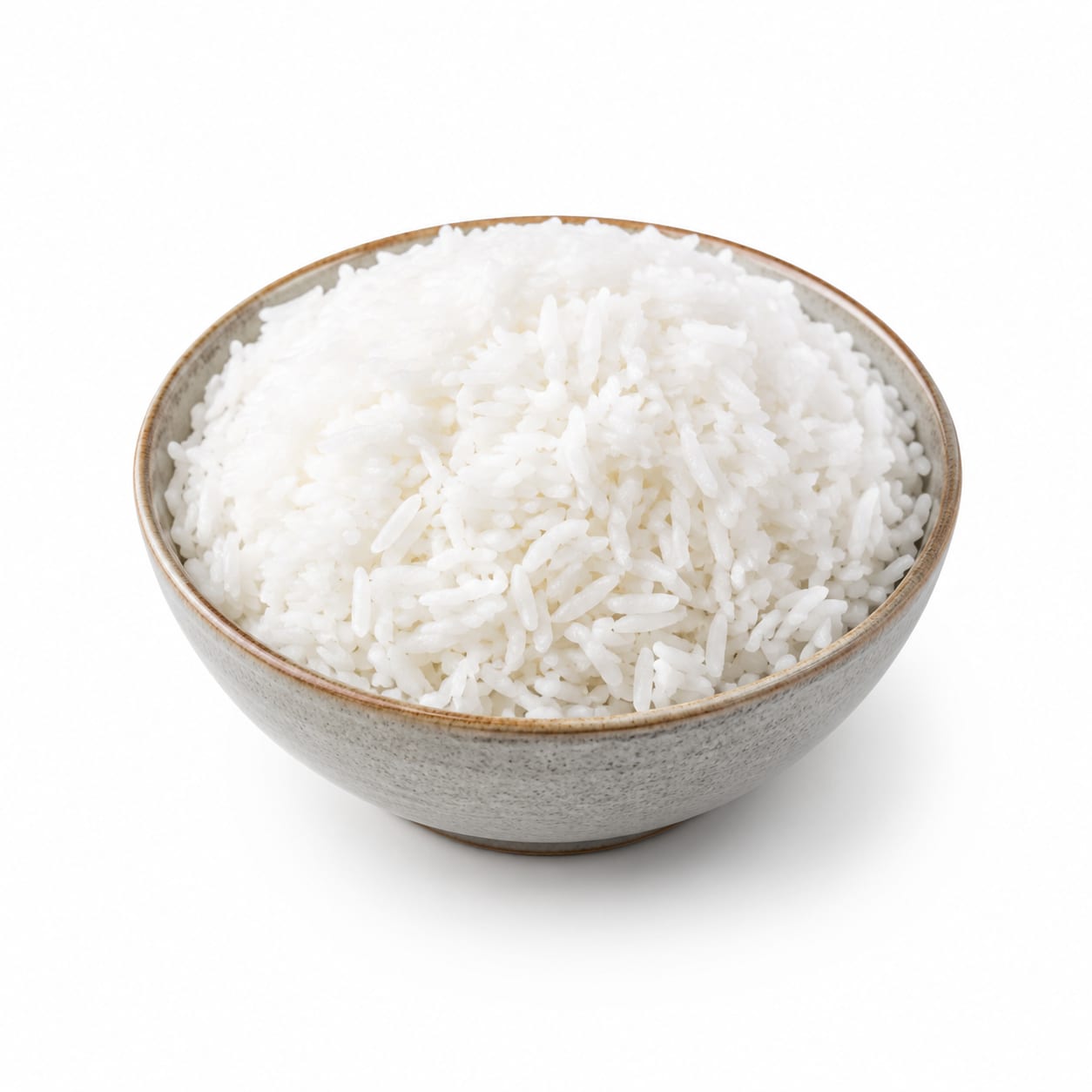
Compare with
Jasmine Rice
Basmati has a firmer texture and lower glycemic index than jasmine rice, which is softer and stickier.
Basmati rice beats jasmine rice for blood sugar control due to its lower glycemic index and higher amylose content, while both provide similar workout fuel.
This food
Basmati Rice
VS95% alike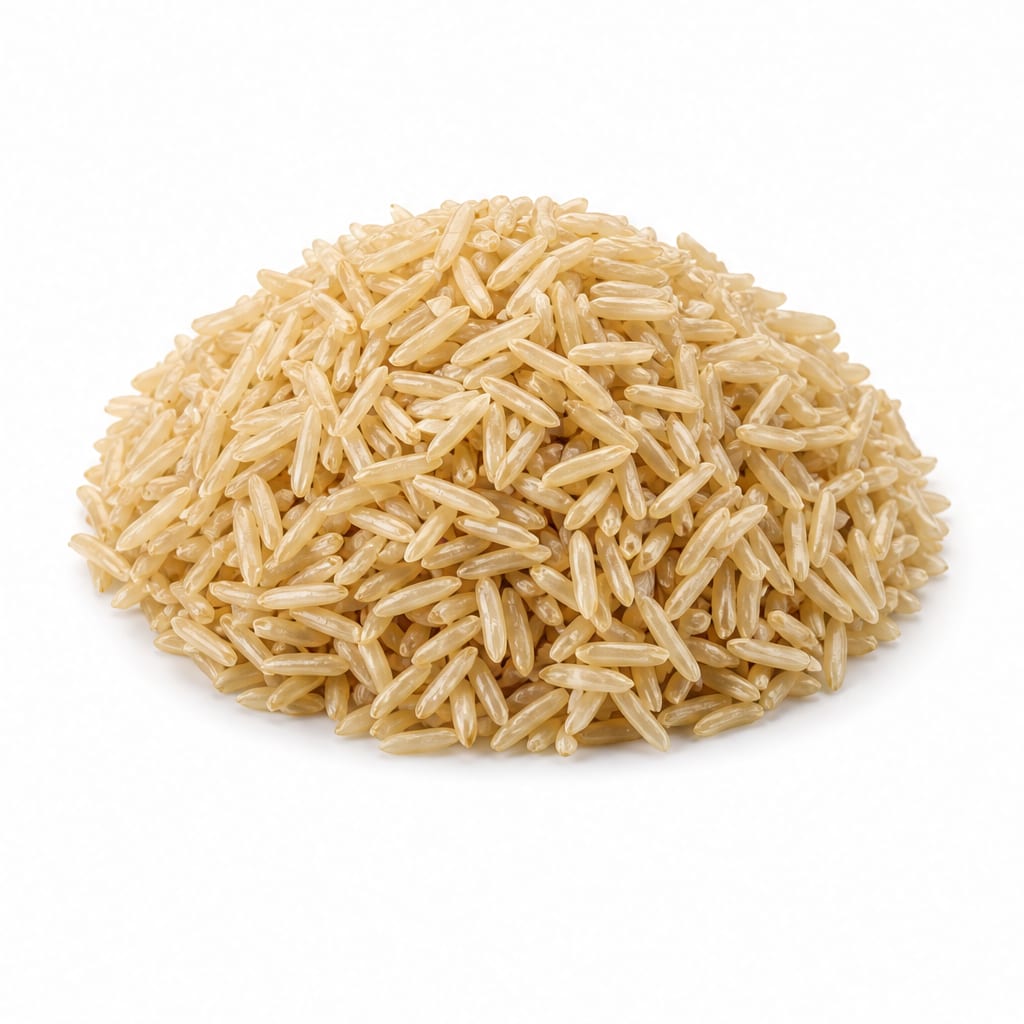
Compare with
Brown Basmati Rice
Brown basmati retains the bran and germ, offering more fiber, vitamins, and a lower glycemic index than white basmati.
Brown basmati rice is healthier than white basmati, providing more fiber for satiety and better blood sugar control, though white basmati digests faster for quick post-workout energy.
This food
Basmati Rice
VS75% alike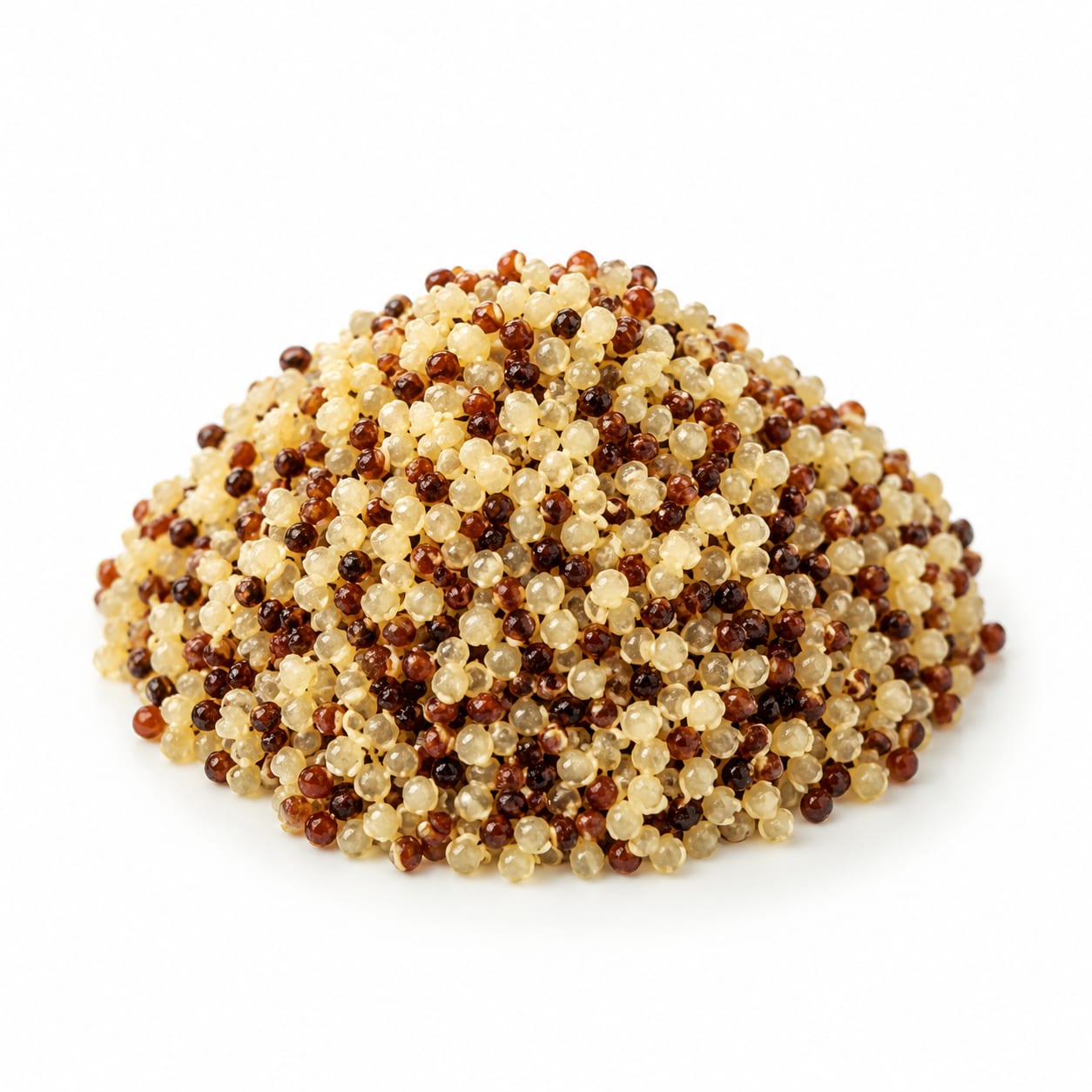
Compare with
Quinoa
Quinoa is a complete protein and high in fiber, whereas basmati is primarily a carbohydrate source.
Quinoa outperforms basmati rice for weight loss and blood sugar control due to its high protein and fiber content, keeping you full longer.
This food
Basmati Rice
VS95% alike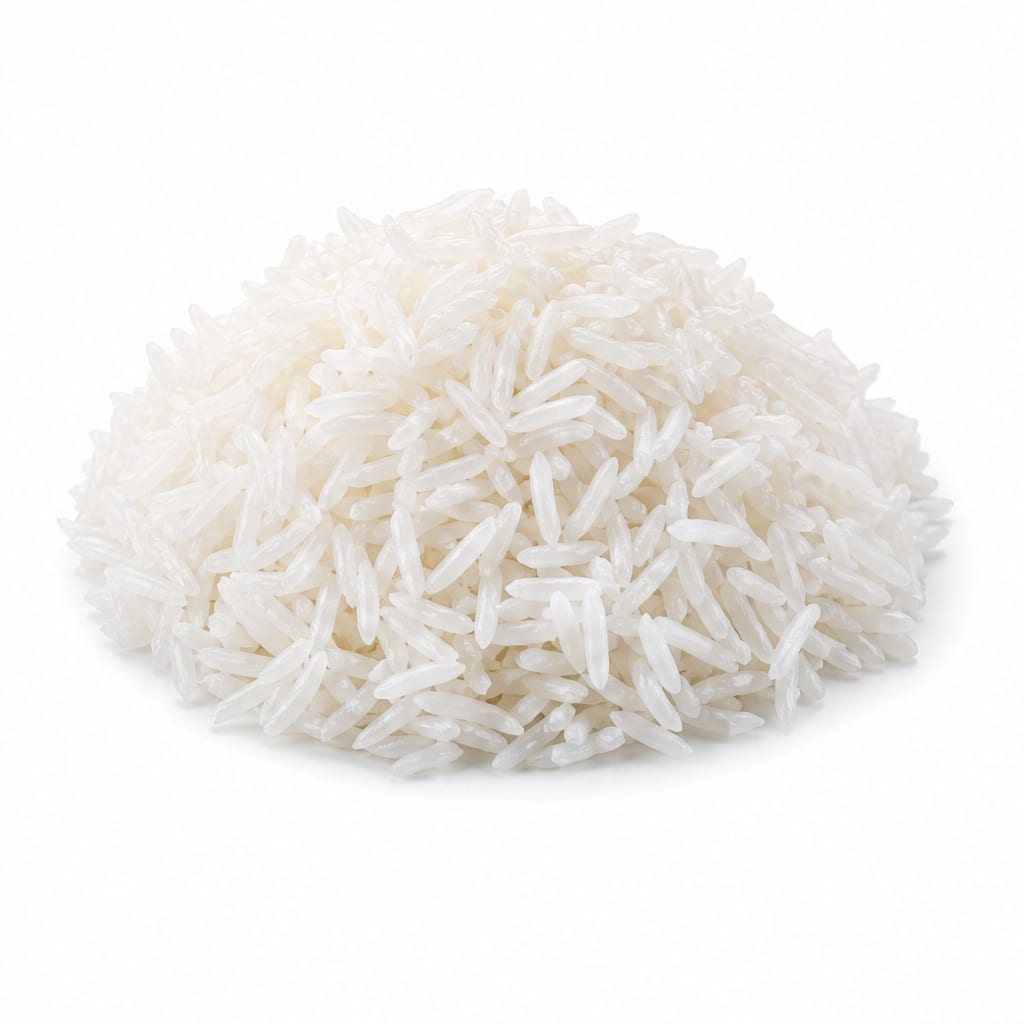
Compare with
Regular White Rice
Basmati has a lower glycemic index and fluffier texture than standard short or medium-grain white rice.
Basmati rice is better than regular white rice for blood sugar management because it digests slower and causes less of a glucose spike.
This food
Basmati Rice
VS60% alike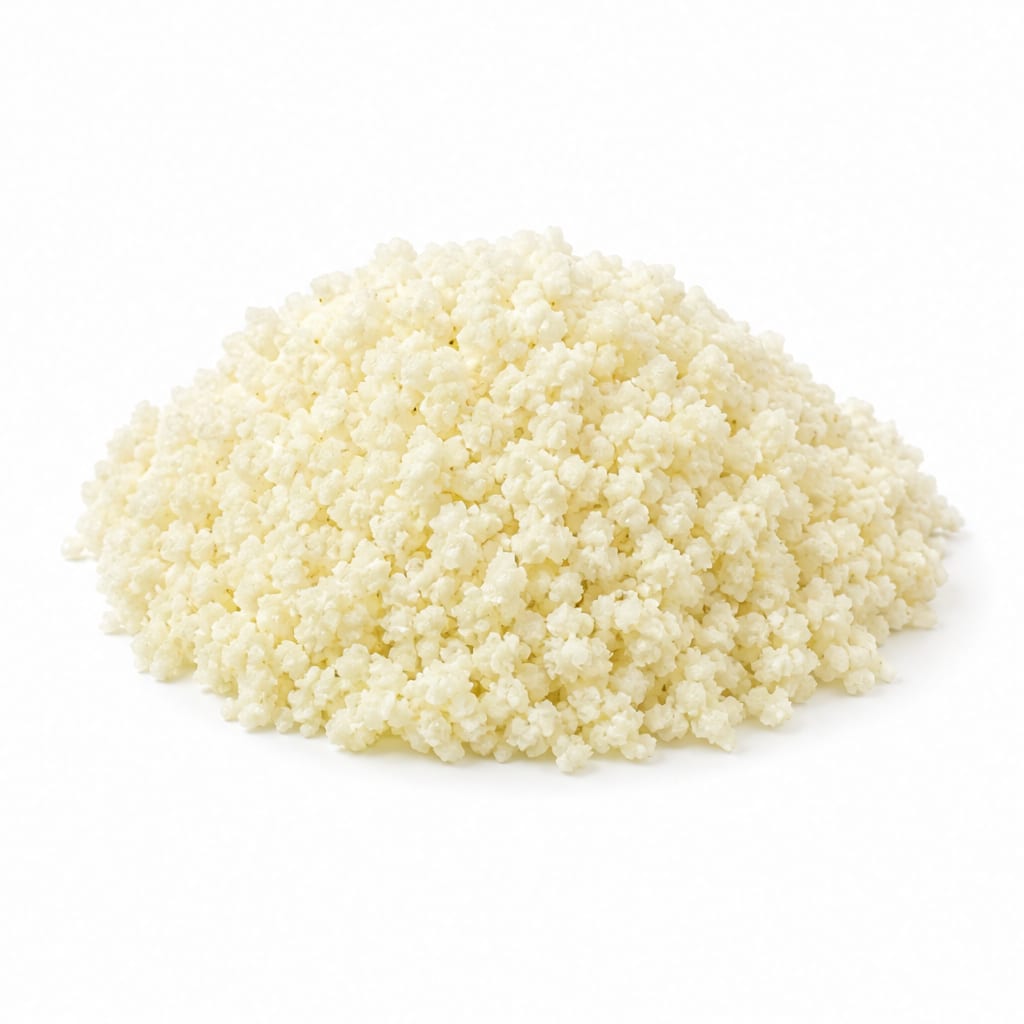
Compare with
Cauliflower Rice
Cauliflower rice is extremely low in calories and carbs, while basmati provides dense carbohydrate energy.
Cauliflower rice is far better for weight loss and low-carb diets with minimal calories, while basmati rice is superior for providing actual workout energy.
This food
Basmati Rice
VS70% alike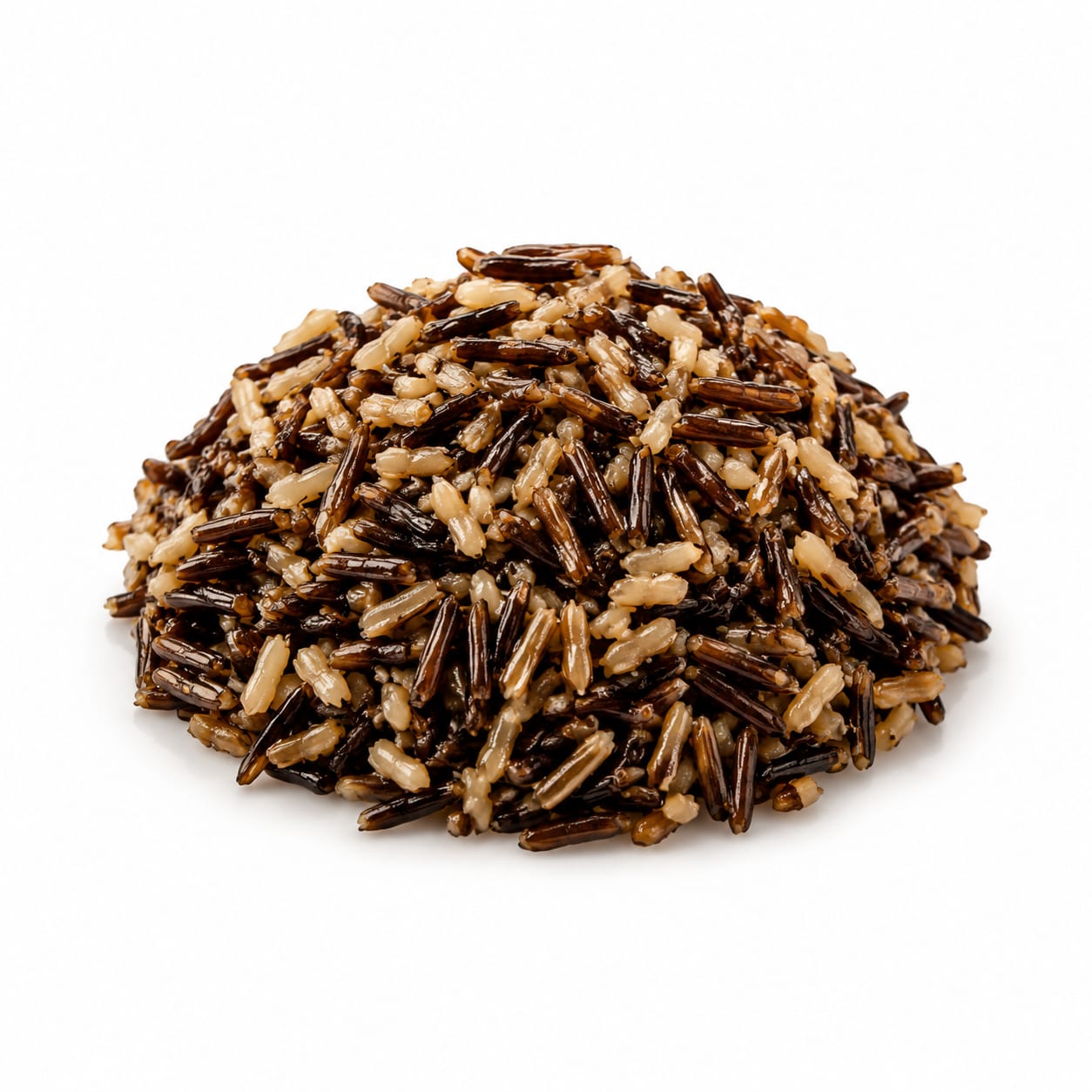
Compare with
Wild Rice
Wild rice is much higher in protein, fiber, and antioxidants than basmati rice.
Wild rice beats basmati rice for satiety and blood sugar control thanks to its superior protein and fiber content, making it the healthier grain choice.
This food
Basmati Rice
VS80% alike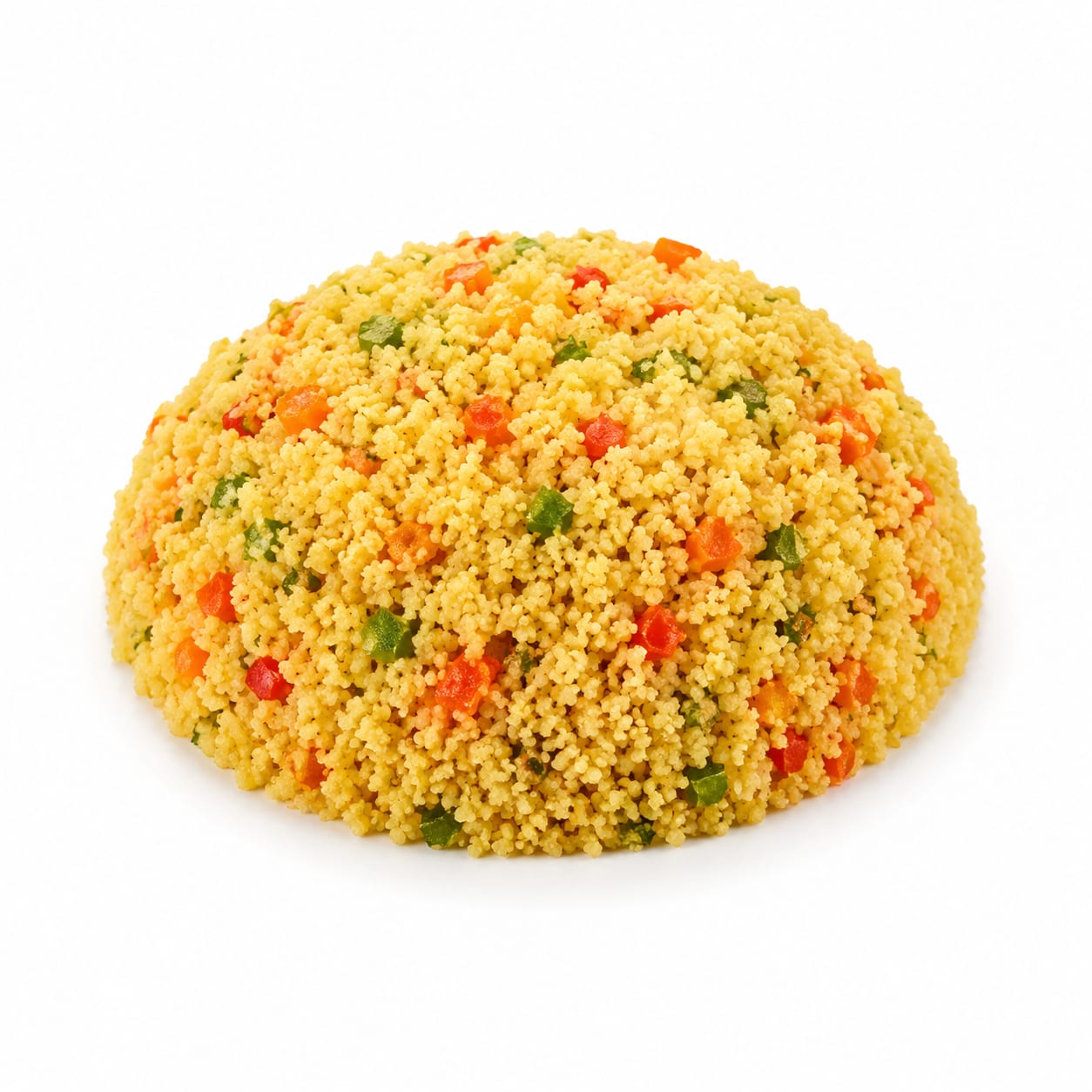
Compare with
Couscous
Couscous is actually a pasta made from semolina, while basmati is a whole grain. Basmati has a lower glycemic index.
Basmati rice is better than couscous for blood sugar control because it has a lower glycemic index, while both offer similar carbohydrate fuel for workouts.
This food
Basmati Rice
VS85% alike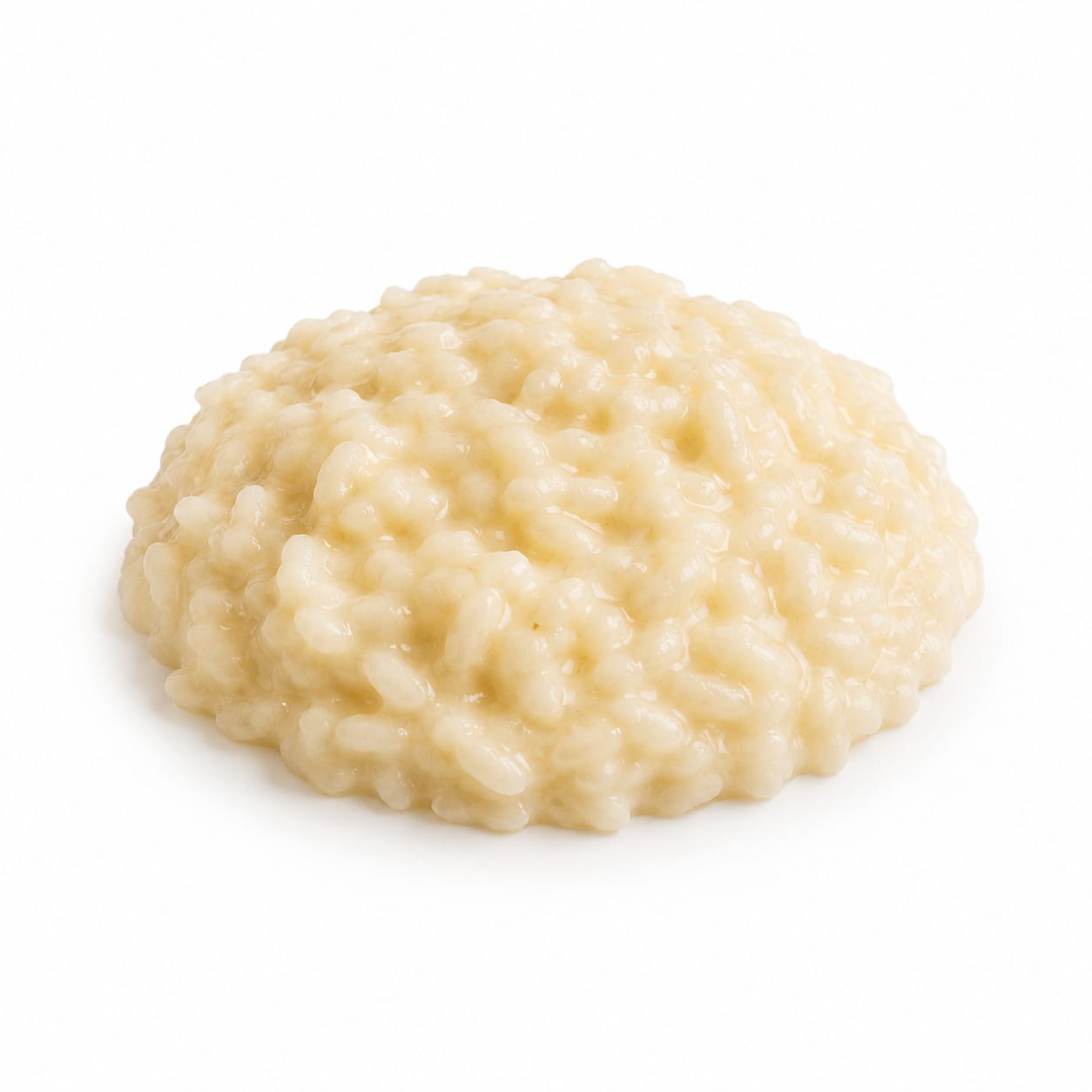
Compare with
Arborio Rice
Arborio is a short-grain rice high in amylopectin, making it creamy, while basmati is high in amylose, making it fluffy.
Basmati rice is better than arborio rice for blood sugar and weight loss because its fluffy texture digests slower than the sticky, fast-digesting arborio.
This food
Basmati Rice
VS75% alike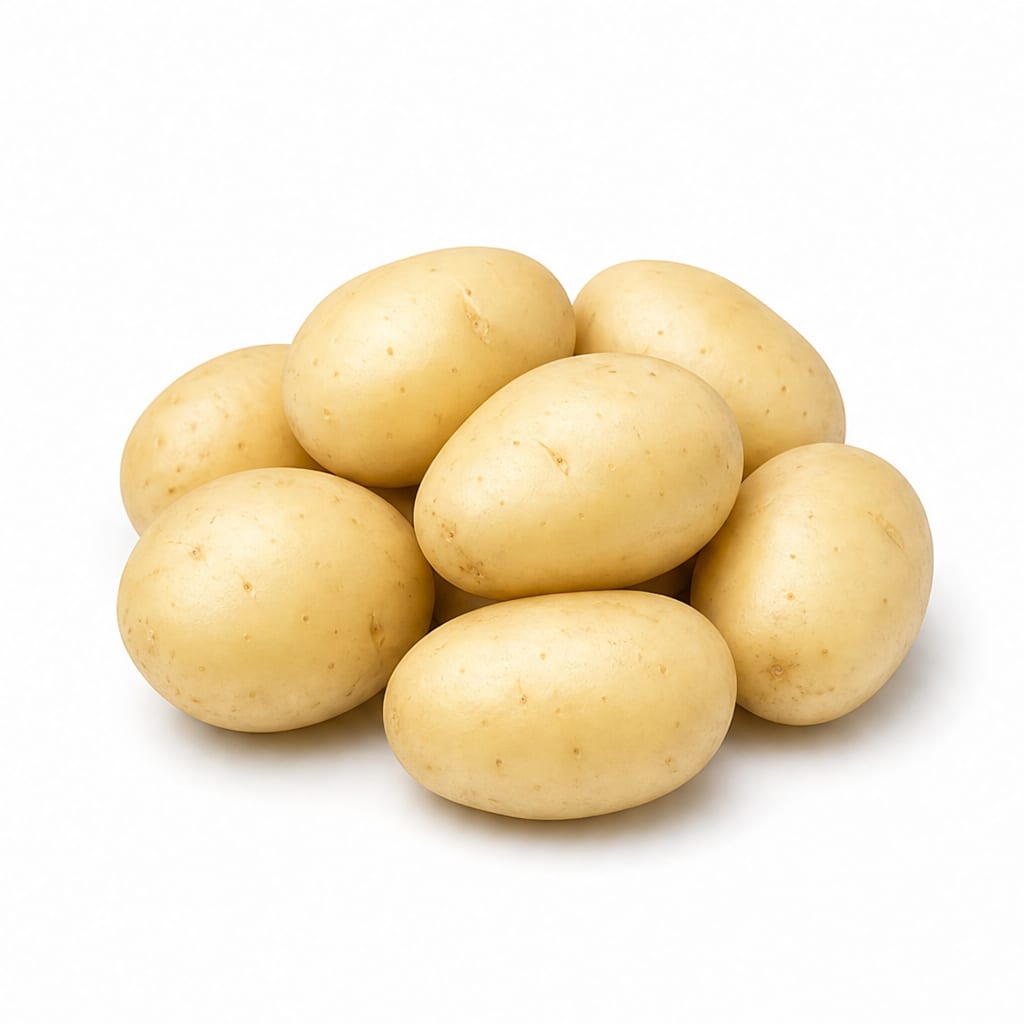
Compare with
White Potatoes
Potatoes offer more potassium and vitamin C, and when cooled, provide resistant starch. Basmati provides a more consistent energy release.
Potatoes are more filling and higher in potassium than basmati rice, but basmati rice has a slightly lower glycemic index, making it easier on blood sugar.
This food
Basmati Rice
VS65% alike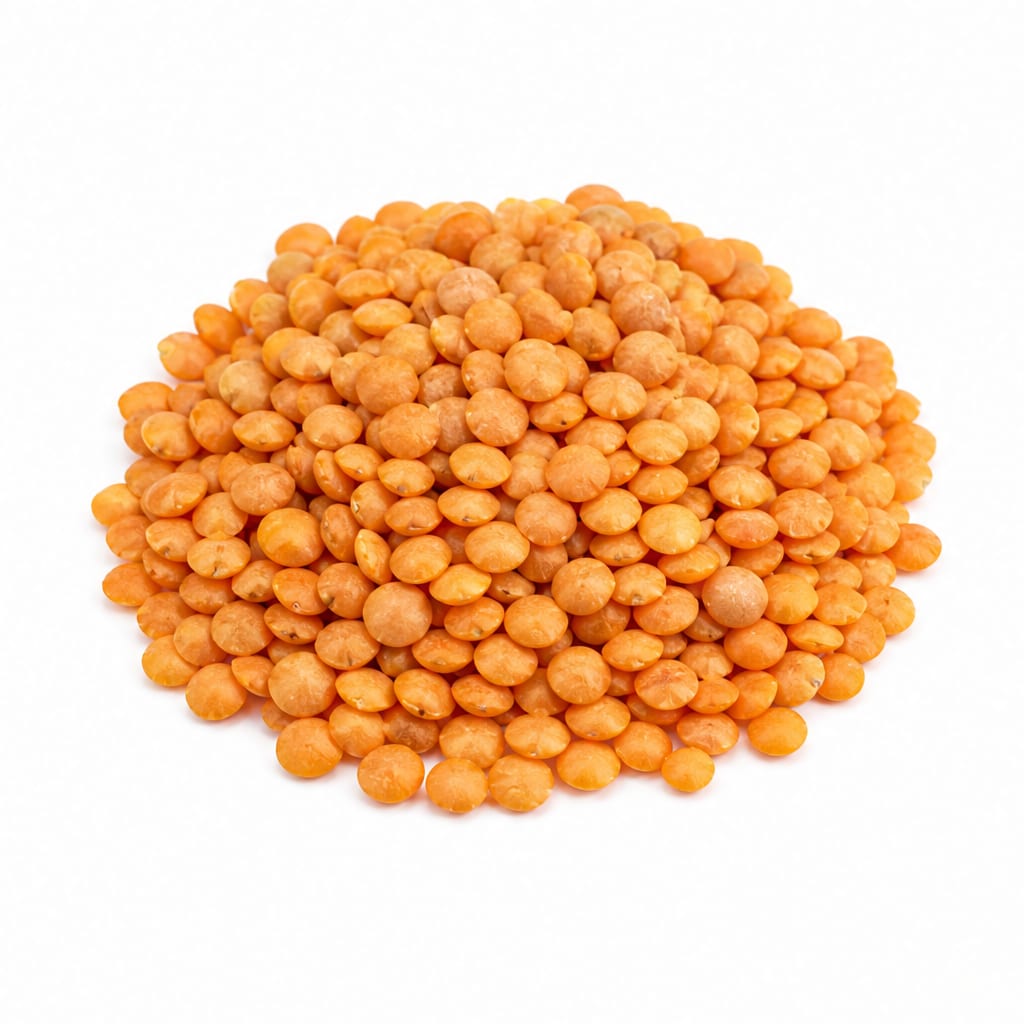
Compare with
Lentils
Lentils are rich in protein and fiber, drastically outperforming basmati in satiety and nutrient density.
Lentils are far superior to basmati rice for weight loss and blood sugar control, offering high protein and fiber that basmati rice lacks.
Common questions
FAQ
Answers aligned with how people search for this food.
Is basmati rice good for weight loss?
Basmati rice is not inherently good for weight loss because it is low in fiber and protein, which are needed for satiety. However, its fluffy texture allows for portion control, and it can be part of a weight loss diet if paired with vegetables and lean protein.
Is basmati rice better than regular white rice?
Yes, basmati rice has a lower glycemic index (around 58) compared to regular short-grain white rice (around 70-80). This means it causes a slower, more manageable rise in blood sugar levels.
Does basmati rice spike blood sugar?
White basmati rice can spike blood sugar, though less severely than sticky or short-grain rices. People with diabetes should opt for brown basmati rice and control portion sizes to minimize blood sugar impact.
Is basmati rice gluten free?
Yes, pure basmati rice is naturally gluten free. It is safe for individuals with celiac disease or gluten sensitivity, provided it is not processed in facilities with cross-contamination.
How much arsenic is in basmati rice?
Basmati rice typically contains lower levels of inorganic arsenic compared to other rice types like jasmine or short-grain. Rinsing thoroughly and cooking in excess water can reduce arsenic levels by up to 50%.
Is brown basmati healthier than white?
Yes, brown basmati retains its bran and germ, providing more fiber, magnesium, and B vitamins. It also has a lower glycemic index and supports better digestive health than white basmati.
Can diabetics eat basmati rice?
Diabetics can eat basmati rice in moderation. Choosing brown basmati over white and keeping portions to 1/2 cup cooked, paired with protein and healthy fats, helps manage the blood sugar response.
Transparency
Data confidence
Estimated confidence for nutrition data, interpretation, safety notes, and comparisons.
Nutrition data
Health analysis
Food safety
Comparisons