
Nutrition comparison
Basmati Rice vs Cauliflower Rice: Which Is Healthier for You?
Compare Basmati Rice and Cauliflower Rice on calories, blood sugar impact, weight loss, and meal satisfaction. Find out which rice alternative fits your health goals.
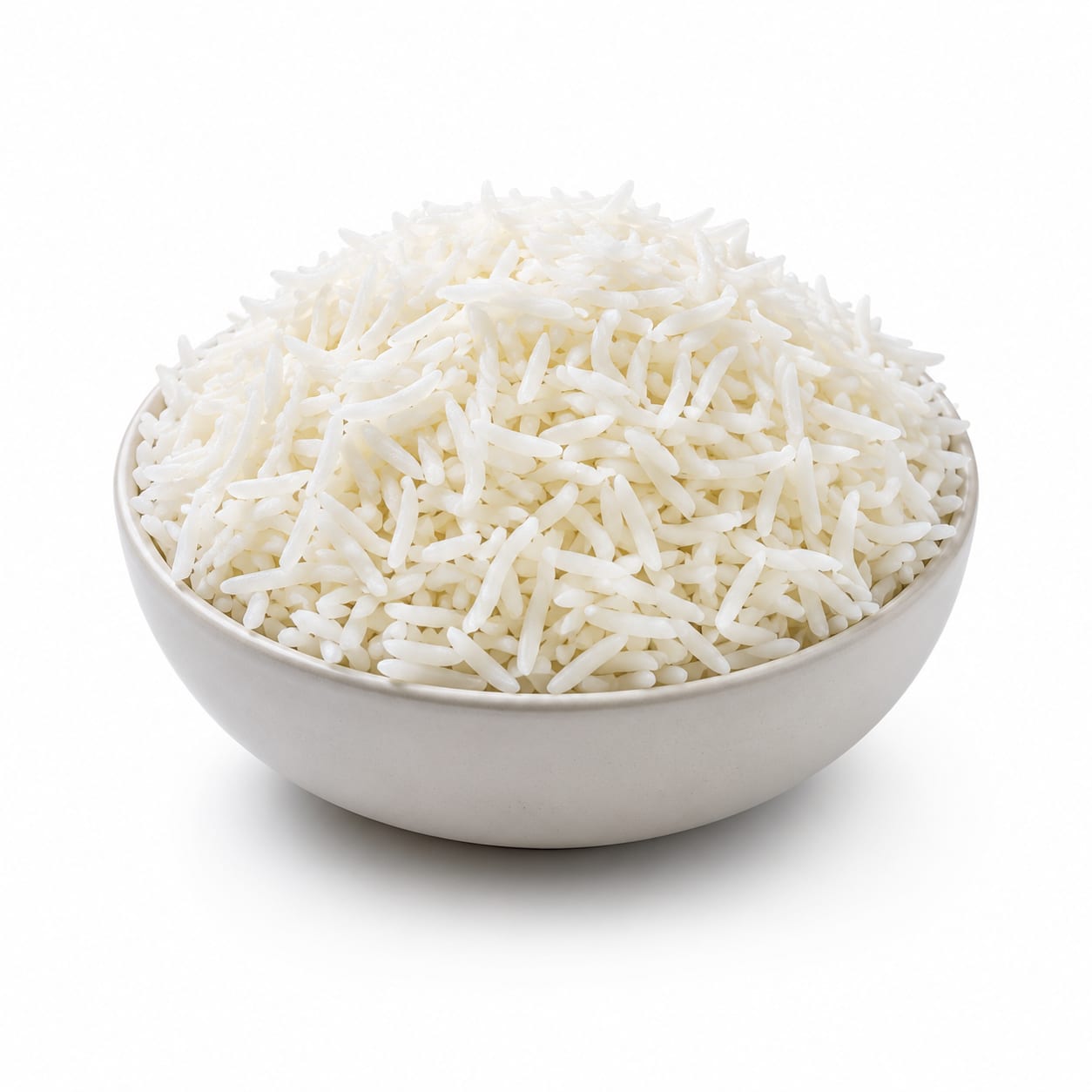
Basmati Rice
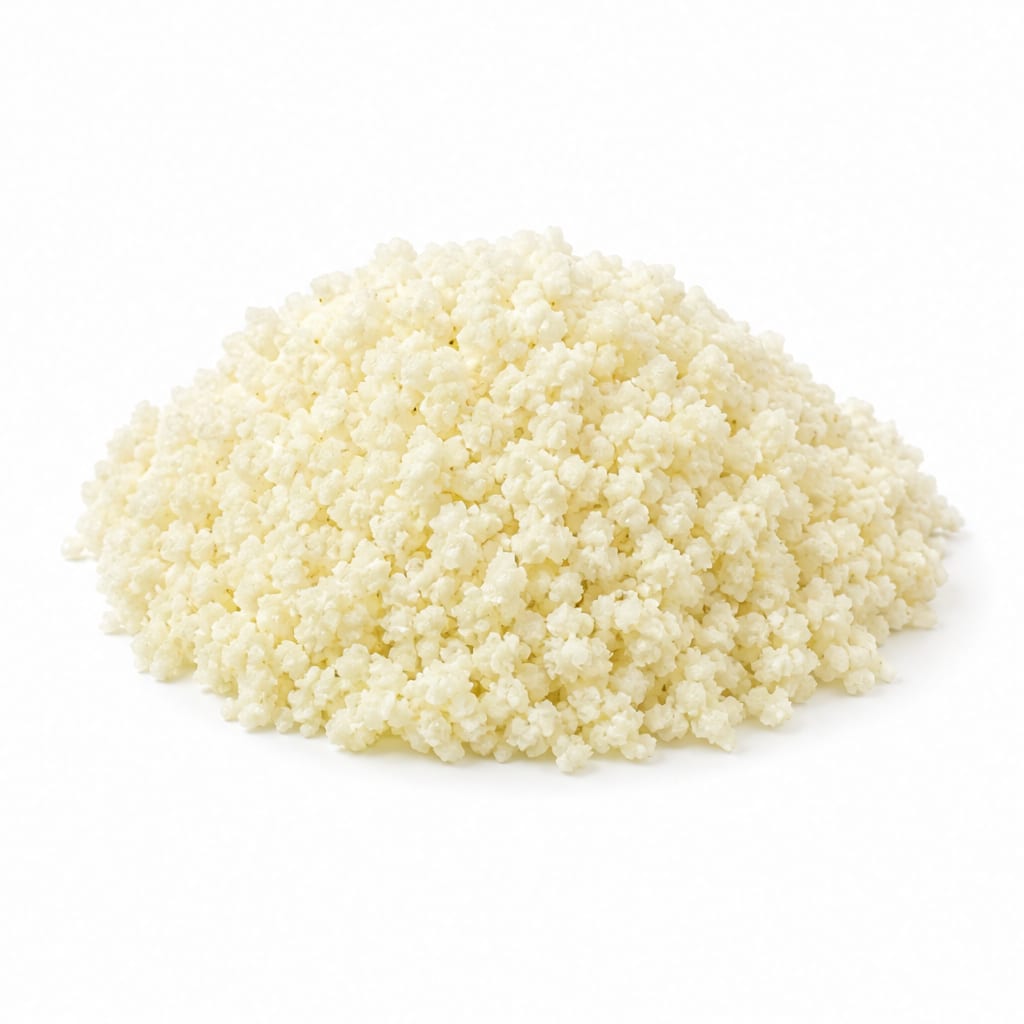
Cauliflower Rice
Cauliflower Rice wins for blood sugar control and calorie reduction, but Basmati Rice wins for satisfaction, energy, and meal enjoyment. The right choice depends entirely on your goals.
Cauliflower Rice scores higher due to superior nutrient density, blood sugar stability, and weight management benefits. Basmati Rice remains valuable for energy and satisfaction but offers fewer health advantages per calorie.
You trade comfort and sustained energy for metabolic flexibility and lower calories — or vice versa.
At a glance
Executive summary
Overall
It depends
Healthier
Cauliflower Rice
More practical
Basmati Rice
Daily use
It depends
Key comparison lenses
low carb diet compatibility
This is the primary reason most people consider swapping Basmati Rice for Cauliflower Rice — dramatically different carbohydrate profiles
blood sugar management
Glycemic load difference is massive; critical for diabetics and anyone tracking metabolic health
weight loss calorie reduction
Cauliflower Rice offers roughly 1/8 the calories per cup, making it a go-to for calorie restriction
meal satisfaction and enjoyment
Basmati Rice delivers comfort and fullness that Cauliflower Rice struggles to replicate, affecting long-term adherence
nutrient density comparison
Cauliflower brings vitamins and antioxidants while Basmati Rice provides energy and minimal micronutrients
Best choice for
Basmati Rice
- Athletes needing carb fuel before or after training
- People who feel unsatisfied and hungry on low-carb meals
- Anyone recovering from illness who needs easily digestible energy
- Families wanting a universally enjoyed side dish
- Those cooking Indian, Middle Eastern, or South Asian cuisine where rice is culturally central
Cauliflower Rice
- People managing type 2 diabetes or insulin resistance
- Anyone on a keto or very low-carb eating plan
- Those seeking aggressive calorie reduction without shrinking portion sizes
- People trying to increase vegetable intake at every meal
- Anyone looking to reduce post-meal energy crashes
Least suitable for
Basmati Rice
- People with poorly controlled blood sugar or metabolic syndrome
- Those strictly limiting carbohydrates
- Anyone trying to maximize volume eating on low calories
Cauliflower Rice
- Endurance athletes or heavy trainers needing carb replenishment
- People with digestive sensitivity to cruciferous vegetables
- Anyone who finds low-carb meals mentally exhausting or unsustainable
Deep comparison
Dimension by dimension
Each lens scores both foods and breaks down who each option suits.
- Dimension 1 · Priority 95Cauliflower Rice
Blood Sugar Impact
Basmati Rice · 35Cauliflower Rice · 92Cauliflower Rice has minimal effect on blood sugar, while Basmati Rice causes a significant glucose rise even with its lower glycemic index compared to other rice varieties.
Tradeoff
Basmati Rice provides quick energy that some people genuinely need; Cauliflower Rice avoids the spike but offers no immediate fuel.
Why it matters
Post-meal energy crashes, cravings 90 minutes later, and long-term insulin sensitivity all tie directly to this difference.
Real-world impact
A Basmati Rice lunch can leave you sleepy and hungry by 3pm. Cauliflower Rice keeps energy steadier but may feel too light without added protein and fat.
Basmati Rice
- Pre-workout energy when you need fast-available carbs
- Recovery meals after intense exercise
Better for
- Anyone with insulin resistance eating it as a standalone side
- Late dinners where blood sugar should stay low
Worse for
Cauliflower Rice
- Steady afternoon energy without the crash
- Managing HbA1c and fasting glucose levels
- Reducing sugar cravings triggered by blood sugar swings
Better for
- Situations where you need immediate usable energy
Worse for
- Dimension 2 · Priority 88Cauliflower Rice
Calorie Density and Weight Management
Basmati Rice · 25Cauliflower Rice · 95Cauliflower Rice delivers roughly 25 calories per cup compared to Basmati Rice at around 200 calories per cup — an 8x difference that makes portion control almost automatic.
Tradeoff
You can eat a massive bowl of Cauliflower Rice guilt-free, but it will not fill you the same way. Volume does not always equal satisfaction.
Why it matters
For anyone tracking calories, this single swap can save 300-400 calories per meal without changing plate size.
Real-world impact
Swapping just one daily serving of Basmati Rice for Cauliflower Rice could translate to roughly 1 pound of weight loss every 10-12 days with no other changes.
Basmati Rice
- People struggling to eat enough calories healthfully
- Growing teenagers with high energy demands
Better for
- Sedentary individuals where excess calories easily accumulate
- Anyone prone to second helpings
Worse for
Cauliflower Rice
- Anyone creating a calorie deficit without feeling deprived of plate volume
- Volume eaters who need large portions to feel satisfied
Better for
- Underweight individuals needing calorie density
Worse for
- Dimension 3 · Priority 82Basmati Rice
Satiety and Meal Satisfaction
Basmati Rice · 85Cauliflower Rice · 45Basmati Rice provides a comforting, filling base that makes meals feel complete. Cauliflower Rice often leaves people reaching for more food within an hour.
Tradeoff
You save calories with Cauliflower Rice but may eat more overall if the meal does not satisfy you. Adding fat and protein helps but adds calories back.
Why it matters
The best healthy choice is the one you can sustain. A meal that leaves you hungry is a meal that leads to snacking.
Real-world impact
Many people report that Cauliflower Rice meals feel like a compromise, which can trigger compensatory eating later — negating the calorie savings entirely.
Basmati Rice
- Dinners where you want to feel genuinely full and content
- Meals shared with family who expect satisfying food
Better for
- Meals where you want to feel light and energized afterward
Worse for
Cauliflower Rice
- Light lunches where you want to avoid afternoon sluggishness
- Meals already rich in protein and healthy fats that provide fullness
Better for
- Any meal where Cauliflower Rice is the only substantial component
- Emotional or stress-eating situations where satisfaction matters
Worse for
- Dimension 4 · Priority 75Cauliflower Rice
Nutrient Density
Basmati Rice · 30Cauliflower Rice · 88Cauliflower Rice provides vitamin C, vitamin K, folate, and cancer-fighting glucosinolates. Basmati Rice is essentially energy with trace minerals and, if enriched, some added B vitamins and iron.
Tradeoff
Basmati Rice gives you usable energy; Cauliflower Rice gives you protective micronutrients. They serve fundamentally different purposes.
Why it matters
Most people already eat enough calories but not enough micronutrients. Swapping to Cauliflower Rice nudges the nutrient-to-calorie ratio in a favorable direction.
Real-world impact
Regular Cauliflower Rice consumption contributes meaningfully to daily vitamin C and K targets. Basmati Rice does not move the needle on any micronutrient.
Basmati Rice
- Situations where caloric energy is the priority over micronutrients
Better for
- People relying on rice as a staple without enough vegetable variety
Worse for
Cauliflower Rice
- Anyone trying to maximize nutrition per calorie consumed
- People with low vegetable intake who need easy wins
Better for
- Those already eating abundant cruciferous vegetables who may not need more
Worse for
- Dimension 5 · Priority 70Basmati Rice
Convenience and Practicality
Basmati Rice · 90Cauliflower Rice · 55Basmati Rice is shelf-stable, easy to batch cook, reheats well, and pairs with everything. Cauliflower Rice requires prep or buying pre-packaged versions that cost more and spoil faster.
Tradeoff
Homemade Cauliflower Rice is cheaper and healthier but requires a food processor and 10 minutes. Pre-packaged versions are convenient but expensive and sometimes soggier.
Why it matters
The healthier option that sits unused in your fridge is worse than the simpler option you actually cook and eat consistently.
Real-world impact
Basmati Rice can sit in your pantry for years. Cauliflower Rice goes bad in days and costs 2-3x more per serving if store-bought.
Basmati Rice
- Meal preppers who cook once for the week
- Budget-conscious households
- Anyone with limited fridge space
Better for
- No real downside on convenience — it is one of the easiest staples to prepare
Worse for
Cauliflower Rice
- People who enjoy fresh cooking and have a food processor
- Those willing to pay premium for pre-riced convenience bags
Better for
- Anyone without reliable fridge access or food processor
- Large families where the cost per serving adds up quickly
Worse for
- Dimension 6 · Priority 65Basmati Rice
Digestive Tolerance
Basmati Rice · 82Cauliflower Rice · 50Basmati Rice is gentle on the digestive system and well-tolerated by nearly everyone. Cauliflower Rice contains FODMAPs and insoluble fiber that can cause bloating and gas in sensitive people.
Tradeoff
The fiber in Cauliflower Rice supports gut health long-term but can cause short-term discomfort. Basmati Rice is easier on the stomach but provides zero prebiotic benefit.
Why it matters
If a healthy food makes you bloated and uncomfortable, you will stop eating it. Tolerance matters as much as nutrition.
Real-world impact
People with IBS or FODMAP sensitivity often report significant gas and discomfort after Cauliflower Rice meals, especially in larger portions.
Basmati Rice
- People with IBS or sensitive digestion
- Anyone recovering from stomach illness who needs bland, easy-to-digest food
Better for
- People who need more fiber to support regular bowel movements
Worse for
Cauliflower Rice
- People with healthy digestion who benefit from more fiber
- Anyone trying to improve gut microbiome diversity
Better for
- Anyone with FODMAP intolerance or chronic bloating issues
- First dates or social events where digestive discomfort would be awkward
Worse for
Timeline
Health impact over time
Short-term
Hours to days
Basmati Rice
- Noticeable blood sugar rise within 30-60 minutes of eating
- Comforting fullness that reduces desire to snack for 2-3 hours
- Mild energy boost followed by potential dip depending on portion and pairing
Cauliflower Rice
- Stable blood sugar with virtually no glycemic impact
- Possible bloating or gas within 1-2 hours if sensitive to cruciferous vegetables
- Feeling of lightness that may be interpreted as unsatisfying
Long-term
Months to years
Basmati Rice
- Regular large portions may contribute to insulin resistance over years if not paired with adequate protein, fat, and fiber
- Arsenic exposure from regular rice consumption — a genuine but manageable concern with proper sourcing and rinsing
- Easy to overconsume calories when rice is a daily staple without portion awareness
Cauliflower Rice
- Improved blood sugar markers and potential reduction in metabolic syndrome risk
- Higher vegetable intake associated with lower cancer and cardiovascular disease risk
- Possible thyroid concern with extreme cruciferous intake, though realistic portions are safe for most people
Risk profile
Safety & processing
Both foods are minimally processed in their homemade forms. Store-bought pre-riced cauliflower may contain preservatives or be partially pre-cooked, slightly increasing processing level. White Basmati Rice is milled and polished, removing the bran layer, while brown Basmati retains it. Neither food raises significant artificial additive concerns.
Basmati Rice
Arsenic contamination
mediumRice naturally accumulates more arsenic than other grains. Basmati Rice from California, India, or Pakistan tends to have lower levels than rice from the southern US. Rinsing thoroughly and cooking in excess water reduces arsenic by 30-50%.
Bacillus cereus from improper storage
lowLeftover rice stored at room temperature can harbor this toxin-producing bacteria. Cool rice quickly and refrigerate within 1 hour. Reheat thoroughly before eating.
Cauliflower Rice
Pesticide residue on conventional cauliflower
mediumCauliflower is not on the Dirty Dozen list but does receive pesticide applications. Buying organic reduces exposure. Washing thoroughly helps but does not eliminate all residue.
Cross-contamination in pre-packaged products
lowBagged Cauliflower Rice has been associated with occasional recalls due to Listeria risk in fresh-cut produce facilities. Check recall notices and use within recommended dates.
Who wins for whom
Audience fit
Same foods, different winners depending on your goal.
children
Basmati RiceKids need energy-dense foods for growth and are more likely to eat and enjoy Basmati Rice. Cauliflower Rice often gets rejected, making it a poor vehicle for childhood nutrition.
daily consumption
Cauliflower RiceFor most sedentary to moderately active adults, daily Cauliflower Rice supports better metabolic outcomes. Basmati Rice daily is fine for active people but adds unnecessary carbs and calories for less active lifestyles.
diabetes
Cauliflower RiceWith virtually zero glycemic impact, Cauliflower Rice eliminates the post-meal glucose spike that makes Basmati Rice risky for blood sugar management.
elderly
It dependsBasmati Rice is easier to chew and digest for frail elderly, but Cauliflower Rice is better for seniors managing blood sugar or weight. Depends on individual health status.
muscle gain
Basmati RiceBuilding muscle requires caloric surplus and glycogen replenishment. Basmati Rice provides the carbs and calories needed to fuel training and recovery.
weight loss
Cauliflower RiceThe calorie difference is enormous per serving. Cauliflower Rice lets you maintain plate volume while cutting 150-175 calories per cup, making sustainable deficits much easier.
Your move
Decision guide
Choose Basmati Rice
- You train hard and need carbohydrate replenishment
- You feel hungry and unsatisfied after low-carb meals
- You are cooking for a family that expects rice as a staple
- You are recovering from illness and need gentle, caloric food
- You eat rice once or twice a week and portion control is not an issue
Choose Cauliflower Rice
- You are managing diabetes, prediabetes, or insulin resistance
- You want to lose weight without eating tiny portions
- You already eat enough carbs from other sources
- You are on a keto or low-carb eating plan
- You want to increase your daily vegetable intake effortlessly
Either works if
- You mix them together for a half-and-half compromise that cuts calories while maintaining some rice texture
- You alternate based on meal context — Cauliflower Rice at lunch, Basmati Rice at dinner
- You are generally healthy and active with no metabolic concerns
Avoid both if
- You have a rice allergy or sensitivity (rare but possible for Basmati Rice)
- You have severe FODMAP intolerance and cannot tolerate cauliflower
- You are on a strict elimination diet that excludes both grains and cruciferous vegetables
Final recommendation
For most people reading this comparison, Cauliflower Rice is the healthier daily default — but Basmati Rice remains the better choice when you need real energy, genuine satisfaction, or cultural authenticity. The smartest approach many people find sustainable is mixing both: half Basmati Rice for texture and comfort, half Cauliflower Rice for volume and nutrients. This cuts calories by roughly 40% while keeping meals enjoyable enough to stick with long-term.
Practical
Consumer tips
- 1
Rinse Basmati Rice thoroughly before cooking to reduce arsenic levels by up to 50%
- 2
Buy Basmati Rice sourced from California, India, or Pakistan for lower arsenic content than southern US rice
- 3
Make Cauliflower Rice at home with a food processor to save money and avoid preservatives in pre-packaged versions
- 4
Sauté Cauliflower Rice in a dry pan for 3-5 minutes to remove excess moisture before adding seasonings — this prevents sogginess
- 5
Try a 50/50 mix of Basmati Rice and Cauliflower Rice as a sustainable middle ground that most people find surprisingly acceptable
- 6
Pair Basmati Rice with protein, healthy fats, and fiber-rich vegetables to blunt the blood sugar spike
- 7
If Cauliflower Rice leaves you hungry, add olive oil, avocado, or nuts — the fat increases satiety significantly
- 8
Do not skip rinsing pre-packaged Cauliflower Rice — a quick rinse improves texture and removes potential residue
- 9
Brown Basmati Rice offers more fiber and a lower glycemic index than white Basmati Rice if you want a middle-ground rice option