
Nutrition comparison
Basmati Rice vs Quinoa: Which Grain Is Healthier for You?
Compare Basmati Rice and Quinoa on nutrition, blood sugar impact, protein quality, cost, and digestibility. Find out which grain fits your health goals and lifestyle best.
Overall winner · Quinoa
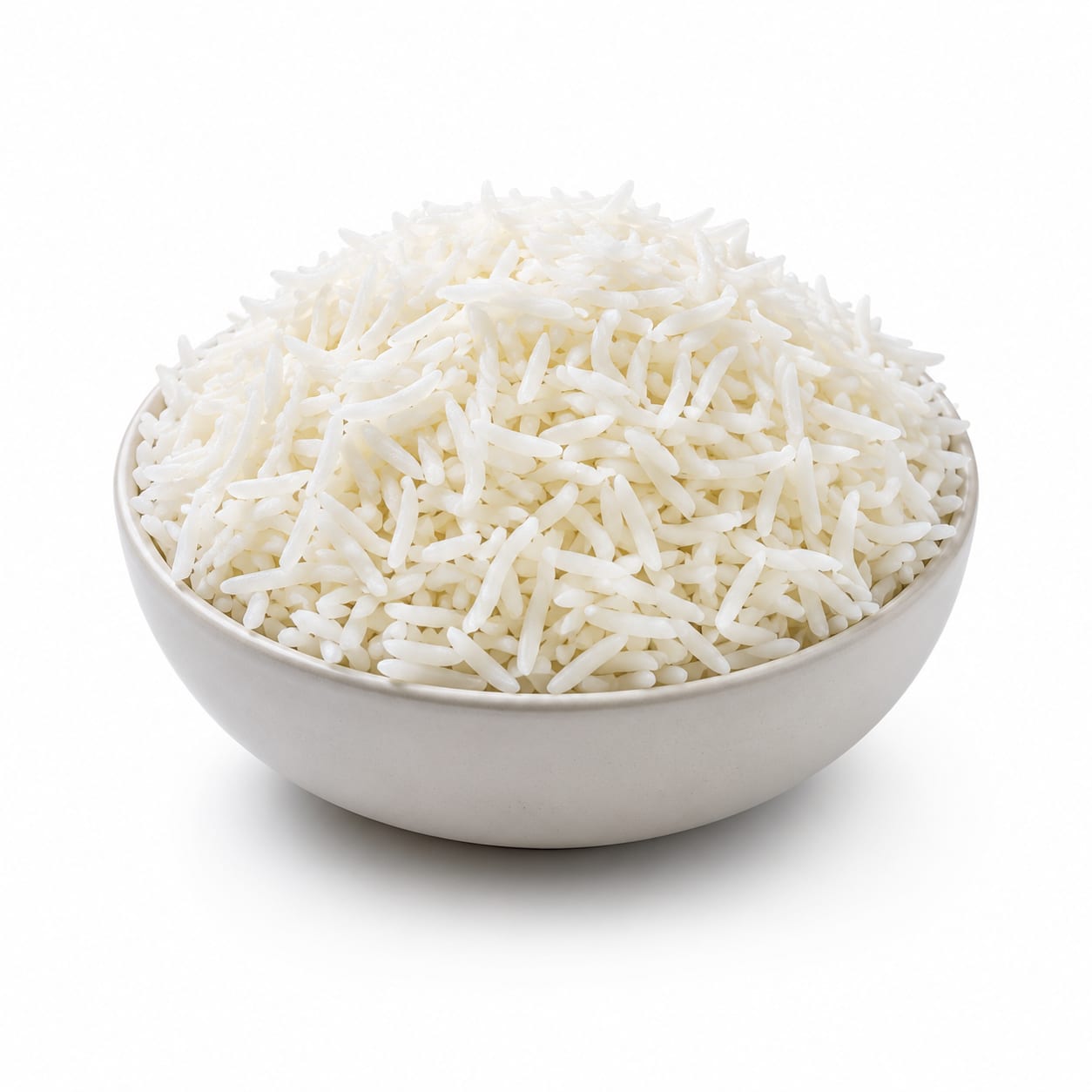
Basmati Rice
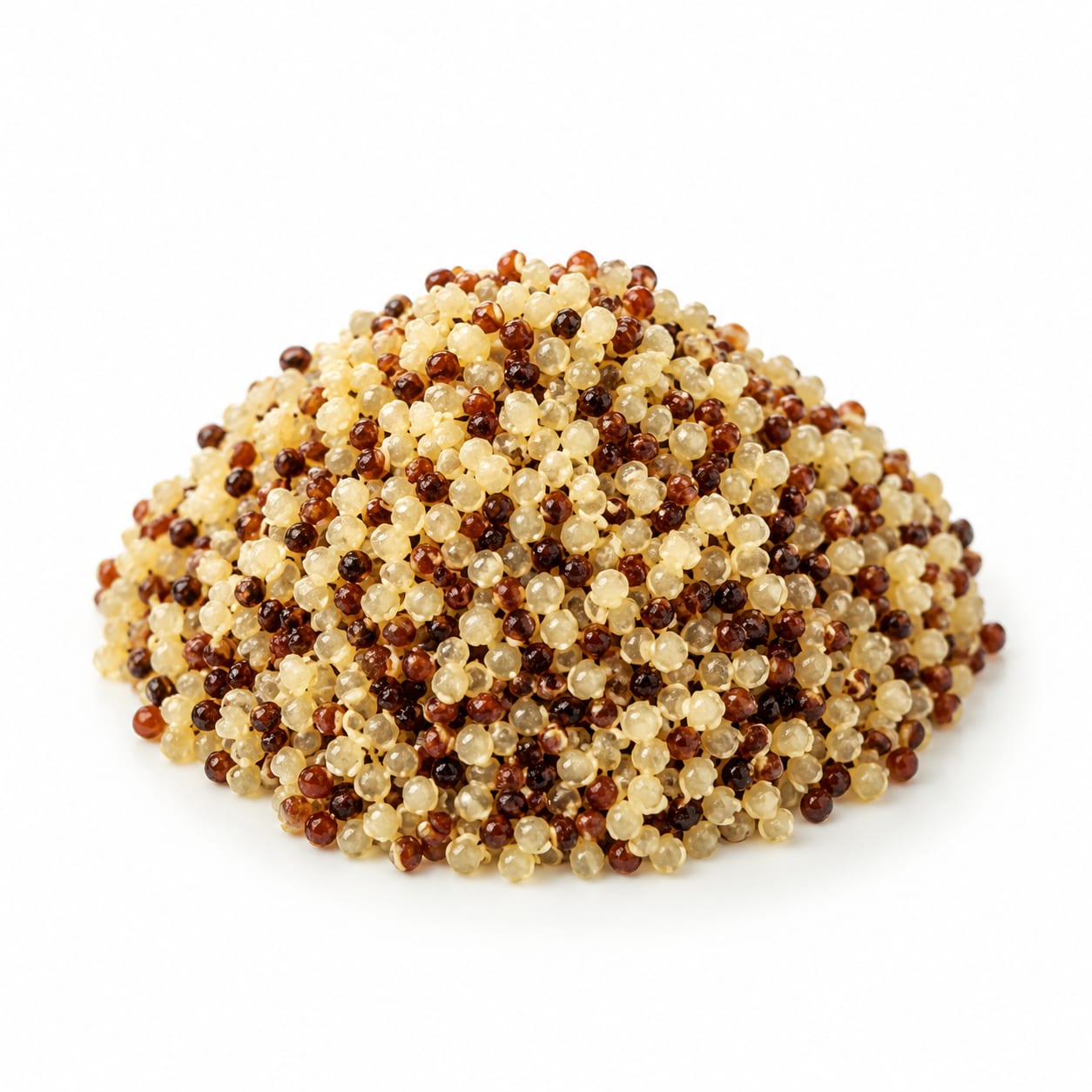
Quinoa
Quinoa delivers substantially more nutrition per calorie, but Basmati Rice is cheaper, easier to digest, and more culturally familiar for everyday meals.
Quinoa scores notably higher due to its complete protein, superior fiber, and richer micronutrient profile. Basmati Rice remains competitive through affordability, digestibility, and broad appeal, but its lower nutrient density creates a meaningful gap.
Nutritional density versus convenience and comfort — Quinoa fuels you better, Basmati Rice fits your life easier.
At a glance
Executive summary
Overall
Quinoa
Healthier
Quinoa
More practical
Basmati Rice
Daily use
It depends
Key comparison lenses
nutritional superiority for daily staple grain
Users choosing between these are usually deciding which grain to build meals around long-term
blood sugar management and diabetes suitability
Both are carb-heavy staples, so glycemic impact is a primary concern
protein completeness for plant-based diets
Quinoa's complete protein profile matters most for vegetarians and vegans replacing rice
weight loss and satiety
Filling grains that prevent overeating are critical for weight management goals
digestive comfort and gut tolerance
Some people struggle with quinoa's saponins or fiber load, while rice is gentler
Best choice for
Basmati Rice
- People with sensitive digestion who need gentle, low-fiber meals
- Budget-conscious households needing an affordable staple grain
- Athletes carb-loading before endurance events
- Anyone recovering from illness who needs easy-to-digest calories
- Families wanting a familiar side dish that everyone will eat
Quinoa
- Plant-based eaters needing complete protein from grains
- People managing blood sugar who want steadier energy
- Weight loss seekers who benefit from high-satiety foods
- Pregnant women needing more iron, folate, and magnesium
- Anyone wanting to maximize nutrition per calorie eaten
Least suitable for
Basmati Rice
- People with diabetes or insulin resistance eating large portions
- Those on high-protein, low-carb diets
- Anyone trying to maximize micronutrient intake from staples
- People with arsenic exposure concerns from regular rice consumption
Quinoa
- People with quinoa allergies or sensitivity to saponins
- Very tight food budgets where cost per serving matters most
- Picky eaters who find the texture or earthy flavor off-putting
- Those needing ultra-quick cooking grains for rushed weeknights
Deep comparison
Dimension by dimension
Each lens scores both foods and breaks down who each option suits.
- Dimension 1 · Priority 95Quinoa
Nutritional Density
Basmati Rice · 38Quinoa · 86Quinoa packs far more vitamins, minerals, and protein into each serving than Basmati Rice, which is primarily starch with modest micronutrients.
Tradeoff
You get significantly more nutrition from Quinoa but at roughly 3-4 times the cost per serving.
Why it matters
If a grain is your meal base, its nutritional contribution either builds you up or leaves gaps you must fill elsewhere.
Real-world impact
A Quinoa bowl at lunch keeps you nourished and satisfied; a Basmati Rice bowl leaves you reaching for more food within two hours.
Basmati Rice
- Situations where calories alone matter more than micronutrients
Better for
- Diets already low in iron, magnesium, or B vitamins
Worse for
Quinoa
- Daily meals where the grain carries significant nutritional responsibility
- Plant-based diets relying on grains for protein and minerals
Better for
- Situations where the extra nutrition is overkill for the meal context
Worse for
- Dimension 2 · Priority 88Quinoa
Blood Sugar Stability
Basmati Rice · 52Quinoa · 74Quinoa has a lower glycemic index and more fiber to slow glucose absorption, while Basmati Rice — even the white variety — causes a faster blood sugar rise.
Tradeoff
Basmati Rice provides quicker energy for active moments, but Quinoa prevents the energy crash that follows a rice-heavy meal.
Why it matters
Steady blood sugar means fewer cravings, better focus, and less mid-afternoon fatigue.
Real-world impact
After a Basmati Rice lunch you may feel sleepy by 2pm; after Quinoa, energy holds steadier through the afternoon.
Basmati Rice
- Pre-workout or carb-loading when you want fast-available energy
- Post-exercise recovery when quick glycogen replenishment helps
Better for
- Sedentary evenings when excess glucose readily stores as fat
Worse for
Quinoa
- Managing prediabetes or type 2 diabetes
- Avoiding afternoon energy crashes at work
- Sustained energy for long busy days without snacking
Better for
- Right before intense exercise when you want rapid fuel availability
Worse for
- Dimension 3 · Priority 82Quinoa
Protein Quality
Basmati Rice · 22Quinoa · 85Quinoa is one of the few plant foods with all nine essential amino acids. Basmati Rice protein is incomplete and present in much smaller amounts.
Tradeoff
Quinoa's protein advantage is massive for plant-based eaters but less critical if you already eat animal protein regularly.
Why it matters
Complete protein from your grain base means less pressure to find protein elsewhere in every single meal.
Real-world impact
A vegetarian eating Quinoa at dinner gets meaningful protein contribution; the same meal with Basmati Rice adds mostly carbs.
Basmati Rice
- Meals already rich in complete protein from meat, fish, or eggs
Better for
- Plant-based meals that need the grain to contribute meaningful protein
Worse for
Quinoa
- Vegetarian and vegan diets where every protein source counts
- Athletes wanting plant-based protein support throughout the day
Better for
- Meals where extra protein is unnecessary or creates digestive heaviness
Worse for
- Dimension 4 · Priority 78Quinoa
Satiety and Fullness
Basmati Rice · 45Quinoa · 78Quinoa's combined protein and fiber create lasting fullness. Basmati Rice digests faster, leaving you hungry sooner.
Tradeoff
Quinoa keeps you satisfied longer but can feel heavy if you prefer light meals; Basmati Rice feels lighter in the stomach but requires larger portions to feel full.
Why it matters
Foods that keep you full reduce overall calorie intake without requiring willpower.
Real-world impact
A cup of Quinoa at noon holds you until dinner; a cup of Basmati Rice has you snacking by 3pm.
Basmati Rice
- Light dinners when you do not want to feel stuffed before bed
- Small appetites that find Quinoa too filling
Better for
- Anyone prone to overeating because they never feel satisfied
Worse for
Quinoa
- Weight loss efforts where controlling hunger matters most
- Long workdays without access to snacks
- Preventing late-night cravings by staying fuller from dinner
Better for
- People who dislike the feeling of a heavy meal sitting in their stomach
Worse for
- Dimension 5 · Priority 65Basmati Rice
Digestive Tolerance
Basmati Rice · 85Quinoa · 58Basmati Rice is gentle on nearly every digestive system. Quinoa's saponins and higher fiber can irritate sensitive guts if not rinsed or cooked properly.
Tradeoff
Basmati Rice is the safer choice for upset stomachs, but Quinoa's fiber supports healthier digestion long-term for those who tolerate it well.
Why it matters
A nutritious food you cannot digest comfortably provides zero benefit in real life.
Real-world impact
When recovering from a stomach bug, Basmati Rice is comfort food. Quinoa might prolong the discomfort.
Basmati Rice
- Recovery from gastrointestinal illness
- IBS flare-ups requiring low-fiber, gentle foods
- Introductory solid foods after fasting or illness
Better for
- Chronic constipation that worsens with low-fiber staples
Worse for
Quinoa
- Healthy guts that benefit from prebiotic fiber feeding beneficial bacteria
- Chronic constipation where extra fiber provides real relief
Better for
- IBS or sensitive digestion that reacts to higher fiber loads
- Improperly rinsed Quinoa causing saponin-related stomach upset
Worse for
- Dimension 6 · Priority 72Basmati Rice
Cost and Accessibility
Basmati Rice · 90Quinoa · 48Basmati Rice costs roughly one-third the price of Quinoa per serving and is available in virtually every grocery store worldwide.
Tradeoff
Quinoa's higher cost buys you better nutrition, but for large families or tight budgets, the price difference is substantial over months.
Why it matters
The healthiest grain only matters if you can afford to eat it consistently.
Real-world impact
Feeding a family of four on Quinoa daily can cost $15-20 more per week than Basmati Rice — real money over a year.
Basmati Rice
- Families on tight grocery budgets
- Bulk meal prep where cost per serving is critical
- Regions where Quinoa is imported and expensive
Better for
- Long-term health optimization when budget allows better choices
Worse for
Quinoa
- Smaller households where the cost difference is manageable
- Prioritizing nutrition density over food budget optimization
Better for
- Households that cannot sustain the higher weekly grocery cost
Worse for
- Dimension 7 · Priority 60It depends
Culinary Versatility
Basmati Rice · 75Quinoa · 72Basmati Rice excels in Asian, Indian, and Middle Eastern dishes where its fluffy, fragrant grains are essential. Quinoa shines in salads, bowls, and gluten-free baking.
Tradeoff
Neither substitutes perfectly for the other — Basmati Rice in a grain salad feels wrong, and Quinoa in a curry changes the experience entirely.
Why it matters
A grain you enjoy eating consistently matters more than one you force yourself to tolerate.
Real-world impact
Your biryani needs Basmati Rice. Your power bowl needs Quinoa. Using the wrong grain makes the meal feel off.
Basmati Rice
- Indian curries, stir-fries, and Asian dishes requiring fluffy separate grains
- Pilafs and biryanis where aroma and texture are central
- Comfort food meals where familiarity enhances satisfaction
Better for
- Cold salads where rice clumps and loses appeal
- Gluten-free recipes needing a binding grain flour
Worse for
Quinoa
- Grain salads and cold bowls where nutty flavor and texture shine
- Gluten-free baking and binding applications
- Breakfast porridge as an oat alternative
Better for
- Traditional dishes where the flavor profile clashes with expectations
- Meals where subtle grain flavor matters more than nutty assertiveness
Worse for
Timeline
Health impact over time
Short-term
Hours to days
Basmati Rice
- Quick energy from easily digested carbohydrates
- Light feeling in the stomach suitable for pre-workout meals
- Potential blood sugar spike followed by energy dip within 1-2 hours
- Comforting and familiar, which can reduce stress around eating
Quinoa
- Sustained energy with minimal crash due to fiber and protein slowing digestion
- Noticeable fullness that reduces between-meal snacking
- Possible mild bloating if unaccustomed to higher fiber intake
- Saponin-related stomach irritation if not rinsed before cooking
Long-term
Months to years
Basmati Rice
- Regular consumption without adequate protein and fiber from other sources may contribute to blood sugar management challenges
- Arsenic exposure risk accumulates with daily rice consumption, particularly with certain sourcing
- Easier weight maintenance when portions are controlled but higher risk of overconsumption due to low satiety
- Generally neutral long-term impact when part of a varied, nutrient-rich overall diet
Quinoa
- Improved blood sugar regulation with consistent consumption replacing refined grains
- Better heart health markers from magnesium, fiber, and anti-inflammatory compounds
- Support for healthy gut microbiome through prebiotic fiber content
- More sustainable weight management due to naturally controlling hunger and portion sizes
Risk profile
Safety & processing
Both Basmati Rice and Quinoa are whole, minimally processed foods in their natural form. White Basmati Rice undergoes bran removal (milling), while brown Basmati and Quinoa retain their whole grain structure. Neither typically contains artificial additives, though some pre-cooked or flavored varieties do.
Basmati Rice
Arsenic contamination
mediumRice accumulates inorganic arsenic more than other crops. Basmati Rice from India and Pakistan generally tests lower than other varieties, but regular daily consumption still raises cumulative exposure. Ricing thoroughly and cooking in excess water reduces arsenic by up to 50%.
Heavy metal accumulation with daily consumption
lowConsistent daily rice intake over years can contribute to heavy metal body burden, particularly concerning for children and pregnant women.
Quinoa
Saponin residue causing digestive irritation
mediumQuinoa naturally contains saponins that can cause stomach pain and bitterness if not rinsed thoroughly before cooking. Most commercial Quinoa is pre-rinsed, but verifying by tasting a raw grain is wise.
Cross-contamination in processing facilities
lowQuinoa is often processed alongside wheat, creating gluten cross-contamination risk for those with celiac disease. Certified gluten-free labels matter for highly sensitive individuals.
Who wins for whom
Audience fit
Same foods, different winners depending on your goal.
children
It dependsBasmati Rice is easier for kids to eat and digest, but Quinoa offers critical nutrients for growth. Mixing both or choosing based on the child's acceptance works best.
daily consumption
It dependsQuinoa wins nutritionally for daily use, but Basmati Rice wins on cost and digestibility. The best daily grain depends on your budget, gut health, and overall diet quality.
diabetes
QuinoaLower glycemic index and higher fiber slow glucose absorption, creating more predictable blood sugar responses than Basmati Rice.
elderly
Basmati RiceBasmati Rice is gentler on aging digestive systems and easier to chew, while still providing adequate energy for daily activity.
muscle gain
QuinoaQuinoa provides more protein per serving with a complete amino acid profile, supporting muscle repair alongside other protein sources.
weight loss
QuinoaQuinoa's protein and fiber combination creates lasting fullness that naturally reduces overall calorie intake without relying on willpower alone.
Your move
Decision guide
Choose Basmati Rice
- You have a sensitive stomach or are recovering from illness
- Budget is a primary concern and you need affordable calories
- You cook a lot of Indian, Middle Eastern, or Asian cuisine where Basmati Rice belongs
- You need quick pre-workout carbs that digest easily
- Your family resists switching from familiar rice dishes
Choose Quinoa
- You want maximum nutrition from your staple grain
- You are plant-based and need complete protein sources
- You struggle with afternoon energy crashes after carb-heavy meals
- You are managing blood sugar or trying to lose weight
- You can afford the higher cost and enjoy the nutty flavor
Either works if
- Your overall diet is already rich in protein, fiber, and micronutrients
- You enjoy variety and want to rotate grains throughout the week
- You are healthy with no specific digestive or metabolic concerns
Avoid both if
- You are on a strict ketogenic or very low-carb diet
- You have severe carbohydrate intolerance or insulin resistance requiring minimal grain intake
Final recommendation
Eat Quinoa when nutrition matters most — lunch bowls, post-workout meals, and plant-based dinners. Keep Basmati Rice for comfort meals, cultural dishes, and days when your stomach needs something gentle. The best approach for most people is rotating both: Quinoa 3-4 times per week for nutritional upside, Basmati Rice 2-3 times for enjoyment and budget balance. Always rinse both before cooking — Quinoa to remove saponins, Basmati Rice to reduce arsenic.
Practical
Consumer tips
- 1
Rinse Quinoa under running water for 30 seconds and taste a raw grain — if bitter, rinse longer. Most store-bought Quinoa is pre-rinsed but verifying saves a ruined meal.
- 2
Rinse Basmati Rice thoroughly and cook in 6 parts water to 1 part rice, then drain, to reduce arsenic content by up to half.
- 3
Toast Quinoa in a dry pan for 2 minutes before adding water — this deepens flavor and reduces the slightly grassy taste some people dislike.
- 4
Brown Basmati Rice offers a middle ground: more fiber and nutrients than white, with a familiar rice texture. It bridges the gap between both options.
- 5
Buy Quinoa in bulk to reduce the per-serving cost significantly. A 4-pound bag cuts the price per serving nearly in half compared to small packages.
- 6
If switching from Basmati Rice to Quinoa feels drastic, start with a 50/50 mix in bowls and gradually shift the ratio over a few weeks.
- 7
Check Quinoa packaging for a gluten-free certification if you have celiac disease — cross-contamination during processing is a real concern.
- 8
Soak Basmati Rice for 30 minutes before cooking for fluffier, more separate grains and slightly improved digestibility.