
Nutrition comparison
Basmati Rice vs Brown Basmati Rice: Which is Healthier?
Compare Basmati Rice vs Brown Basmati Rice for fiber, blood sugar impact, and weight loss. Find out which rice is better for your health goals and daily meals.
Overall winner · Brown Basmati Rice
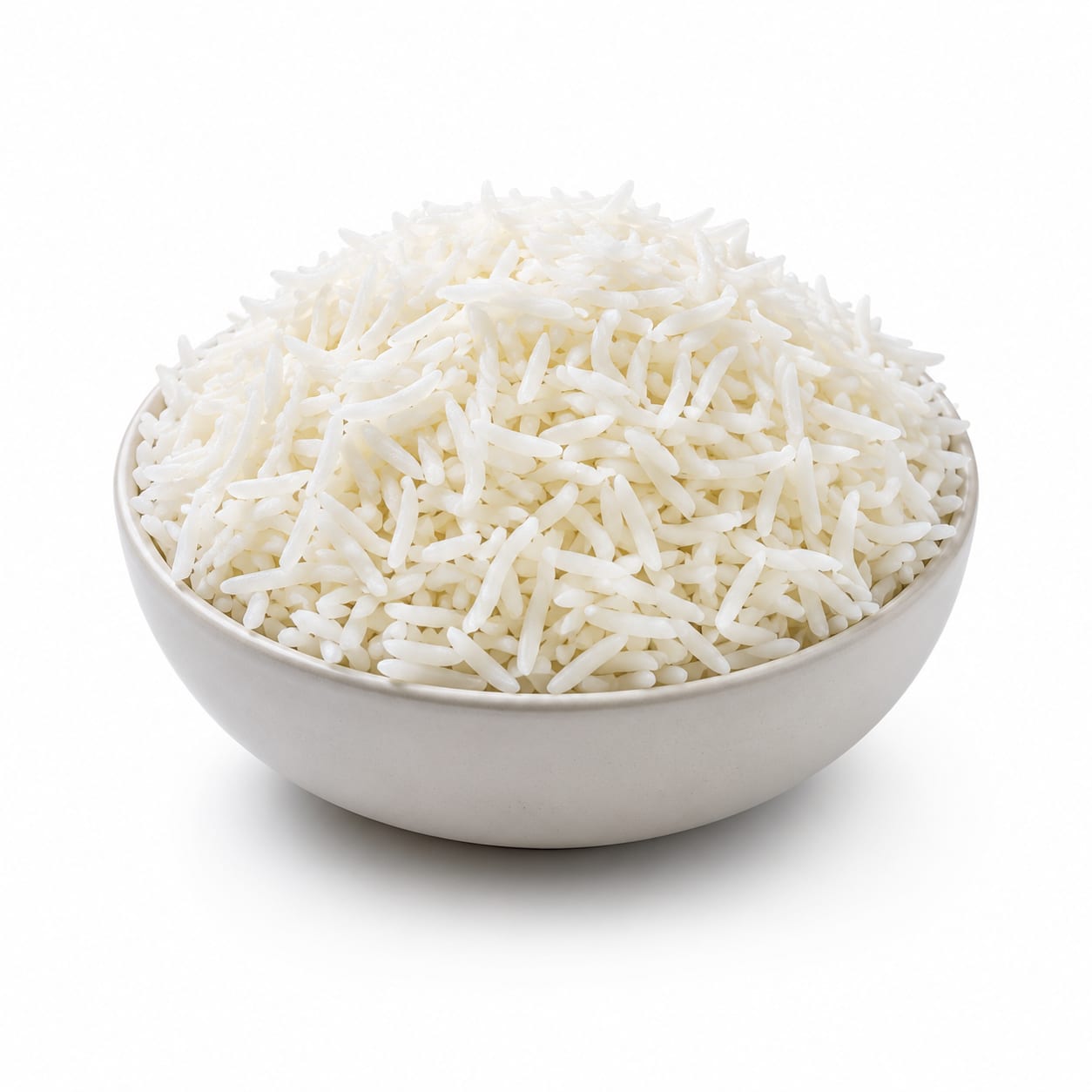
Basmati Rice
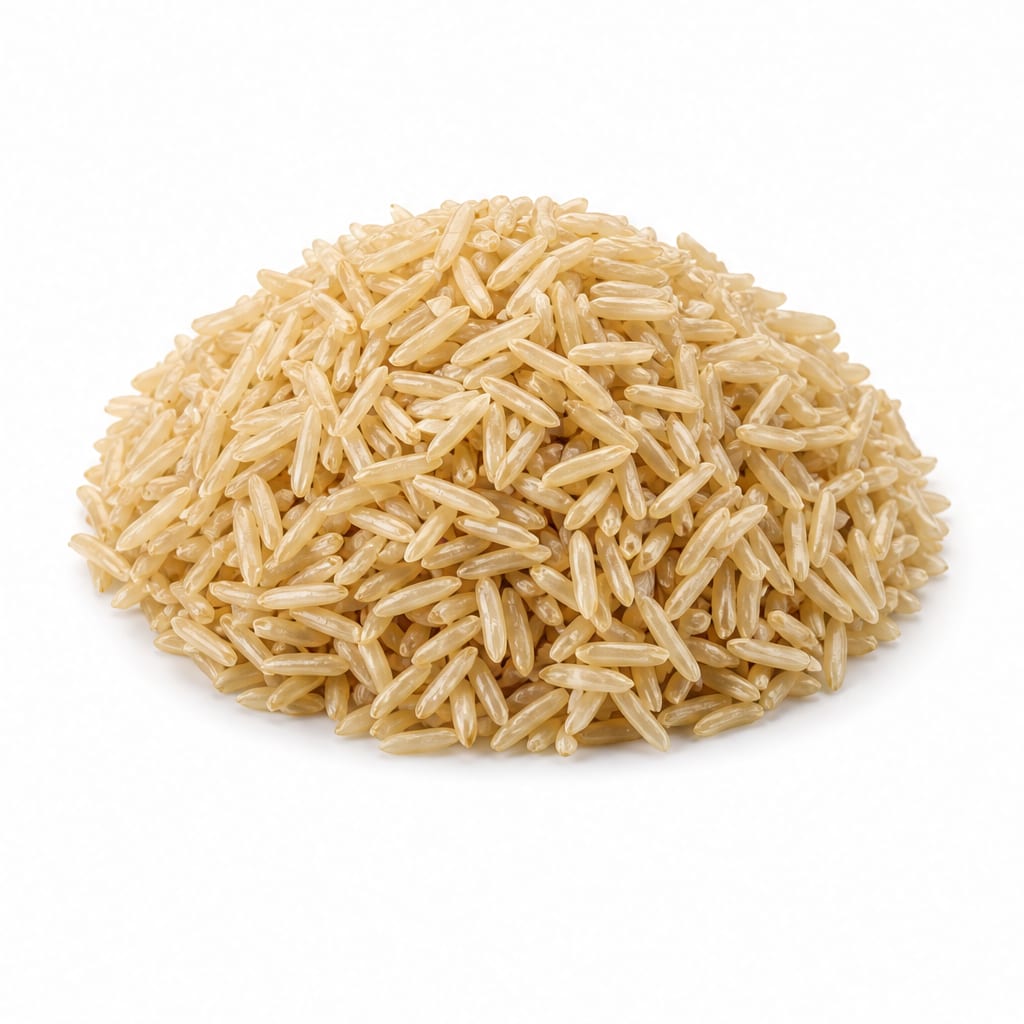
Brown Basmati Rice
Brown Basmati Rice wins for overall health and steady energy, but Basmati Rice is superior for quick cooking and gentle digestion.
Brown Basmati Rice scores higher due to its superior fiber content, lower glycemic impact, and higher nutrient density. Basmati Rice remains a solid choice for specific situations like post-workout recovery or digestive rest, but falls short for everyday sustained energy.
You trade faster cooking and a lighter stomach for more fiber, steadier blood sugar, and better long-term health benefits.
At a glance
Executive summary
Overall
Brown Basmati Rice
Healthier
Brown Basmati Rice
More practical
Basmati Rice
Daily use
Brown Basmati Rice
Key comparison lenses
Blood sugar impact and glycemic control
The primary difference between white and brown rice is the fiber content, which drastically changes how they affect blood sugar.
Nutrient density and whole grain benefits
Brown Basmati retains its bran and germ, offering significantly more vitamins, minerals, and antioxidants.
Digestive comfort and ease of cooking
Basmati Rice is lighter on the stomach and cooks much faster, making it more convenient for everyday meals.
Best choice for
Basmati Rice
- People with sensitive digestion or recovering from stomach illness
- Those needing a quick-cooking carb for busy weeknights
- Athletes needing fast-digesting energy right before or after a workout
Brown Basmati Rice
- People managing diabetes or insulin resistance
- Anyone looking to stay full longer between meals
- Those prioritizing long-term heart and metabolic health
Least suitable for
Basmati Rice
- People with type 2 diabetes looking to minimize blood sugar spikes
- Those on a low-glycemic diet
Brown Basmati Rice
- People with severe IBS who struggle with high-fiber grains
- Anyone in a rush who needs rice ready in 15 minutes
Deep comparison
Dimension by dimension
Each lens scores both foods and breaks down who each option suits.
- Dimension 1 · Priority 95Brown Basmati Rice
Blood Sugar Stability
Basmati Rice · 55Brown Basmati Rice · 85Brown Basmati Rice digests slowly, preventing the energy crash that often follows a plate of white rice.
Tradeoff
You get steadier energy with Brown Basmati, but miss out on the quick energy spike that can be useful during intense exercise.
Why it matters
Frequent blood sugar spikes from refined carbs like white rice can lead to afternoon slumps and increased cravings.
Real-world impact
Eating Brown Basmati at lunch means you are less likely to crave a snack at 3 PM.
Basmati Rice
- Quick pre-workout fueling
- Recovering blood sugar after an intense session
Better for
- Sustained desk-work focus
- Diabetes management
Worse for
Brown Basmati Rice
- Avoiding the afternoon energy crash
- Managing insulin resistance
Better for
- Rapid replenishment during endurance sports
Worse for
- Dimension 2 · Priority 85Brown Basmati Rice
Satiety and Fullness
Basmati Rice · 50Brown Basmati Rice · 82The extra fiber in Brown Basmati Rice physically fills you up and triggers satiety hormones faster.
Tradeoff
Brown Basmati keeps you full longer, but Basmati Rice feels lighter and less heavy in the stomach immediately after eating.
Why it matters
Staying full between meals reduces the urge to overeat or snack on processed foods.
Real-world impact
A bowl of Brown Basmati at dinner keeps you satisfied until morning, whereas white Basmati might have you reaching for a late-night snack.
Basmati Rice
- Eating before a run when you need an empty stomach quickly
- Light evening meals
Better for
- Portion control
- Appetite regulation
Worse for
Brown Basmati Rice
- Weight management
- Long work shifts without meal breaks
Better for
- Situations requiring a light, non-bloating meal
Worse for
- Dimension 3 · Priority 90Brown Basmati Rice
Nutrient Density
Basmati Rice · 40Brown Basmati Rice · 88Brown Basmati retains its bran and germ, delivering significantly more magnesium, B vitamins, and antioxidants.
Tradeoff
You gain essential micronutrients with Brown Basmati, but the phytic acid in the bran can slightly reduce mineral absorption.
Why it matters
Magnesium and B vitamins are crucial for energy production and stress management, which refined white rice lacks.
Real-world impact
Choosing Brown Basmati contributes meaningfully to your daily nutrient needs, while Basmati Rice is mostly just empty calories.
Basmati Rice
- Situations where low phytic acid intake is prioritized
Better for
- Maximizing micronutrient intake per calorie
Worse for
Brown Basmati Rice
- Boosting daily magnesium intake
- Getting more B vitamins from whole foods
Better for
- Those with severe mineral absorption issues
Worse for
- Dimension 4 · Priority 70Basmati Rice
Digestive Tolerance
Basmati Rice · 90Brown Basmati Rice · 60Basmati Rice is much easier to digest, making it a go-to for upset stomachs or sensitive guts.
Tradeoff
White Basmati is gentle on the digestive tract, but the lack of fiber means it moves through too quickly, offering no gut-health benefits.
Why it matters
For people with IBS or GI distress, high-fiber foods can trigger bloating and discomfort.
Real-world impact
If your stomach is upset, a plain bowl of Basmati Rice is comforting and safe, while Brown Basmati might cause bloating.
Basmati Rice
- Recovering from a stomach bug
- Managing IBS flare-ups
Better for
- Promoting long-term gut microbiome diversity
Worse for
Brown Basmati Rice
- Feeding healthy gut bacteria with prebiotic fiber
Better for
- Days when bloating is already an issue
Worse for
- Dimension 5 · Priority 65Basmati Rice
Convenience and Cooking Time
Basmati Rice · 95Brown Basmati Rice · 55Basmati Rice cooks in about 15 minutes, while Brown Basmati takes closer to 40 minutes.
Tradeoff
You save significant time with white Basmati, but sacrifice the nutritional advantages of the whole grain.
Why it matters
When hunger strikes after a long day, a 40-minute cook time can be a major barrier to healthy eating.
Real-world impact
Basmati Rice is an easy weeknight staple, whereas Brown Basmati requires more meal prep or planning.
Basmati Rice
- Last-minute weeknight dinners
- Meal prep in a time crunch
Better for
- Building patient, mindful cooking habits
Worse for
Brown Basmati Rice
- Weekend meal prep when time isn't a factor
Better for
- Quick lunches between meetings
Worse for
Timeline
Health impact over time
Short-term
Hours to days
Basmati Rice
- Quick energy boost that may lead to a crash within hours
- Very gentle on an upset or sensitive stomach
- Less immediate fullness, potentially leading to overeating at the meal
Brown Basmati Rice
- Sustained energy without the post-meal crash
- Can cause mild bloating if your body isn't used to high fiber
- High satiety makes it easier to eat smaller portions
Long-term
Months to years
Basmati Rice
- Frequent consumption may increase risk of type 2 diabetes due to high glycemic load
- Lower overall nutrient intake if used as a dietary staple
- Lack of fiber offers no protection against cardiovascular disease
Brown Basmati Rice
- Consistent intake helps stabilize blood sugar and lower diabetes risk
- Fiber supports healthy cholesterol levels and heart health
- Promotes a diverse, healthy gut microbiome
Risk profile
Safety & processing
Basmati Rice is processed to remove the bran and germ, stripping away natural nutrients. Brown Basmati Rice is a whole grain, left exactly as nature intended, requiring no enrichment to be nutritious.
Basmati Rice
Arsenic exposure
lowWhite Basmati Rice generally has lower inorganic arsenic than brown rice because the arsenic concentrates in the bran, which is milled away. Basmati varieties also naturally accumulate less arsenic than other rice types.
Brown Basmati Rice
Arsenic exposure
mediumBrown rice retains the bran layer, where inorganic arsenic accumulates. While Basmati has lower arsenic than short-grain rice, the brown version still carries more than the white version. Rinsing thoroughly and cooking in excess water reduces this risk.
Who wins for whom
Audience fit
Same foods, different winners depending on your goal.
children
It dependsBasmati Rice is easier for a child's sensitive digestive system and provides quick energy for growth, but Brown Basmati offers essential nutrients and fiber for older children who can digest it comfortably.
daily consumption
Brown Basmati RiceFor a daily staple, the fiber, vitamins, and blood sugar stability of Brown Basmati Rice make it the superior foundation for long-term health.
diabetes
Brown Basmati RiceThe high fiber content slows glucose absorption, preventing the dangerous blood sugar spikes associated with refined white rice.
elderly
Basmati RiceOlder adults often have diminished digestive function and appetites; Basmati Rice is lighter, easier to chew, and less likely to cause bloating.
muscle gain
Basmati RiceBasmati Rice provides fast-digesting carbohydrates that quickly replenish glycogen stores after heavy training, which is crucial for muscle recovery.
weight loss
Brown Basmati RiceBrown Basmati Rice keeps you full longer and stabilizes blood sugar, making it easier to maintain a calorie deficit without feeling deprived.
Your move
Decision guide
Choose Basmati Rice
- You are an athlete needing fast carbs around your workouts
- You have a sensitive stomach or are recovering from illness
- You are short on time and need dinner on the table fast
Choose Brown Basmati Rice
- You want steady energy and no afternoon crash
- You are focused on heart health, diabetes prevention, or weight management
- You want the most nutritional value out of your daily calories
Either works if
- You are mixing it into a heavily vegetable-loaded stir-fry where the rice is just a minor component
- You occasionally enjoy rice and just want what fits your mood
Avoid both if
- You are on a strict ketogenic or very low-carb diet
- You have severe arsenic concerns and do not have access to tested rice sources
Final recommendation
Make Brown Basmati Rice your default for daily meals to maximize fiber and nutrient intake. Keep Basmati Rice on hand for post-workout meals, upset stomachs, or rushed weeknights. Soaking and rinsing Brown Basmati before cooking can improve texture, speed up cooking, and reduce arsenic levels.
Practical
Consumer tips
- 1
Cook Brown Basmati Rice in extra water and drain it like pasta to significantly reduce arsenic levels.
- 2
Soak Brown Basmati Rice for a few hours before cooking to soften the bran, shorten cook time, and improve digestibility.
- 3
If transitioning from white to brown, start by mixing them half-and-half to let your palate and digestion adjust.
- 4
Store Brown Basmati Rice in the fridge or freezer; the healthy oils in the bran can go rancid at room temperature over time.