
Nutrition comparison
Basmati Rice vs Regular White Rice: Which Is Healthier?
Basmati Rice has a lower glycemic index than Regular White Rice, making it better for blood sugar control and daily eating. Compare nutrition, satiety, arsenic risk, and real-world tradeoffs.
Overall winner · Basmati Rice
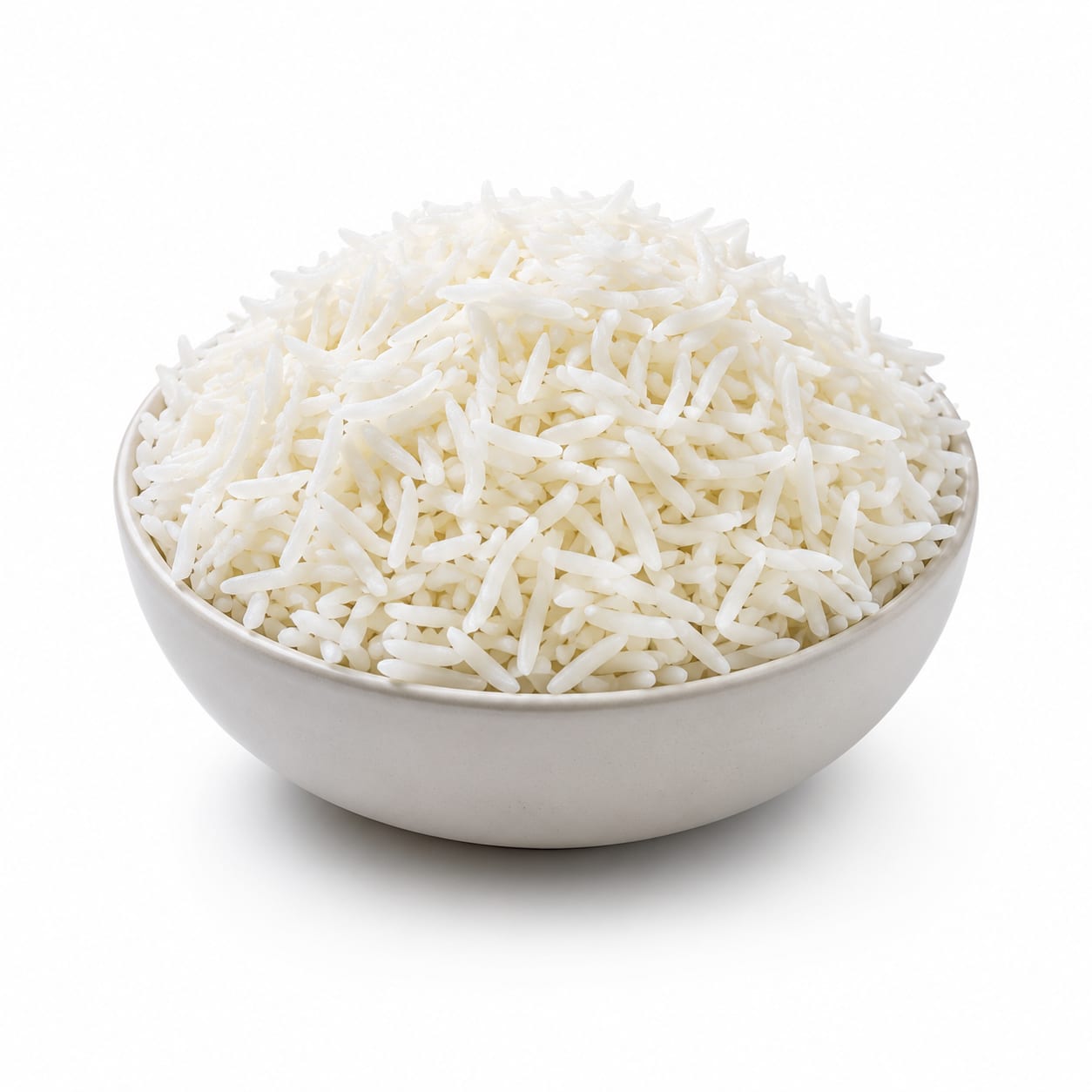
Basmati Rice
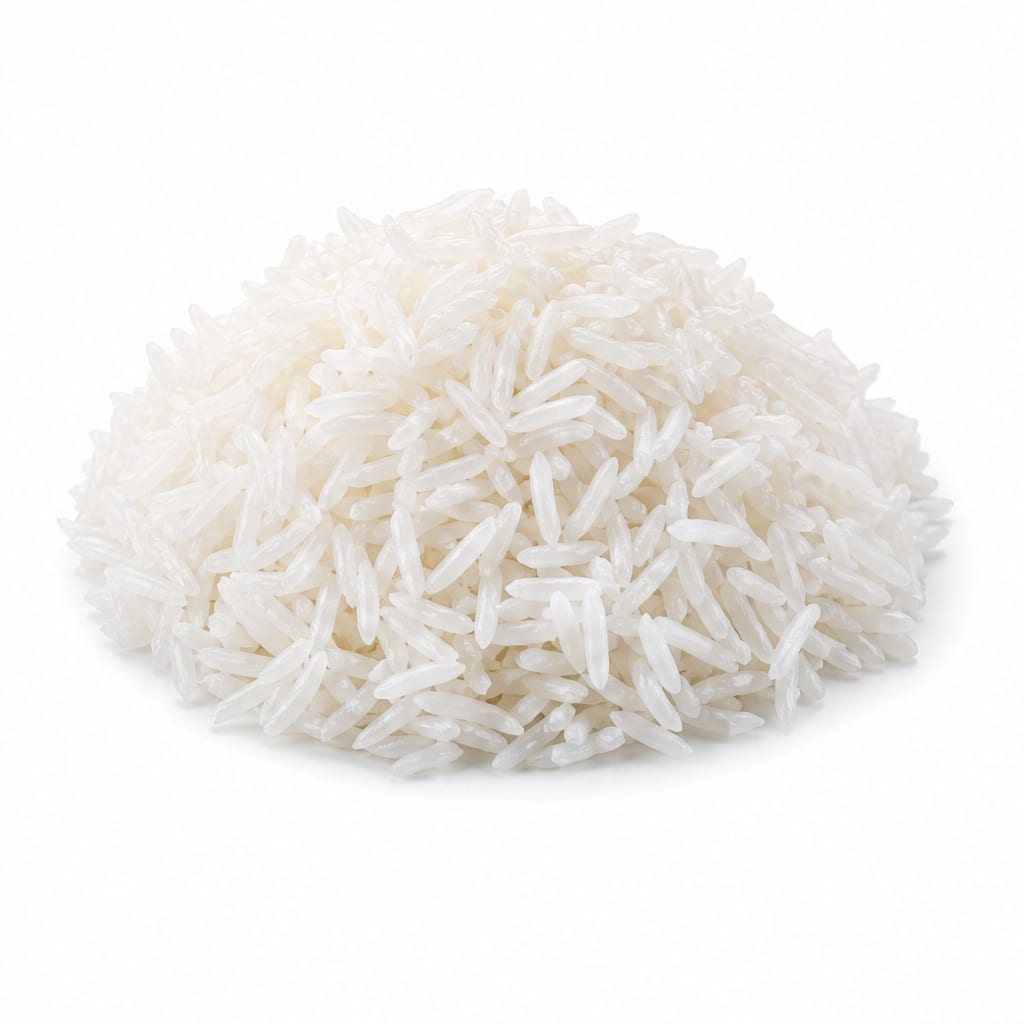
Regular White Rice
Basmati Rice edges out Regular White Rice primarily due to its lower glycemic index, which means steadier energy and fewer blood sugar spikes after meals.
Basmati Rice scores noticeably higher due to its lower glycemic index and slightly better satiety profile. Regular White Rice is not unhealthy in isolation, but its rapid blood sugar impact makes it less favorable as a daily staple. The gap widens the more frequently you eat rice.
Basmati Rice gives you more stable blood sugar and slightly better satiety, but it costs more and takes longer to cook than Regular White Rice.
At a glance
Executive summary
Overall
Basmati Rice
Healthier
Basmati Rice
More practical
Regular White Rice
Daily use
Basmati Rice
Key comparison lenses
blood sugar management
The glycemic index gap between Basmati Rice and Regular White Rice is the single most meaningful difference, directly affecting energy crashes and diabetes risk
weight management and satiety
Users often choose between these rices when trying to control portions or avoid overeating
daily staple selection
Both are everyday staples, so small nutritional differences compound over time
arsenic and contamination safety
Rice is a known arsenic accumulator, and origin differences between varieties matter
culinary and practical convenience
Cooking behavior, availability, and cost influence long-term adherence
Best choice for
Basmati Rice
- People managing diabetes or prediabetes
- Anyone trying to avoid afternoon energy crashes
- Those eating rice daily who want the least metabolic impact
- Weight-conscious eaters who struggle with portion control
Regular White Rice
- Post-workout refueling when quick carbs are desired
- Budget-conscious households needing affordable calories
- Recipes requiring sticky, clumpy rice texture
- People with digestive issues who need very easy-to-digest carbs
Least suitable for
Basmati Rice
- Those needing rapid carbohydrate replenishment after intense exercise
- Very tight grocery budgets
- Dishes requiring sticky rice consistency like sushi or risotto
Regular White Rice
- People with insulin resistance or metabolic syndrome
- Anyone prone to energy crashes after carb-heavy meals
- Those eating rice multiple times daily
Deep comparison
Dimension by dimension
Each lens scores both foods and breaks down who each option suits.
- Dimension 1 · Priority 95Basmati Rice
Blood Sugar Stability
Basmati Rice · 78Regular White Rice · 42Basmati Rice has a glycemic index around 50-58, while Regular White Rice typically hits 70-80. That difference is felt in how quickly you get hungry again after eating.
Tradeoff
Basmati Rice digests slower and gives steadier energy, but if you actually need fast carbs after a workout, Regular White Rice fills that role better.
Why it matters
High-GI meals cause blood sugar spikes followed by crashes, which trigger hunger, fatigue, and over time increase diabetes risk.
Real-world impact
A Basmati Rice lunch keeps you satisfied until dinner. Regular White Rice may leave you reaching for a snack by 3pm.
Basmati Rice
- Steady energy through the afternoon
- Less dramatic hunger swings between meals
- Reduced long-term diabetes risk with frequent consumption
Better for
- Not ideal when you need immediate post-workout carbs
Worse for
Regular White Rice
- Faster energy delivery after intense exercise
- Quick glycogen replenishment for athletes
Better for
- Energy crash 1-2 hours after eating
- Increased hunger soon after meals
- Higher insulin demand over time
Worse for
- Dimension 2 · Priority 85Basmati Rice
Satiety and Fullness
Basmati Rice · 65Regular White Rice · 50Basmati Rice keeps you fuller slightly longer due to its lower GI and marginally higher fiber content, though neither rice is a satiety powerhouse on its own.
Tradeoff
Both rices need protein and vegetables to create a truly filling meal. Basmati Rice just gives you a small head start on staying satisfied.
Why it matters
Rice is rarely eaten alone. The carb source matters because it determines how quickly the whole meal stops keeping you full.
Real-world impact
With Basmati Rice, you might naturally eat slightly less before feeling satisfied. With Regular White Rice, second helpings feel more tempting.
Basmati Rice
- Slightly delayed return of hunger
- More controlled portion behavior
Better for
- Still not very filling without protein and fiber additions
Worse for
Regular White Rice
- Easier to eat larger portions if you need calories
Better for
- Faster return of hunger signals
- Easier to accidentally overeat
Worse for
- Dimension 3 · Priority 60It depends
Nutritional Density
Basmati Rice · 40Regular White Rice · 38Neither rice is nutritionally impressive. Both are primarily starch with minimal fiber, protein, or micronutrients. Basmati Rice has a trivial edge in fiber.
Tradeoff
The nutritional gap is so small it barely matters. What you eat with the rice matters far more than which rice you choose.
Why it matters
People sometimes assume different rice varieties carry dramatically different nutrition. They do not. Both are energy sources, not nutrient sources.
Real-world impact
Do not expect either rice to meaningfully contribute vitamins or minerals. Add vegetables, legumes, or lean protein to make the meal nutritious.
Basmati Rice
- Slightly more fiber per serving
- Marginal advantage in B vitamins if unenriched
Better for
- Still low in fiber, protein, and micronutrients
Worse for
Regular White Rice
- Often enriched with folic acid and iron in Western markets
Better for
- Even less fiber, slightly more processed in enrichment
Worse for
- Dimension 4 · Priority 70It depends
Arsenic and Contamination Safety
Basmati Rice · 55Regular White Rice · 55Both rice types accumulate arsenic, but the risk depends heavily on where the rice was grown, not the variety itself. Basmati Rice from India and Pakistan can carry significant arsenic, while some US-grown white rice has lower levels.
Tradeoff
Origin matters more than variety. California-grown white rice may actually be lower in arsenic than some Basmati Rice from the Punjab region.
Why it matters
Long-term arsenic exposure is linked to cancer and cardiovascular disease. Frequent rice eaters should think about this.
Real-world impact
If you eat rice daily, rinse it thoroughly and vary your grain sources. No rice variety is arsenic-free.
Basmati Rice
- Some Basmati Rice from lower-arsenic regions tests well
Better for
- Basmati Rice from certain Indian and Pakistani regions can be high in arsenic
Worse for
Regular White Rice
- US-grown white rice from California tends to be lower in arsenic
Better for
- Southern US-grown white rice often has higher arsenic levels
Worse for
- Dimension 5 · Priority 55Regular White Rice
Practicality and Cost
Basmati Rice · 50Regular White Rice · 75Regular White Rice is cheaper, more widely available, and cooks faster. Basmati Rice requires rinsing, sometimes soaking, and longer cook times.
Tradeoff
Basmati Rice costs more and takes more effort, but many people find the fluffier texture and aroma worth it.
Why it matters
When a food is a daily staple, cost and convenience compound. A rice that is annoying to cook gets replaced by something easier.
Real-world impact
Regular White Rice is the default in most restaurants and takeout. Basmati Rice is a conscious choice you usually make at home.
Basmati Rice
- Fluffier, more distinct grains that feel premium
- Aromatic quality enhances simple dishes
Better for
- Higher price point
- Longer cooking and preparation time
- Less versatile for certain cuisines
Worse for
Regular White Rice
- Significantly cheaper per pound
- Faster cooking time
- Available everywhere including food service
- Works in more recipe types including sticky rice dishes
Better for
- Can feel bland and mushy if overcooked
- Less visually appealing on the plate
Worse for
Timeline
Health impact over time
Short-term
Hours to days
Basmati Rice
- More stable energy for 2-3 hours after eating
- Less pronounced post-meal sleepiness
- Gentler blood sugar response
Regular White Rice
- Quick energy spike within 30-60 minutes
- Possible energy crash 1-2 hours later
- More likely to trigger cravings soon after eating
Long-term
Months to years
Basmati Rice
- Lower cumulative insulin demand with frequent consumption
- Reduced risk of developing insulin resistance compared to high-GI staples
- Slightly better weight maintenance over years of daily eating
Regular White Rice
- Higher cumulative glycemic load if eaten frequently
- Increased long-term diabetes risk when consumed as a daily staple without fiber-rich sides
- Greater tendency toward gradual weight gain due to hunger cycles
Risk profile
Safety & processing
Both rices are processed through milling that removes the bran and germ. Basmati Rice is sometimes less enriched because it is often sold as a premium product, while Regular White Rice in Western markets is frequently enriched with added vitamins and minerals. Neither contains artificial additives, but both have lost most of their natural nutritional value through milling.
Basmati Rice
Arsenic exposure
mediumBasmati Rice grown in India and Pakistan can contain inorganic arsenic. Thorough rinsing and cooking in excess water reduces levels significantly.
Mycotoxin contamination in storage
lowImproperly stored Basmati Rice can develop mold toxins, but this is rare with modern packaging and storage practices.
Regular White Rice
Arsenic exposure
mediumRegular White Rice from the southern US tends to have higher arsenic than California-grown varieties. Rinsing and cooking method matters.
Enrichment additive sensitivity
lowSome enriched white rice contains added iron and folic acid that can cause mild digestive discomfort in sensitive individuals.
Who wins for whom
Audience fit
Same foods, different winners depending on your goal.
children
It dependsRegular White Rice is easier to digest and more familiar to kids, but Basmati Rice is better for children with weight or blood sugar concerns. Arsenic exposure is a consideration for both, so variety and rinsing matter more than variety selection.
daily consumption
Basmati RiceWhen eaten daily, the glycemic difference compounds. Basmati Rice is the better staple for most people eating rice frequently.
diabetes
Basmati RiceThe meaningfully lower glycemic index of Basmati Rice reduces blood sugar spikes and insulin demand, which is critical for diabetes management.
elderly
Basmati RiceOlder adults benefit more from stable blood sugar and are more vulnerable to insulin resistance, making Basmati Rice the safer daily choice.
muscle gain
Regular White RiceRegular White Rice delivers faster carbs that help replenish glycogen after training, and its lower satiety makes it easier to eat in calorie surplus.
weight loss
Basmati RiceBasmati Rice keeps you fuller slightly longer and causes less insulin-driven fat storage signaling, making portion control easier.
Your move
Decision guide
Choose Basmati Rice
- You eat rice most days and want the least metabolic impact
- You or a family member has prediabetes or diabetes
- You hate the afternoon energy crash after lunch
- You want to feel fuller on slightly smaller portions
- You enjoy the aroma and fluffier texture
Choose Regular White Rice
- You need affordable calories for a household budget
- You are an athlete who wants fast post-workout carbs
- You are cooking dishes that need sticky rice like sushi or rice pudding
- You have digestive sensitivity and need very easy-to-digest food
- You rarely eat rice, so the GI difference barely matters
Either works if
- You only eat rice occasionally, making the health differences minimal
- You pair rice heavily with protein, fiber, and healthy fats, which blunts the glycemic response
- You are at a healthy weight with no blood sugar concerns
- You simply prefer the taste of one over the other
Avoid both if
- You have severe arsenic concerns and eat rice multiple times daily without varying grains
- You are on a strict low-carb or ketogenic diet
- You need high-fiber grains and are not adding fiber from other sources
Final recommendation
If rice is a daily staple in your home, switch to Basmati Rice. The lower glycemic index makes a real difference in energy, hunger, and long-term metabolic health when you eat it often. If rice is an occasional side dish, either works fine. For everyone: rinse your rice before cooking, vary your grains throughout the week, and always pair rice with protein and vegetables to slow digestion further.
Practical
Consumer tips
- 1
Rinse any rice thoroughly before cooking to reduce surface arsenic and starch
- 2
Cook rice in excess water and drain it like pasta to cut arsenic levels by up to 50%
- 3
Pair rice with vinegar, lemon juice, or healthy fats to further lower the glycemic response
- 4
Rotate between Basmati Rice, brown rice, quinoa, and other grains to diversify nutrient intake and reduce arsenic accumulation
- 5
Check the origin on the package: California-grown rice generally tests lower for arsenic than rice from the southern US or certain South Asian regions
- 6
Do not reheat rice that has been left at room temperature for over 2 hours due to bacillus cereus risk
- 7
Let cooked rice cool, then reheat it — this creates resistant starch that lowers the effective glycemic impact