
Nutrition comparison
Basmati Rice vs Couscous: Which Grain Is Healthier?
Basmati rice beats couscous for blood sugar stability and gluten-free safety, but couscous wins on convenience. Full nutritional comparison and expert recommendation.
Overall winner · Basmati Rice
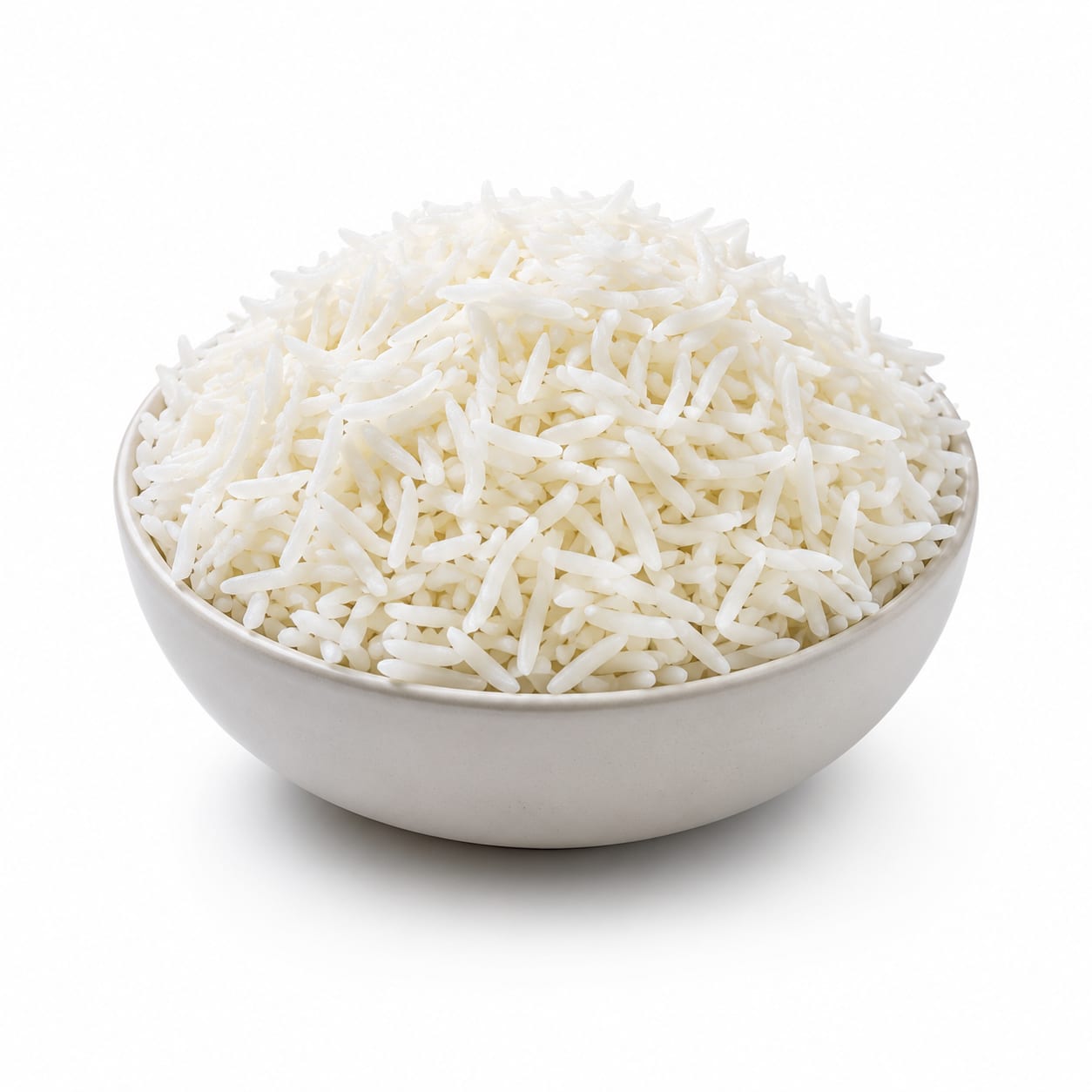
Basmati Rice
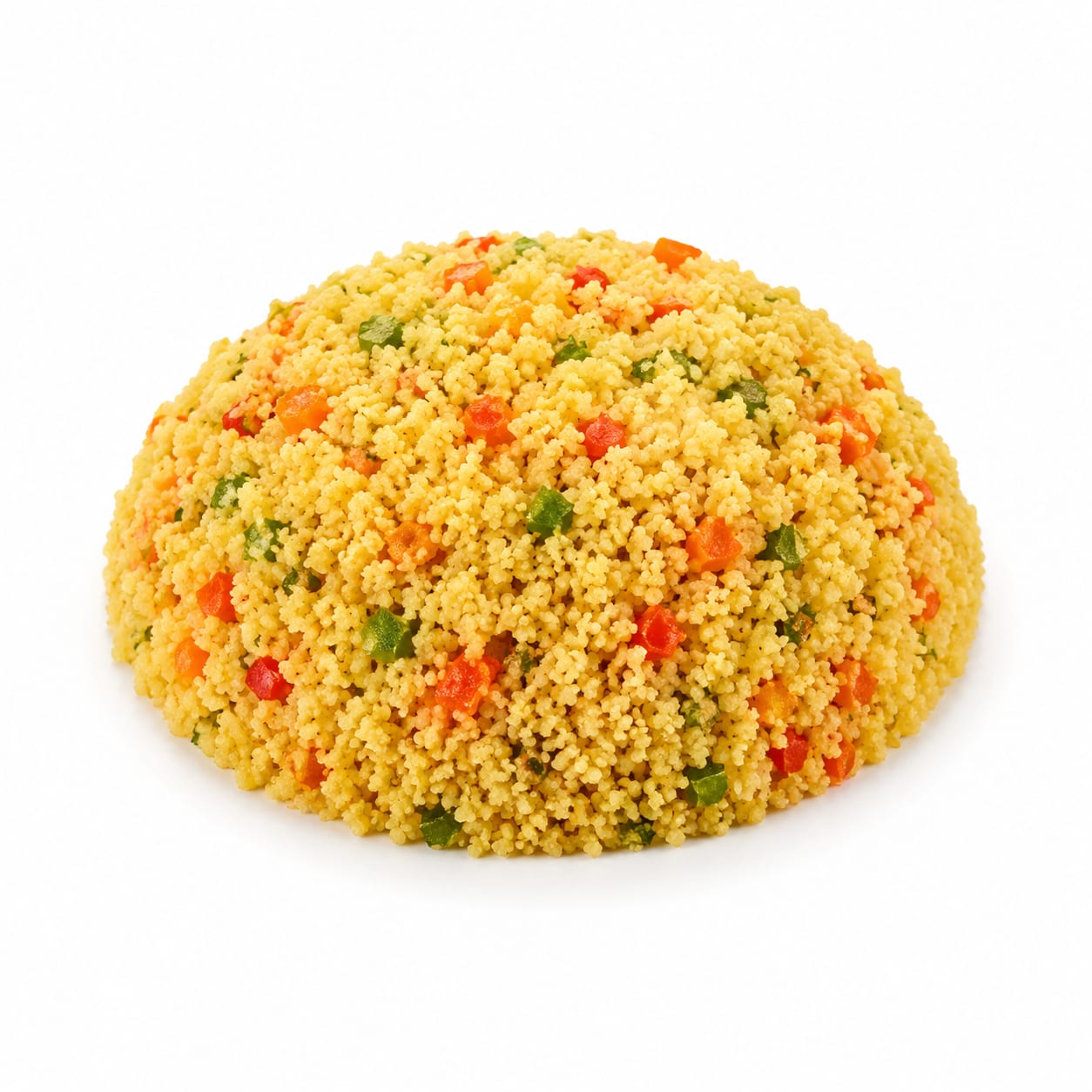
Couscous
Basmati rice wins for most people thanks to its lower glycemic impact, gluten-free nature, and cleaner processing profile. Couscous trades those advantages for speed and convenience.
Basmati rice scores notably higher due to its lower glycemic index, gluten-free status, and minimal processing. Couscous remains a reasonable choice for convenience-focused eaters without gluten issues, but its higher GI and wheat-based processing narrow its appeal.
Slower-digesting steadier energy with basmati rice versus near-instant convenience with couscous
At a glance
Executive summary
Overall
Basmati Rice
Healthier
Basmati Rice
More practical
Couscous
Daily use
Basmati Rice
Key comparison lenses
blood sugar management
Both are carbohydrate-dense staples with meaningfully different glycemic impacts, making this the top concern for most users
gluten sensitivity avoidance
Couscous contains gluten while basmati rice is naturally gluten-free, a critical deciding factor for many consumers
meal convenience and prep time
Couscous cooks in 5 minutes while basmati rice takes 15-20 minutes, a significant practical difference for weeknight dinners
weight management and satiety
Both foods are carb-heavy with different fullness profiles, important for portion control and snacking behavior
processing level and naturalness
Couscous is essentially tiny pasta while basmati rice is a whole grain option, raising processing concerns
Best choice for
Basmati Rice
- People managing blood sugar or insulin resistance
- Anyone avoiding gluten or with celiac disease
- Those seeking a less processed carbohydrate staple
- Meal preppers who cook in batches ahead of time
Couscous
- Busy professionals needing dinner in under 10 minutes
- Cooks wanting a fluffy base that absorbs sauces rapidly
- Anyone without gluten concerns who prioritizes speed
- People who find rice textures unappealing
Least suitable for
Basmati Rice
- People who need meals ready in under 10 minutes
- Those who dislike monitoring stovetop cooking
Couscous
- Anyone with celiac disease or gluten sensitivity
- People focused on minimizing processed grains
- Those managing diabetes who need lower glycemic foods
Deep comparison
Dimension by dimension
Each lens scores both foods and breaks down who each option suits.
- Dimension 1 · Priority 92Basmati Rice
Blood Sugar Stability
Basmati Rice · 78Couscous · 48Basmati rice digests noticeably slower, giving you steadier energy without the sharp crash that couscous can trigger.
Tradeoff
Couscous absorbs flavors faster but also dumps glucose into your bloodstream faster
Why it matters
If you have ever felt sleepy an hour after a carb-heavy lunch, that post-meal crash is what we are avoiding here.
Real-world impact
A basmati rice lunch keeps you alert through your 2pm meeting. Couscous may leave you reaching for coffee by 1:30pm.
Basmati Rice
- People with prediabetes or insulin resistance
- Anyone trying to avoid afternoon energy crashes
Better for
- Situations requiring immediate energy replenishment
Worse for
Couscous
- Athletes needing quick carbohydrate replenishment post-workout
Better for
- Sedentary office workers trying to avoid blood sugar spikes
Worse for
- Dimension 2 · Priority 88Basmati Rice
Gluten and Allergen Safety
Basmati Rice · 95Couscous · 25Basmati rice is naturally gluten-free. Couscous is made from durum wheat and is completely off-limits for anyone avoiding gluten.
Tradeoff
Couscous offers a pasta-like versatility but carries the full gluten load of wheat
Why it matters
Even mild gluten sensitivity can cause bloating, brain fog, or digestive discomfort that people often blame on other foods.
Real-world impact
If you have ever felt uncomfortably bloated after a couscous salad without knowing why, gluten could be the culprit.
Basmati Rice
- Anyone with celiac disease or gluten intolerance
- Households with mixed dietary needs where gluten-free is safer
Better for
- No meaningful downside here for allergen safety
Worse for
Couscous
- People with no gluten sensitivity who enjoy wheat-based foods
Better for
- Anyone with undiagnosed gluten sensitivity
- Shared kitchens where cross-contamination is a concern
Worse for
- Dimension 3 · Priority 80Couscous
Convenience and Preparation Speed
Basmati Rice · 45Couscous · 90Couscous is essentially instant — just add hot water and wait 5 minutes. Basmati rice requires 15-20 minutes of careful cooking.
Tradeoff
The speed of couscous comes at the cost of higher processing and less nutritional control
Why it matters
On a Tuesday night when you are exhausted, a 5-minute side dish versus a 20-minute one is the difference between cooking and ordering takeout.
Real-world impact
Couscous saves you 15 minutes per meal. Over a workweek, that is over an hour of reclaimed time.
Basmati Rice
- Weekend meal prep when time pressure is lower
- Batch cooking where you make several portions at once
Better for
- Impromptu meals with zero prep time
Worse for
Couscous
- Weeknight dinners when you are short on time
- Last-minute guests when you need a quick side dish
- Dorm or hotel cooking with limited equipment
Better for
- No real convenience downside, though the speed can encourage less mindful eating
Worse for
- Dimension 4 · Priority 75Basmati Rice
Satiety and Fullness
Basmati Rice · 72Couscous · 55Basmati rice keeps you full longer due to its slower digestion rate. Couscous digests quickly, which can leave you hungry again sooner.
Tradeoff
Couscous feels lighter in the moment but that lightness becomes hunger faster
Why it matters
Feeling full matters for portion control. Foods that leave you hungry an hour later lead to extra snacking.
Real-world impact
A basmati rice bowl at noon keeps you satisfied until dinner. A couscous bowl might have you raiding the snack drawer by 3pm.
Basmati Rice
- Anyone trying to reduce between-meal snacking
- People who eat one large lunch and need it to last
Better for
- People who dislike feeling heavy after meals
Worse for
Couscous
- Light eaters who prefer smaller, more frequent meals
- Post-workout when you want something that digests quickly
Better for
- Anyone prone to overeating when they do not feel full
Worse for
- Dimension 5 · Priority 70Basmati Rice
Processing Level and Naturalness
Basmati Rice · 80Couscous · 45Basmati rice, especially brown basmati, is close to its natural state. Couscous is essentially pre-cooked, rolled wheat — a tiny pasta.
Tradeoff
Couscous undergoes more industrial processing to achieve its quick-cooking form
Why it matters
Less processing generally means more intact nutrients and fewer surprises in how your body handles the food.
Real-world impact
If you are trying to eat more whole foods and fewer factory-made products, basmati rice fits that goal more cleanly.
Basmati Rice
- Whole-food and clean-eating advocates
- People trying to reduce ultra-processed grain intake
Better for
- White basmati is still refined, though less processed than couscous
Worse for
Couscous
- Those who prioritize convenience over processing concerns
Better for
- Anyone monitoring their intake of processed wheat products
Worse for
- Dimension 6 · Priority 65It depends
Culinary Versatility
Basmati Rice · 75Couscous · 75Both are incredibly versatile but in different ways. Basmati rice excels in Indian, Middle Eastern, and Asian dishes. Couscous shines in North African and Mediterranean cooking.
Tradeoff
Basmati rice carries dishes with its distinct aroma; couscous disappears into dishes and lets other ingredients lead
Why it matters
The right choice depends entirely on what you are cooking, not on nutritional superiority.
Real-world impact
Basmati rice makes a biryani sing. Couscous makes a tagine complete. Neither substitutes well for the other.
Basmati Rice
- Curries, stir-fries, and pilafs where rice is the star
- Dishes where you want distinct, separate grains
Better for
- Recipes requiring a grain that absorbs liquid rapidly
Worse for
Couscous
- Stews and tagines where the grain absorbs broth
- Cold grain salads with chopped vegetables and dressing
- Stuffing for vegetables or meat dishes
Better for
- Dishes where you want each grain to stay separate and distinct
Worse for
Timeline
Health impact over time
Short-term
Hours to days
Basmati Rice
- Steadier energy release with less post-meal drowsiness
- Comforting and easy on the stomach for most people
- Gluten-free so no bloating or digestive distress for sensitive individuals
Couscous
- Quick energy hit that may be followed by a crash within 1-2 hours
- Can cause bloating or discomfort in gluten-sensitive people
- Very light in the stomach, which feels good initially but may not last
Long-term
Months to years
Basmati Rice
- Better blood sugar control with regular consumption, especially brown basmati
- Lower inflammatory burden due to minimal processing
- Sustainable as a daily staple across many cultural diets
Couscous
- More frequent blood sugar spikes with daily consumption may stress insulin sensitivity over time
- Wheat consumption may contribute to low-grade inflammation in susceptible individuals
- Higher processing level means fewer naturally occurring micronutrients retained
Risk profile
Safety & processing
Basmati rice is simply harvested, hulled, and packaged. Couscous requires wheat milling, semolina rolling, steaming, and drying before it reaches you. Neither contains artificial additives, but couscous has undergone significantly more transformation from its raw ingredient state.
Basmati Rice
Arsenic contamination
mediumRice can accumulate arsenic from soil and water. Basmati rice typically has lower arsenic than other varieties, especially when sourced from India or Pakistan. Rinsing thoroughly and cooking in excess water reduces levels significantly.
Bacillus cereus from improper storage
lowLeftover rice stored at room temperature can harbor this bacteria. Refrigerate cooked rice within 2 hours and reheat thoroughly.
Couscous
Gluten-related reactions
highCouscous is 100% wheat and will trigger reactions in anyone with celiac disease or gluten sensitivity. Even trace exposure from shared cooking equipment can be problematic.
Pesticide residue on wheat
lowConventionally grown wheat may carry pesticide residues. Choosing organic couscous minimizes this concern.
Who wins for whom
Audience fit
Same foods, different winners depending on your goal.
children
CouscousCouscous is softer, faster to eat, and easier for small children to manage. Its mild flavor and quick prep also make it more practical for busy parents.
daily consumption
Basmati RiceLower glycemic impact, gluten-free, and less processed make basmati rice a more sustainable daily staple for most people.
diabetes
Basmati RiceBasmati rice has a meaningfully lower glycemic index, causing smaller blood sugar rises. Brown basmati is especially preferable for glucose management.
elderly
Basmati RiceOlder adults benefit from steadier blood sugar and easier digestion. Basmati rice is gentler on the digestive system, especially for those developing gluten sensitivities with age.
muscle gain
CouscousCouscous digests faster, delivering carbohydrates to depleted muscles more quickly after training. The slight protein edge also helps marginally.
weight loss
Basmati RiceBasmati rice, particularly brown basmati, keeps you full longer and causes less insulin spiking, which helps control cravings and portion sizes over the day.
Your move
Decision guide
Choose Basmati Rice
- You have any gluten sensitivity or eat with someone who does
- You want steadier energy without afternoon crashes
- You are comfortable cooking for 15-20 minutes or meal prepping in advance
- You prefer a less processed carbohydrate source
- You are managing blood sugar, insulin resistance, or prediabetes
Choose Couscous
- You need a side dish ready in 5 minutes on busy nights
- You have zero gluten concerns and love the fluffy texture
- You are cooking North African or Mediterranean recipes specifically
- You want a grain that absorbs sauces and broths rapidly
- You are an athlete needing fast post-workout carbs
Either works if
- You are simply looking for a carbohydrate base and have no specific health concerns
- You rotate between both depending on the cuisine you are cooking
- You eat carbs in moderation and the differences feel minor to you
Avoid both if
- You are on a strict low-carb or ketogenic diet
- You are trying to minimize all refined grains and prefer quinoa, farro, or legumes instead
- You have severe blood sugar issues and need to limit all high-carb staples
Final recommendation
Keep basmati rice as your default staple for its steadier energy, gluten-free safety, and cleaner processing. Stock couscous as a backup for nights when cooking time is the bottleneck. If you choose brown basmati, the nutritional gap widens further in basmati rice's favor.
Practical
Consumer tips
- 1
Rinse basmati rice thoroughly before cooking to reduce arsenic and improve grain separation
- 2
Soak basmati rice for 20-30 minutes before cooking for fluffier, more elongated grains
- 3
Cook basmati rice in excess water and drain it like pasta to further reduce arsenic levels
- 4
Choose whole wheat couscous when available for slightly better fiber and nutrient content
- 5
Fluff couscous with a fork and a drizzle of olive oil immediately after hydrating for the best texture
- 6
Batch-cook basmati rice on Sunday and refrigerate portions to eliminate the time disadvantage on weeknights
- 7
Add a cinnamon stick or cardamom pod while cooking basmati rice for aromatic depth without extra calories
- 8
Toast dry couscous in a pan with a little butter before adding water for a nuttier, richer flavor