
Nutrition comparison
Basmati Rice vs Lentils: Nutrition, Satiety, and Health Comparison
Comparing Basmati Rice and Lentils? Discover which is better for blood sugar, protein intake, and weight loss, and how to use them in your meals.
Overall winner · Lentils
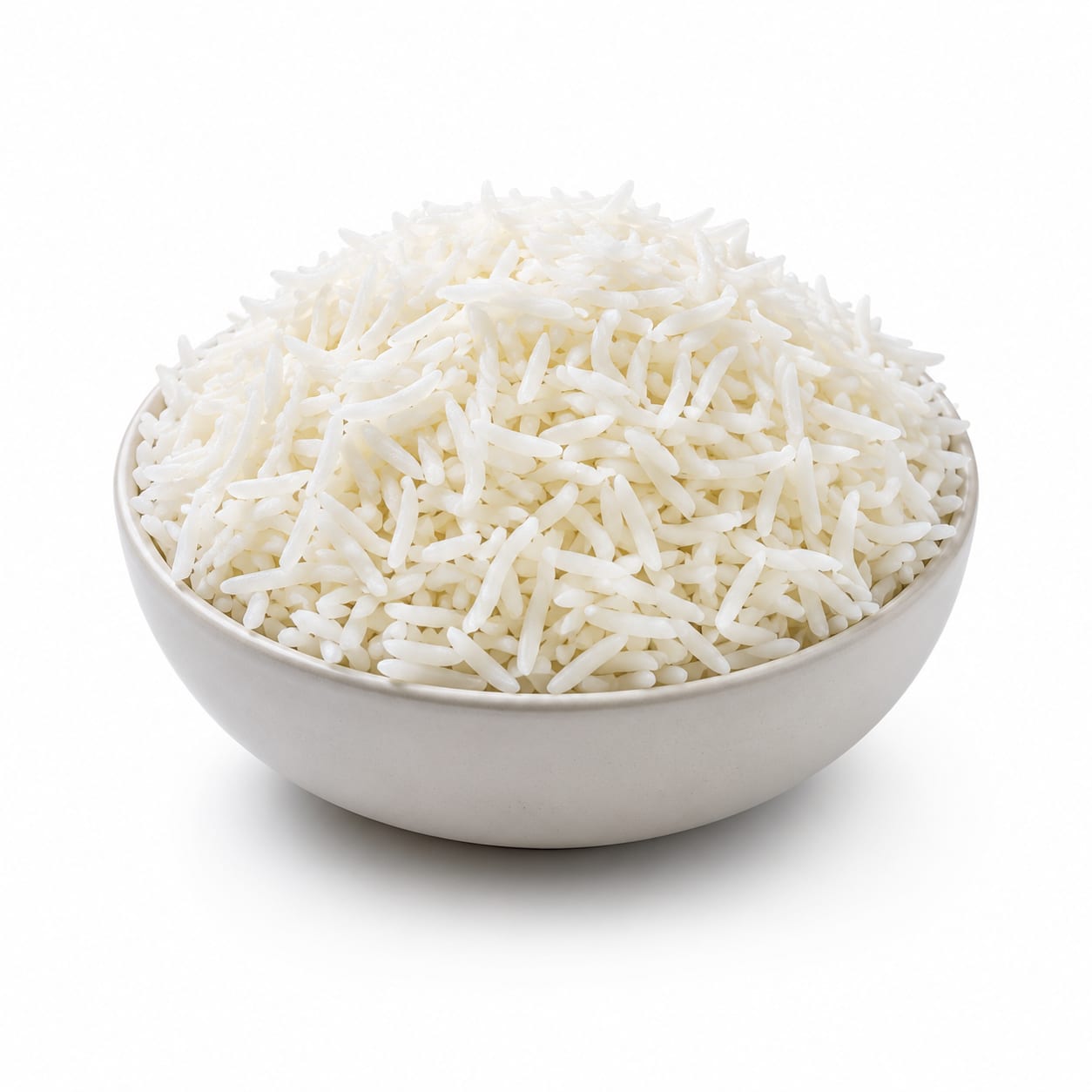
Basmati Rice
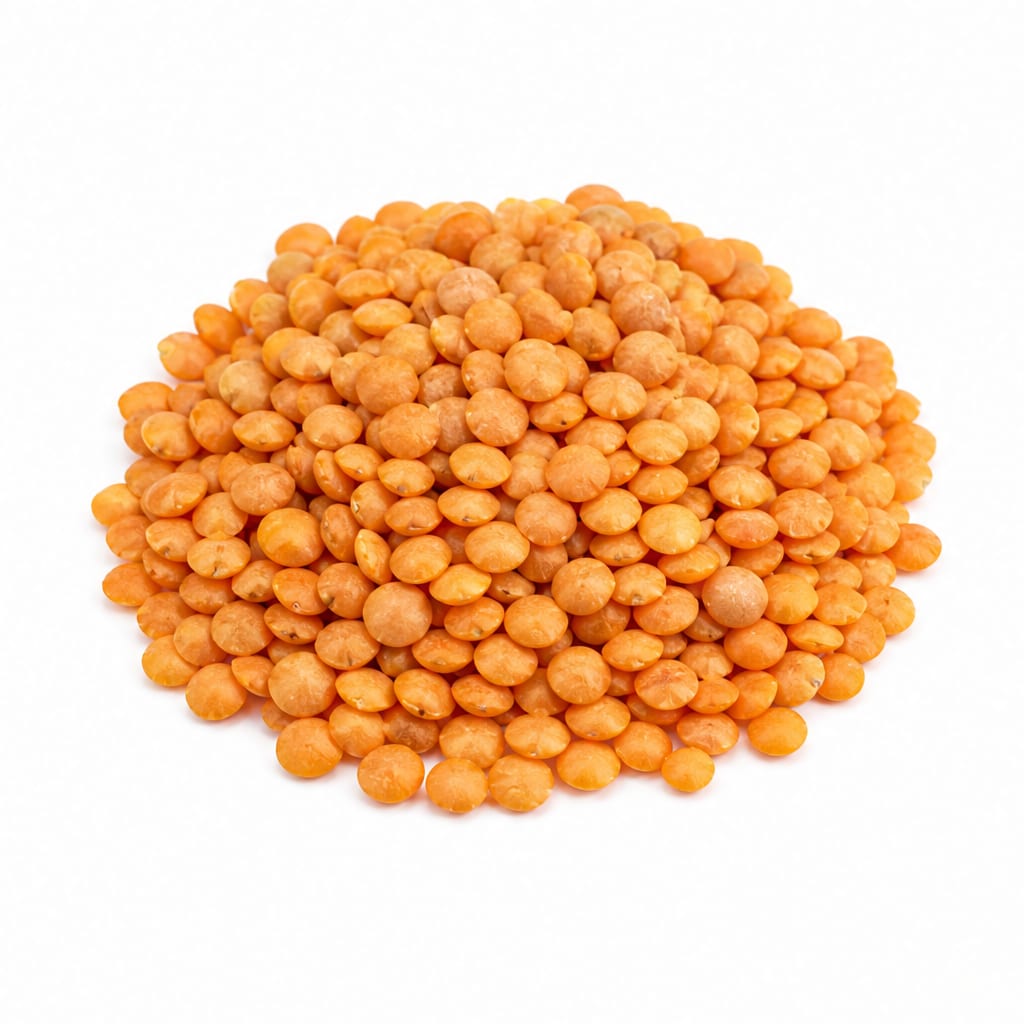
Lentils
Lentils deliver far more protein, fiber, and steady energy, while Basmati Rice offers quicker digestion and lighter meals.
Lentils score significantly higher due to their superior protein, fiber, and blood sugar benefits, while Basmati Rice scores lower nutritionally but remains relevant for its convenience and digestibility.
Sustained nutrition and fullness from Lentils versus the comfort and easy digestion of Basmati Rice.
At a glance
Executive summary
Overall
Lentils
Healthier
Lentils
More practical
Basmati Rice
Daily use
Lentils
Key comparison lenses
Blood sugar management
Basmati Rice is carb-dense and faster-digesting, while Lentils provide slow-burning energy with minimal glucose spikes.
Plant-based protein intake
Lentils are a powerhouse of plant protein, whereas Basmati Rice is almost entirely carbohydrate.
Satiety and weight control
Fiber and protein make Lentils far more filling, impacting overall calorie intake and snacking habits.
Digestive tolerance
Basmati Rice is a comfort food for sensitive stomachs, while Lentils can cause bloating if not prepared properly.
Best choice for
Basmati Rice
- Pre-workout easy carbs
- Sensitive stomachs or digestive resets
- Quick weeknight dinners
Lentils
- Plant-based protein needs
- Blood sugar management
- Long-lasting satiety
Least suitable for
Basmati Rice
- Low-carb or keto diets
- People needing high protein
- Diabetics seeking low-GI meals
Lentils
- Those with severe IBS or legume intolerance
- Rapid carb replenishment post-workout
- People short on meal prep time
Deep comparison
Dimension by dimension
Each lens scores both foods and breaks down who each option suits.
- Dimension 1 · Priority 95Lentils
Blood Sugar Stability
Basmati Rice · 40Lentils · 90Lentils keep blood sugar far more stable than Basmati Rice due to their high fiber and protein content.
Tradeoff
Basmati Rice digests quickly for fast energy, but Lentils prevent the energy crash that follows a carb-heavy meal.
Why it matters
Steady blood sugar means fewer cravings and more consistent energy throughout the day.
Real-world impact
Eating Lentils at lunch means you likely won't crave a snack at 3 PM, whereas a Basmati Rice-heavy meal might leave you hungry an hour later.
Basmati Rice
- Pre-workout energy
- Post-workout glycogen refill
Better for
- Sustained energy
- Metabolic health
Worse for
Lentils
- Diabetes management
- Avoiding afternoon crashes
- Reducing sugar cravings
Better for
- Quick energy needs
Worse for
- Dimension 2 · Priority 85Lentils
Satiety & Fullness
Basmati Rice · 35Lentils · 92Lentils are significantly more filling than Basmati Rice, keeping you satisfied for hours.
Tradeoff
Basmati Rice feels lighter in the stomach, which is great when you don't want a heavy meal, but it won't keep you full as long.
Why it matters
Feeling full helps control portions and prevents overeating later in the day.
Real-world impact
A bowl of Lentils will easily carry you from lunch to dinner, while Basmati Rice might have you reaching for snacks before your next meal.
Basmati Rice
- Light dinners before bed
- When you need a break from heavy foods
Better for
- Appetite control
- Portion management
Worse for
Lentils
- Weight management
- Long work shifts without meal breaks
Better for
- Eating right before intense activity
Worse for
- Dimension 3 · Priority 90Lentils
Protein & Muscle Support
Basmati Rice · 20Lentils · 85Lentils provide nearly 9g of protein per cooked cup, while Basmati Rice offers less than 4g.
Tradeoff
Basmati Rice is primarily a carbohydrate source, whereas Lentils serve as a dual source of complex carbs and plant protein.
Why it matters
Protein is essential for muscle repair, immune function, and maintaining a healthy metabolism.
Real-world impact
Relying on Basmati Rice as a base means you must add a separate protein source to feel satisfied, while Lentils can often stand alone as the main protein.
Basmati Rice
- Carb-loading for endurance sports
Better for
- Complete meal nutrition
- Muscle maintenance
Worse for
Lentils
- Vegan and vegetarian diets
- Muscle recovery
- Balancing meals without meat
Better for
- Pure carb replenishment
Worse for
- Dimension 4 · Priority 75Basmati Rice
Digestive Comfort
Basmati Rice · 90Lentils · 55Basmati Rice is extremely gentle on the digestive system, while Lentils can cause bloating or gas for some.
Tradeoff
Lentils offer superior gut-feeding fiber, but that same fiber can be uncomfortable if your body isn't used to it.
Why it matters
Digestive discomfort can ruin your day, even if the food is technically highly nutritious.
Real-world impact
If you have a sensitive stomach or IBS, Basmati Rice is a safe, comforting choice, whereas Lentils might require careful preparation to avoid gas.
Basmati Rice
- Upset stomach recovery
- IBS-friendly meals
- Gentle pre-race digestion
Better for
- Microbiome diversity
- Bowel regularity
Worse for
Lentils
- Feeding beneficial gut bacteria
- Preventing constipation
Better for
- Sensitive digestion
- Gas and bloating
Worse for
- Dimension 5 · Priority 70Basmati Rice
Convenience & Prep Time
Basmati Rice · 85Lentils · 60Basmati Rice cooks in about 15 minutes with no soaking required, while Lentils often take longer and benefit from soaking.
Tradeoff
Lentils require more planning and preparation, but they offer far more nutritional payoff for your time.
Why it matters
When you are busy or exhausted, the food that is easier to cook is the food you will actually eat.
Real-world impact
Basmati Rice is a reliable weeknight staple when you only have 20 minutes, whereas Lentils are better suited for meal prep or weekend cooking.
Basmati Rice
- Last-minute dinners
- Weeknight cooking
- Minimal meal prep
Better for
- Nutritional density per calorie
Worse for
Lentils
- Batch cooking
- Slow cooker meals
Better for
- Spontaneous cooking
- Quick meals
Worse for
Timeline
Health impact over time
Short-term
Hours to days
Basmati Rice
- Quick energy boost
- Light stomach feel
- Possible hunger returning within an hour or two
Lentils
- Deep fullness after eating
- Potential gas or bloating if unaccustomed
- Steady energy without a crash
Long-term
Months to years
Basmati Rice
- Risk of blood sugar dysregulation if eaten in large portions alone
- Easier weight maintenance if portions are controlled
- Lower fiber intake affecting gut health
Lentils
- Improved gut microbiome diversity
- Better blood sugar control and insulin sensitivity
- Easier weight management due to high satiety
Risk profile
Safety & processing
Both are whole, natural foods at their core, but white Basmati Rice has been milled and polished, removing its bran and germ. Lentils are simply harvested and dried, retaining all their natural components.
Basmati Rice
Arsenic exposure
mediumRice can accumulate arsenic from soil and water; washing thoroughly and cooking in excess water reduces this risk.
Lentils
Pesticide residue
lowConventionally grown lentils may have pesticide residues, but washing and cooking eliminates most of them.
Anti-nutrients
lowLentils contain phytic acid which can reduce mineral absorption, but soaking and cooking neutralizes most of it.
Who wins for whom
Audience fit
Same foods, different winners depending on your goal.
children
Basmati RiceBasmati Rice is milder in flavor and much easier for young, sensitive digestive systems to handle.
daily consumption
LentilsLentils offer a more complete nutritional profile for everyday health, provided your digestive system tolerates them well.
diabetes
LentilsThe high fiber and protein in Lentils prevent sharp blood sugar spikes, unlike the faster-digesting carbs in Basmati Rice.
elderly
It dependsBasmati Rice is easier to chew and digest, but Lentils provide crucial protein and fiber that aging bodies need.
muscle gain
LentilsLentils provide significantly more protein to support muscle repair and growth compared to Basmati Rice.
weight loss
LentilsLentils are far more filling and protein-rich, making it easier to eat fewer calories overall without feeling deprived.
Your move
Decision guide
Choose Basmati Rice
- You need a gentle meal for an upset stomach
- You are carb-loading before an athletic event
- You want a quick-cooking, comforting base for a curry
Choose Lentils
- You want a filling, plant-based protein source
- You need to stabilize your blood sugar
- You are meal-prepping for the week
Either works if
- You are building a nourishing grain bowl
- You want a hearty base for stews and sauces
Avoid both if
- You are on a strict very-low-carb or ketogenic diet
Final recommendation
Make Lentils your everyday staple for nutrition and fullness, and keep Basmati Rice as a backup for quick meals or when your stomach needs a break.
Practical
Consumer tips
- 1
Rinse Basmati Rice thoroughly before cooking to reduce surface starch and arsenic levels.
- 2
Soak Lentils for a few hours or overnight to reduce cooking time and make them easier to digest.
- 3
Pair Basmati Rice with a protein and healthy fat to slow down digestion and prevent energy crashes.
- 4
Start with small portions of Lentils if you don't usually eat high-fiber foods to avoid bloating.