
Nutrition comparison
Basmati Rice vs Jasmine Rice: Which is Healthier?
Compare Basmati Rice vs Jasmine Rice on glycemic index, arsenic levels, and culinary texture. Find out which rice is better for blood sugar and daily eating.
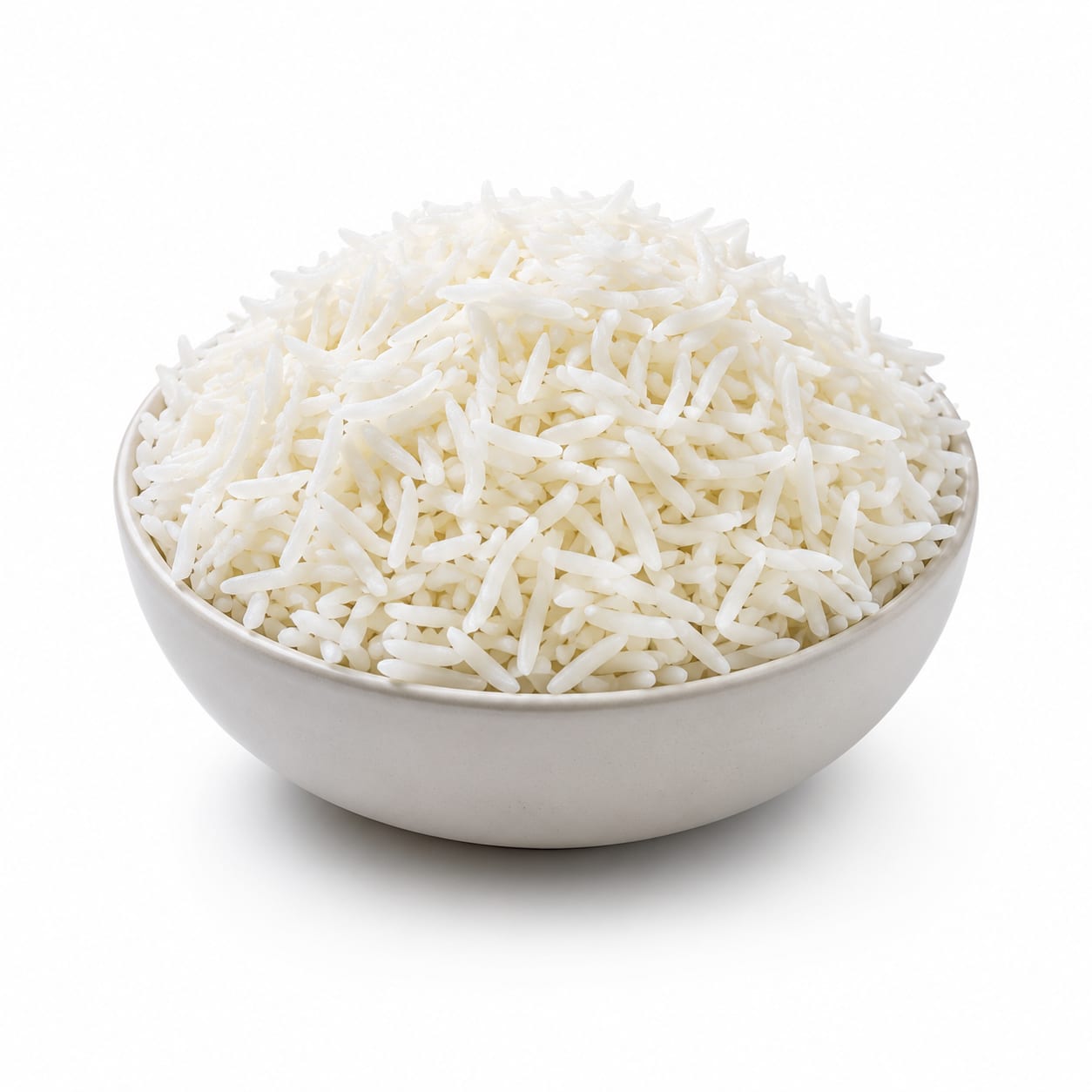
Basmati Rice
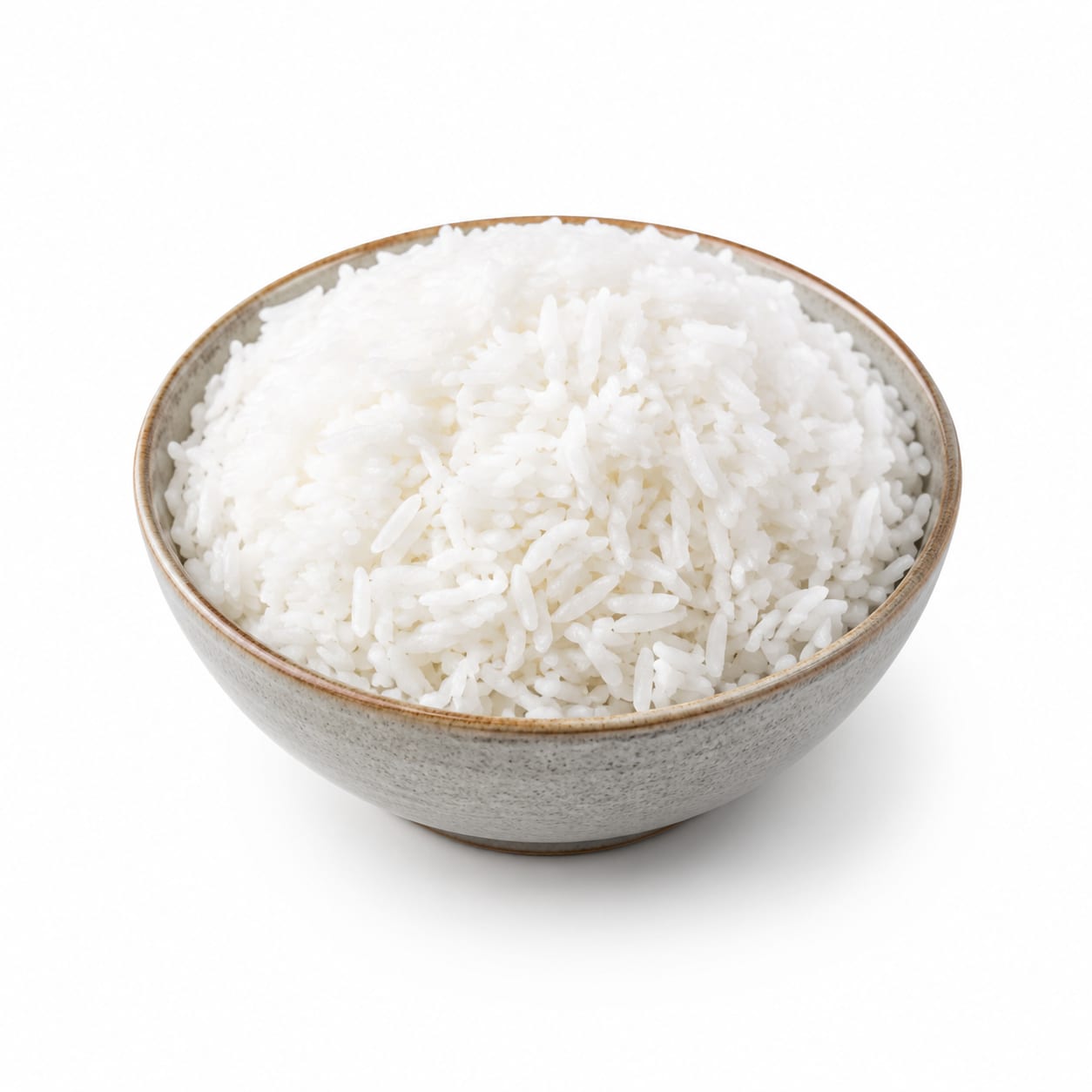
Jasmine Rice
Basmati Rice is easier on your blood sugar and slightly safer for daily eating, while Jasmine Rice offers a fragrant, soft stickiness that makes Asian dishes shine.
Basmati Rice scores higher primarily due to its lower glycemic index and typically lower arsenic levels, making it a safer staple for daily consumption. Jasmine Rice remains a culturally essential and enjoyable food, but its metabolic impact pulls its score down for everyday use.
Metabolic steadiness and lower arsenic versus culinary authenticity and a more satisfying sticky texture.
At a glance
Executive summary
Overall
It depends
Healthier
Basmati Rice
More practical
It depends
Daily use
Basmati Rice
Key comparison lenses
blood sugar impact
Basmati Rice has a significantly lower glycemic index than Jasmine Rice, making it the critical health differentiator
culinary texture and pairing
Basmati cooks into separate, firm grains while Jasmine becomes soft and slightly sticky, dictating which dishes they work best in
arsenic exposure
Both are rice varieties, but Basmati typically accumulates less inorganic arsenic than Jasmine, impacting long-term safety
Best choice for
Basmati Rice
- People managing blood sugar or insulin resistance
- Daily meal preppers wanting steadier energy
- Families concerned about arsenic exposure
- Indian, Middle Eastern, or Persian cuisine
Jasmine Rice
- Thai, Vietnamese, or Chinese cuisine enthusiasts
- Those needing quick post-workout carb replenishment
- People who prefer a softer, stickier rice texture
- Fans of delicate floral aromas in their food
Least suitable for
Basmati Rice
- Making sushi or dishes requiring sticky rice
- People who find firm, dry grains unappetizing
- Quick energy recovery right after intense exercise
Jasmine Rice
- People with diabetes or prediabetes
- Low-carb dieters tracking glycemic impact
- Infants and young children sensitive to arsenic
Deep comparison
Dimension by dimension
Each lens scores both foods and breaks down who each option suits.
- Dimension 1 · Priority 95Basmati Rice
Blood Sugar Stability
Basmati Rice · 82Jasmine Rice · 55Basmati Rice has a medium glycemic index (around 50-58), while Jasmine Rice spikes blood sugar faster with a high GI (around 68-80).
Tradeoff
You get steadier energy and fewer cravings with Basmati, but Jasmine provides a faster carb rush when you need quick fuel.
Why it matters
Frequent high-GI meals exhaust your insulin response over time, leading to afternoon crashes and long-term metabolic strain.
Real-world impact
Eating Jasmine Rice with lunch might leave you reaching for a coffee at 3 PM, whereas Basmati keeps you full and focused until dinner.
Basmati Rice
- Sustained energy through the afternoon
- Managing insulin resistance
- Preventing sugar cravings between meals
Better for
- Recovering from a marathon where fast carbs are ideal
Worse for
Jasmine Rice
- Rapid glycogen replenishment after a hard workout
- Quick energy before a short endurance event
Better for
- Sitting at a desk all day
- Anyone tracking their HbA1c
Worse for
- Dimension 2 · Priority 90It depends
Texture and Culinary Fit
Basmati Rice · 85Jasmine Rice · 85Basmati cooks into distinct, firm grains that stay separate. Jasmine cooks into softer, slightly clingy grains that hold moisture.
Tradeoff
Basmati excels at absorbing sauces without getting mushy, while Jasmine excels at scooping up curries and soaking up broths.
Why it matters
The wrong texture can ruin a dish. Firm grains feel out of place in Thai curry, and mushy grains ruin a biryani.
Real-world impact
Using Jasmine for stir-fry gives you that perfect restaurant-style sticky bite, while Basmati gives curries a light, fluffy base.
Basmati Rice
- Biryani, pilafs, and dry spice dishes
- Dishes where each grain should stand alone
- Making rice bowls where you want a firm bite
Better for
- Sushi rolls or sticky rice desserts
Worse for
Jasmine Rice
- Thai green curry and stir-fries
- Serving alongside saucy Asian dishes
- Dishes where rice needs to clump slightly for easy eating with chopsticks
Better for
- Any dish requiring dry, separate grains
Worse for
- Dimension 3 · Priority 75Basmati Rice
Arsenic and Contamination Risk
Basmati Rice · 78Jasmine Rice · 62Basmati Rice, especially from India and Pakistan, typically contains lower levels of inorganic arsenic than Jasmine Rice grown in the US or Thailand.
Tradeoff
Choosing Basmati reduces long-term heavy metal exposure, but you miss out on Jasmine's unique flavor profile.
Why it matters
Chronic arsenic exposure is linked to heart disease and certain cancers, making it a hidden risk in daily rice consumption.
Real-world impact
If rice is your everyday staple, switching to Basmati and rinsing it well measurably lowers your lifetime toxic load.
Basmati Rice
- Daily staple consumption
- Meals for young children
Better for
- None significant
Worse for
Jasmine Rice
- Occasional culinary use where arsenic risk is negligible
Better for
- Being the primary carb for heavy daily consumers
Worse for
Timeline
Health impact over time
Short-term
Hours to days
Basmati Rice
- Provides steady, slow-burning energy
- Less likely to cause a post-meal energy crash
- Keeps you feeling full slightly longer due to slower digestion
Jasmine Rice
- Delivers quick energy that fades faster
- May trigger hunger pangs sooner after eating
- Offers a comforting, easily digestible carb hit
Long-term
Months to years
Basmati Rice
- Better for maintaining insulin sensitivity
- Lower cumulative arsenic exposure supports heart health
- Easier to sustain as a daily carb without metabolic strain
Jasmine Rice
- Frequent consumption may increase risk of type 2 diabetes
- Higher arsenic exposure if sourced from high-risk regions
- Could contribute to stubborn weight gain if portions aren't controlled
Risk profile
Safety & processing
Both are whole grains that have been milled. White versions of both are stripped of their bran and germ, while brown versions of both retain them. Neither contains artificial additives in their pure form.
Basmati Rice
Inorganic arsenic
mediumBasmati generally has lower arsenic than other varieties, but it still accumulates more than grains like quinoa or oats. Sourcing from India or Pakistan and rinsing well mitigates this.
Jasmine Rice
Inorganic arsenic
highJasmine Rice, particularly when grown in the US Southern states, tends to have higher inorganic arsenic levels due to historical soil contamination.
Who wins for whom
Audience fit
Same foods, different winners depending on your goal.
children
Basmati RiceChildren are more vulnerable to arsenic exposure, and Basmati typically carries a lower toxic load than Jasmine.
daily consumption
Basmati RiceFor a daily staple, Basmati offers better metabolic and safety margins, making it a more sustainable foundation for everyday meals.
diabetes
Basmati RiceThe lower glycemic index of Basmati Rice prevents severe blood sugar spikes, making it far safer for glucose management.
elderly
Basmati RiceOlder adults need to protect their insulin sensitivity and cardiovascular health, both of which benefit from Basmati's lower GI and arsenic levels.
muscle gain
Jasmine RiceJasmine Rice spikes insulin faster, which can be useful post-workout to shuttle nutrients into recovering muscles quickly.
weight loss
Basmati RiceBasmati Rice digests slower, keeping you satisfied longer and reducing the urge to snack between meals.
Your move
Decision guide
Choose Basmati Rice
- You eat rice daily and want to protect your metabolic health
- You are cooking Indian, Middle Eastern, or Persian dishes
- You are serving rice to young children
- You want to avoid afternoon energy crashes
Choose Jasmine Rice
- You are making Thai, Vietnamese, or Chinese cuisine
- You need a quick carb source after an intense workout
- You prefer a softer, slightly sticky texture
- You only eat rice occasionally and prioritize flavor
Either works if
- You are eating rice as a rare side dish
- You are cooking a heavily sauced dish where texture differences are masked
- You are using the rice in a soup or stew where it will soften anyway
Avoid both if
- You have severe blood sugar instability and need to limit all high-carb staples
- You are highly sensitive to arsenic and prefer lower-carb grain alternatives
- You are strictly following a ketogenic diet
Final recommendation
Make Basmati Rice your everyday staple for its metabolic and safety advantages, but keep Jasmine Rice on hand for the specific Asian dishes where its fragrant, sticky texture truly makes the meal.
Practical
Consumer tips
- 1
Rinse both varieties thoroughly under running water until it runs clear to reduce surface starch and arsenic levels.
- 2
Cook rice in excess water (like pasta) and drain it to significantly lower the arsenic content of the final dish.
- 3
Try brown Basmati or brown Jasmine if you want more fiber and a lower glycemic load, though the texture will be chewier.
- 4
Look for Basmati Rice sourced from India or Pakistan, and Jasmine Rice from Thailand, for the most authentic flavor and optimal safety profiles.
- 5
If eating Jasmine Rice daily, pair it with plenty of fiber-rich vegetables and healthy fats to slow down the blood sugar spike.