
Nutrition comparison
Basmati Rice vs Arborio Rice: Which Is Healthier for Daily Use?
Basmati Rice has a lower glycemic index and less arsenic than Arborio Rice, making it better for daily eating. Arborio excels at creamy dishes like risotto but hits blood sugar harder. Full comparison inside.
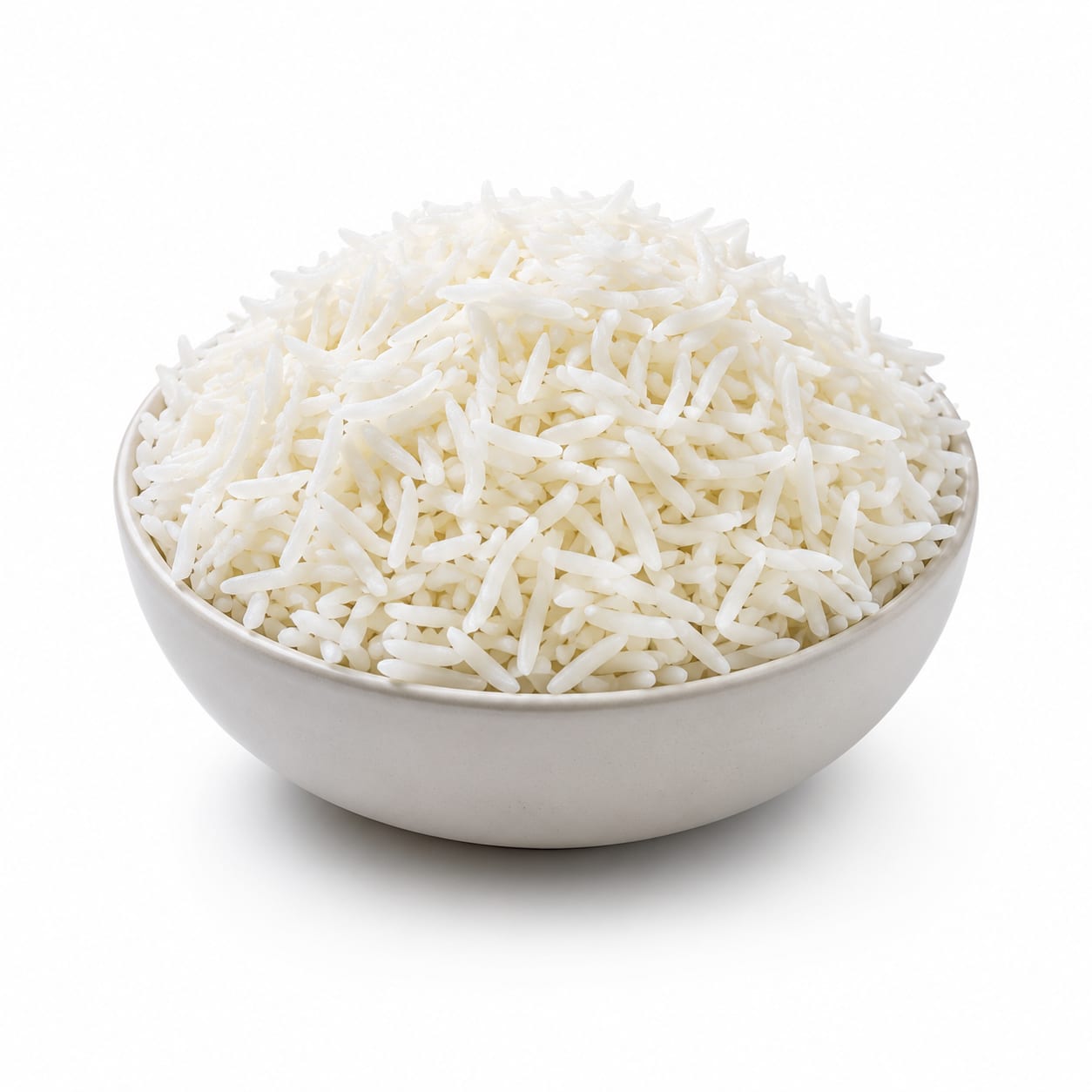
Basmati Rice
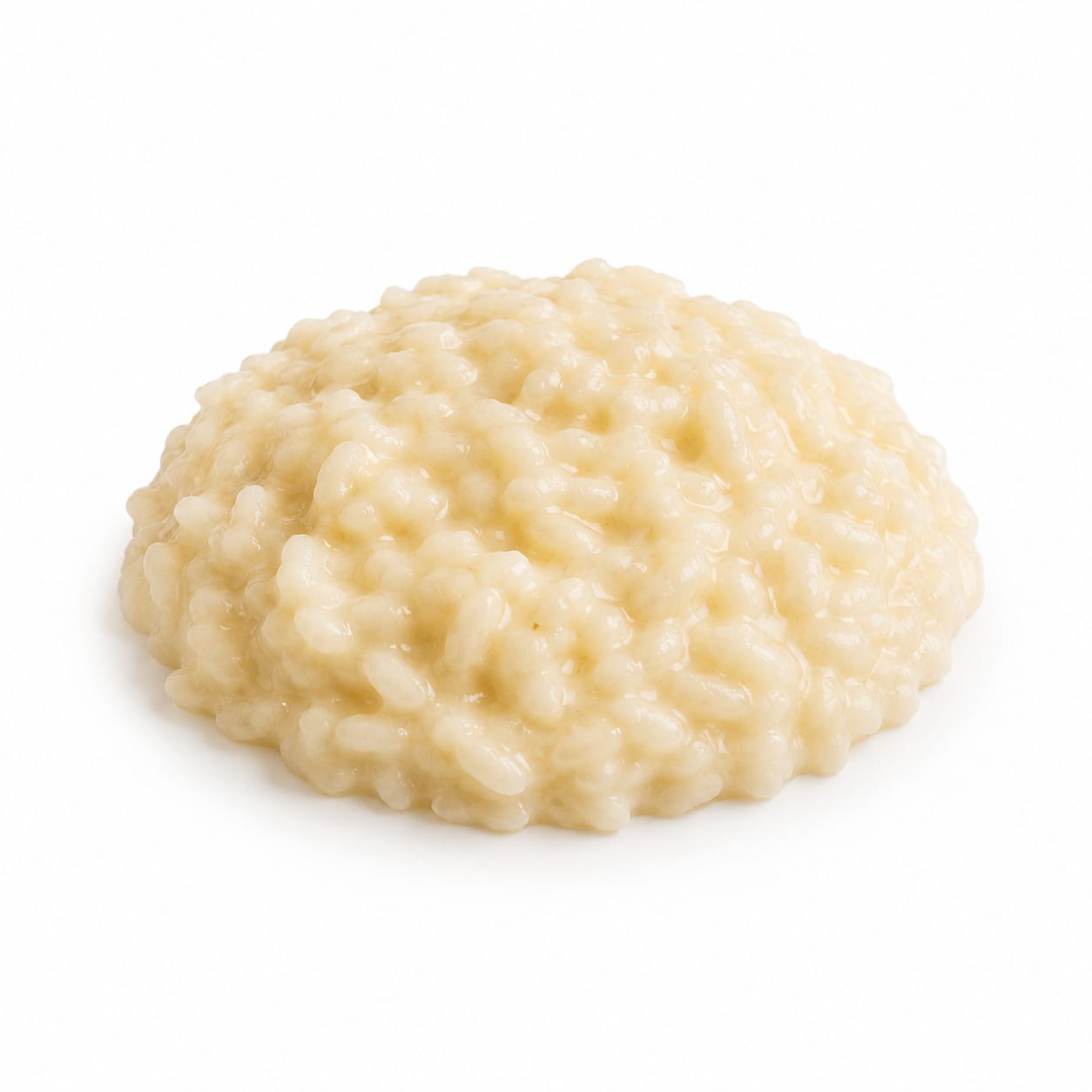
Arborio Rice
Basmati Rice is the healthier everyday staple with steadier blood sugar, while Arborio Rice excels at creamy, comforting dishes but hits your glucose harder.
Basmati Rice scores higher primarily due to its lower glycemic impact and lighter digestive feel, making it more suitable as a daily staple. Arborio Rice is not unhealthy but its higher glycemic load and more limited culinary role reduce its everyday versatility. Both are refined carbohydrates with modest nutrient density, keeping overall scores moderate.
Basmati gives you lighter, separate grains with a gentler blood sugar curve. Arborio gives you luxurious creaminess that costs more metabolically.
At a glance
Executive summary
Overall
It depends
Healthier
Basmati Rice
More practical
Basmati Rice
Daily use
Basmati Rice
Key comparison lenses
blood sugar management
These rices differ significantly in glycemic impact, making this the most consequential health distinction for everyday eaters
culinary application suitability
Basmati and Arborio are chosen primarily for how they cook and feel in a dish, not abstract nutrition
weight management and satiety
Carbohydrate density and how each rice affects fullness matters for portion control and daily energy
arsenic and contamination exposure
Rice is a major dietary arsenic source, and variety plus origin significantly affects exposure levels
digestive comfort
The starch composition difference changes how each rice feels after eating, especially for sensitive stomachs
Best choice for
Basmati Rice
- People managing blood sugar or prediabetes
- Those wanting a lighter side dish that does not dominate the meal
- Everyday meal prep where you want steady energy
- Anyone eating rice daily who wants lower arsenic exposure
Arborio Rice
- Making risotto, rice pudding, or any creamy dish
- Those wanting a more filling, comforting carbohydrate base
- People who find lighter rice unsatisfying and end up overeating
- Special occasion cooking where texture matters more than nutrition
Least suitable for
Basmati Rice
- Creamy dishes like risotto where starch release is essential
- People who find long-grain rice too light and unsatisfying
- Recipes requiring a sticky, cohesive grain texture
Arborio Rice
- Anyone monitoring blood sugar closely
- Daily rice eaters concerned about glycemic load
- Light, fresh meals where a heavy grain feels wrong
Deep comparison
Dimension by dimension
Each lens scores both foods and breaks down who each option suits.
- Dimension 1 · Priority 92Basmati Rice
Blood Sugar Stability
Basmati Rice · 75Arborio Rice · 45Basmati Rice has a meaningfully lower glycemic index, leading to slower glucose release and steadier energy after eating.
Tradeoff
You sacrifice the creamy, satisfying mouthfeel of Arborio for a gentler metabolic response that avoids the spike-and-crash cycle.
Why it matters
If you eat rice regularly, the glycemic difference compounds. Basmati keeps you on an even keel; Arborio can leave you hungry again sooner.
Real-world impact
After a Basmati-based meal, you are less likely to feel that 2pm energy dip. After Arborio risotto, you might feel full fast but reach for a snack sooner.
Basmati Rice
- Steady afternoon energy
- Prediabetes management
- Avoiding post-meal drowsiness
Better for
- Situations requiring rapid glycogen replenishment
Worse for
Arborio Rice
- Quick energy after intense exercise
- Preventing nighttime hunger when eaten at dinner
Better for
- Sustained focus during long work sessions
- Blood sugar sensitive individuals
Worse for
- Dimension 2 · Priority 78Arborio Rice
Satiety and Fullness
Basmati Rice · 60Arborio Rice · 75Arborio Rice feels more filling per bite due to its dense, creamy starch matrix, while Basmati Rice digests lighter and faster.
Tradeoff
Arborio satisfies hunger more immediately but the fullness fades as blood sugar drops. Basmati is less immediately filling but sustains energy longer.
Why it matters
If you struggle with portion control, Arborio's creaminess can help you feel done with less volume. But the subsequent hunger can undermine that benefit.
Real-world impact
A bowl of risotto feels deeply satisfying in the moment. A Basmati side dish feels lighter, which is great at lunch but may leave you wanting more at dinner.
Basmati Rice
- Meals where you want to save room for vegetables and protein
- Lighter lunches that should not slow you down
Better for
- People who feel unsatisfied after light meals and overeat later
Worse for
Arborio Rice
- Comforting dinners when you want to feel genuinely full
- Cold weather meals where heaviness feels right
Better for
- Hot days or active periods where heavy food feels sluggish
Worse for
- Dimension 3 · Priority 85Basmati Rice
Culinary Versatility
Basmati Rice · 82Arborio Rice · 55Basmati Rice works across far more cuisines and dishes, while Arborio Rice is essentially a specialist grain for creamy preparations.
Tradeoff
Basmati is the Swiss army knife of rice. Arborio is the specialty tool that does one thing exceptionally but sits unused otherwise.
Why it matters
If you keep one rice in your pantry, Basmati covers more meals. Arborio requires commitment to its specific cooking style.
Real-world impact
Basmati pairs with curries, stir-fries, grilled meats, salads, and bowls. Arborio makes risotto, arancini, and rice pudding, and that is about it.
Basmati Rice
- Weeknight cooking with varied cuisines
- Meal prep where one grain serves multiple dishes
- Grain bowls and salads
Better for
- Authentic risotto or any creamy rice dish
Worse for
Arborio Rice
- Italian cooking specifically
- Date night risotto
- Dessert applications like rice pudding
Better for
- Anything requiring separate, fluffy grains
- Stir-fries, pilafs, or grain salads
Worse for
- Dimension 4 · Priority 70Basmati Rice
Arsenic and Contamination Risk
Basmati Rice · 68Arborio Rice · 52Basmati Rice, especially from India and Pakistan, typically tests lower for inorganic arsenic than most other rice varieties including Arborio.
Tradeoff
Neither rice is arsenic-free, but Basmati from traditional growing regions generally carries less. Arborio grown in the US or southern Europe can have higher levels.
Why it matters
For daily rice eaters, arsenic exposure accumulates. Choosing lower-arsenic varieties and rinsing well are the most practical reduction strategies.
Real-world impact
If rice is a daily food, switching to Basmati and rinsing it thoroughly can meaningfully reduce your long-term arsenic intake compared to using Arborio daily.
Basmati Rice
- Daily rice consumers concerned about long-term exposure
- Parents feeding rice to young children regularly
Better for
- Non-organic Basmati from unknown origins can still be high
Worse for
Arborio Rice
- Occasional use where cumulative exposure is minimal
Better for
- Daily consumption, especially for children and pregnant women
Worse for
- Dimension 5 · Priority 55It depends
Nutrient Density
Basmati Rice · 42Arborio Rice · 42Neither rice is a nutritional powerhouse. Both are primarily carbohydrate sources with minimal fiber, protein, or micronutrients in their white forms.
Tradeoff
This is essentially a tie. Both rices deliver calories and starch with modest nutritional value. The real decision happens elsewhere.
Why it matters
If you are looking to either rice for nutrition, you will be disappointed. Both need pairing with nutrient-dense foods to create a balanced meal.
Real-world impact
Whether you pick Basmati or Arborio, your plate needs vegetables, protein, and healthy fats to matter nutritionally. The rice is just the energy base.
Basmati Rice
- Slightly more B vitamins in some basmati varieties
Better for
- Low fiber and protein like all white rice
Worse for
Arborio Rice
- Marginally more resistant starch when cooled and reheated
Better for
- Equally low in micronutrients and fiber
Worse for
- Dimension 6 · Priority 60Basmati Rice
Digestive Comfort
Basmati Rice · 72Arborio Rice · 58Basmati Rice digests more easily and feels lighter in the stomach, while Arborio's dense starch can feel heavy or bloating for some people.
Tradeoff
Basmati is easier on the stomach and less likely to cause post-meal heaviness. Arborio's creaminess is comforting but can sit dense in the gut.
Why it matters
For people with sensitive digestion or who eat rice before being active, the lighter feel of Basmati makes a real difference in comfort.
Real-world impact
Basmati with a light dinner lets you sleep comfortably. A big bowl of risotto might feel like a brick in your stomach at bedtime.
Basmati Rice
- Eating before physical activity
- Sensitive digestion or IBS tendencies
- Evening meals before sleep
Better for
- Situations where lightness feels unsatisfying
Worse for
Arborio Rice
- When you want food to feel substantial and grounding
- Recovery meals when you need to feel nourished
Better for
- Anyone prone to post-meal bloating or heaviness
- Pre-workout or active daytime eating
Worse for
Timeline
Health impact over time
Short-term
Hours to days
Basmati Rice
- Steadier energy without significant blood sugar spikes
- Light digestive feel that does not weigh you down
- Less post-meal drowsiness compared to higher-GI rice
Arborio Rice
- Faster blood sugar rise leading to quicker satiety followed by earlier hunger
- Heavier feeling in the stomach after eating
- More immediate comfort from the creamy, warming texture
Long-term
Months to years
Basmati Rice
- Lower cumulative glycemic load supports better insulin sensitivity with regular consumption
- Lower arsenic exposure when sourced from traditional growing regions
- Easier to maintain stable weight as part of a varied diet
Arborio Rice
- Higher daily glycemic load may contribute to insulin resistance if consumed frequently
- Higher arsenic exposure risk if used as a daily staple
- The satisfying texture may encourage larger portions over time
Risk profile
Safety & processing
Both Basmati Rice and Arborio Rice are whole or refined grains with minimal processing beyond milling. Neither contains artificial additives, preservatives, or emulsifiers. The main concern is that both are typically sold as white rice, meaning the bran and germ have been removed, stripping away most fiber and micronutrients. Brown versions of both exist and would significantly improve nutritional profiles.
Basmati Rice
Inorganic arsenic
mediumBasmati generally tests lower than other rice varieties, but still contains measurable arsenic. Rinsing thoroughly and cooking in excess water reduces levels significantly. Sourcing from India or Pakistan typically yields lower levels than US-grown rice.
Heavy metal contamination
lowTrace cadmium and lead can be present depending on soil conditions where the rice was grown. Less concerning than arsenic for most consumers.
Arborio Rice
Inorganic arsenic
mediumArborio Rice often tests higher for arsenic than Basmati, especially if grown in the US or southern Europe. The same rinsing and cooking strategies apply but may affect the creamy texture that makes Arborio desirable.
Mycotoxin exposure from storage
lowLike all rice, improper storage can lead to mold growth. Keep dry and use within a reasonable timeframe.
Who wins for whom
Audience fit
Same foods, different winners depending on your goal.
children
Basmati RiceLower arsenic exposure and gentler blood sugar impact make Basmati the better choice for children who eat rice regularly. Kids are more vulnerable to both arsenic accumulation and glycemic volatility.
daily consumption
Basmati RiceBasmati Rice's lower glycemic load, lighter digestive impact, lower arsenic profile, and broader culinary flexibility make it the clearly better daily staple.
diabetes
Basmati RiceBasmati Rice has a meaningfully lower glycemic index, causing smaller blood sugar spikes. This makes it the clearly safer choice for anyone managing diabetes or insulin resistance.
elderly
Basmati RiceSteadier blood sugar and easier digestion make Basmati more appropriate for older adults, particularly those with emerging insulin resistance or digestive sensitivity.
muscle gain
It dependsBoth rices provide similar carbohydrate energy for glycogen replenishment. Arborio's faster glucose release could slightly favor immediate post-workout recovery, while Basmati is better for sustained fueling throughout the day.
weight loss
Basmati RiceBasmati Rice has a lower glycemic index, which helps control hunger and reduces insulin-driven fat storage signals. Its lighter texture also pairs better with vegetable-heavy, lower-calorie meals.
Your move
Decision guide
Choose Basmati Rice
- You eat rice most days and want the healthiest default option
- Blood sugar management is a priority for you
- You cook multiple cuisines and want one versatile grain
- Digestive lightness matters to you, especially at dinner
- You are feeding children rice regularly
Choose Arborio Rice
- You are making risotto, arancini, or rice pudding and nothing else will do
- Comfort and creaminess matter more than metabolic optimization for a particular meal
- You find light rice unsatisfying and end up snacking afterward
- You eat rice occasionally and want the experience to feel special
Either works if
- You are adding rice to a nutrient-dense meal with plenty of protein, fiber, and healthy fats
- You only eat rice once or twice a week and glycemic differences are negligible
- You are willing to pair either rice with vinegar, fat, or fiber to blunt glycemic response
Avoid both if
- You need to minimize carbohydrate intake for medical reasons
- You are highly sensitive to arsenic exposure and prefer grain-free alternatives
- You have severe blood sugar instability and should prioritize lower-carb options like cauliflower rice or quinoa
Final recommendation
Keep Basmati Rice as your everyday staple and treat Arborio Rice as a specialty ingredient for specific dishes. Basmati gives you more flexibility, steadier energy, lower arsenic risk, and easier digestion for daily use. When risotto night comes around, enjoy Arborio without guilt, just do not make it your default grain. If you currently eat Arborio daily, switching to Basmati is one of the easiest health upgrades you can make with zero lifestyle disruption.
Practical
Consumer tips
- 1
Rinse both rices thoroughly before cooking to reduce surface arsenic and excess starch
- 2
Cook Basmati in excess water and drain it like pasta to further reduce arsenic by up to 50%
- 3
Pair either rice with protein, healthy fats, and vinegar-based dressings to slow glucose absorption
- 4
Buy Basmati Rice sourced from India or Pakistan for the lowest arsenic levels, and look for brands that test and publish results
- 5
Consider brown Basmati if you want more fiber and nutrients while keeping the lower glycemic profile
- 6
Resist the urge to add butter and cheese to Arborio dishes in massive quantities, as the real calorie bomb in risotto is often the add-ins, not the rice itself
- 7
Let cooked Basmati cool and reheat it to increase resistant starch, which feeds gut bacteria and lowers the effective glycemic impact
- 8
If arsenic is a serious concern for your household, rotate rice with lower-arsenic grains like quinoa, millet, or buckwheat