
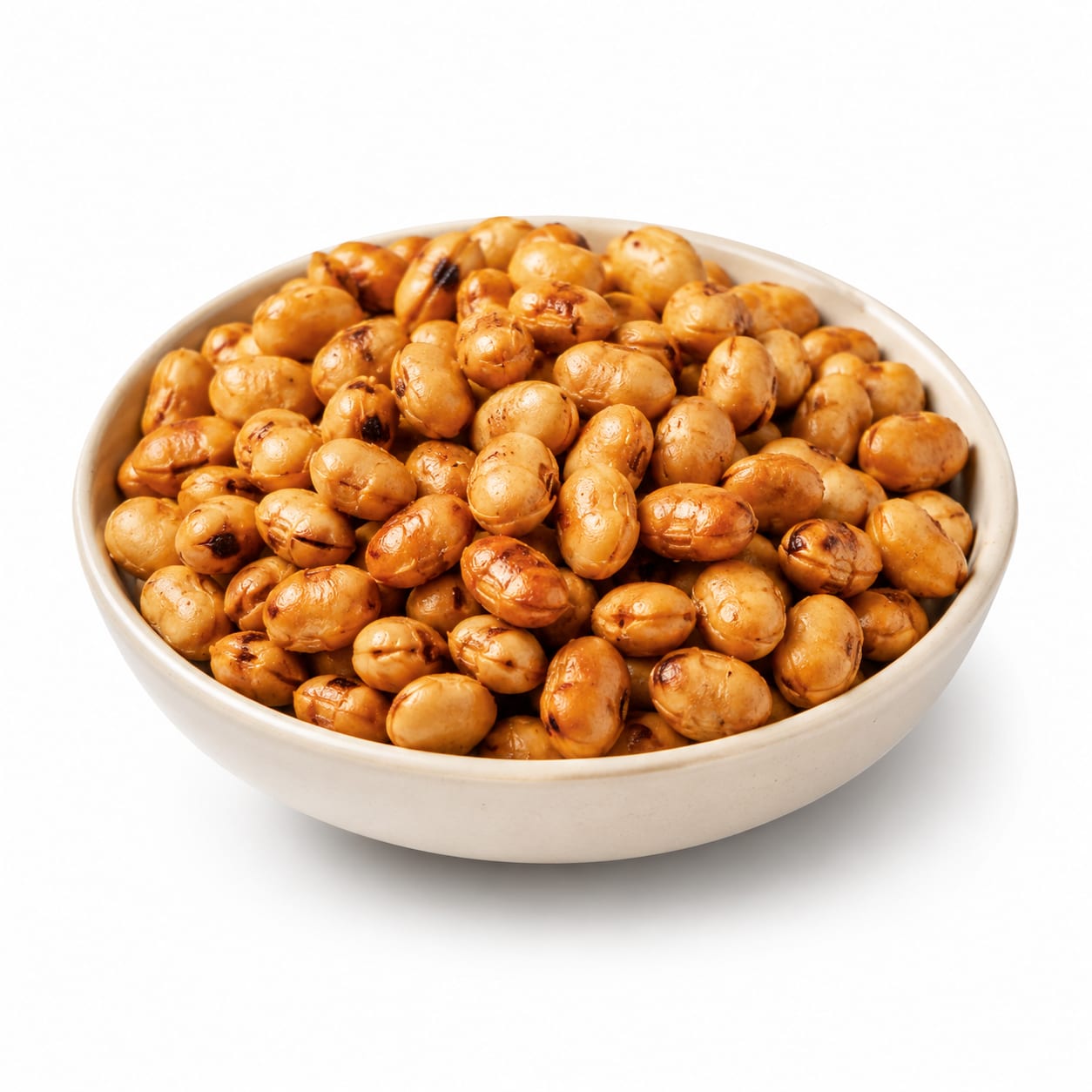
Legume
Bambara Groundnut
A highly nutritious, drought-tolerant African legume that grows underground, prized for its high protein and fiber content.
A drought-resistant, underutilized legume native to sub-Saharan Africa that matures underground, resembling the peanut in growth habit but offering a distinct nutritional profile.
protein and fiber-dense underground legume
Typical serving · 100g
Common varieties · black, brown, red, cream, speckled
Overall context score across nutrition, safety, and diet fit
At a glance
Quick facts
Simple indicators based on nutrition, processing, and diet fit.
The story
What makes it unique
Bambara groundnut is a slow-digesting, high-protein legume with a low glycemic index. Its macronutrient profile features a balanced ratio of complex carbohydrates and protein, alongside moderate fiber and fat content. The slow digestion rate promotes prolonged satiety and stable blood glucose levels. As a minimally processed whole food, it retains its native micronutrient and phytochemical matrix.
Varieties: black · brown · red · cream · speckled
Per 100g
Nutrition breakdown
Macro balance and key metrics at a glance.
Energy
Density 3.90 kcal/g
Protein
Carbs
Fat
Fiber
Sugar
3 g
Sodium
15 mg
Potassium
1100 mg
Glycemic index
25
Glycemic load
14
Water content
10%
Standout compounds
Nutrient highlights
Protein
highSupports muscle synthesis and satiety
Fiber
moderateFeeds gut microbiome and slows digestion
Potassium
highRegulates fluid balance and blood pressure
Methionine
moderateEssential amino acid often lacking in legumes
Iron
moderateEssential for oxygen transport in blood
Wellness map
Health scores & processing
NOVA processing scale
minimally processed · Whole food
Whole dried legume consumed in its natural state or cooked from dry, requiring no industrial processing.
Diet compatibility
- Weight loss
- Muscle gain
- Diabetes
- Gut health
- Low carb
- High protein
- Heart health
Relative standing
Food rankings
Qualitative ranks compared to similar whole foods.
- Satietyexcellent
- Blood sugarexcellent
- Nutrient densitygood
- Fitness fuelgood
- Processing qualityexcellent
Eat with confidence
Food safety profile
Generally safe when properly dried and stored. The primary risk is aflatoxin contamination if harvested pods are not dried quickly and thoroughly. Cooking eliminates bacterial risks.
Evidence confidence 85%
- Pesticideslow
- Antibioticslow
- Heavy metalslow
- Contaminationmoderate
Watch for
- aflatoxins
- salmonella
Safer choices
Commercially packaged, inspected dried nuts
Prep tips
Sort and discard any moldy or discolored nuts. Soak for several hours and boil thoroughly until tender to neutralize anti-nutrients and ensure food safety.
As an underground legume, improper drying and storage can lead to aflatoxin mold growth, similar to peanuts.
Deep dive
Health analysis
How this food may fit different goals and preparation choices.
Weight loss
High fiber and protein content increase satiety hormones, reducing overall calorie intake by keeping you full longer.
Blood sugar
Low glycemic index and high fiber slow glucose absorption, preventing blood sugar spikes and improving insulin sensitivity.
Fitness & energy
Provides sustained complex carbohydrate energy and plant protein, useful for endurance activities and post-workout muscle recovery.
Gut health
Dietary fiber feeds beneficial gut bacteria, promoting short-chain fatty acid production and supporting microbiome diversity.
Processing quality
A whole food with no artificial additives, retaining its natural nutrient matrix and phytochemicals.
Food safety
Requires thorough cooking to neutralize anti-nutrients like tannins and phytic acid, and proper storage to prevent aflatoxins.
Common mistakes
Undercooking the nuts, which leaves them tough, indigestible, and limits nutrient absorption due to active anti-nutrients.
Best preparation
Soaking for 6-12 hours followed by boiling or pressure cooking until tender. Can also be roasted or milled into flour.
Practical guide
Best use cases
When and how this food fits real eating patterns.
Plant-based post-workout meal
Offers a robust amino acid profile and complex carbs for muscle repair and glycogen replenishment.
Blood sugar friendly carbohydrate source
Replaces higher glycemic grains or tubers in meals for sustained energy without glucose spikes.
High-volume satiating meals
Adding to soups and stews increases fiber and protein, significantly boosting meal satiety.
Balance sheet
Pros & cons
Upsides
- Highly satiating due to protein and fiber combination
- Low glycemic index prevents blood sugar spikes
- Richer in methionine than most common legumes
- Highly drought-resistant and sustainable crop
- Naturally gluten-free and versatile in cooking
Trade-offs
- Requires long soaking and cooking times
- Contains anti-nutrients like phytic acid that reduce mineral absorption
- Can cause digestive discomfort or gas if not cooked properly
- Less widely available in mainstream grocery stores
- Relatively high in carbohydrates for strict low-carb diets
Fit check
Who is it for?
Great match
- plant-based muscle building
- blood sugar management
- high-volume eating
- sustainable diet choices
Consider alternatives
- strict ketogenic diets
- low-fiber digestive rest protocols
- quick weeknight meals without pressure cooking
Side by side
How it compares
Open the full head-to-head analysis for nutrition, safety, and practical tradeoffs.
This food
Bambara Groundnut
VS85% alike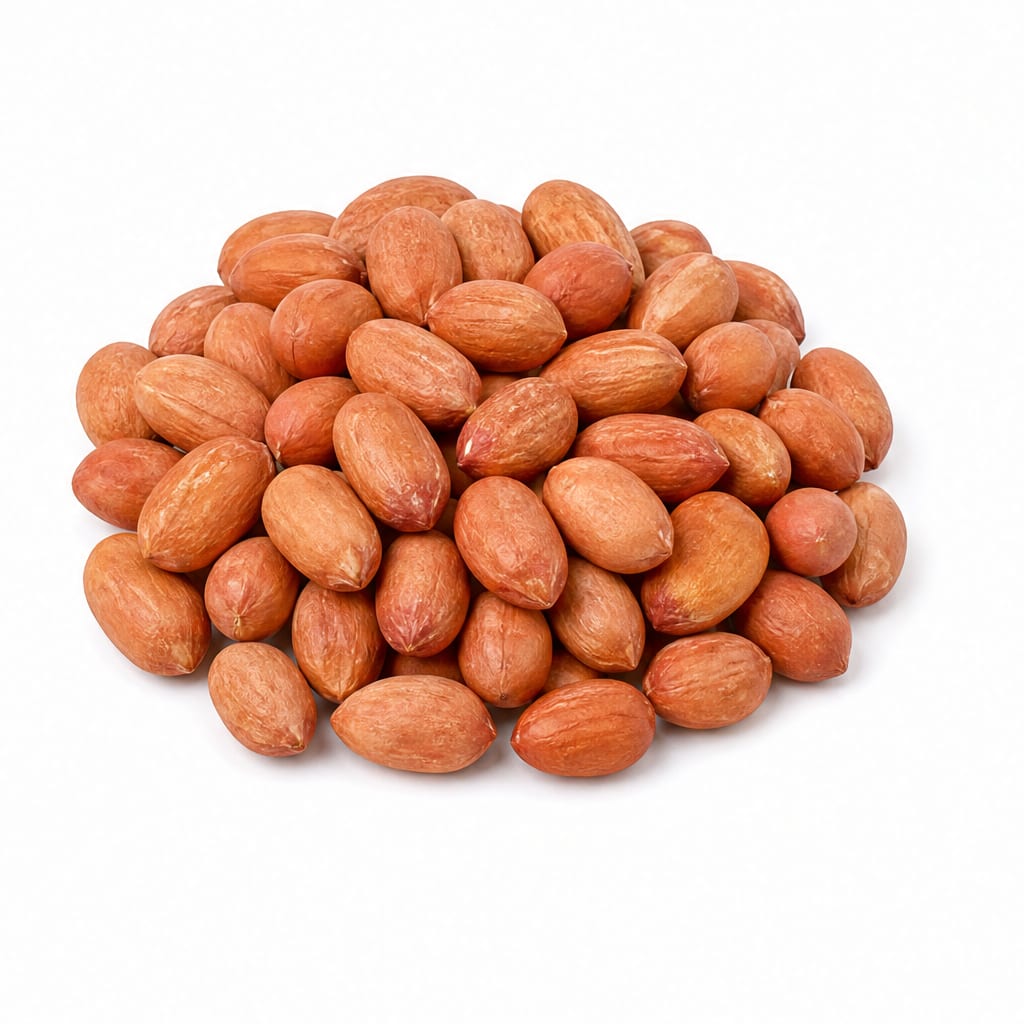
Compare with
Peanut
Peanuts are higher in fat and calories, while Bambara groundnuts offer more complex carbohydrates and a lower calorie density.
Bambara groundnut provides fewer calories and more fiber, while peanuts offer more fat and protein.
This food
Bambara Groundnut
VS80% alike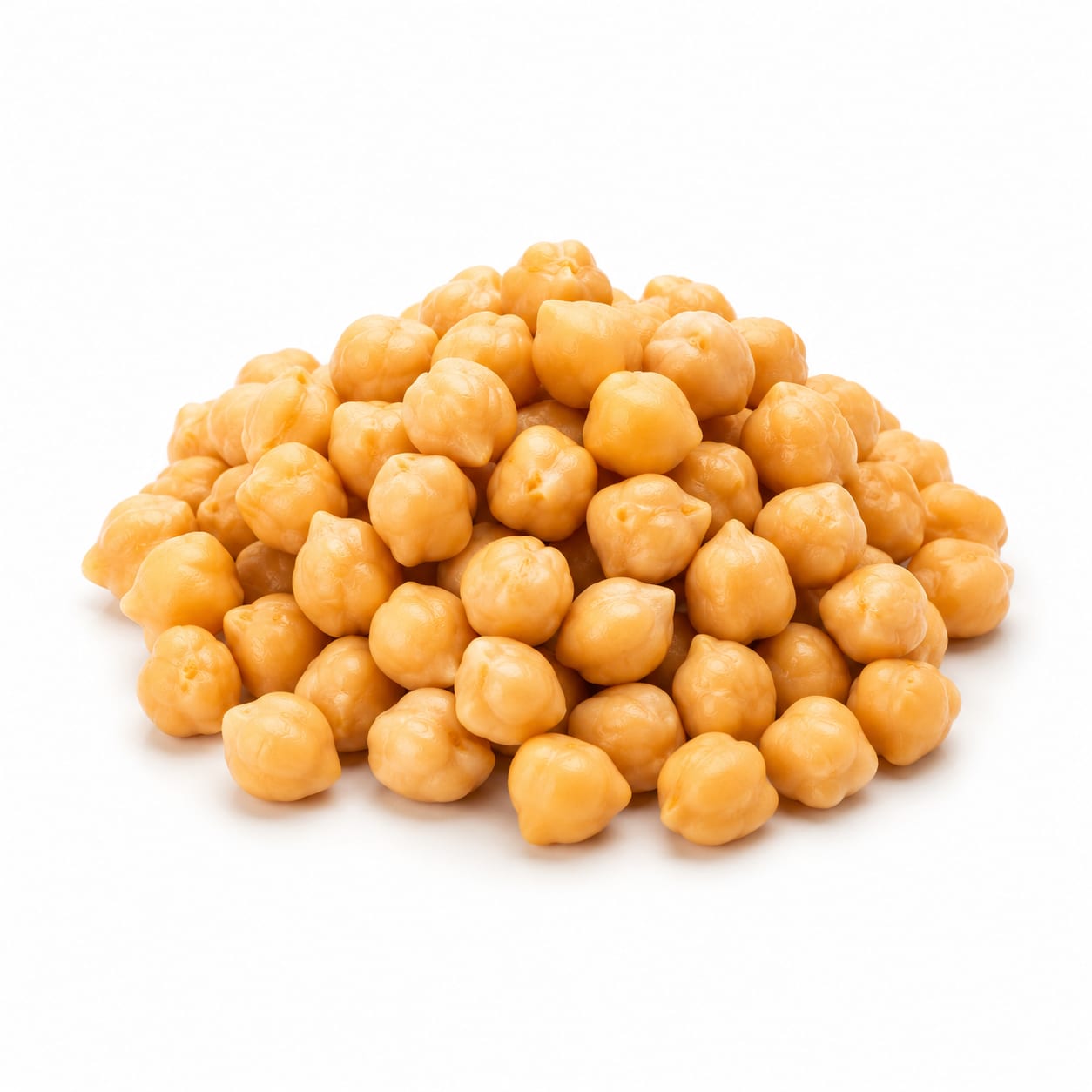
Compare with
Chickpea
Bambara groundnut has a slightly higher protein content and lower glycemic index than chickpeas, though chickpeas cook faster.
Bambara groundnut beats chickpeas for blood sugar control and satiety, but chickpeas are easier to prepare.
This food
Bambara Groundnut
VS75% alike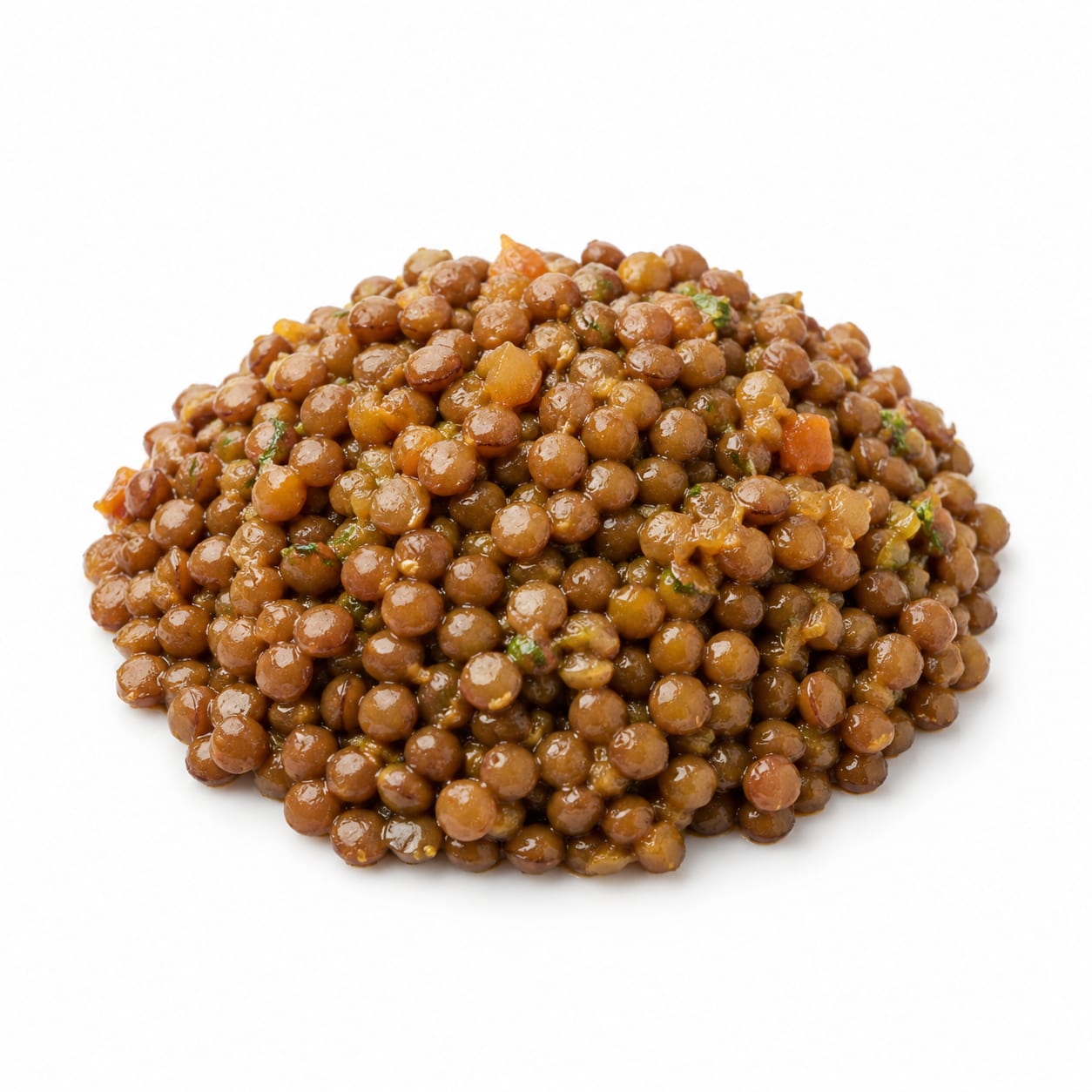
Compare with
Lentil
Lentils cook much faster and have slightly fewer calories, but Bambara groundnuts provide a more robust amino acid profile and higher potassium.
Lentils are more convenient for quick meals, while Bambara groundnuts offer slightly better blood sugar stability.
This food
Bambara Groundnut
VS75% alike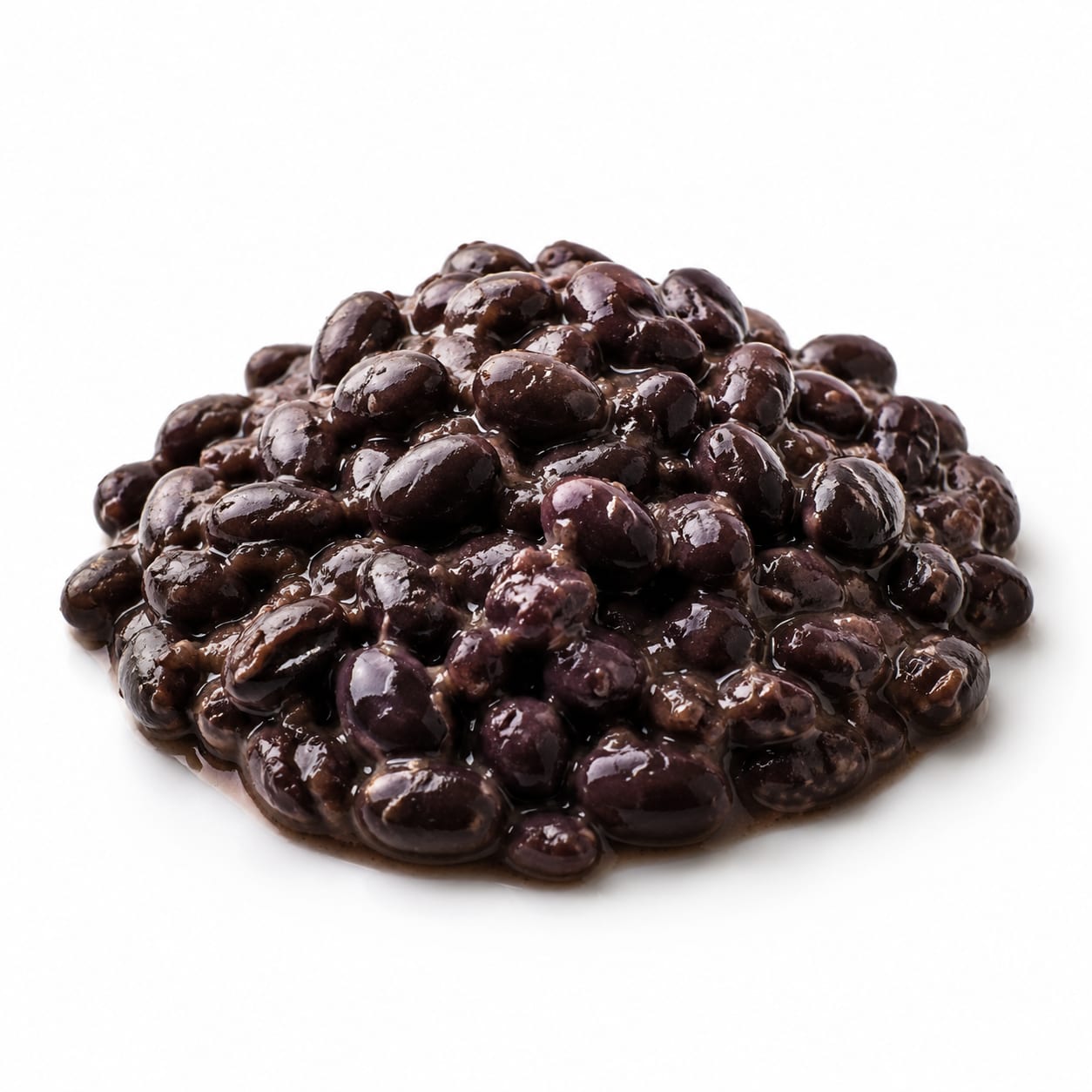
Compare with
Black Bean
Black beans are lower in calories and fat, but Bambara groundnuts offer a superior amino acid profile with more methionine.
Black beans are lower in calories for weight loss, while Bambara groundnuts edge out slightly for balanced protein.
This food
Bambara Groundnut
VS70% alike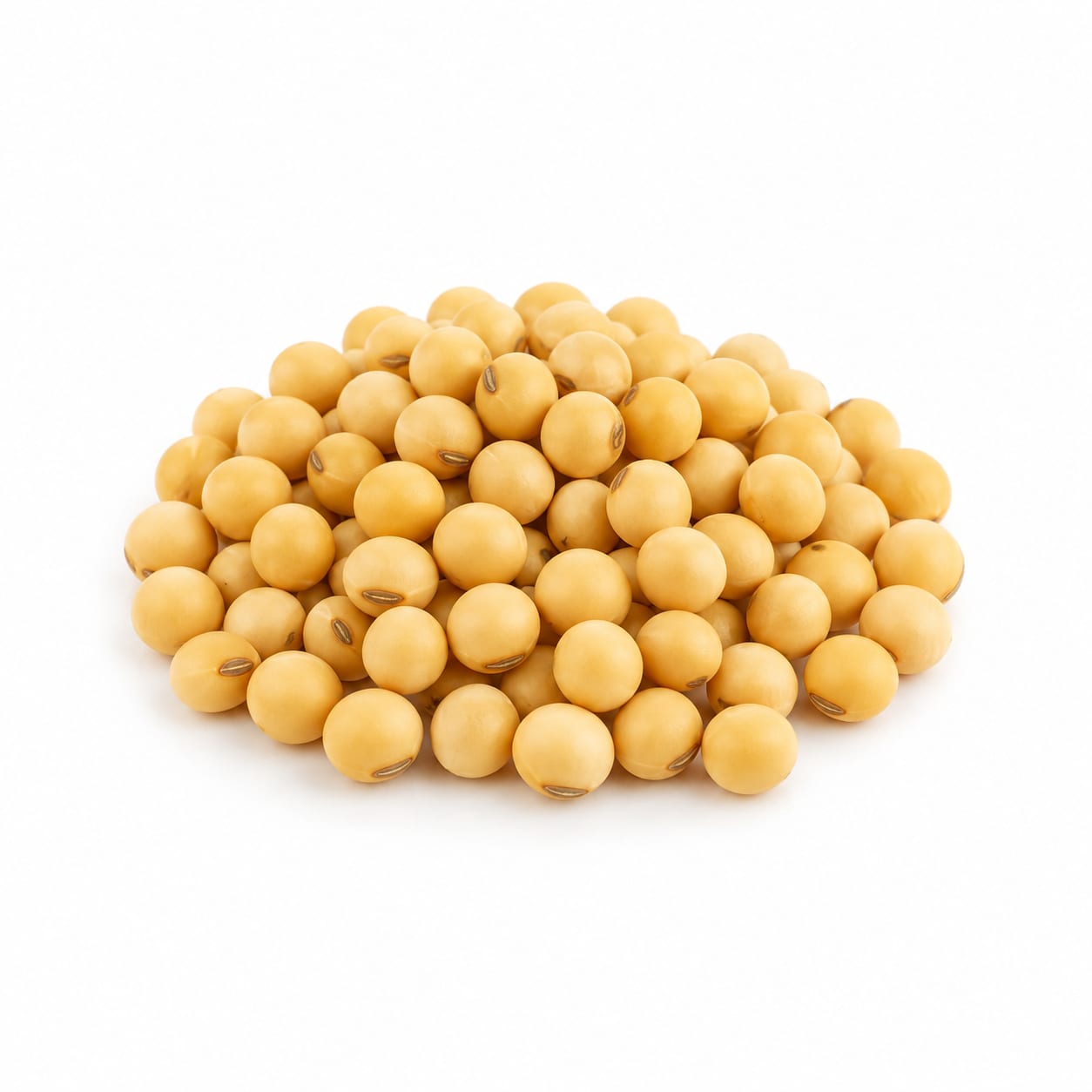
Compare with
Soybean
Soybeans are a complete protein with higher fat, whereas Bambara groundnuts are lower in fat and higher in complex carbs.
Soybeans are better for high-protein diets, but Bambara groundnuts are leaner and better for low-fat weight loss.
This food
Bambara Groundnut
VS85% alike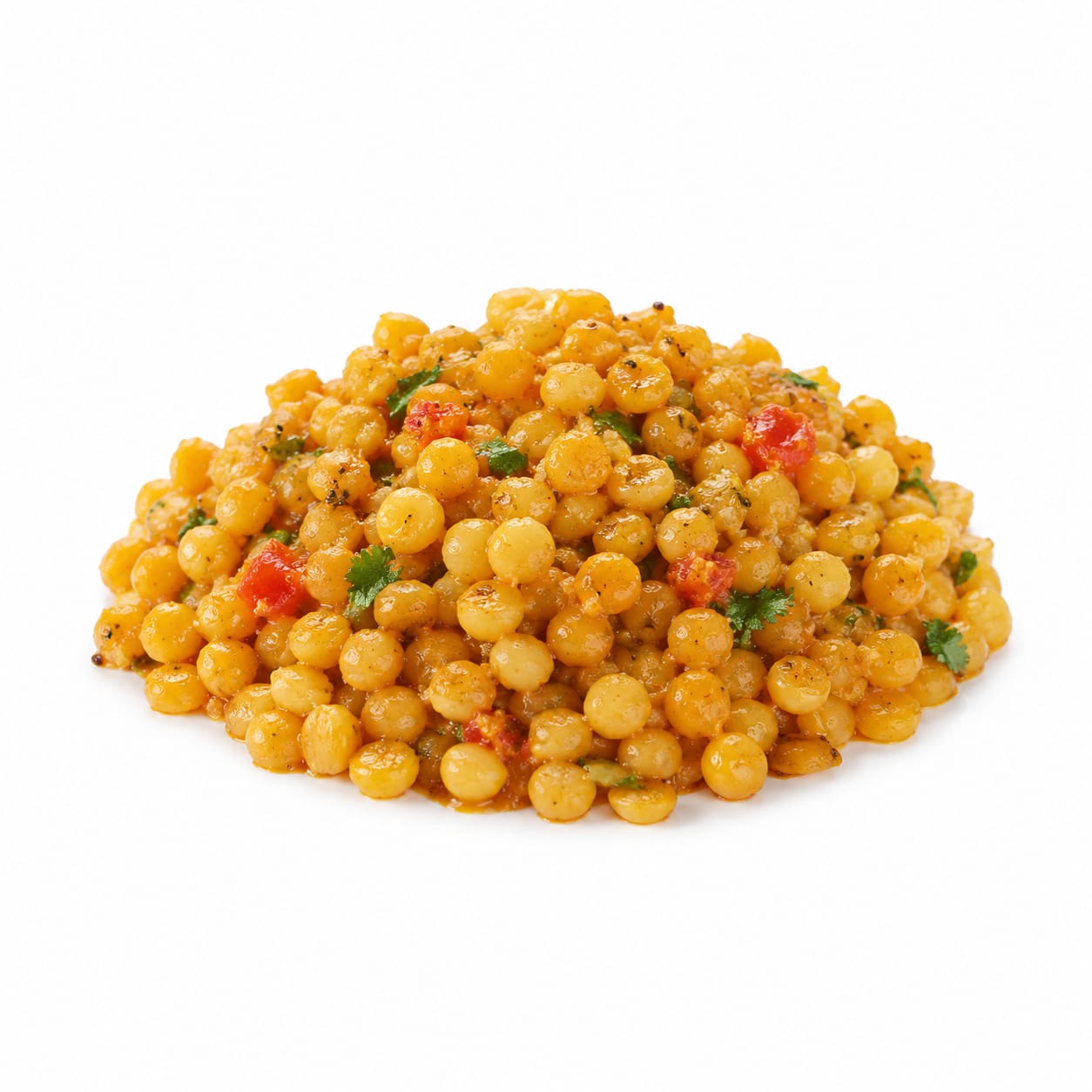
Compare with
Pigeon Pea
Bambara groundnut contains more protein and fat, while pigeon peas are slightly lower in calories and faster cooking.
Pigeon peas are lighter for weight loss, but Bambara groundnuts provide more sustained energy and satiety.
This food
Bambara Groundnut
VS85% alike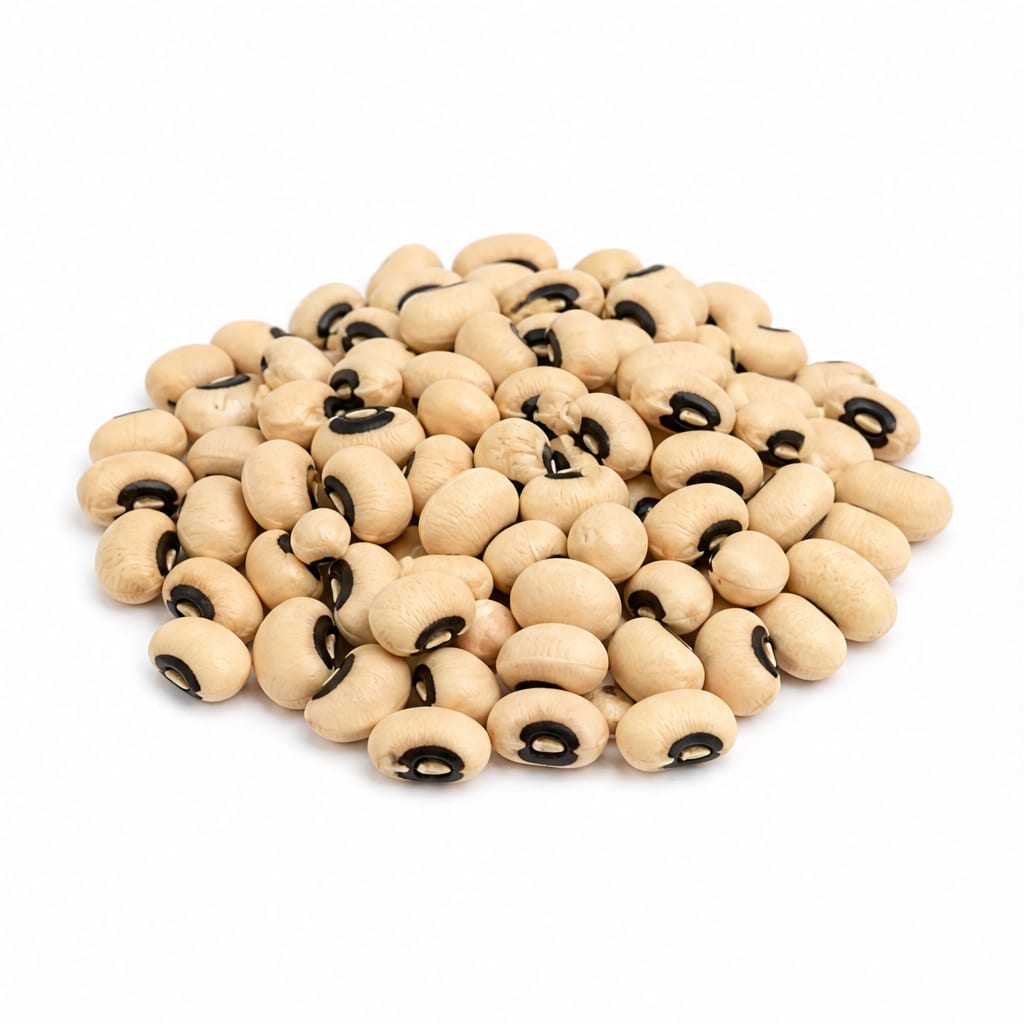
Compare with
Cowpea
Bambara groundnut has a harder seed coat requiring longer cooking, but offers a denser nutrient profile and more protein than cowpeas.
Cowpeas are easier to cook, but Bambara groundnuts win on protein content and satiety.
This food
Bambara Groundnut
VS60% alike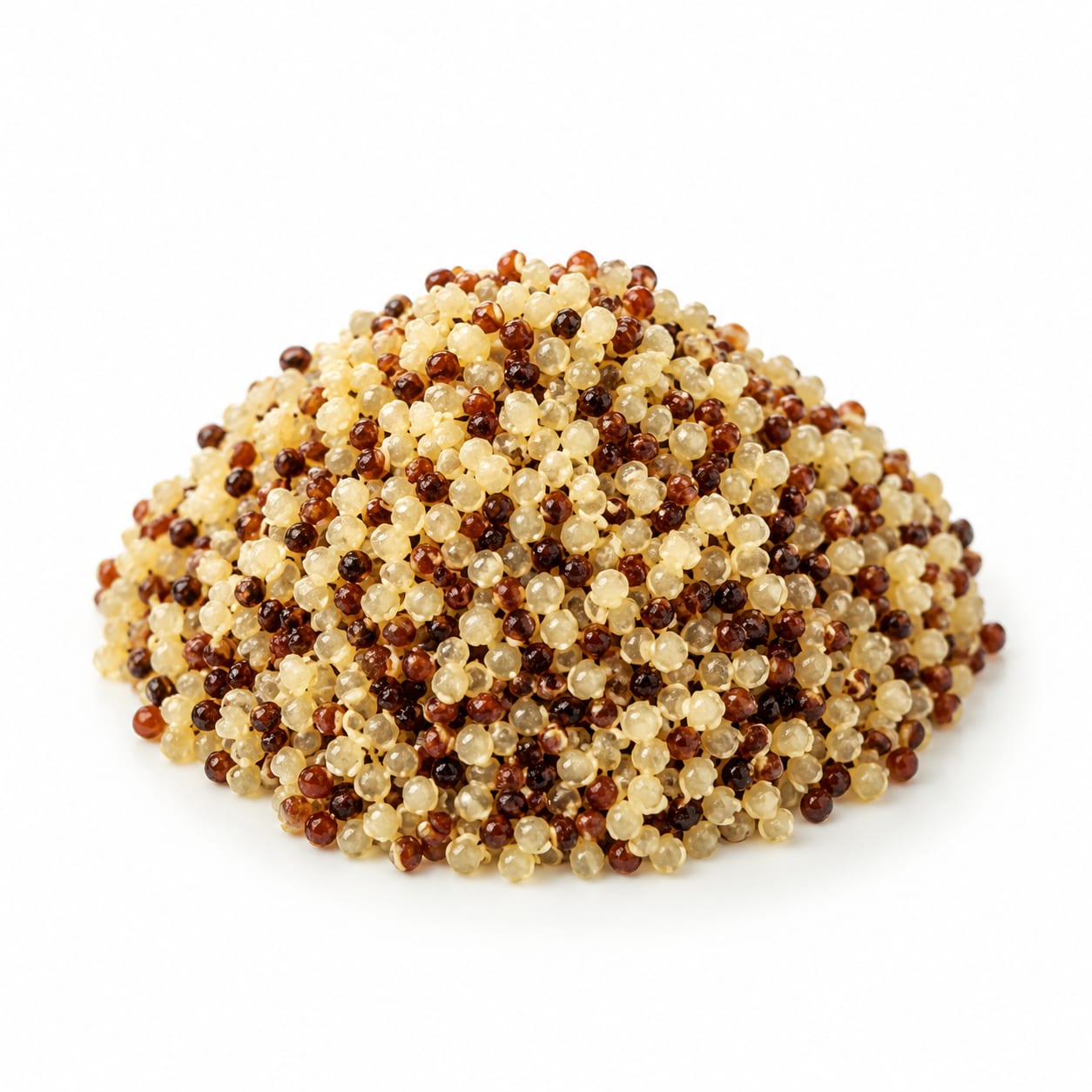
Compare with
Quinoa
Quinoa is a pseudo-cereal that cooks quickly and is a complete protein, while Bambara groundnut is a legume with more fiber and potassium.
Quinoa is faster for fitness meals, but Bambara groundnut provides better satiety and blood sugar control.
This food
Bambara Groundnut
VS70% alike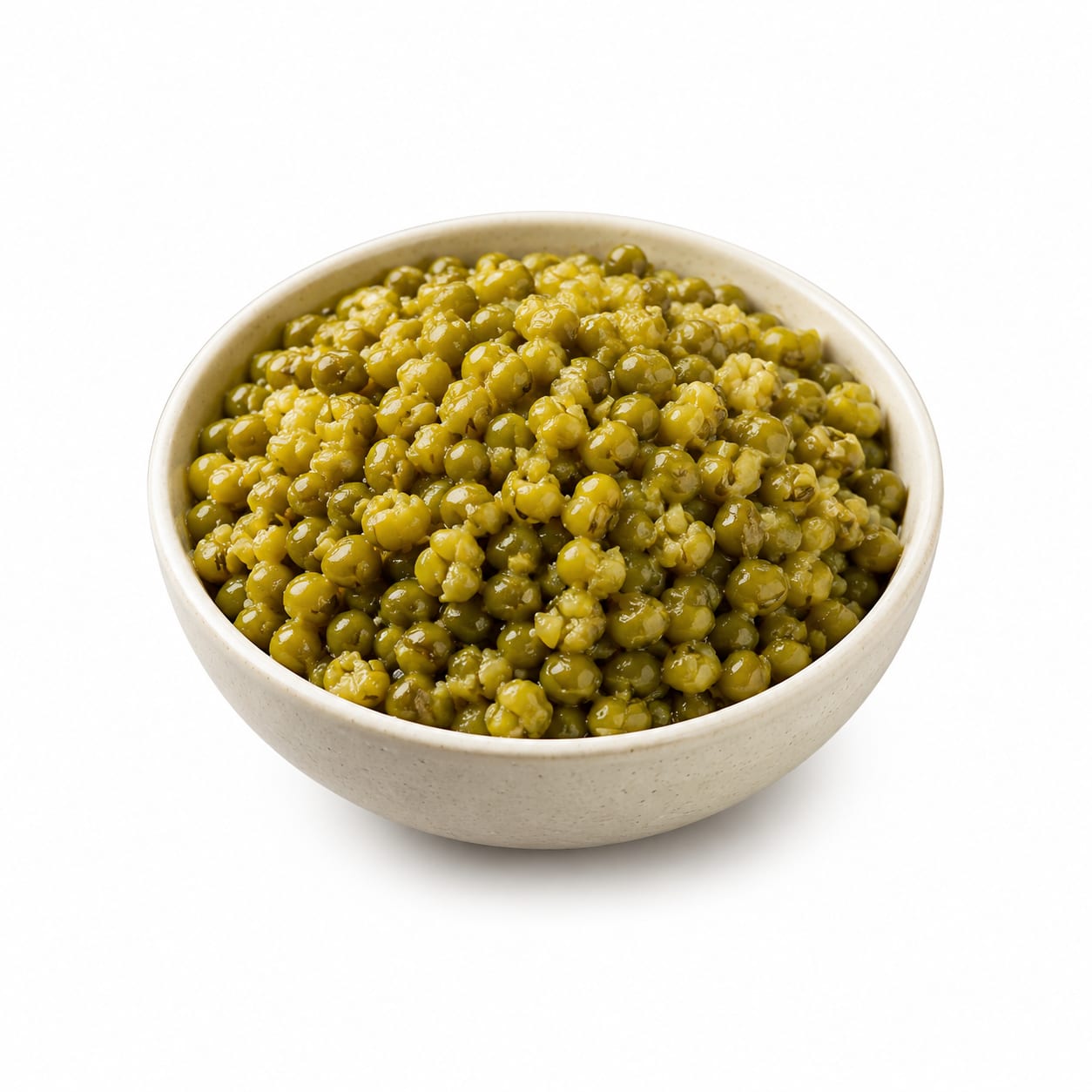
Compare with
Mung Bean
Mung beans are lower in calories and easier to digest, but Bambara groundnuts offer a denser macronutrient profile for sustained energy.
Mung beans are better for low-calorie diets, while Bambara groundnuts are better for long-lasting fullness.
This food
Bambara Groundnut
VS75% alike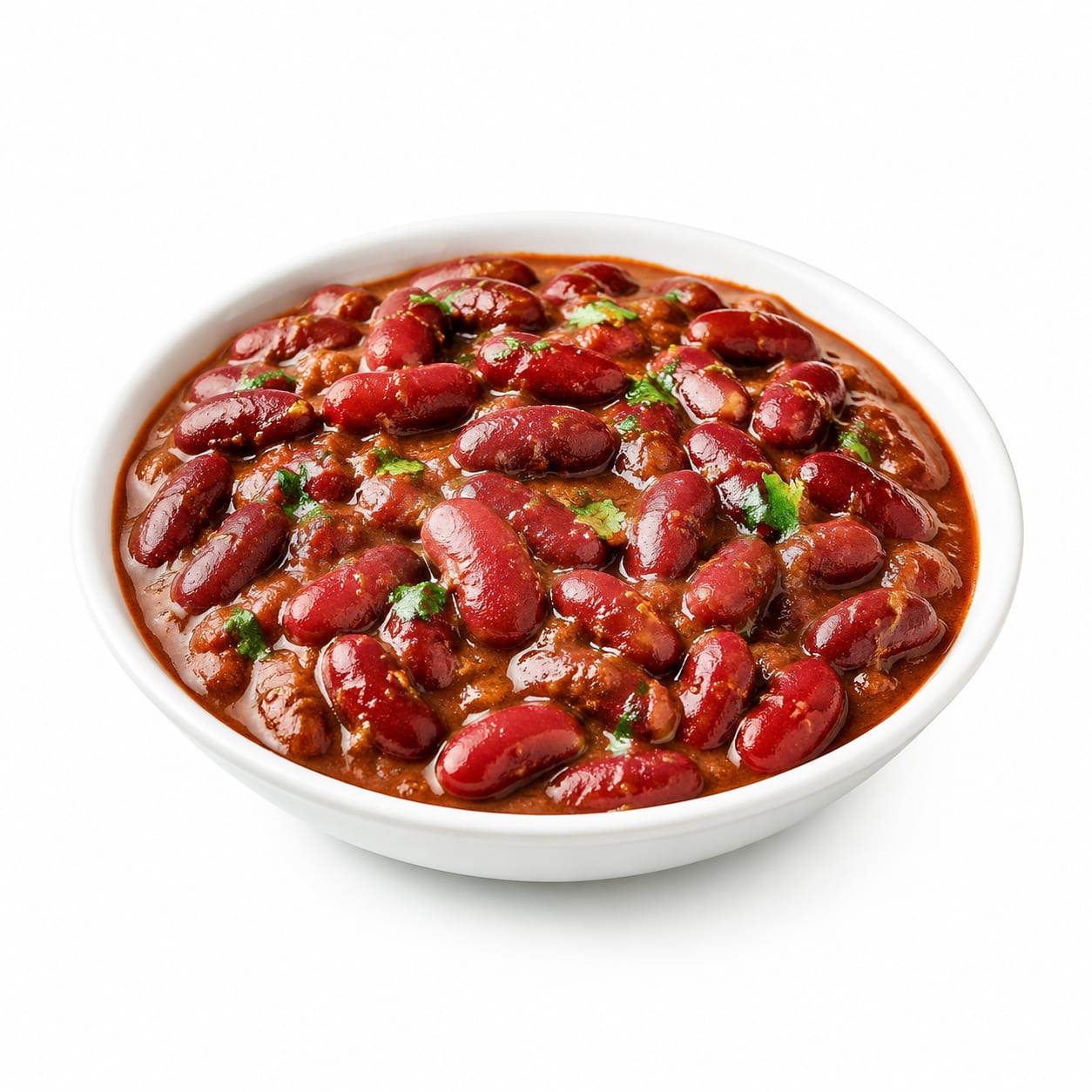
Compare with
Kidney Bean
Kidney beans are lower in fat and widely accessible, while Bambara groundnuts have a superior amino acid profile and higher potassium.
Kidney beans are a more accessible low-fat option, while Bambara groundnuts offer slightly better protein quality.
Common questions
FAQ
Answers aligned with how people search for this food.
Is Bambara groundnut good for weight loss?
Yes, its high protein and fiber content increase fullness, helping you eat fewer calories overall.
Can diabetics eat Bambara groundnut?
Yes, it has a low glycemic index and slow-digesting carbs that help stabilize blood sugar levels.
Is Bambara groundnut a complete protein?
It is closer to a complete protein than most legumes because it contains higher levels of the amino acid methionine.
How do you cook Bambara groundnut?
Soak the dried nuts for several hours, then boil or pressure cook them until tender to reduce anti-nutrients and improve digestibility.
Is Bambara groundnut the same as a peanut?
No, while they both grow underground, they are different plants; Bambara groundnut is a distinct legume with a different nutritional profile and earthier flavor.
What does Bambara groundnut taste like?
It has a nutty, earthy flavor often compared to chickpeas, lentils, or roasted nuts, depending on how it is prepared.
Does Bambara groundnut cause gas?
Like other legumes, it contains complex sugars and fiber that can cause gas if you are not used to them; soaking and cooking thoroughly reduces this effect.
Is Bambara groundnut flour gluten-free?
Yes, Bambara groundnut flour is naturally gluten-free and can be used as a high-protein alternative to wheat flour.
Transparency
Data confidence
Estimated confidence for nutrition data, interpretation, safety notes, and comparisons.
Nutrition data
Health analysis
Food safety
Comparisons