
Nutrition comparison
Bambara Groundnut vs Soybean: Which Legume Is Better for You?
Compare Bambara Groundnut and Soybean on protein quality, allergen risk, GMO concerns, hormonal effects, and sustainability. Find out which legume fits your health goals.
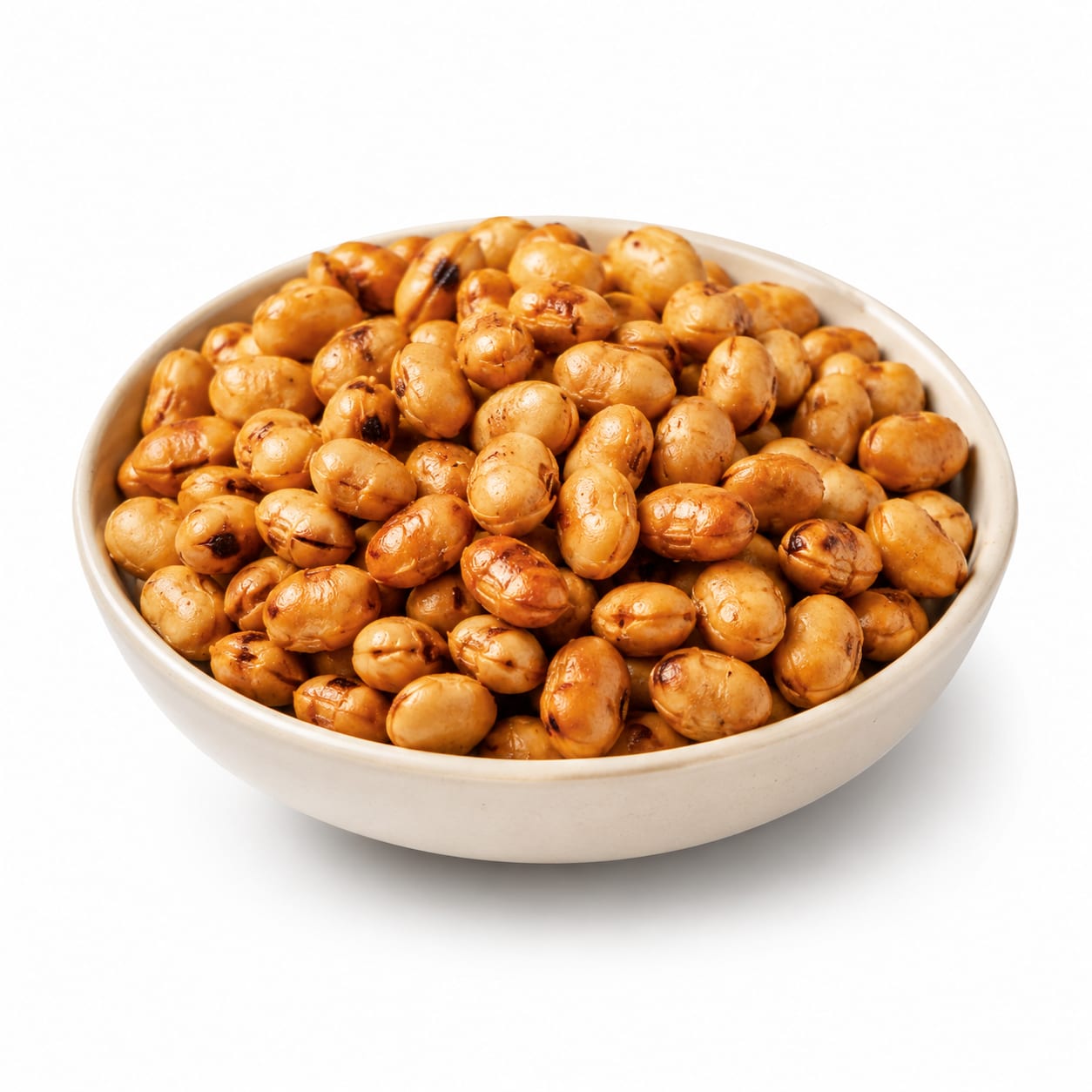
Bambara Groundnut
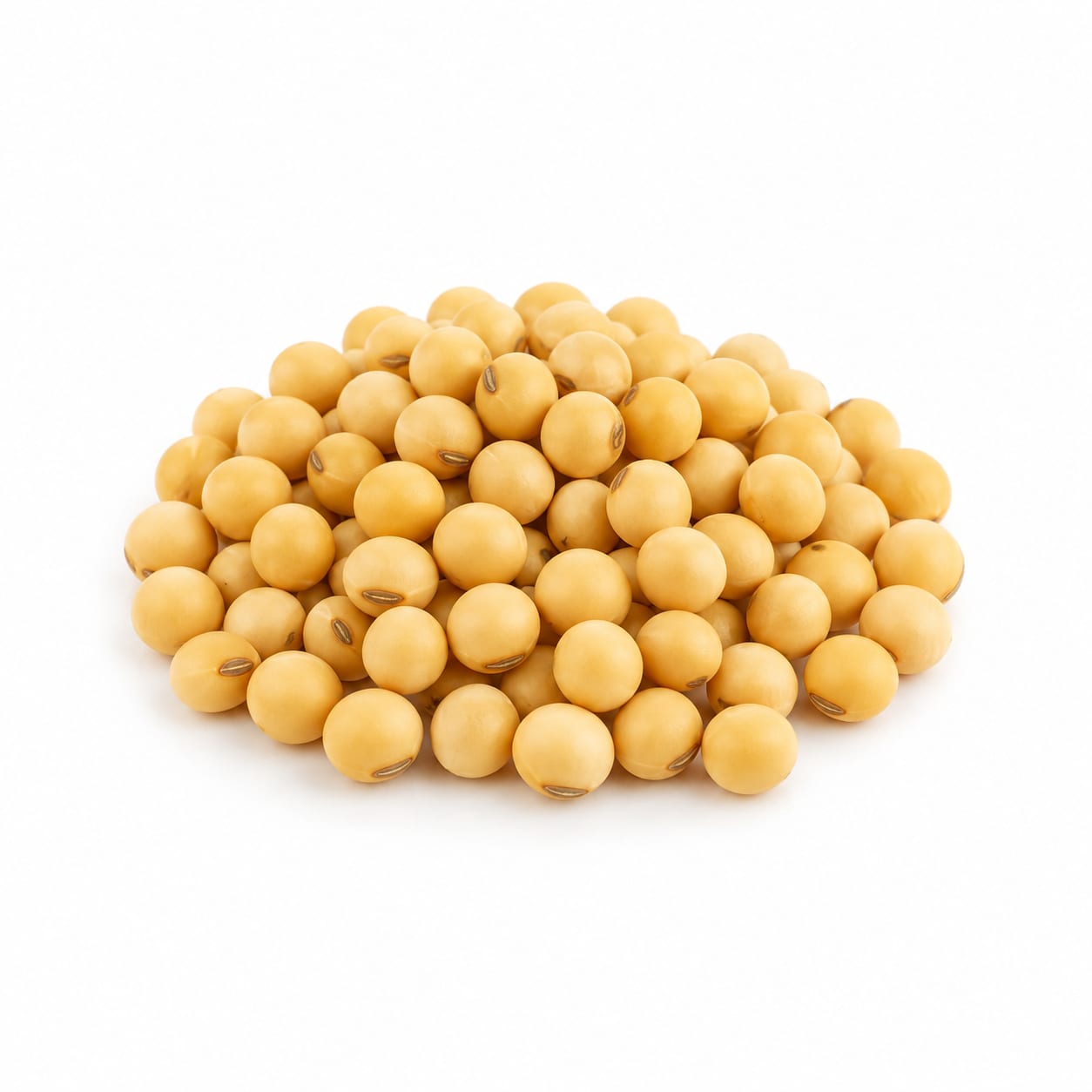
Soybean
Soybean offers superior protein and availability, but Bambara Groundnut wins on allergen safety, naturalness, and sustainability. Your choice depends on what you're optimizing for.
Bambara Groundnut edges ahead on naturalness and safety, but Soybean's protein completeness and accessibility keep it competitive. The narrow gap reflects that neither dominates universally.
Soybean gives you more complete protein and convenience at the cost of allergen risk, GMO exposure, and hormonal effects. Bambara Groundnut offers cleaner, safer nutrition but with lower protein quality and limited availability.
At a glance
Executive summary
Overall
It depends
Healthier
Bambara Groundnut
More practical
Soybean
Daily use
It depends
Key comparison lenses
Protein quality and completeness for plant-based diets
Both are high-protein legumes often considered as protein staples, but their amino acid profiles differ significantly
Allergen and sensitivity safety
Soybean is a top 8 allergen while Bambara Groundnut has minimal allergen reports, making this a critical differentiator
GMO and processing concerns
Soybean is one of the most genetically modified crops globally, while Bambara Groundnut remains entirely non-GMO and traditionally cultivated
Hormonal and phytoestrogen effects
Soybean contains significant isoflavones that mimic estrogen, which matters for hormone-sensitive individuals
Environmental sustainability and climate resilience
Bambara Groundnut thrives in poor soils and drought, while soybean farming drives significant deforestation
Availability and practical everyday use
Soybean products are everywhere; Bambara Groundnut remains niche and harder to source
Best choice for
Bambara Groundnut
- People with soy allergies or sensitivities
- Those avoiding GMO foods entirely
- Hormone-sensitive individuals concerned about phytoestrogens
- Sustainability-focused eaters in drought-prone regions
- Anyone seeking a less commercially altered protein source
Soybean
- Vegans needing complete protein with all essential amino acids
- Those who need widely available, affordable plant protein
- Post-menopausal women who may benefit from isoflavones
- Anyone meal-prepping with easy-to-find ingredients
- People wanting fermented options like tempeh or miso for gut health
Least suitable for
Bambara Groundnut
- People who need convenient, store-bought protein staples
- Anyone unfamiliar with traditional African cooking methods
- Those requiring a complete amino acid profile from a single source
- Individuals who value quick-cooking weeknight options
Soybean
- People with confirmed soy allergies
- Those actively avoiding GMO crops
- Hormone-sensitive conditions like estrogen-receptor-positive breast cancer
- Anyone with thyroid issues who consumes large amounts daily
- Parents concerned about phytoestrogen exposure in young children
Deep comparison
Dimension by dimension
Each lens scores both foods and breaks down who each option suits.
- Dimension 1 · Priority 95Soybean
Protein Quality and Completeness
Bambara Groundnut · 58Soybean · 91Soybean is one of the few plant proteins considered complete, while Bambara Groundnut is limited in methionine and cysteine.
Tradeoff
You get more bioavailable protein from Soybean, but you take on the allergen and processing baggage that comes with it.
Why it matters
If you rely on a single legume as your main protein source, amino acid completeness determines how well your body can actually use that protein.
Real-world impact
A soy-based meal supports muscle repair and satiety more effectively than a Bambara Groundnut meal eaten alone, unless you pair Bambara Groundnut with grains to fill the amino acid gaps.
Bambara Groundnut
- Those who eat varied diets and can complement with grains
- People who tolerate diversity in protein sources
Better for
- Single-source protein dependents
- Those unfamiliar with amino acid combining
Worse for
Soybean
- Vegans relying heavily on one protein staple
- Athletes needing efficient muscle recovery
- Anyone eating limited protein variety
Better for
- Soy-allergic individuals who cannot access this protein at all
Worse for
- Dimension 2 · Priority 90Bambara Groundnut
Allergen and Sensitivity Risk
Bambara Groundnut · 94Soybean · 38Soybean is a top global allergen affecting millions. Bambara Groundnut has almost no documented allergen concerns.
Tradeoff
Choosing Soybean for its protein means accepting a real allergen risk that Bambara Groundnut completely avoids.
Why it matters
Soy allergy can cause reactions ranging from hives to anaphylaxis, and hidden soy appears in countless processed foods, making exposure hard to control.
Real-world impact
If you have a soy-sensitive child or experience bloating after soy products, Bambara Groundnut offers similar nutritional benefits without the worry.
Bambara Groundnut
- Soy-allergic or soy-sensitive individuals
- Families wanting to minimize allergen exposure
- People with unexplained digestive issues after eating legumes
Better for
- No significant allergen downside
Worse for
Soybean
- Those with confirmed soy tolerance and no family history of soy allergy
Better for
- Anyone with existing soy allergy
- Parents introducing legumes to allergy-prone children
- People with mysterious gut issues they haven't traced to soy
Worse for
- Dimension 3 · Priority 85Bambara Groundnut
GMO Exposure and Processing Naturalness
Bambara Groundnut · 96Soybean · 35Bambara Groundnut is entirely non-GMO and traditionally farmed. Over 80% of global Soybean production is genetically modified.
Tradeoff
Soybean's industrial scale makes it cheap and available, but that scale relies heavily on genetic modification and intensive farming.
Why it matters
If you prioritize eating food as nature produced it, this distinction is fundamental. GMO concerns range from pesticide residue to long-term unknowns.
Real-world impact
Buying organic Soybean avoids the GMO issue but costs significantly more. Bambara Groundnut gives you non-GMO assurance by default, no label reading required.
Bambara Groundnut
- Clean-eating advocates
- Those who distrust industrial agriculture
- People wanting simplicity in food choices
Better for
- No significant naturalness downside
Worse for
Soybean
- Budget-conscious shoppers who can find affordable organic soy
- Those unconcerned about GMO consumption
Better for
- Anyone specifically avoiding GMOs
- People who want non-GMO without paying organic premiums
Worse for
- Dimension 4 · Priority 80Bambara Groundnut
Hormonal and Phytoestrogen Effects
Bambara Groundnut · 88Soybean · 45Soybean contains significant isoflavones that act as weak estrogens. Bambara Groundnut has negligible phytoestrogen content.
Tradeoff
Soy isoflavones may benefit post-menopausal women but raise concerns for hormone-sensitive conditions and developing children.
Why it matters
Hormonal effects are subtle and cumulative. Daily soy consumption can meaningfully influence estrogen activity over time, for better or worse depending on your situation.
Real-world impact
A woman with estrogen-receptor-positive breast cancer should approach daily soy cautiously. A post-menopausal woman might find soy helps with hot flashes. Bambara Groundnut avoids this entire calculus.
Bambara Groundnut
- Hormone-sensitive cancer survivors
- Parents feeding young children regularly
- Anyone wanting to avoid endocrine disruption concerns
Better for
- No significant hormonal downside
Worse for
Soybean
- Post-menopausal women seeking natural symptom relief
- Women who may benefit from mild estrogenic effects
Better for
- Estrogen-receptor-positive breast cancer patients
- Parents of young children eating soy daily
- Men concerned about testosterone effects from high soy intake
Worse for
- Dimension 5 · Priority 72Bambara Groundnut
Mineral Density and Micronutrients
Bambara Groundnut · 79Soybean · 71Bambara Groundnut offers more iron, calcium, and zinc per serving. Soybean provides more potassium and folate.
Tradeoff
Bambara Groundnut is slightly better for minerals that many people are deficient in, especially iron and calcium, but both are nutritionally dense.
Why it matters
Iron deficiency is the world's most common nutrient gap. Calcium matters for bone health. Getting these from food rather than supplements is always preferable.
Real-world impact
If you're a woman with low iron or someone who doesn't eat dairy, Bambara Groundnut gives you a meaningful mineral edge over Soybean.
Bambara Groundnut
- Iron-deficient individuals
- People avoiding dairy who need plant calcium sources
- Those in regions where mineral deficiencies are common
Better for
- Those specifically seeking high folate
Worse for
Soybean
- People focused on folate intake during pregnancy
- Those who need potassium for blood pressure management
Better for
- Anyone needing maximum iron from plant sources
Worse for
- Dimension 6 · Priority 75Bambara Groundnut
Environmental Sustainability
Bambara Groundnut · 90Soybean · 52Bambara Groundnut thrives in poor, dry soils with minimal inputs. Soybean farming drives deforestation and requires significant water and agrochemicals.
Tradeoff
Choosing Bambara Groundnut supports climate-resilient agriculture, but its limited commercial scale means it cannot currently replace soy's global role.
Why it matters
Your food choices affect more than your body. Soybean's environmental footprint includes Amazon deforestation and heavy pesticide use in conventional farming.
Real-world impact
Eating Bambara Groundnut when available directly supports biodiversity and sustainable farming. Choosing organic soy mitigates but doesn't eliminate the structural issues.
Bambara Groundnut
- Environmentally conscious eaters
- People in drought-prone regions supporting local agriculture
- Anyone wanting to vote with their fork against deforestation
Better for
- No significant environmental downside
Worse for
Soybean
- Those with no access to Bambara Groundnut
- People who choose organic soy and accept the tradeoffs
Better for
- Anyone concerned about Amazon deforestation
- Those worried about pesticide runoff in waterways
Worse for
- Dimension 7 · Priority 70Soybean
Availability and Practical Convenience
Bambara Groundnut · 28Soybean · 92Soybean products are in every grocery store worldwide. Bambara Groundnut is specialty and often requires online ordering or ethnic markets.
Tradeoff
The best nutrition in the world doesn't help if you can't find it. Soybean wins on pure accessibility.
Why it matters
Consistency in diet depends on convenience. If Bambara Groundnut requires special shopping trips, you're less likely to eat it regularly.
Real-world impact
You can grab tofu, tempeh, edamame, or soy milk anywhere. Finding Bambara Groundnut flour or whole nuts might mean planning ahead and ordering online.
Bambara Groundnut
- People with access to African or specialty markets
- Adventurous cooks who enjoy sourcing unique ingredients
Better for
- Anyone without specialty market access
- People who need weeknight dinner solutions fast
Worse for
Soybean
- Busy professionals who need grab-and-go options
- Anyone living in areas with limited specialty food access
- People who value consistency in their meal planning
Better for
- No significant convenience downside
Worse for
- Dimension 8 · Priority 65It depends
Digestive Tolerance and Anti-nutrients
Bambara Groundnut · 60Soybean · 58Both contain anti-nutrients like phytic acid and trypsin inhibitors. Proper soaking and cooking reduces these significantly in both.
Tradeoff
Neither is a clear winner for digestion. Both require traditional preparation to be well-tolerated. Fermented soy products like tempeh have an edge.
Why it matters
Anti-nutrients block mineral absorption and can cause bloating. Preparation method matters more than which legume you choose.
Real-world impact
If you soak and cook either legume properly, digestive issues are minimal. Fermented soy like tempeh is the easiest to digest of all options from either plant.
Bambara Groundnut
- Those who traditionally prepare legumes with long soaking
- People who enjoy slow-cooked stews and porridges
Better for
- People who rush legume preparation
- Those prone to bloating from undercooked beans
Worse for
Soybean
- People who eat fermented soy products like tempeh or miso
- Anyone wanting a pre-digested, gut-friendly option
Better for
- People eating large amounts of unfermented soy daily
- Those who skip soaking steps
Worse for
Timeline
Health impact over time
Short-term
Hours to days
Bambara Groundnut
- Steady, slow-release energy due to complex carbohydrates and fiber
- Good satiety that keeps you full for hours
- Possible bloating if not soaked and cooked thoroughly
- Stable blood sugar without spikes or crashes
Soybean
- Strong satiety from high protein and fat content
- Possible digestive discomfort in soy-sensitive individuals
- Quick protein availability for post-workout recovery
- Potential mild estrogenic effects noticeable with large servings
Long-term
Months to years
Bambara Groundnut
- Improved mineral status over time, especially iron and calcium
- Low allergen exposure supports immune system balance
- Sustainable food choice that supports food security in dry regions
- Consistent fiber intake supports healthy gut microbiome
Soybean
- Possible thyroid interference with excessive daily consumption, especially in iodine-deficient individuals
- Isoflavones may reduce menopausal symptoms and support bone density in older women
- Long-term soy consumption correlates with lower heart disease risk in population studies
- Potential for developing soy sensitivity with heavy daily use
Risk profile
Safety & processing
Whole Bambara Groundnut and whole Soybean are both minimally processed in their natural state. However, Soybean's industrial supply chain means it frequently appears in ultra-processed forms like soy protein isolate, textured vegetable protein, and soy lecithin. Bambara Groundnut is almost always sold as a whole food or simple flour, keeping it closer to its natural state by default.
Bambara Groundnut
Anti-nutrient exposure from inadequate cooking
mediumRaw or undercooked Bambara Groundnut contains trypsin inhibitors and phytic acid that reduce nutrient absorption and can cause digestive distress. Proper soaking for 8-12 hours and thorough cooking eliminates most of this concern.
Limited food safety data
lowBecause Bambara Groundnut is less commercially studied, there is less regulatory oversight and safety testing compared to major crops. This is more of an unknown than a confirmed risk.
Soybean
Pesticide residue on conventional soy
mediumConventional soybeans are heavily treated with herbicides, particularly glyphosate on GMO varieties. Residues can persist through processing. Choosing organic significantly reduces this exposure.
Soy allergy and anaphylaxis potential
highSoy is one of the eight most common food allergens globally. Reactions can range from mild hives to life-threatening anaphylaxis. Hidden soy in processed foods makes avoidance challenging for allergic individuals.
Phytoestrogen accumulation with heavy consumption
mediumRegular high-dose soy isoflavone intake may affect thyroid function and hormone-sensitive conditions. Moderate consumption is generally safe, but eating soy at every meal creates a different risk profile than occasional use.
Hexane exposure in soy protein isolate
mediumMany soy protein isolates are extracted using hexane, a petroleum solvent. Residual hexane in finished products is regulated but remains a concern for clean-eating advocates. Whole soy products avoid this entirely.
Who wins for whom
Audience fit
Same foods, different winners depending on your goal.
children
Bambara GroundnutLower allergen risk, no phytoestrogen concerns, and a cleaner safety profile make Bambara Groundnut more appropriate for developing bodies, though its limited availability may be a practical barrier.
daily consumption
Bambara GroundnutBambara Groundnut's lower allergen risk, absence of GMO concerns, and neutral hormonal effects make it safer for daily long-term use, assuming you can source it consistently.
diabetes
Bambara GroundnutBambara Groundnut's lower glycemic impact and higher fiber ratio provide steadier blood sugar control without the insulin spikes that higher-fat soy products can sometimes trigger in sensitive individuals.
elderly
It dependsPost-menopausal women may benefit from soy isoflavones for bone density and hot flashes. Others, especially those with thyroid medication, may do better with Bambara Groundnut's neutral hormonal profile.
muscle gain
SoybeanSoybean provides a complete amino acid profile with higher total protein per serving, making it more efficient for muscle repair and growth, especially for plant-based athletes.
weight loss
SoybeanSoybean's higher protein and fat content creates stronger satiety signals, making it easier to eat less overall. Tofu and tempeh are particularly effective for calorie-conscious meals.
Your move
Decision guide
Choose Bambara Groundnut
- You have any soy sensitivity, allergy, or family history of soy allergy
- You want to avoid GMO foods without paying organic premiums
- You have a hormone-sensitive condition or want to minimize phytoestrogen exposure
- Sustainability and climate resilience matter deeply to your food choices
- You enjoy exploring traditional and underappreciated foods
- You feed young children regularly and want minimal endocrine disruption risk
Choose Soybean
- You need a complete plant protein and don't eat a wide variety of protein sources
- Convenience and availability are non-negotiable for your lifestyle
- You're a post-menopausal woman who may benefit from isoflavones
- You want fermented options like tempeh and miso for gut health
- You're an athlete needing efficient muscle recovery from plant sources
- Budget is a primary concern and you need affordable protein
Either works if
- You eat a diverse diet and don't rely on a single legume for all your protein
- You properly soak and cook your legumes to reduce anti-nutrients
- You want plant-based protein variety and can rotate both
- You have no soy allergy or hormonal concerns
Avoid both if
- You have severe legume intolerance or FODMAP sensitivity
- You're in an acute gout flare and need to limit purine intake
- You cannot properly prepare dried legumes due to time or facility constraints
Final recommendation
If you can find Bambara Groundnut, it's the cleaner, safer long-term choice for daily eating. If accessibility is your reality, Soybean remains a strong protein option, especially in fermented forms like tempeh. The ideal approach is rotating both when possible, getting Soybean's protein completeness and Bambara Groundnut's safety profile in balance.
Practical
Consumer tips
- 1
If choosing Soybean, buy organic to avoid GMO and pesticide concerns. The price difference is worth it for daily consumption.
- 2
Try fermented Soybean products like tempeh or miso first. Fermentation reduces anti-nutrients, improves digestibility, and supports gut health.
- 3
Soak Bambara Groundnut for at least 8 hours before cooking. This dramatically reduces anti-nutrients and improves mineral absorption.
- 4
If you eat Bambara Groundnut as a protein staple, pair it with a grain like rice or millet to create a complete amino acid profile.
- 5
Store both legumes in airtight containers in a cool, dark place. Both can go rancid over time due to their natural oil content.
- 6
If you have thyroid issues and consume Soybean daily, ensure adequate iodine intake from seaweed or iodized salt to offset potential interference.
- 7
Look for Bambara Groundnut flour online if whole nuts are unavailable. It works well in porridges, flatbreads, and thickened soups.
- 8
Start with small portions of either legume if you're not used to high-fiber foods. Gradual introduction prevents bloating and adjustment discomfort.