
Nutrition comparison
Bambara Groundnut vs Black Bean: Nutrition, Protein Quality, and Which to Choose
Bambara Groundnut offers more complete protein and higher iron and calcium, while Black Bean delivers superior antioxidants and everyday convenience. Compare these two powerful legumes side by side.
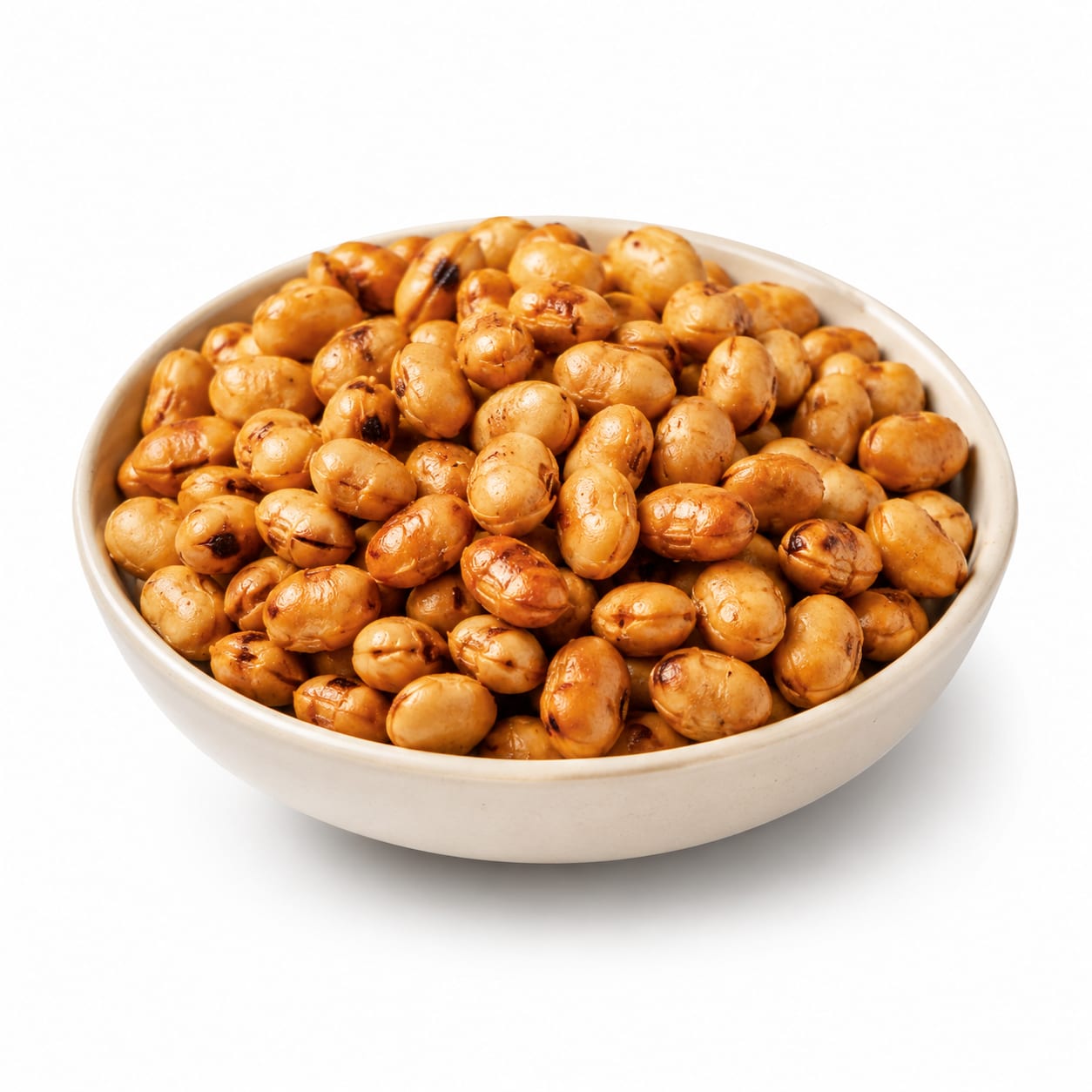
Bambara Groundnut
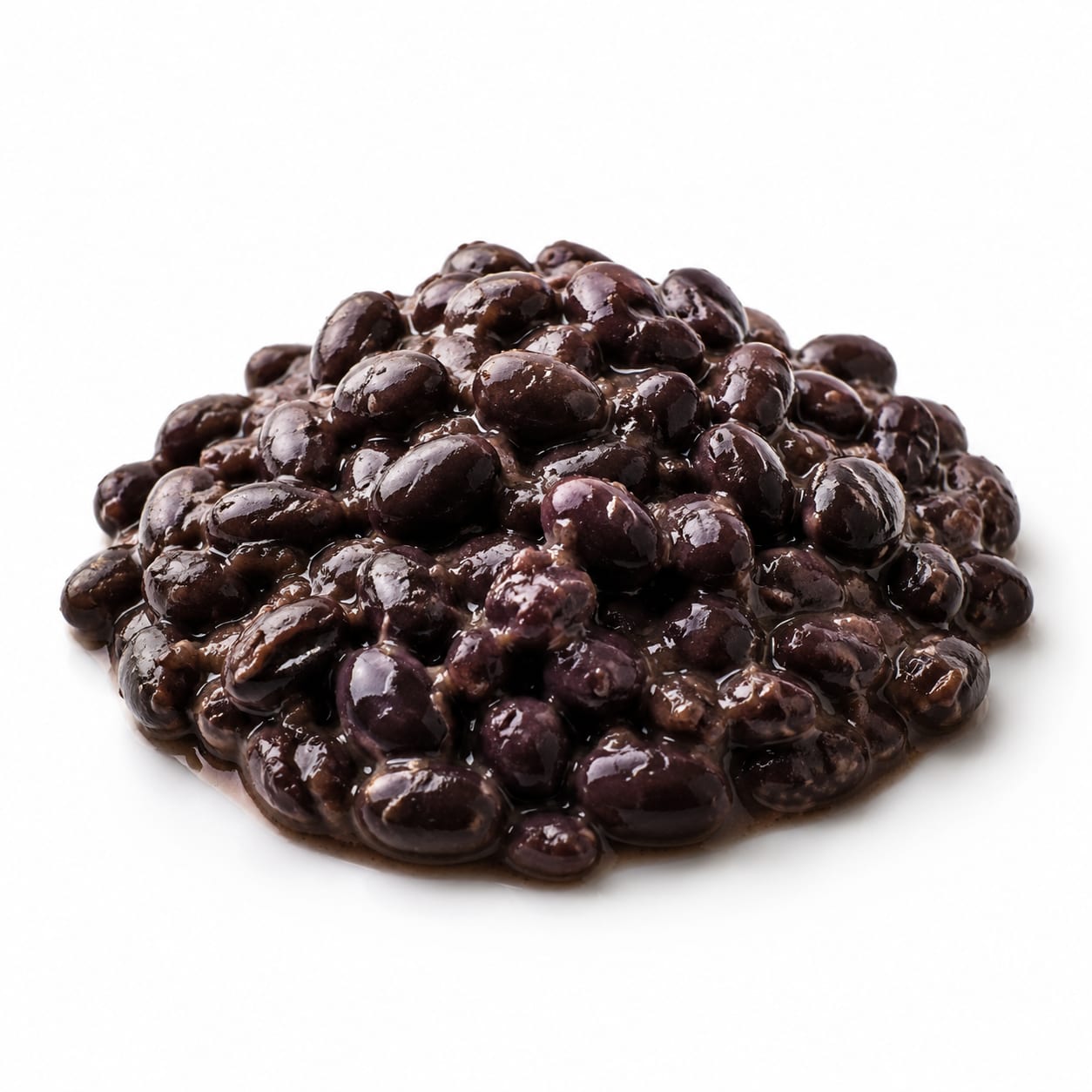
Black Bean
Bambara Groundnut edges ahead nutritionally with superior protein quality and mineral density, but Black Bean wins decisively on accessibility, antioxidant content, and everyday practicality.
Bambara Groundnut scores slightly higher on raw nutritional metrics, especially protein completeness and mineral density. Black Bean stays close thanks to antioxidant superiority, culinary familiarity, and unmatched convenience. The narrow gap reflects that nutrition alone rarely drives daily food choices.
Bambara Groundnut offers a more complete protein and higher iron and calcium, while Black Bean delivers powerful antioxidants and is far easier to find and cook with regularly.
At a glance
Executive summary
Overall
It depends
Healthier
Bambara Groundnut
More practical
Black Bean
Daily use
Black Bean
Key comparison lenses
protein quality and amino acid completeness
Bambara Groundnut is unusually rich in methionine for a legume, making its protein profile more complete than most beans
accessibility and practical integration into meals
Black Bean is a pantry staple worldwide while Bambara Groundnut remains niche and harder to source
mineral density and micronutrient contribution
Both are mineral powerhouses but Bambara Groundnut delivers significantly more calcium and iron per serving
antioxidant and anti-inflammatory benefits
Black Bean's dark seed coat is loaded with anthocyanins that Bambara Groundnut cannot match
sustainable and climate-resilient eating
Bambara Groundnut thrives in harsh, drought-prone conditions where most legumes fail
Best choice for
Bambara Groundnut
- People with iron deficiency or anemia risk
- Those seeking the most complete plant protein possible
- Anyone eating in drought-prone or food-insecure regions
- Individuals wanting to diversify beyond common legumes
Black Bean
- Anyone prioritizing antioxidant and anti-inflammatory benefits
- Busy households needing affordable, available pantry staples
- People managing blood sugar who want well-studied low-GI options
- Those new to legume-based eating who want foolproof recipes
Least suitable for
Bambara Groundnut
- Anyone who cannot source it reliably or affordably
- People who need quick-cooking weeknight meal solutions
- Those unfamiliar with its preparation who might waste it
- Anyone sensitive to higher fat content in legumes
Black Bean
- People with severe folate sensitivity concerns
- Those who specifically need higher methionine intake from legumes alone
- Anyone bored with common beans wanting novel nutrition
Deep comparison
Dimension by dimension
Each lens scores both foods and breaks down who each option suits.
- Dimension 1 · Priority 92Bambara Groundnut
Protein Quality and Completeness
Bambara Groundnut · 88Black Bean · 72Bambara Groundnut contains notably more methionine than most legumes, making its amino acid profile closer to complete.
Tradeoff
You get more complete protein from Bambara Groundnut, but Black Bean is easier to pair with grains that fill its methionine gap anyway.
Why it matters
For anyone relying heavily on plant proteins, methionine is typically the limiting amino acid. Bambara Groundnut reduces that concern meaningfully.
Real-world impact
A rice and Bambara Groundnut meal needs less nutritional strategizing than rice and Black Bean to hit complete protein targets.
Bambara Groundnut
- Vegans wanting simplified protein combining
- Athletes relying on legumes as a primary protein source
- Anyone eating limited animal protein
Better for
- Situations where the slight protein advantage gets overshadowed by availability problems
Worse for
Black Bean
- Those already eating diverse protein sources where methionine gaps are filled elsewhere
- Meal preppers combining beans with multiple grains and seeds
Better for
- Strictly plant-based eaters not compensating with methionine-rich pairings like sesame or corn
Worse for
- Dimension 2 · Priority 85Bambara Groundnut
Mineral Density
Bambara Groundnut · 86Black Bean · 70Bambara Groundnut delivers substantially more iron and calcium per serving than Black Bean.
Tradeoff
Higher mineral content in Bambara Groundnut comes with slightly more phytates that can reduce absorption, though soaking and cooking mitigate this well.
Why it matters
Iron and calcium are two of the most common global nutrient gaps, especially for women and plant-based eaters.
Real-world impact
A single cup of Bambara Groundnut can cover a noticeably larger share of daily iron and calcium needs compared to the same amount of Black Bean.
Bambara Groundnut
- Women of reproductive age concerned about iron
- Plant-based eaters needing calcium from non-dairy sources
- Populations in regions with widespread mineral deficiencies
Better for
- Anyone not properly soaking or cooking it, leaving phytates to block mineral absorption
Worse for
Black Bean
- Those already supplementing iron and calcium where the difference matters less
- People getting ample minerals from leafy greens and fortified foods
Better for
- Those relying on beans as a primary iron source who may fall short
Worse for
- Dimension 3 · Priority 78Black Bean
Antioxidant and Anti-Inflammatory Power
Bambara Groundnut · 62Black Bean · 88Black Bean's dark seed coat is packed with anthocyanins and flavonoids that Bambara Groundnut simply does not match.
Tradeoff
You sacrifice some antioxidant firepower with Bambara Groundnut, though it still provides respectable polyphenol content.
Why it matters
Chronic inflammation underlies most lifestyle diseases. Anthocyanin-rich foods are among the most protective options available.
Real-world impact
Regular Black Bean consumption is linked to measurable reductions in inflammatory markers, a benefit less studied but likely weaker with Bambara Groundnut.
Bambara Groundnut
- Those primarily seeking mineral and protein benefits over antioxidant protection
Better for
- Long-term health optimizers missing out on anthocyanin benefits
Worse for
Black Bean
- Anyone focused on long-term disease prevention
- People with inflammatory conditions like arthritis
- Those wanting food-based anti-aging support
Better for
- Situations where antioxidant content is irrelevant to the immediate meal goal
Worse for
- Dimension 4 · Priority 88Black Bean
Availability and Practical Convenience
Bambara Groundnut · 35Black Bean · 92Black Bean is available in nearly every grocery store worldwide. Bambara Groundnut is specialty at best and impossible to find at worst.
Tradeoff
The more nutritious option does you no good if you cannot buy it, and Bambara Groundnut remains stubbornly hard to source outside Africa and specialty suppliers.
Why it matters
Consistency beats perfection. A food you can eat three times a week outperforms a superior one you can never find.
Real-world impact
Most people can grab canned Black Beans on any shopping trip. Finding Bambara Groundnut might require online orders, specialty stores, or waiting weeks for delivery.
Bambara Groundnut
- Those living in West or Southern Africa where it is common
- Adventurous eaters willing to order specialty ingredients online
Better for
- Nearly everyone outside sub-Saharan Africa
- Those who need to meal prep on a predictable schedule
Worse for
Black Bean
- Anyone shopping at regular grocery stores
- People who need reliable meal planning without supply chain gambles
- Budget-conscious shoppers benefiting from Black Bean's mass-market pricing
Better for
- Only those specifically seeking novelty or dietary diversity
Worse for
- Dimension 5 · Priority 80Black Bean
Culinary Versatility and Familiarity
Bambara Groundnut · 48Black Bean · 85Black Bean has thousands of tested recipes across Latin, Caribbean, and fusion cuisines. Bambara Groundnut recipes are limited and largely regional.
Tradeoff
Bambara Groundnut offers an earthy, nutty flavor that is genuinely delicious, but you will be doing more recipe experimentation with fewer guideposts.
Why it matters
People eat what they know how to cook well. Limited recipe ecosystems make it harder to stick with a food long-term.
Real-world impact
You can throw Black Beans into tacos, soups, salads, brownies, and dips with confidence. Bambara Groundnut requires more effort to integrate smoothly.
Bambara Groundnut
- Creative cooks who enjoy developing their own recipes
- Those connected to African culinary traditions
Better for
- Weeknight dinners where experimentation feels like a chore
- Picky eaters unfamiliar with its texture and flavor
Worse for
Black Bean
- Beginner cooks wanting foolproof recipes
- Families needing crowd-pleasing meals fast
- Anyone meal-prepping in bulk with tested approaches
Better for
- Those experiencing bean fatigue from eating the same legume repeatedly
Worse for
- Dimension 6 · Priority 82It depends
Satiety and Blood Sugar Stability
Bambara Groundnut · 80Black Bean · 80Both are excellent for steady energy and fullness. Bambara Groundnut's slightly higher fat content may extend satiety, while Black Bean's fiber profile is exceptionally well studied for glycemic control.
Tradeoff
The difference here is marginal. Both keep blood sugar flat and hunger at bay for hours.
Why it matters
Foods that prevent energy crashes and mid-afternoon snacking are the backbone of sustainable healthy eating.
Real-world impact
Either choice will leave you satisfied longer than most other carb sources. Expect 3 to 4 hours of steady energy from a reasonable portion.
Bambara Groundnut
- Those who find higher-fat legumes more filling and satisfying
- Anyone wanting slightly longer-lasting satiety between meals
Better for
- Those sensitive to higher fat content feeling heavy
Worse for
Black Bean
- Diabetics relying on extensively researched low-GI foods
- People who prefer lighter-feeling meals despite equal satiety
Better for
- Anyone wanting the most calorie-dense satiety per volume
Worse for
- Dimension 7 · Priority 75Bambara Groundnut
Sustainability and Climate Resilience
Bambara Groundnut · 90Black Bean · 72Bambara Groundnut grows in poor soil with minimal water and extreme heat, making it one of the most climate-resilient crops on Earth.
Tradeoff
Choosing Bambara Groundnut supports a more sustainable food future, but only if supply chains can scale to make it accessible beyond its current regions.
Why it matters
As climate change stresses agriculture, drought-resistant protein sources will become critical for global food security.
Real-world impact
A farmer can grow Bambara Groundnut where Black Bean would fail entirely. Supporting this crop has outsized impact beyond your plate.
Bambara Groundnut
- Environmentally conscious eaters thinking beyond personal nutrition
- Those in arid regions where water-intensive crops are irresponsible
- Anyone wanting to vote with their wallet for climate-resilient agriculture
Better for
- Individual decisions where shipping Bambara Groundnut across the globe negates some sustainability gains
Worse for
Black Bean
- Those prioritizing personal health outcomes over systemic impact
- People in regions where Black Beans grow well locally
Better for
- Drought-prone agricultural systems that could benefit from more resilient crops
Worse for
Timeline
Health impact over time
Short-term
Hours to days
Bambara Groundnut
- Provides sustained energy with minimal blood sugar spikes
- Higher fat content may feel heavier initially if you are used to leaner legumes
- Slightly longer cooking time requires planning to avoid undercooking and digestive discomfort
Black Bean
- Quickly satisfying with familiar texture that most people tolerate well
- Canned versions offer near-instant meal assembly with minimal digestive surprise
- High fiber may cause gas in those not accustomed to regular legume intake
Long-term
Months to years
Bambara Groundnut
- Superior iron and calcium intake supports bone density and energy over decades
- More complete protein reduces reliance on animal sources or complex combining
- Dietary diversity from eating less common legumes may support a more robust gut microbiome
Black Bean
- Consistent anthocyanin intake from the dark seed coat protects against chronic inflammation and cellular aging
- Extensively documented cardiovascular benefits from regular consumption
- Reliable, affordable access makes long-term adherence far more realistic
Risk profile
Safety & processing
Both are whole, minimally processed foods in their dried form. Canned Black Beans may contain added sodium, but rinsing removes most of it. Bambara Groundnut is typically sold dried with no additives, though this also means longer prep times.
Bambara Groundnut
Undercooking due to unfamiliarity
mediumBambara Groundnut requires thorough cooking. Undercooked portions can cause digestive distress similar to other undercooked legumes.
Limited food safety data
lowLess studied than common legumes, meaning contamination patterns and optimal cooking guidelines are less standardized.
Black Bean
BPA exposure from canned varieties
mediumMost canned Black Beans use BPA-lined cans. Choosing dried or BPA-free canned options eliminates this concern.
Added sodium in canned form
lowCanned Black Beans often contain 400-500mg sodium per serving. Rinsing reduces this by roughly 40 percent.
Who wins for whom
Audience fit
Same foods, different winners depending on your goal.
children
Black BeanFamiliar flavor, softer texture when cooked, and endless kid-friendly recipes make Black Bean far easier to integrate into children's meals.
daily consumption
Black BeanAvailability, affordability, recipe variety, and decades of population-level consumption data make Black Bean the safer and more sustainable daily choice for most people.
diabetes
Black BeanBoth have low glycemic indices, but Black Bean's effect on blood sugar is extensively documented in clinical studies, giving more confidence for diabetes management.
elderly
Black BeanEasier to find, easier to cook, and well-documented bone and heart health benefits make Black Bean the more practical choice for older adults.
muscle gain
Bambara GroundnutMore complete amino acid profile and higher protein density per calorie make Bambara Groundnut slightly better for supporting muscle recovery and growth.
weight loss
It dependsBoth are high-fiber, high-protein foods that support satiety. Bambara Groundnut's slightly higher calorie density from fat may require more portion awareness, while Black Bean's lower fat content allows larger volumes for fewer calories.
Your move
Decision guide
Choose Bambara Groundnut
- You can source Bambara Groundnut reliably and affordably
- You want the most nutritionally complete legume protein available
- Iron or calcium deficiency is a personal concern
- You are passionate about supporting climate-resilient crops and dietary diversity
- You enjoy exploring less common ingredients and developing your own recipes
Choose Black Bean
- You want a dependable pantry staple available at any grocery store
- Antioxidant and anti-inflammatory benefits are your top priority
- You need quick, crowd-pleasing meals with thousands of tested recipes
- Budget is a significant factor in your food choices
- You are building a sustainable daily eating pattern rather than experimenting
Either works if
- You want excellent blood sugar stability and long-lasting satiety
- You are looking for plant-based protein that keeps you full for hours
- You value whole, minimally processed foods with no artificial additives
- You want to support legume-based eating for environmental reasons
Avoid both if
- You have a diagnosed legume allergy
- You experience severe digestive distress from high-fiber foods without gradual adaptation
- Your doctor has advised a low-fiber diet for a specific medical condition
Final recommendation
Make Black Bean your everyday legume and seek out Bambara Groundnut when you can find it. The best approach is not choosing one over the other but using Bambara Groundnut as a nutritional supplement to a Black Bean foundation. Rotate them when possible to get the antioxidant power of Black Bean and the superior protein and mineral profile of Bambara Groundnut. If Bambara Groundnut is genuinely inaccessible, Black Bean remains an outstanding choice that you will actually eat consistently, and consistency always beats theoretical nutritional perfection.
Practical
Consumer tips
- 1
Soak both legumes for at least 8 hours and discard the soaking water to reduce phytates and improve mineral absorption
- 2
If buying canned Black Beans, choose low-sodium or no-salt-added versions, and always rinse before using
- 3
When you find Bambara Groundnut, buy in bulk and store in airtight containers in a cool, dark place for up to a year
- 4
Introduce either legume gradually if you are not used to high-fiber foods to minimize gas and bloating
- 5
Pair Black Bean with a methionine-rich grain like corn or top with sesame seeds to close its amino acid gap
- 6
If cooking Bambara Groundnut for the first time, allow extra time and test for doneness, as cooking times vary more than with common beans
- 7
Consider ordering Bambara Groundnut flour as an easier entry point if whole beans are too time-consuming to prepare