
Nutrition comparison
Bambara Groundnut vs Peanut: Which Legume Is Healthier and Safer?
Compare Bambara Groundnut and Peanut on protein, allergen risk, aflatoxin safety, calories, and sustainability. Find out which legume fits your health goals and lifestyle.
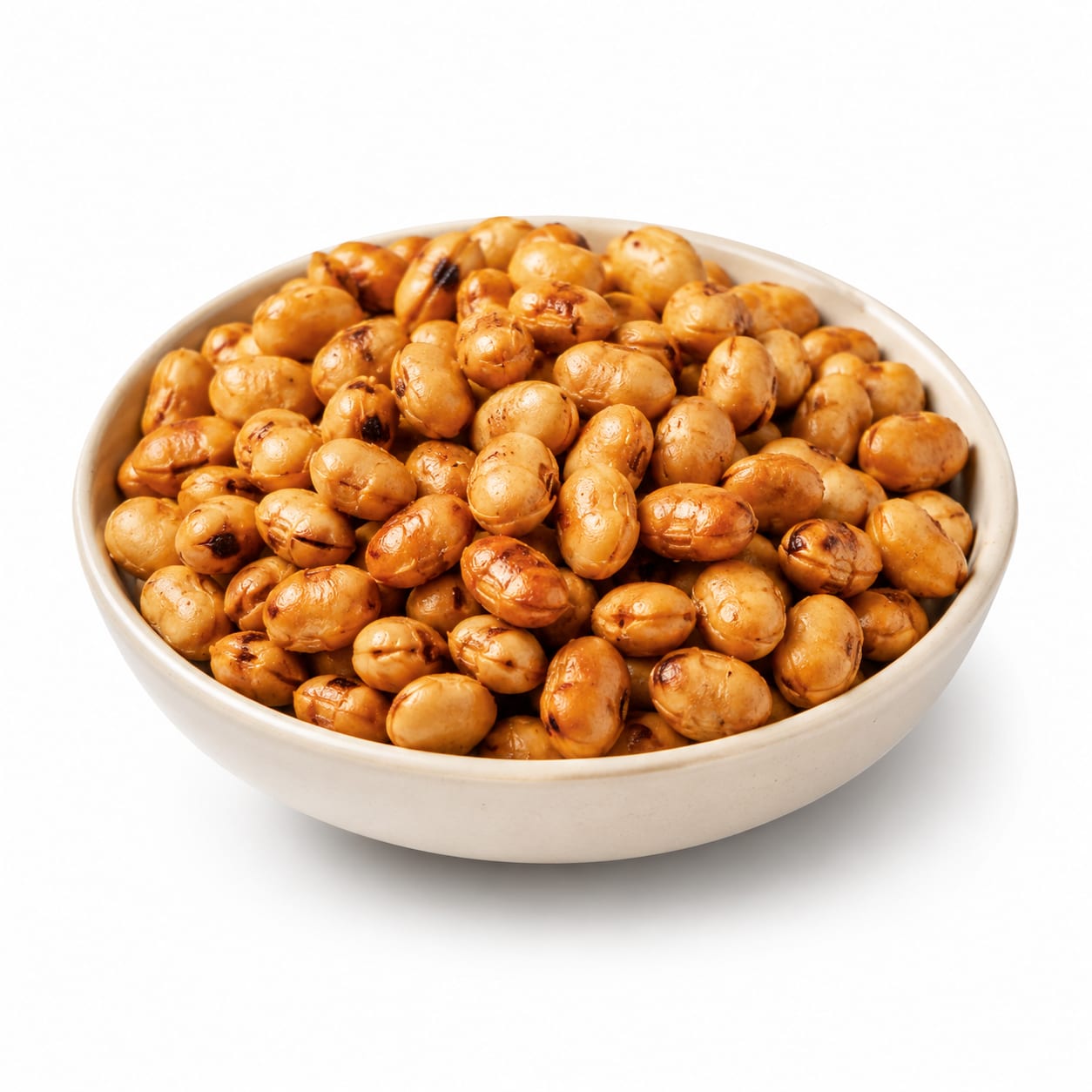
Bambara Groundnut
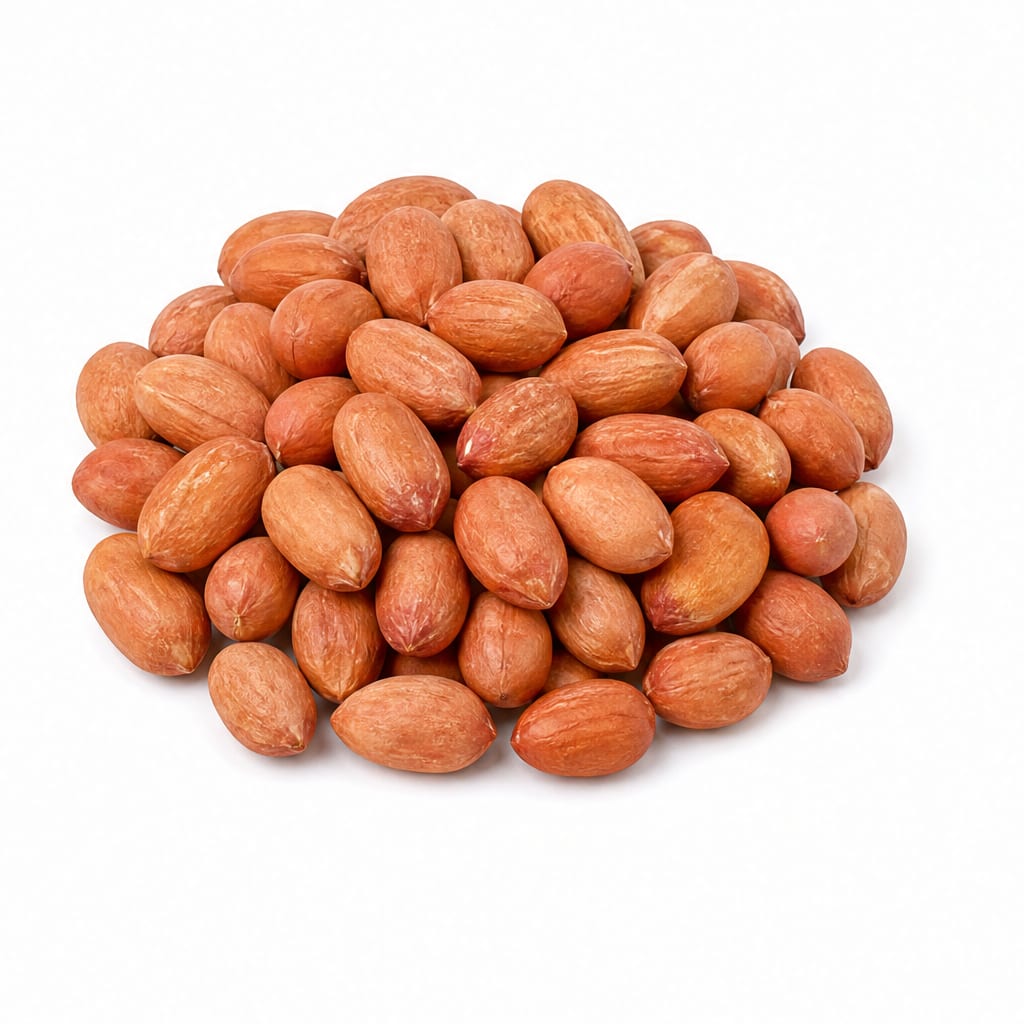
Peanut
Bambara Groundnut is the safer, leaner, more sustainable choice but nearly impossible to find. Peanuts win on convenience, taste familiarity, and protein density but carry serious allergen and contamination risks.
Bambara Groundnut edges ahead on health metrics and safety but loses significantly on practicality. Peanuts score well on protein, availability, and versatility but carry meaningful risks that drag down their overall score. The close margin reflects that most people will realistically choose Peanuts due to access, even if Bambara Groundnut is technically the cleaner option.
Accessibility and flavor familiarity versus safety and nutritional cleanliness. You gain convenience with Peanuts but accept allergen and aflatoxin exposure. You gain peace of mind with Bambara Groundnut but sacrifice easy access.
At a glance
Executive summary
Overall
It depends
Healthier
Bambara Groundnut
More practical
Peanut
Daily use
Peanut
Key comparison lenses
allergenicity safety
Peanut is one of the top global allergens; Bambara Groundnut offers a rare allergen-friendly alternative legume
protein quality for plant diets
Both are legumes relied on for protein in plant-based diets, but amino acid profiles differ meaningfully
aflatoxin contamination risk
Peanuts are notoriously susceptible to aflatoxin; Bambara Groundnut has lower contamination risk
calorie density weight management
Peanuts are fat-dense and calorie-heavy; Bambara Groundnut is leaner, making portion control easier
availability practicality
Peanuts are everywhere and cheap; Bambara Groundnut is niche and harder to source
sustainability climate resilience
Bambara Groundnut thrives in poor soils and drought, making it a climate-resilient crop
Best choice for
Bambara Groundnut
- People with Peanut allergies seeking a legume alternative
- Those prioritizing low-aflatoxin food sources
- Weight-conscious eaters wanting lower calorie density
- Sustainability-focused consumers in arid climates
- Anyone avoiding high-fat legumes
Peanut
- Budget-conscious shoppers needing affordable protein
- Athletes and bodybuilders needing calorie-dense fuel
- People without Peanut allergy seeking everyday convenience
- Cooking applications requiring Peanut butter or Peanut oil
- Those who need widely available shelf-stable protein
Least suitable for
Bambara Groundnut
- People who need immediate grocery availability
- Those unfamiliar with cooking lesser-known legumes
- Anyone wanting a quick ready-to-eat snack option
- Recipes specifically calling for Peanut butter
Peanut
- Anyone with Peanut allergy or household allergy risk
- People highly concerned about aflatoxin exposure
- Those tracking calories closely who struggle with portion control
- Infants being introduced to allergens for the first time
Deep comparison
Dimension by dimension
Each lens scores both foods and breaks down who each option suits.
- Dimension 1 · Priority 95Bambara Groundnut
Allergenicity and Safety Profile
Bambara Groundnut · 92Peanut · 35Bambara Groundnut is not a known major allergen. Peanuts are among the top eight allergens globally, causing severe and potentially fatal reactions.
Tradeoff
Choosing Peanuts means accepting a real anaphylaxis risk for sensitive individuals. Bambara Groundnut provides similar nutritional benefits without the allergen danger.
Why it matters
Peanut allergy affects roughly 1-2% of the population and is one of the most common causes of food-related anaphylaxis. This is not a minor concern for families.
Real-world impact
If you have a Peanut-allergic child at home, even trace Peanut residue can trigger emergency room visits. Bambara Groundnut eliminates that anxiety entirely.
Bambara Groundnut
- Allergy-affected households
- School lunch packing for shared environments
- Shared kitchen spaces with allergy concerns
Better for
- No meaningful allergenicity downside
Worse for
Peanut
- People with confirmed tolerance who want familiar options
Better for
- Daycare and school settings
- Restaurants with cross-contamination risk
- Households with allergic family members
Worse for
- Dimension 2 · Priority 85Bambara Groundnut
Aflatoxin and Contamination Risk
Bambara Groundnut · 85Peanut · 45Peanuts are highly susceptible to aflatoxin, a potent liver carcinogen produced by Aspergillus mold. Bambara Groundnut has significantly lower aflatoxin contamination risk.
Tradeoff
Cheap, widely available Peanuts often come from supply chains with variable quality control. Bambara Groundnut's underground pod structure and lower moisture affinity reduce mold vulnerability.
Why it matters
Long-term aflatoxin exposure is linked to liver cancer and immune suppression. This is especially concerning in tropical regions where storage conditions are poor.
Real-world impact
If you eat Peanut butter daily from a budget brand, you may be accumulating low-level aflatoxin exposure over years. This is invisible and tasteless but biologically meaningful.
Bambara Groundnut
- Long-term daily consumers of legumes
- People in humid tropical climates
- Those who buy from unverified supply chains
Better for
- Still a legume with some mold risk, just lower
Worse for
Peanut
- Premium organic brands with strict testing
- Consumers who rotate foods and do not eat Peanuts daily
Better for
- Budget Peanut products with no aflatoxin testing
- Homegrown Peanuts in humid conditions
- Daily heavy consumers of Peanut butter
Worse for
- Dimension 3 · Priority 88Peanut
Protein Density and Quality
Bambara Groundnut · 70Peanut · 85Peanuts deliver more protein per serving with a slightly more complete amino acid profile. Bambara Groundnut has respectable protein but lower total quantity and slightly lower digestibility.
Tradeoff
Peanets give you more protein per bite, which matters for athletes and growing kids. Bambara Groundnut still provides solid plant protein but you need larger portions to match.
Why it matters
For plant-based eaters, every gram of protein matters. Peanuts are one of the highest-protein legumes available, making them a staple for vegetarians.
Real-world impact
Two tablespoons of Peanut butter deliver about 8g protein. You would need nearly double the Bambara Groundnut paste to hit the same number.
Bambara Groundnut
- Those who eat protein from diverse sources already
- Plant-based eaters in regions where Bambara Groundnut is traditional
Better for
- Bodybuilders needing high protein efficiency
- Anyone counting macros precisely
Worse for
Peanut
- Athletes needing efficient protein intake
- Vegetarians relying on legumes as a primary protein source
- Teenagers with high protein needs
Better for
- People who overeat Peanut butter thinking it is pure protein when it is mostly fat
Worse for
- Dimension 4 · Priority 80Bambara Groundnut
Fat Content and Calorie Density
Bambara Groundnut · 82Peanut · 55Bambara Groundnut is significantly lower in fat and calories, making it easier to manage portions. Peanuts are calorie-dense due to high oil content, which can silently drive overconsumption.
Tradeoff
Peanuts provide heart-healthy monounsaturated fats, but the calorie load adds up fast. Bambara Groundnut offers leaner energy with less risk of accidental overeating.
Why it matters
A handful of Peanuts is roughly 170 calories. A handful of Bambara Groundnut is closer to 110. That difference compounds over weeks.
Real-world impact
Mindless snacking on Peanuts while watching TV can easily add 400+ calories before you notice. Bambara Groundnut is harder to overeat because it is less moreish and lower in fat.
Bambara Groundnut
- Weight loss diets requiring calorie awareness
- People who snack mindlessly
- Those tracking daily energy intake
Better for
- Those who need calorie-dense recovery food post-exercise
Worse for
Peanut
- Underweight individuals needing calorie surplus
- Endurance athletes needing dense fuel
- Hikers and backpackers needing lightweight calories
Better for
- Emotional eaters
- Late-night snackers
- Anyone cutting calories
Worse for
- Dimension 5 · Priority 72It depends
Micronutrient Density
Bambara Groundnut · 75Peanut · 78Peanuts excel in vitamin E, niacin, and folate. Bambara Groundnut shines in iron, calcium, and potassium. Both offer strong but different micronutrient profiles.
Tradeoff
Peanuts support skin health and energy metabolism better. Bambara Groundnut supports bone health and blood oxygenation better. Neither dominates across the board.
Why it matters
If you are anemic, Bambara Groundnut's iron content matters more. If you are pregnant, Peanut's folate content matters more.
Real-world impact
A pregnant woman would benefit more from Peanut's folate. A menstruating athlete would benefit more from Bambara Groundnut's iron.
Bambara Groundnut
- Iron-deficient individuals
- Women with heavy menstrual cycles
- Older adults needing calcium support
Better for
- Pregnant women prioritizing folate
Worse for
Peanut
- Pregnant women needing folate
- People wanting vitamin E for skin health
- Those with low niacin intake
Better for
- Anemic individuals needing iron
Worse for
- Dimension 6 · Priority 78Bambara Groundnut
Blood Sugar Stability
Bambara Groundnut · 80Peanut · 68Bambara Groundnut has a lower glycemic index and higher fiber-to-carb ratio, leading to steadier blood sugar. Peanuts are also low GI but their high fat content can delay glucose absorption unpredictably in some people.
Tradeoff
Both are far better than refined carbs, but Bambara Groundnut provides more predictable, gentle blood sugar responses.
Why it matters
For diabetics and prediabetics, predictable glucose response reduces the mental burden of blood sugar management.
Real-world impact
A Bambara Groundnut-based meal keeps you satisfied longer without the subtle energy dip that high-fat meals can cause in insulin-resistant individuals.
Bambara Groundnut
- Type 2 diabetics
- Insulin-resistant individuals
- Those monitoring glycemic load closely
Better for
- No meaningful downside for blood sugar
Worse for
Peanut
- Healthy individuals who tolerate fat well
- Athletes who need slow-release energy during endurance events
Better for
- Insulin-resistant people combining Peanuts with high-carb meals
Worse for
- Dimension 7 · Priority 75Peanut
Availability and Practical Convenience
Bambara Groundnut · 25Peanut · 95Peanuts are available in virtually every grocery store worldwide in dozens of forms. Bambara Groundnut is a specialty item found primarily in African markets, online specialty shops, or health food stores.
Tradeoff
You can grab Peanut butter anywhere for cheap. Sourcing Bambara Groundnut requires effort, planning, and often higher cost.
Why it matters
The healthiest food in the world is useless if you cannot buy it. Practicality drives real-world dietary choices more than nutritional perfection.
Real-world impact
A busy parent will reach for Peanut butter at 7am because it is in the pantry. They will not special-order Bambara Groundnut flour online and wait five days.
Bambara Groundnut
- Residents of West and Southern Africa where it is locally grown
- Dedicated health enthusiasts willing to order online
- Home gardeners in warm climates
Better for
- Rural areas without specialty food access
- Last-minute meal prep situations
- People who cannot afford premium ingredient shipping
Worse for
Peanut
- Everyone else
- Travelers needing reliable protein anywhere
- Budget-limited households
Better for
- No meaningful availability downside
Worse for
- Dimension 8 · Priority 70Bambara Groundnut
Environmental Sustainability
Bambara Groundnut · 90Peanut · 65Bambara Groundnut thrives in poor, sandy soils with minimal water and no fertilizer. Peanuts require more water, specific soil conditions, and are often grown in intensive monocultures.
Tradeoff
Bambara Groundnut is a climate-resilient superfood that could feed millions in drought-prone regions. Peanuts, while nitrogen-fixing, have a larger environmental footprint in commercial farming.
Why it matters
As climate change accelerates, crops that grow with minimal inputs become critical for food security.
Real-world impact
A farmer in semi-arid sub-Saharan Africa can grow Bambara Groundnut reliably with no irrigation. The same farmer may lose a Peanut crop to drought.
Bambara Groundnut
- Climate-conscious consumers
- Supporters of indigenous crop biodiversity
- People in arid growing regions
Better for
- No meaningful sustainability downside
Worse for
Peanut
- Those buying from sustainable Peanut farms
- Consumers with no access to Bambara Groundnut supply chains
Better for
- Commercial Peanut monocultures with heavy pesticide use
- Water-intensive farming regions
Worse for
Timeline
Health impact over time
Short-term
Hours to days
Bambara Groundnut
- Steady energy without blood sugar spikes
- Good satiety from high fiber content
- Possible digestive adjustment if unused to high-fiber legumes
- Safe for Peanut-allergic individuals
Peanut
- Quick satisfying energy from fat-protein combo
- Risk of allergic reaction in sensitive individuals
- Easy to overeat due to high palatability and calorie density
- Immediate satiety but possible later energy dip
Long-term
Months to years
Bambara Groundnut
- Lower cumulative aflatoxin exposure reduces liver cancer risk
- Consistent fiber intake supports gut microbiome diversity
- Lower calorie density helps maintain healthy weight long-term
- Iron and calcium support bone density and blood health over decades
Peanut
- Monounsaturated fats support cardiovascular health when portions are controlled
- Chronic aflatoxin exposure risk with poor-quality sources
- Possible development of Peanut allergy with heavy early exposure in children
- Vitamin E and niacin support skin and neurological health long-term
Risk profile
Safety & processing
Bambara Groundnut is typically sold whole or as flour with minimal processing. Peanuts often come as roasted salted nuts, Peanut butter with added oils and sugars, or flavored snacks. The more processed the Peanut product, the further it drifts from a whole food.
Bambara Groundnut
Antinutritional factors (tannins, phytates)
lowReduced significantly by soaking and cooking. Not a concern with proper preparation, which is standard for dried legumes.
Limited allergen data
lowBecause Bambara Groundnut is less studied, rare allergic reactions are possible but undocumented at scale. No cross-reactivity with Peanut allergy has been established.
Peanut
Aflatoxin contamination
highAspergillus flavus mold produces aflatoxin, a potent liver carcinogen. Risk is highest in warm humid storage conditions and budget supply chains without testing.
Severe allergic reactions
highPeanut allergy can cause anaphylaxis, a life-threatening reaction requiring epinephrine. Trace contamination in processed foods is a persistent danger.
Added sodium and hydrogenated oils in processed forms
mediumCommercial Peanut butter often contains added salt, sugar, and hydrogenated oils. These undermine the health benefits of whole Peanuts.
Who wins for whom
Audience fit
Same foods, different winners depending on your goal.
children
It dependsBambara Groundnut is safer for allergic children but harder to find and less palatable. Peanuts are nutrient-dense but carry allergen risk, especially for young children with family allergy history.
daily consumption
PeanutPracticality wins. Peanuts are accessible, affordable, and easy to incorporate daily. Bambara Groundnut's limited availability makes daily use unrealistic for most people.
diabetes
Bambara GroundnutLower glycemic index and higher fiber ratio provide more predictable blood sugar responses without the fat-delayed glucose effect.
elderly
Bambara GroundnutLower calorie density and higher calcium and iron content align better with elderly nutritional needs. Aflatoxin risk is more concerning with aging liver function.
muscle gain
PeanutHigher protein content per serving and calorie density support muscle-building diets where surplus energy is needed.
weight loss
Bambara GroundnutLower calorie density and higher fiber make Bambara Groundnut easier to eat in controlled portions without feeling deprived.
Your move
Decision guide
Choose Bambara Groundnut
- You or a family member has Peanut allergy
- You are concerned about long-term aflatoxin exposure
- You want a lower-calorie legume for weight management
- You live in or source from regions where Bambara Groundnut is available
- You prioritize climate-resilient and sustainable food choices
Choose Peanut
- You have no Peanut allergy and want affordable accessible protein
- You need calorie-dense fuel for athletic performance
- You want a versatile ingredient available in any grocery store
- You cook recipes that specifically require Peanut butter or Peanut oil
- You are on a tight budget and need maximum nutrition per dollar
Either works if
- You want plant-based protein and have no allergy concerns
- You are comfortable rotating between different legumes for variety
- You value both sustainability and practicality and can balance them
Avoid both if
- You have a general legume allergy or sensitivity
- You are on a strict low-fodmap diet during elimination phase
- You have gout and are managing purine intake strictly
Final recommendation
If you can find Bambara Groundnut, it is the cleaner, safer, more sustainable choice, especially for daily legume consumption. But for most people, Peanuts will remain the practical default. The best approach: use Peanuts in moderation from quality-tested sources, and explore Bambara Groundnut when you can access it. Neither is a wrong choice, but understanding the tradeoffs helps you eat with intention rather than habit alone.
Practical
Consumer tips
- 1
Buy Peanut butter brands that list only Peanuts and salt. Avoid hydrogenated oils and added sugars.
- 2
If sourcing Bambara Groundnut, look for whole dried seeds from reputable African food importers or specialty online retailers.
- 3
Soak and cook Bambara Groundnut thoroughly to reduce antinutritional factors, just as you would with any dried bean.
- 4
Store Peanuts in cool, dry conditions to minimize aflatoxin risk. Refrigerate Peanut butter after opening.
- 5
If you have Peanut allergy, Bambara Groundnut is a promising alternative but introduce it cautiously and consult your allergist first.
- 6
Rotate your legume intake. Eating only one type daily increases exposure to that food's specific risk profile.
- 7
For the most sustainable Peanut choice, look for brands that test for aflatoxin and source from regenerative farms.