
Nutrition comparison
Bambara Groundnut vs Mung Bean: Nutrition, Digestibility, and Which to Choose
Compare Bambara Groundnut and Mung Bean side by side — protein quality, iron content, digestibility, cooking convenience, and which legume fits your diet best.
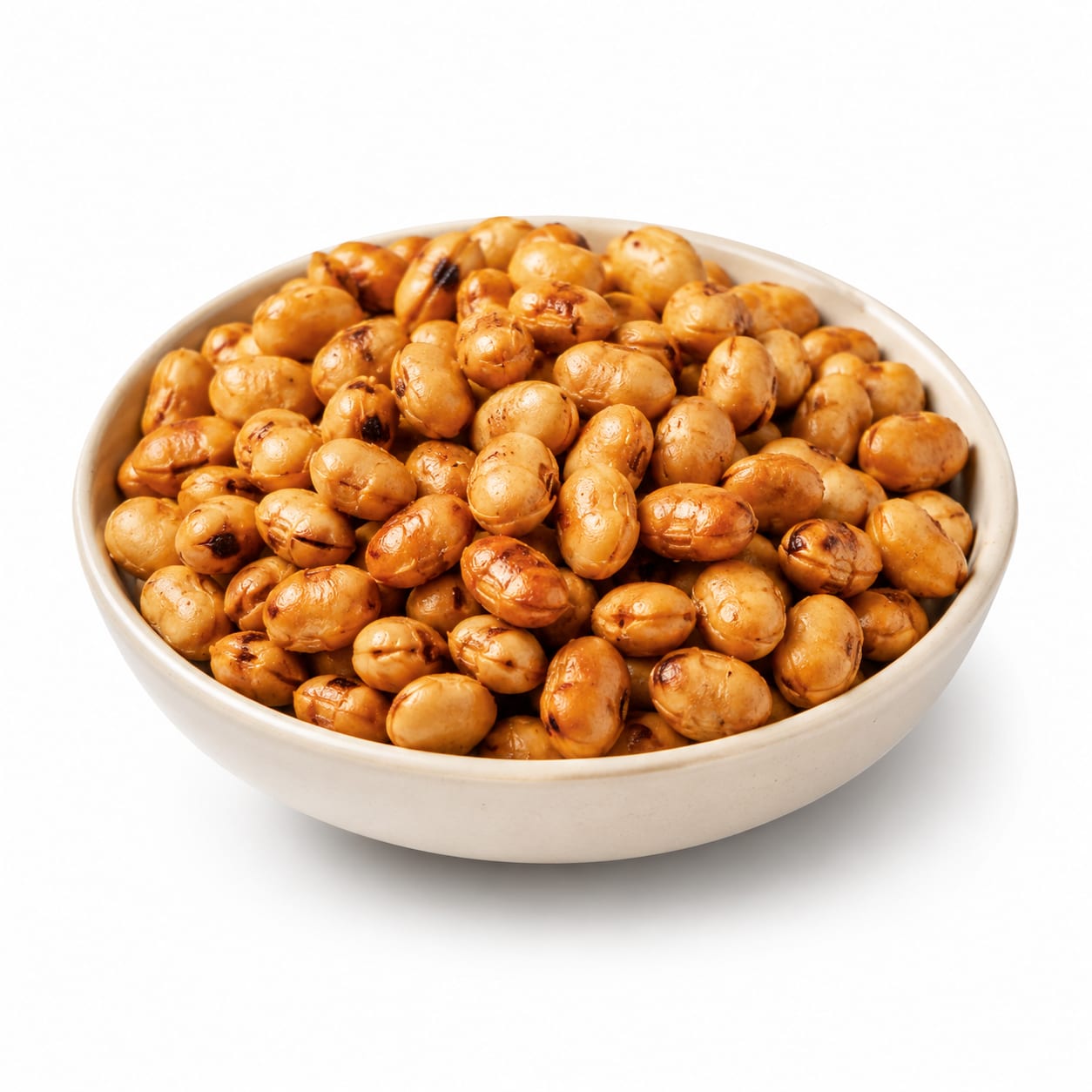
Bambara Groundnut
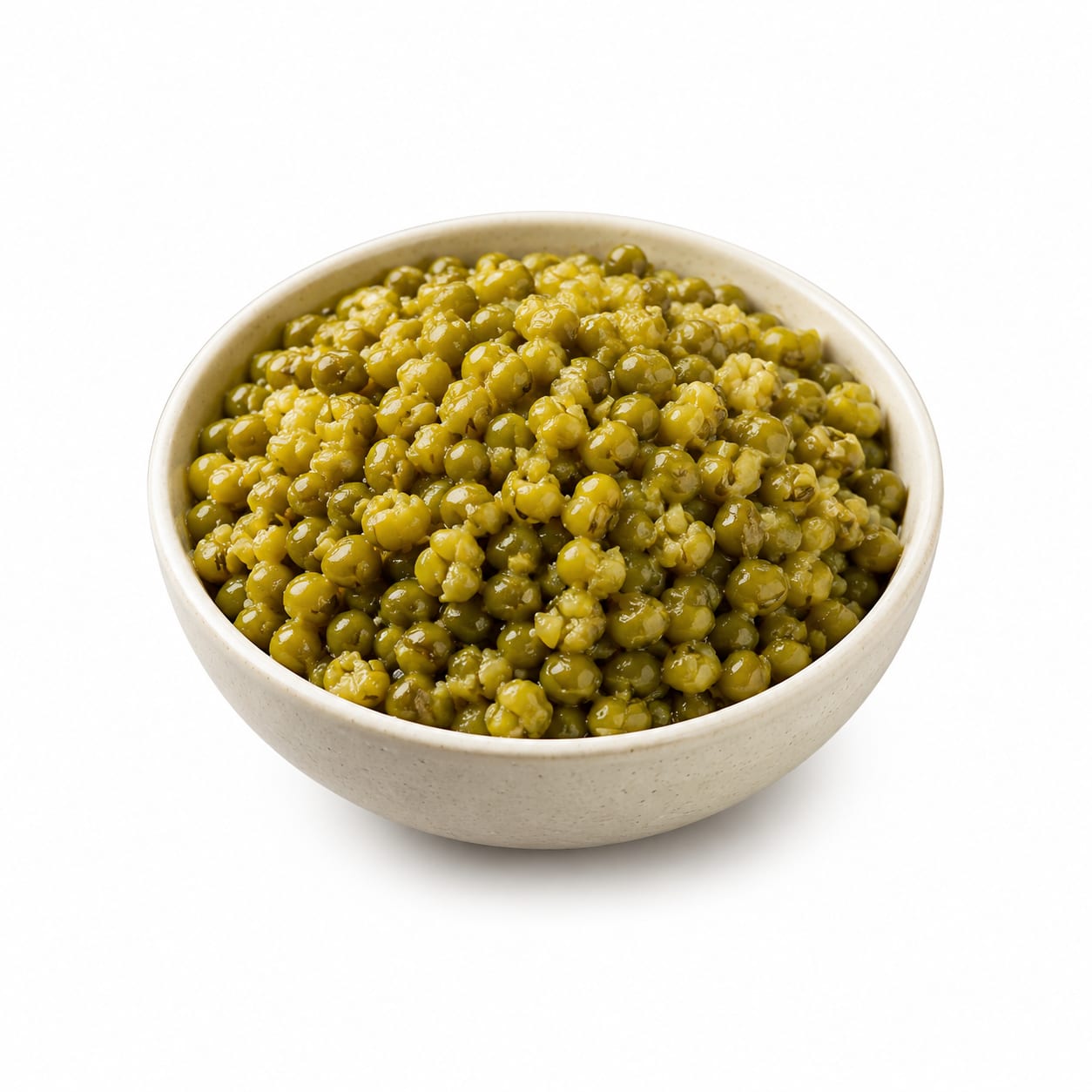
Mung Bean
Bambara Groundnut wins on mineral density and amino acid balance, but Mung Bean wins on digestibility, convenience, and everyday practicality.
Mung Bean edges ahead slightly due to superior practicality and digestibility, but Bambara Groundnut's nutritional density keeps it competitive. The close scores reflect that neither dominates — the winner depends entirely on your priorities.
You trade the superior nutrition of Bambara Groundnut for the comfort and ease of Mung Beans — one is the powerhouse, the other is the daily driver.
At a glance
Executive summary
Overall
It depends
Healthier
Bambara Groundnut
More practical
Mung Bean
Daily use
Mung Bean
Key comparison lenses
Protein quality and amino acid completeness for plant-based diets
Both are legumes relied on for protein, but their amino acid profiles differ meaningfully — Bambara Groundnut is notably richer in methionine, a limiting amino acid in most legumes
Digestive tolerance and gas-free legume options
Mung Beans are famously easy to digest, while Bambara Groundnuts are denser and can cause more bloating — a major real-world deciding factor
Mineral density for anemia and bone health
Bambara Groundnut significantly outperforms Mung Beans in iron and calcium, making this a key differentiator for vulnerable populations
Cooking convenience and everyday practicality
Mung Beans cook quickly and are widely available; Bambara Groundnuts require long soaking and are harder to find, which heavily influences daily use
Blood sugar management and glycemic impact
Both are low-glycemic legumes, but differences in fiber type and starch composition matter for sustained energy
Best choice for
Bambara Groundnut
- People with iron-deficiency anemia needing plant-based iron
- Those seeking the most complete amino acid profile from a single legume
- Populations in arid regions where Bambara Groundnut is locally grown
- Anyone wanting a calorie-dense, filling legume for sustained energy
Mung Bean
- People with sensitive digestion who struggle with other legumes
- Busy cooks wanting a fast-cooking, no-soak protein source
- Anyone managing blood sugar who wants a gentle, low-glycemic food
- Those new to legumes who want an easy entry point
Least suitable for
Bambara Groundnut
- People prone to bloating or IBS who need easily digestible foods
- Anyone short on time who cannot manage long soaking and cooking
- Those outside Africa or specialty markets where availability is limited
Mung Bean
- Those needing maximum iron and calcium from a single food
- People wanting a calorie-dense legume for heavy physical labor or weight gain
- Anyone seeking a more complete amino acid profile without combining foods
Deep comparison
Dimension by dimension
Each lens scores both foods and breaks down who each option suits.
- Dimension 1 · Priority 92Bambara Groundnut
Protein Quality and Amino Acid Completeness
Bambara Groundnut · 85Mung Bean · 72Bambara Groundnut provides a more complete amino acid profile, especially methionine, which is the limiting amino acid in most legumes including Mung Beans.
Tradeoff
Bambara Groundnut gives you better amino acid balance in a single food, but Mung Beans are still adequate when paired with grains — which is how most people eat them anyway.
Why it matters
If you rely heavily on legumes as your primary protein source and eat them in isolation, the methionine advantage of Bambara Groundnut becomes genuinely important.
Real-world impact
A bowl of Bambara Groundnut stew alone covers more of your essential amino acid needs than the same amount of Mung Bean dal — but add rice to that dal and the gap nearly disappears.
Bambara Groundnut
- Vegans not regularly combining legumes with grains
- Single-food protein meals in resource-limited settings
Better for
- Quick meals where you are eating legumes alone without grain pairing
Worse for
Mung Bean
- Meals already paired with rice, quinoa, or bread
- Protein-rich breakfast porridges where completeness comes from mix-ins
Better for
- Strictly plant-based diets with limited food variety
Worse for
- Dimension 2 · Priority 88Mung Bean
Digestive Comfort and Gut Tolerance
Bambara Groundnut · 55Mung Bean · 90Mung Beans are one of the easiest legumes to digest, producing minimal gas. Bambara Groundnuts are denser and more likely to cause bloating.
Tradeoff
You get more nutrition per bite from Bambara Groundnut, but your stomach may protest. Mung Beans are the gentle choice your gut will thank you for.
Why it matters
For anyone with IBS, sensitive digestion, or a history of avoiding beans due to gas, this difference is the single most important factor.
Real-world impact
Mung Bean soup feels light and comforting even on a delicate stomach. Bambara Groundnut porridge sits heavy and can leave you bloated if you are not used to it.
Bambara Groundnut
- People with robust digestion accustomed to high-fiber legumes
- Those wanting prolonged fullness from a heavy meal
Better for
- Evening meals before lying down
- First-time legume eaters
Worse for
Mung Bean
- Anyone with IBS or sensitive digestion
- Older adults with slower digestion
- Post-illness recovery eating requiring gentle foods
Better for
- Situations where you want maximum calorie density in a small serving
Worse for
- Dimension 3 · Priority 85Bambara Groundnut
Mineral Density (Iron, Calcium, Potassium)
Bambara Groundnut · 88Mung Bean · 62Bambara Groundnut is significantly richer in iron, calcium, and potassium — minerals that are often deficient in plant-based diets.
Tradeoff
The mineral advantage is substantial and real, but anti-nutrients like phytates in Bambara Groundnut can reduce absorption. Proper preparation (soaking, sprouting) helps close this gap for Mung Beans.
Why it matters
For women of reproductive age, children, and anyone at risk of anemia, Bambara Groundnut's iron content is a meaningful advantage.
Real-world impact
A serving of Bambara Groundnut can contribute meaningfully toward daily iron needs, while Mung Beans would require pairing with vitamin C foods or larger portions to achieve the same.
Bambara Groundnut
- Women with heavy menstrual cycles needing iron support
- Plant-based eaters concerned about calcium intake
- Populations in regions with widespread mineral deficiencies
Better for
- Meals not properly soaked or prepared, leaving phytates to block absorption
Worse for
Mung Bean
- Those already taking mineral supplements where food-source iron matters less
- People who sprout their legumes to boost mineral bioavailability
Better for
- Reliance on Mung Beans as a primary mineral source without supplementation
Worse for
- Dimension 4 · Priority 80Mung Bean
Cooking Convenience and Availability
Bambara Groundnut · 40Mung Bean · 88Mung Beans cook in 20-30 minutes without soaking and are available in nearly any grocery store. Bambara Groundnuts require hours of soaking and cooking and are hard to find outside Africa and specialty suppliers.
Tradeoff
The nutritional powerhouse comes with a real time cost. Mung Beans are weeknight-friendly; Bambara Groundnuts are weekend-project food.
Why it matters
The best nutritious food is the one you actually cook and eat. If Bambara Groundnut sits in your pantry because it is too much effort, Mung Beans win by default.
Real-world impact
You can decide to make Mung Bean dal at 6 PM and be eating by 6:30. Bambara Groundnut stew requires planning ahead — soaking the night before and over an hour of cooking.
Bambara Groundnut
- Batch cooking on weekends for the whole week
- Cultures where Bambara Groundnut is traditional and preparation is routine
Better for
- Spontaneous meals with no prep time
- Urban dwellers far from specialty grocers
Worse for
Mung Bean
- Weeknight dinners after a long workday
- Beginner cooks intimidated by legume preparation
- Anyone without access to specialty African or Asian markets
Better for
- Culinary traditions where Bambara Groundnut dishes are culturally irreplaceable
Worse for
- Dimension 5 · Priority 75Bambara Groundnut
Blood Sugar Stability and Satiety
Bambara Groundnut · 82Mung Bean · 78Both are low-glycemic, but Bambara Groundnut's higher fat and fiber content provides slightly steadier energy release and longer-lasting fullness.
Tradeoff
Bambara Groundnut keeps you fuller for longer, but Mung Beans are light enough to eat larger portions without feeling sluggish — a tradeoff between density and comfort.
Why it matters
For sustained energy during physical work or long gaps between meals, Bambara Groundnut's density is an asset. For lighter meals, Mung Beans feel better.
Real-world impact
A Bambara Groundnut breakfast can carry you to lunch without a crash. Mung Bean porridge is gentler but may leave you hungry an hour sooner.
Bambara Groundnut
- Manual laborers needing sustained energy
- Intermittent fasters breaking a fast with maximum satiety
- Those trying to reduce snacking between meals
Better for
- Hot days when heavy food feels unappealing
Worse for
Mung Bean
- Light lunches before afternoon work where heaviness causes sleepiness
- Pre-workout meals that should not sit heavy
Better for
- Long stretches without access to food where satiety matters
Worse for
- Dimension 6 · Priority 70Mung Bean
Versatility and Culinary Use
Bambara Groundnut · 58Mung Bean · 85Mung Beans can be sprouted, made into flour, cooked as dal, turned into desserts, or used in soups and stews. Bambara Groundnut is more limited in traditional applications.
Tradeoff
Mung Beans give you more ways to eat them, which means less recipe fatigue. Bambara Groundnut excels in specific traditional dishes but has a narrower range.
Why it matters
Variety is key to sticking with any healthy eating pattern. A food you can use ten ways beats one you can use two ways.
Real-world impact
Mung Beans can be breakfast porridge, lunch dal, afternoon sprout salad, or even a sweet pudding. Bambara Groundnut is mostly savory stews and porridges.
Bambara Groundnut
- Traditional West and Central African cuisine where it shines
- Hearty stew applications where its nutty flavor is the star
Better for
- Anyone wanting to sprout — Bambara Groundnut sprouts are less common and less reliable
Worse for
Mung Bean
- Meal preppers wanting one ingredient for multiple dishes
- Home cooks exploring Asian-inspired recipes
- Sprouting enthusiasts wanting quick, crunchy sprouts
Better for
- Recipes specifically calling for a dense, nutty groundnut flavor
Worse for
Timeline
Health impact over time
Short-term
Hours to days
Bambara Groundnut
- Provides long-lasting fullness due to high fat and fiber content
- May cause bloating or gas if not thoroughly soaked and cooked
- Delivers a noticeable energy boost from calorie density and iron content
Mung Bean
- Feels light and easy on the stomach, even in generous portions
- Provides quick but gentle energy without heaviness or sluggishness
- Rarely causes digestive discomfort, making it ideal for sensitive days
Long-term
Months to years
Bambara Groundnut
- Supports iron status and may help prevent anemia with regular consumption
- Contributes meaningfully to calcium intake for bone health on plant-based diets
- May support healthy weight maintenance through high satiety, though calorie density requires portion awareness
Mung Bean
- Supports cardiovascular health through low fat and high fiber intake
- Regular consumption is associated with improved blood sugar regulation
- Gentle enough for consistent daily use, making long-term adherence easier
Risk profile
Safety & processing
Both foods are typically sold as whole, dried legumes with minimal processing. Neither commonly contains additives, preservatives, or artificial ingredients in their basic form. The main concern is sourcing quality — organic options reduce pesticide exposure for both.
Bambara Groundnut
Anti-nutrient content (phytates and tannins)
mediumBambara Groundnut contains phytates and tannins that can reduce mineral absorption. Thorough soaking, sprouting, or fermentation significantly reduces these compounds.
Hard-to-cook defect from long storage
lowLike many legumes, prolonged storage under humid conditions can cause the hard-to-cook defect, making them nearly impossible to soften regardless of cooking time.
Mung Bean
Contamination in sprouted form
mediumHome-sprouted Mung Beans can harbor Salmonella or E. coli if hygiene is poor. Commercial sprouts carry similar risks. Cooking eliminates this concern.
Mycotoxin exposure from poor storage
lowDried Mung Beans stored in damp conditions can develop mold and mycotoxins. Proper dry storage eliminates this risk.
Who wins for whom
Audience fit
Same foods, different winners depending on your goal.
children
Mung BeanMung Beans are easier to digest, cook into softer textures, and are less likely to cause stomach discomfort in children. Their mild flavor is also more kid-friendly.
daily consumption
Mung BeanDaily use demands digestibility, convenience, and variety. Mung Beans excel on all three, making them the more sustainable everyday choice for most people.
diabetes
It dependsBoth are low-glycemic. Bambara Groundnut provides steadier energy due to higher fat and fiber, but Mung Beans allow more flexible portion control. Individual response matters more than the food choice here.
elderly
Mung BeanOlder adults often have slower digestion and smaller appetites. Mung Beans are gentler on the gut and easier to eat in small, frequent meals.
muscle gain
Bambara GroundnutBambara Groundnut's higher calorie density, more complete amino acid profile, and greater iron content better support muscle recovery and growth, especially in plant-based diets.
weight loss
Mung BeanMung Beans are lower in calories per serving and easier to eat in controlled portions without feeling overly full or heavy, making them more sustainable for calorie-conscious eating.
Your move
Decision guide
Choose Bambara Groundnut
- You need maximum iron and calcium from plant sources
- You have robust digestion and enjoy dense, filling meals
- You want the most nutritionally complete single legume for a plant-based diet
- You have access to Bambara Groundnuts and are comfortable with long preparation
- You are cooking for physical laborers or athletes needing calorie density
Choose Mung Bean
- You want a legume you can actually eat every day without discomfort
- You value quick cooking and weeknight-friendly meals
- You have sensitive digestion or a history of bloating with beans
- You enjoy sprouting or want a versatile ingredient for multiple cuisines
- You are new to legumes and want the gentlest introduction
Either works if
- You are simply looking for a healthy, plant-based protein source
- You are combining legumes with grains, making amino acid differences less relevant
- You are batch-cooking legumes for the week and both fit your meal plan
Avoid both if
- You have a diagnosed legume allergy
- You are on a very low-carb or ketogenic diet — both are carb-rich
- You have severe FODMAP sensitivity and cannot tolerate any legumes even in small amounts
Final recommendation
For most people, Mung Beans are the smarter daily choice — they are easier to cook, gentler on digestion, and versatile enough to prevent meal fatigue. But if you are plant-based and concerned about iron, calcium, or amino acid completeness, Bambara Groundnut is worth the extra effort. The ideal approach? Use Mung Beans as your everyday legume and incorporate Bambara Groundnut a few times a week for its mineral and amino acid benefits.
Practical
Consumer tips
- 1
Soak Bambara Groundnuts overnight with a pinch of baking soda to reduce cooking time and anti-nutrients
- 2
If Bambara Groundnuts are hard to find, look in African or Caribbean grocery stores, or order online from specialty suppliers
- 3
Sprout Mung Beans at home for a crunchy, enzyme-rich addition to salads — just rinse twice daily and consume within 3-4 days
- 4
Pair either legume with vitamin C-rich foods like tomatoes or bell peppers to boost iron absorption significantly
- 5
If Mung Beans still cause you gas, try the split and hulled yellow version (mung dal) — it is the gentlest form available
- 6
For Bambara Groundnut, try fermenting or making a traditional porridge — these preparation methods unlock more nutrition than boiling alone