
Nutrition comparison
Bambara Groundnut vs Chickpea: Nutrition, Protein, and Which Legume Wins
Compare Bambara groundnut and chickpea side by side. Discover which legume offers more iron, better protein, and easier daily use for your health goals.
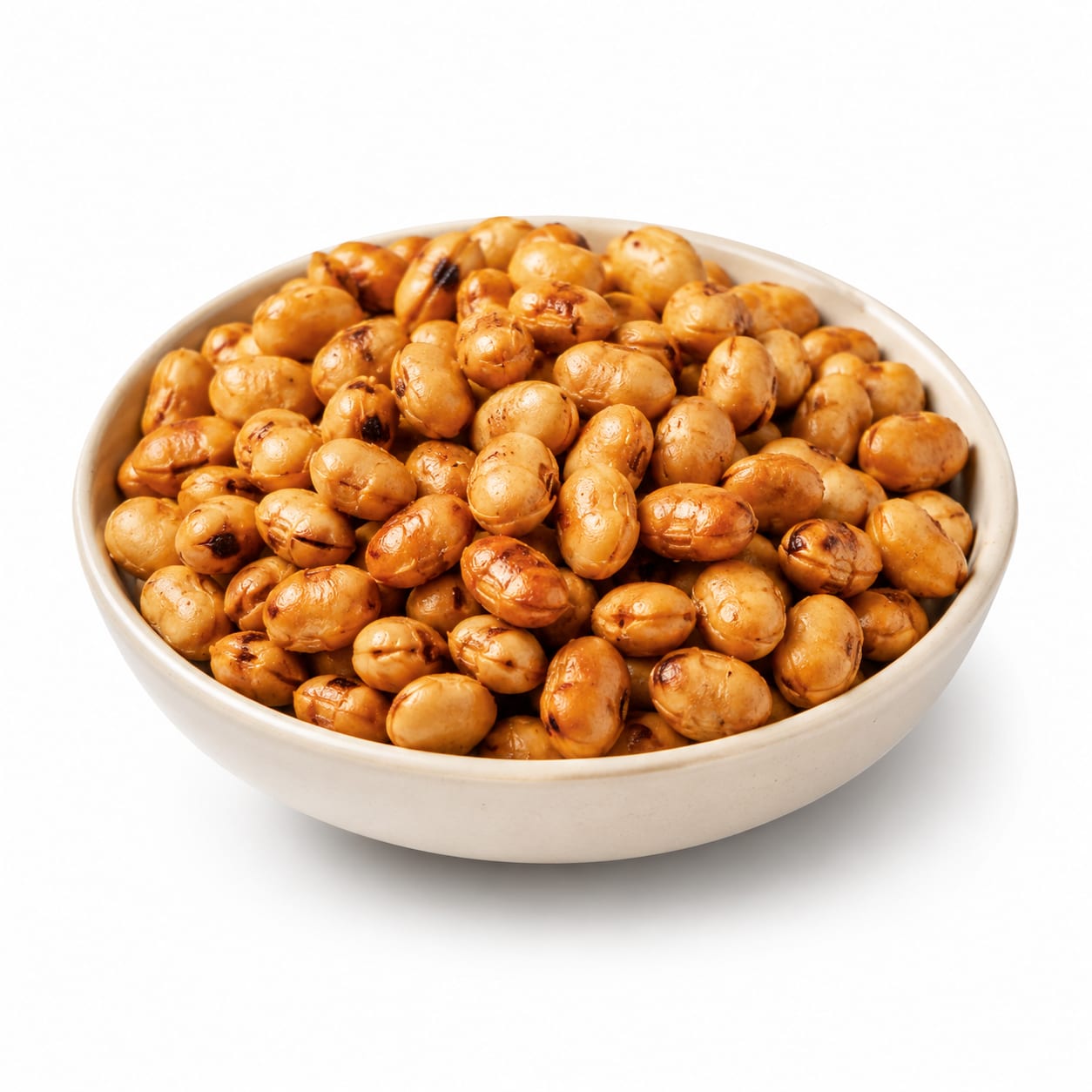
Bambara Groundnut
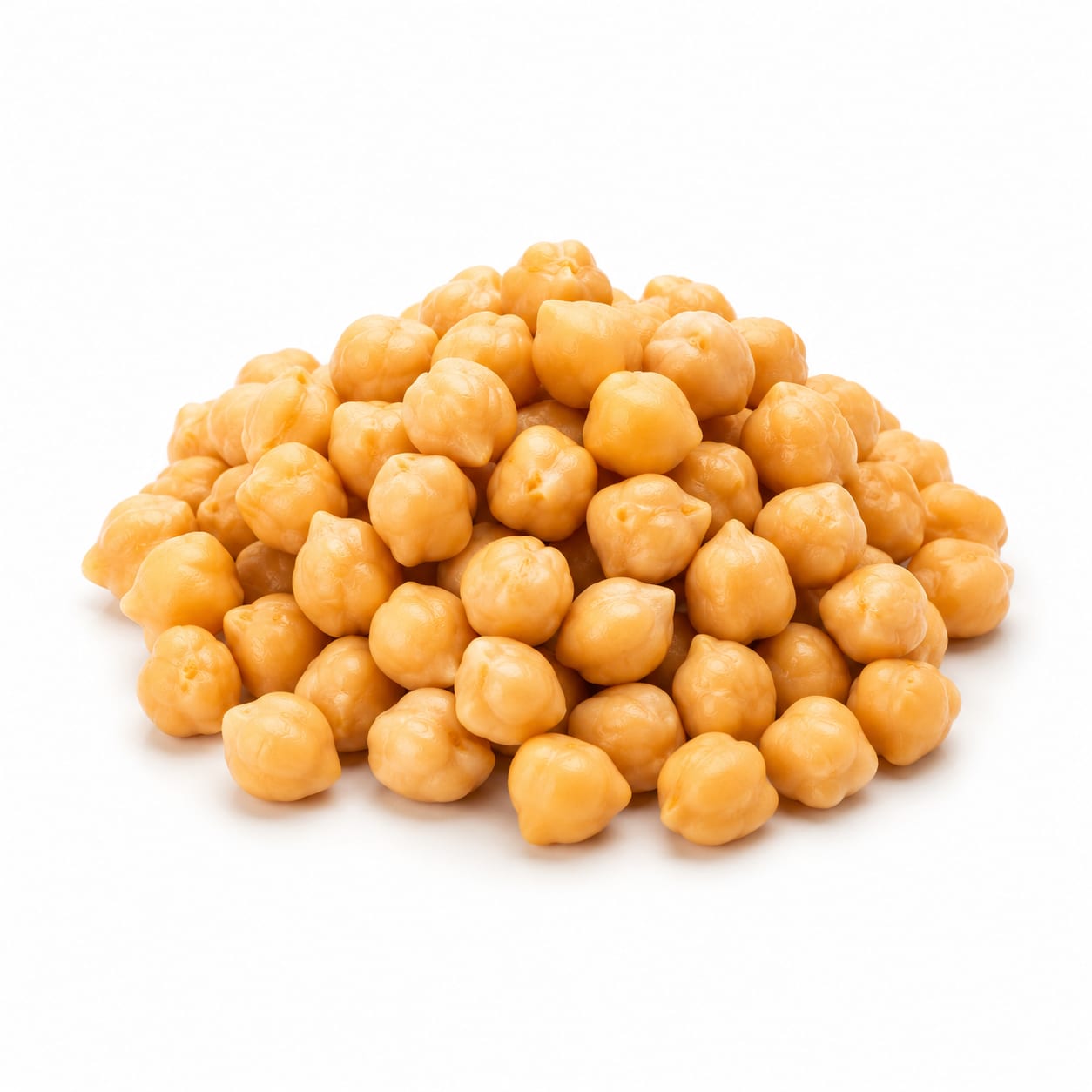
Chickpea
Bambara groundnut wins on raw nutrition density and protein completeness, but chickpea wins on practicality, digestibility, and everyday usability.
Bambara groundnut edges ahead nutritionally but loses ground on accessibility and ease of use. Chickpea's versatility and global availability make it the more sustainable daily choice for most people.
Superior micronutrient profile and more complete protein versus global availability, easier digestion, and culinary flexibility.
At a glance
Executive summary
Overall
It depends
Healthier
Bambara Groundnut
More practical
Chickpea
Daily use
Chickpea
Key comparison lenses
protein quality and amino acid completeness
Bambara groundnut is unusually rich in methionine for a legume, making its protein profile more complete than most pulses including chickpeas
mineral density and micronutrient advantage
Bambara groundnut delivers significantly more iron, calcium, and potassium per serving, which matters for anemia prevention and bone health
practical availability and cooking versatility
Chickpeas are globally available and culinary staples in dozens of cuisines, while Bambara groundnuts remain niche and harder to source
blood sugar stability and glycemic impact
Both are low-glycemic legumes, but Bambara groundnut's higher protein-to-carb ratio may offer slightly steadier blood sugar control
digestive tolerance and anti-nutrient load
Bambara groundnut contains more tannins and trypsin inhibitors, which can reduce nutrient absorption and cause digestive discomfort if undercooked
Best choice for
Bambara Groundnut
- Those seeking maximum iron and calcium from plant sources
- Anyone wanting the most complete plant protein available in a legume
- People in arid regions where Bambara groundnut is locally grown
- Nutrition-conscious eaters focused on micronutrient density
Chickpea
- Busy households wanting a versatile, easy-to-find legume
- Anyone new to plant-based eating who needs approachable options
- People with sensitive digestion who tolerate chickpeas well
- Meal preppers who want something that works in salads, stews, and dips
Least suitable for
Bambara Groundnut
- People who cannot source it reliably or affordably
- Anyone prone to digestive issues from tannin-rich foods
- Those who need quick-cooking weeknight meal options
Chickpea
- Individuals with severe chickpea or legume allergies
- Those specifically seeking the highest possible iron density from a single legume serving
Deep comparison
Dimension by dimension
Each lens scores both foods and breaks down who each option suits.
- Dimension 1 · Priority 92Bambara Groundnut
Protein Quality and Completeness
Bambara Groundnut · 88Chickpea · 72Bambara groundnut provides a more complete amino acid profile, particularly excelling in methionine, which most legumes lack.
Tradeoff
You get better protein completeness with Bambara groundnut, but chickpea protein is still adequate and far easier to eat regularly.
Why it matters
Methionine is often the limiting amino acid in plant-based diets. Getting it from a legume reduces reliance on other protein sources.
Real-world impact
If you eat mostly plants, Bambara groundnut helps close amino acid gaps without needing to combine foods as carefully.
Bambara Groundnut
- Vegans needing complete protein sources
- Athletes seeking efficient muscle recovery from legumes
Better for
- Those who cannot find it in stores
- People who find the taste or texture unappealing
Worse for
Chickpea
- Omnivores who already get methionine from eggs or fish
- Anyone eating varied protein sources throughout the day
Better for
- Strict vegans relying heavily on legumes for all essential amino acids
Worse for
- Dimension 2 · Priority 88Bambara Groundnut
Mineral Density
Bambara Groundnut · 91Chickpea · 68Bambara groundnut delivers substantially more iron, calcium, and potassium per serving than chickpeas.
Tradeoff
Higher mineral content comes with more anti-nutrients that can block absorption, so proper preparation is essential.
Why it matters
Iron deficiency is the most common nutrient deficiency worldwide. Calcium matters for bone health, especially in dairy-free diets.
Real-world impact
A single serving of Bambara groundnut can cover a much larger share of your daily iron needs, but you must soak and cook it thoroughly to unlock those minerals.
Bambara Groundnut
- Women of reproductive age needing extra iron
- Plant-based eaters concerned about calcium intake
- Populations at risk for anemia
Better for
- Anyone eating them raw or undercooked, which blocks mineral absorption
Worse for
Chickpea
- Those who prioritize absorption over raw content
- People who soak and sprout their legumes anyway
Better for
- Those relying on chickpeas alone to meet high iron needs
Worse for
- Dimension 3 · Priority 80Chickpea
Digestive Tolerance
Bambara Groundnut · 62Chickpea · 78Chickpeas are generally easier to digest and cause less bloating than Bambara groundnuts when properly prepared.
Tradeoff
Bambara groundnut's higher tannin content provides antioxidant benefits but increases digestive friction and can cause discomfort.
Why it matters
If a food causes bloating or discomfort, you will naturally eat it less often, negating its nutritional advantages.
Real-world impact
Chickpeas are the safer bet for sensitive stomachs. Bambara groundnuts require longer soaking and cooking to become comfortable to eat.
Bambara Groundnut
- Those who tolerate tannin-rich foods well
- People who traditionally prepare it with long cooking times
Better for
- Those prone to bloating or gas from high-tannin foods
- People who rush cooking and skip soaking steps
Worse for
Chickpea
- People with irritable bowel syndrome or sensitive digestion
- Anyone introducing legumes into their diet for the first time
Better for
- Those specifically seeking the antioxidant benefits of higher tannin content
Worse for
- Dimension 4 · Priority 78Bambara Groundnut
Blood Sugar Stability
Bambara Groundnut · 82Chickpea · 76Both are low-glycemic, but Bambara groundnut's higher protein-to-carbohydrate ratio provides slightly steadier glucose control.
Tradeoff
The difference is modest. Chickpeas are still excellent for blood sugar, just slightly less protective than Bambara groundnuts.
Why it matters
Steadier blood sugar means fewer energy crashes, reduced cravings, and better long-term metabolic health.
Real-world impact
If you have prediabetes or insulin resistance, Bambara groundnut offers a small but meaningful edge. For most people, chickpeas work just fine.
Bambara Groundnut
- People managing type 2 diabetes or insulin resistance
- Those who experience afternoon energy crashes after carb-heavy meals
Better for
- Those who find the taste unappealing and compensate with less healthy snacks
Worse for
Chickpea
- Anyone already eating a low-glycemic diet with multiple fiber sources
Better for
- People relying on a single legume for maximum glycemic control
Worse for
- Dimension 5 · Priority 90Chickpea
Availability and Practicality
Bambara Groundnut · 35Chickpea · 94Chickpeas are available in nearly every grocery store worldwide. Bambara groundnuts remain specialty items outside West and Southern Africa.
Tradeoff
The most nutritious legume does you no good if you cannot find or afford it consistently.
Why it matters
Consistency drives health outcomes. A food you can buy and cook easily will always beat a theoretically superior option you rarely eat.
Real-world impact
Chickpeas can be in your pantry tonight. Bambara groundnuts may require online ordering, specialty stores, or weeks of waiting.
Bambara Groundnut
- People living in regions where it is locally grown and affordable
- Adventurous cooks who enjoy seeking out new ingredients
Better for
- Rural shoppers without access to specialty or online stores
- Those on tight budgets who cannot absorb premium pricing
Worse for
Chickpea
- Anyone shopping at a standard grocery store
- Meal preppers who need reliable weekly availability
- Families wanting affordable, accessible nutrition
Better for
- Those specifically seeking nutrient diversity beyond common legumes
Worse for
- Dimension 6 · Priority 82Chickpea
Culinary Versatility
Bambara Groundnut · 48Chickpea · 90Chickpeas work in hummus, curries, salads, roasted snacks, soups, and baking. Bambara groundnut has a more limited culinary tradition.
Tradeoff
Chickpeas keep meals interesting across cuisines. Bambara groundnut is excellent in traditional preparations but harder to adapt.
Why it matters
Boredom is the enemy of healthy eating. Versatility means you actually look forward to eating it.
Real-world impact
You can eat chickpeas five different ways in a week without repeating. Bambara groundnut mostly shines in stews and porridges.
Bambara Groundnut
- Those connected to traditional African cuisines that feature it
- Adventurous home cooks who enjoy experimenting
Better for
- Those who lack recipes or culinary tradition for preparation
- People who prefer quick, minimal-cooking meals
Worse for
Chickpea
- Anyone who wants one ingredient to serve across multiple meal types
- People who get bored eating the same preparation repeatedly
Better for
- Those seeking novel flavors and ingredients to expand their palate
Worse for
- Dimension 7 · Priority 76Bambara Groundnut
Satiety and Fullness
Bambara Groundnut · 84Chickpea · 75Bambara groundnut's higher protein and tannin content makes it more filling per calorie than chickpeas.
Tradeoff
Greater satiety comes with a denser, heavier eating experience that some find uncomfortable in large portions.
Why it matters
Feeling full longer reduces snacking and helps with portion control without conscious effort.
Real-world impact
A Bambara groundnut stew at lunch may keep you satisfied until dinner. Chickpeas might leave you reaching for a snack by mid-afternoon.
Bambara Groundnut
- People trying to reduce between-meal snacking
- Those eating fewer meals per day who need each one to last
Better for
- People who find heavy meals cause sluggishness
- Those who prefer light, refreshing lunch options
Worse for
Chickpea
- Athletes who need lighter meals before training
- Those who prefer eating smaller, more frequent meals
Better for
- Anyone struggling with hunger between meals despite eating legumes
Worse for
Timeline
Health impact over time
Short-term
Hours to days
Bambara Groundnut
- High satiety from protein and tannin content reduces hunger for hours
- Potential bloating or digestive discomfort if undercooked or unsoaked
- Steady energy without blood sugar spikes due to favorable protein-to-carb ratio
Chickpea
- Comfortable digestion with minimal bloating when properly cooked
- Mild, steady energy release suitable for active days
- Gentle on the stomach, making it a reliable everyday option
Long-term
Months to years
Bambara Groundnut
- Superior iron and calcium intake supports bone density and reduces anemia risk over time
- Tannin antioxidants may offer protective effects against chronic diseases
- More complete amino acid intake reduces the need for protein combining in plant-based diets
Chickpea
- Consistent fiber intake supports gut microbiome diversity and regularity
- Regular consumption linked to improved cardiovascular markers in large population studies
- Easier long-term adherence due to availability and culinary flexibility
Risk profile
Safety & processing
Both are whole, minimally processed legumes when purchased dried. Canned chickpeas may contain added sodium, but dried versions of both are equally clean.
Bambara Groundnut
Anti-nutrient exposure from tannins and trypsin inhibitors
mediumHigher tannin levels can block iron and protein absorption if the nuts are not thoroughly soaked and cooked. Traditional long-boiling methods resolve this.
Aflatoxin contamination in poor storage conditions
lowAs a groundnut, improper drying and storage in humid conditions can promote mold. Sourcing from reputable suppliers minimizes this risk.
Chickpea
Sodium in canned varieties
mediumCanned chickpeas often contain 300-400mg sodium per serving. Rinsing helps, but dried chickpeas avoid this entirely.
Lectin content in undercooked chickpeas
lowRaw or undercooked chickpeas contain lectins that can cause nausea. Thorough cooking eliminates this concern.
Who wins for whom
Audience fit
Same foods, different winners depending on your goal.
children
ChickpeaChickpeas are milder in flavor, easier to digest, and available in kid-friendly forms like hummus. Bambara groundnut's tannin content and denser texture are less child-friendly.
daily consumption
ChickpeaAvailability, versatility, and digestive comfort make chickpeas the more sustainable daily habit for most people worldwide.
diabetes
Bambara GroundnutHigher protein-to-carbohydrate ratio and lower glycemic load offer slightly better glucose control, though both are strong choices.
elderly
ChickpeaEasier digestion, softer texture when cooked, and broader culinary familiarity make chickpeas more suitable for aging digestive systems.
muscle gain
Bambara GroundnutMore complete amino acid profile with higher methionine supports muscle protein synthesis more efficiently than chickpea protein alone.
weight loss
Bambara GroundnutHigher protein and tannin content provides stronger satiety per calorie, making it easier to eat less without feeling deprived.
Your move
Decision guide
Choose Bambara Groundnut
- You can source Bambara groundnuts reliably and affordably
- You want the most nutrient-dense legume available, especially for iron and calcium
- You follow a strict plant-based diet and need complete protein from legumes
- You have ties to African culinary traditions that feature this ingredient
- You are managing anemia or iron deficiency and want a food-based approach
Choose Chickpea
- You want a legume you can find at any grocery store and cook in dozens of ways
- You have a sensitive stomach or are just starting to eat more legumes
- You need something that works for the whole family, including children
- You value consistency and ease over marginal nutritional advantages
- You meal prep and want one ingredient that adapts to many recipes
Either works if
- You eat a varied diet with multiple protein and mineral sources
- You are generally healthy and just want to include more legumes in your meals
- You enjoy both and can rotate them based on availability and mood
Avoid both if
- You have a diagnosed legume allergy
- You experience severe gastrointestinal distress from all pulses even after soaking and cooking
- You are on a very low-fiber diet as prescribed by a doctor for a specific condition
Final recommendation
If Bambara groundnuts are available to you, they are worth eating for their superior mineral density and protein completeness. But for most people, chickpeas remain the smarter daily choice because you will actually eat them consistently. The best approach is to use chickpeas as your staple legume and incorporate Bambara groundnuts when you can find them for added nutritional variety.
Practical
Consumer tips
- 1
Soak Bambara groundnuts for at least 12 hours and boil thoroughly to reduce tannins and unlock mineral absorption
- 2
If buying canned chickpeas, rinse them well to remove roughly 30-40% of the added sodium
- 3
Sprouting chickpeas before cooking boosts vitamin C and reduces anti-nutrients significantly
- 4
Combine either legume with a vitamin C source like tomatoes or bell peppers to dramatically improve iron absorption
- 5
Store dried Bambara groundnuts in a cool, dry place to prevent mold and aflatoxin risk
- 6
If you cannot find whole Bambara groundnuts, look for Bambara groundnut flour as an alternative for porridges and baking
- 7
Roast chickpeas with spices for a crunchy snack that rivals processed alternatives in satisfaction