
Nutrition comparison
Bambara Groundnut vs Pigeon Pea: Nutrition, Protein, and Which Legume to Choose
Compare Bambara Groundnut and Pigeon Pea on protein, minerals, blood sugar impact, cooking convenience, and digestibility. Find out which legume fits your diet best.
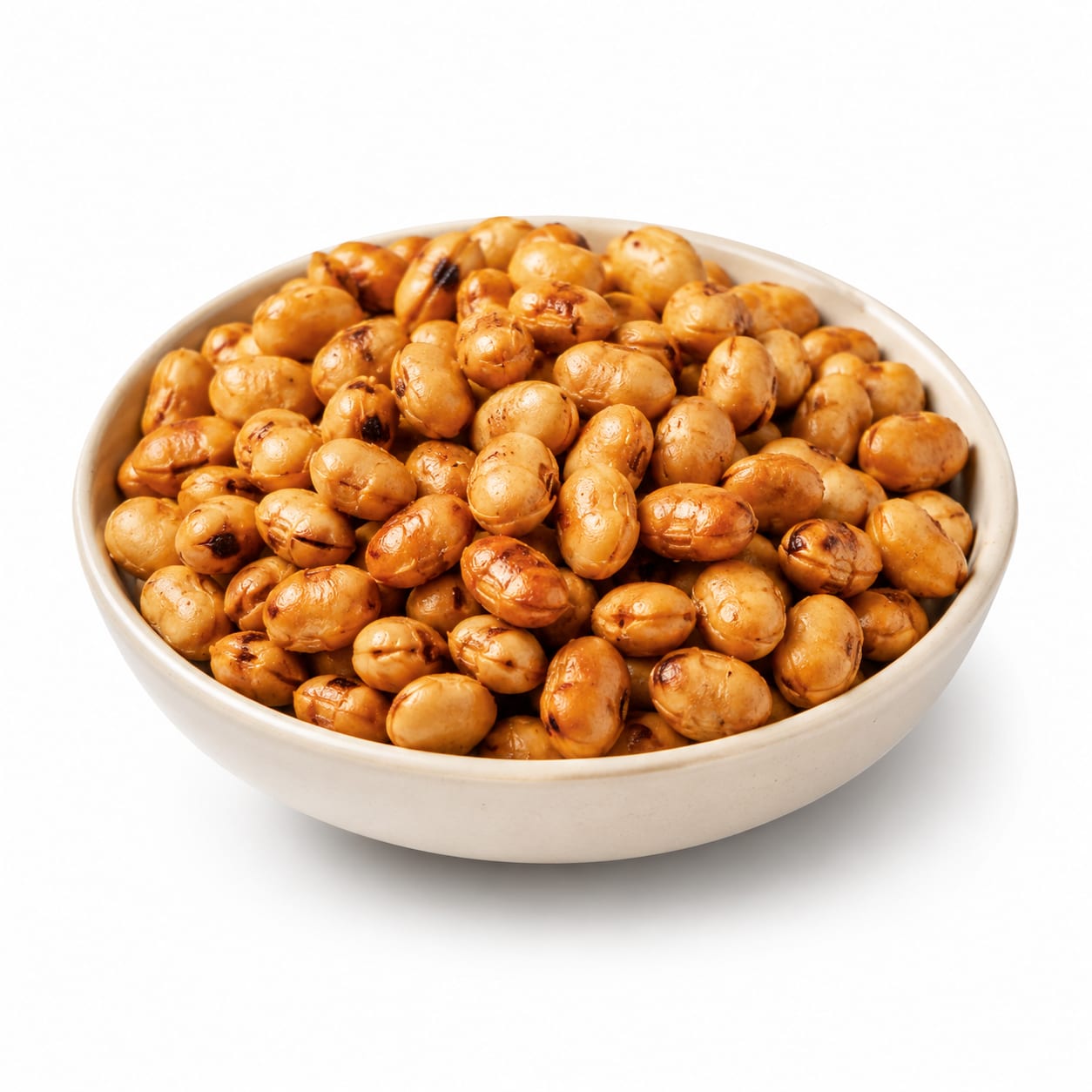
Bambara Groundnut
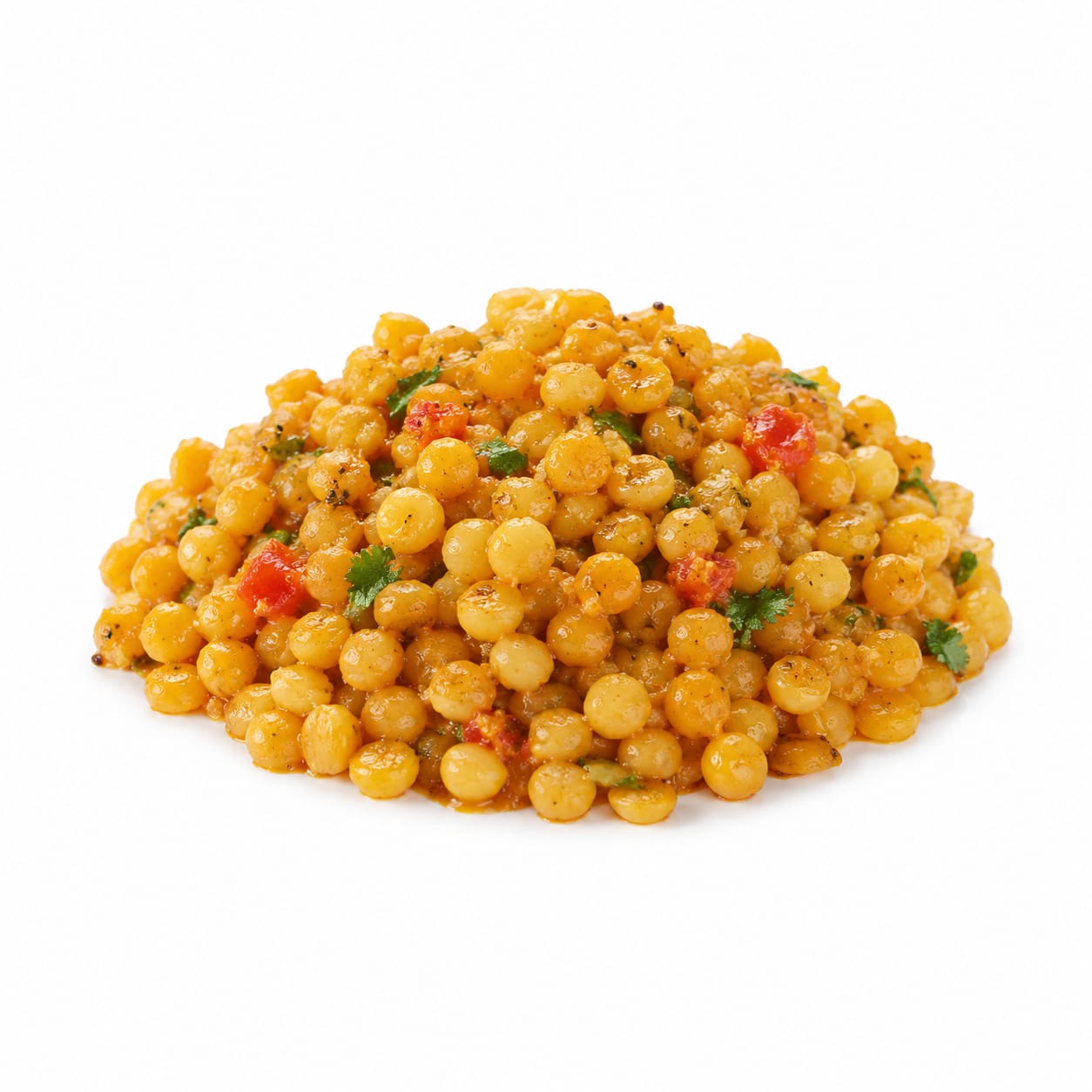
Pigeon Pea
Bambara Groundnut wins on protein density, healthy fats, and mineral richness, while Pigeon Pea wins on convenience, digestibility, and everyday accessibility.
Bambara Groundnut edges ahead nutritionally due to superior protein, fat, and mineral density, but Pigeon Pea's practical advantages and digestibility keep the gap narrow. The close scores reflect that real-world choice depends heavily on context.
You trade the deeper nutrition and satiety of Bambara Groundnut for the faster cooking and wider availability of Pigeon Pea.
At a glance
Executive summary
Overall
It depends
Healthier
Bambara Groundnut
More practical
Pigeon Pea
Daily use
Pigeon Pea
Key comparison lenses
plant protein quality comparison
Both are legumes prized for protein; users want to know which delivers better amino acid coverage
satiety and weight management
Bambara Groundnut's higher fat content creates a meaningful fullness difference worth exploring
blood sugar stability
Both are low-glycemic legumes but differ in carbohydrate-to-fat ratios, affecting glucose response
everyday cooking practicality
Pigeon Pea is widely available as split dal; Bambara Groundnut requires longer cooking and is harder to source
mineral deficiency prevention
Both are important in regions where mineral deficiencies are common, but their mineral profiles differ significantly
Best choice for
Bambara Groundnut
- People needing higher calorie and protein intake on a plant-based diet
- Those managing blood sugar who benefit from fat-slowed digestion
- Anyone in regions where Bambara Groundnut is locally grown and affordable
- Athletes or manual laborers needing sustained energy and fullness
Pigeon Pea
- Busy households wanting a quick-cooking, everyday legume
- People with sensitive digestion who struggle with harder-to-break-down legumes
- Anyone seeking folate support, especially during pregnancy
- Cooking traditions that rely on dal-style dishes
Least suitable for
Bambara Groundnut
- People short on cooking time or without pressure cookers
- Those on low-calorie diets who find higher-fat legumes too energy-dense
- Anyone unfamiliar with its preparation who may undercook it
Pigeon Pea
- Those needing calorie-dense nutrition in small portions
- People looking for significant fat content from their legume source
- Anyone wanting a very high-protein single-food staple
Deep comparison
Dimension by dimension
Each lens scores both foods and breaks down who each option suits.
- Dimension 1 · Priority 92Bambara Groundnut
protein_density_and_quality
Bambara Groundnut · 82Pigeon Pea · 72Bambara Groundnut delivers more protein per serving with a better amino acid balance, especially in methionine, which many legumes lack.
Tradeoff
The protein advantage comes with more calories per serving, so portion control matters more.
Why it matters
For plant-based eaters relying on legumes as a primary protein source, every gram and every essential amino acid counts toward meeting daily needs.
Real-world impact
A bowl of Bambara Groundnut stew keeps you full longer after a workout than the same volume of Pigeon Pea dal.
Bambara Groundnut
- Plant-based athletes needing complete protein
- Anyone eating one main protein source per meal
Better for
- Low-calorie dieters who find the extra fat calories hard to budget
Worse for
Pigeon Pea
- Those who combine legumes with grains or seeds anyway
- People watching total calorie intake while still getting adequate protein
Better for
- People relying on a single legume for most of their protein
Worse for
- Dimension 2 · Priority 85Bambara Groundnut
satiety_and_fullness
Bambara Groundnut · 84Pigeon Pea · 68Bambara Groundnut's combination of higher protein and significant fat content makes it noticeably more filling per serving.
Tradeoff
Greater satiety means smaller portions feel sufficient, but the calorie density can sneak up if you eat large portions mindlessly.
Why it matters
Feeling full after meals reduces snacking and overeating, which is one of the biggest factors in weight management.
Real-world impact
A Bambara Groundnut lunch at noon likely carries you to dinner without cravings; Pigeon Pea may leave you reaching for a snack by 4pm.
Bambara Groundnut
- People who skip meals and need one to last
- Those trying to reduce between-meal snacking
Better for
- Those who find dense meals uncomfortable or sluggish after eating
Worse for
Pigeon Pea
- Anyone who prefers lighter meals that do not feel heavy
- People eating multiple small meals throughout the day
Better for
- People prone to hunger between meals
Worse for
- Dimension 3 · Priority 80Bambara Groundnut
blood_sugar_stability
Bambara Groundnut · 80Pigeon Pea · 74Both legumes are low-glycemic, but Bambara Groundnut's fat content further slows glucose absorption, giving it a slight edge.
Tradeoff
The difference is modest and may not matter for most healthy people, but it becomes more relevant for those with insulin resistance.
Why it matters
Steadier blood sugar means fewer energy crashes, better focus, and less craving-driven eating throughout the day.
Real-world impact
For someone with prediabetes, swapping Pigeon Pea for Bambara Groundnut could mean a slightly smoother post-meal glucose curve.
Bambara Groundnut
- People with insulin resistance or prediabetes
- Those who experience afternoon energy crashes after carb-heavy meals
Better for
- Those who overeat it and consume excess calories, which worsens insulin resistance over time
Worse for
Pigeon Pea
- Healthy individuals whose blood sugar is well-regulated regardless
- Athletes who actually want faster carb availability post-workout
Better for
- People pairing it with refined carbs, compounding the glycemic load
Worse for
- Dimension 4 · Priority 75Bambara Groundnut
mineral_density
Bambara Groundnut · 83Pigeon Pea · 70Bambara Groundnut is notably richer in iron, calcium, and zinc, three minerals commonly deficient in plant-heavy diets.
Tradeoff
Higher mineral content also comes with more phytates that can reduce absorption, so proper preparation is essential.
Why it matters
Iron and zinc deficiencies affect energy, immunity, and cognitive function, especially in populations relying heavily on plant foods.
Real-world impact
Regular Bambara Groundnut consumption could meaningfully contribute to iron intake in a vegetarian diet, but soaking is non-negotiable.
Bambara Groundnut
- Vegetarians and vegans at risk for iron and zinc deficiency
- Women of reproductive age needing extra iron
Better for
- Anyone who skips soaking and sprouting, leaving minerals poorly absorbed
Worse for
Pigeon Pea
- Those who prioritize folate intake, especially during pregnancy
- People who already get minerals from diverse food sources
Better for
- Those relying on it as a primary iron source
Worse for
- Dimension 5 · Priority 78Pigeon Pea
cooking_convenience_and_accessibility
Bambara Groundnut · 45Pigeon Pea · 82Pigeon Pea, especially as split dal, cooks in 20-30 minutes. Bambara Groundnut often requires overnight soaking and over an hour of cooking.
Tradeoff
Convenience often wins in daily life. Even a nutritionally superior food loses if it is too inconvenient to prepare regularly.
Why it matters
The best food for you is the one you actually cook and eat consistently, not the one that sits in your pantry.
Real-world impact
On a busy weeknight, Pigeon Pea dal is realistic; Bambara Groundnut stew requires planning ahead or a pressure cooker.
Bambara Groundnut
- People who batch-cook on weekends
- Anyone with a pressure cooker who can cut cooking time significantly
Better for
- Anyone without meal prep habits or pressure cooking equipment
Worse for
Pigeon Pea
- Weeknight cooks needing dinner in under 40 minutes
- Those without access to specialty food stores
Better for
- Those willing to invest cooking time for richer nutrition
Worse for
- Dimension 6 · Priority 72Pigeon Pea
digestive_tolerance
Bambara Groundnut · 62Pigeon Pea · 76Pigeon Pea, particularly when split and hulled, is gentler on digestion. Bambara Groundnut's density and tannin content can be harder on sensitive stomachs.
Tradeoff
If you have a robust digestive system, this difference may not matter. For sensitive guts, it can be the deciding factor.
Why it matters
Bloating and discomfort after meals discourages consistent healthy eating, no matter how nutritious the food is.
Real-world impact
Someone with IBS might tolerate a light Pigeon Pea soup well but feel uncomfortably full after Bambara Groundnut.
Bambara Groundnut
- People with strong digestion accustomed to high-fiber, dense legumes
Better for
- People prone to bloating or gas from dense legumes
Worse for
Pigeon Pea
- Those with sensitive digestion or IBS
- People recovering from illness who need gentle nutrition
- Anyone introducing legumes into their diet for the first time
Better for
- Those who find light meals unsatisfying
Worse for
Timeline
Health impact over time
Short-term
Hours to days
Bambara Groundnut
- High satiety after meals, reducing snacking urges for hours
- Potential bloating if undercooked or eaten in large portions
- Steady energy without the crash that comes from refined carbs
Pigeon Pea
- Comforting, light post-meal feeling without heaviness
- Easier digestion, especially when prepared as hulled dal
- Moderate satiety that may require a snack sooner than Bambara Groundnut
Long-term
Months to years
Bambara Groundnut
- Better mineral status over time, particularly iron and calcium, if properly prepared
- Improved blood sugar regulation from consistent low-glycemic, high-fat meals
- Risk of calorie excess if portions are not managed, potentially contributing to weight gain
Pigeon Pea
- Consistent folate intake supporting cell repair and pregnancy health
- Reliable daily legume consumption due to ease of preparation, supporting heart health
- Possible iron shortfall if Pigeon Pea is the sole legume without other iron sources
Risk profile
Safety & processing
Both foods are whole, traditional legumes with minimal processing. Pigeon Pea is sometimes sold split and hulled as dal, which is still a simple mechanical process with no additives. Neither raises ultra-processing concerns.
Bambara Groundnut
anti-nutritional_factors
mediumBambara Groundnut contains tannins, phytates, and trypsin inhibitors that reduce mineral absorption and protein digestibility. Soaking, sprouting, or thorough cooking significantly reduces these.
undercooking
mediumDue to its density and long cooking time, undercooked Bambara Groundnut is more likely than Pigeon Pea, leading to digestive discomfort and reduced nutrient availability.
Pigeon Pea
anti-nutritional_factors
lowPigeon Pea contains phytates and some protease inhibitors, but at lower levels than Bambara Groundnut. Splitting and hulling as dal further reduces them.
contamination_in_storage
lowLike all dried legumes, Pigeon Pea can develop mold or aflatoxin if stored in humid conditions. Proper dry storage eliminates this risk.
Who wins for whom
Audience fit
Same foods, different winners depending on your goal.
children
Pigeon PeaPigeon Pea's softer texture when cooked as dal and gentler digestion make it more suitable for young, still-developing digestive systems.
daily consumption
Pigeon PeaPracticality wins for daily use. Pigeon Pea's faster cooking, wider availability, and easier digestion make it the legume you will actually eat every day.
diabetes
Bambara GroundnutThe fat content in Bambara Groundnut slows glucose absorption more effectively, creating a flatter blood sugar response after meals.
elderly
Pigeon PeaEasier digestion, softer cooked texture, and higher folate content make Pigeon Pea more appropriate for aging digestive systems and cellular repair needs.
muscle gain
Bambara GroundnutBambara Groundnut's higher protein and calorie content supports the surplus needed for muscle building, especially on a plant-based diet.
weight loss
Pigeon PeaPigeon Pea's lower calorie density lets you eat satisfying portions without overshooting your calorie budget, while still providing solid protein and fiber.
Your move
Decision guide
Choose Bambara Groundnut
- You have a pressure cooker and are comfortable batch-cooking legumes
- Maximizing protein, iron, and zinc from a single plant food is a priority
- You want a calorie-dense, filling food for sustained energy through long days
- Blood sugar management is a personal health concern
Choose Pigeon Pea
- You need a weeknight-friendly legume that cooks in under 30 minutes
- Digestive sensitivity makes dense legumes uncomfortable
- You are pregnant or planning pregnancy and need reliable folate
- You want an everyday staple that is easy to find in most grocery stores
Either works if
- You are simply trying to eat more legumes and both are available
- You rotate between different legumes weekly for nutrient diversity
- You are already eating a varied diet and neither fills a critical nutritional gap
Avoid both if
- You have a diagnosed legume allergy
- You experience severe digestive distress from all legumes even after proper preparation
- Your doctor has advised a low-fiber diet for a specific medical condition
Final recommendation
If you can only keep one in your kitchen, Pigeon Pea is the more practical daily staple. But if you have the time and tools to prepare Bambara Groundnut, it is worth adding as a weekly rotation for its superior mineral and protein density. The best approach is using both: Pigeon Pea for everyday meals and Bambara Groundnut when you have time to cook something richer and more filling.
Practical
Consumer tips
- 1
Soak Bambara Groundnut overnight and discard the water to reduce tannins and phytates significantly before cooking
- 2
A pressure cooker can cut Bambara Groundnut cooking time from 90+ minutes down to 25-30 minutes
- 3
If Pigeon Pea dal causes bloating, try adding asafoetida, ginger, or cumin during cooking, traditional spices that aid legume digestion
- 4
Pair either legume with a vitamin C source like tomatoes or lemon juice to boost iron absorption by 2-3x
- 5
Store both in airtight containers in a cool, dry place; moisture is the enemy of dried legumes and can lead to mold
- 6
If you are new to Bambara Groundnut, start with smaller portions to assess your digestive tolerance before making it a regular meal