
Nutrition comparison
Bambara Groundnut vs Quinoa: Protein, Blood Sugar, and Nutrition Comparison
Bambara Groundnut beats quinoa in protein quantity, iron, and blood sugar stability. Quinoa wins on convenience and complete protein. See which is better for your goals.
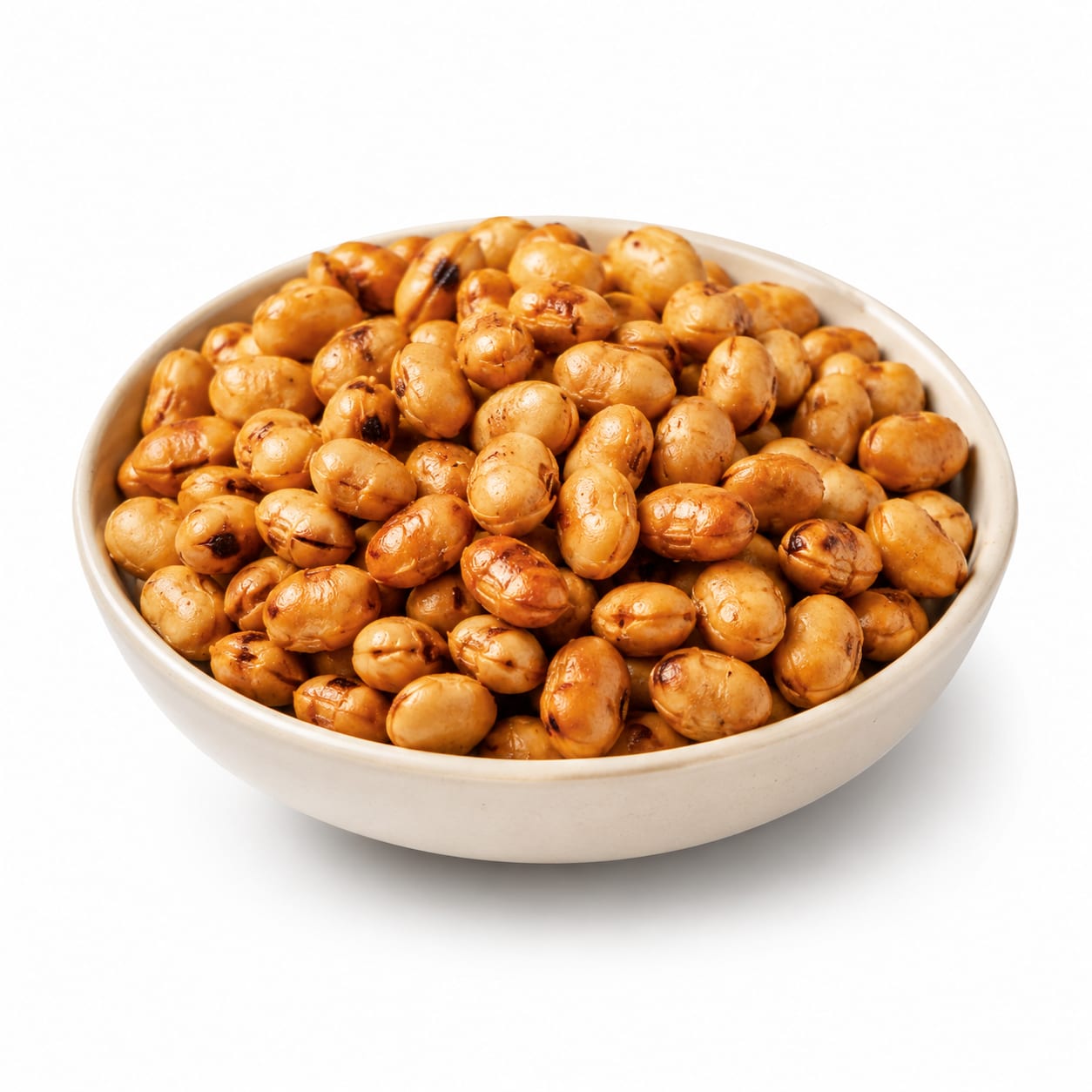
Bambara Groundnut
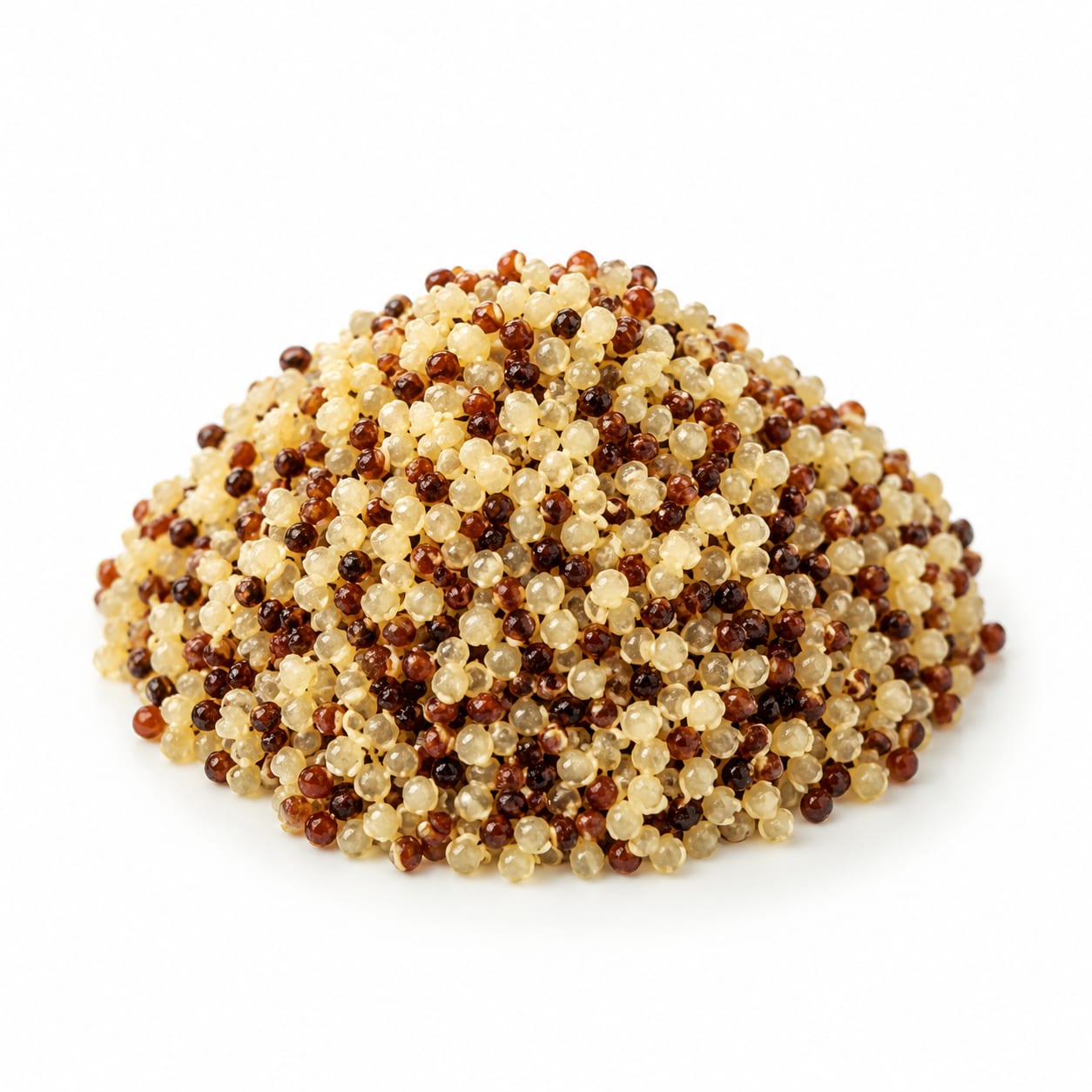
Quinoa
Bambara Groundnut wins on protein content, iron, and blood sugar stability; quinoa wins on convenience, complete amino acids, and everyday practicality.
Quinoa edges ahead due to superior practicality and complete protein, but Bambara Groundnut's nutritional density keeps it competitive. The 4-point gap reflects convenience advantage more than health superiority.
You trade ready-to-use convenience and complete protein (quinoa) for higher total protein, better glycemic control, and superior iron delivery (Bambara Groundnut).
At a glance
Executive summary
Overall
It depends
Healthier
It depends
More practical
Quinoa
Daily use
Quinoa
Key comparison lenses
plant-based protein quality and completeness
Both foods are prized as plant protein sources, but their amino acid profiles differ significantly — quinoa offers complete protein while Bambara Groundnut excels in total protein quantity
blood sugar management and glycemic impact
Users comparing these two are often managing energy stability or diabetes, and the legume-vs-pseudocereal distinction creates meaningful glycemic differences
practical availability and cooking convenience
Quinoa is globally available and quick-cooking; Bambara Groundnut remains niche and requires longer preparation, which heavily influences real-world adoption
mineral density and micronutrient tradeoffs
Each food shines in different minerals — Bambara Groundnut dominates in iron and calcium, quinoa in magnesium and zinc — making the choice context-dependent
sustainability and environmental impact
Environmentally conscious consumers may factor in Bambara Groundnut's extraordinary drought tolerance and low water requirements versus quinoa's resource demands
Best choice for
Bambara Groundnut
- People managing diabetes or insulin resistance
- Those needing maximum plant protein per calorie
- Anyone with iron deficiency concerns
- Budget-conscious eaters in regions where Bambara Groundnut is locally grown
- Sustainability-focused consumers in arid climates
Quinoa
- Busy professionals needing quick-cooking meals
- Anyone seeking a complete protein without combining foods
- People new to plant-based eating who want accessible options
- Athletes needing fast post-workout recovery meals
- Families wanting a kid-friendly, versatile grain alternative
Least suitable for
Bambara Groundnut
- People who need quick weeknight meals
- Anyone unfamiliar with long-soak legume preparation
- Those who easily tire of earthy, dense flavors
- Individuals with severe legume allergies
Quinoa
- People strictly managing blood sugar spikes (quinoa has a moderate GI)
- Those sensitive to saponins or who experience digestive discomfort
- Budget-limited households (quinoa can be expensive)
- Anyone seeking maximum protein density per serving
Deep comparison
Dimension by dimension
Each lens scores both foods and breaks down who each option suits.
- Dimension 1 · Priority 95It depends
Protein Quality and Quantity
Bambara Groundnut · 82Quinoa · 85Bambara Groundnut delivers more total protein per serving, but quinoa provides all nine essential amino acids in adequate ratios.
Tradeoff
Quantity goes to Bambara Groundnut; completeness goes to quinoa. For most people eating varied diets, the completeness gap matters less than the total protein advantage.
Why it matters
If your diet already includes lysine-rich foods, Bambara Groundnut's higher protein total serves you better. If quinoa is your primary protein source, its complete profile is more useful.
Real-world impact
A bowl of Bambara Groundnut gives you noticeably more protein to stay full, but you may need to pair it with grains to round out amino acids. Quinoa works well as a standalone protein base.
Bambara Groundnut
- Maximizing protein per calorie
- Pairing with rice or maize for complementary amino acids
- Building muscle on a plant-based diet with varied food intake
Better for
- Reliance on a single food for all essential amino acids
- Quick post-workout protein where methionine matters
Worse for
Quinoa
- Getting complete protein from a single food
- Simplifying meal prep without combining protein sources
- Post-workout meals where amino acid availability matters
Better for
- Maximum protein density per serving
- Situations where every gram of protein counts
Worse for
- Dimension 2 · Priority 88Bambara Groundnut
Blood Sugar Stability
Bambara Groundnut · 90Quinoa · 72Bambara Groundnut has a significantly lower glycemic index, producing steadier blood sugar with less spiking than quinoa.
Tradeoff
You get rock-solid energy stability with Bambara Groundnut, but quinoa digests faster which can be helpful after exercise when you want quicker glycogen replenishment.
Why it matters
For anyone with diabetes, prediabetes, or afternoon energy crashes, this difference is substantial. Quinoa's moderate GI can still cause noticeable rises in sensitive individuals.
Real-world impact
Eating Bambara Groundnut at lunch means fewer 3pm energy dips. Quinoa at lunch may leave you reaching for a snack sooner if you're glucose-sensitive.
Bambara Groundnut
- Managing type 2 diabetes
- Avoiding afternoon energy crashes
- Sustained energy for long workdays
- Reducing insulin demand over the day
Better for
- Situations requiring rapid energy delivery
- Immediately after intense exercise
Worse for
Quinoa
- Post-workout glycogen replenishment
- Active individuals who benefit from faster carbohydrate availability
- Endurance athletes during training
Better for
- Blood sugar-sensitive individuals
- Sedentary evening meals where slow digestion is preferred
Worse for
- Dimension 3 · Priority 85Quinoa
Convenience and Practicality
Bambara Groundnut · 45Quinoa · 88Quinoa cooks in 15-20 minutes and is available everywhere. Bambara Groundnut requires long soaking and extended cooking, with limited availability in most markets.
Tradeoff
Quinoa fits seamlessly into busy lives. Bambara Groundnut demands planning and effort — you need to soak it overnight and cook it significantly longer.
Why it matters
The best nutritious food is the one you actually eat regularly. If preparation friction stops you from using Bambara Groundnut, its nutritional advantages become theoretical.
Real-world impact
Quinoa is a realistic Tuesday night dinner. Bambara Groundnut is more of a weekend project or requires batch-cooking strategy to be practical.
Bambara Groundnut
- Batch cooking on weekends for the whole week
- Slow-cooker or pressure cooker meal prep
- Cultures where long-simmered stews are the norm
Better for
- Spontaneous cooking decisions
- Small kitchens without pressure cookers
- Anyone who dislikes meal planning
Worse for
Quinoa
- Weeknight dinners after a long workday
- Travel and hotel cooking with minimal equipment
- Meal prep beginners who need easy wins
- Last-minute side dishes
Better for
- Cuisines where stewed legumes are traditional and expected
- Cultures where slow cooking is the norm anyway
Worse for
- Dimension 4 · Priority 80Bambara Groundnut
Mineral Density
Bambara Groundnut · 86Quinoa · 75Bambara Groundnut delivers substantially more iron and calcium per serving. Quinoa provides more magnesium and a decent zinc contribution.
Tradeoff
If iron or calcium is your priority — especially for women, children, or plant-based eaters — Bambara Groundnut is clearly superior. For magnesium needs, quinoa has the edge.
Why it matters
Iron deficiency is the world's most common nutrient gap. Bambara Groundnut's iron advantage has real clinical relevance for at-risk populations.
Real-world impact
Regular Bambara Groundnut consumption can meaningfully move the needle on iron intake. Quinoa helps more with magnesium-related issues like muscle cramps or sleep quality.
Bambara Groundnut
- Women with heavy menstrual cycles needing iron
- Plant-based eaters at risk for iron deficiency
- Growing children who need calcium and iron
- Pregnant women (with proper preparation to reduce antinutrients)
Better for
- People with hemochromatosis or iron overload concerns
- Those who don't properly soak and cook to reduce phytate interference with mineral absorption
Worse for
Quinoa
- People prone to muscle cramps or poor sleep (magnesium)
- Athletes needing magnesium for recovery
- Those already meeting iron needs through other sources
Better for
- Anyone counting on it as a primary iron source
- Those needing significant calcium from plant foods
Worse for
- Dimension 5 · Priority 75Quinoa
Digestive Tolerance
Bambara Groundnut · 62Quinoa · 78Quinoa is generally easier to digest for most people. Bambara Groundnut, like many legumes, can cause bloating and gas, especially if not thoroughly cooked.
Tradeoff
Better mineral delivery from Bambara Groundnut comes with more digestive work. Quinoa is gentler on the stomach but delivers less overall mineral payload.
Why it matters
If legumes regularly cause you discomfort, Bambara Groundnut may be a tough sell regardless of its nutritional merits. Digestive comfort drives long-term adherence.
Real-world impact
Quinoa sits comfortably in most stomachs. Bambara Groundnut may require gradual introduction and always needs thorough cooking to avoid gassiness.
Bambara Groundnut
- People accustomed to regular legume consumption
- Those with robust digestion who tolerate beans well
- Gradual introduction with small portions
Better for
- IBS or FODMAP-sensitive individuals
- Anyone unaccustomed to high-fiber legumes
- Meals before exercise or social events
Worse for
Quinoa
- People with sensitive digestion
- Those who experience bloating from legumes
- Lighter meals before physical activity
- Introduction of plant proteins to beginners
Better for
- People who don't rinse quinoa properly (saponin bitterness causes nausea in some)
- Those with rare quinoa allergies or sensitivities
Worse for
- Dimension 6 · Priority 72Bambara Groundnut
Sustainability and Environmental Impact
Bambara Groundnut · 92Quinoa · 65Bambara Groundnut grows in poor soils with minimal water and actually improves soil nitrogen. Quinoa demands more water and has faced sustainability concerns from global demand pressure.
Tradeoff
The most environmentally responsible choice is Bambara Groundnut, but it's harder to find. Quinoa is easier to buy but carries a heavier ecological footprint, especially when imported.
Why it matters
As climate change intensifies, drought-resistant crops like Bambara Groundnut become increasingly important. Your food choices affect more than your body.
Real-world impact
Choosing Bambara Groundnut when available supports climate-resilient agriculture. Over-reliance on imported quinoa contributes to water stress in producing regions.
Bambara Groundnut
- Environmentally conscious consumers
- People in arid or drought-prone regions
- Supporting biodiversity in food systems
- Reducing agricultural water footprint
Better for
- Long-distance shipping if not locally grown (partially offsets sustainability gains)
- Food waste from improper cooking or spoilage during long prep
Worse for
Quinoa
- Locally sourced quinoa (reduces transport emissions)
- Situations where food waste is a bigger concern than water use (quinoa's easier prep means less waste)
Better for
- Communities where quinoa demand has driven up local food prices
- Water-stressed growing regions
Worse for
Timeline
Health impact over time
Short-term
Hours to days
Bambara Groundnut
- High satiety from protein and fiber keeps hunger at bay for hours
- Steady energy without blood sugar spikes or crashes
- Potential bloating or gas if not thoroughly cooked or if unaccustomed to legumes
- Noticeable fullness that may reduce snacking between meals
Quinoa
- Moderate energy boost with faster digestion than legumes
- Mild blood sugar rise that some sensitive individuals may notice
- Generally comfortable digestion when properly rinsed
- Lighter stomach feel compared to dense legume-based meals
Long-term
Months to years
Bambara Groundnut
- Improved iron status, particularly valuable for women and plant-based eaters
- Better blood sugar regulation with consistent consumption
- Potential reduction in diabetes risk due to low glycemic impact
- Stronger bone mineral density support from calcium content
- Antinutrient exposure reduced significantly with proper soaking and cooking
Quinoa
- Consistent complete protein intake supports muscle maintenance with aging
- Magnesium contribution may improve sleep quality and reduce cramps over time
- Moderate fiber intake supports cardiovascular health
- Saponin intake may have mild anti-inflammatory benefits with regular consumption
- Easier long-term adherence due to convenience and versatility
Risk profile
Safety & processing
Both foods are whole, minimally processed options. Bambara Groundnut is typically sold as a dried whole legume with nothing added. Quinoa may have saponin residue unless pre-rinsed, but this is a natural compound, not an additive. Neither food raises ultra-processing concerns.
Bambara Groundnut
Antinutrient exposure (phytates, tannins)
mediumRaw or undercooked Bambara Groundnut contains phytates and tannins that reduce mineral absorption. Thorough soaking (8-12 hours) and extended cooking significantly reduce these compounds.
Undercooking bacterial risk
lowLike all dried legumes, inadequate cooking can leave harmful bacteria. Pressure cooking or boiling for 45-60 minutes after soaking eliminates this concern.
Aflatoxin contamination in poor storage
lowImproperly stored groundnuts can develop aflatoxin mold. Sourcing from reputable suppliers and storing in cool, dry conditions minimizes risk.
Quinoa
Saponin residue causing digestive irritation
lowUnrinsed quinoa retains bitter saponins that can cause stomach upset in sensitive people. Thorough rinsing before cooking resolves this almost entirely.
Pesticide residue on conventionally grown quinoa
lowQuinoa is generally lower in pesticide residue than many grains, but conventional farming uses some pesticides. Organic options further reduce exposure.
Cross-contamination with gluten grains
mediumWhile naturally gluten-free, quinoa is often processed in facilities that handle wheat. Certified gluten-free labels matter for celiac patients.
Who wins for whom
Audience fit
Same foods, different winners depending on your goal.
children
QuinoaQuinoa's milder flavor, softer texture, and easier digestion make it more kid-friendly. Bambara Groundnut's dense, earthy taste and longer cooking time are harder sells at the dinner table.
daily consumption
QuinoaPracticality wins for daily use. Quinoa's quick cooking, wide availability, and versatile flavor make it far easier to eat consistently, which matters more than marginal nutritional differences.
diabetes
Bambara GroundnutSignificantly lower glycemic index means smaller blood sugar excursions. The combination of high protein and fiber slows glucose absorption substantially.
elderly
QuinoaEasier digestion and softer texture suit aging digestive systems. Complete protein also helps prevent sarcopenia without requiring dietary complexity.
muscle gain
QuinoaComplete amino acid profile supports muscle protein synthesis more effectively without needing food combining. Faster digestion also suits post-workout timing.
weight loss
Bambara GroundnutHigher protein and fiber create stronger satiety signals, making it easier to eat less overall. The low glycemic impact also reduces cravings between meals.
Your move
Decision guide
Choose Bambara Groundnut
- You're managing diabetes, prediabetes, or insulin resistance and need the lowest glycemic option
- Iron deficiency is a real concern for you
- You enjoy batch-cooking and don't mind overnight soaking
- Sustainability and drought resilience matter deeply to your food choices
- You want maximum protein per calorie from a plant source
Choose Quinoa
- You need a quick-cooking protein source for busy weeknights
- Complete protein from a single food simplifies your meal planning
- You're new to plant-based eating and want an accessible entry point
- Digestive sensitivity makes legumes uncomfortable
- Your family needs a versatile, mild-flavored staple everyone will eat
Either works if
- You're building a diverse plant-based diet and can rotate both
- Neither food is your sole protein source — you eat varied meals
- You care about whole-food nutrition over specific nutrient optimization
- You want to support food biodiversity by incorporating both into your rotation
Avoid both if
- You have a specific allergy to either food
- You need a low-fiber diet for medical reasons (both are high-fiber)
- You're on a strict low-calorie diet and find high-fiber foods too filling to meet minimum calorie needs
Final recommendation
Keep quinoa as your everyday staple for convenience and complete protein, but add Bambara Groundnut to your rotation when you can — especially if blood sugar management or iron intake matters to you. The best approach is diversity: quinoa for speed, Bambara Groundnut for depth. If you can only choose one, quinoa's practicality makes it the more sustainable daily habit for most people.
Practical
Consumer tips
- 1
Soak Bambara Groundnut for at least 8 hours and discard the soak water to reduce antinutrients and improve digestibility
- 2
Rinse quinoa thoroughly under running water for 30 seconds to remove bitter saponins, even if labeled pre-rinsed
- 3
Pressure-cook Bambara Groundnut to cut cooking time from 90 minutes down to 25-30 minutes
- 4
Combine Bambara Groundnut with rice or maize to create a complete amino acid profile across the meal
- 5
Buy Bambara Groundnut from African or Asian specialty markets or online — it's rarely in mainstream grocery stores
- 6
Choose organic quinoa if you're concerned about pesticide residue, though conventional quinoa is relatively clean
- 7
If quinoa upsets your stomach, try cooking it longer or switching to a lighter-colored variety (white quinoa is gentler than red or black)
- 8
Batch-cook Bambara Groundnut on weekends and freeze portions for quick use throughout the week
- 9
Store both foods in airtight containers in a cool, dry place — Bambara Groundnut for up to a year, quinoa for 6-8 months