
Nutrition comparison
Bambara Groundnut vs Kidney Bean: Nutrition, Safety, and Which to Choose
Bambara Groundnut offers superior protein quality and mineral density, but Kidney Bean wins on availability and safety awareness. Compare these two legumes side by side to find which fits your diet best.
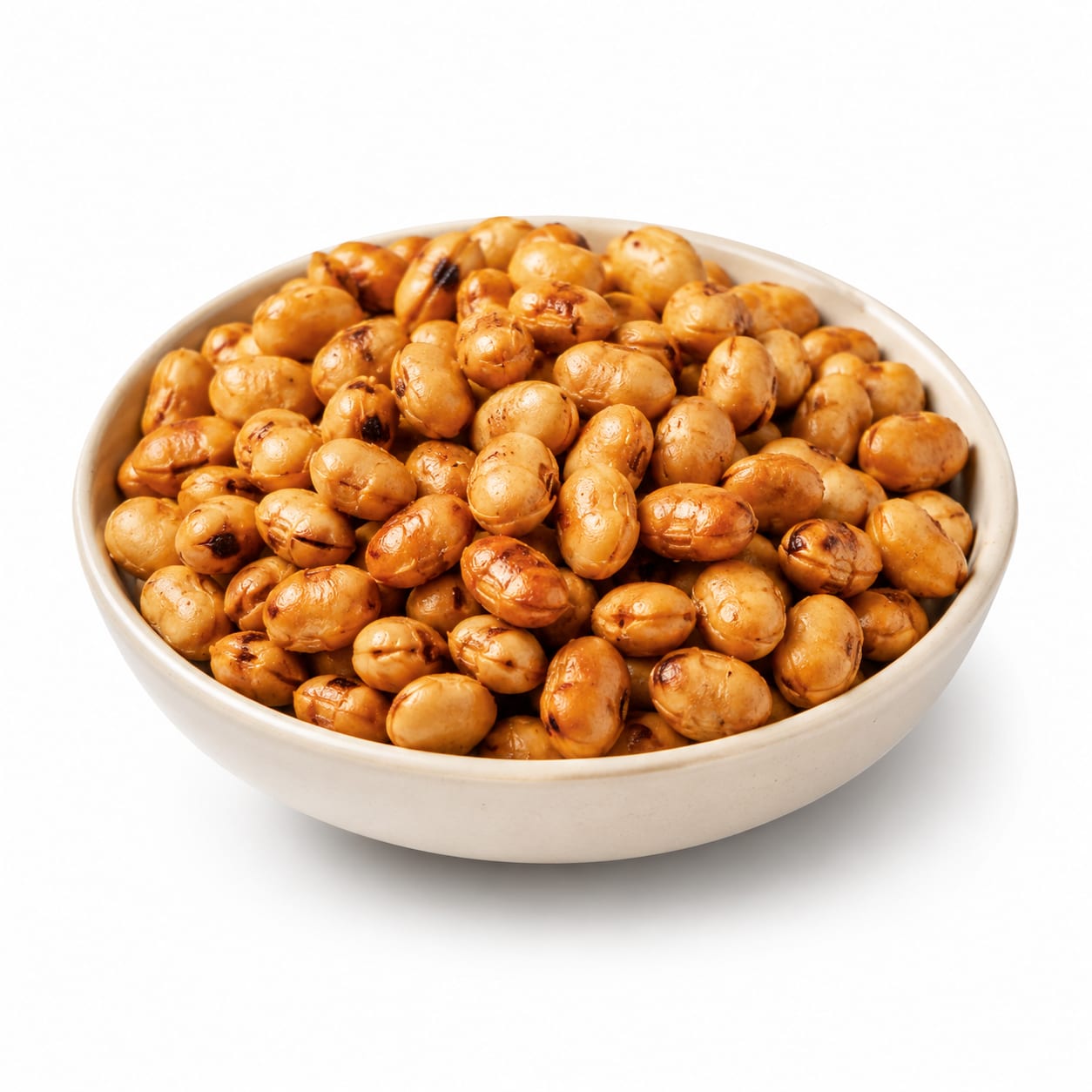
Bambara Groundnut
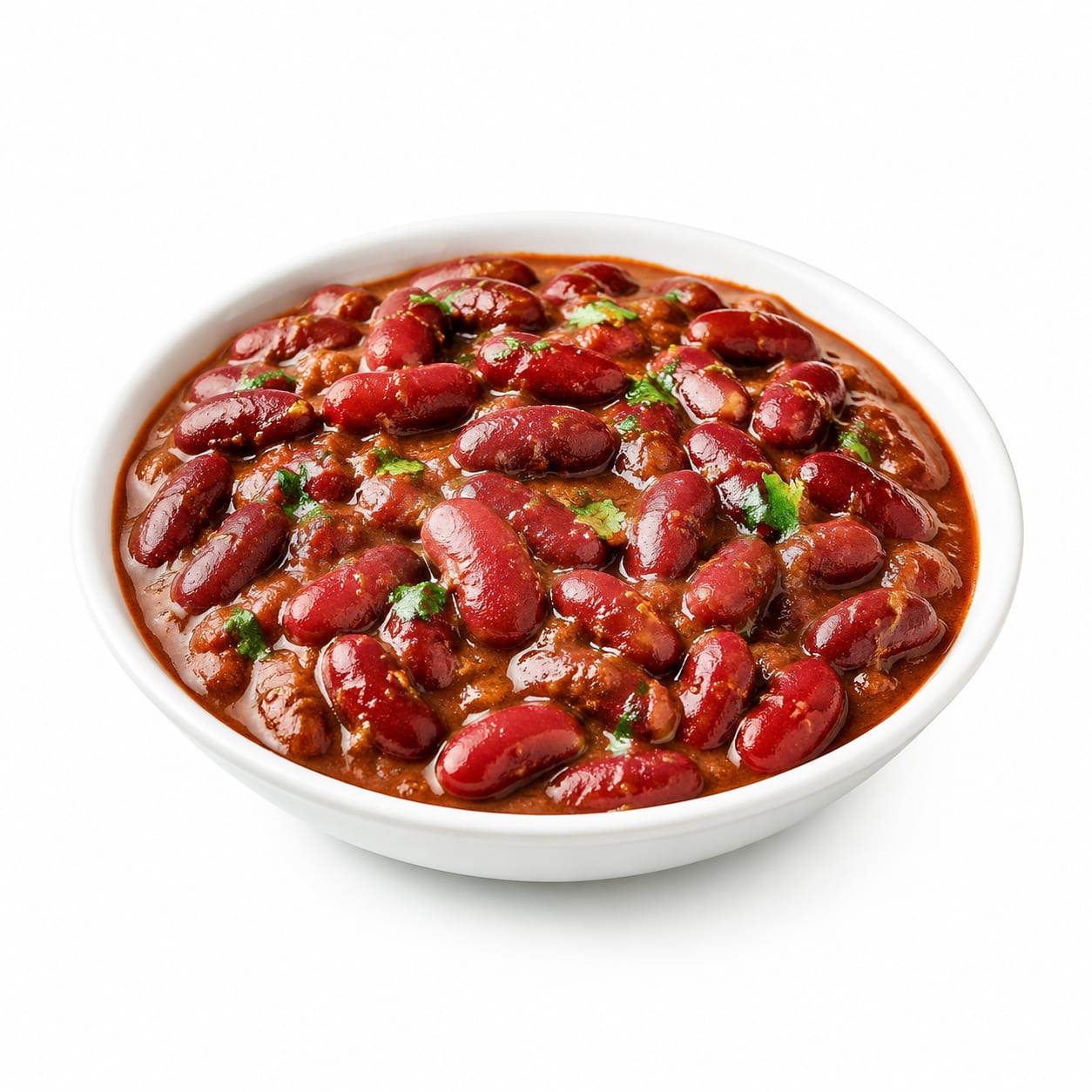
Kidney Bean
Bambara Groundnut wins on protein quality and mineral density, but Kidney Bean wins on availability and familiarity. Your choice depends on what you can actually find and cook regularly.
Bambara Groundnut scores higher nutritionally but loses ground on accessibility and familiarity. Kidney Bean is the pragmatic winner for most people's actual lives. The gap is modest because both are genuinely healthy legumes.
Superior nutrition profile versus practical accessibility — Bambara Groundnut is the nutritional standout, but Kidney Bean is the realistic everyday choice for most people.
At a glance
Executive summary
Overall
It depends
Healthier
Bambara Groundnut
More practical
Kidney Bean
Daily use
Kidney Bean
Key comparison lenses
protein quality and amino acid completeness
Bambara Groundnut is unusually rich in methionine for a legume, making its protein profile more complete than most beans
food safety and toxin risk
Kidney Beans contain phytohaemagglutinin, a dangerous toxin if undercooked, which is a critical real-world concern
mineral density and micronutrition
Both are mineral-dense legumes but Bambara Groundnut offers significantly more iron and calcium per serving
availability and practical everyday use
Kidney Beans are globally available and familiar, while Bambara Groundnut can be hard to source outside Africa and specialty shops
blood sugar stability and satiety
Both are low-glycemic legumes, but differences in fiber type and fat content affect how steadily they release energy
digestive tolerance and anti-nutrients
Both contain anti-nutritional factors that require proper preparation, but the specific compounds and their effects differ
Best choice for
Bambara Groundnut
- People seeking the most complete plant protein available
- Those with iron or calcium deficiency concerns
- Adventurous eaters with access to African or specialty markets
- Anyone wanting to diversify beyond common legumes
Kidney Bean
- Busy households needing reliable, affordable protein
- People who meal-prep with canned legumes
- Anyone cooking for a family with familiar flavors
- Those who value consistency and easy sourcing
Least suitable for
Bambara Groundnut
- People without access to specialty stores or online ordering
- Anyone unfamiliar with cooking times and preparation methods
- Those who need quick weeknight meal solutions
- People who dislike experimenting with new ingredients
Kidney Bean
- Anyone prone to rushing cooking steps — undercooked kidney beans are genuinely dangerous
- People with severe legume sensitivities or IBS triggered by oligosaccharides
- Those seeking the most mineral-dense legume option available
Deep comparison
Dimension by dimension
Each lens scores both foods and breaks down who each option suits.
- Dimension 1 · Priority 92Bambara Groundnut
Protein Quality and Completeness
Bambara Groundnut · 88Kidney Bean · 72Bambara Groundnut has a more complete amino acid profile, especially notable for its methionine content, which most legumes lack.
Tradeoff
You get better protein quality with Bambara Groundnut, but Kidney Bean still provides solid protein that works fine when combined with grains.
Why it matters
Methionine is typically the limiting amino acid in plant proteins. Getting it from a legume is rare and valuable for vegetarians and vegans.
Real-world impact
If you rely heavily on legumes for protein, Bambara Groundnut reduces the need to carefully pair foods for complete amino acids. Kidney Beans work well but require rice or grains to fill the methionine gap.
Bambara Groundnut
- Vegans seeking more self-contained protein sources
- Athletes wanting higher-quality plant protein without supplements
Better for
- Those who cannot find it locally or afford it regularly
Worse for
Kidney Bean
- Anyone already eating a varied diet with grains and seeds
- People who find protein combining natural and easy
Better for
- Strict vegetarians not combining with methionine-rich foods
Worse for
- Dimension 2 · Priority 85Bambara Groundnut
Mineral Density
Bambara Groundnut · 86Kidney Bean · 68Bambara Groundnut delivers significantly more iron, calcium, and potassium per serving than Kidney Beans.
Tradeoff
Superior mineral content comes with the tradeoff of lower availability and potentially higher cost depending on your location.
Why it matters
Iron and calcium deficiencies are among the most common worldwide. A food naturally rich in both is genuinely valuable, especially for plant-based eaters.
Real-world impact
Eating Bambara Groundnut regularly could meaningfully reduce the need for iron or calcium supplementation. Kidney Beans contribute minerals too, but you would need larger portions or additional food sources to match.
Bambara Groundnut
- Women with higher iron needs
- Plant-based eaters concerned about calcium and iron
- Populations in regions where mineral deficiency is common
Better for
- Those with iron overload conditions like hemochromatosis
Worse for
Kidney Bean
- Those already meeting mineral needs through varied diet
- People taking mineral supplements anyway
Better for
- Anyone relying on a single legume as their main mineral source
Worse for
- Dimension 3 · Priority 88Bambara Groundnut
Food Safety and Toxin Risk
Bambara Groundnut · 82Kidney Bean · 58Kidney Beans contain phytohaemagglutinin, a lectin that can cause severe food poisoning if beans are even slightly undercooked. Bambara Groundnut has no comparable acute toxin risk.
Tradeoff
Kidney Beans are safe when properly cooked, but the margin for error is slim. A rushed cook can lead to nausea, vomiting, and stomach pain within hours.
Why it matters
This is not a theoretical risk. Outbreaks of kidney bean poisoning are documented. Slow cookers are particularly dangerous for kidney beans because they may not reach high enough temperatures to destroy the toxin.
Real-world impact
If you ever rush dinner or use a slow cooker for kidney beans without boiling first, you are taking a real risk. Bambara Groundnut requires soaking and cooking but without the same danger from shortcuts.
Bambara Groundnut
- Anyone who sometimes takes cooking shortcuts
- People who use slow cookers regularly
- Less experienced cooks who might undercook beans
Better for
- Those who skip soaking, which still reduces digestibility
Worse for
Kidney Bean
- Disciplined cooks who always soak and boil thoroughly
- People comfortable with strict food safety protocols
Better for
- Impatient cooks
- Anyone using slow cookers without pre-boiling
- People cooking for children who need extra safety caution
Worse for
- Dimension 4 · Priority 80Kidney Bean
Availability and Practical Convenience
Bambara Groundnut · 38Kidney Bean · 90Kidney Beans are available in virtually every grocery store worldwide, often pre-cooked in cans. Bambara Groundnut is a specialty item outside West and Southern Africa.
Tradeoff
The more nutritious legume is harder to find, more expensive to ship, and unfamiliar to most cooks. The less nutrient-dense option is available everywhere and cheap.
Why it matters
Nutrition only matters if you can actually eat the food regularly. A slightly less optimal legume you eat three times a week beats a superior one you can never find.
Real-world impact
Most people reading this can buy Kidney Beans within ten minutes. Finding Bambara Groundnut might require online orders, specialty shops, and waiting days. That reality shapes which food actually improves your diet.
Bambara Groundnut
- People living in regions where it is grown and sold locally
- Online shoppers willing to plan ahead and buy in bulk
Better for
- Rural areas without specialty food access
- People on tight budgets who cannot afford shipping costs
Worse for
Kidney Bean
- Nearly everyone else
- People who shop at regular grocery stores
- Those who want canned options for quick meals
Better for
- Those seeking nutritional diversity beyond common staples
Worse for
- Dimension 5 · Priority 75Bambara Groundnut
Blood Sugar Stability and Satiety
Bambara Groundnut · 80Kidney Bean · 74Both are low-glycemic, high-fiber foods. Bambara Groundnut edges ahead due to its higher fat content, which slows digestion further and extends satiety.
Tradeoff
The extra fat in Bambara Groundnut means slightly more calories per serving, but it also means staying full longer between meals.
Why it matters
For anyone managing weight, diabetes, or afternoon energy crashes, how long a food keeps you satisfied matters as much as its calorie count.
Real-world impact
A Bambara Groundnut meal at noon might comfortably carry you to dinner. Kidney Beans work well too, but you may feel hungry an hour sooner.
Bambara Groundnut
- People managing diabetes who want steadier glucose
- Anyone trying to reduce between-meal snacking
Better for
- Those on very low-fat diets for medical reasons
Worse for
Kidney Bean
- Those watching calorie intake closely who prefer lower fat
- People who eat frequent small meals anyway
Better for
- People prone to energy dips between meals
Worse for
- Dimension 6 · Priority 70It depends
Digestive Tolerance
Bambara Groundnut · 68Kidney Bean · 65Both can cause gas and bloating if not properly prepared. Kidney Beans are notorious for oligosaccharide-induced gas, while Bambara Groundnut has tannins that may bother some people.
Tradeoff
Neither is gentle on an unprepared digestive system. Proper soaking and cooking are essential for both, but the specific compounds causing discomfort differ.
Why it matters
If legumes make you bloated, the specific anti-nutrient profile matters. Some people tolerate one better than the other based on individual gut flora.
Real-world impact
If Kidney Beans cause you severe gas, Bambara Groundnut might be easier — or vice versa. You have to test personally. Neither is a clear winner for sensitive stomachs.
Bambara Groundnut
- People specifically sensitive to oligosaccharides in common beans
- Those who tolerate tannins well
Better for
- People with tannin sensitivity
- Those who skip long soaking times
Worse for
Kidney Bean
- People sensitive to tannins in other foods like tea or red wine
- Those already adapted to common bean digestion
Better for
- People with pronounced bean-related bloating
- Those who find bean digestion consistently uncomfortable
Worse for
- Dimension 7 · Priority 65Kidney Bean
Culinary Versatility and Familiarity
Bambara Groundnut · 50Kidney Bean · 82Kidney Beans fit into chili, salads, stews, burritos, and countless global recipes. Bambara Groundnut has delicious traditional uses but far fewer widely known recipes.
Tradeoff
Familiarity means you actually cook with it. Novelty means you might buy it and let it sit in your pantry.
Why it matters
A food only improves your health if you know what to do with it. Recipe availability and cultural familiarity directly impact whether a food becomes a habit or a one-time experiment.
Real-world impact
You can throw Kidney Beans into almost anything and it works. Bambara Groundnut requires learning new recipes or adapting old ones, which takes effort most people will not sustain.
Bambara Groundnut
- Adventurous home cooks who enjoy learning new recipes
- People connected to West or Southern African culinary traditions
Better for
- Unadventurous eaters
- People who follow recipes exactly and find few options
Worse for
Kidney Bean
- Anyone who cooks from standard recipes
- People who want reliable results without experimentation
- Meal preppers who use beans in multiple dishes weekly
Better for
- Those bored with common legumes wanting new flavors
Worse for
Timeline
Health impact over time
Short-term
Hours to days
Bambara Groundnut
- Extended fullness after meals due to combined protein, fiber, and fat
- Possible mild digestive adjustment period if your gut is not used to tannins
- Steady energy without the crash that follows refined carbs
Kidney Bean
- Reliable satiety from high fiber and protein content
- Risk of severe gastrointestinal distress if undercooked even slightly
- Gas and bloating common during the first weeks of regular consumption
Long-term
Months to years
Bambara Groundnut
- Improved iron and calcium status, particularly valuable for plant-based diets
- Better amino acid intake without needing careful food combining
- Potential contribution to food diversity and dietary resilience
Kidney Bean
- Consistent fiber intake supporting heart health and regular digestion
- Stable blood sugar management when eaten regularly
- Reliable affordable protein source that supports long-term dietary adherence
Risk profile
Safety & processing
Both are whole, minimally processed legumes in their dry form. Canned Kidney Beans may contain added salt, so check labels. Bambara Groundnut is typically sold dry with no additives. Neither raises ultra-processing concerns.
Bambara Groundnut
Anti-nutritional factors (tannins and phytic acid)
lowReduced significantly by soaking for 12-24 hours and thorough cooking. Unlikely to cause acute illness but can reduce mineral absorption if consumed raw or undercooked.
Potential aflatoxin contamination in poor storage
mediumLike many groundnuts, improper drying and storage can lead to mold and aflatoxin. Source from reputable suppliers and store in cool, dry conditions.
Kidney Bean
Phytohaemagglutinin (kidney bean lectin) poisoning
highJust 4-5 raw or undercooked kidney beans can cause severe nausea, vomiting, and abdominal pain within 1-3 hours. Slow cookers are particularly dangerous because they may not reach the boiling temperature needed to destroy this toxin. Always soak for at least 5 hours and boil vigorously for at least 10 minutes before reducing heat.
Canned bean sodium content
mediumCanned kidney beans often contain 400-500mg sodium per serving. Rinsing helps but does not eliminate it entirely. People managing blood pressure should choose low-sodium or no-salt-added versions.
Who wins for whom
Audience fit
Same foods, different winners depending on your goal.
children
Kidney BeanKidney Beans are familiar, easy to incorporate into kid-friendly meals, and widely available. The toxin risk is manageable with proper cooking. Bambara Groundnut is harder to source and less likely to be accepted by picky eaters.
daily consumption
Kidney BeanConsistency beats optimization. Kidney Beans are easy to find, affordable, and simple to prepare. Bambara Groundnut is nutritionally superior but too hard to source for most people to eat daily.
diabetes
Bambara GroundnutThe additional fat content slows glucose absorption further, creating a flatter blood sugar curve. Both are excellent choices, but Bambara Groundnut offers a slight edge for glucose stability.
elderly
Kidney BeanFamiliarity, softer texture when cooked, and easy availability make Kidney Beans more practical. The iron density of Bambara Groundnut is valuable but less impactful than the ability to consistently eat a food.
muscle gain
Bambara GroundnutMore complete amino acid profile with meaningful methionine content supports muscle protein synthesis better than most legumes without needing complementary proteins.
weight loss
Bambara GroundnutHigher satiety from combined protein, fiber, and fat helps control hunger longer, making it easier to eat less overall despite slightly more calories per serving.
Your move
Decision guide
Choose Bambara Groundnut
- You can source Bambara Groundnut locally or afford online ordering
- You want the most nutritionally complete legume protein available
- Iron or calcium deficiency is a personal concern
- You enjoy exploring new ingredients and learning new recipes
- You are a strict vegetarian or vegan seeking better amino acid balance
Choose Kidney Bean
- You want reliable, affordable protein available at any grocery store
- You cook for a family and need familiar, accepted ingredients
- You meal-prep with canned beans for convenience
- You are confident in your cooking habits and always soak and boil thoroughly
- You want a legume that fits into recipes you already know
Either works if
- You simply want more legume diversity in your diet
- You are generally healthy and eat a varied diet already
- You enjoy both and can rotate them based on availability
Avoid both if
- You have a diagnosed legume allergy
- You experience severe digestive distress from all beans even after proper preparation
- Your doctor has advised a low-fiber diet for a medical condition
Final recommendation
If Bambara Groundnut is available to you, try it — the protein quality and mineral density are genuinely superior. But if Kidney Beans are what you can actually buy and cook consistently, they remain an excellent choice. The best legume is always the one you will eat regularly. Just remember: always soak and thoroughly boil Kidney Beans. No shortcuts.
Practical
Consumer tips
- 1
Never cook Kidney Beans in a slow cooker without boiling them vigorously for at least 10 minutes first — the toxin survives slow-cooking temperatures
- 2
Soak both legumes for 12-24 hours and discard the soaking water to reduce anti-nutrients and improve digestibility
- 3
If buying canned Kidney Beans, choose no-salt-added versions and rinse thoroughly before using
- 4
Source Bambara Groundnut from reputable suppliers to minimize aflatoxin risk — proper drying and storage matter
- 5
If trying Bambara Groundnut for the first time, start with a small portion to assess your digestive tolerance
- 6
Both legumes freeze well after cooking — make large batches and portion for convenient future meals
- 7
Combine either legume with a vitamin C source like tomatoes or bell peppers to boost iron absorption significantly