
Nutrition comparison
Bambara Groundnut vs Cowpea: Nutrition, Digestion, and Which Legume to Choose
Compare Bambara Groundnut and Cowpea side by side. Discover which African legume offers better protein, minerals, digestibility, and everyday practicality for your diet.
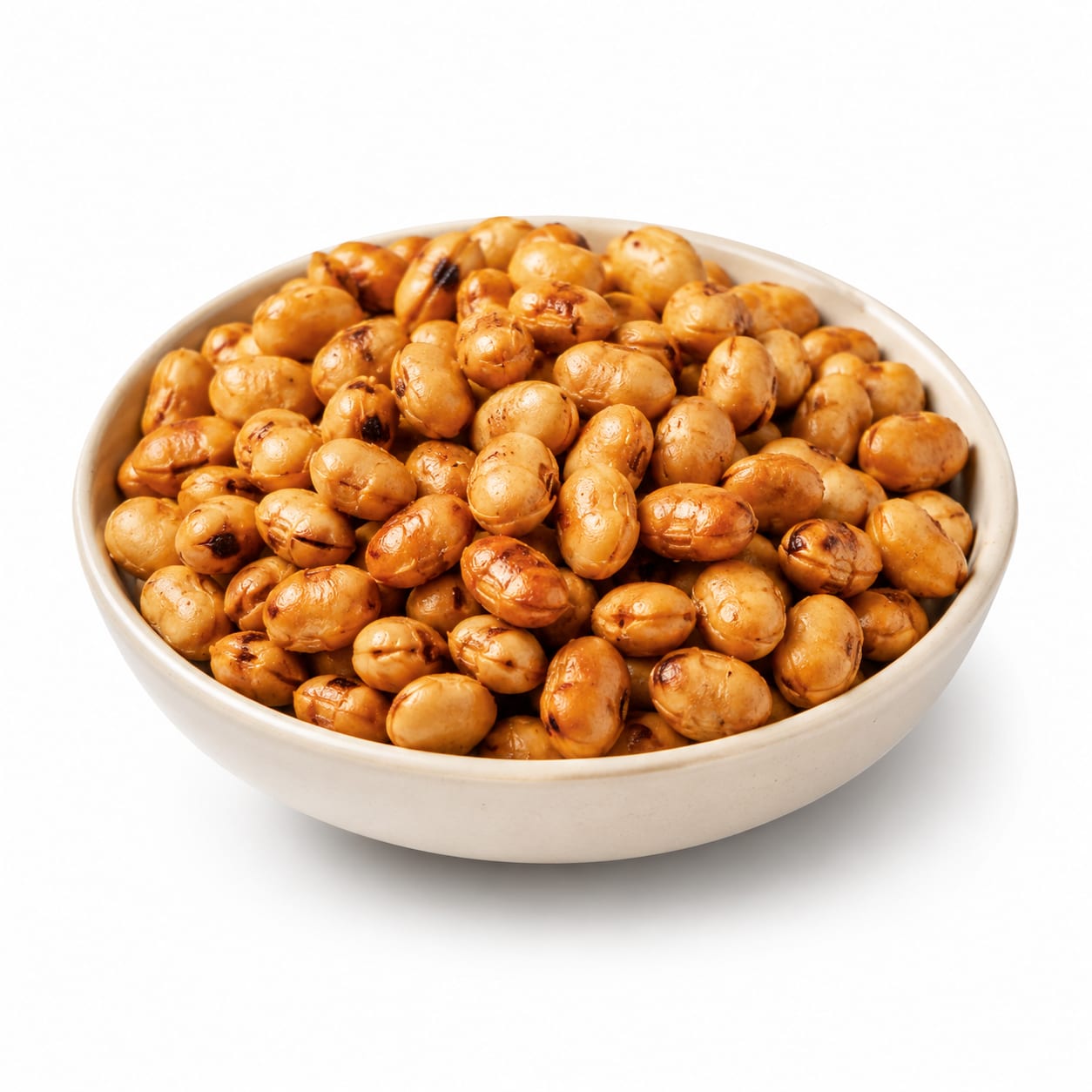
Bambara Groundnut
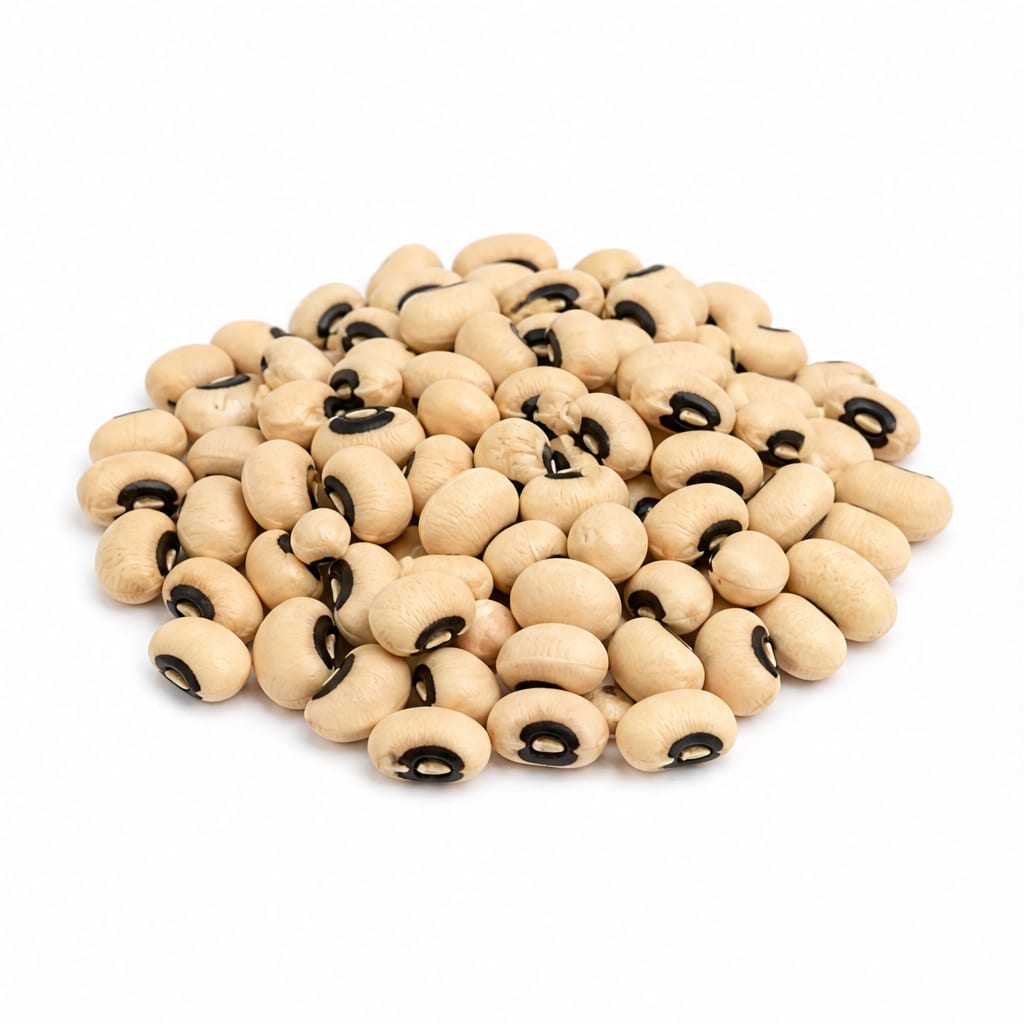
Cowpea
Bambara Groundnut wins on mineral density and satiety; Cowpea wins on digestibility, folate, and everyday practicality.
Cowpea edges ahead due to better digestibility, wider availability, and folate content. Bambara Groundnut offers superior mineral density and satiety but is held back by higher anti-nutrients and limited accessibility.
Deeper nutrition and longer fullness with Bambara Groundnut versus easier digestion and wider availability with Cowpea.
At a glance
Executive summary
Overall
It depends
Healthier
It depends
More practical
Cowpea
Daily use
Cowpea
Key comparison lenses
protein quality and completeness for plant-based diets
Both are key legume protein sources in African and tropical diets; users want to know which delivers better amino acid nutrition
mineral density and micronutrient advantage
Bambara Groundnut is notably rich in calcium and iron while Cowpea excels in folate and zinc, making mineral tradeoffs central
digestive tolerance and anti-nutrient burden
Bambara Groundnut contains higher tannins and phytates which can hinder nutrient absorption and cause digestive discomfort
satiety and energy sustainability
Bambara Groundnut's higher fat content provides longer-lasting fullness, while Cowpea offers lighter, quicker energy
availability and cooking practicality
Cowpea is far more accessible globally and cooks faster, making everyday use significantly easier
Best choice for
Bambara Groundnut
- People needing extra calcium and iron from plant sources
- Those seeking longer-lasting satiety between meals
- Plant-based eaters wanting a more calorie-dense legume
- Drought-prone regions where Bambara Groundnut is locally grown
Cowpea
- Anyone prioritizing easy digestion and lower anti-nutrient load
- Pregnant women needing folate
- People who want a versatile, quick-cooking everyday legume
- Those new to African legumes wanting an accessible starting point
Least suitable for
Bambara Groundnut
- People with sensitive digestion or prone to bloating
- Anyone who cannot source it locally
- Those wanting a quick-cooking weeknight protein
Cowpea
- People needing very high caloric density from legumes
- Those specifically seeking high calcium from plant sources
- Regions where Cowpea is not available or affordable
Deep comparison
Dimension by dimension
Each lens scores both foods and breaks down who each option suits.
- Dimension 1 · Priority 92Cowpea
Protein Quality and Quantity
Bambara Groundnut · 72Cowpea · 80Cowpea provides slightly more protein per serving with better digestibility, while Bambara Groundnut's protein is harder to absorb due to tannins.
Tradeoff
Bambara Groundnut has respectable protein content but anti-nutrients reduce how much your body actually uses. Cowpea's protein is more bioavailable.
Why it matters
For plant-based eaters, every gram of absorbable protein counts. Easier absorption means better muscle maintenance and satiety per bite.
Real-world impact
A bowl of Cowpea delivers more usable protein than the same portion of Bambara Groundnut, even if the raw numbers look similar on paper.
Bambara Groundnut
- Meals where higher fat complements protein for sustained energy
Better for
- Situations requiring maximum protein efficiency per calorie
Worse for
Cowpea
- Post-workout recovery where quick protein absorption matters
- Daily protein intake tracking where bioavailability is key
Better for
- Meals where you want protein paired with significant fat for fullness
Worse for
- Dimension 2 · Priority 88Bambara Groundnut
Mineral Density
Bambara Groundnut · 86Cowpea · 72Bambara Groundnut is notably richer in calcium, iron, and potassium, making it a mineral powerhouse among legumes.
Tradeoff
Higher mineral content in Bambara Groundnut is partially offset by phytates that block absorption. Soaking and cooking reduce this but never fully eliminate it.
Why it matters
Mineral deficiencies are widespread, especially iron and calcium in plant-based diets. A denser source helps close those gaps.
Real-world impact
Regular Bambara Groundnut consumption can meaningfully contribute to calcium intake that many legumes barely touch. Just prepare it properly to unlock those minerals.
Bambara Groundnut
- Bone health support through higher calcium
- Anemia prevention with greater iron content
- Active individuals needing more potassium
Better for
- Anyone not soaking or cooking long enough to reduce phytates
Worse for
Cowpea
- Zinc intake, where Cowpea has a slight edge
- Situations where mineral absorption efficiency matters more than raw content
Better for
- Calcium-focused nutrition goals
Worse for
- Dimension 3 · Priority 85Cowpea
Digestive Tolerance
Bambara Groundnut · 58Cowpea · 76Cowpea is gentler on digestion with lower tannin levels, while Bambara Groundnut can cause more bloating and discomfort.
Tradeoff
Bambara Groundnut's tannins contribute antioxidant benefits but come at the cost of tougher digestion and reduced nutrient absorption.
Why it matters
If a food causes bloating or discomfort, people eat it less often. Digestive tolerance determines long-term adherence more than nutrient profiles.
Real-world impact
A Cowpea stew sits comfortably for most people. The same portion of Bambara Groundnut may leave some feeling heavy or gassy, especially without thorough soaking.
Bambara Groundnut
- People with robust digestion who tolerate high-tannin foods well
Better for
- Meal timing before physical activity or social events
- People already prone to legume-related bloating
Worse for
Cowpea
- Sensitive digestion or IBS-prone individuals
- Introducing legumes to children or elderly with weaker digestion
- Anyone increasing legume intake gradually
Better for
- Situations where tannin antioxidant benefits are specifically desired
Worse for
- Dimension 4 · Priority 80Bambara Groundnut
Satiety and Energy Sustainability
Bambara Groundnut · 84Cowpea · 70Bambara Groundnut's higher fat and calorie density keeps you full longer, providing steadier energy over hours.
Tradeoff
More sustained fullness comes with a heavier meal feel. Cowpea is lighter and better when you want energy without feeling weighed down.
Why it matters
The food that keeps you full longer reduces snacking and helps with appetite control throughout the day.
Real-world impact
A Bambara Groundnut porridge at breakfast can carry you to lunch without hunger pangs. Cowpea may leave you reaching for a snack by mid-morning.
Bambara Groundnut
- Long work shifts without meal breaks
- Hikers and manual laborers needing sustained fuel
- Weight management through natural appetite suppression
Better for
- Pre-workout meals where feeling light matters
- Small frequent eating patterns
Worse for
Cowpea
- Light lunches before afternoon work
- Hot days when heavy meals feel unappealing
- Active mornings where you want energy without sluggishness
Better for
- Long gaps between meals where satiety is critical
Worse for
- Dimension 5 · Priority 82Cowpea
Folate and B-Vitamin Content
Bambara Groundnut · 62Cowpea · 85Cowpea is significantly richer in folate, making it especially valuable during pregnancy and for cellular health.
Tradeoff
Bambara Groundnut cannot match Cowpea's folate contribution, which is a meaningful gap for women of childbearing age.
Why it matters
Folate deficiency is one of the most common nutrient gaps globally and affects DNA repair, mood, and fetal development.
Real-world impact
A serving of Cowpea covers a substantial portion of daily folate needs. Bambara Groundnut contributes far less toward this critical vitamin.
Bambara Groundnut
- Situations where thiamine content matters more
Better for
- Prenatal nutrition planning
Worse for
Cowpea
- Pregnancy and preconception nutrition
- Anyone with elevated homocysteine levels
- Older adults needing B-vitamin support for cognitive health
Better for
- Situations where folate is already adequate from other sources
Worse for
- Dimension 6 · Priority 78Cowpea
Availability and Cooking Practicality
Bambara Groundnut · 48Cowpea · 88Cowpea is widely available across continents and cooks relatively quickly. Bambara Groundnut is harder to find and requires longer preparation.
Tradeoff
Nutritional richness means little if you cannot source the food or spend too long preparing it. Cowpea wins on everyday usability.
Why it matters
The best food for you is the one you actually eat consistently. Availability and ease of cooking determine real-world dietary patterns.
Real-world impact
Cowpea can be found in most markets worldwide and cooks in under an hour. Bambara Groundnut may require specialty stores and extended soaking plus long boiling.
Bambara Groundnut
- Communities in West and Southern Africa where it is locally grown
- Slow-cooked traditional recipes where long cook times are normal
Better for
- Busy households needing quick legume options
- Anyone living outside regions where it is commonly sold
Worse for
Cowpea
- Weeknight dinners with limited prep time
- Global consumers ordering online or shopping at regular grocery stores
- Meal prepping in bulk with minimal fuss
Better for
- Supporting local indigenous crop diversity in specific African regions
Worse for
- Dimension 7 · Priority 76Bambara Groundnut
Blood Sugar Stability
Bambara Groundnut · 82Cowpea · 74Both legumes have low glycemic indices, but Bambara Groundnut's higher fat and fiber content slows glucose absorption more effectively.
Tradeoff
Slightly better blood sugar control with Bambara Groundnut comes with a heavier digestive load. Cowpea still performs well and is easier on the stomach.
Why it matters
Steady blood sugar prevents energy crashes, cravings, and long-term metabolic issues. Small differences in glycemic response add up over years.
Real-world impact
After eating Bambara Groundnut, your blood sugar rises more gradually and stays stable longer. Cowpea is still excellent compared to grains or starchy staples.
Bambara Groundnut
- Diabetics seeking maximum glycemic control from legumes
- Preventing afternoon energy crashes
Better for
- Combining with other high-fat foods may make meals excessively heavy
Worse for
Cowpea
- Post-exercise meals where faster carbohydrate availability helps recovery
- Those who find high-fat legumes too heavy for frequent consumption
Better for
- Meals where the slowest possible glucose release is the priority
Worse for
Timeline
Health impact over time
Short-term
Hours to days
Bambara Groundnut
- More sustained fullness after meals due to higher fat and calorie density
- Potential bloating or gas if not soaked and cooked thoroughly
- Steadier energy without sharp blood sugar spikes
Cowpea
- Lighter digestive experience with less bloating risk
- Quick energy replenishment after physical activity
- Folate boost supporting immediate cellular repair needs
Long-term
Months to years
Bambara Groundnut
- Greater cumulative calcium and iron intake supporting bone and blood health
- Potential for improved mineral status if anti-nutrients are well-managed through preparation
- Risk of suboptimal nutrient absorption if preparation shortcuts are taken regularly
Cowpea
- Consistent folate intake supporting cardiovascular and cognitive health over decades
- Better long-term digestive comfort encouraging sustained legume consumption
- Reliable protein nutrition supporting muscle maintenance into older age
Risk profile
Safety & processing
Both Bambara Groundnut and Cowpea are whole, minimally processed legumes typically sold dried with no additives. Neither raises processing concerns when purchased in their natural dried form.
Bambara Groundnut
Anti-nutrient interference with mineral absorption
mediumPhytates and tannins in Bambara Groundnut can significantly reduce iron, zinc, and calcium absorption if not properly soaked and cooked.
Aflatoxin contamination in poor storage
mediumAs a groundnut, Bambara Groundnut is susceptible to aflatoxin mold growth if stored in humid conditions, similar to peanuts.
Digestive discomfort from undercooking
lowInsufficient cooking leaves lectins and protease inhibitors active, causing nausea or digestive upset.
Cowpea
Anti-nutrient content, though lower than Bambara Groundnut
lowCowpea contains phytates and trypsin inhibitors but at lower levels, making proper preparation less critical though still recommended.
Pesticide residue in conventionally grown crops
lowCowpea is sometimes treated with storage pesticides in commercial supply chains. Sourcing organic or trusted suppliers reduces this concern.
Flatulence from oligosaccharides
lowLike most legumes, Cowpea contains raffinose-family sugars that cause gas. Soaking and discarding water reduces this significantly.
Who wins for whom
Audience fit
Same foods, different winners depending on your goal.
children
CowpeaCowpea is easier to digest, provides critical folate for growth, and is less likely to cause uncomfortable bloating in developing digestive systems.
daily consumption
CowpeaCowpea's wider availability, faster cooking, and gentler digestion make it more sustainable as an everyday staple.
diabetes
Bambara GroundnutThe combination of higher fat, fiber, and lower glycemic impact makes Bambara Groundnut slightly better for glucose management, though both are excellent choices.
elderly
CowpeaOlder adults benefit from Cowpea's easier digestion, higher folate for cognitive health, and softer texture when cooked.
muscle gain
CowpeaCowpea offers more bioavailable protein per serving, which matters more for muscle synthesis than total protein on paper.
weight loss
Bambara GroundnutBambara Groundnut's higher fat and fiber content provides stronger satiety, naturally reducing overall calorie intake through better appetite control.
Your move
Decision guide
Choose Bambara Groundnut
- You need maximum mineral density, especially calcium and iron, from a plant source
- Satiety and long-lasting fullness are your top priorities
- You have reliable access to Bambara Groundnut and are comfortable with longer preparation
- You want a drought-resilient crop for home gardening in arid climates
- Blood sugar control is a critical daily concern
Choose Cowpea
- You want a versatile, easy-to-cook legume for everyday meals
- Digestive comfort and low bloating risk matter most to you
- You are pregnant or planning pregnancy and need folate
- You cannot easily source Bambara Groundnut locally
- You are new to African legumes and want an accessible starting point
Either works if
- You simply want a nutritious plant-based protein to rotate into your diet
- Both are available and affordable in your area
- You enjoy traditional African stews and porridges where either works well
Avoid both if
- You have a confirmed legume allergy
- You are on a very low-carb or ketogenic diet, as both are carbohydrate-dense
- You experience severe digestive distress from all legumes even after proper soaking
Final recommendation
For most people, Cowpea is the more practical daily choice thanks to its easier digestion, folate content, and wide availability. Choose Bambara Groundnut when mineral density and satiety are your priority and you can source and prepare it properly. Ideally, rotate both to capture their complementary strengths.
Practical
Consumer tips
- 1
Soak both legumes for at least 8 hours and discard the soaking water to reduce anti-nutrients and improve digestibility
- 2
If trying Bambara Groundnut for the first time, start with a small portion to assess your digestive tolerance before making it a regular meal
- 3
Cowpea pairs beautifully with grains like rice or millet to create a complete amino acid profile without needing animal protein
- 4
For maximum iron absorption from Bambara Groundnut, pair it with vitamin C-rich foods like tomatoes or leafy greens in the same meal
- 5
Buy both legumes from trusted suppliers to minimize aflatoxin and pesticide exposure risks
- 6
If Bambara Groundnut is unavailable locally, look for it in African or Caribbean specialty markets or online retailers