
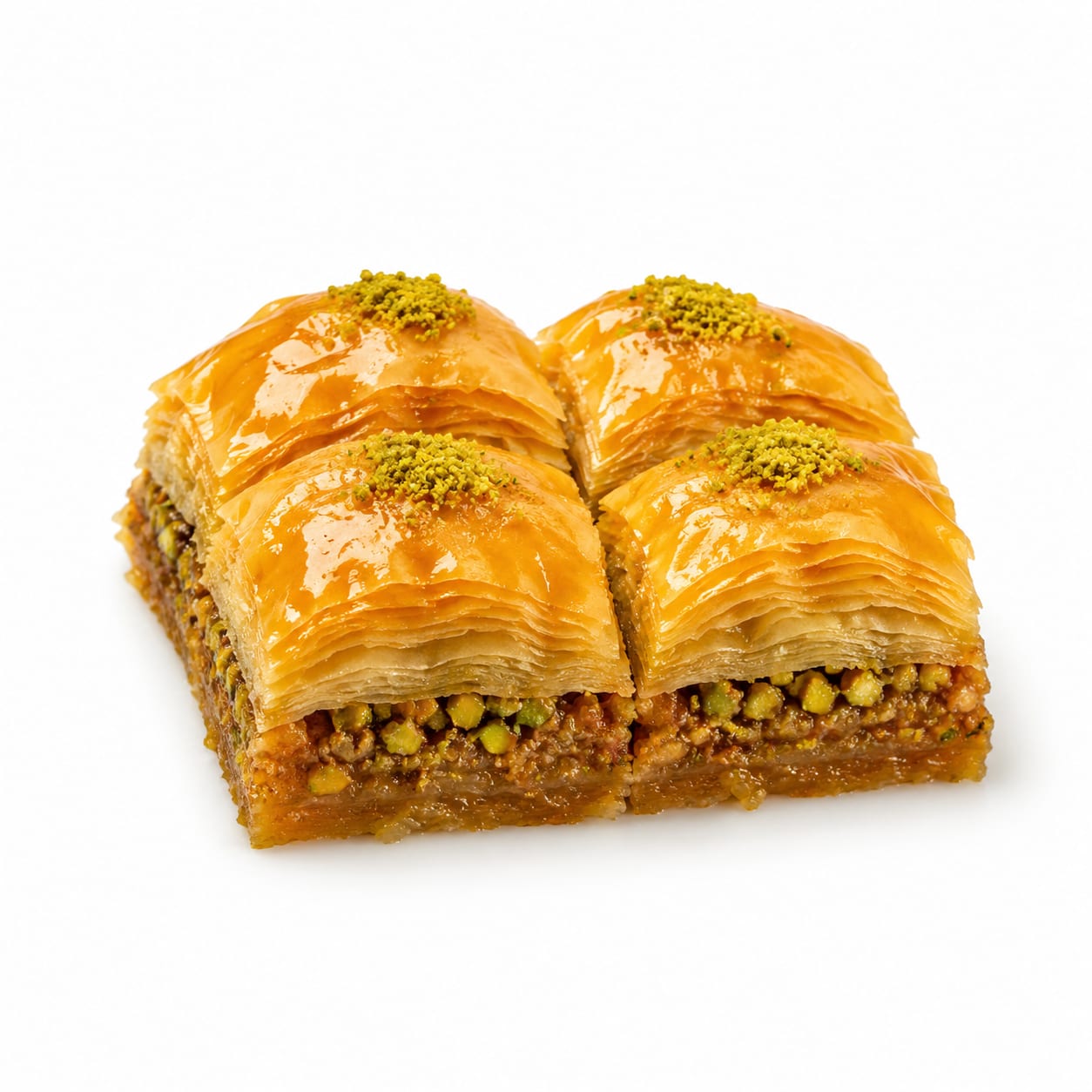
Pastry
Baklava
A dense, sweet pastry made of layered filo dough, nuts, and honey or syrup.
A rich, sweet dessert pastry made of layers of filo dough filled with chopped nuts and sweetened with syrup or honey.
high-calorie high-sugar dessert
Typical serving · 45g
Common varieties · pistachio baklava, walnut baklava, chocolate baklava, cashew baklava, rolled baklava
Overall context score across nutrition, safety, and diet fit
At a glance
Quick facts
Simple indicators based on nutrition, processing, and diet fit.
The story
What makes it unique
Baklava is a high-energy-density food characterized by rapid-digesting refined carbohydrates from filo dough and sugar syrup, combined with slower-digesting fats from nuts and butter. The high fat and sugar content delays gastric emptying slightly but ultimately results in a high glycemic load. Satiety is moderate due to fat and nut content, but the extreme calorie density makes portion control difficult. Macronutrient profile is dominated by fats and carbohydrates with minimal protein.
Varieties: pistachio baklava · walnut baklava · chocolate baklava · cashew baklava · rolled baklava
Per 100g
Nutrition breakdown
Macro balance and key metrics at a glance.
Energy
Density 4.30 kcal/g
Protein
Carbs
Fat
Fiber
Sugar
30 g
Sodium
210 mg
Potassium
210 mg
Glycemic index
65
Glycemic load
30
Water content
18%
Standout compounds
Nutrient highlights
Monounsaturated fat
moderateSupports heart health and reduces inflammation
Manganese
moderateSupports bone health and metabolic function
Copper
moderateAids iron metabolism and nervous system function
Added sugars
highProvides immediate but short-lived energy
Wellness map
Health scores & processing
NOVA processing scale
ultra-processed · Ultra-processed
Commercial baklava uses refined flours, processed butter or oils, and added sugars or syrups, combining multiple processed ingredients into a highly palatable formulation.
Diet compatibility
- Weight loss
- Muscle gain
- Diabetes
- Gut health
- Low carb
- High protein
- Heart health
Relative standing
Food rankings
Qualitative ranks compared to similar whole foods.
- Satietypoor
- Blood sugarpoor
- Nutrient densitymoderate
- Fitness fuelpoor
- Processing qualitypoor
Eat with confidence
Food safety profile
Baklava has low microbial risk due to its low water activity. Primary concern is potential aflatoxin exposure from the nut filling if sourced from poor-quality suppliers.
Evidence confidence 85%
- Pesticidesmoderate
- Antibioticslow
- Heavy metalslow
- Contaminationlow
Watch for
- aflatoxins in nuts
Safer choices
Brands using organic or high-quality tested nuts; fresh bakery baklava with high turnover.
Prep tips
Not applicable for washing; store properly to prevent rancidity of the nut oils.
Aflatoxin limits in imported nuts are strictly monitored, but occasional batch recalls occur.
Deep dive
Health analysis
How this food may fit different goals and preparation choices.
Weight loss
High energy density and extreme palatability make overconsumption likely, easily pushing you into a caloric surplus.
Blood sugar
High sugar content from syrups causes rapid blood glucose spikes; the fat content only slightly delays this response.
Fitness & energy
Provides quick carbohydrates for immediate energy but lacks sufficient protein and causes a subsequent sugar crash.
Gut health
Low fiber and high sugar offer minimal prebiotic benefits and may feed harmful gut bacteria if consumed frequently.
Processing quality
Made with refined grains, added sugars, and high-fat processed ingredients, offering little whole-food nutrition.
Food safety
Low risk of foodborne illness due to low moisture content; primary concern is rancid nuts or aflatoxins from poor storage.
Common mistakes
Assuming baklava is a healthy snack because it contains nuts; eating multiple pieces in one sitting due to small serving sizes.
Best preparation
Homemade versions using less syrup, whole wheat filo, and natural sweeteners like stevia or monk fruit blended with a little honey can improve the nutritional profile.
Practical guide
Best use cases
When and how this food fits real eating patterns.
occasional cultural celebration
Traditionally served during holidays and special events, best enjoyed mindfully as a rare treat.
quick energy boost
The high sugar content provides a rapid source of energy for endurance activities, though it lacks sustained fuel.
sharing dessert
Rich flavor encourages small portions, making it ideal for sharing a single piece among multiple people.
Balance sheet
Pros & cons
Upsides
- Contains heart-healthy nuts providing unsaturated fats
- Offers trace minerals like manganese and copper
- Provides quick energy from simple carbohydrates
Trade-offs
- Very high in added sugars that spike blood glucose
- Extremely calorie-dense making portion control difficult
- High in saturated fat from butter used in filo layers
- Low in dietary fiber and protein relative to calorie content
Fit check
Who is it for?
Great match
- occasional sweet treat
- endurance athletes needing quick carbs
- cultural and festive occasions
Consider alternatives
- weight loss diets
- blood sugar management
- low-carb or keto diets
- daily snacking
Side by side
How it compares
Open the full head-to-head analysis for nutrition, safety, and practical tradeoffs.
This food
Baklava
VS85% alike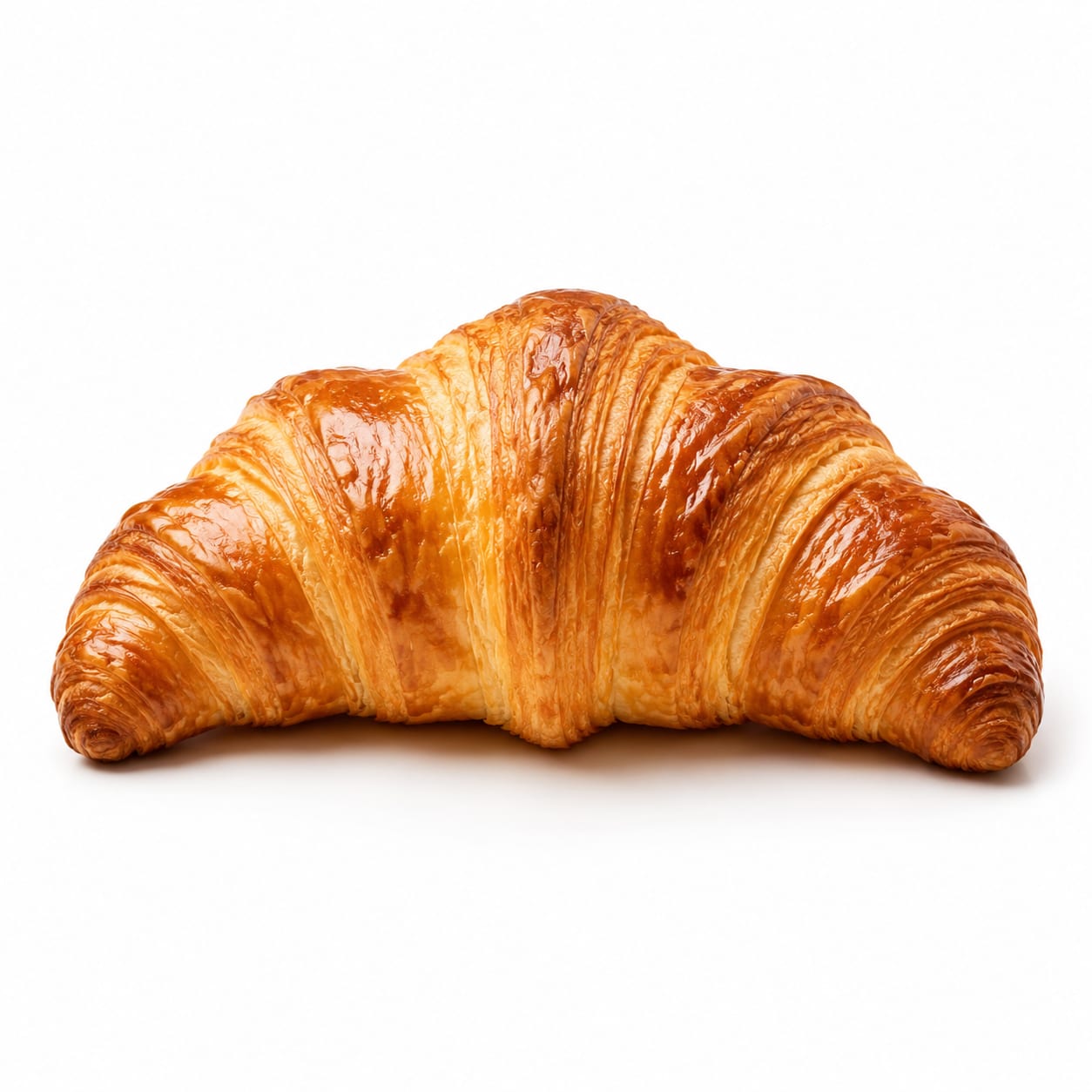
Compare with
Croissant
Croissants are lower in sugar but higher in refined flour, while baklava is soaked in sugar syrup but provides beneficial nuts.
Croissants offer a buttery pastry with less sugar, while baklava packs more calories and sugar from syrup but provides healthy fats from nuts.
This food
Baklava
VS80% alike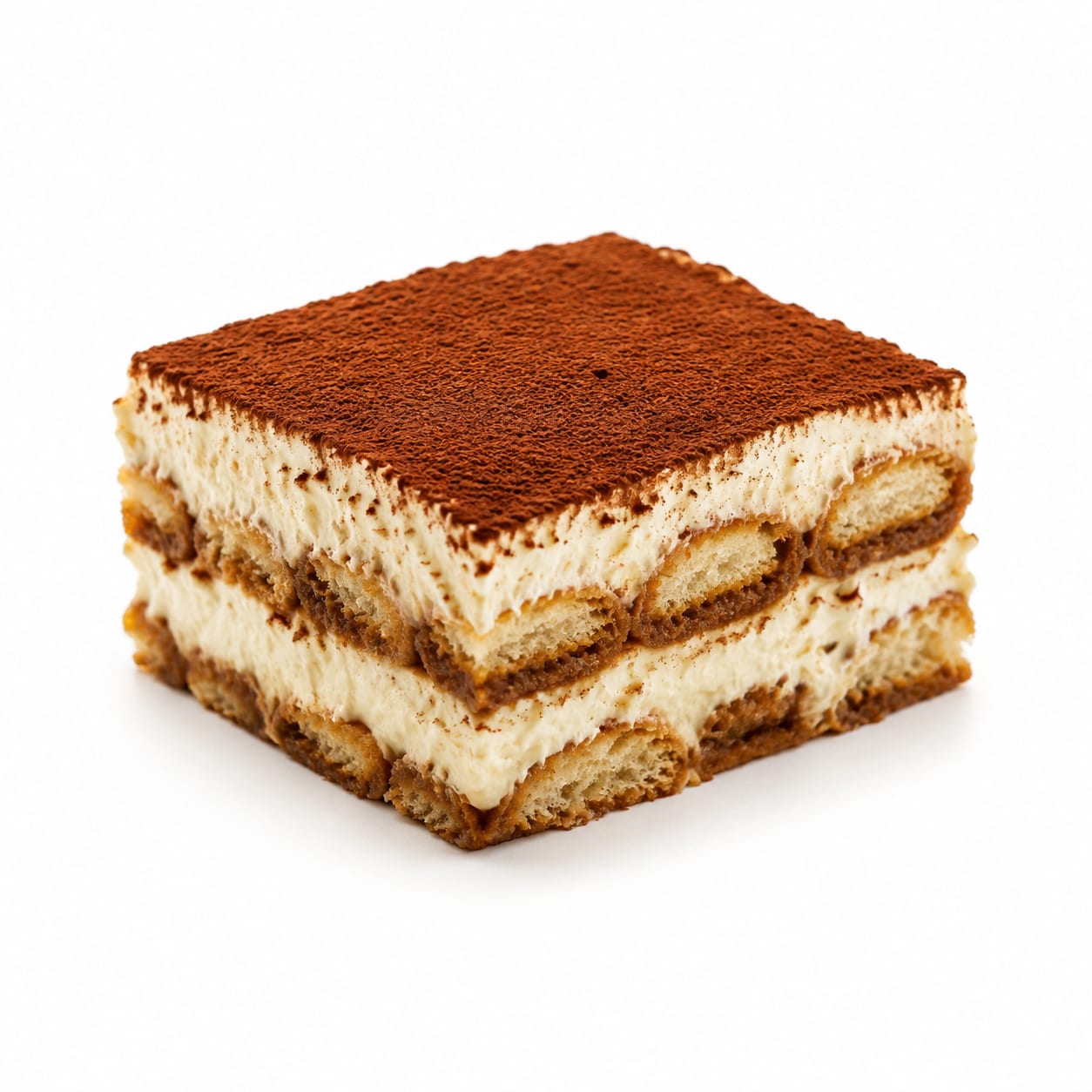
Compare with
Tiramisu
Tiramisu has more saturated fat from mascarpone, while baklava has more carbohydrates from syrup.
Tiramisu is higher in saturated fat from cheese, while baklava is higher in carbohydrates and sugar from honey syrup, making both occasional treats.
This food
Baklava
VS70% alike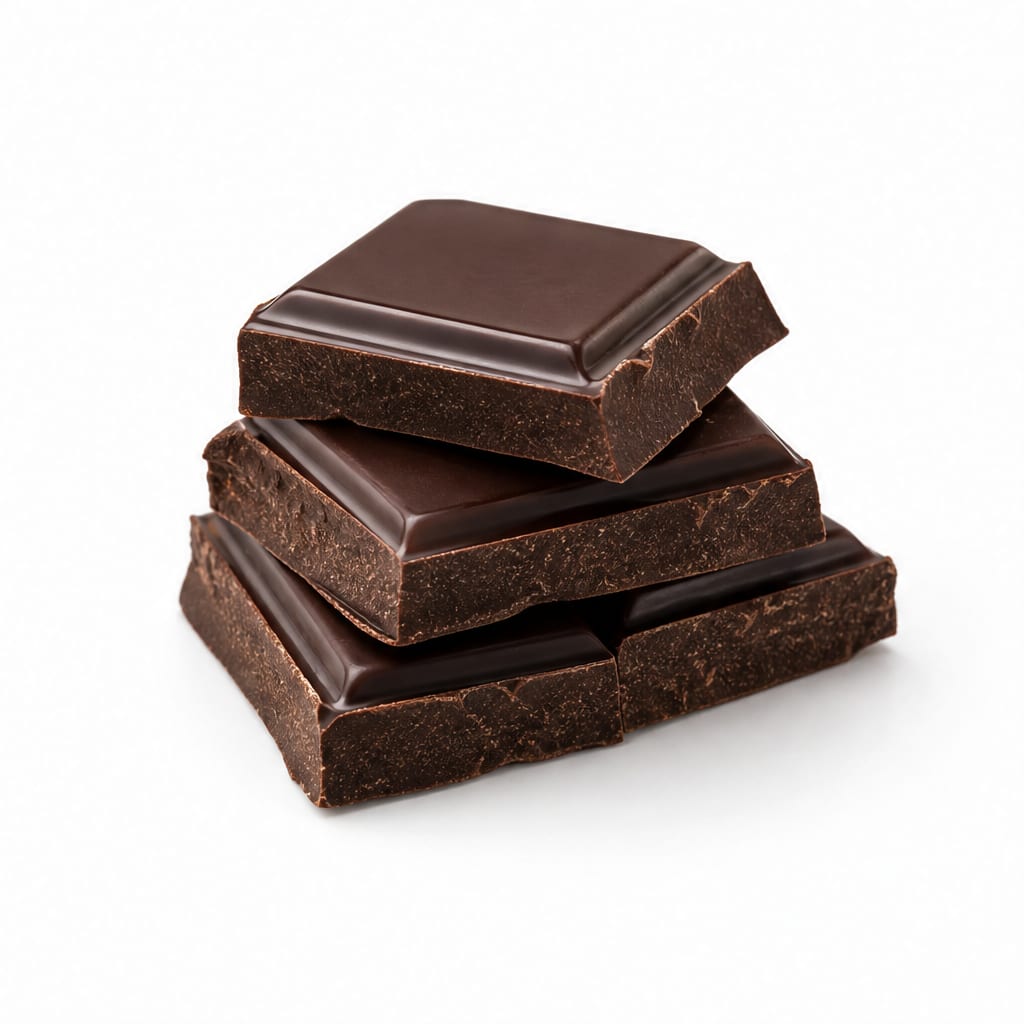
Compare with
Dark Chocolate
Dark chocolate has far less sugar and more antioxidants, making it significantly healthier than baklava.
Dark chocolate provides antioxidants and far less sugar than baklava, making it a much better choice for heart health and blood sugar control.
This food
Baklava
VS65% alike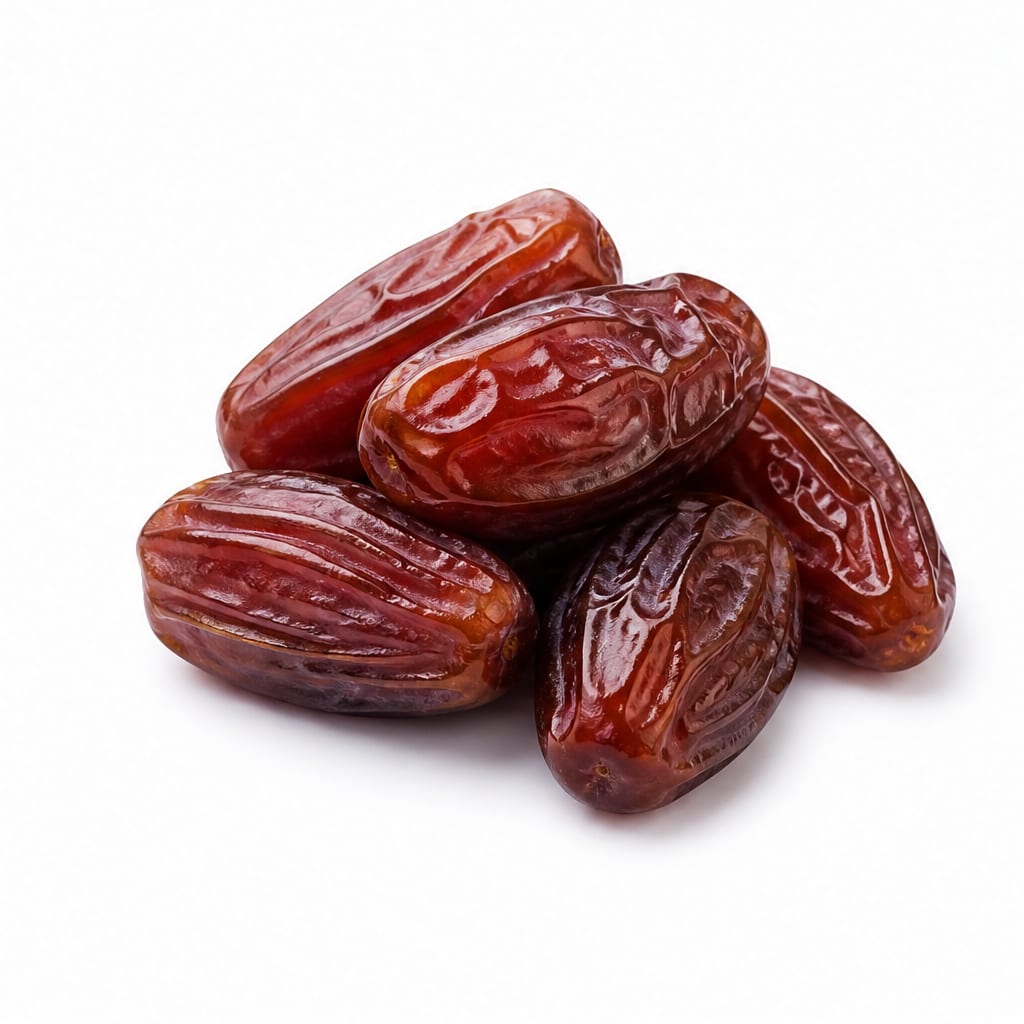
Compare with
Dates
Dates are whole foods with natural sugars and fiber, whereas baklava is a processed dessert with added refined sugars.
Dates offer natural sweetness and dietary fiber, providing a healthier whole-food alternative to the refined sugars and flours in baklava.
This food
Baklava
VS75% alike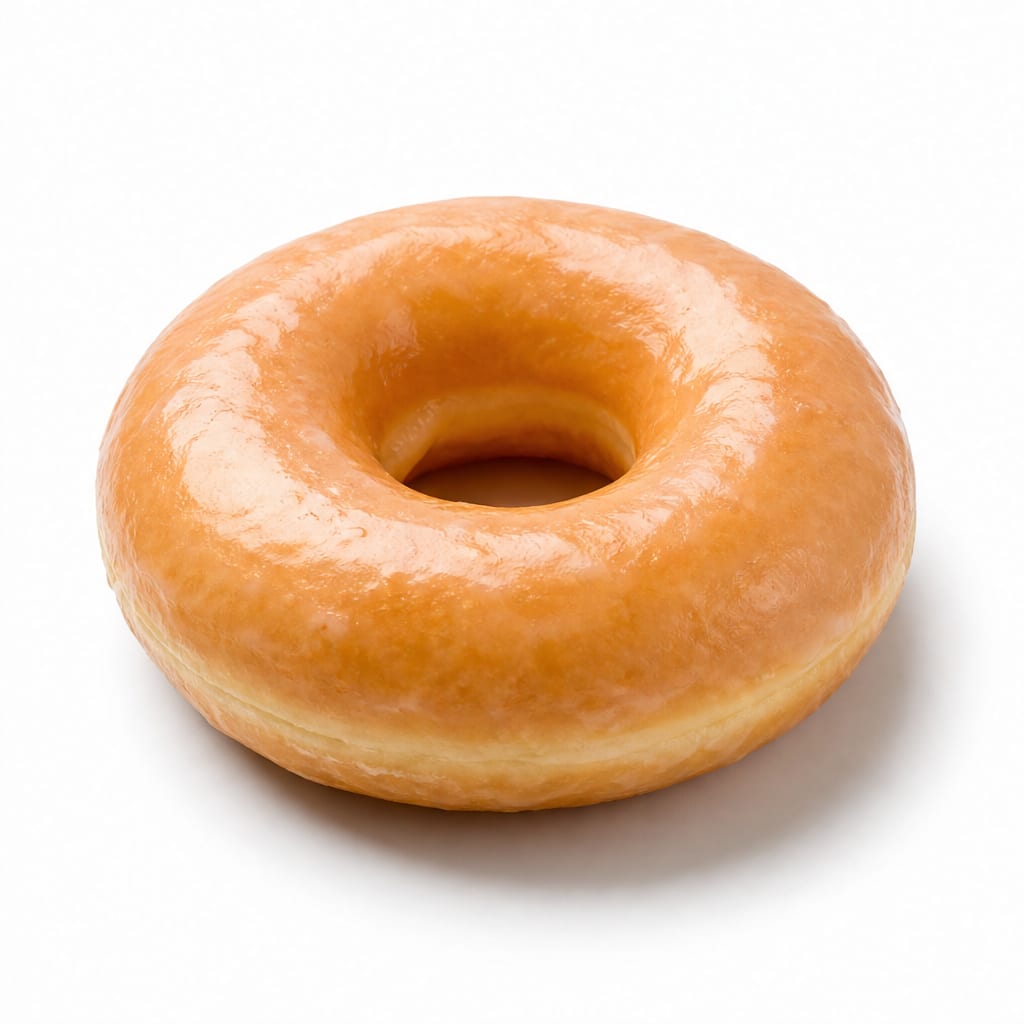
Compare with
Glazed Donut
Donuts are slightly lower in calories, but baklava provides some nutritional value from its nut content.
A glazed donut is slightly lower in calories than baklava, but baklava provides some nutritional value from its nut content.
This food
Baklava
VS60% alike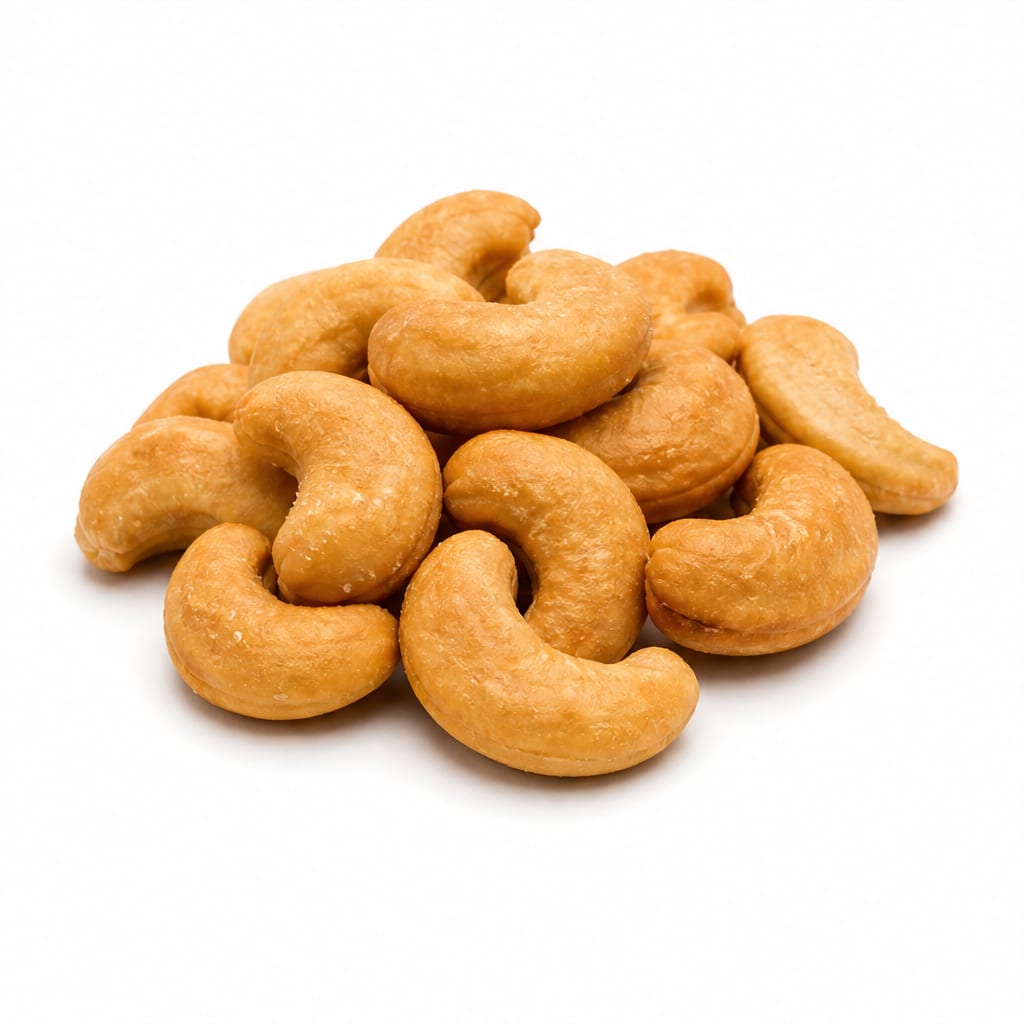
Compare with
Roasted Cashews
Roasted cashews deliver the healthy fats of nuts without the massive sugar load found in baklava.
Roasted cashews deliver the healthy fats and protein of nuts without the massive sugar load found in baklava, making them far better for daily snacking.
This food
Baklava
VS65% alike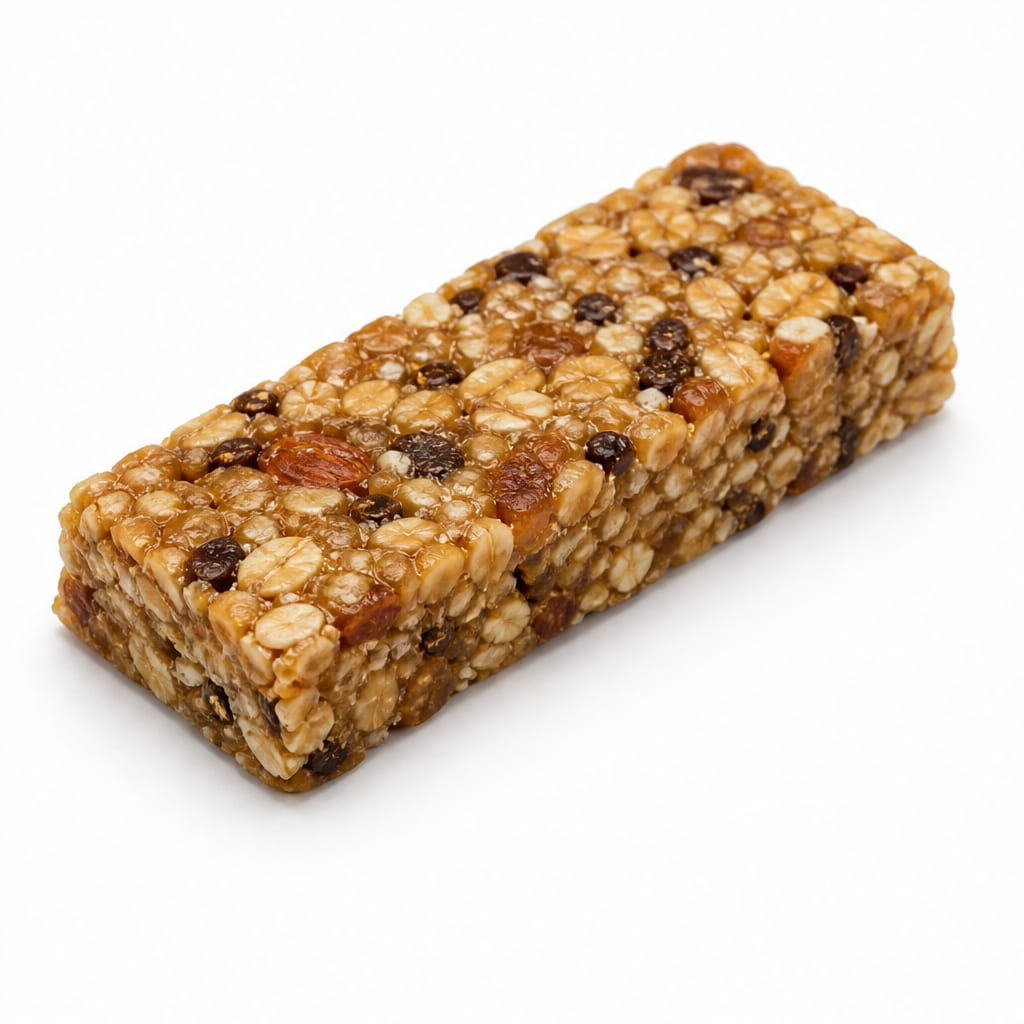
Compare with
Energy Bar
Energy bars typically offer more protein and balanced macros for fitness recovery, whereas baklava provides empty carbs.
Energy bars typically offer more protein and balanced macros for fitness recovery, whereas baklava provides empty carbs and fats with little protein.
This food
Baklava
VS70% alike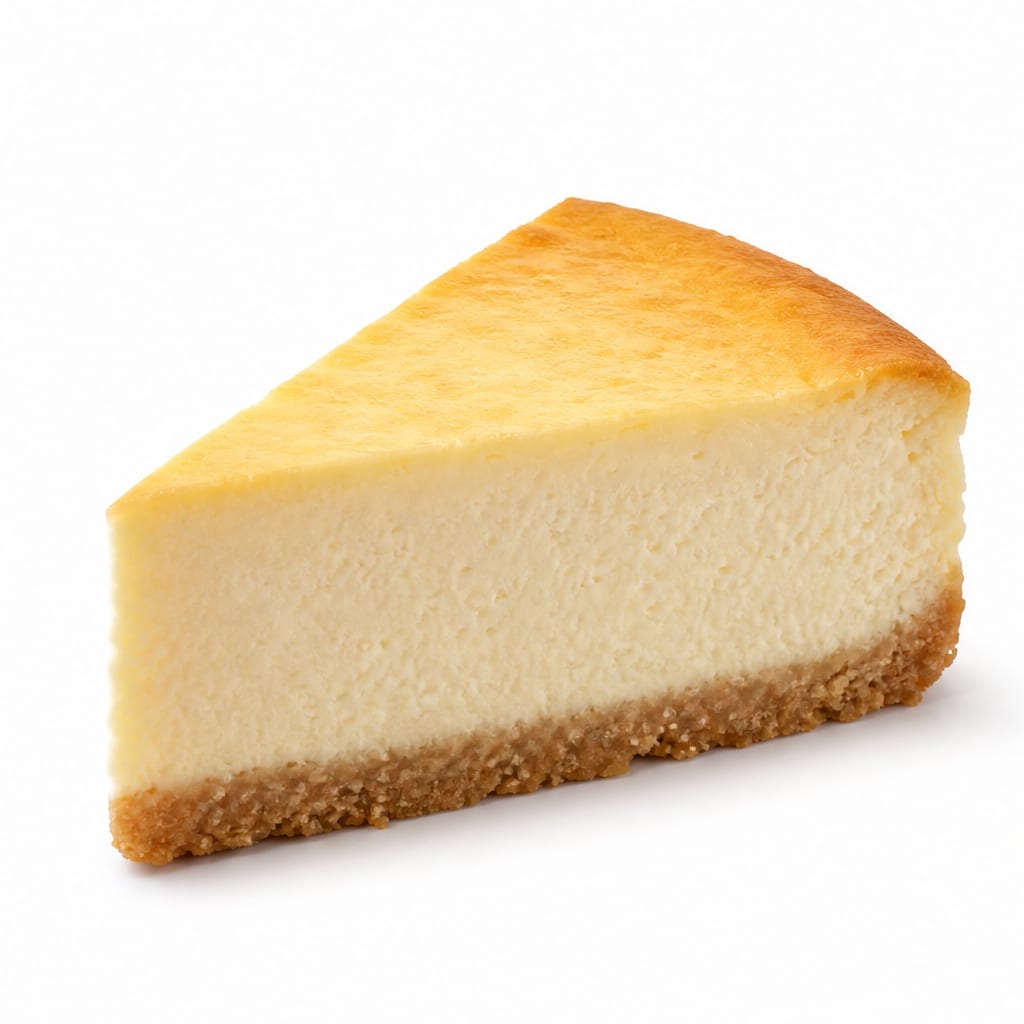
Compare with
Cheesecake
Cheesecake provides more protein from dairy but high saturated fat, while baklava is predominantly carbohydrate.
Cheesecake provides more protein from dairy but high saturated fat, while baklava is predominantly carbohydrate and nut-based with high sugar.
This food
Baklava
VS85% alike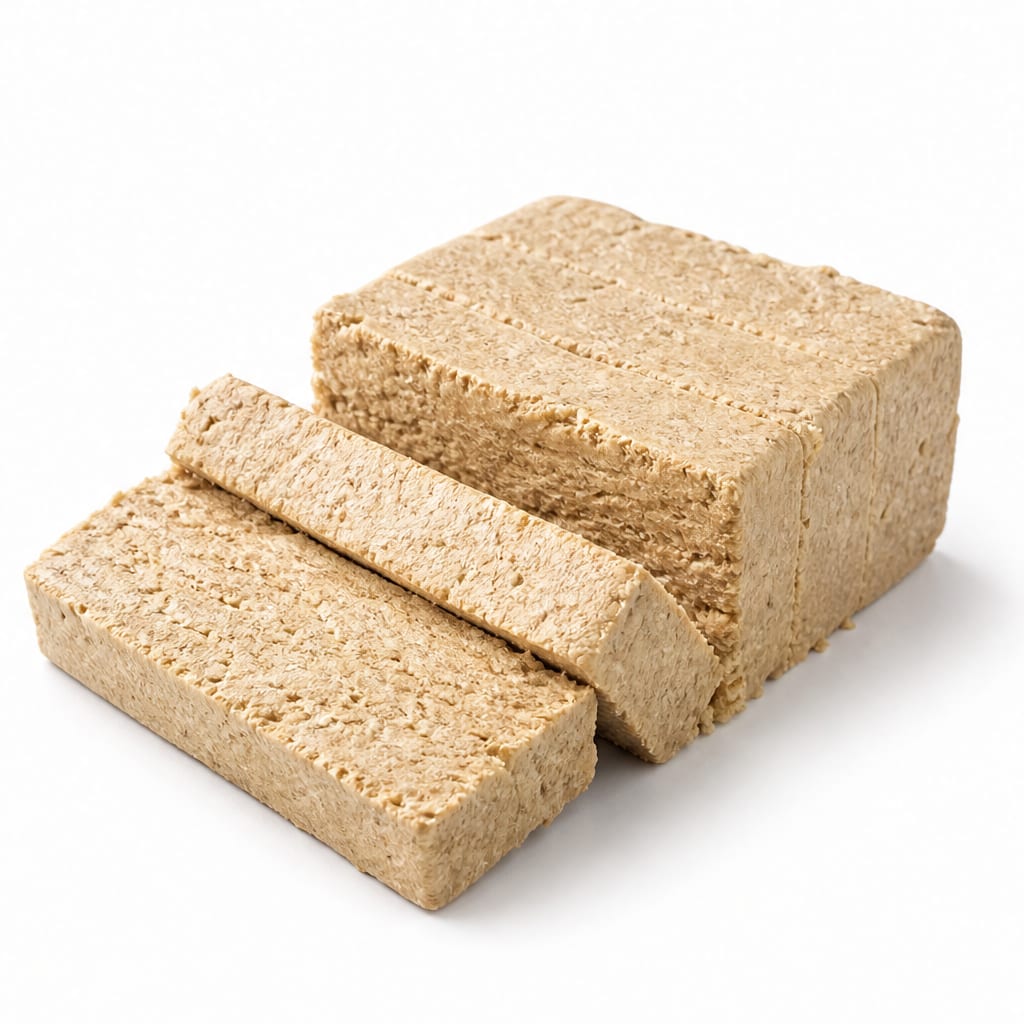
Compare with
Halva
Halva is extremely dense in sugar and fat from sesame, while baklava uses filo dough and nuts, but both are high-glycemic.
Halva is extremely dense in sugar and fat from sesame, while baklava uses filo dough and nuts, but both are high-glycemic desserts.
This food
Baklava
VS65% alike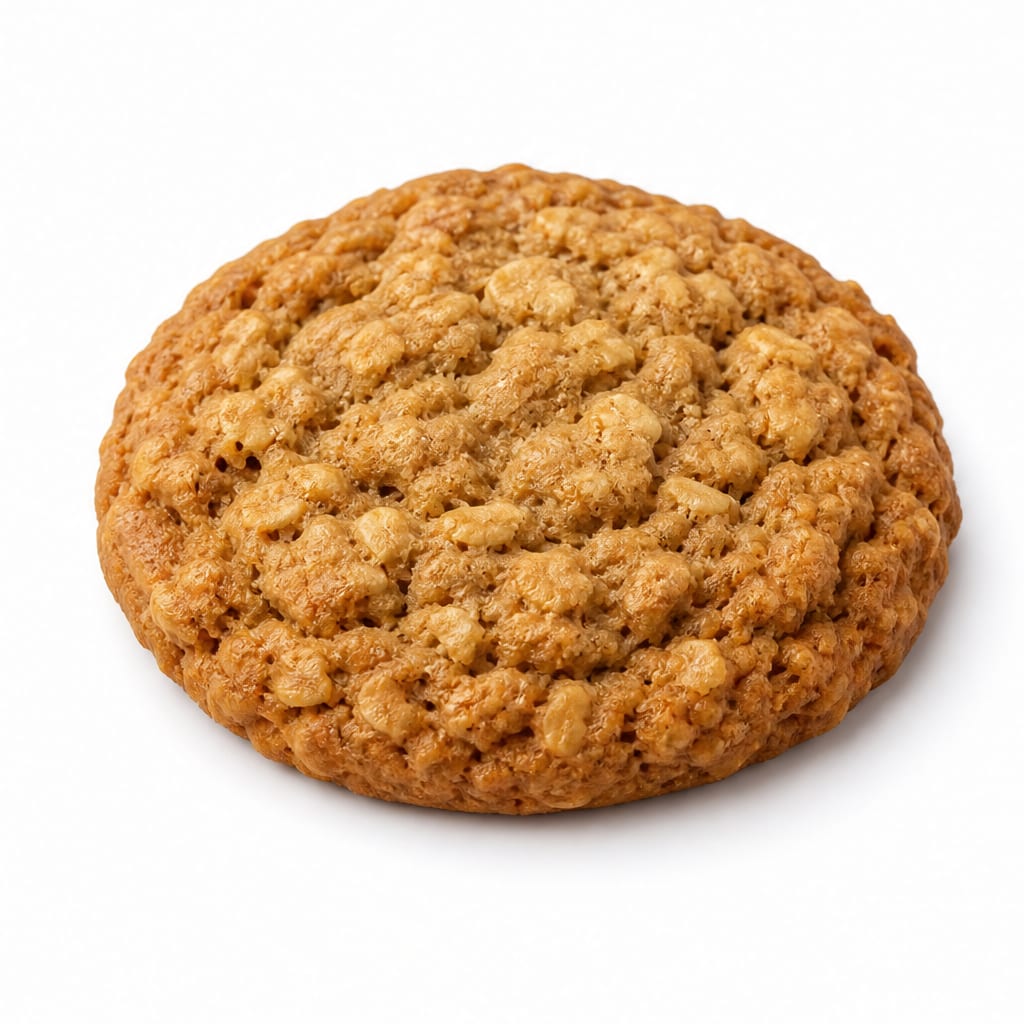
Compare with
Oatmeal Cookie
Oatmeal cookies provide soluble fiber from oats, offering better blood sugar control compared to the refined filo dough in baklava.
Oatmeal cookies provide soluble fiber from oats, offering better blood sugar control and digestion compared to the refined filo dough in baklava.
Common questions
FAQ
Answers aligned with how people search for this food.
Is baklava good for weight loss?
No, baklava is not good for weight loss. It is extremely calorie-dense and high in sugar and fat, making it very easy to overconsume.
How many calories are in one piece of baklava?
A typical small piece of baklava (around 45 grams) contains approximately 190 to 200 calories, mostly from fat and carbohydrates.
Can diabetics eat baklava?
Diabetics should avoid baklava or eat very small portions occasionally. The high sugar syrup causes rapid blood sugar spikes, making it difficult to manage glucose levels.
Is baklava considered ultra-processed?
Yes, commercial baklava is ultra-processed. It is made with refined flour, added sugars, and processed fats, placing it in Nova Group 4.
Does baklava have any health benefits?
The nuts in baklava provide healthy unsaturated fats, antioxidants, and minerals like magnesium. However, these benefits are heavily outweighed by the high added sugar content.
Why is baklava so high in calories?
Baklava is high in calories because it consists of layers of butter-brushed filo dough and nuts, all soaked in a heavy sugar or honey syrup, combining high fat and high sugar.
Is baklava high in carbs?
Yes, baklava is high in carbohydrates. A 100-gram serving contains about 46 grams of carbs, with 30 grams coming directly from added sugars.
Can I eat baklava on a low carb diet?
No, baklava is not suitable for a low carb diet. The sugar syrup and refined flour make it very high in digestible carbohydrates.
Transparency
Data confidence
Estimated confidence for nutrition data, interpretation, safety notes, and comparisons.
Nutrition data
Health analysis
Food safety
Comparisons