
Nutrition comparison
Baklava vs Dates: Which Sweet Snack is Healthier?
Compare Baklava and Dates to see which sweet treat is better for your health. Learn about blood sugar impact, calorie density, and nutritional value.
Overall winner · Dates
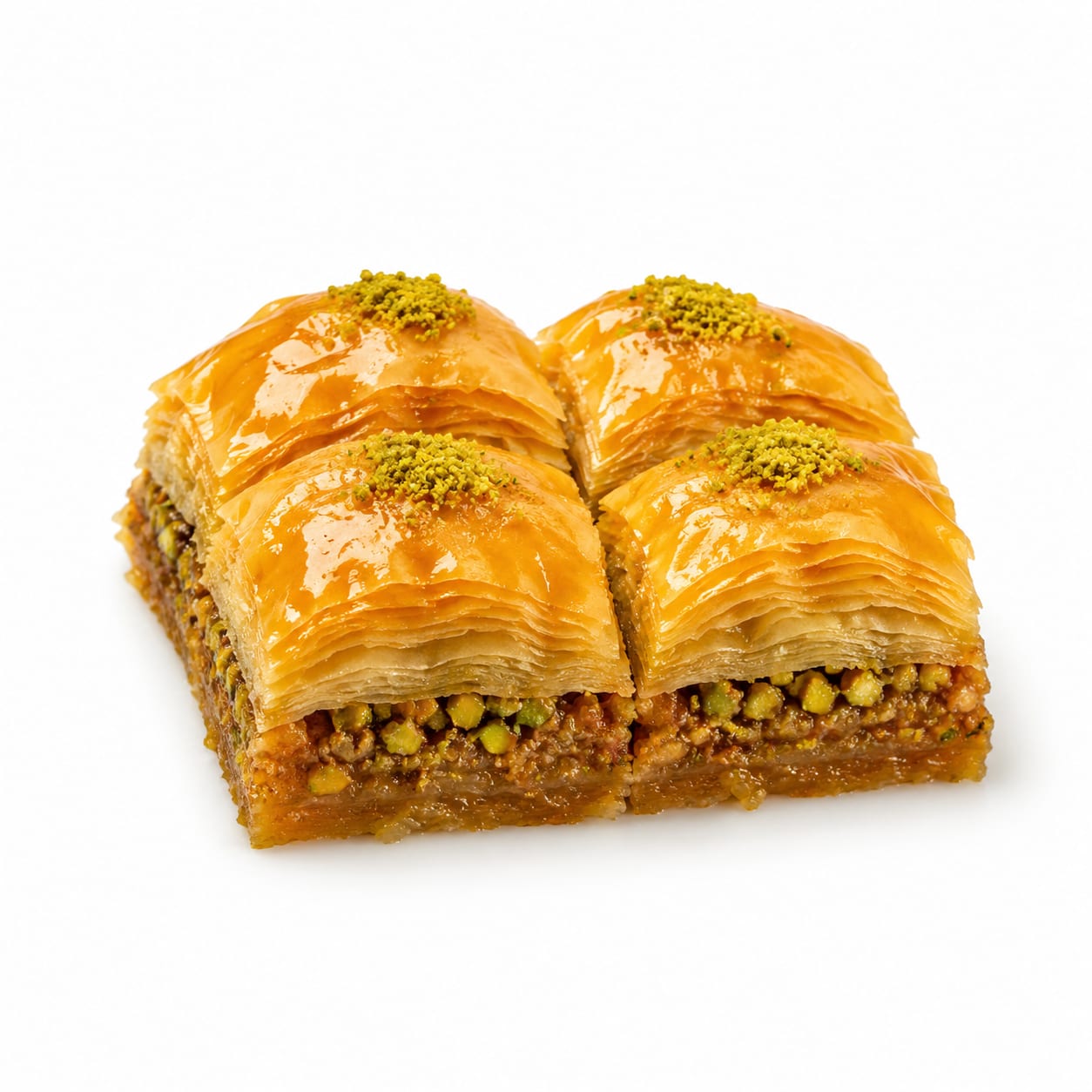
Baklava
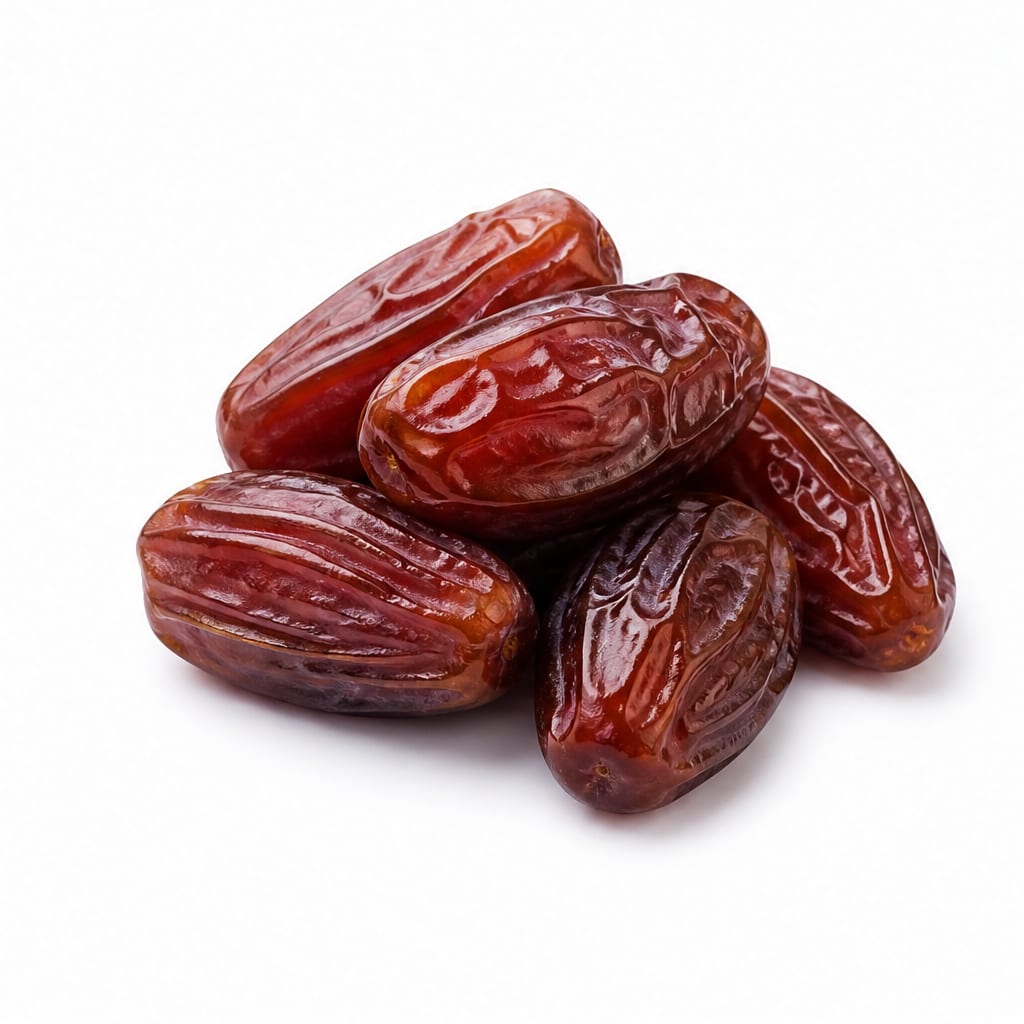
Dates
Dates offer natural sweetness with fiber and minerals, while Baklava is a calorie-dense, sugar-heavy dessert best saved for special occasions.
Dates score significantly higher due to being a whole food with fiber and minerals, whereas Baklava is a heavily processed, high-sugar, high-fat pastry with minimal nutritional upside.
Convenience and whole-food nutrition of Dates versus the rich, indulgent flavor of Baklava at a high metabolic cost.
At a glance
Executive summary
Overall
Dates
Healthier
Dates
More practical
Dates
Daily use
Dates
Key comparison lenses
Natural vs Processed Sweetness
Users are comparing a whole-food sweetener against a highly processed, syrup-laden pastry.
Blood Sugar Management
Both foods are sugar-dense, but the fiber difference drastically changes how the body handles the glucose load.
Calorie Density and Weight Control
Baklava is notoriously easy to overeat due to its high fat and sugar content, while Dates offer more built-in portion control.
Nutritional Value of Snacks
Evaluating whether the calories consumed come with meaningful vitamins and minerals or are mostly empty.
Best choice for
Baklava
- Celebrations and cultural events
- Sharing a rich dessert with friends
- Satisfying an intense sweet tooth craving occasionally
Dates
- Pre-workout quick energy
- A daily sweet treat without the guilt
- Natural baking sweetener
Least suitable for
Baklava
- Daily snacking
- People managing diabetes or insulin resistance
- Weight loss diets
Dates
- Strict low-carb or keto diets
- Portion control for severe sugar addiction
Deep comparison
Dimension by dimension
Each lens scores both foods and breaks down who each option suits.
- Dimension 1 · Priority 95Dates
Blood Sugar & Energy Stability
Baklava · 20Dates · 65Dates provide steadier energy thanks to their fiber content, while Baklava delivers a rapid sugar rush followed by a crash.
Tradeoff
You get an immediate intense energy spike from Baklava, but Dates keep you from hitting that afternoon slump.
Why it matters
Avoiding sugar crashes helps maintain focus and prevents cravings from spiraling.
Real-world impact
Eating Baklava at 3 PM will likely leave you reaching for coffee by 4 PM; a couple of Dates will keep you cruising.
Baklava
- Quick energy for endurance events
- Immediate blood sugar recovery for hypoglycemia
Better for
- Sustained focus
- Blood sugar management
- People prone to energy crashes
Worse for
Dates
- Sustained afternoon energy
- Avoiding the sugar crash
- Diabetics looking for a safer sweet
Better for
- Situations requiring zero fiber or bulk
- Very low carbohydrate diets
Worse for
- Dimension 2 · Priority 85Dates
Calorie Density & Weight Management
Baklava · 15Dates · 60Baklava is extremely calorie-dense due to butter and syrup, making it very easy to overconsume. Dates are also calorie-dense but have fiber that helps regulate intake.
Tradeoff
Baklava packs hundreds of calories in a few bites, while Dates offer more volume and chewing resistance per calorie.
Why it matters
Managing calorie density is crucial for weight maintenance without feeling deprived.
Real-world impact
A small piece of Baklava can equal the calories of 3-4 Dates, but the Dates will make you feel much fuller.
Baklava
- Hard gainers needing massive calorie intake
- Backpacking and hiking where weight-to-calorie ratio matters
Better for
- Weight loss
- Portion control
- Mindless snacking while watching TV
Worse for
Dates
- Curbing sweet cravings with fewer total calories
- Feeling full between meals
- Mindful snacking
Better for
- Strict calorie tracking without a food scale
- Very low calorie diets
Worse for
- Dimension 3 · Priority 80Dates
Nutritional Value & Micronutrients
Baklava · 25Dates · 80Dates are rich in potassium, magnesium, and antioxidants. Baklava's nuts offer some nutrients, but they are drowned in refined sugar and saturated fat.
Tradeoff
You get meaningful minerals from Dates, whereas Baklava mostly provides empty calories with a side of healthy fats from the nuts.
Why it matters
Getting nutrients from your snacks supports overall health without needing supplements.
Real-world impact
Dates can help with muscle cramps and blood pressure thanks to potassium; Baklava cannot.
Baklava
- Getting a small dose of healthy fats from nuts
Better for
- Nutrient-dense snacking
- Avoiding refined carbohydrates
Worse for
Dates
- Boosting potassium intake
- Increasing magnesium for sleep and recovery
- Adding antioxidants to your diet
Better for
- Low-sugar diets
- People watching their potassium intake due to kidney issues
Worse for
- Dimension 4 · Priority 90Dates
Processing & Ingredient Quality
Baklava · 10Dates · 90Dates are a single-ingredient whole food. Baklava is ultra-processed, containing refined flour, syrups, and often unhealthy fats.
Tradeoff
Dates offer simplicity and transparency, while Baklava hides inflammatory ingredients behind a delicious taste.
Why it matters
Minimizing ultra-processed foods is one of the most effective strategies for long-term health.
Real-world impact
You can pronounce everything in a Date; Baklava often contains preservatives and artificial flavorings.
Baklava
- Enjoying traditional culinary arts
- Experiencing complex flavor profiles
Better for
- Avoiding ultra-processed foods
- Limiting refined flour and syrup
- Reducing inflammatory fats
Worse for
Dates
- Clean eating
- Avoiding artificial additives
- Simple ingredient labels
Better for
- Seeking culinary variety
- Those who find whole foods boring
Worse for
- Dimension 5 · Priority 75Dates
Satiety & Fullness
Baklava · 30Dates · 70The fiber in Dates slows digestion and signals fullness. Baklava dissolves quickly, making it dangerously easy to eat half a tray.
Tradeoff
Baklava is moreish and encourages overeating, while Dates naturally put the brakes on your appetite.
Why it matters
Snacks that fail to fill you up lead to excess calorie consumption.
Real-world impact
Two Dates can hold you over until dinner; two pieces of Baklava will likely leave you hungry again in an hour.
Baklava
- Those who struggle to eat enough
- Situations where you want a light stomach soon after eating
Better for
- Controlling binge eating
- Feeling physically satisfied
- Stopping at one serving
Worse for
Dates
- Bridging the gap between meals
- Reducing overall food intake naturally
- Feeling satisfied after a sweet treat
Better for
- Eating right before a heavy meal
- Those who feel bloated by high-fiber foods
Worse for
Timeline
Health impact over time
Short-term
Hours to days
Baklava
- Rapid blood sugar spike
- Quick but short-lived energy burst
- Potential sluggishness after the sugar crash
Dates
- Sustained energy release
- Quick relief for low blood sugar
- Feeling comfortably full
Long-term
Months to years
Baklava
- Increased risk of insulin resistance
- Weight gain from high calorie density
- Potential inflammatory response from refined carbs and poor fats
Dates
- Improved digestion from fiber
- Better bone health from minerals
- Stable blood sugar when portioned correctly
Risk profile
Safety & processing
Dates are a whole, unrefined food, while Baklava is a highly processed pastry made with refined flour and added sugars.
Baklava
Foodborne illness from storage
mediumBaklava's butter and nut content can go rancid or harbor bacteria if left unrefrigerated for too long.
Dates
Sulfite sensitivity
lowSome dried dates are treated with sulfites, which can trigger asthma or allergies in sensitive individuals. Look for unsulfured varieties.
Who wins for whom
Audience fit
Same foods, different winners depending on your goal.
children
DatesDates provide natural sweetness alongside minerals for growing bodies, whereas Baklava introduces refined sugar and ultra-processed ingredients early.
daily consumption
DatesA couple of Dates a day is a healthy habit; daily Baklava is a fast track to metabolic issues.
diabetes
DatesNeither is ideal, but Dates have a lower glycemic index and fiber to blunt the sugar spike compared to the refined syrup in Baklava.
elderly
DatesDates are easier to chew and provide potassium which supports heart health, unlike the saturated fat in Baklava.
muscle gain
It dependsDates offer quick carbs for pre-workout energy, but Baklava provides more total calories which might benefit hard gainers, though the fat content can slow digestion.
weight loss
DatesDates have fiber that promotes fullness, making it easier to control portions compared to the calorie-dense, hyper-palatable Baklava.
Your move
Decision guide
Choose Baklava
- You are celebrating a special occasion
- You want a rich, decadent dessert experience
- You are sharing a cultural tradition
Choose Dates
- You need a quick pre-workout energy boost
- You want a daily sweet treat that won't derail your health
- You are looking for a natural way to satisfy sugar cravings
Either works if
- You need a dense source of calories
- You are looking for a snack to pair with tea or coffee
Avoid both if
- You are on a strict low-carb or keto diet
- You have severe blood sugar control issues and cannot afford any sugar spike
Final recommendation
Choose Dates for your everyday sweet tooth—they deliver real nutrition and steady energy. Save Baklava for the rare celebration where indulgence is the whole point.
Practical
Consumer tips
- 1
Stick to 2-3 Dates per sitting to keep sugar intake in check.
- 2
If buying Dates, choose whole, unsulfured varieties to avoid unnecessary additives.
- 3
When eating Baklava, pair it with a protein source like Greek yogurt to slow down the sugar rush.
- 4
Use chopped Dates in oatmeal instead of honey or sugar for a naturally sweet breakfast.