
Nutrition comparison
Baklava vs Cheesecake: Which Dessert Is the Smarter Indulgence?
Compare baklava and cheesecake on nutrition, sugar impact, fat quality, and portion control. Find out which treat fits your health goals better.
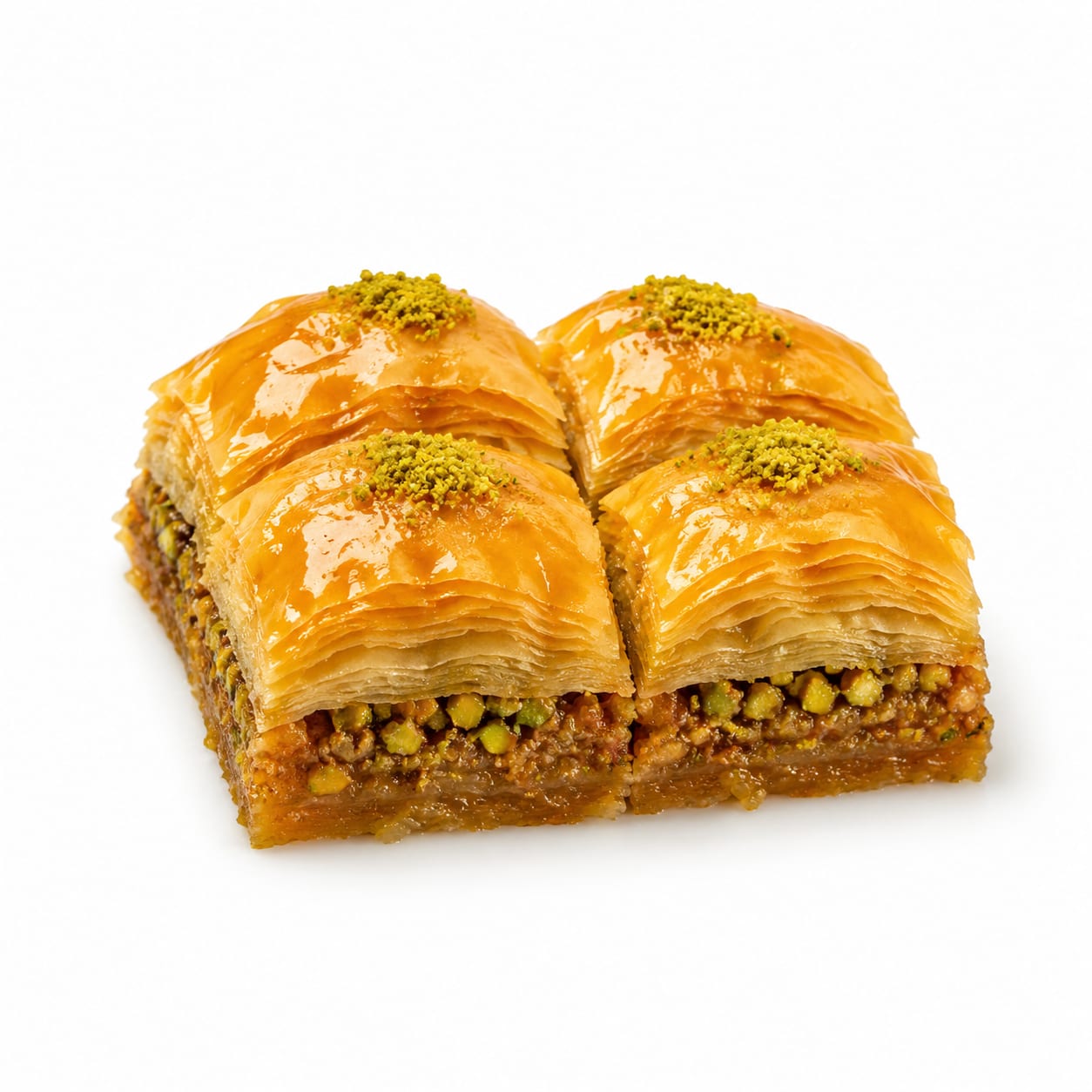
Baklava
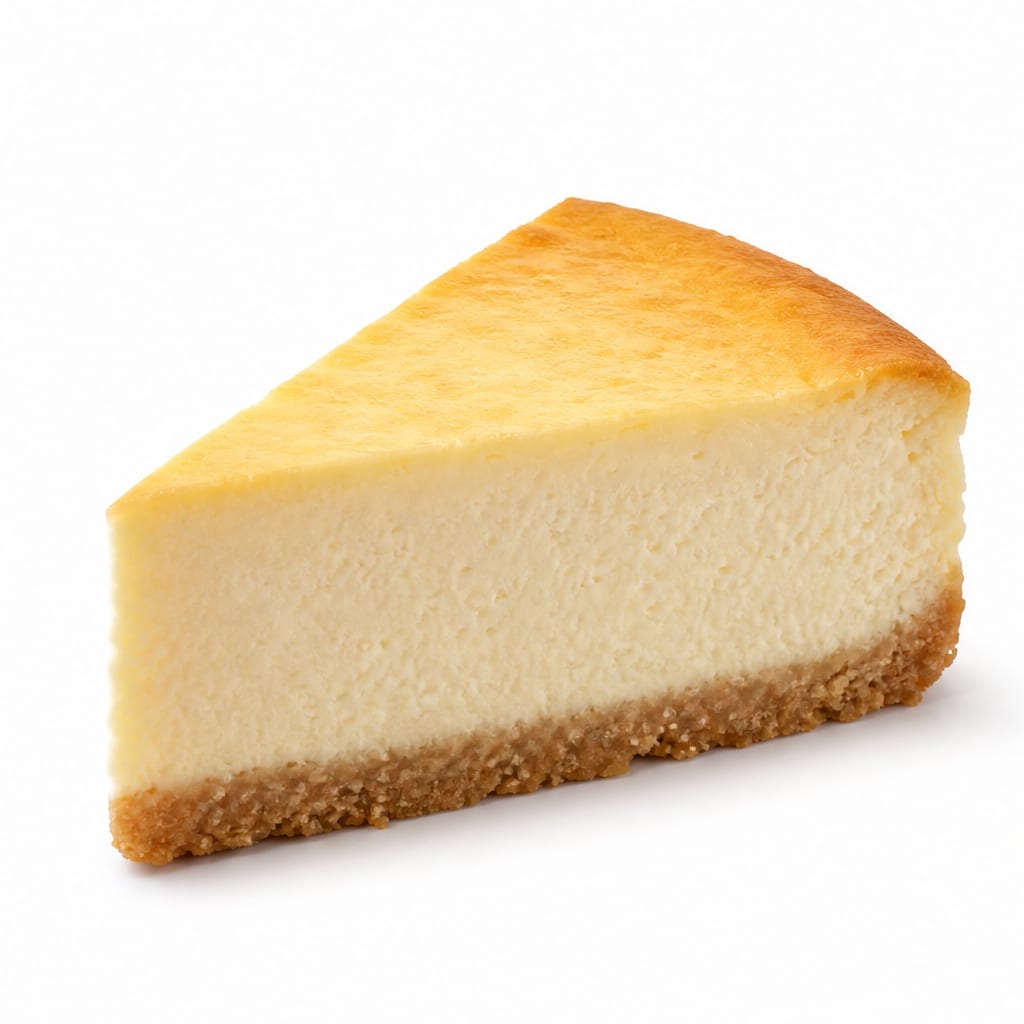
Cheesecake
Neither is a health food, but baklava edges ahead with heart-healthy nut fats and simpler ingredients, while cheesecake offers more protein and a creamier satisfaction factor.
Both score low as everyday foods due to high sugar and calorie density. Baklava scores slightly higher thanks to nut-based fats and less processing, but the margin is slim because both are firmly in treat territory.
Nut-based healthy fats and simpler ingredients in baklava versus more protein and slower sugar absorption from cheesecake's dairy fat.
At a glance
Executive summary
Overall
It depends
Healthier
Baklava
More practical
Cheesecake
Daily use
It depends
Key comparison lenses
dessert indulgence comparison
Both are premium indulgent desserts, so users are likely choosing between them for a treat
sugar and blood spike concern
Both are sugar-heavy desserts with significant glycemic impact
fat quality tradeoff
Baklava offers nut-based healthy fats while cheesecake delivers saturated dairy fat
calorie density and portion control
Both are extremely calorie-dense but trigger different satiety signals
ingredient naturalness
Traditional baklava uses whole-food ingredients while commercial cheesecake often contains additives
Best choice for
Baklava
- People prioritizing heart-healthy fats from nuts
- Those who prefer simpler, more natural ingredient lists
- Anyone wanting a smaller portion to feel satisfied
- People avoiding dairy or lactose
Cheesecake
- People wanting more protein in their indulgence
- Those who prefer slower-digesting, longer-lasting satisfaction
- Anyone seeking a dessert that feels more like a meal replacement
- People who find creamy textures more emotionally comforting
Least suitable for
Baklava
- People with severe nut allergies
- Anyone monitoring blood sugar closely
- Those who struggle stopping at small portions
Cheesecake
- People with lactose intolerance or dairy sensitivity
- Anyone watching saturated fat intake strictly
- Those concerned about cholesterol levels
Deep comparison
Dimension by dimension
Each lens scores both foods and breaks down who each option suits.
- Dimension 1 · Priority 92Baklava
fat_quality
Baklava · 72Cheesecake · 38Baklava's walnuts and pistachios deliver omega-3s and monounsaturated fats, while cheesecake's cream cheese is dominated by saturated fat.
Tradeoff
You get heart-friendlier fats with baklava but more total fat per bite; cheesecake's saturated fat is less heart-healthy but slows sugar absorption.
Why it matters
The type of fat in your dessert affects inflammation, cholesterol, and how your body processes the sugar rush that follows.
Real-world impact
Choosing baklava means your indulgence comes with fats that actually support heart health, while cheesecake's saturated fat can raise LDL cholesterol over time.
Baklava
- Heart health
- Anti-inflammatory benefits
- Omega-3 intake
Better for
- Very calorie-dense per piece
- Easy to overeat nuts
Worse for
Cheesecake
- Slower sugar absorption due to fat content
- Longer-lasting fullness
Better for
- Saturated fat raises LDL cholesterol
- Less favorable for heart health long-term
Worse for
- Dimension 2 · Priority 90Cheesecake
sugar_impact
Baklava · 22Cheesecake · 35Baklava's honey syrup causes a faster blood sugar spike, while cheesecake's dairy fat and protein blunt the glycemic hit somewhat.
Tradeoff
Baklava delivers a quicker sugar rush followed by a steeper crash; cheesecake releases sugar more gradually but still packs a heavy load.
Why it matters
How fast sugar hits your bloodstream determines energy crashes, cravings, and long-term metabolic strain.
Real-world impact
After baklava you may feel a quick high then a slump within an hour. Cheesecake keeps you steadier longer, though neither is gentle on blood sugar.
Baklava
- Quick energy if needed before activity
Better for
- Sharp blood sugar spike
- Faster return of hunger
- Worse for insulin resistance
Worse for
Cheesecake
- More stable blood sugar response
- Less severe crash afterward
- Better for late-night snacking
Better for
- Still very high in sugar overall
- Can cause sluggishness from heavy fat-sugar combo
Worse for
- Dimension 3 · Priority 75Cheesecake
protein_content
Baklava · 30Cheesecake · 55Cheesecake provides meaningful protein from cream cheese and eggs, while baklava's nut protein is modest by comparison per serving.
Tradeoff
Cheesecake turns your dessert into something closer to a mini meal nutritionally, while baklava stays firmly in pure treat territory.
Why it matters
Protein in desserts slows digestion, reduces the sugar spike, and helps you feel full rather than wanting more.
Real-world impact
A slice of cheesecake can actually hold you over for a few hours. A piece of baklava leaves you hunting for more food sooner.
Baklava
- Some protein from nuts
- Plant-based protein source
Better for
- Low protein relative to calories
- Less satiating overall
Worse for
Cheesecake
- Significantly more protein per serving
- More satiating as a standalone snack
- Dairy protein is high-quality and complete
Better for
- Protein comes with high saturated fat
Worse for
- Dimension 4 · Priority 78Baklava
ingredient_naturalness
Baklava · 70Cheesecake · 42Traditional baklava uses just phyllo, nuts, butter, and honey. Commercial cheesecake often includes stabilizers, artificial flavors, and preservatives.
Tradeoff
Baklava is closer to a whole-food recipe, while store-bought cheesecake can be a chemistry project. Homemade cheesecake narrows this gap significantly.
Why it matters
Fewer additives means fewer unknown effects on digestion, cravings, and long-term health.
Real-world impact
Eating baklava from a traditional bakery means you recognize every ingredient. A supermarket cheesecake label often reads like a science experiment.
Baklava
- Simple recognizable ingredients
- Traditional preparation methods
- Fewer additives in authentic versions
Better for
- Restaurant versions may use cheaper oils instead of butter
Worse for
Cheesecake
- Homemade versions can be equally clean
Better for
- Commercial versions often loaded with stabilizers
- Graham cracker crust adds processed ingredients
- Artificial flavors common in mass-produced versions
Worse for
- Dimension 5 · Priority 82Baklava
portion_control
Baklava · 58Cheesecake · 40Baklava is traditionally served in small diamond-shaped pieces that naturally limit portions, while cheesecake slices tend to be enormous.
Tradeoff
Baklava's cultural serving size works in your favor, but its moreish sweetness can tempt you back. Cheesecake's heaviness stops you sooner but each slice is a calorie bomb.
Why it matters
The easiest dessert to moderate is the one where the default serving size aligns with reasonable indulgence.
Real-world impact
Two small pieces of baklava feel like a proper treat. One standard restaurant slice of cheesecake can exceed 600 calories before you realize it.
Baklava
- Culturally normal to eat small portions
- Visually easy to limit with small pieces
- Richness encourages stopping sooner
Better for
- Sweetness can trigger wanting more
- Easy to graze on without noticing quantity
Worse for
Cheesecake
- Heaviness physically limits overeating in one sitting
Better for
- Standard slices are oversized
- Restaurant portions are often double reasonable amounts
Worse for
- Dimension 6 · Priority 65Cheesecake
digestive_tolerance
Baklava · 40Cheesecake · 55Cheesecake's dairy can be problematic for lactose-sensitive people, but baklava's honey and nuts can also challenge sensitive stomachs.
Tradeoff
Baklava is dairy-free but the sticky honey-nut combination can be heavy on digestion. Cheesecake is gentler if you tolerate dairy well.
Why it matters
A dessert that leaves you bloated or uncomfortable negates the pleasure of eating it.
Real-world impact
If dairy sits fine with you, cheesecake digests more smoothly. If you are lactose-sensitive, baklava is the safer bet despite its density.
Baklava
- No lactose concerns
- Safe for dairy-free diets
Better for
- Honey and nuts can cause bloating
- Phyllo can feel heavy and dry
Worse for
Cheesecake
- Smoother digestion for dairy-tolerant people
- Less sticky and heavy in the stomach
Better for
- Lactose intolerance makes this painful
- Very rich and can cause reflux
Worse for
Timeline
Health impact over time
Short-term
Hours to days
Baklava
- Quick sugar rush from honey syrup followed by energy crash
- Immediate satisfaction from rich nutty flavor and sweetness
- Possible bloating from dense nuts and sticky honey
Cheesecake
- Slower onset of fullness due to fat and protein content
- Heavy sluggish feeling within 30 minutes of eating
- Potential reflux or heartburn from rich dairy-fat combination
Long-term
Months to years
Baklava
- Frequent consumption contributes to insulin resistance from sugar load
- Nut fats offer some cardiovascular protection if portions are controlled
- Calorie density promotes weight gain if eaten regularly
Cheesecake
- Regular intake raises LDL cholesterol from saturated fat
- High calorie content accelerates weight gain with habitual consumption
- Dairy protein and calcium offer minor nutritional benefits
Risk profile
Safety & processing
Traditional baklava uses whole nuts, honey, butter, and thin pastry dough, all recognizable ingredients. Commercial cheesecake typically contains stabilizers, emulsifiers, modified food starch, and artificial flavors, making it more processed overall.
Baklava
Nut allergen cross-contamination
highBaklava contains tree nuts and is almost always produced in facilities handling multiple nut varieties, making it dangerous for those with allergies.
Honey contamination
lowOccasional concerns about adulterated honey in commercial baklava, though health risks are minimal.
Cheesecake
Dairy-borne bacterial contamination
mediumCheesecake made with unpasteurized cream cheese carries listeria risk, especially concerning for pregnant women and immunocompromised individuals.
Preservative sensitivities
lowCommercial cheesecakes may contain preservatives like potassium sorbate that can cause mild reactions in sensitive individuals.
Who wins for whom
Audience fit
Same foods, different winners depending on your goal.
children
CheesecakeCheesecake is more allergen-safe for nut-free environments and its milder flavor is usually more kid-friendly, though both are high-sugar treats.
daily consumption
It dependsNeither should be consumed daily. If forced to choose, a tiny piece of baklava offers better fat quality, but daily dessert consumption of either type is not recommended.
diabetes
It dependsNeither is good for diabetes. Baklava causes a faster spike, but cheesecake's fat delays the spike which can make blood sugar management unpredictable. Both should be rare treats with careful portioning.
elderly
CheesecakeCheesecake is softer and easier to chew for those with dental concerns, and provides more protein which older adults often need.
muscle gain
CheesecakeCheesecake provides more protein per serving from dairy, which slightly supports muscle maintenance, though neither dessert is a meaningful protein source.
weight loss
BaklavaSmaller cultural portion sizes and lower calorie per piece make baklava easier to fit into a calorie deficit, though neither is weight-loss friendly.
Your move
Decision guide
Choose Baklava
- You want heart-healthier fats from nuts alongside your indulgence
- You are dairy-free or lactose intolerant
- You prefer smaller, more concentrated sweetness in a few bites
- You value simpler ingredient lists and traditional preparation
- You are sharing with a group where small portions make sense
Choose Cheesecake
- You want something more filling that doubles as a mini meal
- You prefer creamy textures over flaky crunch
- You tolerate dairy well and want more protein in your treat
- You are serving kids who need nut-free options
- You want a dessert that feels like an event on its own
Either works if
- You are celebrating a special occasion and just want the one you crave most
- You plan to eat a small portion and stop
- You have no allergies or intolerances to either
Avoid both if
- You are managing diabetes or insulin resistance strictly
- You are on a calorie-restricted diet and cannot budget for a 400+ calorie treat
- You struggle with sugar cravings and find one piece leads to bingeing
- You have active heart disease and need to limit both sugar and saturated fat
Final recommendation
If you are choosing between these two as an occasional treat, baklava wins slightly for better fat quality and simpler ingredients. But the real decision should be based on what you genuinely enjoy more, because neither is something to eat regularly. Savor your choice slowly, keep the portion small, and make it worth it.
Practical
Consumer tips
- 1
Ask for baklava from Middle Eastern bakeries rather than grocery stores for fresher, simpler ingredients
- 2
Order cheesecake without the graham cracker crust to reduce processed carbs, or make it crustless at home
- 3
Share a single slice of either dessert with someone else to halve the calorie impact
- 4
Eat either dessert after a protein-rich meal to blunt the blood sugar spike
- 5
Freeze leftover baklava and eat it cold for a slower eating experience that helps with portion control
- 6
Make cheesecake at home with reduced sugar and full-fat cream cheese for a cleaner ingredient list
- 7
Drink water or unsweetened tea with your dessert instead of adding more sugar with soda or sweet drinks