
Nutrition comparison
Baklava vs Tiramisu: Which Dessert Is the Smarter Indulgence?
Compare Baklava and Tiramisu on sugar, fat quality, allergens, and real-world eating behavior. Find out which dessert fits your dietary needs and which is easier to eat in moderation.
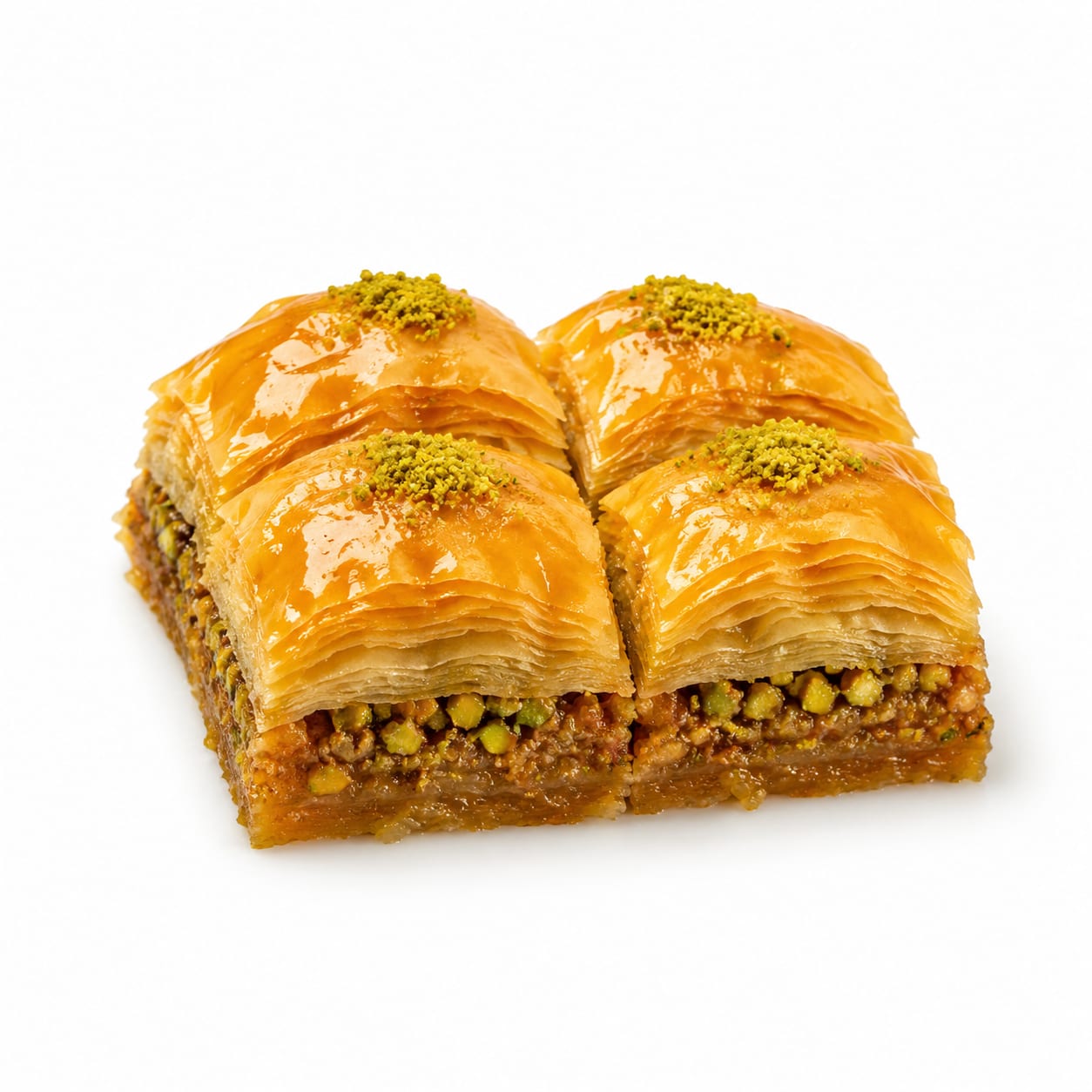
Baklava
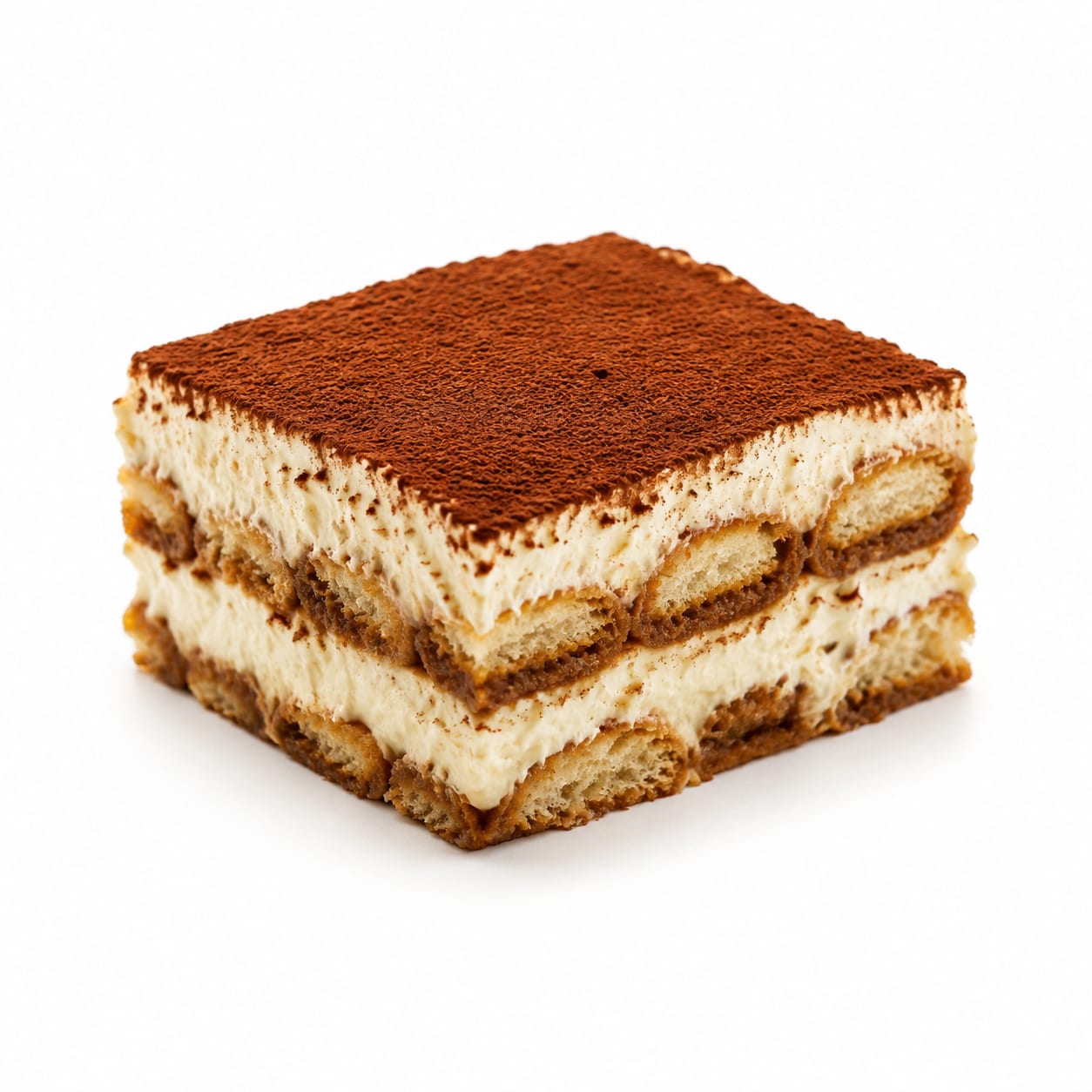
Tiramisu
Neither is a health food, but they carry different risks. Baklava offers better fats from nuts but hits harder with sugar density. Tiramisu provides some protein and a caffeine lift but carries raw egg and dairy concerns.
Tiramisu edges slightly ahead due to lower sugar density per serving and some protein contribution, but both score low because they are fundamentally indulgent desserts with significant sugar and saturated fat loads. The gap is small because Baklava's nut content partially offsets its sugar hit with minerals and healthier fat fractions.
Nutrient-dense fats and minerals from Baklava's nuts versus Tiramisu's dairy protein and lower sugar density per bite
At a glance
Executive summary
Overall
It depends
Healthier
It depends
More practical
Tiramisu
Daily use
neither
Key comparison lenses
dessert indulgence tradeoff
Both are premium indulgent desserts where users are choosing between two rich options rather than seeking a health food
sugar and blood sugar impact
Both are sugar-heavy desserts but deliver it differently — honey syrup soak versus refined sugar in cream
fat quality and source
Baklava relies on butter and nut fats while Tiramisu uses mascarpone and egg yolks, creating very different fat profiles
allergen and dietary restriction navigation
Nut allergies block Baklava entirely, dairy and egg restrictions block Tiramisu, making this a critical decision factor
caffeine and stimulant consideration
Tiramisu contains espresso which affects timing and suitability for evening consumption or sensitive individuals
Best choice for
Baklava
- People avoiding dairy and eggs
- Those wanting mineral-dense nuts alongside indulgence
- Afternoon sweet cravings where caffeine is unwanted
- Mediterranean or Middle Eastern dietary patterns
Tiramisu
- People avoiding tree nuts and peanuts
- Those wanting a slight protein boost from dairy
- Evening dessert where a small caffeine hit is enjoyable
- Italian or European dining contexts
Least suitable for
Baklava
- Anyone with nut allergies
- People watching calorie density closely
- Those sensitive to extreme sugar spikes
- Vegans
Tiramisu
- Lactose intolerant individuals
- People avoiding raw or undercooked eggs
- Children and pregnant women due to raw egg risk
- Caffeine-sensitive individuals at night
Deep comparison
Dimension by dimension
Each lens scores both foods and breaks down who each option suits.
- Dimension 1 · Priority 95Tiramisu
sugar load and blood sugar impact
Baklava · 22Tiramisu · 35Baklava is soaked in honey or sugar syrup, making it one of the most sugar-dense pastries available. Tiramisu is sweet but the cream base dilutes the sugar concentration per bite.
Tradeoff
Baklava delivers a faster, sharper blood sugar spike. Tiramisu's fat and protein slow absorption slightly, but both will spike blood sugar significantly.
Why it matters
If you are diabetic, prediabetic, or sensitive to sugar crashes, neither is great, but Baklava's syrup soak makes it the harsher choice.
Real-world impact
Eating Baklava often leads to a rapid energy surge followed by a crash within an hour. Tiramisu tends to produce a slightly gentler rise and fall.
Baklava
- Quick energy before intense physical activity
Better for
- Diabetes management
- Steady energy throughout the day
Worse for
Tiramisu
- More gradual blood sugar response
- Less severe post-sugar crash
Better for
- Anyone counting total sugar grams strictly
Worse for
- Dimension 2 · Priority 88Baklava
fat quality and nutrient density
Baklava · 55Tiramisu · 38Baklava's nuts provide magnesium, vitamin E, and unsaturated fats alongside the butter. Tiramisu's mascarpone is mostly saturated fat with minimal micronutrient contribution.
Tradeoff
Baklava mixes healthy nut fats with large amounts of butter. Tiramisu offers mostly saturated dairy fat with a small calcium benefit.
Why it matters
The nut content in Baklava partially redeems its fat profile, giving you minerals and antioxidants that Tiramisu's cream simply cannot match.
Real-world impact
A few pieces of Baklava deliver meaningful magnesium and vitamin E. Tiramisu gives you calcium but mostly in a package of saturated fat.
Baklava
- Mineral intake from nuts
- Antioxidant contribution from pistachios or walnuts
- Mixed fat profile with some unsaturated fats
Better for
- Total saturated fat from butter is still very high
Worse for
Tiramisu
- Calcium from mascarpone
- Fat-soluble vitamin absorption from dairy fat
Better for
- Predominantly saturated fat with little micronutrient payoff
Worse for
- Dimension 3 · Priority 72Tiramisu
protein content
Baklava · 28Tiramisu · 45Tiramisu provides modest protein from mascarpone and eggs. Baklava's nuts contribute a little protein but not enough to matter in a typical serving.
Tradeoff
Tiramisu's dairy and egg protein makes it slightly more satiating. Baklava's nut protein is real but overwhelmed by the sugar and fat ratio.
Why it matters
Protein helps slow digestion and takes the edge off the sugar rush. Tiramisu has enough to make a small difference; Baklava barely moves the needle.
Real-world impact
Tiramisu might keep you full for 30-60 minutes longer than Baklava before hunger returns. Neither is a protein source worth counting on.
Baklava
- Plant-based protein from nuts
Better for
- Protein too low relative to calorie load
Worse for
Tiramisu
- More total protein per serving
- Better at blunting the sugar spike
- Longer-lasting satiety
Better for
- Still not a meaningful protein source overall
Worse for
- Dimension 4 · Priority 82It depends
allergen and dietary restriction compatibility
Baklava · 35Tiramisu · 35Baklava is dairy-free and egg-free but loaded with tree nuts. Tiramisu is nut-free but contains dairy, eggs, and sometimes alcohol. Each eliminates a different group of people.
Tradeoff
Your dietary restriction decides the winner here. Nut allergy makes Baklava dangerous. Dairy intolerance or egg avoidance makes Tiramisu off-limits.
Why it matters
For many users, this dimension alone determines the choice. Neither dessert is versatile enough to accommodate multiple restrictions.
Real-world impact
At a dinner party, you will almost certainly have guests who cannot eat one or the other. Neither is a safe universal option.
Baklava
- Dairy-free diets
- Egg-free diets
- Vegan-adjacent eaters who accept honey and butter
Better for
- Nut allergies — potentially life-threatening
- Vegans
Worse for
Tiramisu
- Nut-free diets
- Tree nut and peanut allergy safe
Better for
- Lactose intolerance
- Dairy-free diets
- Egg-free diets
- Pregnancy due to raw egg risk
Worse for
- Dimension 5 · Priority 68It depends
caffeine and stimulant content
Baklava · 50Tiramisu · 45Baklava contains no caffeine or stimulants. Tiramisu contains espresso, which adds roughly 20-40mg caffeine per serving depending on recipe.
Tradeoff
Tiramisu's caffeine can be a pleasant afternoon boost or an unwelcome evening disruptor. Baklava is neutral and can be eaten at any time without sleep concerns.
Why it matters
If you are sensitive to caffeine or eating dessert late, Tiramisu's espresso content becomes a real factor in sleep quality.
Real-world impact
Eating Tiramisu after 7pm could delay falling asleep by 20-40 minutes for caffeine-sensitive people. Baklava has no such risk.
Baklava
- Evening or late-night dessert
- Caffeine-sensitive individuals
- Children who should avoid caffeine
Better for
- No stimulant benefit when you might want one
Worse for
Tiramisu
- Afternoon pick-me-up dessert
- People who enjoy the coffee flavor pairing
- Post-lunch energy dip
Better for
- Evening consumption may impair sleep
- Not suitable for caffeine-avoidant diets
Worse for
- Dimension 6 · Priority 78Tiramisu
portion control and overeating risk
Baklava · 25Tiramisu · 40Baklava pieces are small and easy to eat in rapid succession. Tiramisu is richer and heavier per bite, naturally limiting intake sooner.
Tradeoff
Baklava's bite-sized format encourages grabbing just one more piece. Tiramisu's creamy density creates a natural stopping point after one serving.
Why it matters
In real-world eating, the food that slows you down is the food you consume less of. Tiramisu's richness is its own portion control mechanism.
Real-world impact
It is very easy to eat 4-5 pieces of Baklava before realizing you have consumed 600+ calories. One slice of Tiramisu usually feels like enough.
Baklava
- Small controlled portions if you have strong discipline
Better for
- Bite-sized format enables mindless overeating
- Very easy to exceed intended portion
Worse for
Tiramisu
- Built-in portion control from richness
- Single-serving format in restaurants
- Heavier mouthfeel signals fullness faster
Better for
- Large restaurant portions can still exceed 500 calories
Worse for
- Dimension 7 · Priority 65Baklava
ingredient naturalness and processing
Baklava · 60Tiramisu · 45Traditional Baklava uses whole nuts, phyllo, butter, and honey — all recognizable ingredients. Tiramisu relies on ladyfingers, mascarpone, and sometimes processed additives in commercial versions.
Tradeoff
Homemade Baklava is about as clean as indulgent desserts get. Even homemade Tiramisu uses ladyfingers, which are a processed intermediary product.
Why it matters
If you prioritize eating foods with short, recognizable ingredient lists, traditional Baklava is the clearer choice.
Real-world impact
Reading the ingredient label on store-bought Tiramisu often reveals stabilizers and preservatives. Store-bought Baklava is usually closer to its traditional recipe.
Baklava
- Shorter ingredient list in traditional recipes
- Whole food nuts as a major component
- Less reliance on processed intermediary ingredients
Better for
- Commercial versions may use cheap syrups instead of honey
Worse for
Tiramisu
- Still manageable when homemade with quality ingredients
Better for
- Ladyfingers are a processed product
- Commercial versions often contain stabilizers and emulsifiers
- Mascarpone in stores may include thickeners
Worse for
Timeline
Health impact over time
Short-term
Hours to days
Baklava
- Rapid blood sugar spike from syrup-soaked phyllo
- Quick energy burst followed by a crash within 60-90 minutes
- Possible throat irritation from concentrated sweetness
- Nut fats provide some immediate satiety but sugar overwhelms it
Tiramisu
- Moderate blood sugar rise buffered by dairy fat and protein
- Caffeine provides mild alertness for 1-3 hours
- Rich creaminess can cause heaviness or mild digestive discomfort
- Dairy may trigger bloating in lactose-sensitive individuals
Long-term
Months to years
Baklava
- Frequent consumption contributes to insulin resistance from repeated sugar spikes
- Nut consumption offers cardiovascular and anti-inflammatory benefits if sugar is controlled
- High calorie density supports weight gain if portions are not strictly managed
- Butter-heavy recipe adds saturated fat burden over time
Tiramisu
- Regular saturated fat from mascarpone raises LDL cholesterol with frequent consumption
- Moderate caffeine exposure is generally benign but may affect sleep if eaten late
- Dairy calcium supports bone health but cannot offset the sugar and fat load
- Raw egg consumption carries small but real Salmonella risk with repeated exposure
Risk profile
Safety & processing
Traditional Baklava uses simple whole ingredients — nuts, butter, honey, phyllo — with minimal processing beyond the phyllo itself. Tiramisu relies on ladyfingers, a processed bakery product, and commercial mascarpone often contains stabilizers. Homemade versions of both improve significantly, but Baklava starts from a cleaner baseline.
Baklava
Nut allergen cross-contamination
highBaklava is typically made in environments with multiple tree nuts. Cross-contamination is almost guaranteed in commercial production. Life-threatening for those with nut allergies.
Honey infant botulism
mediumTraditional recipes use honey, which should never be given to children under 12 months due to botulism spore risk.
Syrup sugar crystallization and spoilage
lowImproperly stored Baklava can develop mold in humid conditions. The high sugar content usually acts as a preservative but is not foolproof.
Tiramisu
Raw or undercooked eggs
highTraditional Tiramisu uses raw egg yolks in the mascarpone cream, creating a Salmonella risk. Pregnant women, elderly, and immunocompromised individuals should avoid traditional preparations.
Dairy spoilage and Listeria
mediumMascarpone is a fresh cheese with limited shelf life. Improper refrigeration can allow Listeria growth, which is particularly dangerous during pregnancy.
Alcohol content for children
lowMany Tiramisu recipes include Marsala wine or rum. While the amount per serving is small, it is worth noting for children and alcohol-avoidant individuals.
Who wins for whom
Audience fit
Same foods, different winners depending on your goal.
children
BaklavaBaklava avoids raw egg risk and caffeine exposure. However, nut allergy risk must be assessed first. For nut-tolerant children, Baklava is the safer choice.
daily consumption
It dependsNeither should be consumed daily. Both are occasional indulgences. Daily consumption of either would contribute significantly to metabolic disease risk.
diabetes
It dependsNeither is appropriate for diabetes management. If forced to choose, a very small Tiramisu portion may cause a slightly less severe spike due to fat and protein slowing absorption, but the difference is minimal and both are high-risk.
elderly
BaklavaBaklava avoids the raw egg Salmonella risk that is more dangerous for older adults with weaker immune systems. The nut content also provides beneficial minerals for bone and heart health.
muscle gain
TiramisuTiramisu provides modest protein from mascarpone and eggs. Baklava offers negligible protein relative to its calorie load. Neither is a muscle-building food.
weight loss
TiramisuTiramisu's richness naturally limits portion size, and its protein content provides slightly better satiety per calorie. Neither is recommended for weight loss, but Tiramisu is easier to stop eating.
Your move
Decision guide
Choose Baklava
- You have a nut tolerance and want mineral-dense indulgence
- You are serving dessert to children and want to avoid raw eggs and caffeine
- You are eating late at night and want to avoid sleep disruption
- You prefer simpler, more traditional ingredient lists
- You are avoiding dairy or eggs for dietary reasons
Choose Tiramisu
- You or your guests have nut allergies
- You want a slightly more filling dessert with some protein
- You enjoy coffee flavor and want a mild afternoon caffeine boost
- You prefer creamy textures over sticky sweetness
- You are eating dessert earlier in the day when caffeine is not a concern
Either works if
- You simply want a delicious indulgent dessert and have no specific restrictions
- You are at a restaurant and both are available as specials
- You are sharing with a group that has no major allergies
Avoid both if
- You are managing diabetes or insulin resistance strictly
- You are on a calorie-restricted diet
- You have multiple food allergies spanning nuts, dairy, and eggs
- You are trying to reduce sugar intake below 25g per day
Final recommendation
Let your dietary restrictions decide. If nuts are safe for you and you want a cleaner ingredient list, Baklava delivers more micronutrients alongside its sugar. If you need to avoid nuts or want a creamier, slightly more filling experience, Tiramisu is the better pick. For most people, the best choice is whichever you will eat less of — and that is usually Tiramisu because its richness enforces portion control. Either way, treat both as occasional pleasures, not regular habits.
Practical
Consumer tips
- 1
Ask restaurants if their Tiramisu uses pasteurized eggs or a cooked custard base to eliminate Salmonella risk
- 2
Look for Baklava made with honey rather than corn syrup for a slightly less processed sugar profile
- 3
Portion Baklava onto a small plate before eating — eating from the box makes it very easy to overconsume
- 4
If making Tiramisu at home, use pasteurized eggs to eliminate the raw egg safety concern entirely
- 5
Freeze leftover Baklava in single-piece portions to create a natural barrier against mindless snacking
- 6
Choose Baklava with pistachios over walnuts for slightly higher antioxidant content
- 7
Order Tiramisu without alcohol if serving to children or avoiding even trace amounts
- 8
Pair either dessert with a protein-rich main course to blunt the blood sugar impact of the meal as a whole