
Nutrition comparison
Baklava vs Halva: Which Middle Eastern Sweet Is Healthier?
Compare Baklava and Halva nutrition — sugar, fat, calories, minerals, and health impact. Find out which traditional sweet is the smarter indulgence and why portion control matters most.
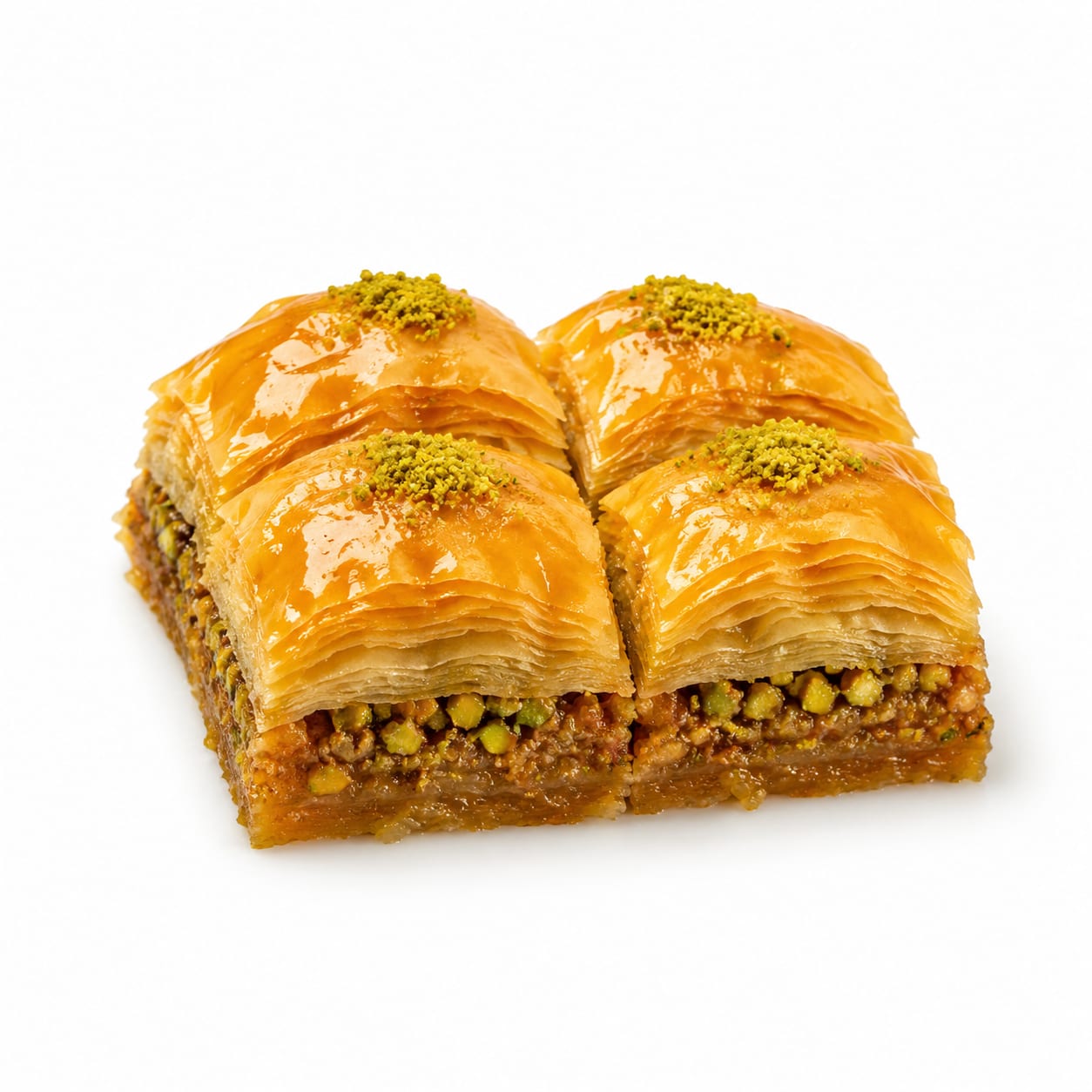
Baklava
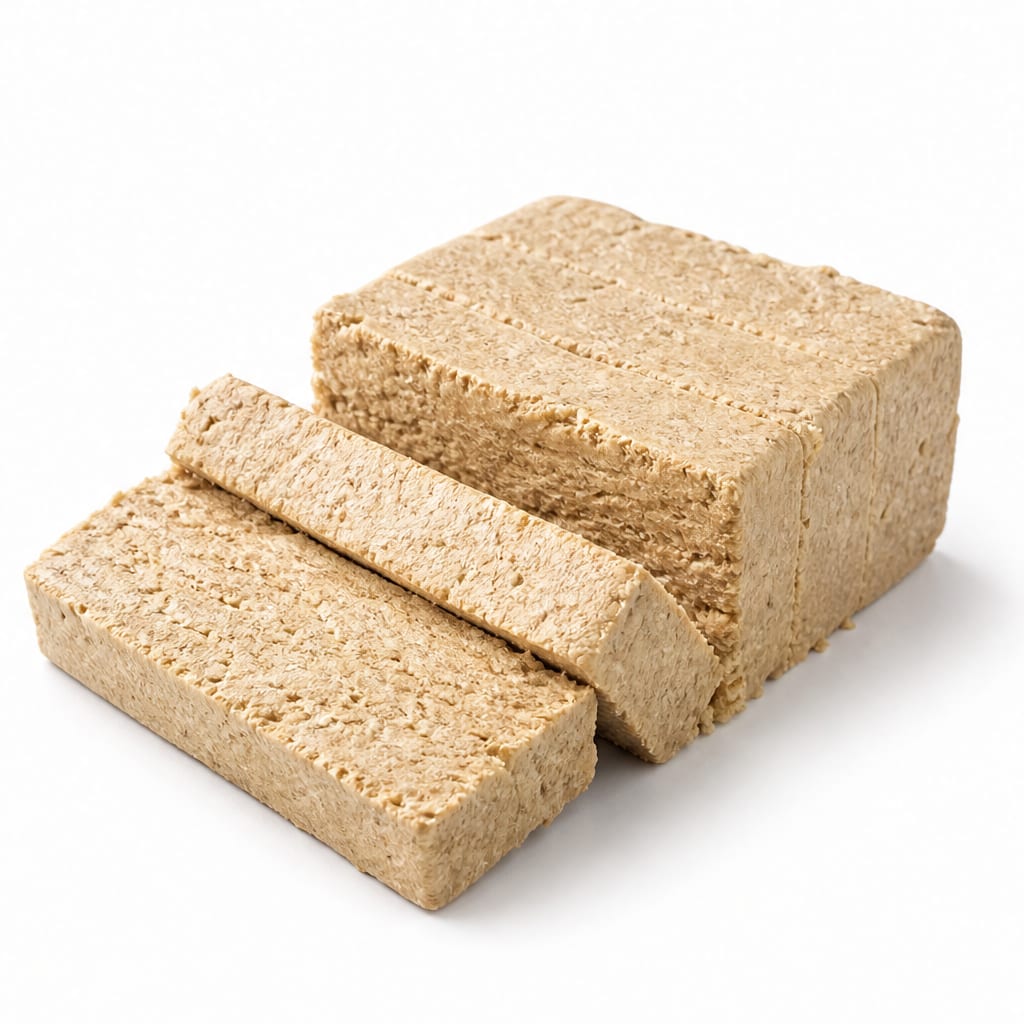
Halva
Halva edges ahead on mineral density and slightly better fat quality from sesame, but Baklava offers more fiber and protein from nuts. Both are intense sugar bombs best enjoyed in small portions.
Neither food scores well as a health choice — both are sugar-heavy confections. Halva scores slightly higher due to better mineral content from sesame and less saturated fat, but the margin is small because both remain high-sugar, high-calorie treats best enjoyed occasionally.
Halva gives you more calcium, iron, and healthier sesame fats, while Baklava delivers more satisfying crunch, fiber, and protein from its nut layers — but both will spike blood sugar sharply.
At a glance
Executive summary
Overall
It depends
Healthier
Halva
More practical
Halva
Daily use
Halva
Key comparison lenses
sugar load and blood spike
Both are sugar-dense Middle Eastern sweets, so blood sugar impact is the primary health concern for most people comparing them
calorie density and portion control
Both foods are extremely calorie-dense, making overeating a real risk that differentiates their practical use
fat quality and nutrient profile
Baklava relies on butter and nuts while Halva centers on sesame, creating meaningfully different fat and mineral profiles
satiety and cravings cycle
Sugar-heavy foods differ in how they trigger rebound hunger, and the fat-protein ratio affects how satisfying each feels
cultural authenticity and ingredient naturalness
Both are traditional foods, but their ingredient simplicity and processing levels differ significantly
Best choice for
Baklava
- People who want a more filling, satisfying dessert with real nut texture
- Those seeking fiber and plant protein even in a sweet treat
- Anyone craving a rich, buttery pastry experience for special occasions
- Active individuals who can burn the extra calories from butter and nuts
Halva
- People prioritizing mineral intake like calcium and iron from sesame
- Those wanting slightly less saturated fat in their sweet
- Anyone looking for a denser, more portable sweet that keeps longer
- People who prefer a less greasy, more crumbly texture
Least suitable for
Baklava
- People managing heart disease risk due to high saturated fat from butter
- Anyone strictly controlling calories — Baklava is deceptively calorie-dense per piece
- Those with dairy intolerance or avoiding butter
- People who struggle with portion control on rich foods
Halva
- People with sesame allergies — this is a hard avoid
- Anyone watching blood sugar closely — Halva is nearly pure sugar and sesame with no fiber buffer
- Those who find very sweet, dense foods trigger binge eating
- People seeking a light dessert experience
Deep comparison
Dimension by dimension
Each lens scores both foods and breaks down who each option suits.
- Dimension 1 · Priority 95It depends
sugar_load_and_blood_spike
Baklava · 22Halva · 20Both deliver a massive sugar hit. Baklava's syrup-soaked layers and Halva's sugar-bound sesame paste are roughly equivalent in glycemic impact.
Tradeoff
Baklava has slightly more fiber from nuts to slow absorption, but the difference is minimal — both will cause sharp blood sugar spikes.
Why it matters
For anyone with insulin resistance, prediabetes, or energy crash issues, neither is a safe regular choice. The sugar load in a single serving of either can exceed a full day's worth of added sugar.
Real-world impact
Expect a quick energy rush followed by a crash within 60-90 minutes after eating either. Pairing with protein or eating after a balanced meal can soften this.
Baklava
- Slightly slower sugar absorption due to nut fiber
Better for
Halva
- Almost zero fiber to buffer the sugar rush
Worse for
- Dimension 2 · Priority 85Halva
fat_quality_and_heart_health
Baklava · 30Halva · 55Halva's sesame fats are predominantly unsaturated and come with beneficial phytosterols. Baklava relies heavily on butter, which is high in saturated fat.
Tradeoff
Baklava's nuts provide some healthy fats too, but the butter soaking the phyllo layers tips the saturated fat content significantly higher.
Why it matters
Regular saturated fat intake from butter raises LDL cholesterol over time. Sesame fats are more heart-friendly and carry antioxidants like sesamin.
Real-world impact
If you eat these weekly, choosing Halva over Baklava meaningfully reduces your saturated fat exposure. Over months, this difference compounds for heart health.
Baklava
- Nuts contribute some omega-3s and monounsaturated fats
Better for
- Butter-drenched phyllo layers are a major saturated fat source
- Regular consumption could raise LDL cholesterol
Worse for
Halva
- Sesame provides mostly unsaturated fats
- Sesamin and sesamolin in sesame have antioxidant properties
- No butter means significantly less saturated fat
Better for
- Dimension 3 · Priority 80Halva
mineral_and_nutrient_density
Baklava · 35Halva · 58Halva is surprisingly mineral-rich thanks to sesame, which provides calcium, iron, magnesium, zinc, and copper in meaningful amounts. Baklava's nuts contribute some minerals but less overall.
Tradeoff
You're eating sugar either way, but Halva at least delivers a more impressive mineral payload per calorie. Baklava's phyllo and butter contribute almost no micronutrients.
Why it matters
If you're going to indulge in a sweet, getting a meaningful dose of calcium, iron, and magnesium alongside the sugar softens the nutritional blow slightly.
Real-world impact
A serving of Halva can provide 15-20% of daily iron needs and 10-15% of calcium. Baklava offers maybe 5-8% of these from its nut content alone.
Baklava
- Walnuts and pistachios provide some manganese and copper
Better for
- Phyllo and butter dilute the nutrient density per calorie
- Mineral contribution is modest relative to calorie cost
Worse for
Halva
- Sesame is one of the best plant sources of calcium
- Iron content is significantly higher
- Magnesium and zinc are more concentrated
- B-vitamins from sesame are more substantial
Better for
- Dimension 4 · Priority 80Baklava
satiety_and_cravings_cycle
Baklava · 45Halva · 32Baklava's nuts and butter make it more physically filling per bite. Halva's crumbly, dissolving texture can feel less satisfying, triggering a desire for more.
Tradeoff
Baklava fills you faster but its richness can also create a desire to keep eating. Halva disappears quickly on the tongue, making portion control harder through mouthfeel alone.
Why it matters
Sweets that feel more satisfying with less quantity help prevent the cycle of eating more to chase satisfaction. Baklava's crunch and density signal 'enough' sooner for most people.
Real-world impact
One small piece of Baklava often feels like enough. Halva's lighter mouthfeel means you might reach for a second slice before feeling satiated.
Baklava
- Nut protein and fat create genuine fullness signals
- Crunchy texture provides sensory satisfaction
- Butter richness hits satiety receptors quickly
Better for
Halva
- Dissolving texture lacks chewing resistance
- Lower protein means less satiety hormone response
- Easier to overconsume without realizing
Worse for
- Dimension 5 · Priority 90Halva
calorie_density_and_portion_control
Baklava · 25Halva · 35Both are extremely calorie-dense, but Baklava is worse. The butter-soaked phyllo layers create a food that can exceed 350-400 calories per small piece. Halva is dense but slightly more manageable per typical serving.
Tradeoff
Halva's firm texture means you can cut a clearly defined small portion. Baklava pieces are often larger than people realize, and the syrup adds hidden calories.
Why it matters
With calorie-dense sweets, the difference between a 200-calorie treat and a 400-calorie treat is the difference between occasional indulgence and weight gain over time.
Real-world impact
A typical Baklava piece at a restaurant is often 2-3 servings by calorie standards. Halva portions are easier to control visually — a small cube is a small cube.
Baklava
- Syrup soaks add invisible calories
- Restaurant portions are often enormous
- Butter layers multiply calorie density fast
Worse for
Halva
- Easier to cut and control precise portions
- Typical serving sizes are smaller in practice
- No hidden syrup calories
Better for
- Dimension 6 · Priority 60Halva
digestive_tolerance
Baklava · 35Halva · 50Baklava's high butter content can trigger heartburn or heaviness in sensitive stomachs. Halva is gentler for most people, though its density requires moderation.
Tradeoff
Baklava combines three common digestive triggers: high fat, high sugar, and phyllo wheat. Halva avoids butter and wheat but still challenges with sugar and density.
Why it matters
If you have GERD, IBS, or general digestive sensitivity, rich buttery sweets are more likely to cause discomfort than sesame-based ones.
Real-world impact
After Baklava, many people report feeling overly full or getting heartburn. Halva sits lighter for most, though eating too much still causes sugar-related digestive sluggishness.
Baklava
- Butter is a common heartburn trigger
- Wheat phyllo affects gluten-sensitive individuals
- Very rich and heavy on the stomach
Worse for
Halva
- No butter means less reflux trigger potential
- Sesame is generally well-tolerated
- No wheat phyllo for those with mild gluten sensitivity
Better for
Timeline
Health impact over time
Short-term
Hours to days
Baklava
- Rapid blood sugar spike within 15-30 minutes of eating
- Quick energy burst followed by a crash and potential fatigue
- Feeling of heavy fullness due to butter and nut density
- Possible heartburn or acid reflux in susceptible individuals
Halva
- Sharp blood sugar rise similar to Baklava
- Quick energy surge with equally fast drop-off
- Lighter stomach feel compared to butter-heavy sweets
- Sesame may cause allergic reactions in sensitive individuals
Long-term
Months to years
Baklava
- Regular consumption contributes to elevated LDL cholesterol from butter fat
- High sugar intake increases risk of insulin resistance over time
- Calorie density promotes gradual weight gain if eaten frequently
- Some antioxidant benefit from nuts partially offsets damage
Halva
- Sesame-derived minerals support bone density and blood health when consumed regularly
- Unsaturated fat profile is more heart-protective than butter-based alternatives
- Sugar content still drives metabolic risk if eaten often
- Calcium and iron absorption may be slightly reduced by sesame oxalates
Risk profile
Safety & processing
Both are traditional foods made with recognizable ingredients. Homemade versions use just nuts, butter, phyllo, and honey for Baklava, or sesame paste and sugar for Halva. Commercial versions may add preservatives or corn syrup, but neither is typically ultra-processed. The main concern is sugar refinement, not artificial additives.
Baklava
rancid_nuts
mediumNuts in Baklava can go rancid if stored too long or at warm temperatures. Rancid nuts develop off-flavors and potentially harmful oxidized fats. Fresh Baklava from reputable sources minimizes this risk.
foodborne_illness_from_dairy
lowButter in Baklava is low-moisture and low-risk, but cream-filled variations exist in some cuisines and carry slightly higher spoilage risk.
Halva
sesame_allergy
highSesame is a top-9 allergen. For allergic individuals, Halva is dangerous — even trace amounts can trigger severe reactions. This is a hard avoid, not a moderation issue.
metal_contamination_in_mass_produced_halva
lowSome mass-produced Halva from regions with less food safety oversight has been found with elevated heavy metals. Buying from reputable brands reduces this concern significantly.
Who wins for whom
Audience fit
Same foods, different winners depending on your goal.
children
HalvaHalva's sesame provides calcium and iron that growing bodies need, and it contains no butter. However, portion size must be strictly controlled due to sugar content, and sesame allergy must be ruled out first.
daily consumption
It dependsNeither should be consumed daily. Both are occasional indulgence foods. If a small sweet is non-negotiable daily, a tiny portion of Halva provides more nutritional value per calorie.
diabetes
It dependsNeither is appropriate for regular consumption with diabetes. Both will spike blood sugar severely. If having a rare treat, Baklava's nut fiber provides marginal benefit for glucose buffering.
elderly
HalvaHalva's calcium supports bone density, iron helps prevent anemia, and the unsaturated fats are gentler on aging hearts. Its softer texture is also easier to chew for those with dental issues.
muscle gain
BaklavaBaklava's nuts provide more protein per serving, and the calorie surplus can support bulking — though there are far better ways to get both.
weight loss
It dependsNeither supports weight loss. If forced to choose, Halva allows slightly better portion control and has fewer calories per typical serving, but both should be rare treats during active weight loss.
Your move
Decision guide
Choose Baklava
- You want a more satisfying, filling dessert experience with real texture
- Nuts are a priority for protein, fiber, and omega-3s in your diet
- You're sharing at a gathering where richness and impressiveness matter
- You have no concerns about saturated fat or calorie density
- You're physically active and can absorb the calorie load
Choose Halva
- Heart health is a priority and you want less saturated fat
- You value mineral density — especially calcium and iron — even in treats
- You want something shelf-stable and portable for travel or gifting
- You prefer a lighter mouthfeel without buttery heaviness
- You find it easier to control portions with firm, sliceable sweets
Either works if
- You simply want a traditional Middle Eastern sweet and both are available
- The occasion calls for cultural authenticity over nutritional optimization
- You're eating a small portion after a balanced meal with protein and fiber
Avoid both if
- You have diabetes, prediabetes, or insulin resistance and need stable blood sugar
- You're actively losing weight and cannot afford 200-400 calorie indulgences
- You have sesame allergy — rules out Halva entirely
- You struggle with sugar cravings and find one piece triggers binge eating
- You have GERD or IBS triggered by high-fat or high-sugar foods
Final recommendation
For most people, Halva is the slightly smarter choice — it delivers more minerals, healthier fats, and easier portion control. But the real decision isn't which one is healthier; it's whether you should be eating either regularly at all. Both are celebration foods, not daily staples. When you do indulge, pick the one you genuinely enjoy more, eat a small portion slowly, and pair it with something protein-rich to blunt the sugar crash.
Practical
Consumer tips
- 1
Always check if Halva contains added vegetable oils — some commercial brands replace sesame paste partially with cheaper oils, reducing nutritional value
- 2
Look for Baklava made with honey rather than corn syrup for a slightly less refined sugar profile
- 3
Refrigerate both foods — Baklava stays fresh longer chilled, and Halva won't crumble as much when cold
- 4
Eat either sweet after a meal containing protein and fiber, never on an empty stomach, to reduce the blood sugar spike by 30-50%
- 5
If buying Halva, choose sesame-based over flour-based — the mineral content is significantly higher
- 6
Freeze Baklava in individual pieces so you only thaw what you'll actually eat, preventing overconsumption
- 7
For Baklava, varieties with pistachios offer slightly more antioxidants than walnut versions, though both are fine