
Nutrition comparison
Baklava vs Energy Bar: Which Is Actually Better for You?
Compare Baklava and Energy Bars on sugar, protein, processing, and real-world nutrition. Find out which fits your goals and when each makes sense.
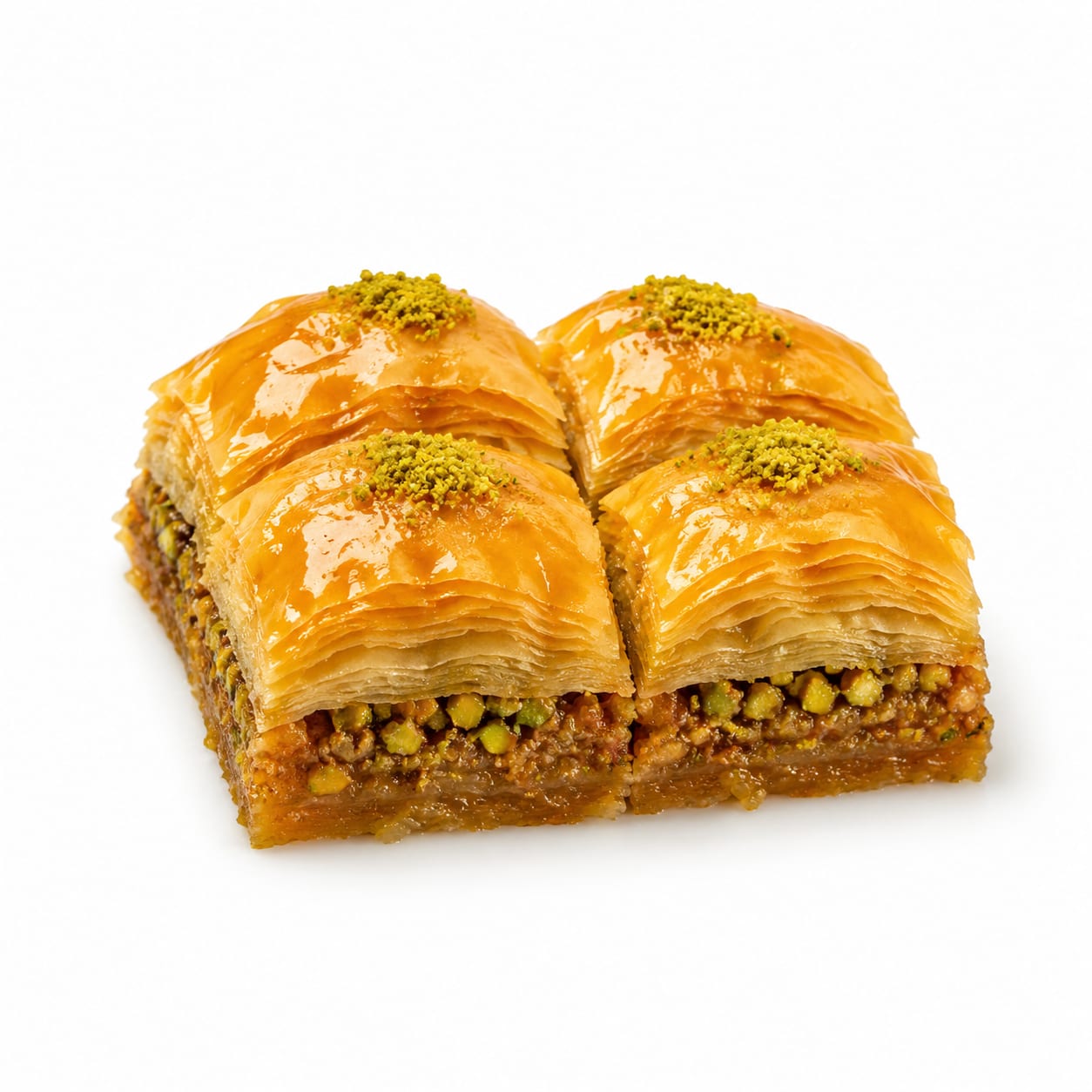
Baklava
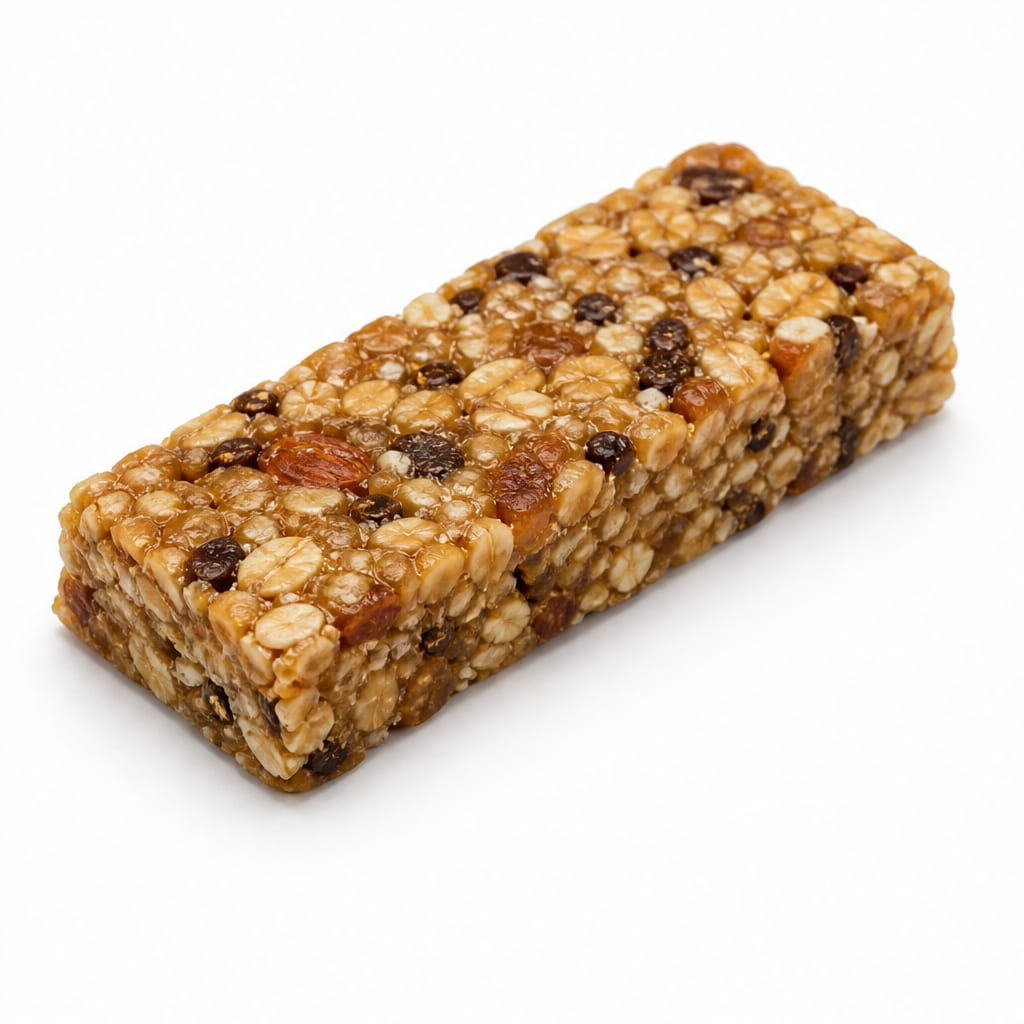
Energy Bar
Baklava is a richer, more satisfying treat with real ingredients but a brutal sugar load. Energy Bars are more functional and blood-sugar-friendly but come with ultra-processing baggage.
Energy Bar scores notably higher due to better protein content, added fiber, and portion-controlled convenience. Baklava loses ground on sugar density and lack of functional nutrition, though it wins on ingredient simplicity and emotional satisfaction.
Natural indulgence vs. engineered nutrition—one comforts your soul, the other supports your schedule.
At a glance
Executive summary
Overall
It depends
Healthier
Energy Bar
More practical
Energy Bar
Daily use
Energy Bar
Key comparison lenses
sugar load and blood spikes
Both foods are sugar-dense but deliver it very differently—Baklava hits fast and hard, Energy Bars often include slower-digesting carbs or fiber buffers
convenience vs tradition
Users choosing between these are often weighing a quick functional snack against a cultural indulgence experience
processing naturalness
Baklava uses recognizable whole ingredients; Energy Bars typically rely on protein isolates, binders, and fortification
satiety and hunger control
Both are calorie-dense but Energy Bars often include protein and fiber that keep you fuller longer
emotional eating and satisfaction
Baklava delivers deep sensory reward; Energy Bars can feel like a chore to eat, triggering later cravings
Best choice for
Baklava
- Special occasions and cultural celebrations
- Sharing dessert with others in a mindful setting
- When you want a small piece of something deeply satisfying rather than a whole bar
- Anyone prioritizing ingredient simplicity over macronutrient optimization
Energy Bar
- Pre- or post-workout fueling
- Busy mornings when you need portable calories with protein
- Hiking, traveling, or commuting snacks
- Managing hunger between meals without a sugar crash
Least suitable for
Baklava
- Anyone monitoring blood sugar closely
- Daily or frequent snacking habits
- People trying to lose weight who struggle with portion control
- Those avoiding high saturated fat intake
Energy Bar
- People sensitive to artificial sweeteners or sugar alcohols
- Anyone avoiding ultra-processed foods
- Those who find processed snacks unsatisfying and end up eating more afterward
- Individuals with soy or dairy allergies depending on bar formulation
Deep comparison
Dimension by dimension
Each lens scores both foods and breaks down who each option suits.
- Dimension 1 · Priority 95Energy Bar
sugar_and_blood_stability
Baklava · 18Energy Bar · 55Baklava delivers a concentrated sugar hit from honey and syrup with almost no fiber to slow absorption. Energy Bars vary, but most include fiber or alternative sweeteners that blunt the spike.
Tradeoff
Energy Bars may use sugar alcohols or artificial sweeteners that cause digestive discomfort in some people, while Baklava's sugar is at least from honey—a natural source, just excessive.
Why it matters
A single piece of Baklava can spike blood sugar enough to trigger a crash within an hour, leaving you tired and hungry again.
Real-world impact
Eat Baklava at 3pm and you may feel sluggish by 4pm. An Energy Bar at 3pm is more likely to carry you to dinner.
Baklava
- Those who eat tiny portions and stop at one piece
- Active individuals burning sugar immediately after eating
Better for
- Diabetics and anyone with blood sugar concerns
- People prone to afternoon energy crashes
Worse for
Energy Bar
- Anyone needing steady energy for hours
- Pre-diabetic or insulin-resistant individuals
Better for
- People sensitive to sugar alcohols causing bloating
- Those who find artificial sweeteners trigger more cravings
Worse for
- Dimension 2 · Priority 82Energy Bar
protein_and_muscle_support
Baklava · 22Energy Bar · 75Energy Bars typically deliver 10-20g of protein from whey, soy, or pea isolates. Baklava's nuts provide only 2-4g per piece—nowhere near enough for muscle recovery or satiety.
Tradeoff
Energy Bar protein is from isolates rather than whole food sources, which some people prefer to avoid. Baklava's protein comes from real nuts but in trivial amounts.
Why it matters
Protein is what turns a snack from a temporary fix into something that actually holds you over.
Real-world impact
After a workout, an Energy Bar actually helps rebuild muscle. Baklava just replenishes sugar without the building blocks.
Baklava
- Light snacking where protein isn't a priority
- Casual social eating
Better for
- Athletes and active people needing recovery nutrition
- Anyone trying to stay full for more than an hour
Worse for
Energy Bar
- Post-workout recovery
- Bridging long gaps between meals
- Older adults needing higher protein intake
Better for
- People avoiding protein isolates for digestive or philosophical reasons
Worse for
- Dimension 3 · Priority 80Baklava
ingredient_naturalness
Baklava · 72Energy Bar · 30Baklava is made from phyllo, butter, nuts, and honey—ingredients your grandmother would recognize. Energy Bars often contain 15-30 ingredients including isolates, gums, preservatives, and fortification additives.
Tradeoff
Natural doesn't mean healthy when the natural ingredients are mostly butter and sugar. Engineered doesn't mean harmful when the engineering adds genuine nutritional value.
Why it matters
Your body recognizes whole foods more easily, but a low-nutrient whole food still underperforms a well-formulated bar for functional needs.
Real-world impact
You can explain Baklava to a child in five words. Reading an Energy Bar label feels like a chemistry quiz.
Baklava
- Clean-eating advocates who prioritize whole ingredients
- People with sensitivities to gums, emulsifiers, or preservatives
- Those who value food tradition and cultural connection
Better for
- Those who assume natural automatically means healthy
- People ignoring portion sizes because the ingredients are clean
Worse for
Energy Bar
- Anyone who needs fortified nutrition in a convenient package
- People who care more about macronutrient outcomes than ingredient lists
Better for
- People avoiding ultra-processed foods on principle
- Those with multiple food sensitivities triggered by long ingredient lists
Worse for
- Dimension 4 · Priority 78Energy Bar
satiety_and_hunger_control
Baklava · 28Energy Bar · 62Energy Bars with protein and fiber keep hunger at bay for 2-3 hours. Baklava's sugar-and-fat combo triggers reward signals but fades fast, often increasing hunger within an hour.
Tradeoff
Baklava feels more satisfying in the moment but less satisfying overall. Energy Bars feel functional but actually do a better job preventing later overeating.
Why it matters
The snack that tastes better in the first bite isn't always the one that prevents the second snack an hour later.
Real-world impact
One Baklava piece often leads to wanting another. One Energy Bar usually feels like enough.
Baklava
- Situations where you're eating for pleasure, not hunger
- After a full meal when you just want a taste of something sweet
Better for
- Emotional eaters who struggle to stop at one piece
- Anyone using snacks to bridge long gaps between meals
Worse for
Energy Bar
- Replacing a missed meal during a busy day
- Preventing vending machine raids at the office
- Long hikes or travel where hunger creeps up
Better for
- People who find bar textures unsatisfying and eat more real food shortly after
Worse for
- Dimension 5 · Priority 74Energy Bar
calorie_density_and_portion_control
Baklava · 25Energy Bar · 58Baklava packs roughly 350-400 calories per small piece and it's very easy to eat two or three. Energy Bars are typically 180-250 calories with a defined serving that's harder to accidentally double.
Tradeoff
Energy Bars are pre-portioned, which helps restraint, but some are still calorie-dense enough to undermine weight loss if eaten mindlessly.
Why it matters
With Baklava, the serving size is ambiguous and the food itself doesn't signal fullness. With a bar, the wrapper defines the boundary.
Real-world impact
A plate of Baklava disappears quickly at a gathering. An Energy Bar wrapper sits on your desk as a reminder you already ate.
Baklava
- Shared dessert situations where you naturally limit to one piece
- High-calorie needs for underweight individuals
Better for
- Anyone counting calories—Baklava is deceptively caloric
- Grazers who eat while distracted
Worse for
Energy Bar
- Weight management and calorie tracking
- People who struggle with portion awareness
- Meal replacement scenarios
Better for
- People who eat multiple bars thinking they're light snacks
Worse for
- Dimension 6 · Priority 70Energy Bar
convenience_and_portability
Baklava · 20Energy Bar · 90Energy Bars are designed for pockets, backpacks, and glove compartments. Baklava is fragile, sticky, and needs a plate—essentially the opposite of portable.
Tradeoff
Convenience comes at the cost of freshness and texture. Baklava's phyllo crisps and honey drip are part of the experience, lost in any grab-and-go scenario.
Why it matters
The best snack nutritionally is useless if you can't actually eat it when hunger strikes.
Real-world impact
Toss an Energy Bar in your bag at 7am and it's fine at noon. Baklava in a bag at 7am is a sticky disaster by 9am.
Baklava
- Served at home or restaurants where presentation matters
- Special occasions with proper plates and settings
Better for
- Any on-the-go eating scenario
- Hot weather transport—honey melts and phyllo crumbles
Worse for
Energy Bar
- Commuting, hiking, traveling, office drawers
- Emergency snack stashes in cars and bags
- Early mornings when you're running out the door
Better for
- Situations where you have time for a real meal and a bar feels like a sad substitute
Worse for
- Dimension 7 · Priority 65It depends
fat_quality_and_inflammatory_potential
Baklava · 48Energy Bar · 52Baklava's nuts provide anti-inflammatory omega-3s and monounsaturated fats, but the butter adds significant saturated fat. Energy Bars vary widely—some use healthy fats from nuts and seeds, others rely on cheap oils.
Tradeoff
Baklava has a mix of great and concerning fats. Energy Bars are inconsistent—read the label to know what you're actually getting.
Why it matters
The type of fat you eat regularly matters more than total fat for long-term heart health and inflammation.
Real-world impact
Walnut-rich Baklava has genuine anti-inflammatory benefits, but the butter load works against it. A nut-based Energy Bar can deliver similar benefits with less saturated fat.
Baklava
- Walnut or pistachio-heavy Baklava varieties
- Occasional consumption where fat quality matters less
Better for
- Regular consumption adding significant saturated fat from butter
- Those managing cardiovascular risk factors
Worse for
Energy Bar
- Bars made with nuts, seeds, and minimal added oils
- Daily consumption where cumulative fat intake adds up
Better for
- Bars with palm oil, hydrogenated oils, or excessive omega-6 seed oils
Worse for
Timeline
Health impact over time
Short-term
Hours to days
Baklava
- Rapid blood sugar spike within 15-30 minutes of eating
- Possible energy crash and renewed hunger 45-90 minutes later
- Immediate sensory satisfaction and comfort from fat-sugar combination
- Sticky residue on teeth increasing cavity risk if not rinsed
Energy Bar
- More gradual energy release depending on fiber and protein content
- Possible bloating or gas from sugar alcohols or fiber in some bars
- Convenient hunger suppression for 2-3 hours
- Quick mental relief from having a planned snack available
Long-term
Months to years
Baklava
- Frequent consumption contributes to insulin resistance and weight gain
- High saturated fat intake may impact cardiovascular markers over time
- Dental decay risk from sticky sugar residue if consumed regularly
- Preserves cultural food traditions and social bonding around shared meals
Energy Bar
- Regular use can support muscle maintenance and metabolic health if choosing high-protein options
- Chronic ultra-processed food intake may affect gut microbiome diversity
- Fortified vitamins and minerals can help fill nutritional gaps in busy lifestyles
- Dependency on convenience foods may reduce whole-food cooking habits over time
Risk profile
Safety & processing
Baklava uses simple, traditional ingredients but is still a processed pastry due to refined phyllo and concentrated sweeteners. Energy Bars are typically ultra-processed with protein isolates, gums, preservatives, and fortification—functional but far from whole food.
Baklava
Honey contamination
lowCommercial honey in Baklava may contain trace antibiotics or botulism spores—minimal risk for adults but a consideration for infants under 12 months
Nut allergen cross-contamination
highBaklava almost always contains walnuts or pistachios and is produced in facilities handling multiple nuts—serious risk for allergy sufferers
Spoilage at room temperature
mediumButter-rich Baklava can go rancid if stored warm for extended periods, though honey acts as a mild preservative
Energy Bar
Undeclared allergens
mediumEnergy Bars frequently contain soy, dairy, nuts, and gluten in varying combinations—cross-contamination in manufacturing is common
Sugar alcohol digestive distress
mediumMaltitol, erythritol, and other sugar alcohols in low-sugar bars can cause bloating, gas, and laxative effects, especially in sensitive individuals
Emulsifier and preservative exposure
lowCommon additives like soy lecithin, guar gum, and preservatives are generally recognized as safe but emerging research questions long-term gut health impacts
Who wins for whom
Audience fit
Same foods, different winners depending on your goal.
children
BaklavaA small piece of Baklava as an occasional treat uses real ingredients a child's body recognizes. Many Energy Bars contain caffeine, sugar alcohols, or adult-dosed supplements unsuitable for kids.
daily consumption
Energy BarEnergy Bars are formulated for regular use with balanced macros. Daily Baklava would deliver excessive sugar and saturated fat with no functional upside.
diabetes
Energy BarNeither is great, but Energy Bars with fiber and alternative sweeteners cause smaller glucose excursions than Baklava's honey-syrup sugar bomb
elderly
Energy BarOlder adults benefit from the protein, fortified vitamins, and easy-to-chew texture of Energy Bars. Baklava's stickiness and sugar load are less suitable for aging metabolisms and dental concerns.
muscle gain
Energy BarEnergy Bars deliver 10-20g of protein per serving, making them genuinely useful for muscle recovery. Baklava provides negligible protein.
weight loss
Energy BarPre-portioned, higher protein, and better satiety make Energy Bars easier to fit into a calorie-controlled plan—though neither is ideal for weight loss
Your move
Decision guide
Choose Baklava
- You're celebrating or sharing a cultural moment—Baklava is an experience, not a fuel source
- You want a small, deeply satisfying treat and can stop at one piece
- You prioritize recognizable ingredients over macronutrient optimization
- You're eating dessert after a balanced meal where the sugar load is buffered
Choose Energy Bar
- You need portable nutrition between meetings, workouts, or meals
- You want something that actually keeps you full for more than an hour
- You're tracking protein intake or managing your weight
- You need a reliable emergency snack that survives in a bag or car
Either works if
- You just need calories and don't care about the source
- You're active enough that either option fits your daily energy budget
- You're eating mindfully and can stop when satisfied regardless of the food
Avoid both if
- You're managing diabetes or severe insulin resistance—both are sugar-heavy
- You're trying to eliminate processed foods and concentrated sweets entirely
- You struggle with binge eating triggered by sweet foods
- You have nut allergies—both typically contain tree nuts
Final recommendation
Think of Baklava as dessert and Energy Bars as tools. If you need fuel, grab the bar. If you need joy, savor a small piece of Baklava—and make it count. Neither belongs in your daily routine more than occasionally, but the Energy Bar earns its spot more often for functional nutrition, while Baklava earns its spot for genuine pleasure. Don't confuse the two roles.
Practical
Consumer tips
- 1
Choose Baklava with more nuts and less syrup—traditional recipes balance these better than mass-produced versions
- 2
Look for Energy Bars with under 10g added sugar and at least 10g protein—beyond that, you're often eating a candy bar in athletic packaging
- 3
If eating Baklava, pair it with unsweetened tea or coffee to slow sugar absorption and enhance the experience
- 4
Freeze Energy Bars for a longer-lasting, more satisfying chew that slows down consumption
- 5
Read Energy Bar ingredient lists—if sugar or a sugar synonym is in the first three ingredients, it's not really a health food
- 6
Limit Baklava to once a week or less and treat it as a deliberate dessert, not a casual snack
- 7
For Energy Bars, rotate brands to avoid accumulating exposure to any single set of additives or protein sources