
Nutrition comparison
Baklava vs Croissant: Which Pastry is Healthier?
Compare Baklava vs Croissant to see which treat fits your diet. Discover the tradeoffs between sugar-soaked nuts and buttery refined carbs.
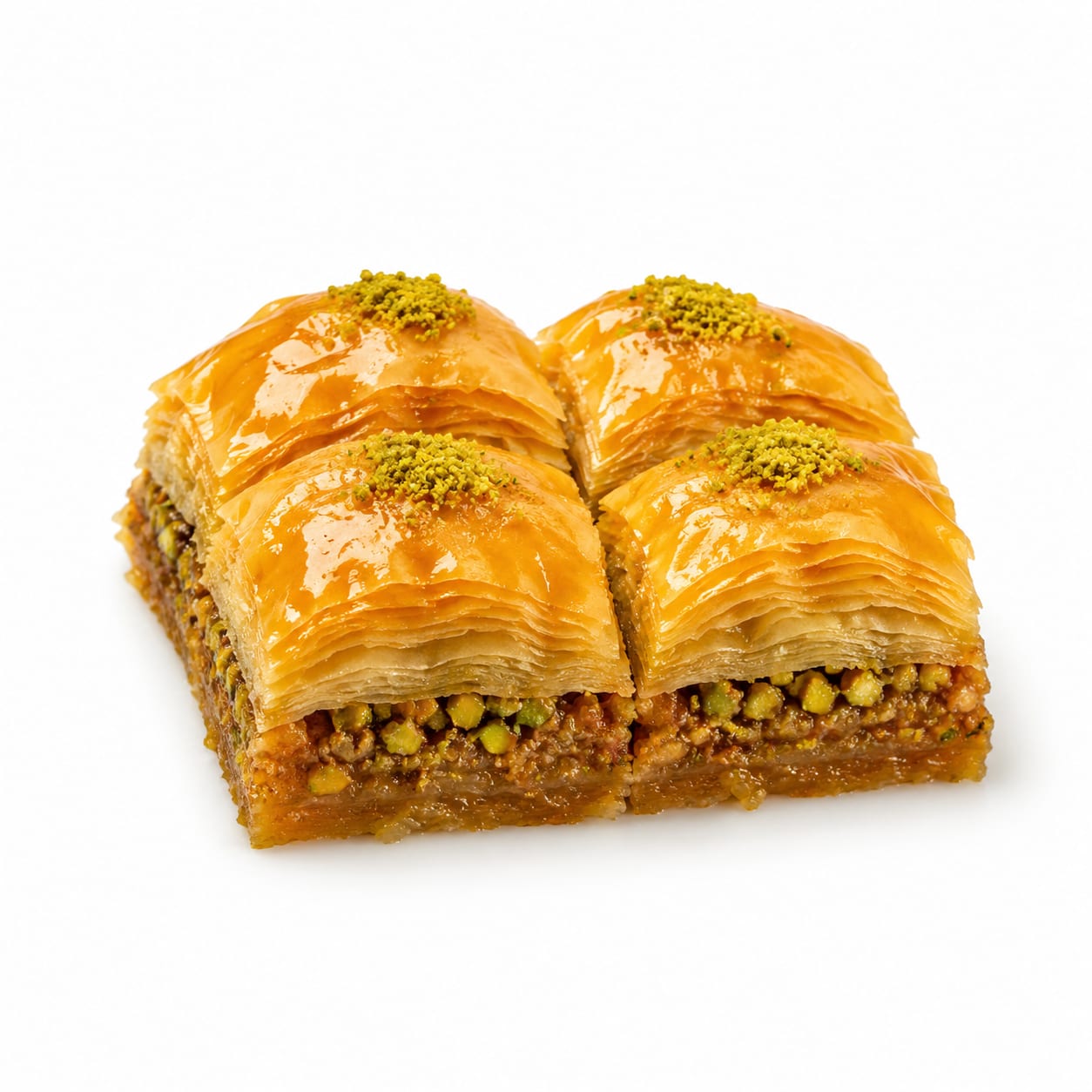
Baklava
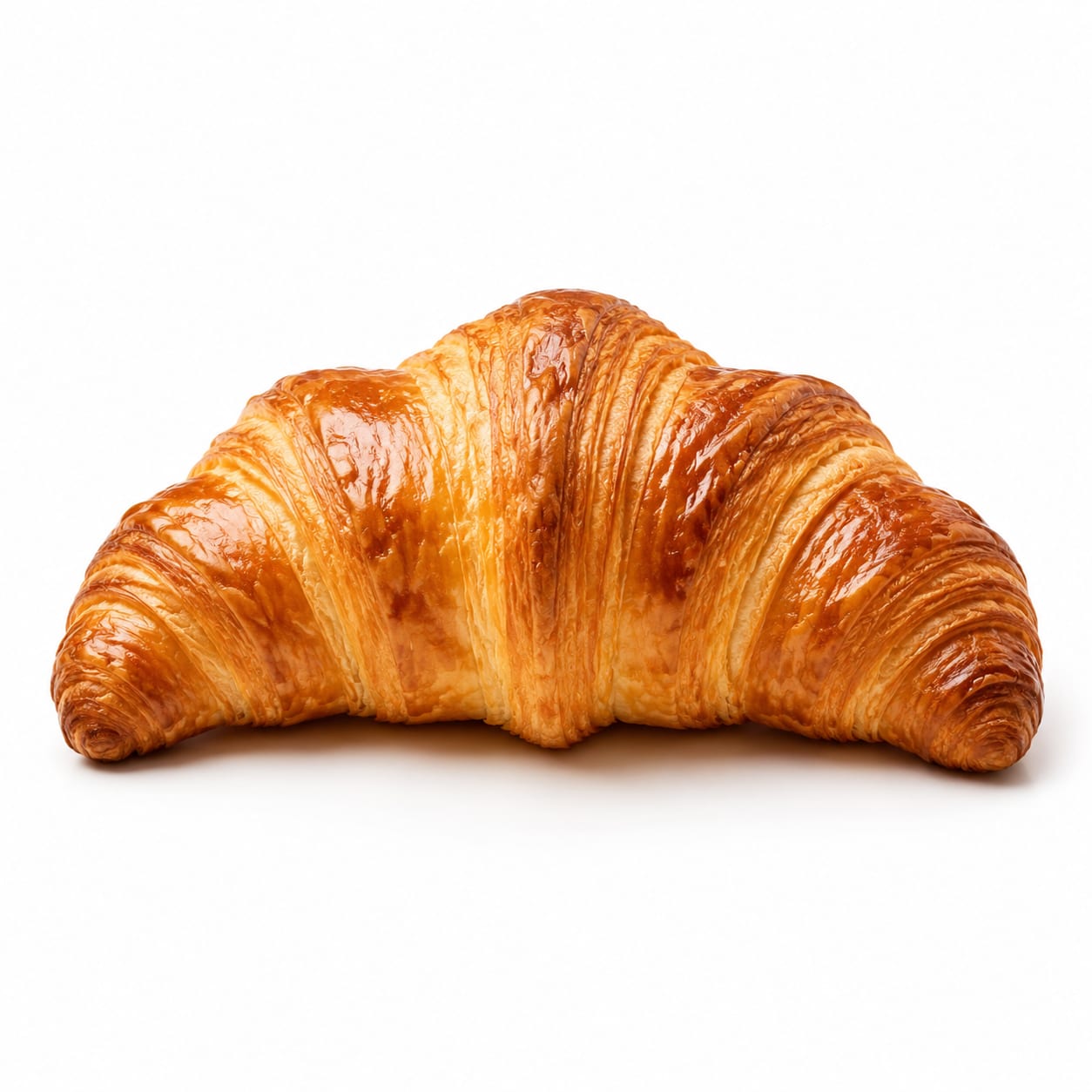
Croissant
Baklava offers more nutritional value from nuts but hits you with a sugar tsunami, while Croissants are lower in sugar but heavy on saturated fat from butter.
Baklava scores slightly higher due to the beneficial nutrients from nuts, but both are indulgent, calorie-dense pastries that should be enjoyed in moderation.
Nutrient-dense nuts and high sugar (Baklava) versus low sugar and high saturated fat (Croissant).
At a glance
Executive summary
Overall
It depends
Healthier
Baklava
More practical
Croissant
Daily use
It depends
Key comparison lenses
Sugar vs Saturated Fat tradeoff
Baklava is syrup-soaked while Croissant is butter-heavy, making this the core nutritional difference.
Nutrient density from whole ingredients
Baklava contains nuts which add fiber and minerals, whereas Croissants are mostly refined flour and butter.
Blood sugar impact
The high sugar syrup in Baklava causes a faster spike compared to the fat-dominant Croissant.
Best choice for
Baklava
- Getting healthy fats and minerals from nuts
- Those who prefer very sweet desserts
- Situations where a small piece provides intense satisfaction
Croissant
- Those monitoring blood sugar spikes
- People who prefer savory, buttery flavors over syrupy sweetness
- A breakfast pastry to pair with coffee
Least suitable for
Baklava
- People with diabetes or insulin resistance
- Those trying to reduce added sugar intake
Croissant
- People strictly limiting saturated fat
- Those seeking nutrient density in their calories
Deep comparison
Dimension by dimension
Each lens scores both foods and breaks down who each option suits.
- Dimension 1 · Priority 95Croissant
Sugar & Blood Sugar Impact
Baklava · 20Croissant · 55Croissants are surprisingly low in sugar compared to the syrup-drenched Baklava.
Tradeoff
You avoid a sugar crash with a Croissant, but you still get a heavy refined-carb load.
Why it matters
High sugar causes rapid blood sugar spikes and crashes, driving hunger and fatigue.
Real-world impact
Eating Baklava can lead to an afternoon energy crash, while a Croissant provides steadier, albeit heavy, energy.
Baklava
- Blood sugar stability
- Managing insulin resistance
Worse for
Croissant
- Avoiding sugar spikes
- Lower daily added sugar intake
Better for
- Dimension 2 · Priority 90Baklava
Fat Quality & Heart Health
Baklava · 65Croissant · 35Baklava's fats come from heart-healthy nuts, while Croissants rely heavily on saturated butter.
Tradeoff
Baklava offers better fats, but the sheer amount of sugar offsets some heart benefits.
Why it matters
Unsaturated fats from nuts support heart health, whereas high saturated fat can raise LDL cholesterol.
Real-world impact
Choosing Baklava gives you a small serving of omega-3s and monounsaturated fats, unlike the butter-heavy Croissant.
Baklava
- Heart-healthy fat intake
- Getting essential fatty acids
Better for
Croissant
- Cholesterol management
- Saturated fat limits
Worse for
- Dimension 3 · Priority 85Baklava
Nutrient Density
Baklava · 55Croissant · 25Nuts in Baklava provide fiber, protein, and minerals that Croissants completely lack.
Tradeoff
Baklava delivers some real nutrition alongside the sugar, while Croissants are mostly empty calories.
Why it matters
Nutrient-dense foods satisfy hunger better and support overall bodily functions.
Real-world impact
A small piece of Baklava is more filling and nutritious than a similarly sized Croissant bite.
Baklava
- Getting fiber and minerals
- More satisfying snack
Better for
Croissant
- Nutritional value per calorie
- Feeling full after eating
Worse for
- Dimension 4 · Priority 80It depends
Calorie Density & Portion Control
Baklava · 30Croissant · 30Both are extremely calorie-dense, making portion control the biggest challenge.
Tradeoff
Baklava is so sweet you might stop sooner, while Croissants are easy to overeat because they feel light.
Why it matters
Calorie density dictates how easily a food contributes to weight gain.
Real-world impact
You can easily consume 400+ calories of either without feeling full, so mindful eating is essential.
Baklava
- Intense sweetness can limit intake naturally
Better for
- Tiny portions pack huge calories
Worse for
Croissant
- Easier to eat slowly with a meal
Better for
- Flaky texture makes it easy to eat too much
Worse for
Timeline
Health impact over time
Short-term
Hours to days
Baklava
- Rapid blood sugar spike followed by a crash
- Quick burst of energy that fades fast
Croissant
- Feeling heavy or sluggish from high fat
- Sustained but slow energy due to fat content
Long-term
Months to years
Baklava
- Frequent consumption risks metabolic issues from high sugar
- Some heart benefit from nut fats if sugar is controlled
Croissant
- High saturated fat intake can impact cholesterol levels
- Weight gain risk from refined carbs and butter
Risk profile
Safety & processing
Both are traditional made-from-scratch pastries. Baklava uses whole nuts and honey or syrup, while Croissants rely on refined flour and butter. Neither typically requires artificial preservatives when fresh.
Baklava
Nut allergens
highContains tree nuts like walnuts or pistachios, posing a severe risk for those with allergies.
Syrup spoilage
lowIf not stored properly, the sugar syrup can ferment, though high sugar content usually acts as a preservative.
Croissant
Dairy spoilage
lowHigh butter content can go rancid or spoil if left unrefrigerated for too long.
Gluten sensitivity
mediumContains wheat flour, making it unsuitable for those with celiac disease or gluten intolerance.
Who wins for whom
Audience fit
Same foods, different winners depending on your goal.
children
CroissantCroissants are lower in sugar and have a milder flavor, making them a slightly better occasional treat, though both should be limited.
daily consumption
It dependsNeither should be consumed daily, but a small Croissant might fit better into a lower-sugar daily routine.
diabetes
CroissantCroissants have significantly less sugar, resulting in a less severe blood sugar spike compared to syrup-soaked Baklava.
elderly
BaklavaThe nuts in Baklava provide beneficial fats and some fiber for aging hearts, provided blood sugar is not a concern.
muscle gain
It dependsNeither provides high-quality protein for muscle building, though Baklava's nuts offer slightly more protein than a Croissant.
weight loss
It dependsNeither is good for weight loss, but Croissants have less sugar while Baklava has more filling nuts. Both require strict portion control.
Your move
Decision guide
Choose Baklava
- You want the nutritional benefits of nuts
- You are craving something intensely sweet
- You are sharing a dessert where a small piece is enough
Choose Croissant
- You are watching your sugar intake
- You want a savory breakfast pastry
- You prefer a light, flaky texture over sticky sweetness
Either works if
- You need a high-calorie indulgence
- You are celebrating a special occasion
Avoid both if
- You are strictly managing your weight
- You have severe blood sugar or cholesterol issues
Final recommendation
Let your primary health goal decide: choose Baklava for the healthy fats and minerals from nuts, or pick a Croissant if you want to avoid a sugar crash. For either, keep the portion small and savor every bite.
Practical
Consumer tips
- 1
Pair a Croissant with a protein source like Greek yogurt to blunt the carb impact.
- 2
Eat Baklava after a balanced meal rather than on an empty stomach to slow sugar absorption.
- 3
For Baklava, choose varieties made with pistachios or walnuts for the best healthy fat profile.
- 4
Freeze Croissants and reheat them individually to prevent eating the whole batch at once.