
Nutrition comparison
Baklava vs Glazed Donut: Which Dessert Is Actually Better for You?
Baklava and glazed donuts are both sugar-heavy treats, but baklava's nuts give it a nutritional edge. Compare calories, fats, and health impacts to make a smarter dessert choice.
Overall winner · Baklava
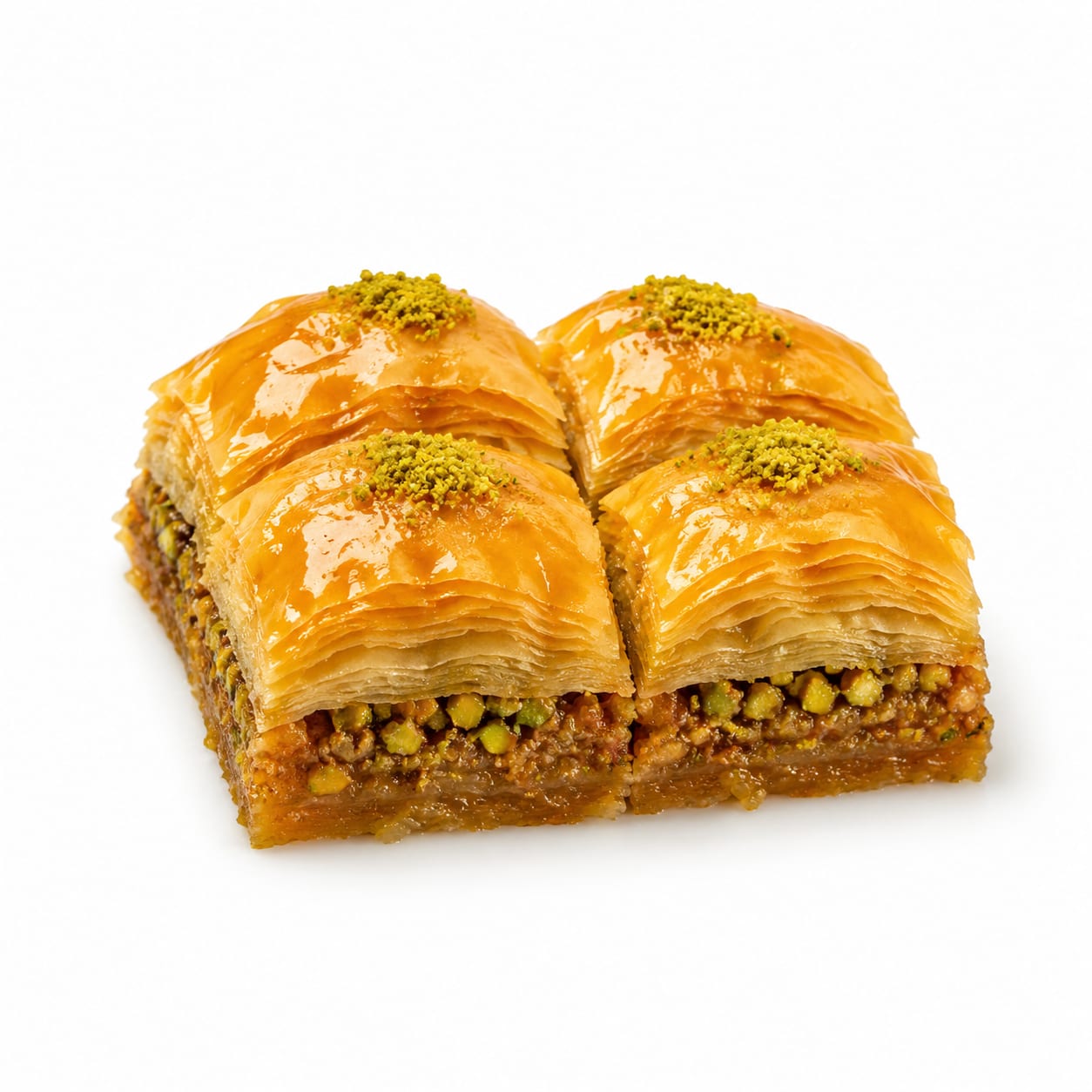
Baklava
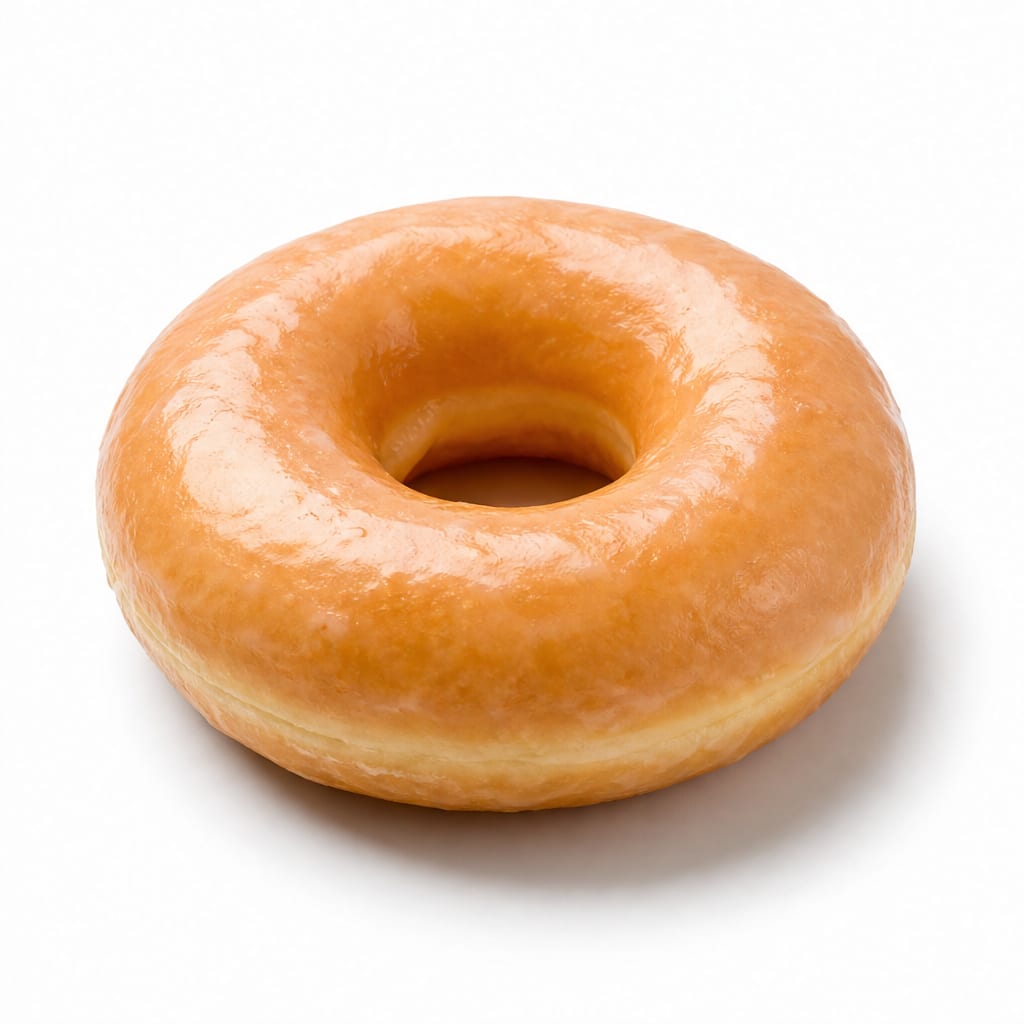
Glazed Donut
Baklava edges out glazed donuts thanks to heart-healthy nuts and less processing, but both are sugar bombs that demand portion control.
Baklava scores higher due to nut-derived healthy fats, minerals, and less processing. Glazed donuts score lower because of frying oils, refined flour, and near-zero micronutrients. Neither is a health food.
Baklava offers better fats and some micronutrients from nuts, but packs even more calories per piece than a glazed donut.
At a glance
Executive summary
Overall
Baklava
Healthier
Baklava
More practical
Glazed Donut
Daily use
It depends
Key comparison lenses
sugar crash comparison
Both are sugar-dense desserts that spike blood sugar, but the nut content in baklava slightly slows absorption
ingredient quality tradeoff
Baklava uses whole nuts and honey while glazed donuts rely on refined flour and processed sugars
calorie density decisions
Both are extremely calorie-dense but baklava packs more calories per bite due to nuts and butter
fat quality analysis
Walnuts and pistachios in baklava provide omega-3s and monounsaturated fats versus inflammatory frying oils in donuts
processing naturalness
Traditional baklava is handmade with recognizable ingredients while glazed donuts are factory-produced with additives
Best choice for
Baklava
- People who want some nutritional value with their indulgence
- Those avoiding fried foods and trans fats
- Anyone seeking a more satisfying, nutrient-dense dessert
- Mediterranean diet followers wanting a traditional treat
Glazed Donut
- Quick cheap energy on the go
- Large group settings where affordability matters
- Moments when convenience trumps nutrition
- People who find baklava too sweet or heavy
Least suitable for
Baklava
- Calorie counters since a small piece packs a huge load
- Anyone monitoring sugar intake strictly
- People with nut allergies
- Those seeking a light snack
Glazed Donut
- Anyone avoiding fried foods or trans fats
- People managing blood sugar or insulin resistance
- Those concerned about ultra-processed food intake
- Anyone wanting lasting energy or satiety
Deep comparison
Dimension by dimension
Each lens scores both foods and breaks down who each option suits.
- Dimension 1 · Priority 95Baklava
sugar_and_blood_stability
Baklava · 25Glazed Donut · 15Both deliver massive sugar hits, but baklava's nuts and fat slow glucose absorption slightly.
Tradeoff
Baklava's honey syrup is still concentrated sugar; the slower spike does not make it safe for diabetics.
Why it matters
A glazed donut causes a sharper blood sugar spike and faster crash, leaving you hungry again sooner.
Real-world impact
After a glazed donut you may feel energized for 30 minutes then slump. Baklava's crash is softer but still real.
Baklava
- Slightly steadier energy due to fat and protein slowing digestion
- Less severe post-sugar crash
Better for
- Still causes significant blood sugar elevation
Worse for
Glazed Donut
- Nothing meaningful — both are poor choices for blood sugar control
Better for
- Rapid spike and crash cycle
- Refined flour absorbs even faster than phyllo
Worse for
- Dimension 2 · Priority 90Baklava
fat_quality
Baklava · 55Glazed Donut · 15Baklava's walnuts and pistachios deliver omega-3s and monounsaturated fats. Glazed donuts rely on inflammatory frying oils.
Tradeoff
Baklava also contains generous butter, so not all its fat is beneficial. But the nut portion is genuinely protective.
Why it matters
Fat quality affects heart health, inflammation, and how satisfied you feel after eating.
Real-world impact
Regular glazed donut consumption raises inflammatory markers. Baklava's nuts actively counter some of that damage.
Baklava
- Omega-3 alpha-linolenic acid from walnuts
- Monounsaturated fats from pistachios
- Vitamin E from nuts supports cell health
Better for
- Butter adds saturated fat to the mix
- Total fat content is very high
Worse for
Glazed Donut
- Nothing — frying oils are a nutritional downgrade
Better for
- Potential trans fats from commercial frying
- High omega-6 inflammatory oils
- Zero beneficial fatty acids
Worse for
- Dimension 3 · Priority 82Baklava
micronutrient_density
Baklava · 45Glazed Donut · 8Baklava provides meaningful magnesium, manganese, copper, and vitamin E from nuts. A glazed donut is essentially empty calories.
Tradeoff
You would need to eat too much baklava to get real micronutrient benefits, but at least some exist.
Why it matters
Even desserts that contribute some vitamins are a better nutritional deal than ones contributing none.
Real-world impact
A piece of baklava gives you roughly 10% of your daily magnesium. A glazed donut gives you nothing useful.
Baklava
- Magnesium from walnuts supports muscle and nerve function
- Manganese helps metabolism
- Copper aids iron absorption
- B-vitamins from nuts in small amounts
Better for
- Still a sugar-dense food, not a vitamin source
Worse for
Glazed Donut
- Trace iron from enriched flour — negligible
Better for
- Almost zero micronutrients per calorie
- Enriched flour adds back only a fraction of what was removed
Worse for
- Dimension 4 · Priority 78Baklava
satiety_and_fullness
Baklava · 42Glazed Donut · 20Baklava's protein and fat from nuts keep you fuller longer. A glazed donut digests quickly and leaves you wanting more.
Tradeoff
Baklava is so calorie-dense that feeling full comes at a steep caloric price.
Why it matters
A snack that does not satisfy leads to overeating later in the day.
Real-world impact
One baklava piece may keep you satisfied for two hours. A glazed donut often leaves you hungry again within an hour.
Baklava
- Protein from nuts increases fullness signals
- Fat slows gastric emptying
- More oral satisfaction from texture complexity
Better for
- Very high calorie cost for that fullness
Worse for
Glazed Donut
- Nothing — rapidly digested and forgotten
Better for
- Refined carbs digest in under an hour
- Triggers reward pathways that increase cravings
- Easy to eat multiple without feeling full
Worse for
- Dimension 5 · Priority 75Glazed Donut
calorie_efficiency
Baklava · 18Glazed Donut · 30A typical glazed donut runs 250-300 calories. A single piece of baklava can easily exceed 330-400 calories.
Tradeoff
The donut is slightly fewer calories but those calories are completely empty. Baklava costs more calories but returns some nutrients.
Why it matters
If you are strictly counting calories, neither is efficient, but the donut is the lesser caloric hit.
Real-world impact
Choosing a glazed donut saves you roughly 80-120 calories compared to a piece of baklava, but you get nothing nutritionally in return.
Baklava
- Each calorie carries more micronutrient value
Better for
- One of the most calorie-dense desserts available
- Small portion size makes it easy to overeat
Worse for
Glazed Donut
- Lower absolute calorie count per serving
- Easier to budget into a calorie-tracking app
Better for
- Calories are completely empty
- Low satiety means you may eat more later
Worse for
- Dimension 6 · Priority 72Baklava
processing_and_additives
Baklava · 50Glazed Donut · 18Traditional baklava uses whole ingredients: nuts, butter, honey, phyllo. Glazed donuts contain dough conditioners, preservatives, and artificial glaze components.
Tradeoff
Commercial baklava can also cut corners with corn syrup and margarine, so quality varies widely.
Why it matters
Fewer additives means fewer unknown long-term health risks and better digestibility.
Real-world impact
A bakery-made baklava has an ingredient list you can pronounce. A packaged glazed donut often has 15+ ingredients including preservatives.
Baklava
- Recognizable whole-food ingredients in traditional recipes
- No artificial preservatives needed
- No dough conditioners or emulsifiers
Better for
- Commercial versions may use corn syrup instead of honey
- Some producers use margarine instead of butter
Worse for
Glazed Donut
- Nothing — more processed by default
Better for
- Dough conditioners like sodium stearoyl lactylate
- Preservatives like calcium propionate
- Artificial flavors and colors in glaze
- Potential trans fats from commercial frying
Worse for
Timeline
Health impact over time
Short-term
Hours to days
Baklava
- Rapid sugar rush followed by a moderate crash
- Feeling heavy and full due to fat and nut density
- Sustained energy for slightly longer than a donut
- Possible digestive heaviness from rich ingredients
Glazed Donut
- Sharp blood sugar spike within 15-20 minutes
- Quick energy crash leaving you sluggish
- Hunger returning within 45-60 minutes
- Possible brain fog from refined carb surge
Long-term
Months to years
Baklava
- Nuts provide cardiovascular protection that partially offsets sugar damage
- Regular consumption still promotes weight gain due to calorie density
- Better inflammatory profile than fried desserts
- Dental caries risk from sticky honey syrup
Glazed Donut
- Regular consumption raises cardiovascular risk from trans fats and refined carbs
- Promotes insulin resistance with frequent intake
- Contributes to visceral fat accumulation
- Chronic low-grade inflammation from frying oils
Risk profile
Safety & processing
Traditional baklava is made from whole nuts, butter, honey, and thin pastry — all recognizable ingredients. Glazed donuts are factory-produced with dough conditioners, preservatives, and artificial glaze components. Even commercial baklava generally contains fewer additives than a typical packaged donut.
Baklava
Honey contamination
lowOccasionally honey can contain botulinum spores; not a risk for adults but avoid giving honey-containing baklava to infants under 1 year.
Nut allergen cross-contamination
highBaklava contains tree nuts and is often produced in facilities handling multiple allergens. Serious risk for those with nut allergies.
Rancid nuts
mediumNuts in baklava can go rancid if stored too long or at warm temperatures, producing off-flavors and mild digestive upset.
Glazed Donut
Trans fat exposure
highCommercially fried donuts may still contain partially hydrogenated oils despite regulatory crackdowns. Even small amounts are harmful.
Acrylamide formation
mediumFrying starchy dough at high temperatures produces acrylamide, a probable carcinogen. This is inherent to the cooking method.
Mold on older stock
lowDonuts have a short shelf life and can develop mold if stored beyond a day or two, especially in humid conditions.
Who wins for whom
Audience fit
Same foods, different winners depending on your goal.
children
Glazed DonutGlazed donuts are less risky for nut-allergic children and are more familiar. Both are occasional treats at best, but donuts avoid the severe allergen concern.
daily consumption
It dependsNeither should be consumed daily. If forced to choose, a very small piece of baklava provides more nutritional value, but daily dessert consumption of either is inadvisable.
diabetes
It dependsBoth are poor choices. Baklava's fat slightly blunts the glycemic spike but the total sugar load remains dangerous. Neither should be a regular option.
elderly
BaklavaBaklava's nuts support brain health and provide magnesium for bone density. The calorie density can also help older adults who struggle to eat enough.
muscle gain
BaklavaBaklava provides small amounts of protein from nuts and a caloric surplus that can support bulking, though neither is a good protein source.
weight loss
It dependsNeither supports weight loss. A glazed donut has slightly fewer calories per serving but baklava's satiety may prevent overeating later. Both should be rare treats.
Your move
Decision guide
Choose Baklava
- You want a dessert that gives you some real nutrients alongside the indulgence
- Heart health matters to you and you want omega-3s from walnuts
- You prefer traditional foods made with recognizable ingredients
- You find nut-based desserts more satisfying and less likely to trigger bingeing
- You are sharing with guests and want something that feels special
Choose Glazed Donut
- You are strictly counting calories and every calorie matters
- You need a cheap, accessible treat available anywhere
- You have a nut allergy or are serving someone who does
- You want something lighter that will not sit heavy in your stomach
- You are at a morning event where donuts are the only option
Either works if
- You simply want a sweet treat and neither is a regular habit
- The occasion matters more than the nutrition profile
- You plan to eat a small portion and stop at one
Avoid both if
- You are managing diabetes or insulin resistance
- You are on a strict low-sugar or low-carb protocol
- You are trying to break a sugar addiction cycle
- You have heart disease and need to minimize inflammatory fats
Final recommendation
If you are choosing between these two desserts, baklava is the better nutritional deal — its nuts provide healthy fats, minerals, and satiety that a glazed donut simply cannot match. But the margin of victory is thin because both are sugar-heavy, calorie-dense indulgences. The real decision is not which one is healthier, but whether either one fits your goals today. If yes, pick baklava for quality or a glazed donut for fewer calories. If no, walk away from both.
Practical
Consumer tips
- 1
Limit baklava to one small piece — roughly one inch square — to keep calories under 200.
- 2
Choose baklava made with honey rather than corn syrup for a less processed option.
- 3
Check glazed donut labels for partially hydrogenated oils and avoid brands that still use them.
- 4
Eat either dessert after a protein-rich meal to blunt the blood sugar spike.
- 5
Never pair either dessert with a sugary drink — that doubles the metabolic damage.
- 6
If buying baklava, find a Middle Eastern bakery where it is made fresh daily rather than a mass-produced version.
- 7
Freeze leftover baklava to prevent nut rancidity and slow yourself from eating the whole box.
- 8
For glazed donuts, cake donuts are slightly less harmful than yeast donuts because they absorb less frying oil.