
Nutrition comparison
Baklava vs Roasted Cashews: Which Snack Is Actually Better for You?
Compare baklava and roasted cashews on nutrition, blood sugar impact, weight management, and daily usability. Find out which one belongs in your regular snack rotation.
Overall winner · Roasted Cashews
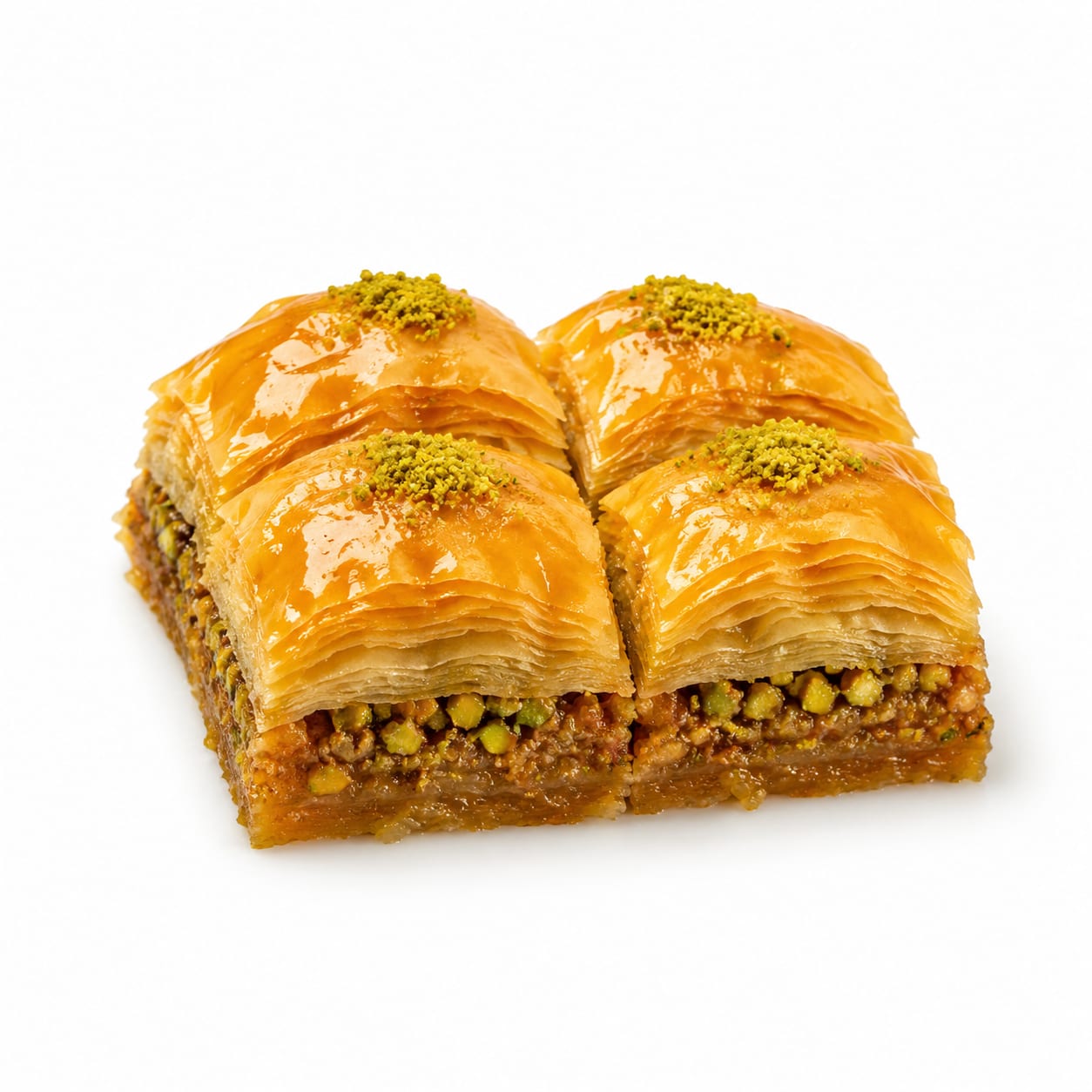
Baklava
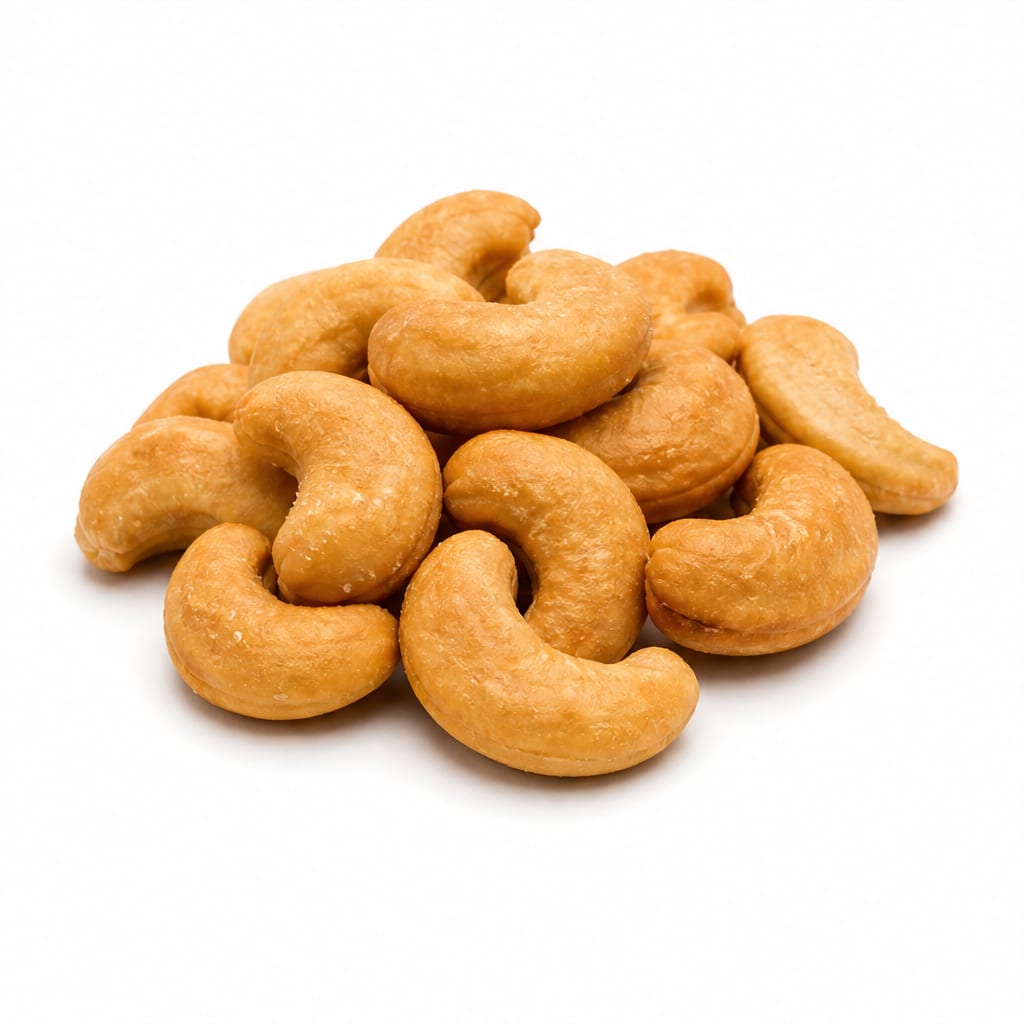
Roasted Cashews
Roasted cashews are the clearly smarter everyday choice, offering protein, minerals, and steady energy. Baklava is an occasional celebration food, not a regular snack.
Roasted cashews dominate on nutritional quality, daily usability, and metabolic impact. Baklava scores low because its high sugar and low protein make it unsuitable as a regular food, though it has cultural and emotional value.
Baklava delivers an irresistible sugar-rush experience but crashes your energy and spikes blood sugar. Roasted cashews keep you grounded and full but lack that celebratory sweetness.
At a glance
Executive summary
Overall
Roasted Cashews
Healthier
Roasted Cashews
More practical
Roasted Cashews
Daily use
Roasted Cashews
Key comparison lenses
sugar vs whole food snacking
Baklava is sugar-dense while roasted cashews offer a whole-food alternative with minimal sugar
blood sugar management
Massive difference in glycemic impact between a honey-soaked pastry and a protein-rich nut
daily snack sustainability
Users likely deciding between a treat and a regular snack option
weight management tradeoffs
Both are calorie-dense but differ sharply in satiety and metabolic impact
emotional eating vs mindful snacking
Baklava triggers reward pathways differently than cashews, affecting long-term eating habits
Best choice for
Baklava
- Special occasions and cultural celebrations
- Satisfying a intense sweet craving in a small portion
- Sharing as a dessert at gatherings
- Anyone needing quick calorie intake with low appetite
Roasted Cashews
- Daily snacking without sugar crashes
- Post-workout protein and mineral replenishment
- Office desk or on-the-go nutrition
- Sustained energy between meals
Least suitable for
Baklava
- People managing diabetes or insulin resistance
- Anyone trying to reduce sugar intake
- Frequent snackers who struggle with portion control
- Those seeking steady energy throughout the day
Roasted Cashews
- People with tree nut allergies
- Those on strict low-calorie or low-fat diets
- Anyone seeking a sweet treat experience
- Individuals sensitive to high fat intake
Deep comparison
Dimension by dimension
Each lens scores both foods and breaks down who each option suits.
- Dimension 1 · Priority 95Roasted Cashews
blood sugar stability
Baklava · 12Roasted Cashews · 78Baklava sends blood sugar on a rollercoaster. Roasted cashews provide slow-burning, steady energy.
Tradeoff
That sweet rush from baklava feels great for 20 minutes, then leaves you tired and hungry again. Cashews never give you that high, but they also never drop you.
Why it matters
Blood sugar crashes drive overeating, brain fog, and irritability. Stable energy is the foundation of feeling good all day.
Real-world impact
Eat baklava at 3pm and you are reaching for another snack by 4pm. Eat cashews and you sail through to dinner.
Baklava
- Quick energy before intense short activity
- Treating hypoglycemia in emergencies
Better for
- Insulin-resistant individuals
- Anyone prone to sugar cravings
- Late-night snacking
Worse for
Roasted Cashews
- Managing diabetes or prediabetes
- Avoiding afternoon energy crashes
- Staying focused during long work sessions
Better for
- Situations demanding immediate glucose
- Endurance athletes mid-event
Worse for
- Dimension 2 · Priority 90Roasted Cashews
satiety_and_fullness
Baklava · 20Roasted Cashews · 82Cashews keep you full for hours. Baklava leaves you hungry again surprisingly fast despite being calorie-dense.
Tradeoff
Baklava packs calories without the protein or fiber that signals fullness to your brain. Cashews cost fewer calories per hour of satisfaction.
Why it matters
Foods that fail to fill you up lead to overeating, even when they are calorie-heavy. Satiety is the hidden driver of weight management.
Real-world impact
A handful of cashews at noon can hold you until dinner. Two pieces of baklava at noon and you are raiding the fridge by 1:30.
Baklava
- Adding calories when appetite is genuinely low
Better for
- Portion control challenges
- Emotional eating patterns
Worse for
Roasted Cashews
- Weight management without feeling deprived
- Busy days when you cannot stop to eat frequently
- Preventing evening overeating
Better for
- Those who find nuts too moreish to stop eating
Worse for
- Dimension 3 · Priority 88Roasted Cashews
nutrient_density
Baklava · 18Roasted Cashews · 85Cashews deliver magnesium, zinc, iron, and quality protein. Baklava offers mostly empty calories from sugar and refined carbs.
Tradeoff
Baklava contains some nuts, but they are buried under sugar and butter. Cashews give you the nuts without the nutritional baggage.
Why it matters
Every calorie is an opportunity to nourish your body. Foods that fill you without feeding your cells leave you undernourished despite excess calories.
Real-world impact
Regular cashew eaters get meaningful magnesium and zinc intake. Regular baklava eaters get none of that, just blood sugar stress.
Baklava
- Cultural traditions where food is about connection not nutrition
Better for
- Anyone already eating a nutrient-poor diet
- People who need more protein
Worse for
Roasted Cashews
- Correcting common mineral deficiencies
- Supporting immune function with zinc
- Muscle and nerve health via magnesium
Better for
- Those already meeting mineral needs through other foods
Worse for
- Dimension 4 · Priority 85Roasted Cashews
heart_health
Baklava · 22Roasted Cashews · 75Cashews provide heart-friendly unsaturated fats. Baklava delivers saturated fat and sugar, a rough combo for cardiovascular health.
Tradeoff
The butter and syrup in baklava create a double hit of saturated fat and refined sugar. Cashews have fat too, but it is the kind associated with better heart outcomes.
Why it matters
Heart disease builds silently over years. Daily small choices matter more than occasional big ones.
Real-world impact
Swapping a baklava habit for cashews could meaningfully improve cholesterol markers within months.
Baklava
- Rare celebratory consumption poses minimal risk
Better for
- People with high triglycerides
- Those with family history of heart disease
Worse for
Roasted Cashews
- Improving cholesterol profiles
- Reducing inflammatory markers
- Long-term cardiovascular protection
Better for
- Severely sodium-restricted diets if cashews are salted
Worse for
- Dimension 5 · Priority 82Roasted Cashews
emotional_eating_and_cravings
Baklava · 30Roasted Cashews · 68Baklava triggers intense reward responses that drive cravings for more sweets. Cashews satisfy without hijacking your appetite.
Tradeoff
Baklava feels more rewarding in the moment but trains your brain to want more sugar. Cashews feel calmer and help break the craving cycle.
Why it matters
The food you crave is often the food that controls you. Sustainable eating requires foods that satisfy without creating dependency.
Real-world impact
One piece of baklava often leads to three. A handful of cashews usually stays a handful.
Baklava
- Genuine celebration and mindful indulgence
- Comfort during difficult moments when nothing else works
Better for
- Binge eating patterns
- Nighttime sugar cravings
- Stress-driven eating
Worse for
Roasted Cashews
- Breaking sugar addiction cycles
- Developing healthier snacking habits
- Emotional eaters learning to self-regulate
Better for
- Situations where emotional comfort from food is genuinely needed
Worse for
- Dimension 6 · Priority 75Roasted Cashews
convenience_and_portability
Baklava · 25Roasted Cashews · 90Cashews are ready to eat anywhere, no mess, no refrigeration. Baklava is sticky, fragile, and needs careful storage.
Tradeoff
Baklava demands a plate and attention. Cashews go in a pocket or bag without a second thought.
Why it matters
The easiest food to grab is the one you actually eat. Convenience determines what your default snack becomes.
Real-world impact
Cashews work in a car, at a desk, on a hike. Baklava works at a table with a napkin.
Baklava
- Formal dessert settings
- Gifting and hospitality
Better for
- On-the-go lifestyles
- Hot weather when sticky food is unappealing
Worse for
Roasted Cashews
- Commuting and travel
- Desk snacking at work
- Hiking and outdoor activities
- Emergency food stash
Better for
- Formal dining where finger food is inappropriate
Worse for
- Dimension 7 · Priority 70Roasted Cashews
digestive_tolerance
Baklava · 35Roasted Cashews · 72Cashews are generally easy on the stomach. Baklava can cause bloating and discomfort from the sugar-fat-refined carb combination.
Tradeoff
The richness of baklava that makes it delicious also makes it heavy. Cashews digest more predictably for most people.
Why it matters
Digestive discomfort after eating affects mood, energy, and productivity for hours.
Real-world impact
Baklava after a meal often means feeling sluggish and bloated. Cashews after a meal feel light and satisfying.
Baklava
- Those with strong digestion who tolerate rich foods well
Better for
- GERD and acid reflux sufferers
- People with fat malabsorption issues
Worse for
Roasted Cashews
- People with sensitive digestion
- IBS sufferers who tolerate nuts
- Those who dislike feeling heavy after eating
Better for
- Those with nut allergies or intolerances
- People who find high-fat foods slow digestion
Worse for
Timeline
Health impact over time
Short-term
Hours to days
Baklava
- Rapid blood sugar spike followed by a crash within 1-2 hours
- Temporary energy surge then fatigue and brain fog
- Possible bloating from the sugar-fat-flour combination
- Intense pleasure response that may trigger cravings for more sweets
Roasted Cashews
- Gradual, sustained energy release over 2-3 hours
- Feeling of fullness without heaviness
- Stable mood and focus without the crash
- Mild satiety that prevents overeating at the next meal
Long-term
Months to years
Baklava
- Regular consumption increases risk of insulin resistance and type 2 diabetes
- Contributes to elevated triglycerides and cardiovascular risk
- Promotes weight gain, especially visceral fat, due to sugar content
- Reinforces sugar dependency and emotional eating patterns
Roasted Cashews
- Supports healthy cholesterol and cardiovascular markers
- Provides consistent mineral intake that supports bone and immune health
- Associated with lower risk of metabolic syndrome in moderate consumption
- Helps maintain stable eating patterns without craving cycles
Risk profile
Safety & processing
Baklava involves refined flour, added sugars, and butter processing. Commercial versions may include preservatives and corn syrup. Roasted cashews are simply nuts with dry heat, though some brands add oils and salt. Choose dry-roasted or raw cashews with no added ingredients for the cleanest option.
Baklava
Foodborne illness from storage
mediumBaklava's moisture and sugar content can support mold growth if stored improperly or kept too long at room temperature.
Allergen cross-contamination
mediumCommercial baklava often contains multiple nuts and may be produced in facilities handling various allergens.
Added preservatives in commercial products
lowSome mass-produced baklava includes preservatives or corn syrup substitutes that are not present in traditional recipes.
Roasted Cashews
Tree nut allergy
highCashews are a top allergen. Reactions can be severe and life-threatening for allergic individuals.
Aflatoxin contamination
lowImproperly stored cashews can develop aflatoxin mold. Reputable brands test for this, but risk exists in bulk bins.
Added sodium in salted varieties
mediumSalted roasted cashews can deliver significant sodium per serving, which is a concern for blood pressure management.
Who wins for whom
Audience fit
Same foods, different winners depending on your goal.
children
It dependsCashews are a nutritious snack for children without nut allergies, but baklava holds cultural and joy-value for special occasions. Neither should be a daily staple for kids.
daily consumption
Roasted CashewsCashews can be eaten daily in moderation with positive health effects. Daily baklava would be a significant health risk due to sugar and calorie load.
diabetes
Roasted CashewsCashews have minimal impact on blood sugar and may improve insulin sensitivity. Baklava is one of the worst choices for blood glucose management.
elderly
Roasted CashewsCashews provide magnesium and zinc that support bone density and immune function in aging. Baklava's sugar content worsens inflammation and metabolic risk common in older adults.
muscle gain
Roasted CashewsCashews offer protein and magnesium that support muscle function. Baklava provides almost no protein for recovery or growth.
weight loss
Roasted CashewsCashews provide more satiety per calorie and do not trigger the insulin spikes that promote fat storage. Portion control is still needed due to calorie density.
Your move
Decision guide
Choose Baklava
- You are celebrating a special occasion and want a traditional dessert experience
- You have excellent blood sugar control and can stop at one small piece
- You are sharing with others and will only eat a modest portion
- You are actively trying to gain weight and need calorie-dense food
Choose Roasted Cashews
- You want a satisfying daily snack that supports your health goals
- You need steady energy between meals without crashes
- You are managing blood sugar, weight, or heart health
- You want something portable and convenient for busy days
- You are trying to reduce sugar cravings and emotional eating
Either works if
- You have no specific health concerns and eat both in moderation
- You are at a gathering where both options are available and want a small amount of either
- Calorie budget allows for a treat and you will listen to your body's fullness signals
Avoid both if
- You have a tree nut allergy, as both contain nuts
- You are on a strict low-calorie or low-fat diet and cannot budget for calorie-dense foods
- You struggle with binge eating and find both foods trigger overconsumption
Final recommendation
Make roasted cashews your everyday snack and treat baklava as a special-occasion indulgence a few times a year. This gives you the nutritional benefits of nuts daily while still enjoying cultural traditions mindfully. When you do eat baklava, pair it with protein or eat it after a balanced meal to blunt the blood sugar spike.
Practical
Consumer tips
- 1
Choose dry-roasted cashews without added oils or salt for the cleanest option
- 2
If buying salted cashews, portion them into small bags to avoid overconsumption
- 3
For baklava, seek out traditional recipes made with real honey and butter rather than corn syrup versions
- 4
Eat baklava after a protein-rich meal to reduce the glycemic impact
- 5
Store cashews in a cool dark place or refrigerator to prevent rancidity and aflatoxin risk
- 6
Freeze baklava in individual portions so you can thaw one piece at a time rather than eating the whole tray
- 7
Measure cashews into a small bowl instead of eating from the container to prevent mindless overeating
- 8
If transitioning from baklava to cashews as a snack, try cashews with a small piece of dark chocolate to ease the sweetness adjustment