
Nutrition comparison
Baklava vs Oatmeal Cookie: Which Dessert Is Healthier?
Compare baklava and oatmeal cookies on sugar, calories, fiber, and health impact. Find out which treat is better for weight loss, blood sugar, and everyday snacking.
Overall winner · Oatmeal Cookie
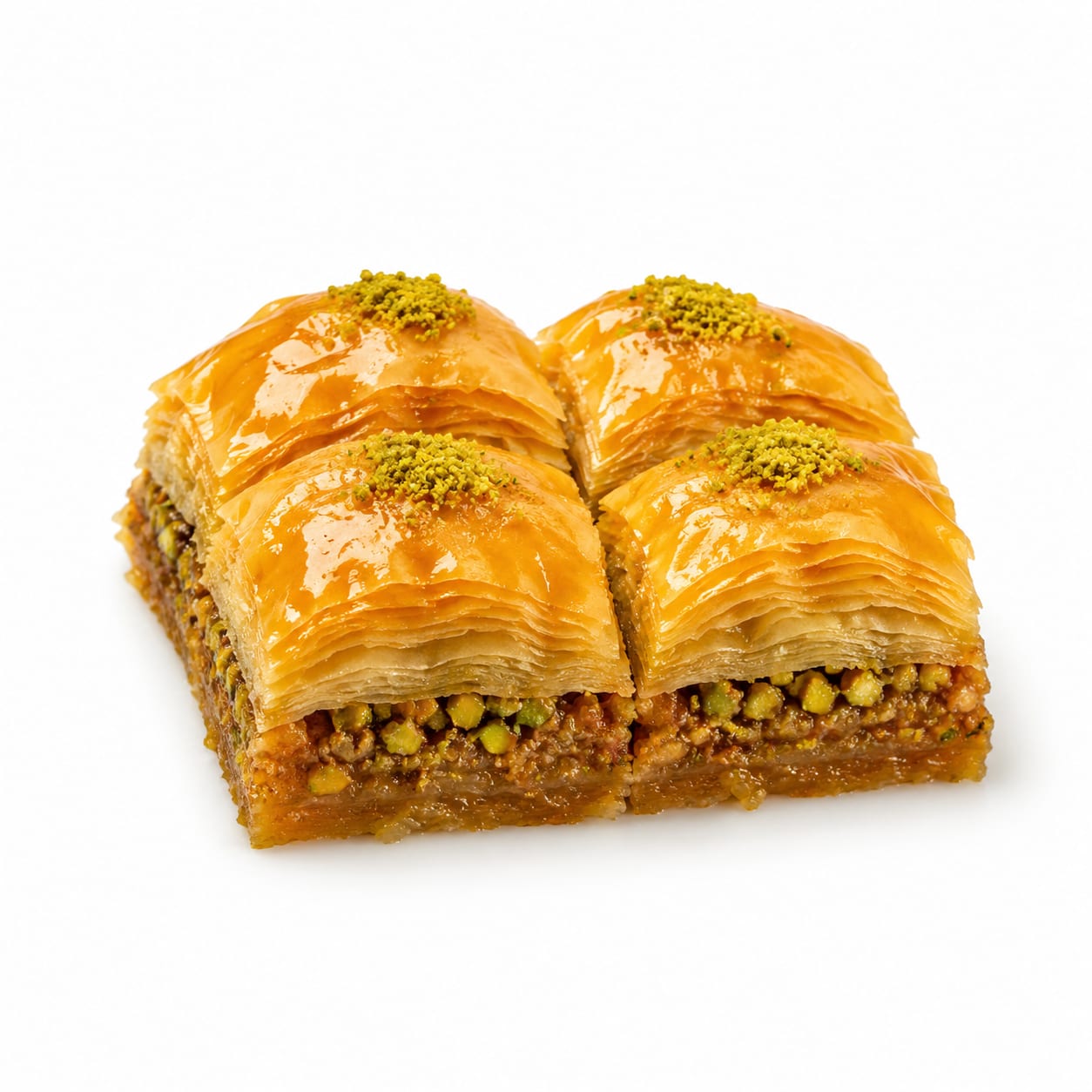
Baklava
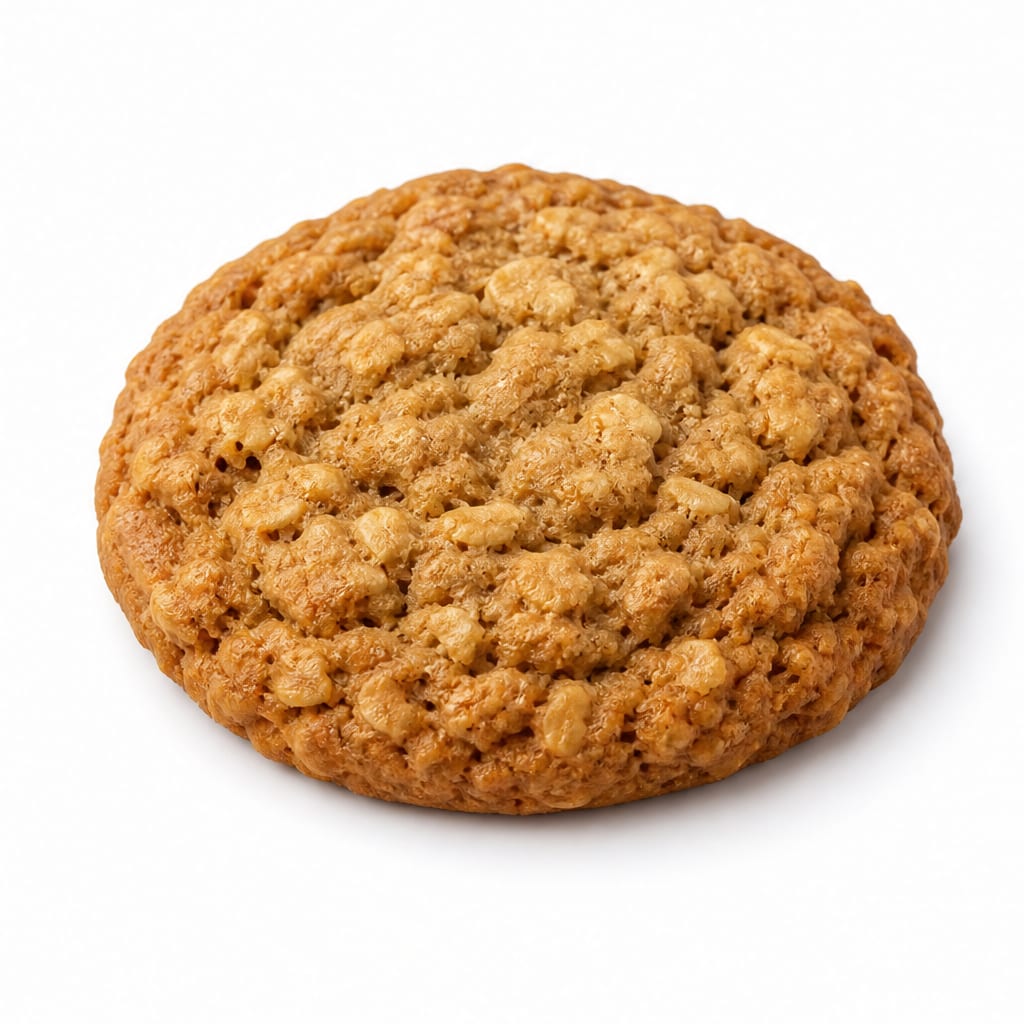
Oatmeal Cookie
Oatmeal cookies edge out baklava for everyday eating thanks to fiber from oats and more manageable calorie density, but baklava wins for nutrient-dense fats and special-occasion satisfaction.
Oatmeal cookies score moderately due to oat fiber and better everyday practicality. Baklava scores lower mainly because its extreme calorie density and sugar load make it a rare treat rather than a repeatable choice. Neither is a health food, but the fiber and whole grain content in oatmeal cookies give them a meaningful edge.
Baklava gives you heart-healthy nut fats in a tiny, calorie-packed bite. Oatmeal cookies give you more fiber and a steadier energy curve in a larger, more filling portion.
At a glance
Executive summary
Overall
Oatmeal Cookie
Healthier
Oatmeal Cookie
More practical
Oatmeal Cookie
Daily use
Oatmeal Cookie
Key comparison lenses
sugar and blood spike comparison
Both are high-sugar desserts, but the type and impact of sugars differ significantly
calorie density and portion control
Baklava is extremely calorie-dense for its small size, making overconsumsession easy
nutrient quality of fats and carbs
Baklava offers nut-based healthy fats while oatmeal cookies provide oat fiber
everyday vs special occasion use
These foods occupy very different roles in real-life eating patterns
satiety and hunger after eating
Fiber in oats versus fat in nuts creates different fullness experiences
Best choice for
Baklava
- Special occasions and cultural celebrations
- Getting healthy fats from nuts in a satisfying treat
- Small indulgent portions when you want richness without volume
- Sharing desserts where a little goes a long way
Oatmeal Cookie
- Everyday sweet cravings that need fiber to blunt the sugar spike
- Afternoon snacks where you want something filling
- Kids lunchboxes or portable treats
- Baking at home where you can control sugar and add whole grains
Least suitable for
Baklava
- Daily dessert habits due to extreme calorie density
- Blood sugar management with its honey-syrup overload
- Anyone struggling with portion control on rich foods
- Weight loss phases where calorie tracking matters
Oatmeal Cookie
- People avoiding gluten or wheat
- Those seeking a luxurious, special-occasion dessert experience
- Dairy-free diets if butter is used
- Anyone who finds cookies trigger binge eating
Deep comparison
Dimension by dimension
Each lens scores both foods and breaks down who each option suits.
- Dimension 1 · Priority 92Oatmeal Cookie
sugar_and_blood_sugar_impact
Baklava · 22Oatmeal Cookie · 40Both spike blood sugar, but baklava's honey-syrup soak hits harder and faster than the oat-tempered sugar in oatmeal cookies.
Tradeoff
Baklava uses honey which has trace antioxidants, but the sheer quantity overwhelms any benefit. Oatmeal cookies have added sugar too, but oats slow absorption noticeably.
Why it matters
A sugar crash after baklava can leave you hungry again within an hour. Oatmeal cookies at least buy you more stable energy for a bit longer.
Real-world impact
Eating baklava as an afternoon snack often leads to an energy dip 45 minutes later. An oatmeal cookie with tea is less likely to trigger that crash.
Baklava
- Quick energy before intense physical activity
Better for
- Insulin resistance and metabolic syndrome
- Anyone monitoring fasting blood sugar
Worse for
Oatmeal Cookie
- Sustained energy through a long afternoon
- Avoiding the sugar crash-rebound cycle
- Diabetics who still want an occasional treat
Better for
- Strict low-carb or keto diets
Worse for
- Dimension 2 · Priority 88Oatmeal Cookie
calorie_density_and_portion_control
Baklava · 18Oatmeal Cookie · 45A single small piece of baklava can pack 250-350 calories. An oatmeal cookie typically lands around 120-180 calories and feels like more food.
Tradeoff
Baklava's density means a tiny portion satisfies richness cravings fast. But most people eat 2-3 pieces, easily hitting 700+ calories without feeling full.
Why it matters
Calorie density is the strongest predictor of unintentional overeating. Foods that look small but carry huge calorie loads silently undermine weight management.
Real-world impact
Three small baklava pieces at a gathering can equal a full meal's calories. Three oatmeal cookies are still a lot, but you feel it and naturally slow down.
Baklava
- When you genuinely only want one small rich bite
Better for
- Anyone who struggles to stop at one piece
- Calorie counting or macro tracking
Worse for
Oatmeal Cookie
- Weight management where calorie awareness matters
- Snacking where you want to feel like you ate something substantial
- Mindful eating practices
Better for
- Situations where you need compact high-calorie fuel
Worse for
- Dimension 3 · Priority 82Oatmeal Cookie
fiber_and_digestive_benefits
Baklava · 12Oatmeal Cookie · 55Oats bring soluble fiber and beta-glucan to the table. Baklava's phyllo and nuts offer minimal fiber by comparison.
Tradeoff
The fiber in oatmeal cookies is modest since sugar and butter dilute it, but it still meaningfully slows digestion compared to baklava's near-zero fiber content.
Why it matters
Even a small fiber advantage changes how satisfied you feel after eating and how steadily energy releases. Over weeks, this compounds into better digestion and steadier appetite.
Real-world impact
An oatmeal cookie with lunch keeps you fuller until dinner. Baklava after lunch often leaves you snacking again by 3pm.
Baklava
- Not applicable for this dimension
Better for
- Constipation-prone individuals
- Those relying on snacks to bridge long gaps between meals
Worse for
Oatmeal Cookie
- Gut health and regular digestion
- Prolonging satiety between meals
- Cholesterol management from beta-glucan
Better for
- Not a significant concern here
Worse for
- Dimension 4 · Priority 80Baklava
fat_quality_and_heart_health
Baklava · 62Oatmeal Cookie · 30Baklava's walnuts and pistachios deliver omega-3s, monounsaturated fats, and plant sterols. Oatmeal cookies rely on butter, which is mostly saturated fat.
Tradeoff
The nuts in baklava are genuinely heart-protective, but they come swimming in butter and syrup. The net effect is still a high-calorie, high-sugar food with some good fat buried inside.
Why it matters
Nut consumption is consistently linked to better heart outcomes. But context matters — sugar and excess calories can offset those benefits when consumed frequently.
Real-world impact
Occasional baklava gives you real nut nutrition alongside the indulgence. Oatmeal cookies made with butter offer less cardiovascular upside per bite.
Baklava
- Getting omega-3 ALA from walnuts
- Plant sterols that support cholesterol balance
- Monounsaturated fats from pistachios
Better for
- The butter between phyllo layers adds significant saturated fat
Worse for
Oatmeal Cookie
- Not applicable for this dimension
Better for
- Butter-heavy recipes increase saturated fat load
- Minimal healthy fat content overall
Worse for
- Dimension 5 · Priority 78Oatmeal Cookie
satiety_and_fullness
Baklava · 35Oatmeal Cookie · 55Oatmeal cookies fill you up more per calorie thanks to oats swelling in your stomach. Baklava feels rich but disappears quickly.
Tradeoff
Baklava's fat content triggers some satiety hormones, but the small volume and sugar rush override them fast. Oatmeal cookies create more physical fullness.
Why it matters
Foods that leave you hungry after eating them tend to trigger compensatory snacking. This is where baklava's calorie density becomes a real trap.
Real-world impact
After two pieces of baklava, you often want something else within the hour. An oatmeal cookie with milk actually feels like a mini-meal.
Baklava
- When only a small, intense indulgence will satisfy the craving
Better for
- Emotional eaters who find small treats unsatisfying
- Late-night snacking where you want to stop after one
Worse for
Oatmeal Cookie
- Bridging 3-4 hour gaps between meals
- Preventing the snack cascade after dessert
- Active people who need filling fuel
Better for
- Not a significant concern here
Worse for
- Dimension 6 · Priority 65Oatmeal Cookie
versatility_and_home_preparation
Baklava · 25Oatmeal Cookie · 70Oatmeal cookies are easy to bake at home with healthier substitutions. Baklava is technically demanding and rarely made from scratch.
Tradeoff
Home-baked oatmeal cookies can cut sugar by half, use whole wheat flour, and add nuts or seeds. Baklava is almost always store-bought or bakery-sourced with fixed sugar levels.
Why it matters
Control over ingredients is one of the most powerful levers for making treats healthier. The food you can modify always wins on adaptability.
Real-world impact
You can make oatmeal cookies with maple syrup, coconut oil, and extra oats. You are never making low-sugar baklava at home on a Tuesday.
Baklava
- Impressing guests with an elegant dessert
Better for
- Home cooks without phyllo dough skills
- Anyone wanting to reduce sugar in their treats
Worse for
Oatmeal Cookie
- Customizing sugar, fat, and fiber content
- Baking with kids as a fun activity
- Meal prep and weekly snack planning
- Using up pantry staples like oats and raisins
Better for
- Not a significant concern here
Worse for
Timeline
Health impact over time
Short-term
Hours to days
Baklava
- Rapid blood sugar spike from honey syrup followed by a crash within 45-90 minutes
- Immediate feeling of richness and satisfaction from fat content
- Possible sluggishness or brain fog after the sugar dip
- Thirst from high sugar concentration
Oatmeal Cookie
- Moderate blood sugar rise with a gentler descent thanks to oat fiber
- More sustained energy for 1-2 hours compared to baklava
- Mild fullness from oats absorbing liquid in the stomach
- Less intense sugar rush and therefore less of a crash
Long-term
Months to years
Baklava
- Frequent consumption contributes to insulin resistance from repeated sugar surges
- Calorie density makes weight gain likely if eaten regularly
- Nut fats provide some cardiovascular benefit but are outweighed by sugar load
- Rare consumption as a cultural treat poses minimal health risk
Oatmeal Cookie
- Oat fiber supports cholesterol management if eaten regularly in healthier recipes
- More sustainable as an occasional treat without dramatic metabolic impact
- Store-bought versions with hydrogenated oils could raise cardiovascular risk over time
- Home-baked versions with less sugar can fit reasonably into a balanced diet
Risk profile
Safety & processing
Traditional baklava uses simple whole ingredients: nuts, honey, butter, and phyllo. Store-bought versions may add preservatives but generally stay close to the original recipe. Oatmeal cookies vary widely — homemade versions are clean, but commercial ones often contain hydrogenated oils, corn syrup, artificial flavors, and preservatives to extend shelf life.
Baklava
Honey contamination in imported products
lowSome imported baklava may use adulterated honey with corn syrup or undisclosed sweeteners. Buy from reputable sources.
Nut allergen cross-contamination
highBaklava typically contains walnuts and pistachios, and is often made in facilities handling multiple nuts. Severe risk for nut-allergic individuals.
Phyllo dough spoilage if improperly stored
lowFresh baklava left at room temperature too long can develop mold. Refrigeration extends life but changes texture.
Oatmeal Cookie
Hydrogenated oils in commercial brands
mediumMany store-bought oatmeal cookies contain partially hydrogenated oils, a source of trans fats linked to heart disease. Read labels carefully.
High fructose corn syrup
mediumMass-produced cookies often use HFCS instead of real sugar or maple. This adds unnecessary processed fructose to your diet.
Wheat gluten and dairy allergens
mediumContains both gluten and butter, making it unsuitable for celiacs and dairy-free diets. Cross-contamination in factories is common.
Who wins for whom
Audience fit
Same foods, different winners depending on your goal.
children
Oatmeal CookieOatmeal cookies are more kid-friendly, portable, and can be made with reduced sugar. Baklava's intense sweetness and nut content pose allergy and overstimulation concerns.
daily consumption
Oatmeal CookieOatmeal cookies can be modified to be reasonably healthy and provide fiber daily. Baklava is too calorie-dense and sugar-heavy for regular consumption.
diabetes
Oatmeal CookieOat fiber slows glucose absorption measurably compared to baklava's honey-syrup flood. Neither is recommended, but oatmeal cookies are the lesser spike.
elderly
Oatmeal CookieSofter oatmeal cookies are easier to chew and digest. The fiber also helps with common constipation issues in older adults.
muscle gain
It dependsNeither is ideal for muscle gain. Baklava provides more calories for bulking but lacks protein. Oatmeal cookies offer slightly more sustained carbs for training fuel.
weight loss
Oatmeal CookieOatmeal cookies have lower calorie density and more fiber per serving, making portion control easier and hunger more manageable between meals.
Your move
Decision guide
Choose Baklava
- You want a luxurious, culturally rich dessert for a special occasion
- Only a small, intensely satisfying treat will stop your craving
- You value nut-based healthy fats and want them in dessert form
- You are sharing with others and a little goes a long way
Choose Oatmeal Cookie
- You want an everyday sweet that will not derail your eating plan
- Fiber and steadier energy matter more than richness
- You bake at home and want control over sugar and ingredients
- You need a portable snack for lunchboxes, commuting, or hiking
Either works if
- You are eating dessert purely for enjoyment and portion size is small
- Neither food is a regular part of your diet and this is a one-time choice
Avoid both if
- You are managing diabetes or insulin resistance and need low-sugar options
- You are on a calorie-restricted diet and cannot afford empty calories
- You are prone to sugar cravings and one treat triggers a binge
- You have nut allergies (baklava) or gluten sensitivity (oatmeal cookies)
Final recommendation
For most people most of the time, an oatmeal cookie — especially homemade with reduced sugar — is the smarter choice. It gives you fiber, more manageable calories, and better blood sugar stability. Save baklava for celebrations where its richness and cultural significance shine. Neither should be daily, but if you are reaching for one regularly, the oatmeal cookie does less damage and more good.
Practical
Consumer tips
- 1
If buying oatmeal cookies, check labels for hydrogenated oils and high fructose corn syrup — avoid both
- 2
Home-bake oatmeal cookies using half the sugar, coconut oil or olive oil instead of butter, and extra oats for fiber
- 3
Limit baklava to one small piece and pair it with unsweetened tea to balance the sweetness
- 4
Freeze baklava in single-piece portions so you must thaw before eating — this naturally slows consumption
- 5
Choose oatmeal cookies with visible whole oats and raisins over smooth, uniform ones — less processed usually means better
- 6
If buying baklava, find a Middle Eastern bakery using traditional recipes rather than mass-produced versions with preservatives
- 7
Add chopped walnuts to your oatmeal cookie dough to get some of baklava's nut benefits in a more controlled package