
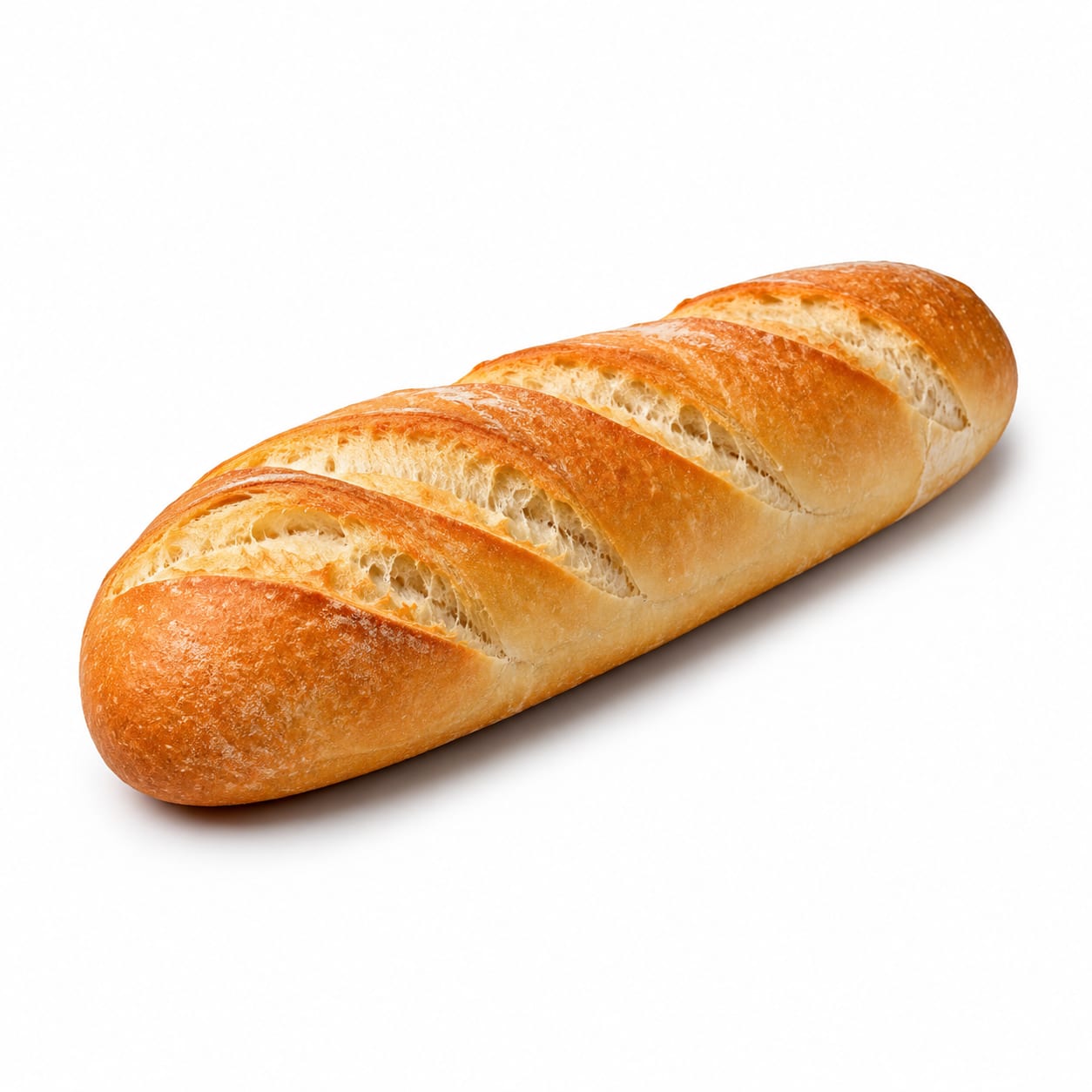
Bread
Baguette
A traditional French bread made from refined flour, known for its crispy crust and chewy interior.
A long, thin loaf of French bread characterized by a crisp crust and chewy interior, traditionally made from flour, water, yeast, and salt.
fast-digesting refined carbohydrate source
Typical serving · 60g
Common varieties · traditional french, whole wheat, sourdough, demi-baguette, multigrain
Overall context score across nutrition, safety, and diet fit
The story
What makes it unique
A traditional baguette is made from refined wheat flour, water, yeast, and salt. It digests rapidly due to its low fiber content, resulting in a high glycemic response and limited sustained satiety. Its macronutrient profile is heavily carbohydrate-dominant with moderate protein and minimal fat.
Varieties: traditional french · whole wheat · sourdough · demi-baguette · multigrain
Per 100g
Nutrition breakdown
Macro balance and key metrics at a glance.
Energy
Density 2.70 kcal/g
Protein
Carbs
Fat
Fiber
Sugar
1.5 g
Sodium
550 mg
Potassium
115 mg
Glycemic index
78
Glycemic load
41
Water content
30%
Standout compounds
Nutrient highlights
Carbohydrates
highRapid energy supply for muscles and brain
Sodium
moderateElectrolyte replenishment, crucial for dough structure
Iron
moderateOxygen transport in blood, often fortified in refined flour
Folate
moderateCell division and DNA synthesis, enriched in refined flour
Wellness map
Health scores & processing
NOVA processing scale
moderately processed · Whole food
Traditional baguettes contain only basic culinary ingredients (flour, water, yeast, salt) but use refined flour, placing them in Nova Group 3. Industrial baguettes with preservatives may edge into Group 4.
Diet compatibility
- Weight loss
- Muscle gain
- Diabetes
- Gut health
- Low carb
- High protein
- Heart health
Relative standing
Food rankings
Qualitative ranks compared to similar whole foods.
- Satietypoor
- Blood sugarpoor
- Nutrient densitypoor
- Fitness fuelgood
- Processing qualitymoderate
Eat with confidence
Food safety profile
Baguettes are generally safe from microbial contamination. The primary concern is pesticide residues from conventional wheat farming. Mycotoxins from mold on wheat grains can occasionally occur but are strictly regulated.
Evidence confidence 85%
- Pesticidesmoderate
- Antibioticslow
- Heavy metalslow
- Contaminationlow
Watch for
- glyphosate residues
- deoxynivalenol (DON)
Safer choices
Organic baguettes to avoid glyphosate pre-harvest desiccant residues.
Prep tips
Baking at high heat destroys potential surface microbes. Store properly to prevent mold growth.
Conventional wheat is heavily sprayed with pesticides like glyphosate as a pre-harvest desiccant, leading to moderate residue risks.
Deep dive
Health analysis
How this food may fit different goals and preparation choices.
Weight loss
Low energy density is offset by poor satiety; the rapid digestion often leads to overconsumption, making it difficult to maintain a calorie deficit.
Blood sugar
High glycemic index and load cause rapid glucose elevations, requiring significant insulin response and making it unsuitable for blood sugar management.
Fitness & energy
Easily digestible carbohydrates make it a quick fuel source before intense exercise, though it lacks the sustained energy profile of complex carbs.
Gut health
Low fiber content provides minimal prebiotic benefits for gut microbiota compared to whole grain or sourdough alternatives.
Processing quality
Traditional recipes use minimal ingredients, but the reliance on refined flour strips away bran and germ nutrients.
Food safety
Primary concerns are agricultural chemical residues on conventional wheat and rapid mold growth if stored improperly.
Common mistakes
Assuming all breads have similar blood sugar impacts; treating a baguette as a neutral base rather than a dense carbohydrate serving.
Best preparation
Pairing with healthy fats, lean proteins, or fiber-rich vegetables to slow gastric emptying and blunt the glycemic response.
Practical guide
Best use cases
When and how this food fits real eating patterns.
pre-workout energy
Provides fast-digesting carbohydrates for quick fuel before high-intensity exercise.
carb-loading
Useful for endurance athletes needing to maximize glycogen stores before an event.
balanced meal base
Can be part of a nutritious meal when used as a vehicle for healthy fats, lean proteins, and vegetables.
Balance sheet
Pros & cons
Upsides
- Provides fast-digesting carbohydrates for immediate energy
- Low in fat and contains no added sugars in traditional recipes
- Versatile base for healthy toppings like avocado or lean protein
- Traditional versions contain only four simple ingredients
- Often enriched with B vitamins and iron
Trade-offs
- High glycemic index causes rapid blood sugar spikes
- Very low in dietary fiber, leading to poor satiety
- Refined flour strips away natural vitamins and minerals
- Easy to overconsume due to low satiety and palatability
- High sodium content relative to other carbohydrate sources
- Contains gluten, making it unsuitable for those with celiac disease
Fit check
Who is it for?
Great match
- pre-workout fuel
- endurance carb-loading
- balanced moderate diets
- quick energy replenishment
Consider alternatives
- strict weight loss
- blood sugar management
- low-carb diets
- high-fiber diets
- gluten-free diets
Side by side
How it compares
Open the full head-to-head analysis for nutrition, safety, and practical tradeoffs.
This food
Baguette
VS90% alike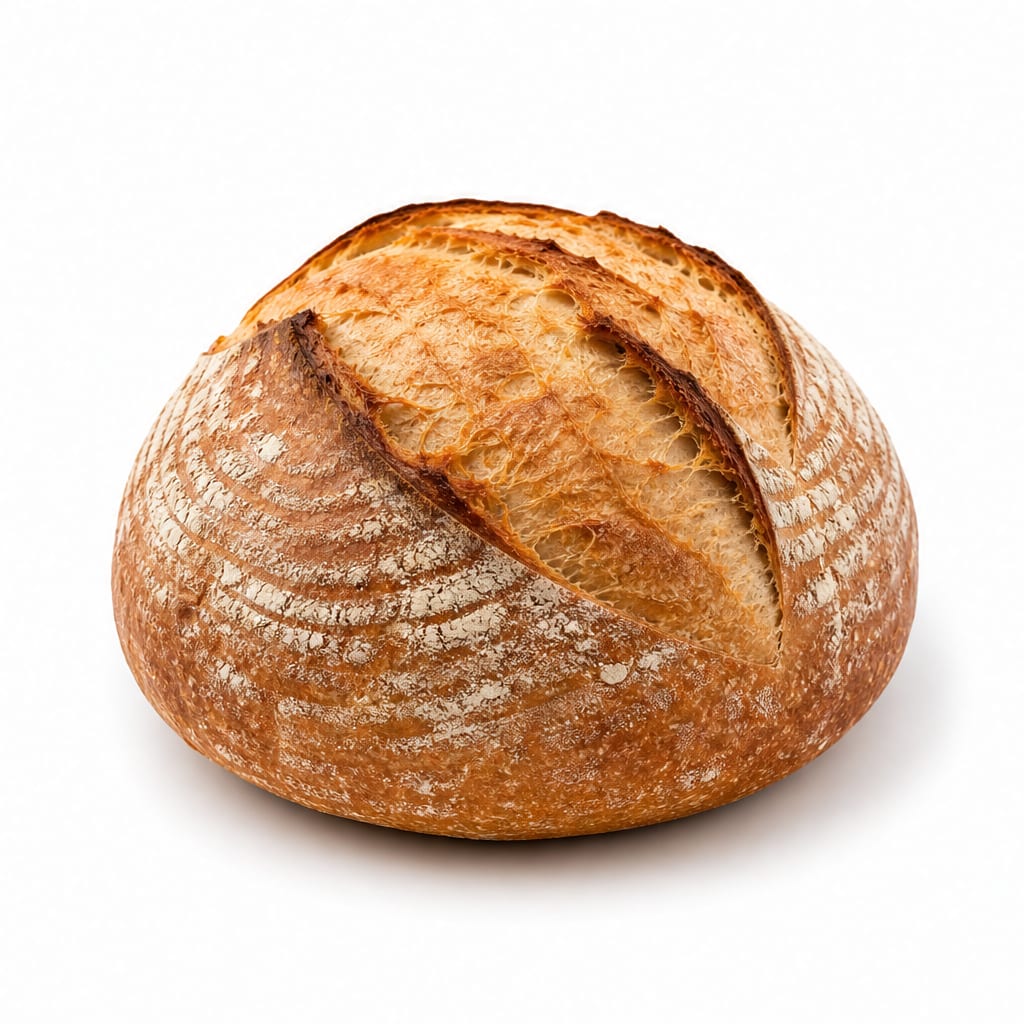
Compare with
Sourdough Bread
Sourdough fermentation lowers glycemic index and improves mineral absorption, making it a healthier choice for blood sugar control.
Sourdough bread is better for blood sugar control and digestion due to fermentation, while a baguette provides quicker, simpler carbohydrate energy.
This food
Baguette
VS85% alike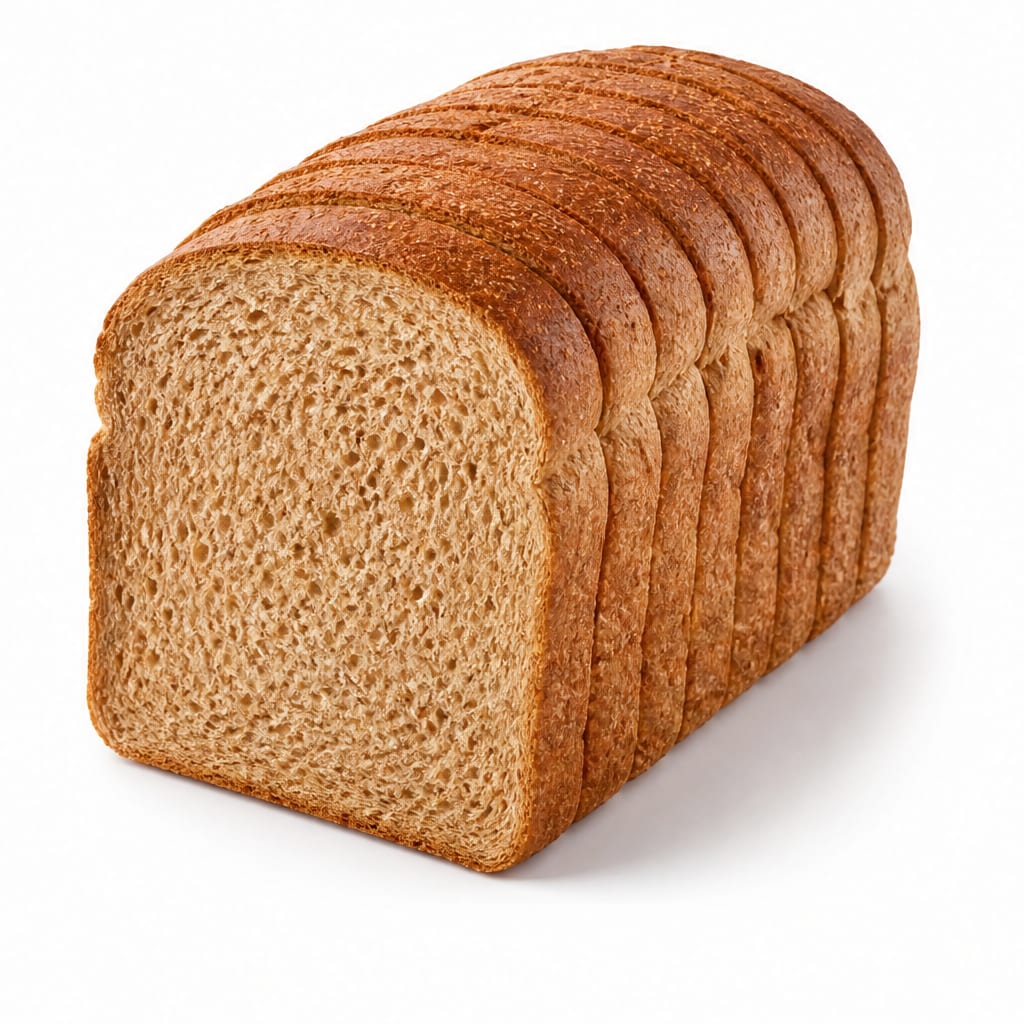
Compare with
Whole Wheat Bread
Whole wheat bread retains the bran and germ, offering significantly more fiber and nutrients than a refined baguette.
Whole wheat bread provides more fiber and nutrients, keeping you full longer, whereas a baguette digests rapidly and spikes blood sugar faster.
This food
Baguette
VS95% alike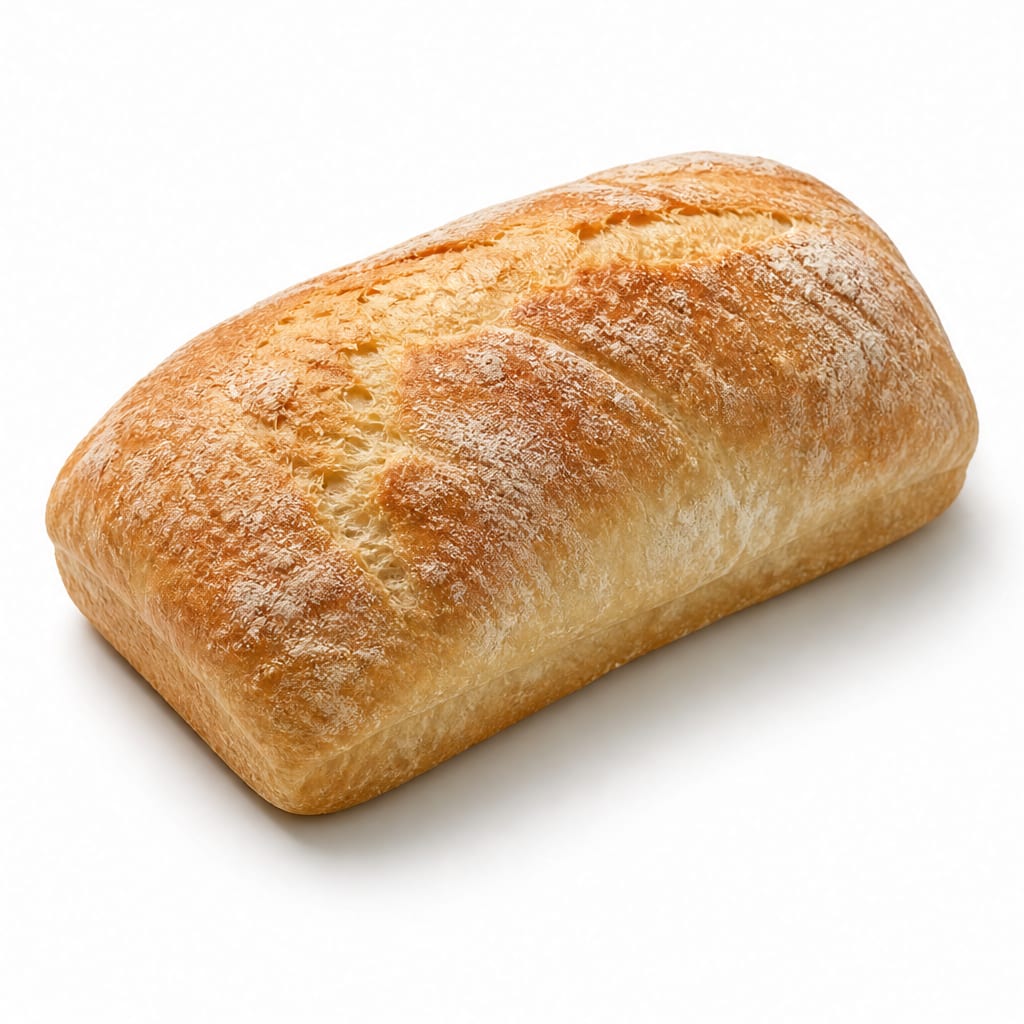
Compare with
Ciabatta
Both are refined white breads, but ciabatta often contains olive oil and higher hydration, slightly altering fat content and texture.
Baguettes are lower in fat and calories than ciabatta, which contains olive oil, but both are refined carbs with similar blood sugar impacts.
This food
Baguette
VS75% alike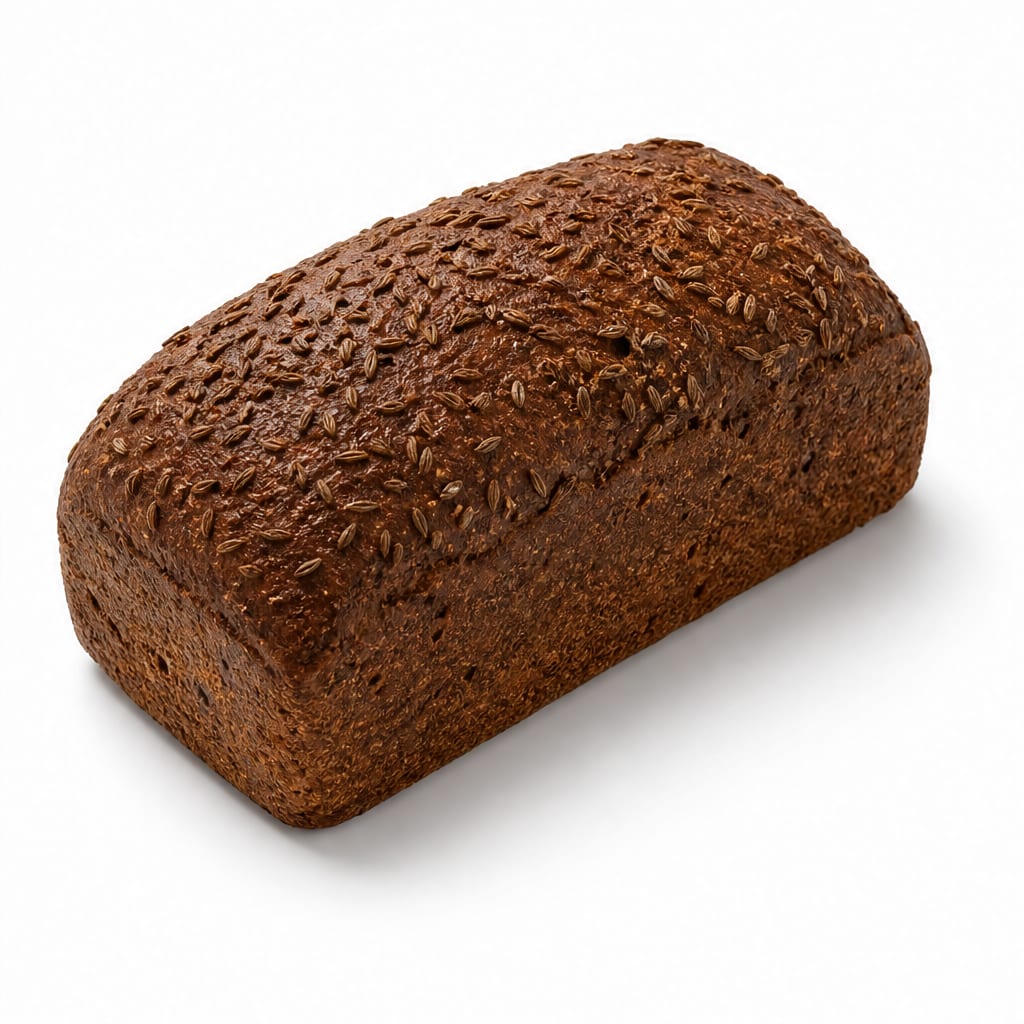
Compare with
Rye Bread
Rye bread is denser and contains more fiber, leading to a lower glycemic index and better satiety than a baguette.
Rye bread offers superior satiety and blood sugar control due to its high fiber content, while a baguette provides lighter, faster-digesting energy.
This food
Baguette
VS80% alike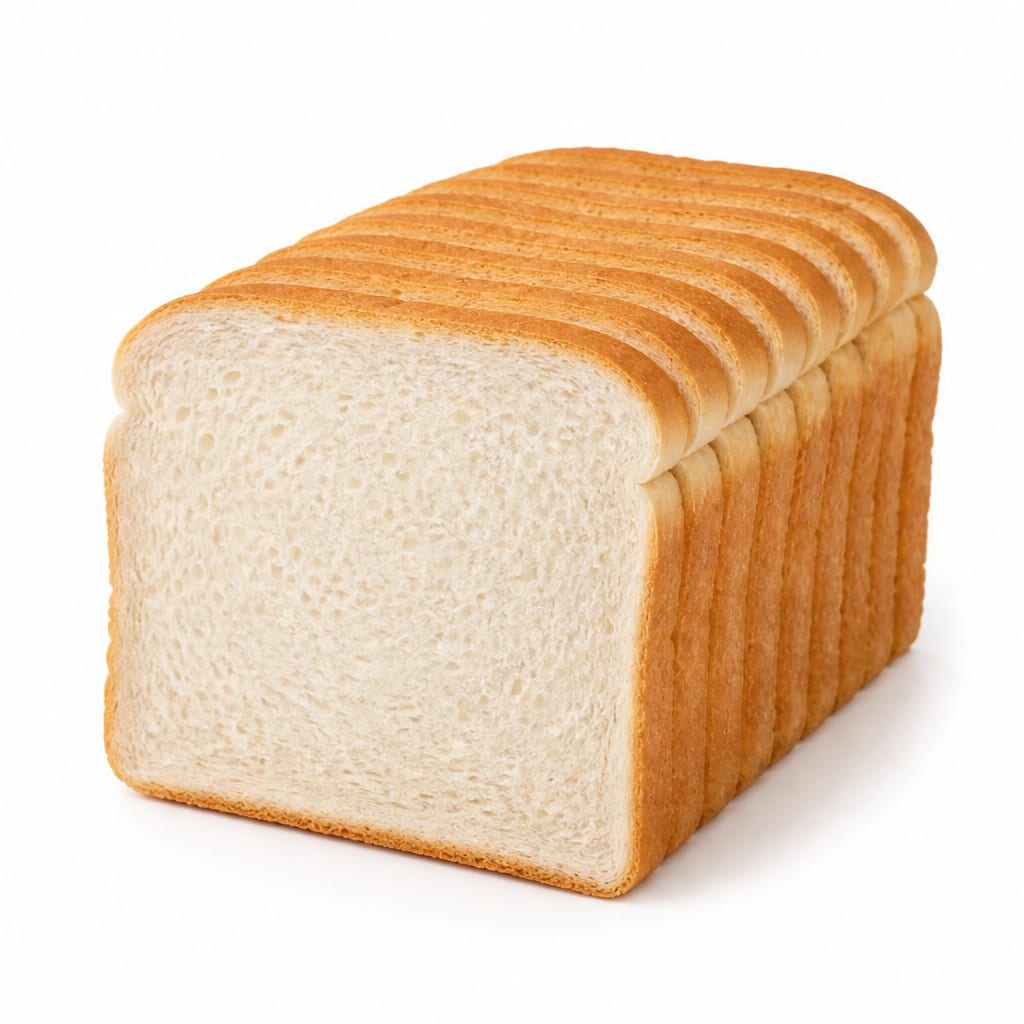
Compare with
White Sandwich Bread
Traditional baguettes use simpler ingredients without the preservatives and dough conditioners found in commercial white sandwich bread.
A traditional baguette is less processed than commercial white sandwich bread, avoiding industrial additives, though both are high-glycemic refined carbs.
This food
Baguette
VS70% alike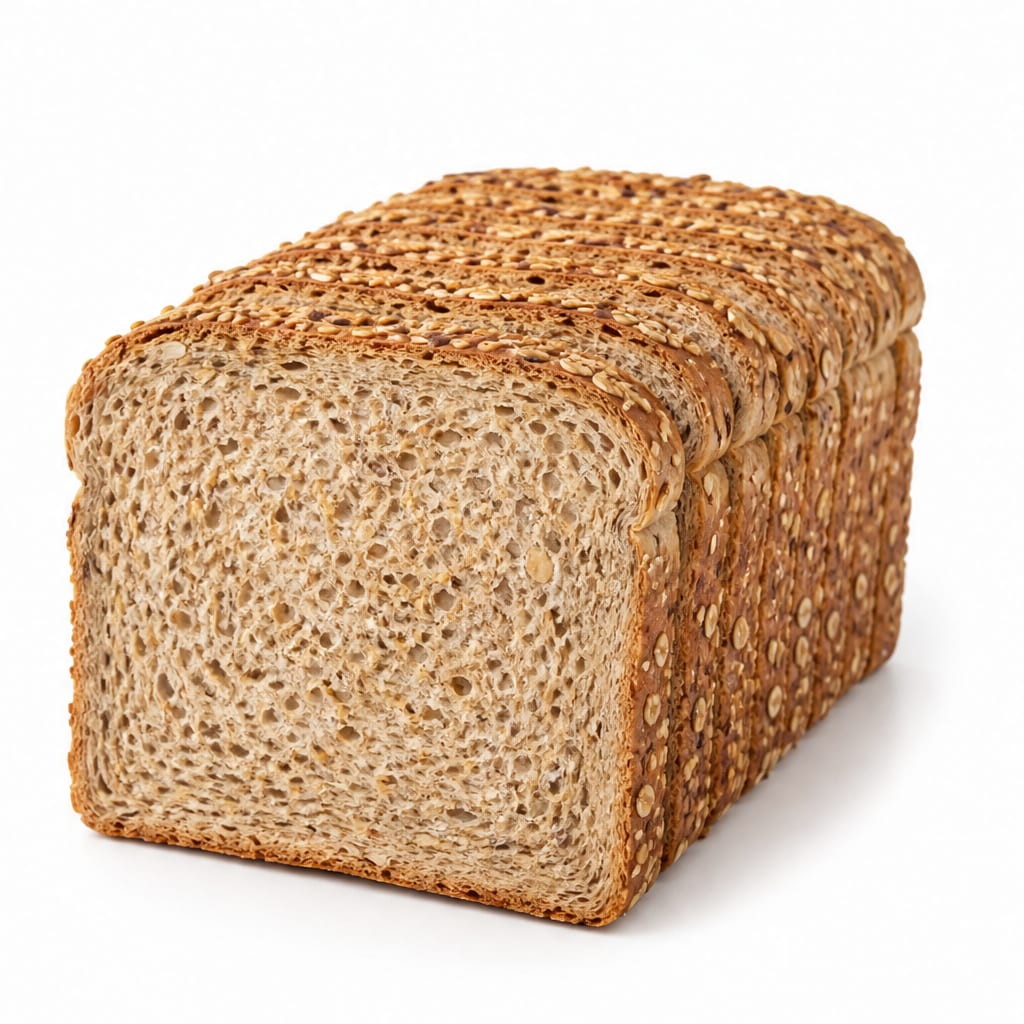
Compare with
Multigrain Bread
Multigrain bread includes various seeds and grains, boosting fiber, healthy fats, and protein compared to a baguette.
Multigrain bread beats baguettes for satiety and blood sugar stability due to added seeds and whole grains, while baguettes offer a lighter, quicker carb source.
This food
Baguette
VS75% alike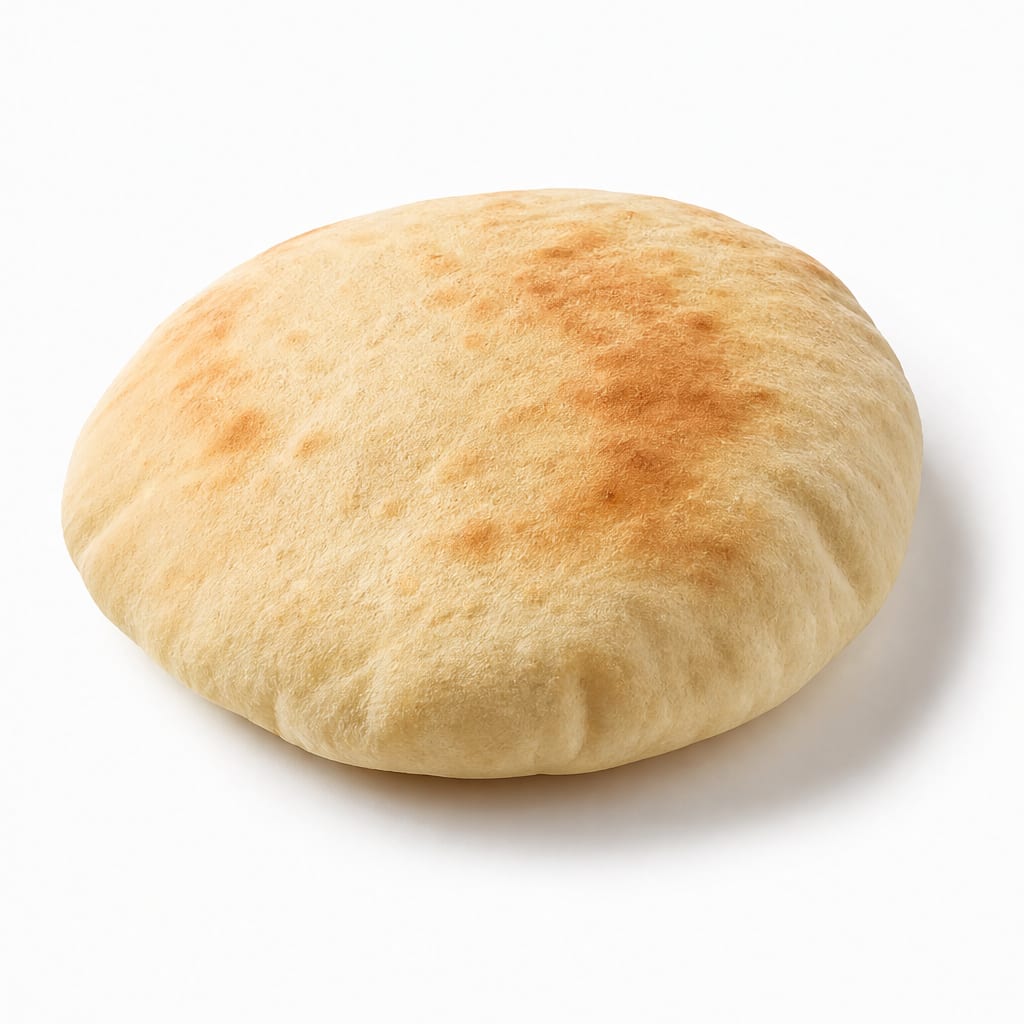
Compare with
Pita Bread
Whole wheat pita offers better nutrition, but even white pita is often lower in calories per serving than a dense baguette.
Pita bread is typically lower in calories per piece and better for portion control, while baguettes are denser and higher in fast-digesting carbs.
This food
Baguette
VS70% alike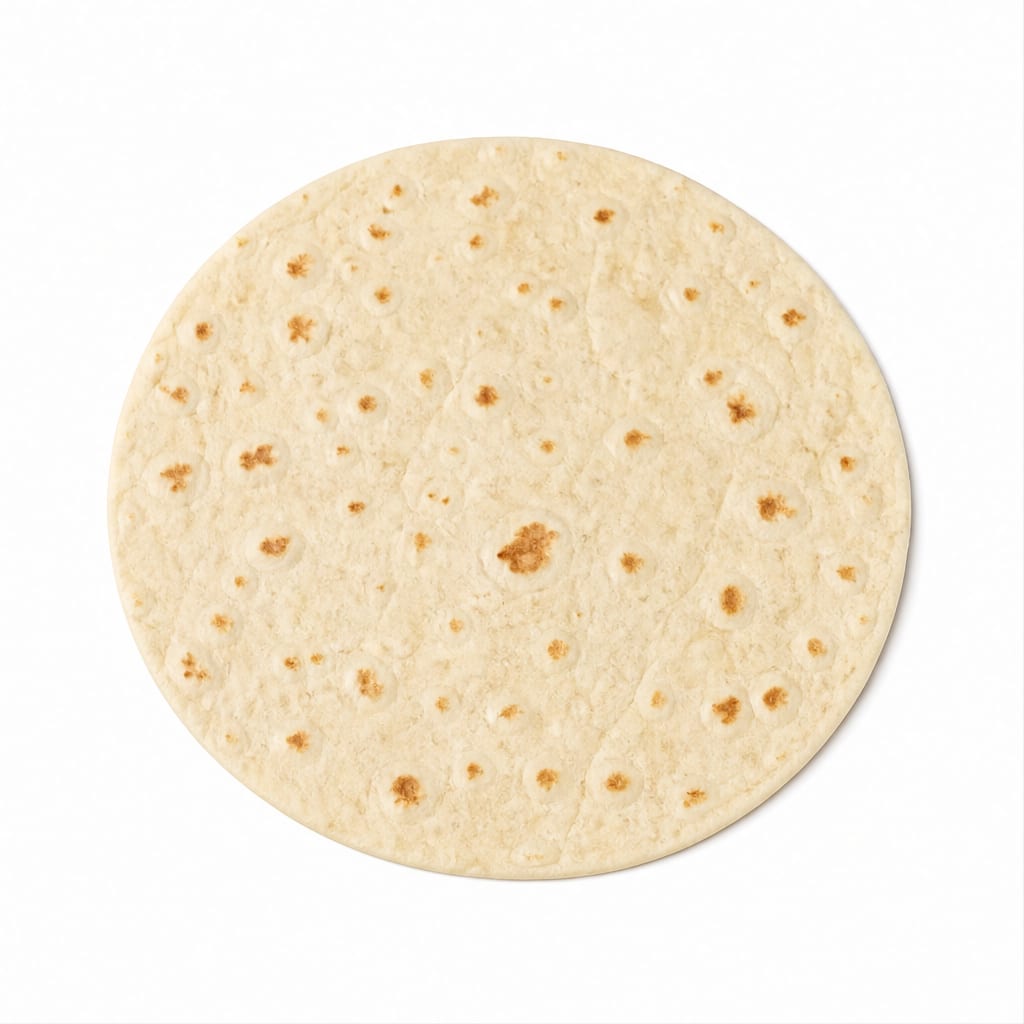
Compare with
Flour Tortilla
Flour tortillas contain added fats (lard or oil), increasing calorie density, whereas baguettes are naturally low in fat.
Baguettes are lower in fat than flour tortillas, which contain added oils, making baguettes a slightly leaner choice for pre-workout carbs.
This food
Baguette
VS50% alike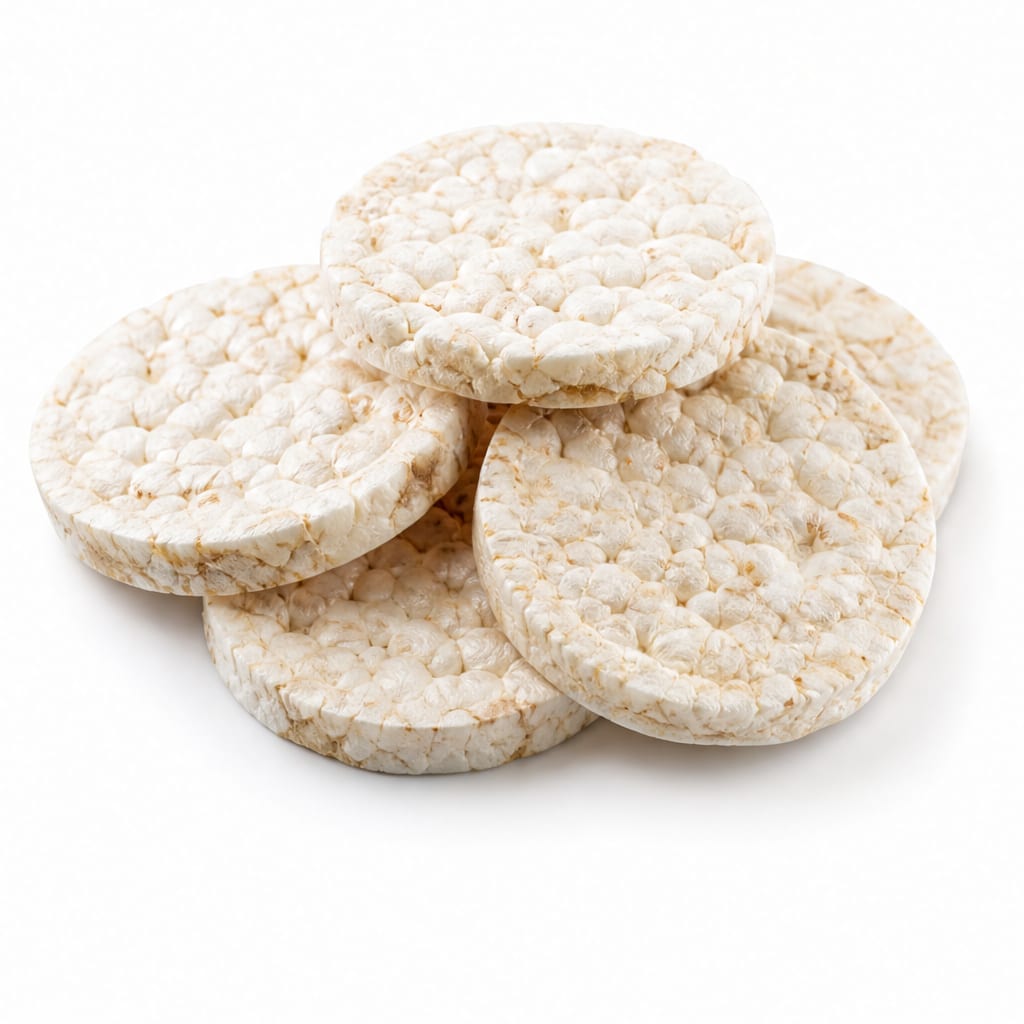
Compare with
Rice Cakes
Rice cakes are extremely low in calories but also lack fiber and nutrients, sharing a high glycemic profile with baguettes.
Rice cakes are much lower in calories than baguettes but offer minimal satiety; baguettes provide more substance and slightly better blood sugar response due to gluten structure.
This food
Baguette
VS85% alike
Compare with
Croissant
Croissants are laminated with high butter content, making them high in fat and calories, whereas baguettes are lean doughs.
Baguettes are much lower in fat and calories than butter-rich croissants, though croissants paradoxically have a slightly lower glycemic index due to their fat content slowing digestion.
Common questions
FAQ
Answers aligned with how people search for this food.
Is a baguette healthy?
Traditional baguettes are low in fat and provide quick energy, but they are made from refined flour, which strips away fiber and nutrients. They are best consumed in moderation or paired with protein and healthy fats.
How many calories are in a baguette?
A standard whole baguette weighs about 250g and contains roughly 675 calories. A single slice or piece (about 60g) contains approximately 160 calories.
Is baguette good for weight loss?
Baguettes are not ideal for weight loss. Their refined carbohydrates digest quickly, offering low satiety, which can lead to overeating. Whole grain breads are a better choice for feeling full longer.
Does baguette spike blood sugar?
Yes, baguettes have a high glycemic index (around 78) and cause a rapid spike in blood sugar. Diabetics or those monitoring glucose should limit intake or opt for whole grain sourdough instead.
Is sourdough baguette healthier than regular?
Yes. Sourdough fermentation lowers the glycemic index, breaks down gluten and phytic acid, and creates beneficial prebiotics, making it easier to digest and better for blood sugar control.
Is baguette considered processed food?
Traditional baguettes made with just flour, water, yeast, and salt are considered moderately processed (Nova Group 3). Commercially packaged baguettes with preservatives and dough conditioners are ultra-processed (Nova Group 4).
Can diabetics eat baguette?
It is generally not recommended, as the high glycemic load can disrupt glucose control. If consumed, portion sizes should be very small and paired with fiber, protein, and fat to slow absorption.
Why does baguette have so much sodium?
Salt is a crucial ingredient in baguette dough for flavor and gluten structure. A standard serving can contain 300-400mg of sodium, which is significant for those monitoring salt intake.
Transparency
Data confidence
Estimated confidence for nutrition data, interpretation, safety notes, and comparisons.
Nutrition data
Health analysis
Food safety
Comparisons