
Nutrition comparison
Baguette vs Ciabatta: Nutrition, Calories, and Health Comparison
Compare Baguette and Ciabatta breads to see which is healthier. Learn about calorie differences, blood sugar impact, and which is better for sandwiches or weight loss.
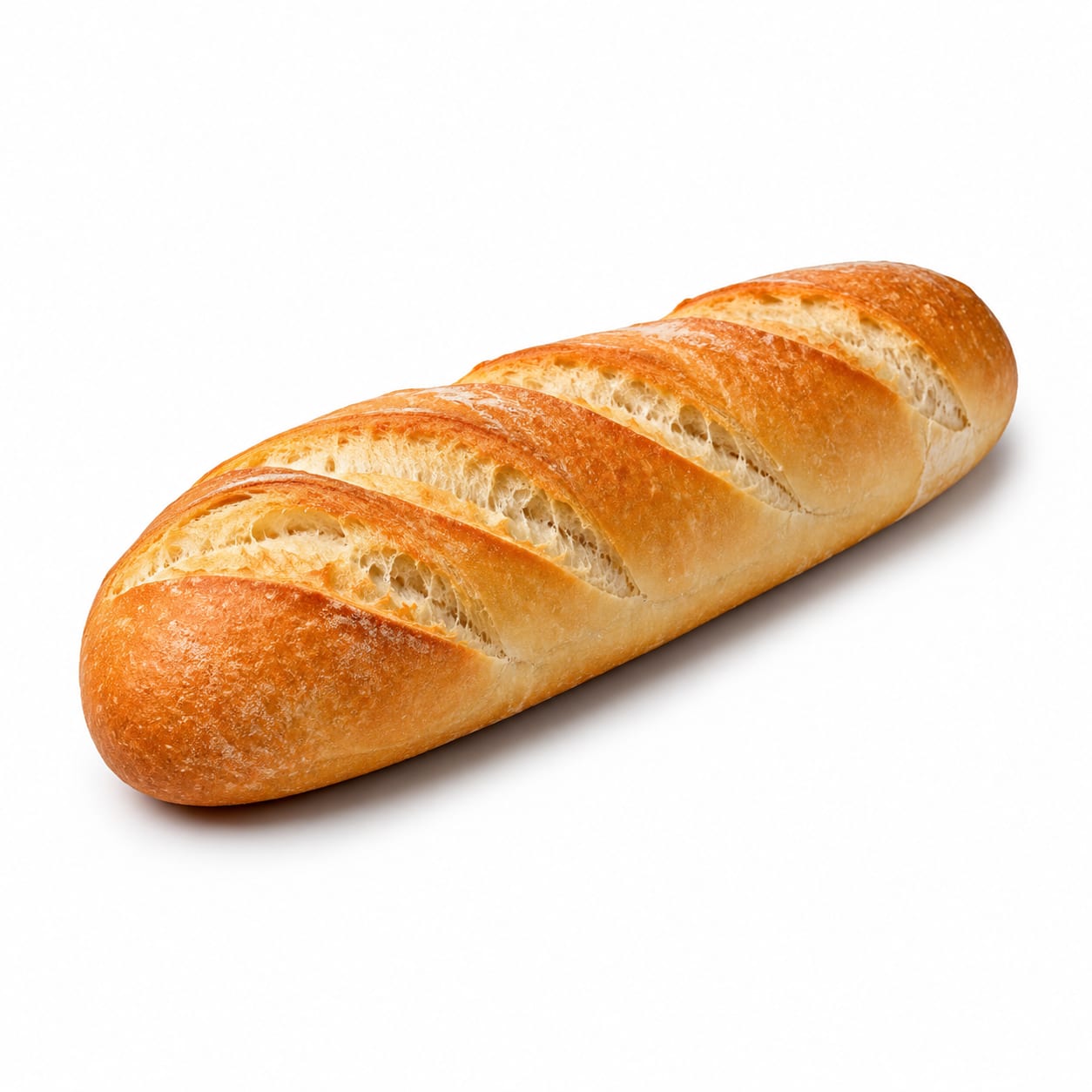
Baguette
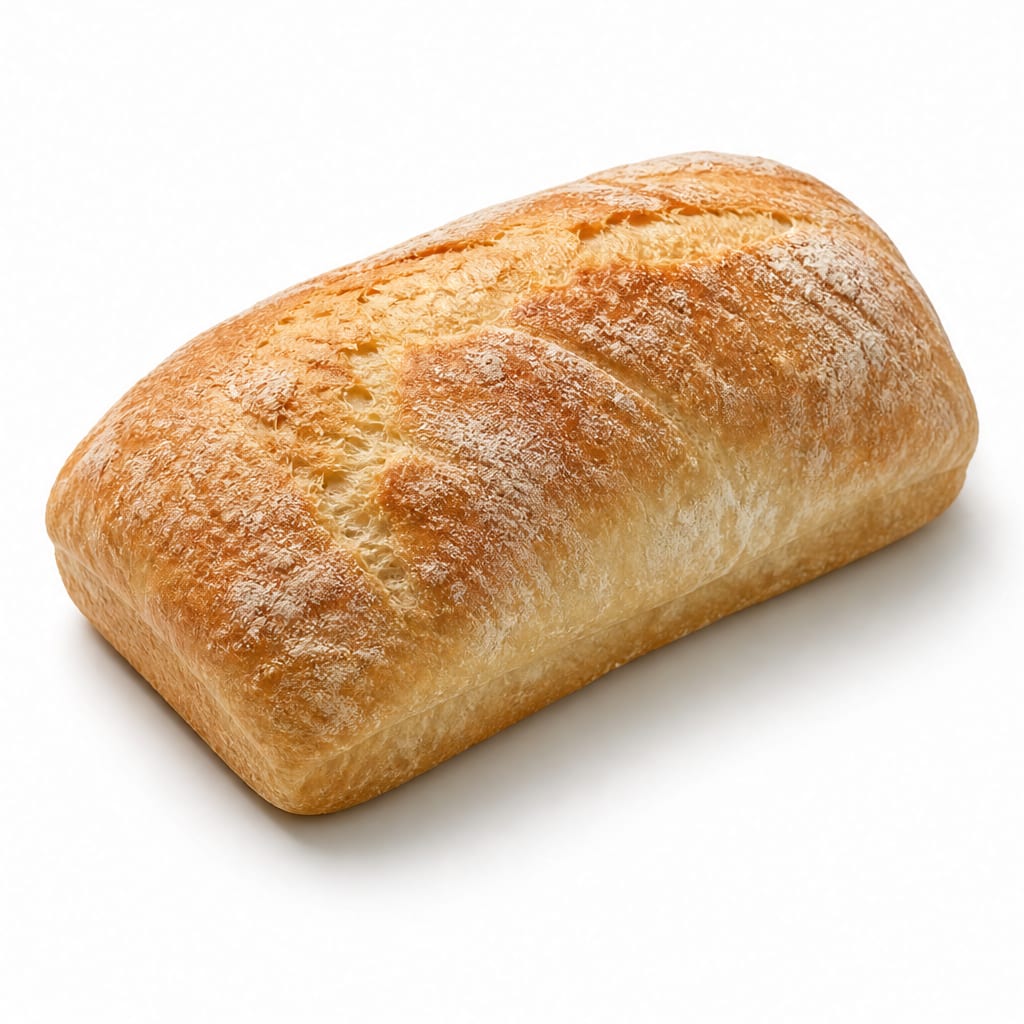
Ciabatta
Baguette is a leaner, lower-calorie bread, while Ciabatta includes olive oil for a softer crumb and steadier energy, but at a higher calorie cost.
Ciabatta scores slightly higher due to the olive oil slowing carbohydrate absorption, but both are refined carbs with limited inherent nutritional value. The scores are close because the choice largely depends on dietary priorities.
Lower calories and simpler ingredients (Baguette) versus better blood sugar stability and richer texture (Ciabatta).
At a glance
Executive summary
Overall
It depends
Healthier
It depends
More practical
Ciabatta
Daily use
It depends
Key comparison lenses
Blood sugar impact and glycemic response
Both are refined white breads, but fat content differences change how they affect blood sugar.
Calorie density and fat content
Ciabatta contains olive oil, making it higher in calories and fat compared to a lean Baguette dough.
Culinary use and satiety
Texture differences dictate how they are eaten, which impacts portion size and fullness.
Best choice for
Baguette
- Calorie counters looking for a lean carb
- Crust lovers who eat bread as a side
- Those avoiding added fats
Ciabatta
- Sandwich makers needing a sturdy but soft base
- People sensitive to blood sugar spikes
- Those who prefer a more filling, satisfying bread
Least suitable for
Baguette
- People managing diabetes or insulin resistance
- Those who find crusty bread too tough to chew
Ciabatta
- Strict low-fat dieters
- Those prone to overeating rich breads
Deep comparison
Dimension by dimension
Each lens scores both foods and breaks down who each option suits.
- Dimension 1 · Priority 90Ciabatta
Blood Sugar Stability
Baguette · 35Ciabatta · 55Ciabatta's olive oil content slows down digestion, leading to a gentler blood sugar rise compared to the fat-free Baguette.
Tradeoff
You get steadier energy with Ciabatta, but it comes with more calories from fat.
Why it matters
A rapid blood sugar spike from a lean white Baguette can lead to an energy crash an hour later.
Real-world impact
Eating Ciabatta for lunch means you are less likely to feel sleepy at your desk at 2 PM compared to eating a Baguette sandwich.
Baguette
- Quick pre-workout energy
Better for
- Insulin spikes
- Post-meal energy crashes
Worse for
Ciabatta
- Sustained afternoon focus
- Preventing sugar cravings
Better for
- Situations requiring very light eating
Worse for
- Dimension 2 · Priority 85Baguette
Calorie and Fat Profile
Baguette · 70Ciabatta · 45Baguette is a lean dough with virtually no fat, making it lower in calories per ounce than Ciabatta.
Tradeoff
Baguette is lighter on the waistline but less satiating, while Ciabatta is more filling but calorie-dense.
Why it matters
If you are tracking calories, the added oil in Ciabatta adds up quickly, especially in large sandwich rolls.
Real-world impact
A Ciabatta sandwich can easily pack 100-200 more calories than the same sandwich on a Baguette due to the oil in the dough.
Baguette
- Calorie deficit diets
- Low-fat meal plans
Better for
- Meals lacking healthy fats
Worse for
Ciabatta
- Keto-adjacent or moderate fat diets
- Meals where you want the bread to be a satisfying component
Better for
- Weight loss if portions are not controlled
Worse for
- Dimension 3 · Priority 80Ciabatta
Satiety and Fullness
Baguette · 40Ciabatta · 65The fat in Ciabatta triggers satiety hormones, and its airy crumb holds toppings well, making meals feel more substantial.
Tradeoff
Ciabatta keeps you fuller for longer, but requires more caloric investment.
Why it matters
Eating a Baguette roll might leave you hungry again within an hour, leading to extra snacking.
Real-world impact
A Ciabatta panini will likely keep you full until dinner, whereas a Baguette side might have you reaching for a snack at 3 PM.
Baguette
- Light soup accompaniment
Better for
- Failing to keep you full
Worse for
Ciabatta
- Holding you over between meals
- Hearty sandwich bases
Better for
- Feeling overly heavy if you eat a large portion
Worse for
- Dimension 4 · Priority 60Baguette
Ingredient Simplicity
Baguette · 75Ciabatta · 65Traditional Baguette contains only flour, water, yeast, and salt. Ciabatta adds olive oil and sometimes milk.
Tradeoff
Baguette is closer to a minimal ingredient bread, while Ciabatta introduces fats that complicate the ingredient list slightly.
Why it matters
Fewer ingredients mean fewer potential irritants and a cleaner digestive process for sensitive individuals.
Real-world impact
If you have a mild dairy sensitivity, traditional Baguette is a safer bet since some Ciabatta recipes use milk.
Baguette
- Minimal ingredient diets
- Dairy-free certainty
Better for
- Lacking the richness some prefer
Worse for
Ciabatta
- Those who prioritize flavor from quality olive oil
Better for
- Dairy-sensitive individuals if milk is used
Worse for
Timeline
Health impact over time
Short-term
Hours to days
Baguette
- Quick burst of energy due to fast carbohydrate absorption
- Potential for feeling hungry again shortly after eating
Ciabatta
- Steadier, more sustained energy release
- A heavier feeling of fullness after eating
Long-term
Months to years
Baguette
- Frequent consumption may challenge insulin sensitivity due to high glycemic load
- Easier to maintain lower calorie intake if used as a side
Ciabatta
- Olive oil provides heart-healthy monounsaturated fats
- Higher calorie density could contribute to weight gain if portions are ignored
Risk profile
Safety & processing
Both breads are made from refined wheat flour and are considered processed foods. Commercial versions of either may contain dough conditioners or preservatives, but traditional bakery versions are relatively clean.
Baguette
Acrylamide exposure
lowThe dark, crusty exterior of a Baguette can contain acrylamide, a compound formed during high-heat baking, though levels are generally safe.
Gluten exposure
highHigh gluten content is necessary for the structure, making it unsuitable for those with celiac disease or gluten sensitivity.
Ciabatta
Gluten exposure
highLike Baguette, Ciabatta relies on strong gluten development for its airy holes, posing a major risk for gluten-sensitive individuals.
Hidden dairy
mediumSome Ciabatta recipes include milk or butter, which can be a surprise for those with dairy allergies.
Who wins for whom
Audience fit
Same foods, different winners depending on your goal.
children
CiabattaCiabatta's softer interior is often easier and more pleasant for kids to chew than the tough crust of a Baguette.
daily consumption
It dependsIt depends on daily caloric needs and blood sugar goals; Baguette for lighter days, Ciabatta for more active days.
diabetes
CiabattaThe fat in Ciabatta slows the absorption of carbohydrates, resulting in a less severe blood sugar spike.
elderly
CiabattaThe softer texture of Ciabatta is gentler on aging teeth and digestion, provided they do not have dairy sensitivities.
muscle gain
CiabattaCiabatta provides slightly more calories and a mix of carbs and fats that can support a caloric surplus needed for bulking.
weight loss
BaguetteBaguette is lower in calories and fat, making it easier to fit into a calorie-controlled diet.
Your move
Decision guide
Choose Baguette
- You are strictly counting calories or macros
- You want a simple, lean side for soup or salad
- You prefer a very crusty, chewy texture
Choose Ciabatta
- You are making a hearty sandwich or panini
- You want longer-lasting energy without a sugar crash
- You prefer a soft, airy interior with rich flavor
Either works if
- You just need a source of carbohydrates for a meal
- You are eating it alongside plenty of protein and fiber to balance the meal
Avoid both if
- You have celiac disease or severe gluten intolerance
- You are following a strict low-carb or ketogenic diet
Final recommendation
Let your meal dictate the bread. Use Baguette when you need a low-calorie side, and reach for Ciabatta when you want a satisfying, energy-steadying sandwich base.
Practical
Consumer tips
- 1
Check the ingredients: a true Baguette should only have flour, water, yeast, and salt.
- 2
Opt for whole wheat versions of either bread to boost fiber and minimize blood sugar spikes.
- 3
If buying Ciabatta, ask if it contains dairy if you have a lactose intolerance.
- 4
Freeze sliced Ciabatta or Baguette to prevent staling, and toast directly from frozen for the best texture.