
Nutrition comparison
Baguette vs Flour Tortilla: Which Is Healthier for Daily Eating?
Compare baguette and flour tortilla on blood sugar, calories, ingredients, and satiety. Find out which bread fits your health goals and when each is the better choice.
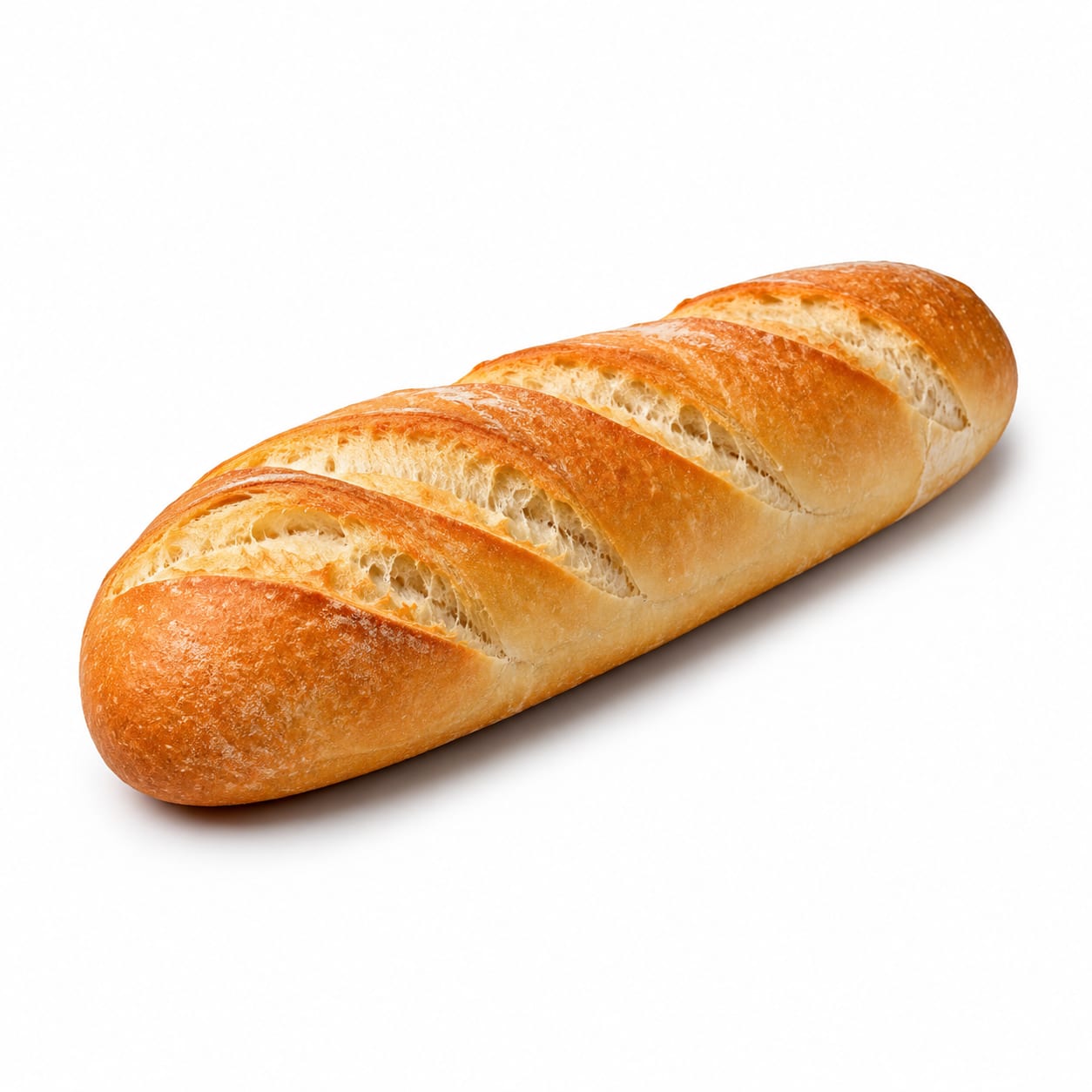
Baguette
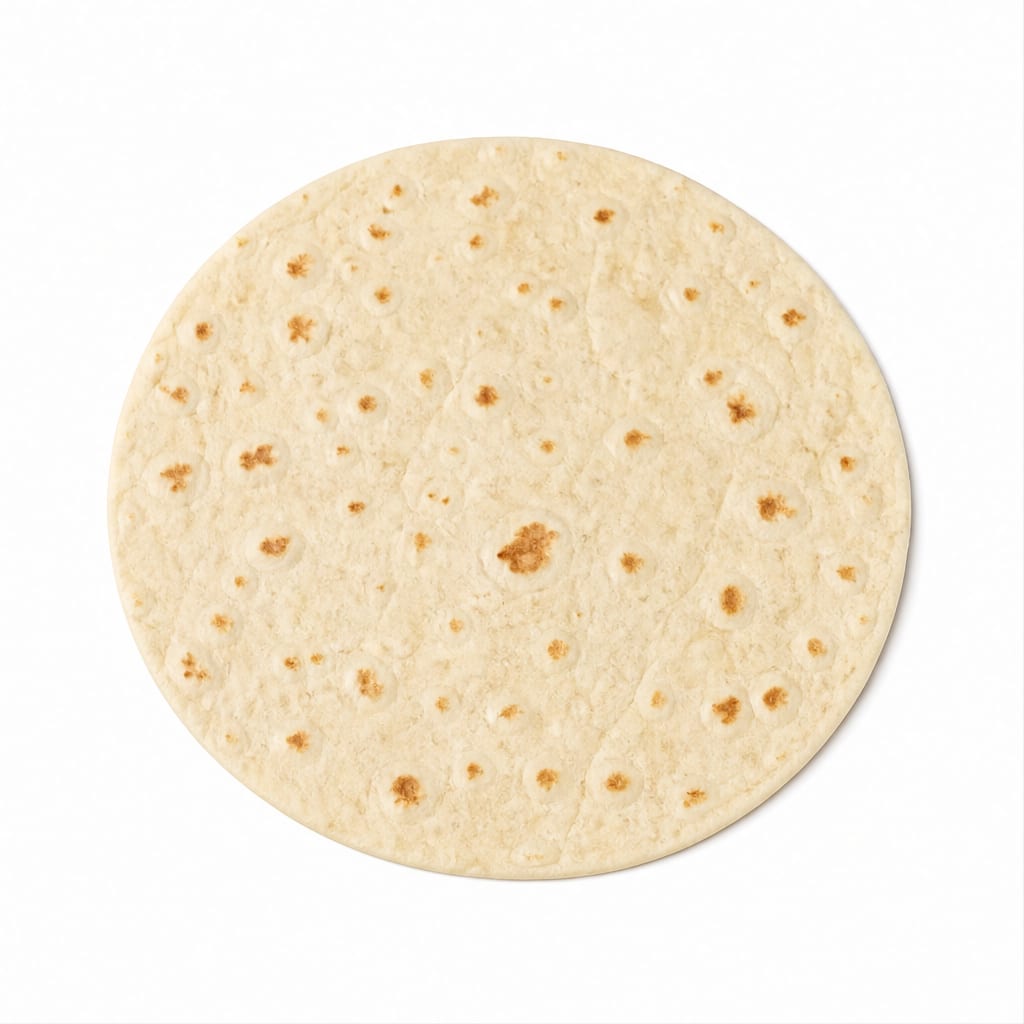
Flour Tortilla
Baguettes are simpler and less processed, but flour tortillas offer steadier energy thanks to added fat that slows carb absorption.
Baguette edges ahead slightly on ingredient simplicity, but flour tortilla compensates with better satiety and gentler blood sugar impact. Neither is a health food — both are refined carb vehicles — so the gap is small and context-dependent.
Cleaner ingredients in a baguette versus better blood sugar stability in a flour tortilla — pick your priority.
At a glance
Executive summary
Overall
It depends
Healthier
It depends
More practical
Flour Tortilla
Daily use
It depends
Key comparison lenses
blood sugar and glycemic impact
Both are refined wheat products with high glycemic potential, making blood sugar response the central concern for most users
processing and additive exposure
Flour tortillas often contain preservatives and emulsifiers while baguettes are traditionally simpler, creating a meaningful naturalness gap
calorie density and weight management
Fat content in flour tortillas changes the calorie math significantly compared to lean baguette bread
satiety and hunger control
The fat in flour tortillas slows digestion, potentially keeping you fuller longer despite similar carb loads
everyday meal versatility
Users choosing between these often want to know which fits better into daily meals like sandwiches, wraps, or quick snacks
Best choice for
Baguette
- People avoiding added fats and oils
- Those sensitive to preservatives and emulsifiers
- Anyone wanting fewer ingredients overall
- Traditional sandwich lovers who prefer crusty bread
Flour Tortilla
- People needing steadier energy without crashes
- Those who find plain bread unsatisfying
- Busy eaters who want a wrap-style meal
- Anyone managing blood sugar who still wants carbs
Least suitable for
Baguette
- People with severe blood sugar concerns
- Those who find bread leaves them hungry an hour later
- Gluten-sensitive individuals
Flour Tortilla
- People avoiding added fats or watching calorie density
- Those sensitive to preservatives in commercial tortillas
- Anyone seeking minimal ingredient foods
Deep comparison
Dimension by dimension
Each lens scores both foods and breaks down who each option suits.
- Dimension 1 · Priority 92Flour Tortilla
blood sugar stability
Baguette · 28Flour Tortilla · 45Flour tortillas cause a slower, gentler blood sugar rise because the added fat delays gastric emptying.
Tradeoff
That fat helps stabilize energy but adds calories you might not want otherwise.
Why it matters
A baguette alone can spike and crash your energy within 90 minutes, leaving you hungry again. A flour tortilla keeps things steadier.
Real-world impact
Eat a baguette sandwich at noon and you may be raiding the snack drawer by 1:30. The same filling in a flour tortilla likely buys you another hour.
Baguette
- Pre-workout when you want quick-available energy
Better for
- Diabetes or insulin resistance
- Anyone prone to energy crashes
Worse for
Flour Tortilla
- Sustained afternoon energy
- Preventing the post-lunch crash
- Managing reactive hypoglycemia
Better for
- Strict low-fat diets
- Ketogenic eating
Worse for
- Dimension 2 · Priority 85Baguette
ingredient simplicity and processing
Baguette · 72Flour Tortilla · 38A traditional baguette is just flour, water, yeast, and salt. Commercial flour tortillas often add fats, preservatives, dough conditioners, and emulsifiers.
Tradeoff
Simpler ingredients mean fewer hidden concerns but also less shelf stability and faster staling.
Why it matters
If you read labels to avoid ultra-processed food, baguettes from a real bakery are clearly cleaner.
Real-world impact
A bakery baguette goes stale in a day — that is the tradeoff for not having preservatives. Flour tortillas last weeks in the fridge, which tells you something about what is in them.
Baguette
- Clean eating advocates
- People avoiding emulsifiers and preservatives
- Anyone concerned about ultra-processed food
Better for
- People who hate food waste from staling
Worse for
Flour Tortilla
- Meal preppers who need shelf stability
- Anyone who shops infrequently
Better for
- Those with chemical sensitivities
- People avoiding mono- and diglycerides
Worse for
- Dimension 3 · Priority 80Baguette
calorie density and weight management
Baguette · 55Flour Tortilla · 40Baguettes are lean bread with almost no fat. Flour tortillas pack added fat, making them significantly more calorie-dense per bite.
Tradeoff
Lower calories in a baguette but less satiety per calorie — you may eat more overall to feel full.
Why it matters
A standard flour tortilla can have 50-80% more calories than an equivalent portion of baguette, mostly from added oils or shortening.
Real-world impact
Two flour tortilla wraps can quietly deliver 300+ calories before you add any filling. A baguette portion with the same fillings might save you 100-150 calories.
Baguette
- Calorie counters
- Volume eaters who want bigger portions for fewer calories
- Low-fat diet followers
Better for
- Anyone who finds bread unsatisfying without fat
Worse for
Flour Tortilla
- People who struggle with hunger on low-calorie diets
- Those who prefer smaller, richer meals
Better for
- Careful calorie trackers
- People prone to overeating calorie-dense foods
Worse for
- Dimension 4 · Priority 78Flour Tortilla
satiety and fullness
Baguette · 42Flour Tortilla · 60The fat in flour tortillas slows digestion and keeps you feeling full longer than the lean, quickly-digested baguette.
Tradeoff
More satiety comes with more calories — you are paying for that fullness with energy density.
Why it matters
If you are trying to avoid between-meal snacking, flour tortillas may actually serve you better despite the higher calorie count.
Real-world impact
A flour tortilla wrap at lunch can keep you satisfied until dinner. A baguette sandwich might leave you reaching for something by 3 PM.
Baguette
- Light snackers who want something small
- Pre-workout when you do not want heaviness
Better for
- Frequent snackers trying to cut snacking
- People who feel hungry soon after bread
Worse for
Flour Tortilla
- Long workdays without snack access
- Anyone trying to reduce between-meal hunger
- Hearty meal builders
Better for
- Those who feel sluggish after heavy meals
Worse for
- Dimension 5 · Priority 60It depends
sodium load
Baguette · 48Flour Tortilla · 45Both are surprisingly salty. Baguettes often have more salt per serving, but flour tortillas are not far behind, especially commercial brands.
Tradeoff
Neither is a low-sodium choice. The difference is small enough that it should not drive your decision alone.
Why it matters
If you have hypertension or sodium sensitivity, both foods contribute meaningfully to your daily intake without you noticing.
Real-world impact
A single baguette portion can deliver 300-500mg of sodium. A flour tortilla ranges 200-400mg. Neither is innocent here.
Baguette
- Slightly lower sodium in some artisan varieties
Better for
- Salt-sensitive individuals eating multiple portions
Worse for
Flour Tortilla
- Some low-sodium tortilla brands exist
Better for
- Those already eating high-sodium fillings in wraps
Worse for
- Dimension 6 · Priority 55It depends
digestive tolerance
Baguette · 45Flour Tortilla · 50Baguettes can be harder to digest due to the chewy crust and rapid fermentation. Flour tortillas are gentler on the stomach but the added fat can cause issues for some.
Tradeoff
Softer texture in tortillas is easier on the gut, but fat content may trigger reflux in sensitive people.
Why it matters
If you have IBS, acid reflux, or general digestive sensitivity, the texture and fat content difference matters.
Real-world impact
A baguette can feel heavy and bloating for some, while a flour tortilla sits lighter — unless the fat triggers heartburn.
Baguette
- People with fat-triggered reflux
- Those who digest lean carbs well
Better for
- IBS sufferers sensitive to chewy bread
- People who get bloated from rapid yeast fermentation
Worse for
Flour Tortilla
- People with sensitive stomachs who need soft textures
- Those who find crusty bread causes bloating
Better for
- Gallbladder issues or fat intolerance
- Acid reflux triggered by dietary fat
Worse for
Timeline
Health impact over time
Short-term
Hours to days
Baguette
- Quick energy spike followed by a potential crash within 1-2 hours
- May feel light initially but hungry again soon
- Can cause bloating in sensitive individuals from rapid gas production during digestion
Flour Tortilla
- More sustained energy over 2-3 hours due to fat slowing carb absorption
- Greater immediate fullness and satisfaction
- Possible mild heartburn in fat-sensitive individuals
Long-term
Months to years
Baguette
- Frequent consumption without pairing with protein or fat may worsen insulin sensitivity over time
- Lower additive exposure supports cleaner long-term eating patterns
- Could contribute to blood sugar volatility if eaten alone regularly
Flour Tortilla
- Added fat helps glycemic control but increases overall calorie intake if portions are not managed
- Preservative and emulsifier exposure from commercial brands may affect gut health with daily consumption
- More stable blood sugar patterns may reduce cravings and overeating long-term
Risk profile
Safety & processing
A bakery baguette is one of the simplest processed breads — flour, water, yeast, salt. Commercial flour tortillas typically contain added fats, preservatives like calcium propionate, dough conditioners, and emulsifiers like mono- and diglycerides. Artisan flour tortillas made with just flour, water, fat, and salt exist but are harder to find. If ingredient purity matters to you, the baguette wins clearly.
Baguette
Acrylamide from crust browning
lowThe dark crust on baguettes contains acrylamide, a compound formed during high-heat baking. Levels are modest and not a major health concern at normal consumption.
Mold growth from lack of preservatives
lowPreservative-free baguettes mold quickly, typically within 1-2 days. Eating moldy bread can cause digestive upset or allergic reactions.
Flour Tortilla
Preservative sensitivity
mediumCalcium propionate and other preservatives in commercial flour tortillas can cause headaches or digestive issues in sensitive individuals, especially with daily consumption.
Trans fat residue from shortening
mediumSome flour tortillas still use partially hydrogenated oils or interesterified fats. Check labels carefully, as even small amounts of industrial trans fats are concerning.
Emulsifier impact on gut lining
lowMono- and diglycerides and other emulsifiers may disrupt gut barrier function with frequent consumption, though evidence is still emerging.
Who wins for whom
Audience fit
Same foods, different winners depending on your goal.
children
BaguetteSimpler ingredients and fewer additives make baguettes a cleaner choice for kids. The soft interior is easy for young children to eat.
daily consumption
It dependsIf you prioritize clean ingredients, baguette. If you prioritize satiety and blood sugar stability, flour tortilla. Neither should be a daily staple without pairing with protein, fat, and fiber.
diabetes
Flour TortillaFat slows glucose absorption, leading to a lower and slower blood sugar spike. Neither is ideal, but flour tortillas are the lesser of two glycemic evils.
elderly
Flour TortillaSofter texture is easier to chew and digest for aging teeth and sensitive stomachs. The steadier energy also helps prevent fatigue.
muscle gain
Flour TortillaThe added fat and slightly steadier carb release pairs well with higher-calorie muscle-building diets. More calories per bite helps hit intake goals.
weight loss
BaguetteLower calorie density gives you more food volume per calorie. Just pair it with protein and vegetables to manage the faster digestion.
Your move
Decision guide
Choose Baguette
- You want the simplest ingredient list possible
- Calorie density is your primary concern
- You are eating within an hour of exercise and want quick energy
- You have access to a real bakery and can eat it fresh
- You are sensitive to preservatives or emulsifiers
Choose Flour Tortilla
- Blood sugar stability matters more than calorie count
- You need something that keeps you full for hours
- You want a convenient wrap-style meal format
- You struggle with energy crashes after bread
- You do not have access to fresh bakery bread regularly
Either works if
- You are pairing it with plenty of protein, healthy fat, and vegetables anyway
- You only eat bread products occasionally rather than daily
- You have no specific blood sugar, weight, or digestive concerns
Avoid both if
- You have celiac disease or gluten intolerance
- You are following a strict low-carb or ketogenic diet
- You are managing severe diabetes and need to minimize all refined carbs
- You are trying to eliminate ultra-processed foods entirely
Final recommendation
Go with a baguette from a real bakery when ingredient purity and lower calories matter most. Choose flour tortillas when you need steadier energy and longer-lasting fullness. In both cases, what you put inside matters far more than the wrapper — load up on protein, vegetables, and healthy fats, and the bread choice becomes less critical. If eating flour tortillas daily, seek out brands with minimal ingredients to avoid the preservative and emulsifier load.
Practical
Consumer tips
- 1
For flour tortillas, check the ingredient list — look for brands with just flour, water, oil, and salt. Avoid ones with long chemical names.
- 2
Freeze baguette slices the day you buy them to avoid waste from staling. Toast straight from frozen.
- 3
A flour tortilla with peanut butter and banana beats a baguette with jam for sustained energy every time.
- 4
If choosing a baguette, always pair it with protein or fat — olive oil dip, cheese, or lean meats — to blunt the blood sugar spike.
- 5
Whole wheat versions of both exist and are meaningfully better for fiber and glycemic response. Seek them out.
- 6
A standard 8-inch flour tortilla equals roughly one slice of baguette in carbs but adds 2-3x the calories from fat — plan accordingly.