
Nutrition comparison
Baguette vs Multigrain Bread: Which Is Healthier for Daily Eating?
Compare baguette and multigrain bread on fiber, blood sugar impact, satiety, and ingredients. Find out which bread is better for weight loss, diabetes, and everyday nutrition.
Overall winner · Multigrain Bread
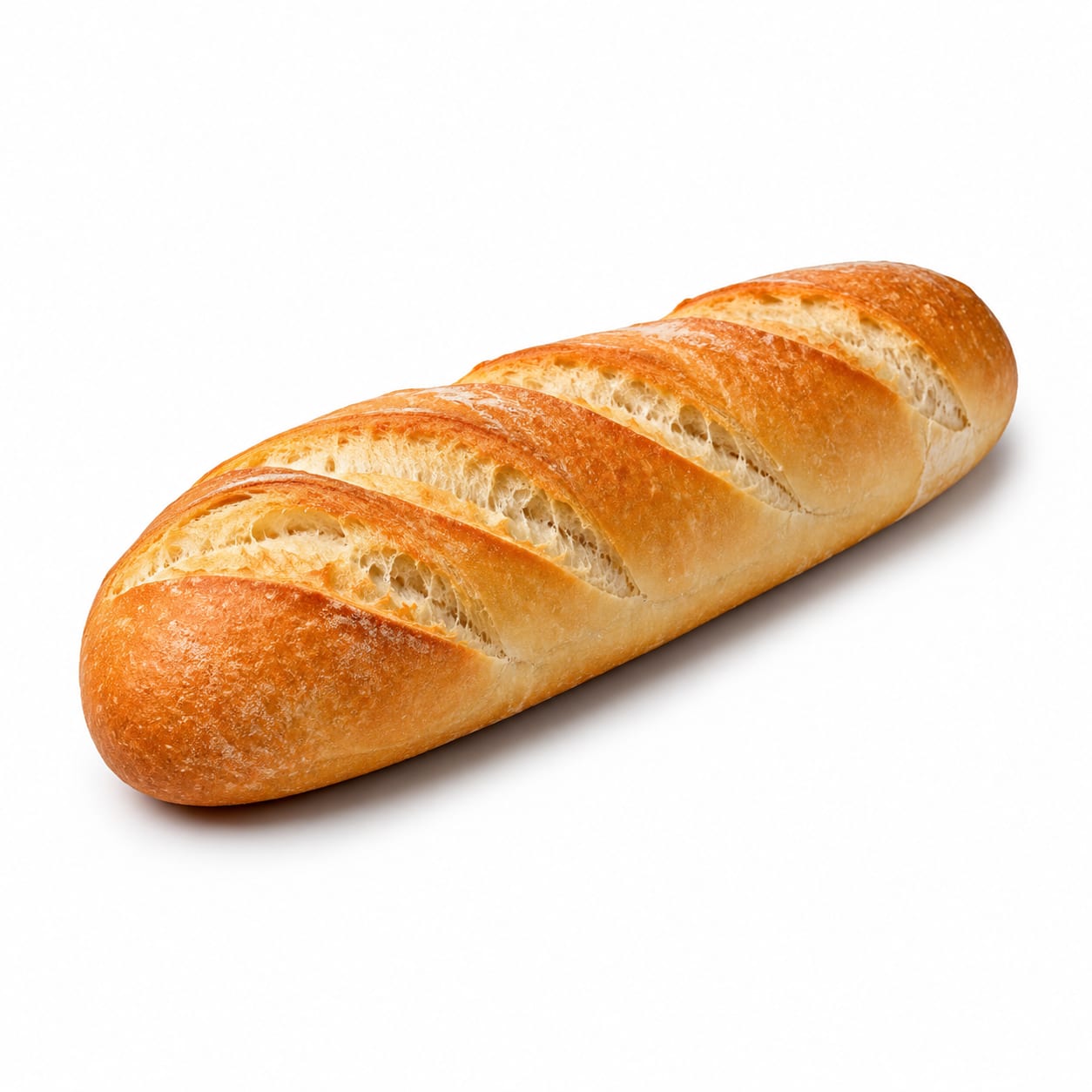
Baguette
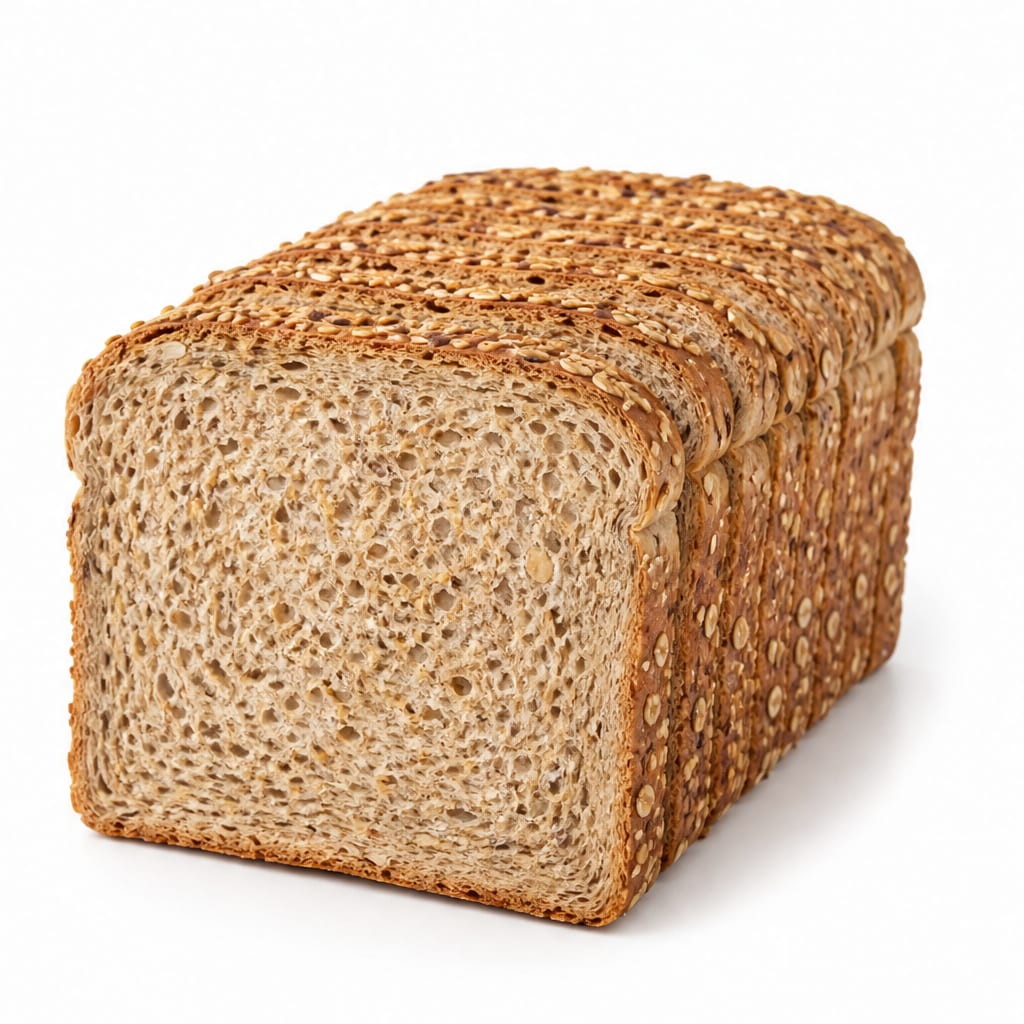
Multigrain Bread
Multigrain bread wins for everyday health thanks to superior fiber, steadier energy, and better satiety. Baguette excels when simplicity of ingredients or culinary experience matters more.
Multigrain bread scores substantially higher due to fiber, micronutrient density, and blood sugar stability. Baguette is not unhealthy in moderation but offers limited nutritional value for daily use.
You trade the clean, minimal ingredient list and satisfying crunch of a baguette for the longer-lasting fullness and blood sugar stability of multigrain bread.
At a glance
Executive summary
Overall
Multigrain Bread
Healthier
Multigrain Bread
More practical
Multigrain Bread
Daily use
Multigrain Bread
Key comparison lenses
blood sugar stability
Refined flour in baguettes causes sharper glucose spikes; multigrain's fiber slows absorption significantly
daily satiety and fullness
Fiber and seed content in multigrain bread keeps you fuller longer, while baguette digests quickly
nutrient density tradeoffs
Multigrain delivers more vitamins, minerals, and healthy fats; baguette is mostly empty carbohydrates
ingredient simplicity vs processing
Traditional baguettes have minimal ingredients, while some multigrain breads add preservatives or sweeteners
weight management
Calorie density and satiety differ meaningfully between these two options for daily consumption
Best choice for
Baguette
- People who want minimal ingredients with no additives
- Those seeking a light, crispy bread for occasional meals
- Anyone prioritizing culinary enjoyment over nutrition
- Individuals with seed or specific grain allergies
Multigrain Bread
- People managing blood sugar or prediabetes
- Anyone wanting longer-lasting energy between meals
- Those trying to increase daily fiber intake
- People focused on heart health and weight management
Least suitable for
Baguette
- People with diabetes or insulin resistance
- Those who struggle with afternoon energy crashes
- Anyone trying to increase fiber intake
- People prone to overeating bread
Multigrain Bread
- People with multiple seed or grain allergies
- Those sensitive to added preservatives in commercial brands
- Anyone wanting a light, low-calorie bread option
- Individuals who find dense breads unappealing and skip eating altogether
Deep comparison
Dimension by dimension
Each lens scores both foods and breaks down who each option suits.
- Dimension 1 · Priority 92Multigrain Bread
Blood Sugar Stability
Baguette · 28Multigrain Bread · 75Baguette's refined flour digests fast, causing quick glucose spikes and crashes. Multigrain bread's fiber and complex carbohydrates slow absorption dramatically.
Tradeoff
If you eat a baguette with protein and fat, the spike softens. But on its own, it is a rollercoaster compared to multigrain.
Why it matters
Steady blood sugar means fewer cravings, better focus, and less fatigue between meals.
Real-world impact
A baguette breakfast can leave you hungry by 10 AM. Multigrain toast with the same toppings often carries you to lunch.
Baguette
- Quick pre-workout energy when you need fast carbs
Better for
- Anyone prone to reactive hypoglycemia
- Mid-afternoon snackers who crave sugar after bread
Worse for
Multigrain Bread
- Sustained energy through long workdays
- Preventing afternoon energy crashes
- Managing prediabetes or insulin resistance
Better for
- Athletes needing rapid carbohydrate availability during competition
Worse for
- Dimension 2 · Priority 88Multigrain Bread
Satiety and Fullness
Baguette · 30Multigrain Bread · 78Multigrain bread keeps you full for hours. Baguette digests quickly and leaves you reaching for more food sooner.
Tradeoff
Baguette feels lighter in the moment, which can be pleasant, but that lightness comes back as hunger within an hour or two.
Why it matters
Better satiety means less snacking, fewer calories overall, and easier portion control without willpower battles.
Real-world impact
Two slices of multigrain bread at breakfast can hold you until noon. The same amount of baguette often leaves you snacking by 10:30.
Baguette
- Light meals where you do not want to feel heavy
- Appetizer courses where overfilling is undesirable
Better for
- People who struggle with portion control
- Anyone trying to cut unnecessary snacking
Worse for
Multigrain Bread
- Breakfast that needs to last until lunch
- Hiking or long active days between meals
- Anyone trying to reduce between-meal snacking
Better for
- Light dinners close to bedtime
Worse for
- Dimension 3 · Priority 85Multigrain Bread
Nutrient Density
Baguette · 20Multigrain Bread · 80Multigrain bread delivers B vitamins, iron, magnesium, selenium, and healthy fats from seeds. Baguette is essentially refined carbohydrate with minimal micronutrients.
Tradeoff
Some commercial multigrain breads add vitamins synthetically rather than getting them from whole ingredients. Reading labels matters.
Why it matters
Nutrient-dense foods reduce the need for supplements and support long-term health without extra effort.
Real-world impact
Choosing multigrain bread daily is like taking a mild multivitamin with your sandwich. Baguette offers calories without that bonus.
Baguette
- Situations where food is a carrier for nutrient-dense toppings
Better for
- People relying on bread as a significant calorie source daily
Worse for
Multigrain Bread
- Anyone not taking a multivitamin regularly
- Older adults needing more B vitamins and minerals
- People recovering from illness who need nutritional support
Better for
- Those already eating a highly varied nutrient-rich diet where bread contributions are minimal
Worse for
- Dimension 4 · Priority 82Multigrain Bread
Fiber Content
Baguette · 15Multigrain Bread · 82Multigrain bread typically provides 3 to 5 grams of fiber per slice. Baguette delivers under 1 gram per equivalent serving.
Tradeoff
If you eat plenty of vegetables, legumes, and whole grains elsewhere, the fiber gap matters less. But most people fall short of daily fiber targets.
Why it matters
Fiber supports digestion, heart health, and gut microbiome diversity. It is one of the most underconsumed nutrients globally.
Real-world impact
Two slices of multigrain bread can provide roughly a quarter of your daily fiber needs. Baguette contributes almost nothing toward that goal.
Baguette
- Rare occasions when low residue diet is medically recommended
Better for
- People with chronic constipation
- Anyone relying on bread as a staple food daily
Worse for
Multigrain Bread
- Anyone not hitting 25 to 30 grams of fiber daily
- People with sluggish digestion or irregularity
- Gut microbiome health optimization
Better for
- Individuals with severe IBS who are fiber-sensitive
Worse for
- Dimension 5 · Priority 78Baguette
Ingredient Simplicity and Additives
Baguette · 85Multigrain Bread · 45Traditional baguettes contain just flour, water, yeast, and salt. Many commercial multigrain breads add preservatives, dough conditioners, and sweeteners.
Tradeoff
Artisan multigrain breads from bakeries can match baguette's simplicity, but grocery store versions often do not.
Why it matters
Fewer additives mean fewer potential irritants, cleaner digestion, and less exposure to controversial food chemicals.
Real-world impact
Reading the ingredient label on a multigrain bread can reveal a paragraph of additives. A real baguette has four ingredients you recognize.
Baguette
- People avoiding preservatives and dough conditioners
- Those with chemical sensitivities or clean-eating priorities
- Anyone who values knowing exactly what they are eating
Better for
- Not applicable — simplicity is universally positive here
Worse for
Multigrain Bread
- Situations where the nutritional benefits outweigh additive concerns
Better for
- People prone to bloating from emulsifiers or preservatives
- Those following clean-label or minimally processed diets
Worse for
- Dimension 6 · Priority 75Multigrain Bread
Weight Management
Baguette · 32Multigrain Bread · 72Multigrain bread supports weight management through higher satiety and slower digestion. Baguette's refined carbs can trigger overeating.
Tradeoff
Calorie-per-slice is similar, but the behavioral outcome differs. Baguette makes it easy to eat more without feeling full.
Why it matters
Satiety-driven eating naturally reduces calories without counting. Foods that leave you hungry undermine weight goals silently.
Real-world impact
It is easy to eat half a baguette with soup and still feel hungry. Two slices of multigrain bread with the same soup feels like a complete meal.
Baguette
- Active individuals who burn carbohydrates readily
- Underweight individuals needing easy calorie intake
Better for
- Emotional eaters who find it hard to stop at one serving
- People with metabolic syndrome
Worse for
Multigrain Bread
- Anyone tracking calories who wants more fullness per calorie
- People who tend to overeat bread products
- Those trying to lose weight without feeling deprived
Better for
- Not applicable for weight management — multigrain is clearly superior here
Worse for
Timeline
Health impact over time
Short-term
Hours to days
Baguette
- Quick energy burst followed by a crash within 1 to 2 hours
- Light stomach feel immediately after eating
- Likely to feel hungry again sooner than with whole grain alternatives
Multigrain Bread
- Steady energy release over 3 to 4 hours
- Comfortable fullness without heaviness
- Reduced urge to snack between meals
Long-term
Months to years
Baguette
- Regular consumption linked to higher risk of metabolic syndrome and type 2 diabetes
- Contributes negligible fiber to long-term digestive health
- May promote chronic low-grade inflammation when consumed as a dietary staple
Multigrain Bread
- Supports cardiovascular health through fiber and seed-derived healthy fats
- Promotes diverse gut microbiome with regular fiber intake
- Associated with lower risk of type 2 diabetes and improved cholesterol markers
Risk profile
Safety & processing
Traditional baguettes are processed but use minimal ingredients. Commercial multigrain breads often contain preservatives like calcium propionate, dough conditioners, and added sugars. Artisan multigrain options close this gap, but supermarket varieties typically do not.
Baguette
Acrylamide from high-heat baking
lowThe crispy crust forms small amounts of acrylamide, a potential carcinogen, but levels are minimal and comparable to most baked goods.
Rapid mold growth
mediumWithout preservatives, baguettes mold within 1 to 2 days. This is a freshness issue, not a toxicity concern, but can cause waste.
Multigrain Bread
Preservative exposure
mediumCalcium propionate and other mold inhibitors are common in commercial multigrain breads. Generally recognized as safe, but some people report headaches or digestive upset.
Added sugars
mediumMany multigrain breads contain added sugar, honey, or molasses. Not harmful in small amounts, but worth checking if you monitor sugar intake closely.
Seed rancidity
lowSeeds in multigrain bread contain oils that can go rancid over time, especially if stored in warm conditions. Freshness matters more than with plain bread.
Who wins for whom
Audience fit
Same foods, different winners depending on your goal.
children
It dependsMultigrain bread offers better nutrition for growth, but some children reject the texture. Baguette is more accepted but less nourishing.
daily consumption
Multigrain BreadNutrient density, fiber, and blood sugar stability make multigrain bread the clearly better daily staple.
diabetes
Multigrain BreadLower glycemic impact and higher fiber make multigrain bread significantly safer for blood sugar management.
elderly
Multigrain BreadOlder adults benefit more from fiber, B vitamins, and minerals that multigrain bread provides. Digestive regularity is especially important with age.
muscle gain
It dependsBaguette provides faster carbs useful post-workout, but multigrain offers better sustained nutrition for recovery meals.
weight loss
Multigrain BreadHigher fiber and satiety make it easier to eat less overall without feeling deprived.
Your move
Decision guide
Choose Baguette
- You value ingredient simplicity and want no additives or preservatives
- You are eating bread as an occasional treat with a meal, not as a daily staple
- You need quick-digesting carbs before intense exercise
- You have seed or specific grain allergies that make multigrain bread unsuitable
- You are dining at a French restaurant and want the authentic experience
Choose Multigrain Bread
- You eat bread daily and want it to contribute meaningful nutrition
- You struggle with energy crashes or cravings between meals
- You want to increase your fiber intake without changing much else
- You are managing blood sugar, weight, or heart health concerns
- You need a bread that keeps you full through busy mornings
Either works if
- You pair bread heavily with protein, healthy fats, and vegetables, making the bread itself less nutritionally critical
- You eat bread only a few times per week and your overall diet is already nutrient-rich
- You are choosing between an artisan multigrain loaf and a traditional baguette, where the quality gap narrows
Avoid both if
- You have celiac disease or non-celiac gluten sensitivity
- You are following a strict low-carb or ketogenic diet
- You are eliminating all processed grains for a therapeutic dietary protocol
Final recommendation
Make multigrain bread your daily driver. Its fiber, steady energy, and nutrient density make it the smarter staple for most people most of the time. Save baguette for weekends, special meals, and moments when the experience matters more than the nutrition. If you choose multigrain, read the label and pick brands with short ingredient lists and no added sugars. If you choose baguette, enjoy it fully and pair it with protein and healthy fats to blunt the blood sugar impact.
Practical
Consumer tips
- 1
Look for multigrain bread where whole grains or seeds appear as the first ingredient, not enriched wheat flour
- 2
Avoid multigrain breads with more than 2 grams of added sugar per slice
- 3
Freeze multigrain bread if you cannot finish it within a week — the seeds go rancid faster than plain flour
- 4
Pair baguette with olive oil, cheese, or hummus to slow digestion and reduce the glucose spike
- 5
Check if your multigrain bread lists calcium propionate — some people are sensitive to it
- 6
An artisan bakery multigrain loaf gives you the best of both worlds: real ingredients and real nutrition
- 7
If a baguette is your only bread option, choose whole wheat baguette when available for a meaningful fiber upgrade