
Nutrition comparison
Baguette vs White Sandwich Bread: Which Is Healthier?
Compare baguette and white sandwich bread on ingredients, blood sugar impact, processing, and convenience. Find out which refined bread is the smarter daily choice.
Overall winner · Baguette
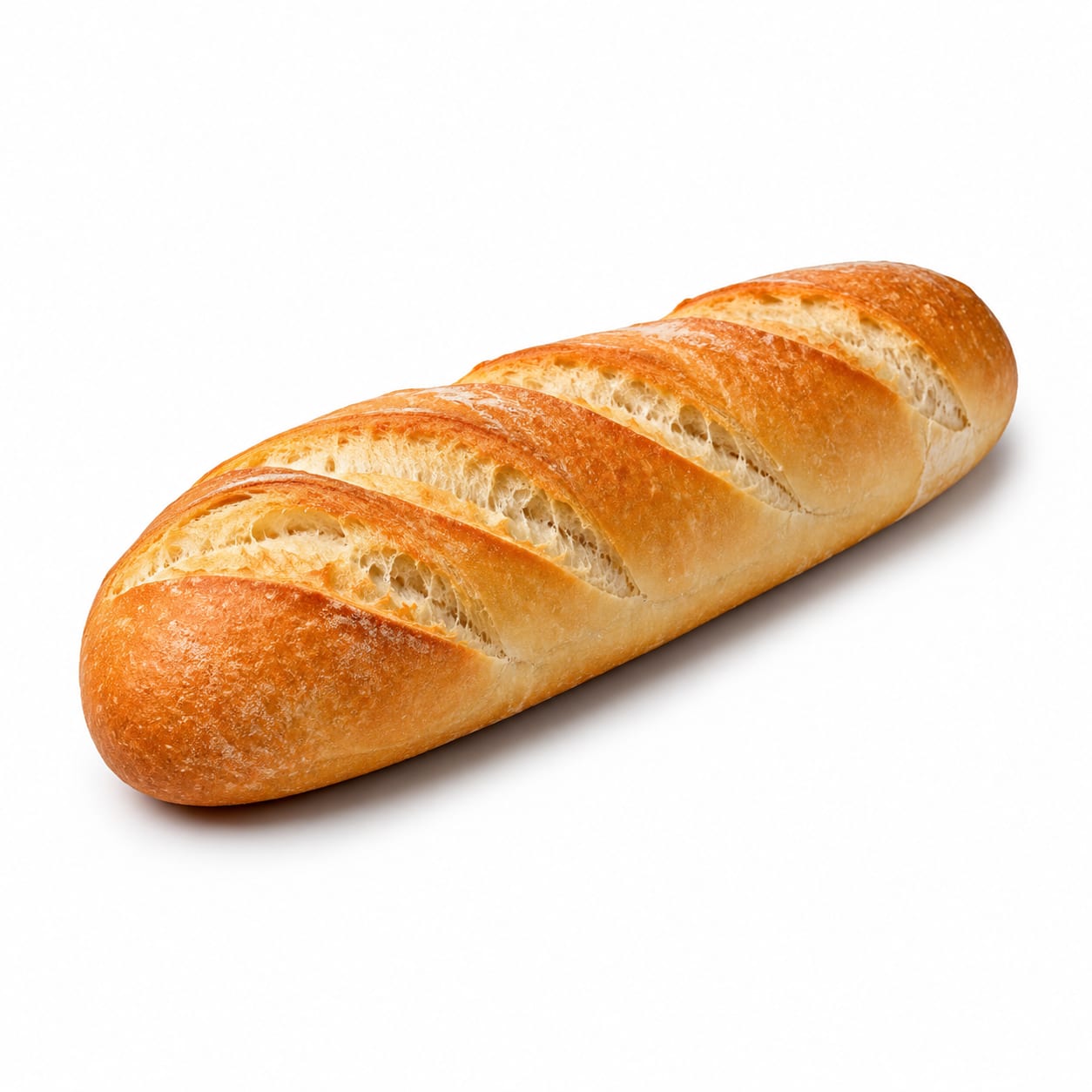
Baguette
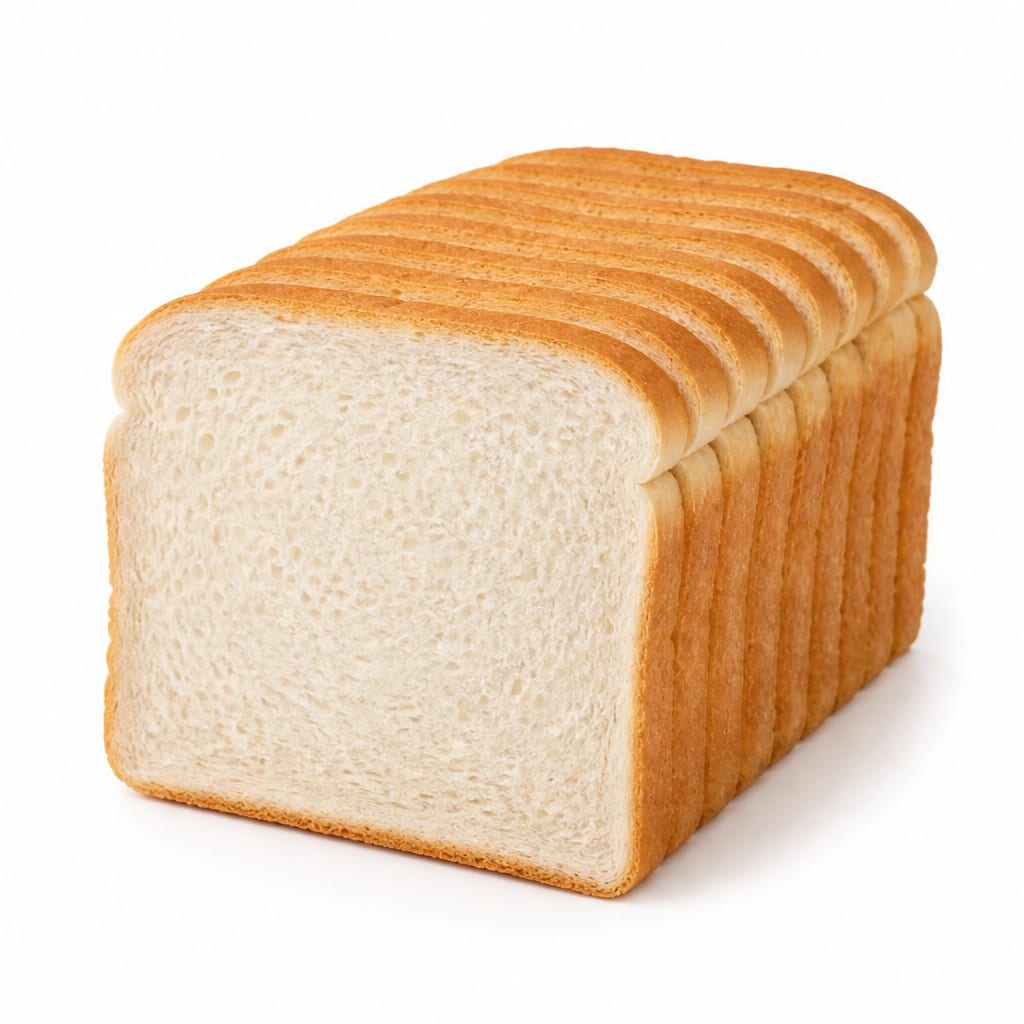
White Sandwich Bread
Baguette wins on cleaner ingredients and lower processing, but White Sandwich Bread offers everyday convenience that matters for busy households.
Baguette scores higher due to minimal ingredients and traditional fermentation, but neither is a nutritional powerhouse since both are refined grain products. The gap reflects processing and additive differences more than micronutrient advantages.
Simpler ingredients and better fermentation versus shelf stability and sandwich-ready convenience.
At a glance
Executive summary
Overall
Baguette
Healthier
Baguette
More practical
White Sandwich Bread
Daily use
It depends
Key comparison lenses
processing level difference
Baguette is traditionally made with four ingredients while White Sandwich Bread typically contains preservatives, dough conditioners, and added sugars
glycemic impact and blood sugar
Both are refined carbs but fermentation and density differences affect how quickly blood sugar rises
ingredient transparency
Consumers increasingly care about additive exposure and clean labels in everyday staples
convenience and daily practicality
Pre-sliced shelf-stable bread versus bakery-fresh baguette affects real-world eating patterns
satiety and overeating risk
Texture and density differences influence how much people consume in one sitting
Best choice for
Baguette
- People avoiding preservatives and additives
- Those who prefer traditional fermented bread
- Anyone seeking a more satisfying eating experience with fewer calories per piece
- Mediterranean-style eaters
White Sandwich Bread
- Busy families needing quick sandwich prep
- Anyone who wants bread that lasts several days
- People with dentition issues who need softer bread
- Meal preppers building sandwiches in advance
Least suitable for
Baguette
- Anyone needing shelf-stable bread for the week
- People who want pre-sliced convenience
- Those monitoring sodium closely since baguettes can be saltier
White Sandwich Bread
- People avoiding ultra-processed foods
- Those sensitive to preservatives or dough conditioners
- Anyone seeking clean-label eating
Deep comparison
Dimension by dimension
Each lens scores both foods and breaks down who each option suits.
- Dimension 1 · Priority 92Baguette
Ingredient Simplicity and Clean Label
Baguette · 88White Sandwich Bread · 32Traditional baguette contains just flour, water, yeast, and salt. White Sandwich Bread typically lists 15-25 ingredients including preservatives and conditioners.
Tradeoff
You gain ingredient transparency with baguette but lose the convenience of bread that stays fresh for a week.
Why it matters
Fewer additives means fewer potential gut irritants and unknown long-term effects from emulsifiers and preservatives.
Real-world impact
Reading a baguette label takes two seconds. Decoding sandwich bread requires a chemistry degree.
Baguette
- Clean-label eaters
- People with sensitivities to preservatives
Better for
- People who cannot shop frequently
Worse for
White Sandwich Bread
- Anyone who shops once a week and needs bread to last
Better for
- Those concerned about cumulative additive exposure
Worse for
- Dimension 2 · Priority 85Baguette
Blood Sugar Stability
Baguette · 52White Sandwich Bread · 38Both spike blood sugar, but baguette's longer fermentation and denser chew slow glucose release somewhat compared to the fluffy rapid-digesting sandwich bread.
Tradeoff
Neither is great for blood sugar, but baguette is slightly less aggressive on the glycemic rollercoaster.
Why it matters
The faster carbs hit your bloodstream, the sooner you feel hungry again and crave more carbs.
Real-world impact
A sandwich on White Sandwich Bread may leave you hungry by 11am. A baguette portion keeps you slightly steadier.
Baguette
- Pre-diabetics choosing the lesser of two refined-carb evils
- People trying to avoid afternoon energy crashes
Better for
- Diabetics who need low-glycemic options entirely
Worse for
White Sandwich Bread
- Endurance athletes who actually want fast carbs
Better for
- Anyone prone to sugar crashes and cravings
Worse for
- Dimension 3 · Priority 70Baguette
Satiety and Overeating Risk
Baguette · 60White Sandwich Bread · 42Baguette's chewy crust and denser crumb force slower eating. White Sandwich Bread is so soft you can consume several slices mindlessly.
Tradeoff
More satisfying eating experience versus easier to overconsume without noticing.
Why it matters
Eating speed strongly influences fullness signals. Softer breads bypass the satiety feedback loop.
Real-world impact
Two slices of sandwich bread vanish in moments. A chunk of baguette feels like you actually ate something.
Baguette
- Portion-conscious eaters
- People who eat too quickly
Better for
- Nobody really — slower eating is universally beneficial
Worse for
White Sandwich Bread
- Children or elderly who need easy chewing
Better for
- Mindless snackers who graze without noticing
Worse for
- Dimension 4 · Priority 75White Sandwich Bread
Convenience and Practicality
Baguette · 35White Sandwich Bread · 88Pre-sliced, shelf-stable, sandwich-ready. White Sandwich Bread is built for busy real life. Baguette demands same-day use and manual portioning.
Tradeoff
Maximum convenience comes with maximum processing. Real bread requires real planning.
Why it matters
The best food nutritionally is useless if you cannot integrate it into your routine.
Real-world impact
Making a school lunch takes 90 seconds with sandwich bread. With baguette, you are sawing through crust at 7am.
Baguette
- People who shop daily and eat bread fresh
- Those who enjoy ritual around food preparation
Better for
- Anyone with a packed morning schedule
Worse for
White Sandwich Bread
- Working parents
- Anyone meal-prepping sandwiches
- People who freeze bread for later use
Better for
- Weekend brunchers who want bakery-quality bread
Worse for
- Dimension 5 · Priority 60It depends
Nutritional Density
Baguette · 38White Sandwich Bread · 42Both are refined flour with minimal fiber, protein, or micronutrients. White Sandwich Bread is often fortified with B vitamins and iron, giving it a slight edge.
Tradeoff
Fortification adds back some nutrients but does not fix the fundamental lack of whole grain benefits.
Why it matters
If bread is a daily staple, even small nutrient differences accumulate over months and years.
Real-world impact
Sandwich bread quietly contributes folic acid and iron. Baguette contributes enjoyment and little else nutritionally.
Baguette
- Nobody specifically for nutrients — both are poor sources
Better for
- Anyone not getting B vitamins and iron elsewhere
Worse for
White Sandwich Bread
- Those relying on bread as a significant calorie source who benefit from fortification
Better for
- People who assume fortification makes it healthy
Worse for
- Dimension 6 · Priority 55White Sandwich Bread
Sodium Load
Baguette · 35White Sandwich Bread · 52Traditional baguette recipes are surprisingly salty — often 1.5-2% salt by flour weight. Commercial sandwich bread tends to have moderate sodium per slice.
Tradeoff
Better ingredients but higher salt content versus more additives but controlled sodium per serving.
Why it matters
If you eat bread multiple times daily, sodium adds up fast, especially for blood pressure concerns.
Real-world impact
A full baguette can contain nearly a gram of sodium. Two sandwich bread slices have around 250mg.
Baguette
- Those who eat small portions and savor each piece
Better for
- Anyone eating large portions who is salt-sensitive
Worse for
White Sandwich Bread
- People tracking sodium per serving
- Those with hypertension monitoring salt intake
Better for
- Nobody specifically on sodium — it is the lower-sodium option per serving
Worse for
Timeline
Health impact over time
Short-term
Hours to days
Baguette
- Satisfying chew and crust provide stronger eating satisfaction
- Blood sugar rises quickly but slightly less sharply than sandwich bread
- Higher sodium per piece may cause temporary water retention in sensitive individuals
White Sandwich Bread
- Rapid digestion leads to quicker hunger return within 1-2 hours
- Soft texture enables faster consumption and potential overeating
- Preservatives like calcium propionate may cause mild digestive discomfort in sensitive people
Long-term
Months to years
Baguette
- Lower additive exposure reduces cumulative preservative burden
- Continued reliance on refined flour still risks nutrient deficiencies without whole grains elsewhere
- Sodium contribution may impact blood pressure if baguette is a daily staple
White Sandwich Bread
- Regular consumption of emulsifiers and preservatives may affect gut lining integrity over time
- Fortification provides consistent B vitamin and iron intake for those who eat it daily
- Higher glycemic load contributes to insulin resistance patterns when eaten frequently
Risk profile
Safety & processing
Baguette sits in the processed category alongside pasta and cheese — transformed but recognizable. White Sandwich Bread crosses into ultra-processed territory with dough conditioners like azodicarbonamide, preservatives like calcium propionate, and added sugars. The processing gap is the single biggest difference between these two foods.
Baguette
Mold growth within 1-2 days
lowNo preservatives means baguette stales quickly and molds fast. Slice and freeze what you will not eat same-day.
Acrylamide from crust browning
lowHigh-heat baking creates some acrylamide in the dark crust. The amount is small and comparable to toast or roasted potatoes.
White Sandwich Bread
Preservative sensitivity
mediumCalcium propionate can cause headaches or digestive issues in sensitive individuals, especially children.
Added sugars contributing to metabolic load
mediumMost commercial sandwich breads contain 1-3 grams of added sugar per slice, which adds up across multiple daily servings.
Dough conditioner exposure
lowIngredients like azodicarbonamide or DATEM are FDA-approved but banned in some countries, raising precautionary concerns.
Who wins for whom
Audience fit
Same foods, different winners depending on your goal.
children
White Sandwich BreadSofter texture is easier for small mouths, fortification adds nutrients, and the convenience of pre-sliced bread fits school lunch routines. Just watch for preservative sensitivities.
daily consumption
It dependsIf you shop daily and eat moderate portions, baguette is cleaner. If you need bread that lasts all week for family sandwiches, White Sandwich Bread is more realistic.
diabetes
It dependsNeither is ideal. Baguette has a slightly lower glycemic impact per gram, but the difference is not large enough to matter clinically. Both require portion control and pairing with protein and fat.
elderly
White Sandwich BreadSofter bread is gentler on aging teeth and digestion. Fortified B vitamins and iron support nutritional needs that become harder to meet with smaller appetites.
muscle gain
It dependsBoth provide quick carbs post-workout. Sandwich bread is easier to eat in quantity; baguette is more enjoyable. Neither offers meaningful protein.
weight loss
BaguetteDenser chew and crust make portion control easier. You are less likely to mindlessly eat half a baguette compared to half a loaf of sandwich bread.
Your move
Decision guide
Choose Baguette
- You value clean labels and minimal ingredients
- You eat bread as an accompaniment rather than a meal foundation
- You can buy fresh bread frequently and enjoy it same-day
- You are trying to reduce ultra-processed food in your diet
- You find soft bread too easy to overeat
Choose White Sandwich Bread
- You make sandwiches daily for work or school lunches
- You grocery shop once a week and need bread that lasts
- You have kids who prefer softer, milder bread
- You need predictable slices for calorie tracking
- You want fortified nutrients from a daily staple
Either works if
- You only eat bread occasionally and neither is a major calorie source
- You pair bread with protein, healthy fat, and vegetables anyway
- You are choosing between these two for a single meal rather than daily habit
Avoid both if
- You are managing diabetes and need low-glycemic carb sources
- You are eliminating refined grains entirely
- You are sensitive to gluten or have celiac disease
- You are trying to increase fiber intake significantly
Final recommendation
For daily eating, baguette is the cleaner choice if your lifestyle supports buying fresh bread regularly. If convenience drives your food decisions, White Sandwich Bread is practical but worth swapping for a brand with fewer additives. The best move either way: choose a whole grain version of whichever format fits your life.
Practical
Consumer tips
- 1
Check sandwich bread labels for brands with five or fewer ingredients — they exist and bridge the gap between convenience and cleanliness
- 2
Freeze half your baguette the moment you get home to prevent waste without needing preservatives
- 3
Pair either bread with protein and fat like eggs, avocado, or hummus to blunt the blood sugar spike
- 4
If sodium is a concern, limit baguette portions to a quarter of a standard loaf per sitting
- 5
Look for sourdough baguette varieties — the longer fermentation further lowers glycemic impact and improves digestibility
- 6
Toast sandwich bread before eating — it slightly lowers the glycemic response compared to soft untoasted slices