
Nutrition comparison
Baguette vs Rice Cakes: Which is Better for Weight Loss & Snacking?
Compare baguette and rice cakes on calories, blood sugar impact, and satiety. Find out which carb is better for your health goals and snacking habits.
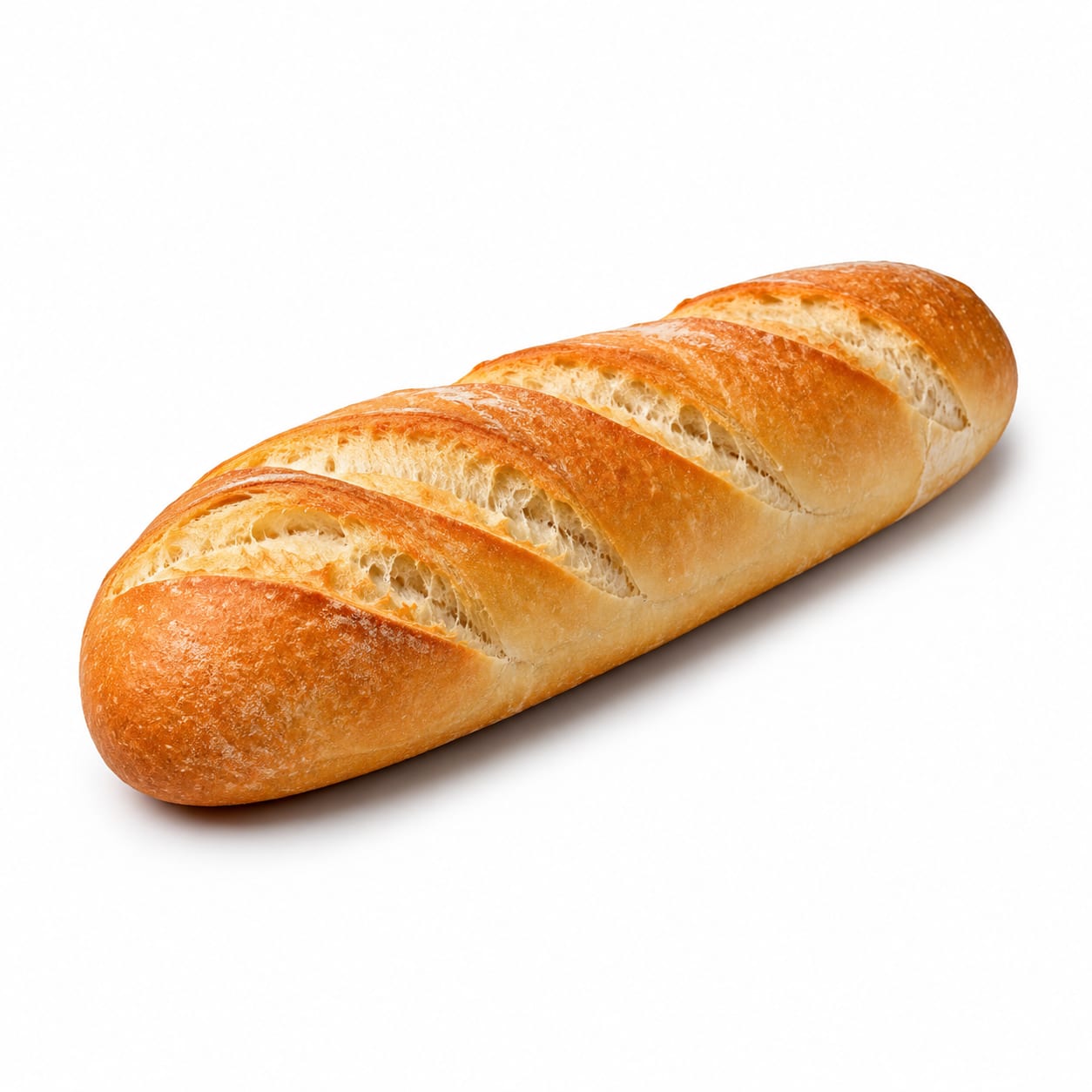
Baguette
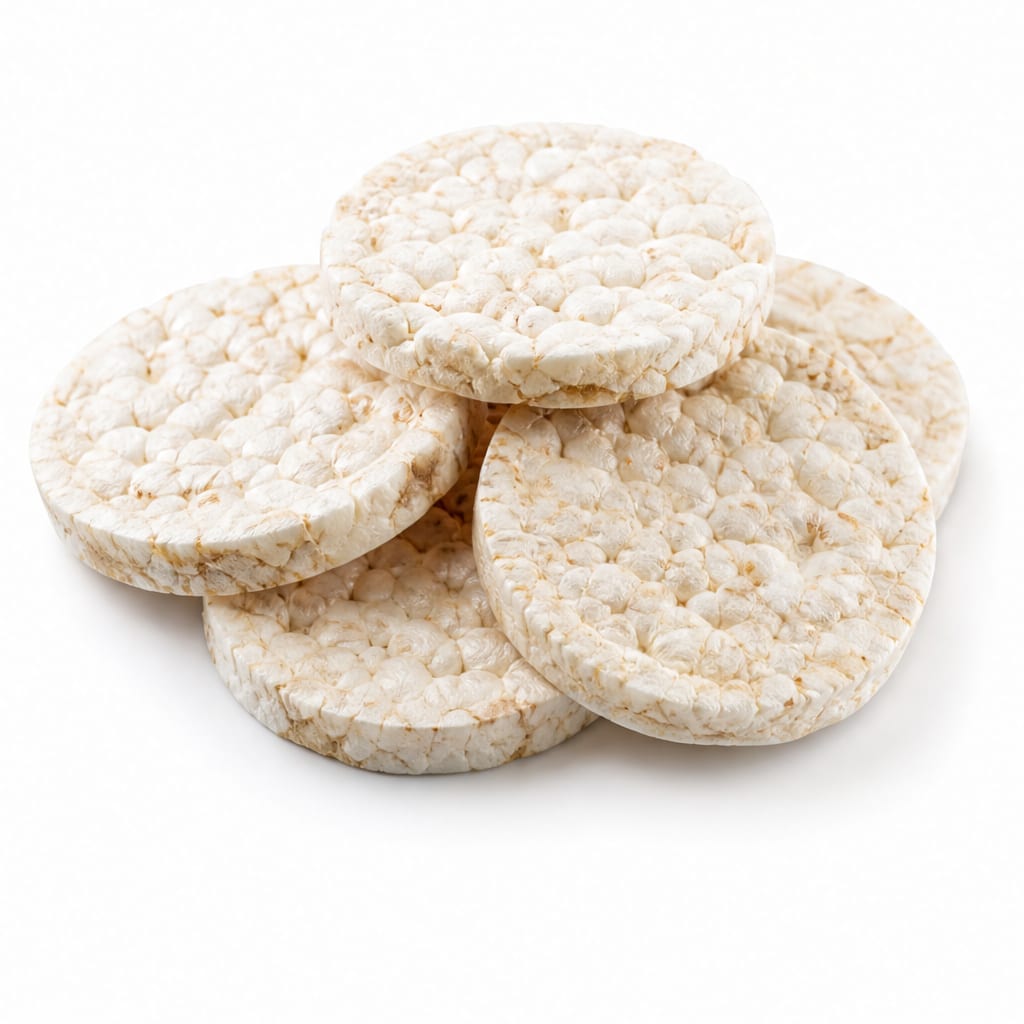
Rice Cakes
Rice cakes offer a low-calorie, gluten-free crunch, while a baguette delivers more satisfying bulk and slightly better blood sugar stability despite being calorie-dense.
Baguette scores slightly higher due to better satiety and a marginally lower glycemic impact, but Rice Cakes win for low-calorie snacking and gluten-free needs.
Calorie density versus satiety; rice cakes are lighter but far less filling, while a baguette is heavier but keeps you satisfied longer.
At a glance
Executive summary
Overall
It depends
Healthier
It depends
More practical
Rice Cakes
Daily use
It depends
Key comparison lenses
Weight management and snacking
Rice cakes are famously marketed as diet snacks, while baguettes are seen as calorie-dense, creating a classic weight-loss tradeoff.
Blood sugar impact
Both are refined carbohydrates with high glycemic indexes, but puffed rice spikes blood sugar even faster than refined wheat.
Gluten sensitivity and digestion
Rice cakes are naturally gluten-free, making them an easy swap for those avoiding wheat found in baguettes.
Satiety versus calorie density
Choosing between a low-calorie but unsatisfying rice cake and a higher-calorie but filling baguette is a common real-world dilemma.
Best choice for
Baguette
- People needing sustained energy for physical labor
- Those who prioritize feeling full after eating
- Anyone wanting a versatile base for substantial meals
Rice Cakes
- People strictly counting calories
- Those with celiac disease or gluten intolerance
- Anyone wanting a light, crunchy snack base
Least suitable for
Baguette
- People with severe gluten intolerance or celiac disease
- Those on a strict low-carb diet
- People who struggle with portion control on bread
Rice Cakes
- People trying to stabilize severe blood sugar spikes
- Those who get hungry quickly after eating carbs
- Anyone needing a dense energy source for heavy activity
Deep comparison
Dimension by dimension
Each lens scores both foods and breaks down who each option suits.
- Dimension 1 · Priority 95Baguette
Satiety & Fullness
Baguette · 65Rice Cakes · 30Baguette provides more volume and takes longer to chew and digest, keeping you full. Rice cakes digest rapidly, often leaving you hungry soon after.
Tradeoff
You get fewer calories with rice cakes, but you will likely feel hungry again much faster.
Why it matters
Low satiety often leads to overeating later, negating the low-calorie benefit of rice cakes.
Real-world impact
Eating a baguette side with lunch will likely keep you full until dinner, while a couple of rice cakes might lead to an afternoon snack craving.
Baguette
- Feeling full after a meal
- Avoiding late-night snacking
Better for
- Eating right before a workout
- Wanting a light stomach
Worse for
Rice Cakes
- Light snacking without feeling heavy
Better for
- Going long periods without eating
- Needing sustained energy
Worse for
- Dimension 2 · Priority 90Baguette
Blood Sugar Stability
Baguette · 40Rice Cakes · 25Both spike blood sugar, but puffed rice in rice cakes has an exceptionally high glycemic index, causing sharper spikes and crashes compared to baguette.
Tradeoff
Rice cakes feel lighter in the stomach but cause more volatile blood sugar swings.
Why it matters
Frequent blood sugar crashes trigger fatigue and intense sugar cravings.
Real-world impact
A rice cake snack can lead to an energy crash an hour later, while a baguette provides a slightly steadier, though still refined, energy source.
Baguette
- Slightly slower carb release compared to puffed rice
- Pairing with fats and proteins for a balanced meal
Better for
- Managing severe insulin resistance without portion control
Worse for
Rice Cakes
- Preventing afternoon energy crashes
- Managing diabetes or hypoglycemia
Worse for
- Dimension 3 · Priority 85Rice Cakes
Calorie Control
Baguette · 35Rice Cakes · 80Rice cakes are a classic low-calorie snack, making portion control visually easy. Baguettes are calorie-dense and very easy to overeat.
Tradeoff
Rice cakes give you more volume per calorie, but baguettes give you more actual satiety per bite.
Why it matters
If you strictly track calories, rice cakes offer predictability. If you eat intuitively, baguettes might prevent later binges.
Real-world impact
You can eat three rice cakes for the same calories as a small slice of baguette, but that slice of bread might satisfy you more.
Baguette
- Bulking up a meal when you have calories to spare
Better for
- Trying to lose weight while feeling hungry
- Controlling portion sizes easily
Worse for
Rice Cakes
- Staying within a strict daily calorie limit
- Having multiple snacks without going over budget
Better for
- Situations where high satiety is needed to avoid overeating later
Worse for
- Dimension 4 · Priority 80Rice Cakes
Digestive Tolerance & Allergens
Baguette · 40Rice Cakes · 85Rice cakes are naturally gluten-free and generally gentle on the gut. Baguette contains gluten and wheat, which trigger sensitivities for many.
Tradeoff
You avoid gluten with rice cakes, but you miss out on the digestive bulk that wheat fiber provides if the baguette is whole grain.
Why it matters
Gluten intolerance and wheat allergies are common, making rice cakes a safer baseline carb for many.
Real-world impact
If wheat causes bloating or fatigue, rice cakes are a stress-free alternative that won't disrupt your day.
Baguette
- Anyone with celiac disease or gluten intolerance
- Experiencing bloating from wheat
Worse for
Rice Cakes
- Following a gluten-free diet
- Those with wheat allergies or celiac disease
- Gentle digestion when the gut is upset
Better for
- Those concerned about arsenic in rice
- People who need high-fiber foods for gut regularity
Worse for
- Dimension 5 · Priority 70It depends
Versatility & Topping Capacity
Baguette · 75Rice Cakes · 75Baguettes hold heavier, wetter toppings without falling apart. Rice cakes offer a satisfying crunch for lighter spreads but can get soggy fast.
Tradeoff
Baguettes are structurally superior for meals, while rice cakes provide a unique texture for snacks.
Why it matters
How you top your carb changes the overall nutritional profile of the meal entirely.
Real-world impact
A baguette makes a solid sandwich for lunch, while a rice cake is perfect for a quick avocado or hummus snack in the afternoon.
Baguette
- Holding heavy or wet toppings like pulled pork or thick spreads
- Making substantial sandwiches
Better for
- Needing a quick, pre-portioned snack
- Craving a crunchy texture without the bread density
Worse for
Rice Cakes
- Creating crispy, light open-faced snacks
- Sweet or light toppings like almond butter and banana
Better for
- Topping with very moist ingredients that make it soggy
- Making a traditional deli sandwich
Worse for
Timeline
Health impact over time
Short-term
Hours to days
Baguette
- Quick energy from carbohydrates
- Provides satisfying chew and physical fullness
- Can cause a blood sugar spike followed by a mild crash
Rice Cakes
- Very rapid blood sugar spike due to high glycemic index
- Light feeling in the stomach, but hunger returns quickly
- Provides a quick burst of short-lived energy
Long-term
Months to years
Baguette
- Frequent consumption of refined carbs may contribute to insulin resistance
- Gluten exposure is problematic for those with celiac disease
- Can contribute to weight gain if portions are not managed
Rice Cakes
- Over-relying on them for weight loss can lead to excessive hunger and overeating later
- Low nutrient density offers little long-term health benefit
- Regular consumption of rice products may increase dietary arsenic exposure
Risk profile
Safety & processing
Both are processed carbohydrate foods. Baguettes use refined flour, water, yeast, and salt. Rice cakes use puffed rice and sometimes salt. Neither contains significant artificial additives, but both are far from their whole-food origins.
Baguette
Gluten exposure
highContains wheat, which is unsafe for those with celiac disease or severe gluten intolerance.
Rice Cakes
Arsenic exposure
mediumRice can contain trace amounts of inorganic arsenic; frequent daily consumption of rice products could increase exposure.
Cross-contamination
lowSome rice cake brands may share facilities with wheat products, posing a risk for highly sensitive individuals.
Who wins for whom
Audience fit
Same foods, different winners depending on your goal.
children
BaguetteMore filling and satisfying for active kids, though whole grain options would be better for both foods.
daily consumption
It dependsNeither is ideal as a daily staple due to being refined carbs, but baguette offers more satiety while rice cakes offer calorie control.
diabetes
It dependsBoth are high-glycemic refined carbs that should be strictly limited, but baguette has a slightly lower glycemic impact than puffed rice.
elderly
Rice CakesEasier to chew and digest, and lower in calories which may suit a slower metabolism.
muscle gain
BaguetteProvides more substantial carbohydrates and calories to fuel workouts and support recovery.
weight loss
Rice CakesLower calorie count per serving makes it easier to stay within a calorie deficit, provided you do not overeat later due to low satiety.
Your move
Decision guide
Choose Baguette
- You want a satisfying side for soup or salad
- You need sustained energy for a physically active morning
- You have no gluten sensitivities and prioritize feeling full
Choose Rice Cakes
- You want a low-calorie crunchy base for toppings like avocado or hummus
- You need a gluten-free snack
- You prefer grazing on light snacks throughout the day
Either works if
- You need a quick carb source before a workout
- You are pairing it with a high-protein, high-fiber topping to balance the meal
Avoid both if
- You are managing severe blood sugar issues like diabetes
- You are following a low-carb or ketogenic diet
Final recommendation
Choose a baguette when you need a satisfying, filling carb to anchor a meal. Opt for rice cakes when you want a low-calorie, gluten-free crunch for light snacking. Always pair either with protein and healthy fats to prevent blood sugar spikes and improve satiety.
Practical
Consumer tips
- 1
Top rice cakes with avocado and a fried egg to add healthy fats and protein, making them much more filling.
- 2
Choose a whole wheat or sourdough baguette to lower the glycemic impact and increase fiber.
- 3
Watch your rice cake portions; their low calorie count can trick you into eating many more than you need.
- 4
If you have celiac disease, always verify that rice cakes are certified gluten-free to avoid cross-contamination.