
Nutrition comparison
Baguette vs Sourdough Bread: Which Is Healthier for Daily Eating?
Compare Baguette and Sourdough Bread on blood sugar impact, digestion, nutrition, and satiety. Discover which bread is better for weight loss, diabetes, and everyday health.
Overall winner · Sourdough Bread

Baguette
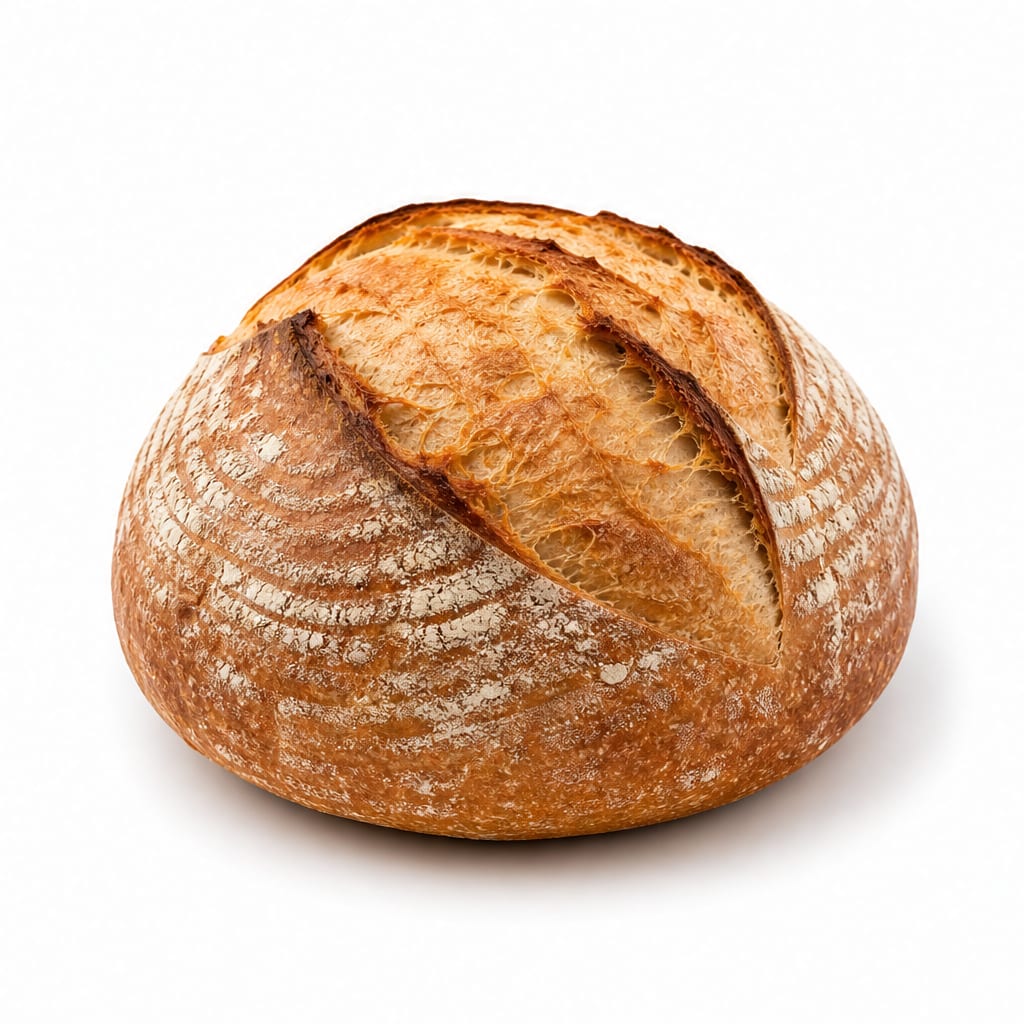
Sourdough Bread
Sourdough Bread is the smarter everyday choice thanks to gentler blood sugar impact and better digestibility, though Baguette wins for convenience and lighter meals.
Sourdough Bread scores notably higher due to its fermentation advantages for blood sugar, digestion, and nutrient absorption. Baguette remains competitive for convenience and enjoyment but falls behind on metabolic and gut health metrics.
Baguette gives you quick energy and a lighter bite, but Sourdough Bread rewards you with steadier energy, better gut tolerance, and more usable nutrients per slice.
At a glance
Executive summary
Overall
Sourdough Bread
Healthier
Sourdough Bread
More practical
Baguette
Daily use
Sourdough Bread
Key comparison lenses
blood sugar management
Sourdough fermentation significantly lowers glycemic response compared to conventional yeast breads like baguette
digestive comfort
Sourdough's long fermentation breaks down gluten and phytic acid, making it easier on sensitive stomachs
nutrient absorption
Lactic acid bacteria in sourdough increase mineral bioavailability, a advantage baguette lacks
everyday meal versatility
Baguette's lighter texture suits sandwiches and quick meals, while sourdough excels at hearty toppings
weight management
Sourdough keeps you fuller longer due to slower digestion, while baguette's rapid breakdown can trigger hunger sooner
Best choice for
Baguette
- People needing quick pre-workout carbs
- Light sandwich lovers who prefer airy texture
- Those who eat bread occasionally and want maximum enjoyment
- Anyone hosting a cheese or charcuterie board
Sourdough Bread
- People managing blood sugar concerns
- Those with mild gluten sensitivity
- Anyone wanting sustained energy without afternoon crashes
- Daily bread eaters prioritizing long-term health
Least suitable for
Baguette
- People with insulin resistance or prediabetes
- Those prone to energy crashes after carb-heavy meals
- Anyone with mild gluten sensitivity seeking comfort
Sourdough Bread
- People wanting a light, low-calorie bread option
- Those who dislike tangy flavors
- Anyone needing ultra-quick carbohydrate refueling during intense exercise
Deep comparison
Dimension by dimension
Each lens scores both foods and breaks down who each option suits.
- Dimension 1 · Priority 92Sourdough Bread
Blood Sugar Stability
Baguette · 38Sourdough Bread · 74Sourdough Bread digests noticeably slower, preventing sharp glucose spikes that baguette commonly causes.
Tradeoff
Baguette delivers faster energy when you need it, but at the cost of a quicker crash and renewed hunger.
Why it matters
Steady blood sugar means fewer cravings, better focus, and less fat storage over time.
Real-world impact
A baguette breakfast can leave you hungry again by 10am. Sourdough Bread easily carries you to lunch without the slump.
Baguette
- Quick carb loading before intense exercise
- Recovering blood sugar after a long fast
Better for
- Anyone prone to afternoon energy dips
- Late-night snacking that disrupts sleep quality
Worse for
Sourdough Bread
- Morning toast without the mid-morning crash
- Sustained energy through long work sessions
- Managing prediabetes or insulin resistance
Better for
- Mid-workout fueling when you need carbs fast
Worse for
- Dimension 2 · Priority 88Sourdough Bread
Digestive Tolerance
Baguette · 42Sourdough Bread · 80Sourdough's long fermentation pre-digests gluten and neutralizes phytic acid, making it far gentler on sensitive stomachs.
Tradeoff
Baguette's quick yeast rise leaves more gluten intact, which can cause bloating in sensitive people despite tasting lighter.
Why it matters
If bread makes you feel puffy or sluggish, the fermentation difference is likely why.
Real-world impact
Many people who feel uncomfortable after regular bread find they tolerate sourdough without issues.
Baguette
- Those with no digestive sensitivity who prefer a lighter feel
Better for
- People with IBS or bloating tendencies
- Anyone noticing fatigue after carb-heavy meals
Worse for
Sourdough Bread
- Anyone who experiences bloating after regular bread
- People with mild non-celiac gluten sensitivity
- Those with sensitive gut microbiomes
Better for
- People who find acidic foods irritating to their stomach lining
Worse for
- Dimension 3 · Priority 80Sourdough Bread
Nutrient Bioavailability
Baguette · 35Sourdough Bread · 72Sourdough fermentation breaks down phytic acid, freeing up minerals like iron, zinc, and magnesium that baguette traps.
Tradeoff
Both breads offer similar total nutrients on paper, but your body actually absorbs more from sourdough.
Why it matters
Eating nutrients your body cannot absorb is wasted effort, especially for minerals many people already lack.
Real-world impact
Over months of daily bread consumption, better mineral absorption from sourdough meaningfully supports bone health, immunity, and energy.
Baguette
- Those counting on bread for meaningful nutrition
Worse for
Sourdough Bread
- Anyone relying on bread as a daily mineral source
- Vegetarians and vegans needing to maximize iron and zinc intake
- Older adults concerned about bone density
Better for
- Dimension 4 · Priority 75Sourdough Bread
Satiety and Fullness
Baguette · 40Sourdough Bread · 70Sourdough Bread keeps you full longer due to its denser texture, slower digestion, and acidity signaling fullness.
Tradeoff
Baguette feels lighter in the moment but often leads to eating more overall because hunger returns faster.
Why it matters
Feeling satisfied with less food is one of the simplest ways to manage weight without counting calories.
Real-world impact
Two slices of sourdough at lunch can easily replace three slices of baguette in terms of staying power.
Baguette
- Light meals where you want to leave room for other courses
Better for
- Emotional eaters who keep returning for more
- Anyone trying to reduce portion sizes
Worse for
Sourdough Bread
- Weight management without feeling deprived
- Long workdays where you cannot snack frequently
- Reducing overall daily calorie intake effortlessly
Better for
- Small appetites who find dense bread too heavy
Worse for
- Dimension 5 · Priority 72Baguette
Convenience and Versatility
Baguette · 82Sourdough Bread · 65Baguette is easier to find, faster to eat, and works effortlessly for sandwiches, dips, and quick meals.
Tradeoff
Sourdough's density and tang limit some pairings, though it excels with bold toppings like avocado or eggs.
Why it matters
The best bread for you is the one you can actually integrate into your routine without friction.
Real-world impact
Grabbing a baguette for a quick lunch is effortless. Sourdough often requires seeking out a bakery or better grocery section.
Baguette
- Quick weekday lunches
- Sandwiches needing a soft, pliable base
- Entertaining guests with easy appetizers
Better for
- Meals where bread flavor should complement rather than disappear
Worse for
Sourdough Bread
- Hearty breakfast toast with eggs and avocado
- Soup dipping where structure and flavor matter
- Open-faced meals where bread is the star
Better for
- Delicate sandwiches where tang overpowers fillings
- Quick meals needing soft, easy-to-bite texture
Worse for
- Dimension 6 · Priority 68Sourdough Bread
Gut Microbiome Support
Baguette · 30Sourdough Bread · 68Sourdough's prebiotic fiber and beneficial fermentation byproducts nourish gut bacteria in ways baguette cannot match.
Tradeoff
Neither bread is a probiotic powerhouse, but sourdough at least contributes positively while baguette is neutral at best.
Why it matters
A healthier gut microbiome improves everything from immunity to mood over time.
Real-world impact
Daily sourdough eaters often notice improved regularity and less bloating within weeks of switching.
Baguette
- Daily eaters concerned about gut health
Worse for
Sourdough Bread
- Anyone investing in long-term gut health
- People recovering from antibiotic use
- Those building dietary diversity for microbiome support
Better for
Timeline
Health impact over time
Short-term
Hours to days
Baguette
- Quick energy boost within 20-30 minutes of eating
- Possible bloating or gas in sensitive individuals
- Blood sugar spike followed by a noticeable dip within 1-2 hours
- Light, satisfying mouthfeel that encourages eating more
Sourdough Bread
- Gradual, sustained energy release over 2-3 hours
- Comfortable digestion with minimal bloating for most people
- Stable mood and focus without sugar crash symptoms
- Tangy flavor that naturally limits overeating
Long-term
Months to years
Baguette
- Repeated blood sugar spikes may worsen insulin sensitivity over years
- Higher cumulative calorie intake due to lower satiety
- Minimal contribution to gut microbiome health
- Possible gradual increase in visceral fat if eaten frequently without portion control
Sourdough Bread
- Better insulin sensitivity from consistent low-glycemic meals
- Improved mineral status from enhanced absorption
- Healthier gut microbiome from prebiotic fiber intake
- Easier weight maintenance through natural appetite regulation
Risk profile
Safety & processing
Both breads use simple ingredients, but baguette relies on commercial yeast for fast rising while sourdough uses traditional slow fermentation with wild cultures. Sourdough's process is closer to how bread was made for thousands of years.
Baguette
Acrylamide exposure
lowCrusty breads like baguette can contain acrylamide from high-heat baking, though levels are generally low and not a major health concern at normal consumption.
Mold growth
mediumBaguette lacks the natural acidity of sourdough, so it molds faster at room temperature, typically within 2-3 days.
Sourdough Bread
Acrylamide exposure
lowSimilar to baguette, crust formation creates some acrylamide, but levels remain low and comparable.
Histamine content
lowLong fermentation produces small amounts of histamine, which could affect highly sensitive individuals, though this is uncommon.
Who wins for whom
Audience fit
Same foods, different winners depending on your goal.
children
It dependsKids often prefer baguette's mild taste and soft texture, but sourdough offers better nutrition for growing bodies. Rotate both.
daily consumption
Sourdough BreadDaily sourdough eaters gain cumulative benefits in gut health, blood sugar stability, and nutrient status that baguette cannot match.
diabetes
Sourdough BreadSourdough's lactic acid and slower digestion meaningfully reduce glycemic response, making it safer for blood sugar management.
elderly
Sourdough BreadBetter mineral absorption and easier digestion make sourdough more supportive for aging bodies with higher nutrient needs.
muscle gain
BaguetteBaguette delivers faster-digesting carbs that pair well with post-workout protein for glycogen replenishment.
weight loss
Sourdough BreadSourdough keeps you fuller on fewer slices, naturally reducing calorie intake without willpower battles.
Your move
Decision guide
Choose Baguette
- You need fast carbs before or after intense exercise
- You prefer a light, neutral bread that stays out of the way of other flavors
- You eat bread only occasionally and want maximum enjoyment per bite
- You are making sandwiches for a crowd with varied preferences
Choose Sourdough Bread
- You eat bread daily and want the healthiest default option
- You experience bloating or energy crashes after regular bread
- You want to improve blood sugar control without giving up bread
- You care about getting more nutrition from the foods you already eat
Either works if
- You tolerate both well and enjoy variety in your diet
- You are eating bread as an occasional treat rather than a staple
- You pair bread with protein and healthy fats that slow digestion anyway
Avoid both if
- You have celiac disease or confirmed wheat allergy
- You are strictly limiting carbohydrates for ketosis
- You are following a grain-free elimination diet for autoimmune conditions
Final recommendation
Make Sourdough Bread your everyday bread and save Baguette for occasions where its light texture and neutral flavor truly shine. The blood sugar and digestion benefits of sourdough compound over time, while baguette's advantages are mostly about convenience and immediate pleasure. If you eat bread most days, sourdough is the clear winner for how you will feel hours and years from now.
Practical
Consumer tips
- 1
Check that your sourdough is genuinely fermented, not just flavored with vinegar. Real sourdough lists a starter or culture, not commercial yeast.
- 2
Freeze sliced sourdough if you cannot finish a loaf within 4 days. It toasts beautifully from frozen.
- 3
Pair baguette with protein and fat like cheese or hummus to blunt its blood sugar spike.
- 4
Choose whole grain sourdough when available for an even bigger nutritional edge over baguette.
- 5
Avoid baguettes with ingredient lists longer than flour, water, yeast, and salt. Additives signal lower quality.
- 6
Day-old baguette makes excellent croutons or breadcrumbs, reducing waste from its short shelf life.