
Nutrition comparison
Baguette vs Whole Wheat Bread: Which is Healthier?
Compare Baguette and Whole Wheat Bread on fiber, blood sugar impact, and daily nutrition. Find out which bread is better for weight loss and steady energy.
Overall winner · Whole Wheat Bread
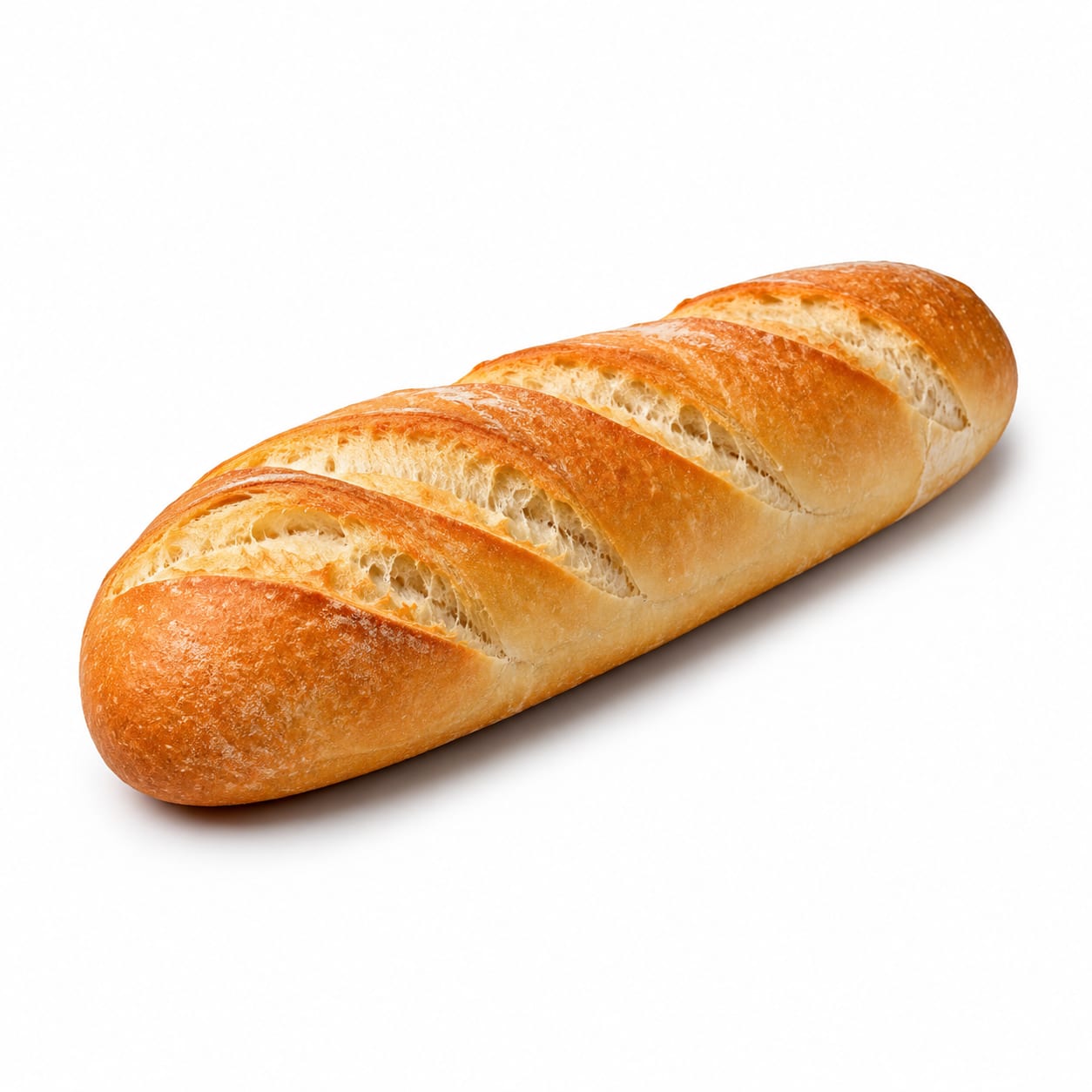
Baguette
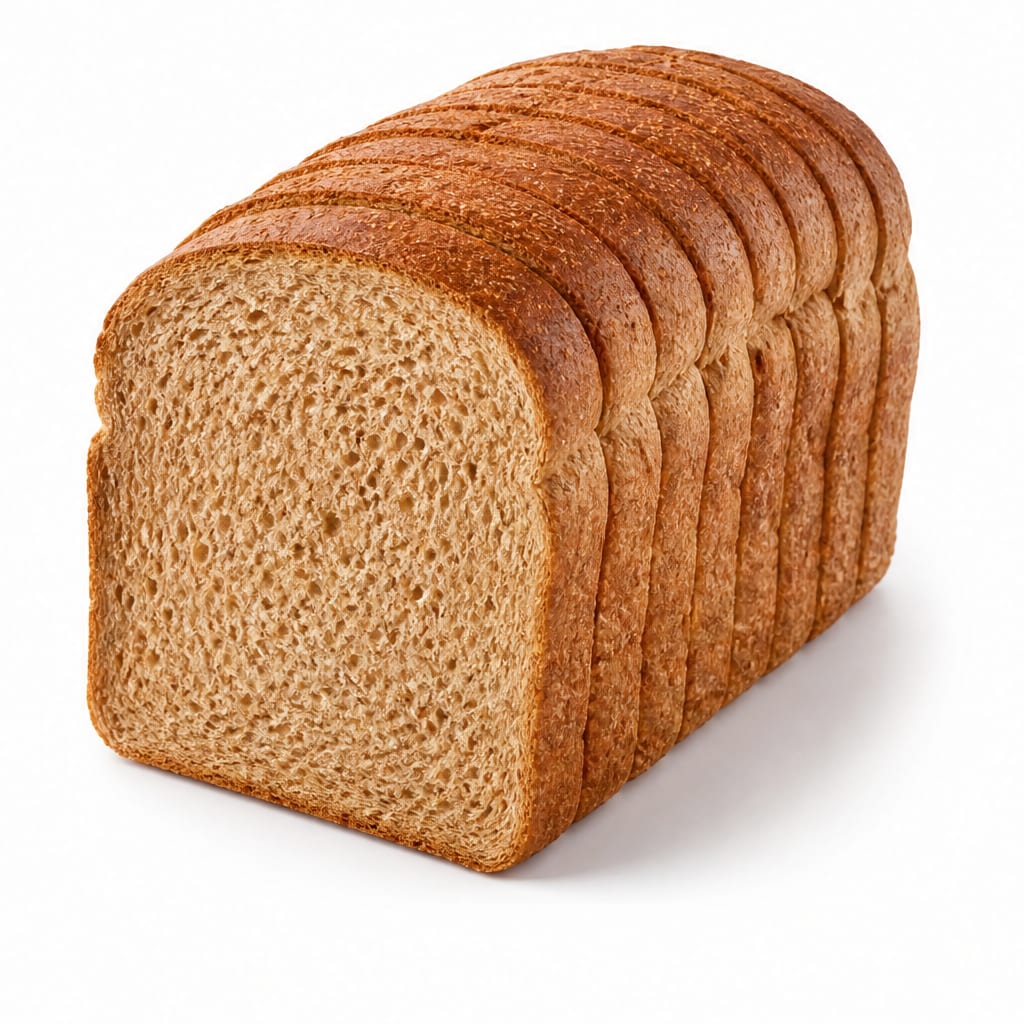
Whole Wheat Bread
Whole Wheat Bread wins for everyday health and steady energy, while Baguette is better saved for occasional enjoyment.
Whole Wheat Bread scores significantly higher due to its fiber content, steady energy release, and long-term health benefits. Baguette scores lower primarily because of rapid digestion and minimal nutritional density.
You trade the irresistible crispy texture and quick energy of a Baguette for the lasting fullness and blood sugar stability of Whole Wheat Bread.
At a glance
Executive summary
Overall
Whole Wheat Bread
Healthier
Whole Wheat Bread
More practical
Whole Wheat Bread
Daily use
Whole Wheat Bread
Key comparison lenses
blood sugar stability
Refined flour in Baguette causes rapid glucose spikes, while whole grains in Whole Wheat Bread provide steady energy.
fiber and satiety
Whole Wheat Bread keeps you full much longer due to significantly higher fiber content.
daily nutritional value
Whole Wheat Bread delivers essential nutrients stripped away during the refining process used for Baguettes.
culinary experience vs health tradeoff
Baguette offers a superior crispy texture and comforting taste, making it a common indulgence versus a daily staple.
Best choice for
Baguette
- Quick pre-workout energy
- Dipping into soups and stews
- Special occasion meals
- Making a crispy bruschetta
Whole Wheat Bread
- Daily sandwiches
- Weight management
- Steady afternoon energy
- Improving digestive health
Least suitable for
Baguette
- Diabetes management
- High-fiber diets
- Sustained focus during long workdays
Whole Wheat Bread
- Authentic French dining experiences
- Those who dislike dense bread textures
Deep comparison
Dimension by dimension
Each lens scores both foods and breaks down who each option suits.
- Dimension 1 · Priority 95Whole Wheat Bread
Fiber & Digestive Health
Baguette · 10Whole Wheat Bread · 85Whole Wheat Bread contains 3-4 times more fiber than a Baguette, making it far superior for digestion and gut health.
Tradeoff
You sacrifice the light, airy texture of a Baguette to get the dense, fiber-rich crumb of Whole Wheat Bread.
Why it matters
Fiber keeps you regular, feeds good gut bacteria, and prevents the afternoon energy crash.
Real-world impact
Eating Whole Wheat Bread at lunch means you stay full until dinner. A Baguette sandwich often leaves you hunting for snacks by 3 PM.
Baguette
- Those requiring a low-residue diet temporarily
Better for
- Managing constipation
- Sustained appetite control
Worse for
Whole Wheat Bread
- Anyone needing better digestion
- People trying to stay full longer
Better for
- Those with severe irritable bowel syndrome triggered by insoluble fiber
Worse for
- Dimension 2 · Priority 92Whole Wheat Bread
Blood Sugar Stability
Baguette · 25Whole Wheat Bread · 75Baguette causes a rapid blood sugar spike and crash, while Whole Wheat Bread provides a slow, steady energy release.
Tradeoff
The immediate satisfying rush from a Baguette comes at the cost of a sudden energy drop an hour later.
Why it matters
Frequent blood sugar spikes lead to fatigue, cravings, and increased risk of type 2 diabetes over time.
Real-world impact
A Baguette breakfast leads to a mid-morning brain fog. Whole Wheat Bread keeps your focus sharp through the morning.
Baguette
- Quick carb replenishment after intense exercise
Better for
- Diabetics
- People prone to mood swings from blood sugar drops
Worse for
Whole Wheat Bread
- Preventing afternoon energy crashes
- Managing insulin resistance
Better for
- Immediate recovery from hypoglycemia
Worse for
- Dimension 3 · Priority 85Whole Wheat Bread
Nutrient Density
Baguette · 20Whole Wheat Bread · 80Whole Wheat Bread retains the bran and germ, packing in B vitamins, iron, and magnesium lost in the refined white flour of a Baguette.
Tradeoff
You give up the pure, clean flavor of white flour for a nuttier, denser bite that carries more vitamins and minerals.
Why it matters
Eating nutrient-dense foods means your body gets what it needs without needing excess calories.
Real-world impact
Choosing Whole Wheat Bread helps you hit your daily mineral targets effortlessly, whereas a Baguette mostly offers empty calories.
Baguette
- Situations where calories are needed without filling up too fast
Better for
- Reliance on empty calories
- Long-term nutrient gaps
Worse for
Whole Wheat Bread
- Preventing nutrient deficiencies
- Supporting overall metabolic health
Better for
- Dimension 4 · Priority 70Baguette
Taste & Culinary Versatility
Baguette · 90Whole Wheat Bread · 60Baguette offers an unmatched crispy crust and chewy interior, perfect for soaking up flavors and creating satisfying textures.
Tradeoff
You compromise on nutritional value to get that perfect crunch and delicate chew that elevates a meal.
Why it matters
Food enjoyment matters for sustainability. A satisfying meal prevents feelings of deprivation that lead to bingeing.
Real-world impact
Tearing into a fresh Baguette with butter feels like a treat. Whole Wheat Bread can feel purely functional by comparison.
Baguette
- Entertaining guests
- Creating a restaurant-quality sandwich at home
- Enjoying food as a sensory experience
Better for
- Making a sandwich that stays fresh in a lunchbox all day
Worse for
Whole Wheat Bread
- Hearty, dense toast for avocado or nut butter
Better for
- Serving alongside a delicate French meal
Worse for
Timeline
Health impact over time
Short-term
Hours to days
Baguette
- Rapid energy boost followed by a crash
- Quick stomach fullness that fades rapidly
- Immediate satisfaction from comforting carbs
Whole Wheat Bread
- Sustained energy for hours
- Stable mood and focus
- Feeling comfortably full without bloating
Long-term
Months to years
Baguette
- Increased risk of insulin resistance with frequent consumption
- Higher likelihood of weight gain due to poor satiety
- Potential nutrient deficiencies if replacing whole grains
Whole Wheat Bread
- Lower risk of type 2 diabetes and heart disease
- Improved gut health and regularity
- Easier weight management due to high fiber
Risk profile
Safety & processing
Traditional Baguettes contain only flour, water, yeast, and salt, making them clean but refined. Commercial Whole Wheat Bread often contains added sugars, dough conditioners, and preservatives to improve texture and shelf life, so reading labels is crucial.
Baguette
Acrylamide formation
lowThe dark, crispy crust of a Baguette contains higher levels of acrylamide, a compound formed during high-heat baking, though the risk is minimal in moderation.
Rapid mold growth
mediumWithout preservatives, Baguettes stale and mold quickly, usually within 1-2 days, requiring careful storage or immediate consumption.
Whole Wheat Bread
Hidden additives and sugars
mediumMany store-bought Whole Wheat Breads use high fructose corn syrup or hidden sweeteners to balance the bitter taste of whole wheat, which adds unnecessary sugar.
Phytic acid interference
lowWhole grains contain phytic acid, which can slightly inhibit the absorption of minerals like iron and zinc, though this is rarely a concern in balanced diets.
Who wins for whom
Audience fit
Same foods, different winners depending on your goal.
children
Whole Wheat BreadWhole Wheat Bread provides essential nutrients for growth and steady energy for focus at school, though kids often prefer the softer texture of white bread.
daily consumption
Whole Wheat BreadWhole Wheat Bread supports long-term health, steady energy, and healthy digestion without the blood sugar rollercoaster.
diabetes
Whole Wheat BreadThe complex carbohydrates and fiber in Whole Wheat Bread prevent dangerous blood sugar spikes.
elderly
Whole Wheat BreadDigestive health and heart health are critical as we age, making the fiber and nutrients in Whole Wheat Bread highly beneficial.
muscle gain
BaguetteBaguette provides fast-digesting carbs ideal for post-workout glycogen replenishment when quick calorie intake is the goal.
weight loss
Whole Wheat BreadThe high fiber in Whole Wheat Bread keeps you full on fewer calories, preventing overeating.
Your move
Decision guide
Choose Baguette
- You need quick energy before or after a workout
- You are hosting a dinner party and want a delicious side
- You are eating a rich stew and want the best dipping vessel
- You crave a comforting, crispy treat on the weekend
Choose Whole Wheat Bread
- You want a filling sandwich that keeps you focused at work
- You are trying to improve your digestion and gut health
- You need steady energy without afternoon crashes
- You want to manage your weight without feeling deprived
Either works if
- You are simply craving toast and will pair it with plenty of protein and healthy fats
- You are eating a balanced meal where the bread is just a small side
Avoid both if
- You have celiac disease or a severe gluten intolerance
- You are following a strict low-carb or ketogenic diet
Final recommendation
Make Whole Wheat Bread your daily driver for meals where sustained energy and nutrition matter most. Save the Baguette for moments where taste and texture are the priority, like weekend dinners or post-workout refueling. If you love Baguettes, pair them with healthy fats and proteins to slow down the sugar rush.
Practical
Consumer tips
- 1
Check the ingredient list on Whole Wheat Bread: the first word should be 'whole', and it should have at least 2-3 grams of fiber per slice.
- 2
Freeze half your Baguette right away to prevent waste; it toasts up beautifully straight from the freezer.
- 3
Pair a Baguette with olive oil, avocado, or hummus instead of butter to add healthy fats that stabilize blood sugar.
- 4
Look for '100% whole wheat' on labels; 'wheat bread' often just means white bread with caramel color added.