
Nutrition comparison
Baguette vs Rye Bread: Which is Healthier?
Compare Baguette and Rye Bread to see which is better for weight loss, blood sugar, and daily energy. Discover the nutritional tradeoffs between these popular breads.
Overall winner · Rye Bread
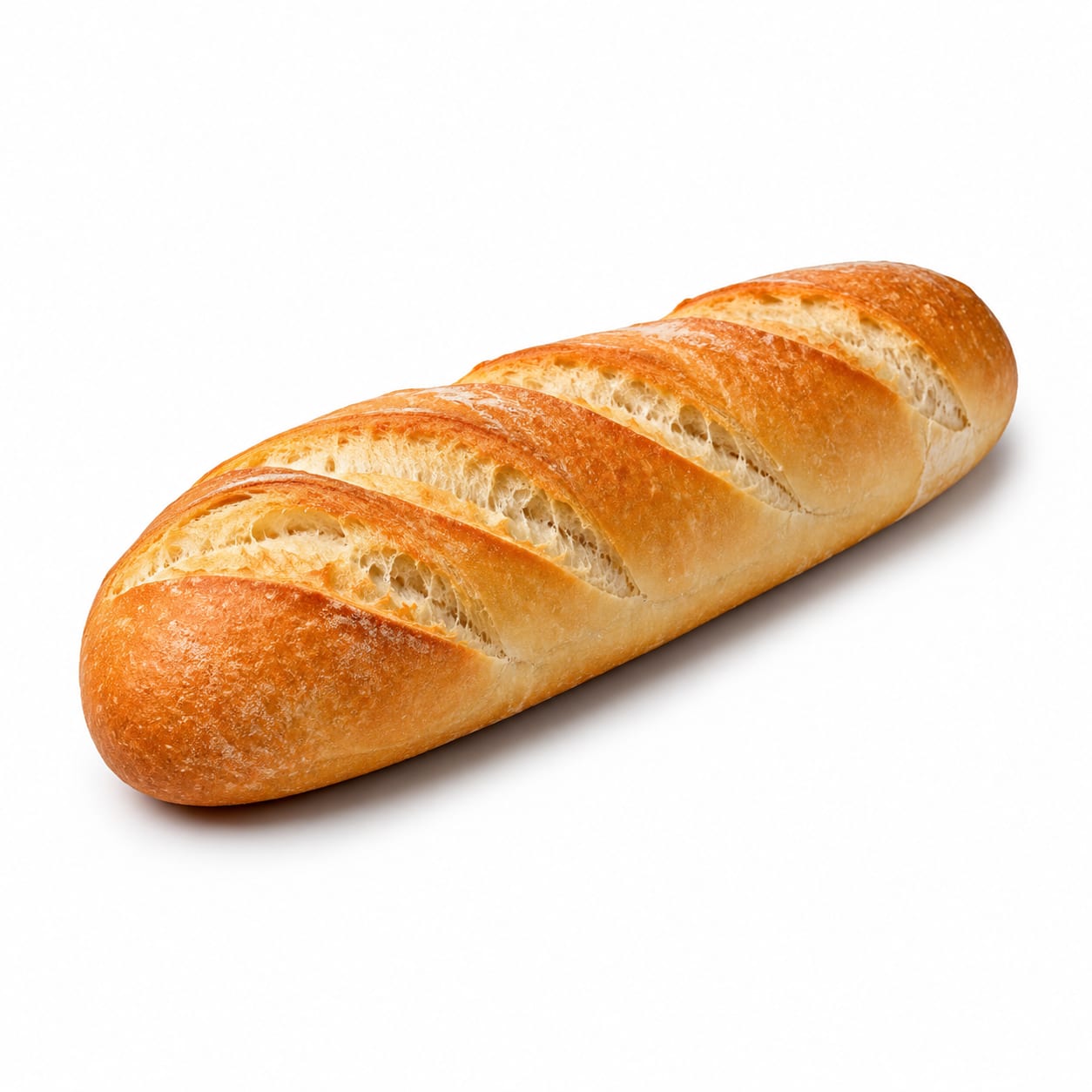
Baguette
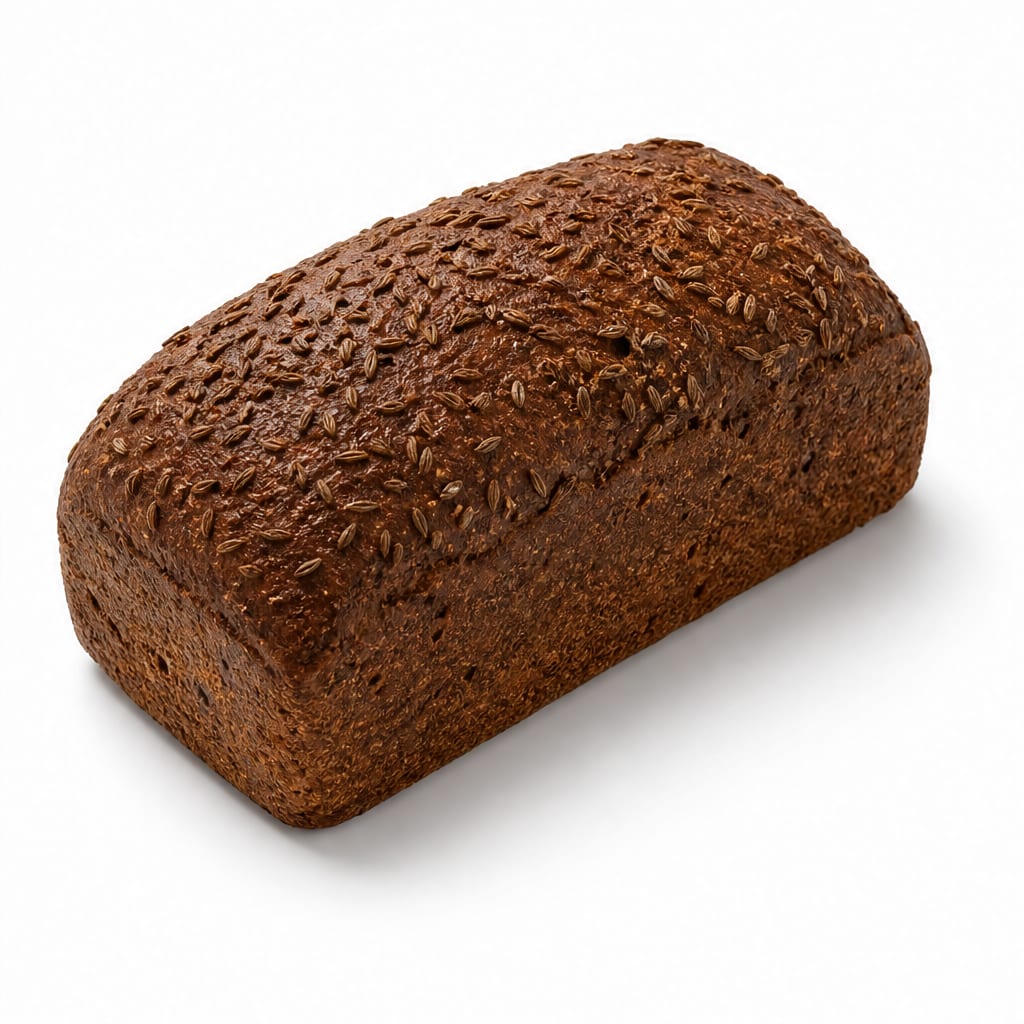
Rye Bread
Rye Bread is the stronger daily choice for steady energy and fullness, while Baguette serves better as a quick-energy or occasional treat.
Rye Bread scores significantly higher due to its superior fiber content, lower glycemic impact, and better long-term satiety, though Baguette remains a culturally beloved and useful quick-energy food.
Sustained fullness and stable blood sugar versus light texture and fast-digesting carbs.
At a glance
Executive summary
Overall
Rye Bread
Healthier
Rye Bread
More practical
Rye Bread
Daily use
Rye Bread
Key comparison lenses
blood sugar management
Baguette causes rapid blood sugar spikes due to refined flour, while Rye Bread provides slow, steady energy from whole grains.
satiety and cravings control
Rye Bread is dense and high in fiber, keeping you full for hours, whereas Baguette digests quickly and can trigger hunger soon after eating.
digestive health
The fiber in Rye Bread supports gut health and regularity, while Baguette offers minimal digestive benefit.
Best choice for
Baguette
- Pre-workout quick energy
- Light sandwich bread
- Traditional French meals
Rye Bread
- Weight management
- Blood sugar control
- High-fiber diets
Least suitable for
Baguette
- Diabetics
- Low-carb diets
- People prone to afternoon energy crashes
Rye Bread
- Those needing quick calories
- People who dislike dense bread
- Individuals with severe IBS sensitive to fructans
Deep comparison
Dimension by dimension
Each lens scores both foods and breaks down who each option suits.
- Dimension 1 · Priority 95Rye Bread
Blood Sugar Stability
Baguette · 25Rye Bread · 85Rye Bread causes a much slower, steadier rise in blood sugar compared to the rapid spike from a Baguette.
Tradeoff
You trade the instant satisfaction of white flour for long-lasting energy without the crash.
Why it matters
Preventing blood sugar spikes reduces cravings and fatigue later in the day.
Real-world impact
Eating Rye Bread for lunch means you are less likely to crave a snack at 3 PM.
Baguette
- Immediate post-workout carb replenishment
Better for
- Sustained focus during long work meetings
Worse for
Rye Bread
- Avoiding the afternoon energy crash
- Managing insulin resistance
Better for
- Quick recovery after an intense endurance event
Worse for
- Dimension 2 · Priority 90Rye Bread
Satiety & Fullness
Baguette · 30Rye Bread · 88Rye Bread is far more filling due to its dense fiber content, while Baguette digests rapidly.
Tradeoff
Dense and filling versus light and easy to overeat.
Why it matters
Higher satiety naturally helps with portion control and weight management.
Real-world impact
A single slice of Rye Bread with avocado will keep you full much longer than a Baguette slice with the same topping.
Baguette
- When you want a light meal that won't make you feel sluggish
Better for
- Controlling hunger on a calorie deficit
Worse for
Rye Bread
- Staying full between meals
- Reducing overall calorie intake naturally
Better for
- Eating right before a run
Worse for
- Dimension 3 · Priority 85Rye Bread
Digestive Health
Baguette · 20Rye Bread · 90The high fiber in Rye Bread feeds gut bacteria and promotes regularity, whereas Baguette offers minimal fiber.
Tradeoff
Gut-friendly fiber versus easier digestibility for sensitive stomachs.
Why it matters
A healthy gut microbiome impacts everything from immunity to mood.
Real-world impact
Regular Rye Bread consumption supports smoother digestion and less bloating from constipation.
Baguette
- Those with acute digestive flare-ups needing low-fiber foods temporarily
Better for
- Meeting daily fiber goals
Worse for
Rye Bread
- Supporting a healthy gut microbiome
- Preventing constipation
Better for
- People with severe IBS who struggle with high-fiber grains
Worse for
- Dimension 4 · Priority 70It depends
Versatility & Culinary Experience
Baguette · 80Rye Bread · 75Baguette offers a crispy crust and airy crumb perfect for light sandwiches, while Rye Bread brings a dense, earthy flavor ideal for hearty toppings.
Tradeoff
Light, neutral canvas versus robust, flavorful base.
Why it matters
Enjoyment dictates long-term dietary adherence.
Real-world impact
Baguette is perfect for a quick ham and butter sandwich, while Rye Bread shines with smoked fish and cream cheese.
Baguette
- Bruschetta
- Light deli sandwiches
- Soup dipping
Better for
- Holding heavy, moist toppings without getting soggy
Worse for
Rye Bread
- Open-faced sandwiches
- Smoked fish pairings
- Hearty breakfasts
Better for
- Delicate flavors that get overpowered by the bread
Worse for
Timeline
Health impact over time
Short-term
Hours to days
Baguette
- Quick burst of energy
- Rapid blood sugar rise
- Light feeling in the stomach
Rye Bread
- Steady energy release
- Feeling of fullness
- Slower digestion
Long-term
Months to years
Baguette
- Increased risk of insulin resistance if eaten frequently
- Potential for weight gain due to low satiety
- Minimal fiber benefits
Rye Bread
- Better blood sugar management
- Improved gut health
- Easier weight maintenance
Risk profile
Safety & processing
Both are traditionally made with simple ingredients, but Baguette relies on refined white flour, whereas authentic Rye Bread uses whole grain rye, retaining more of the natural kernel.
Baguette
Acrylamide formation
lowCrusty breads like Baguette can form acrylamide during high-heat baking, though levels are generally safe.
Gluten overconsumption
mediumHigh gluten content from refined wheat can irritate sensitive individuals.
Rye Bread
Phytic acid interference
lowWhole grain rye contains phytic acid which can slightly reduce mineral absorption, though this is usually mitigated by sourdough fermentation.
Fructan sensitivity
mediumRye contains high levels of fructans, which can trigger bloating and symptoms in those with IBS or FODMAP sensitivities.
Who wins for whom
Audience fit
Same foods, different winners depending on your goal.
children
It dependsBaguette is often preferred by kids for its mild taste and soft texture, but Rye Bread provides better nutrition for growing bodies.
daily consumption
Rye BreadDaily Rye Bread consumption supports long-term metabolic and digestive health far better than refined white flour.
diabetes
Rye BreadThe low glycemic index and high fiber of Rye Bread prevent dangerous blood sugar spikes.
elderly
Rye BreadRye Bread supports digestive regularity and stable blood sugar, which are crucial for older adults.
muscle gain
BaguetteBaguette provides fast-digesting carbohydrates that are useful for post-workout glycogen replenishment.
weight loss
Rye BreadRye Bread's high fiber and dense texture keep you full longer, naturally reducing overall calorie intake.
Your move
Decision guide
Choose Baguette
- You need quick carbs right after a heavy workout
- You are making a light sandwich and prefer an airy texture
- You are serving a cheese board and want a neutral vessel
Choose Rye Bread
- You want to stay full until your next meal
- You need to manage blood sugar levels
- You are building a hearty open-faced sandwich with strong flavors
Either works if
- You just want a bread side for a bowl of soup
- You are eating it as an occasional treat rather than a daily staple
Avoid both if
- You have celiac disease or severe gluten intolerance
- You are on a strict ketogenic or very low-carb diet
Final recommendation
Make Rye Bread your daily driver for sandwiches and toast to reap the benefits of fiber and stable energy, but keep Baguette as a weekend or post-workout treat when you want that crispy, light satisfaction.
Practical
Consumer tips
- 1
Look for whole grain rye or pumpernickel; dark rye breads colored with molasses do not offer the same fiber benefits.
- 2
Sourdough rye is the best choice, as fermentation lowers gluten and phytic acid while boosting nutrient availability.
- 3
If choosing a Baguette, pair it with protein and healthy fats like eggs or avocado to slow down the sugar spike.
- 4
Freeze sliced Rye Bread if you do not eat it fast enough, as it lacks the preservatives of commercial white breads.