
Nutrition comparison
Baguette vs Pita Bread: Which is Healthier?
Compare Baguette and Pita Bread to see which is better for weight loss, blood sugar, and daily meals. Discover the nutritional tradeoffs and find out which bread wins.
Overall winner · Pita Bread
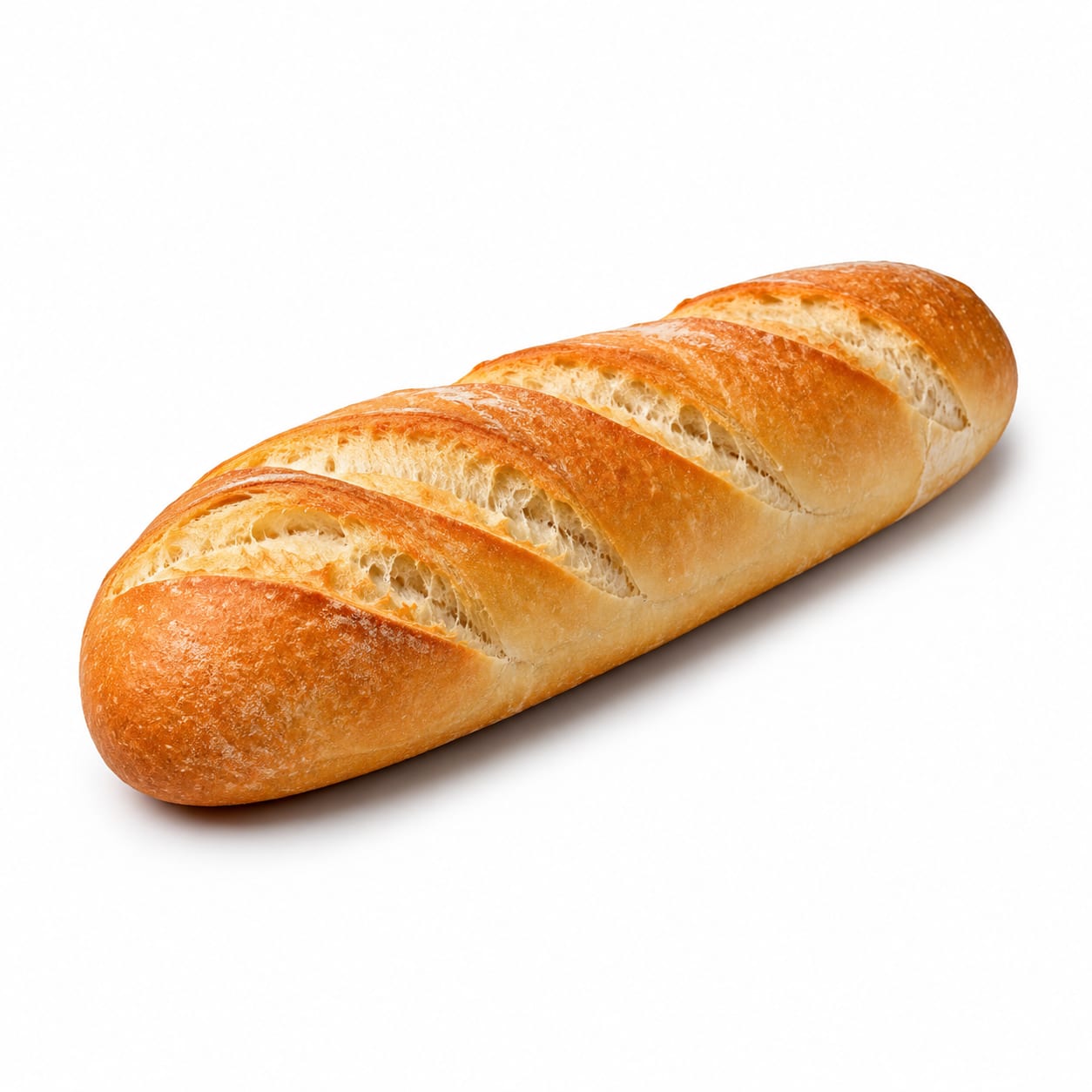
Baguette
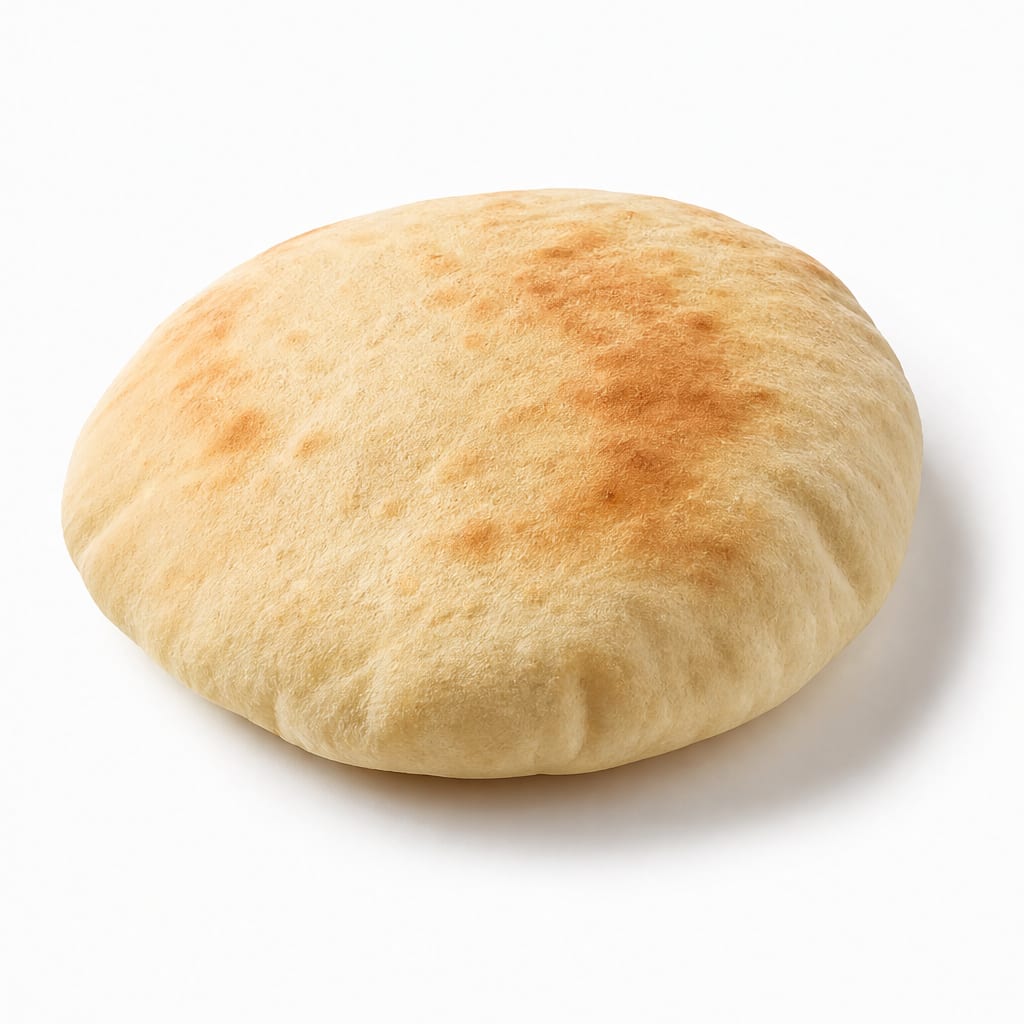
Pita Bread
Pita Bread edges out Baguette thanks to better portion control, easier access to whole grain options, and steadier energy.
Pita Bread scores higher primarily due to built-in portion control and the widespread availability of whole wheat options. Baguette remains a culturally beloved staple but is typically made from refined flour and is very easy to overeat.
You trade the irresistible crispy crust and chewy texture of a Baguette for the portion predictability and nutritional flexibility of Pita Bread.
At a glance
Executive summary
Overall
Pita Bread
Healthier
Pita Bread
More practical
Pita Bread
Daily use
Pita Bread
Key comparison lenses
Blood sugar impact and glycemic load
Both are dense carb sources, but differences in flour type and portion size heavily impact blood sugar stability.
Portion control and overeating risk
A baguette lacks natural portion boundaries, making it easy to overconsume, while a pita is a self-contained unit.
Meal versatility and practicality
Pita pockets offer a convenient vessel for packed lunches, whereas baguettes are better for open-faced or pressed sandwiches.
Fiber content and digestive health
Pita is more commonly available in whole wheat varieties, offering a distinct fiber advantage over traditional white baguettes.
Best choice for
Baguette
- Building a crispy, satisfying deli sandwich
- Soup dipping and appetizer spreads
- Authentic French dining experiences
Pita Bread
- Stuffing with lean proteins and veggies for a quick lunch
- Managing carb intake without giving up bread
- Creating healthier Mediterranean-style meals
Least suitable for
Baguette
- Strict blood sugar management
- Low-calorie or portion-controlled diets
- Portable, mess-free on-the-go meals
Pita Bread
- Craving a crunchy, crusty bread experience
- Serving with charcuterie and cheese boards where texture matters
Deep comparison
Dimension by dimension
Each lens scores both foods and breaks down who each option suits.
- Dimension 1 · Priority 90Pita Bread
Blood Sugar Stability
Baguette · 40Pita Bread · 65Pita Bread causes a slower blood sugar rise, especially when choosing whole wheat versions.
Tradeoff
A traditional white Baguette delivers rapid energy but risks a crash, while whole wheat Pita Bread offers steadier fuel but less immediate satisfaction.
Why it matters
Avoiding blood sugar spikes helps prevent afternoon energy crashes and reduces cravings.
Real-world impact
Eating a Baguette sandwich can leave you hungry again by 2 PM, whereas a whole wheat pita pocket keeps you full until dinner.
Baguette
- Pre-workout quick energy
Better for
- Sustained focus during long workdays
Worse for
Pita Bread
- Preventing the afternoon slump
- Managing prediabetes or insulin resistance
Better for
- Immediate carb-loading for intense activity
Worse for
- Dimension 2 · Priority 85Pita Bread
Portion Control
Baguette · 35Pita Bread · 80A single Pita is a natural portion boundary, while a Baguette is notoriously easy to overeat.
Tradeoff
You get unlimited flexibility in slice size with a Baguette, but that freedom easily leads to consuming two or three servings without realizing it.
Why it matters
Unconscious overeating is one of the biggest barriers to weight maintenance.
Real-world impact
Tearing off 'just one more end' of a Baguette can add 200+ hidden calories before the main meal even starts.
Baguette
- Sharing bread at a group dinner
Better for
- Mindful eating and weight loss
Worse for
Pita Bread
- Meal prepping packed lunches
- Sticking to a calorie budget
Better for
- Serving variable appetizer portions for a crowd
Worse for
- Dimension 3 · Priority 75Pita Bread
Satiety & Fiber
Baguette · 45Pita Bread · 70Whole wheat Pita Bread provides significantly more fiber, keeping you fuller for longer.
Tradeoff
A white Baguette is lighter on the stomach initially but digests quickly, while a fibrous Pita feels heavier but sustains you much better.
Why it matters
Fiber is crucial for long-term fullness and healthy digestion.
Real-world impact
A whole wheat pita sandwich holds you over for hours, whereas a Baguette sub might have you reaching for a snack an hour later.
Baguette
- Light meals when you don't want a heavy feeling
Better for
- Fighting mid-morning hunger pangs
Worse for
Pita Bread
- Long workdays without break time
- Improving daily digestion
Better for
- Pre-race meals where you want low residue
Worse for
- Dimension 4 · Priority 70Baguette
Culinary Experience & Texture
Baguette · 90Pita Bread · 65The crispy crust and chewy interior of a fresh Baguette is a sensory experience that Pita Bread simply cannot match.
Tradeoff
You sacrifice the superior crunch and artisanal satisfaction of a Baguette for the utilitarian, soft pocket of a Pita.
Why it matters
Enjoyment and satisfaction are vital for sticking to a way of eating without feeling deprived.
Real-world impact
Dipping a torn piece of crusty Baguette into olive oil feels like a treat; eating a Pita feels like a practical choice.
Baguette
- Enhancing a cheese or charcuterie board
- Romantic or weekend dinner sides
Better for
- Eating on the go without a plate
Worse for
Pita Bread
- Stuffing with messy ingredients without leaking
- Quick weekday meals
Better for
- Creating an impressive appetizer spread
Worse for
Timeline
Health impact over time
Short-term
Hours to days
Baguette
- Quick energy spike followed by a potential crash
- Can feel deceptively light, leading to overconsumption before fullness signals register
Pita Bread
- Steadier, more sustained energy release
- More filling immediately after eating due to density and potential whole grain fiber
Long-term
Months to years
Baguette
- Frequent consumption of refined carbs may contribute to insulin resistance over time
- Higher risk of unintentional weight gain due to easy overeating
Pita Bread
- Choosing whole wheat versions supports heart health and improved cholesterol
- Better weight management due to built-in portion sizes and higher fiber
Risk profile
Safety & processing
Traditional Baguettes are made from just flour, water, yeast, and salt, making them incredibly clean. Store-bought Pita Bread often contains preservatives, dough conditioners, or added sugars to extend shelf life and maintain flexibility in the pocket.
Baguette
Acrylamide exposure
lowThe dark, crispy crust of a Baguette contains higher levels of acrylamide, a compound formed during high-heat baking, though the health risk from moderate consumption is minimal.
Pita Bread
Mold growth
mediumPackaged Pita Bread can develop mold quickly due to trapped moisture inside the bag and pocket, requiring vigilant storage and quick use after opening.
Who wins for whom
Audience fit
Same foods, different winners depending on your goal.
children
Pita BreadPita pockets are fun to eat, easier to pack for school lunches, and hold nutritious fillings neatly.
daily consumption
Pita BreadThe nutritional profile of whole wheat Pita and its portion predictability make it a safer everyday staple.
diabetes
Pita BreadWhole wheat Pita has a lower glycemic index and more fiber, making blood sugar management significantly easier.
elderly
Pita BreadSoft Pita is much easier to chew for those with dental issues compared to the hard, crusty exterior of a Baguette.
muscle gain
It dependsBoth provide easily accessible carbs for glycogen replenishment; the choice depends on whether you need quick carbs (Baguette) or sustained energy (Pita).
weight loss
Pita BreadDefined portions and higher fiber in whole wheat Pita make it far easier to manage calories and stay full.
Your move
Decision guide
Choose Baguette
- You are serving soup, cheese, or charcuterie and want the best texture
- You need quick-digesting carbs before a heavy workout
- You only eat bread occasionally and want the most satisfying experience
Choose Pita Bread
- You want a reliable, mess-free vessel for sandwich fillings
- You are trying to manage your weight or blood sugar
- You need a daily lunch staple that won't spike and crash your energy
Either works if
- You are making breakfast toast or avocado toast
- You need a base for a bread-based salad like panzanella or fattoush
Avoid both if
- You are strictly limiting carbohydrates for a ketogenic diet
- You have a severe gluten intolerance or celiac disease
Final recommendation
Keep Pita Bread as your everyday workhorse for lunches and snacks—especially whole wheat for the fiber and blood sugar benefits. Save the Baguette for the weekends or special occasions when the crispy, chewy experience is the whole point of the meal.
Practical
Consumer tips
- 1
Always check the ingredient list on Pita Bread; many commercial brands sneak in added sugars and preservatives that you don't find in a bakery Baguette.
- 2
Freeze half of your Baguette the moment you get home to prevent staling and remove the temptation to eat the whole loaf in one sitting.
- 3
Opt for whole wheat Pita whenever possible—it doubles the fiber content and dramatically improves the nutritional profile compared to white versions.
- 4
Warm Pita Bread slightly before eating to make it more pliable for stuffing without tearing the pocket.