
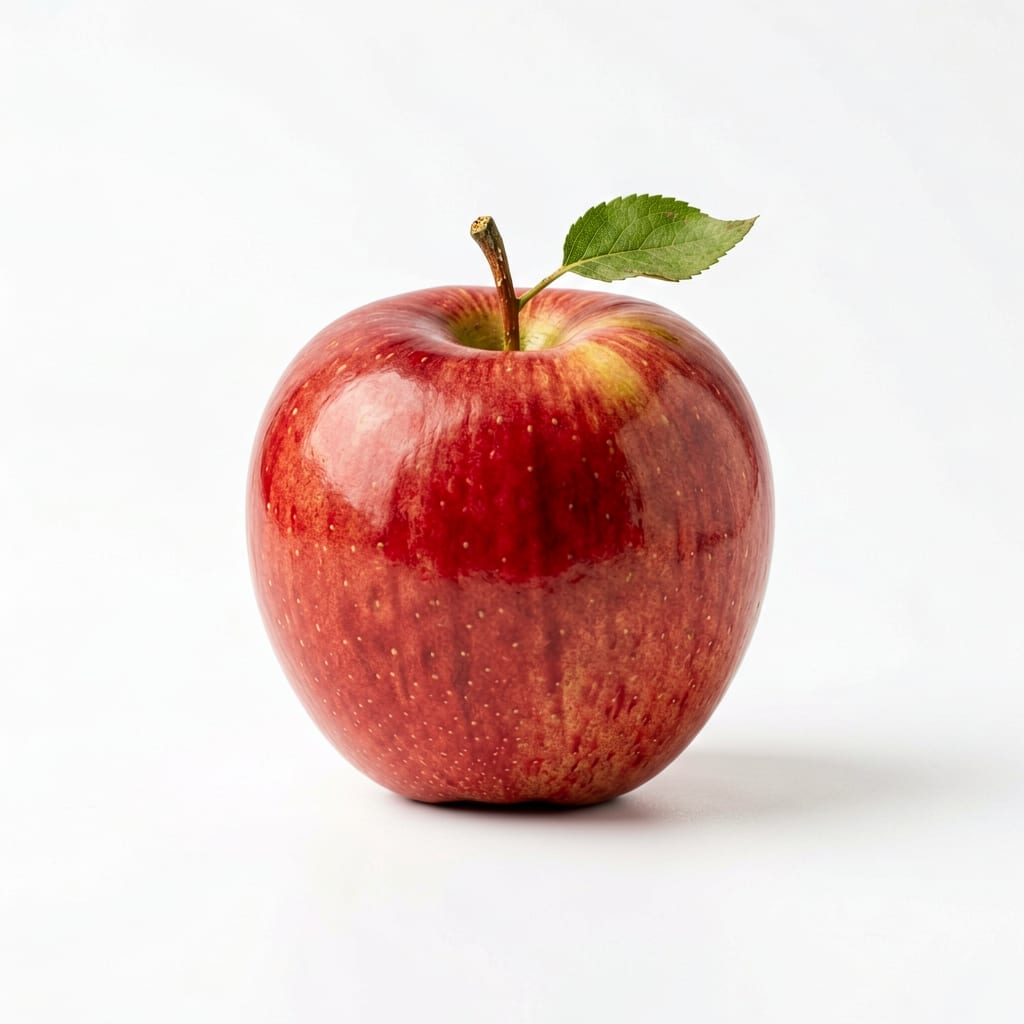
Fresh Fruit
Apple
A crisp, fiber-rich fruit with low calorie density and blood sugar-friendly carbohydrates.
Apples are one of the most widely consumed fruits globally, valued for their crisp texture, natural sweetness, and portability. They contain pectin fiber, polyphenols, and vitamin C, making them a popular choice for health-conscious consumers.
High-volume low-calorie fruit with moderate fiber and natural sugars
Typical serving · 182g
Common varieties · Fuji, Gala, Granny Smith, Honeycrisp, Red Delicious +3 more
Overall context score across nutrition, safety, and diet fit
At a glance
Quick facts
Simple indicators based on nutrition, processing, and diet fit.
The story
What makes it unique
Apples are high-volume, low-energy-density foods with moderate fiber content (primarily pectin) that slows digestion and supports satiety. The combination of soluble fiber, water content (~86%), and low glycemic index (~36) creates a blood sugar-friendly profile. Polyphenol antioxidants concentrate in the peel. Minimal processing preserves nutrient integrity.
Varieties: Fuji · Gala · Granny Smith · Honeycrisp · Red Delicious · Golden Delicious · Pink Lady · Braeburn
Per 100g
Nutrition breakdown
Macro balance and key metrics at a glance.
Energy
Density 0.52 kcal/g
Protein
Carbs
Fat
Fiber
Sugar
10.4 g
Sodium
1 mg
Potassium
107 mg
Glycemic index
36
Glycemic load
5
Water content
86%
Standout compounds
Nutrient highlights
Pectin (Soluble Fiber)
moderateForms gel during digestion that slows gastric emptying, feeds beneficial gut bacteria, and supports cholesterol management
Polyphenols (Quercetin, Catechin)
moderateAntioxidants concentrated in peel that support heart health, reduce inflammation, and promote gut microbiome diversity
Vitamin C
lowSupports immune function and collagen synthesis, though apples provide modest amounts (4.6mg per 100g)
Potassium
lowElectrolyte supporting blood pressure regulation and muscle function, though amounts are moderate (107mg per 100g)
Wellness map
Health scores & processing
NOVA processing scale
Unprocessed · Whole food
Whole fresh apples are unprocessed foods requiring only washing before consumption. They retain their natural fiber matrix, water content, and nutrient profile.
Diet compatibility
- Weight loss
- Muscle gain
- Diabetes
- Gut health
- Low carb
- High protein
- Heart health
Relative standing
Food rankings
Qualitative ranks compared to similar whole foods.
- Satietygood
- Blood sugarexcellent
- Nutrient densitymoderate
- Fitness fuelmoderate
- Processing qualityexcellent
Eat with confidence
Food safety profile
Conventionally grown apples typically contain detectable pesticide residues from multiple chemical applications during growth and post-harvest storage. The protective peel reduces microbial contamination risk but may retain surface pesticides.
Evidence confidence 85%
- Pesticidesmoderate
- Antibioticslow
- Heavy metalslow
- Contaminationlow
Watch for
- Pesticide residues (diphenylamine, thiabendazole, fludioxonil)
- Surface bacteria (generally low risk)
- Fungicides used post-harvest
Safer choices
Choose organic apples when budget allows, especially for frequent consumers. Thoroughly wash conventional apples under running water and consider peeling if pesticide exposure is a concern, though peeling removes beneficial fiber and polyphenols.
Prep tips
Rinse thoroughly under running water for 30 seconds while rubbing the surface. A baking soda solution (1 teaspoon per 2 cups water) may reduce surface residues more effectively than water alone.
Apples consistently rank on the Environmental Working Group's Dirty Dozen list due to detectable pesticide residues, though residues remain within regulatory limits.
Deep dive
Health analysis
How this food may fit different goals and preparation choices.
Weight loss
Apples excel for weight loss due to low energy density (0.52 cal/g) and high water content. Eating a medium apple before meals may reduce subsequent calorie intake by increasing fullness. The fiber-to-calorie ratio supports volume eating strategies.
Blood sugar
Low glycemic index (36) and glycemic load (5) make apples suitable for blood sugar management. Fiber slows carbohydrate absorption, preventing rapid glucose spikes. Eating with protein or fat further moderates impact.
Fitness & energy
Apples provide quick-digesting natural sugars useful 30-60 minutes pre-workout for light activity. However, they lack protein for recovery and provide insufficient carbohydrates for intense endurance training compared to bananas or dates.
Gut health
Pectin fiber acts as a prebiotic, feeding beneficial Bifidobacteria and Lactobacilli strains. Polyphenols in the peel also support microbiome diversity. Regular apple consumption is associated with improved gut barrier function.
Processing quality
Whole apples are unprocessed foods retaining their natural nutrient matrix. Apple products like juice, sauce, and dried apples lose fiber, concentrate sugars, and have significantly higher glycemic responses.
Food safety
Conventionally grown apples often contain multiple pesticide residues. While regulatory limits are met, frequent consumers may prefer organic options. Washing reduces but does not eliminate all surface residues.
Common mistakes
Drinking apple juice instead of eating whole apples removes fiber and concentrates sugars, eliminating blood sugar and satiety benefits. Peeling apples discards beneficial polyphenols and half the fiber content.
Best preparation
Eat whole with peel for maximum fiber and polyphenols. Slicing and pairing with protein (nut butter, cheese) enhances satiety and blood sugar control. Baking or cooking apples maintains fiber but reduces some heat-sensitive vitamins.
Practical guide
Best use cases
When and how this food fits real eating patterns.
Pre-meal satiety booster
Eat 15-20 minutes before meals to reduce appetite and subsequent calorie intake through fiber-induced fullness.
High-volume low-calorie snacking
Perfect for volume eating strategies where large portions create psychological satisfaction without excessive calories.
Portable healthy snack
Requires no preparation or refrigeration, making it ideal for work, travel, or on-the-go nutrition.
Blood sugar-friendly dessert alternative
Natural sweetness satisfies cravings while fiber moderates blood sugar response compared to processed sweets.
Light pre-workout fuel
Provides easily digestible carbohydrates 30-60 minutes before moderate-intensity exercise or cardio sessions.
Balance sheet
Pros & cons
Upsides
- Very low energy density (0.52 cal/g) excellent for weight management
- Low glycemic index (36) suitable for blood sugar control
- Portable and requires no preparation or refrigeration
- Pectin fiber supports gut health and satiety
- Unprocessed whole food with intact nutrient matrix
- Affordable and widely available year-round
- Long shelf life compared to many fruits
Trade-offs
- Conventionally grown varieties often contain pesticide residues
- Moderate fiber content (2.4g) lower than berries or pears
- Minimal protein content limits post-workout recovery utility
- Not compatible with strict low-carb or ketogenic diets
- Lower vitamin and mineral density compared to some tropical fruits
- Sugar content may be problematic in juice or dried forms
Fit check
Who is it for?
Great match
- Weight loss and calorie deficit diets
- Blood sugar management and diabetes
- High-volume eating strategies
- Gut health and microbiome support
- Heart-healthy dietary patterns
- Portable healthy snacking
- Pre-meal appetite control
Consider alternatives
- Strict ketogenic diets (13.8g net carbs per 100g)
- High-protein muscle-building diets (0.3g protein per 100g)
- Intense endurance training fuel (insufficient carbohydrates)
- Post-workout recovery (lacks protein)
- Those seeking high vitamin C content (better sources available)
- People with fructose malabsorption (may cause digestive discomfort)
Side by side
How it compares
Open the full head-to-head analysis for nutrition, safety, and practical tradeoffs.
This food
Apple
VS75% alike
Compare with
Banana
Apples are lower in calories (52 vs 89 per 100g) and have lower glycemic impact, making them better for weight loss and blood sugar control. Bananas provide more potassium, faster-digesting carbs, and better workout fuel. Both offer similar fiber content.
Apples are better for weight loss with fewer calories and lower blood sugar impact. Bananas provide more energy and potassium for workouts.
This food
Apple
VS70% alike
Compare with
Orange
Apples and oranges have similar calories (52 vs 47 per 100g) and fiber. Oranges provide significantly more vitamin C (53mg vs 4.6mg) and folate. Apples offer slightly more pectin fiber for gut health and satiety. Both are low-glycemic choices.
Both are excellent low-calorie choices. Oranges provide more vitamin C, while apples offer better satiety from pectin fiber.
This food
Apple
VS65% alike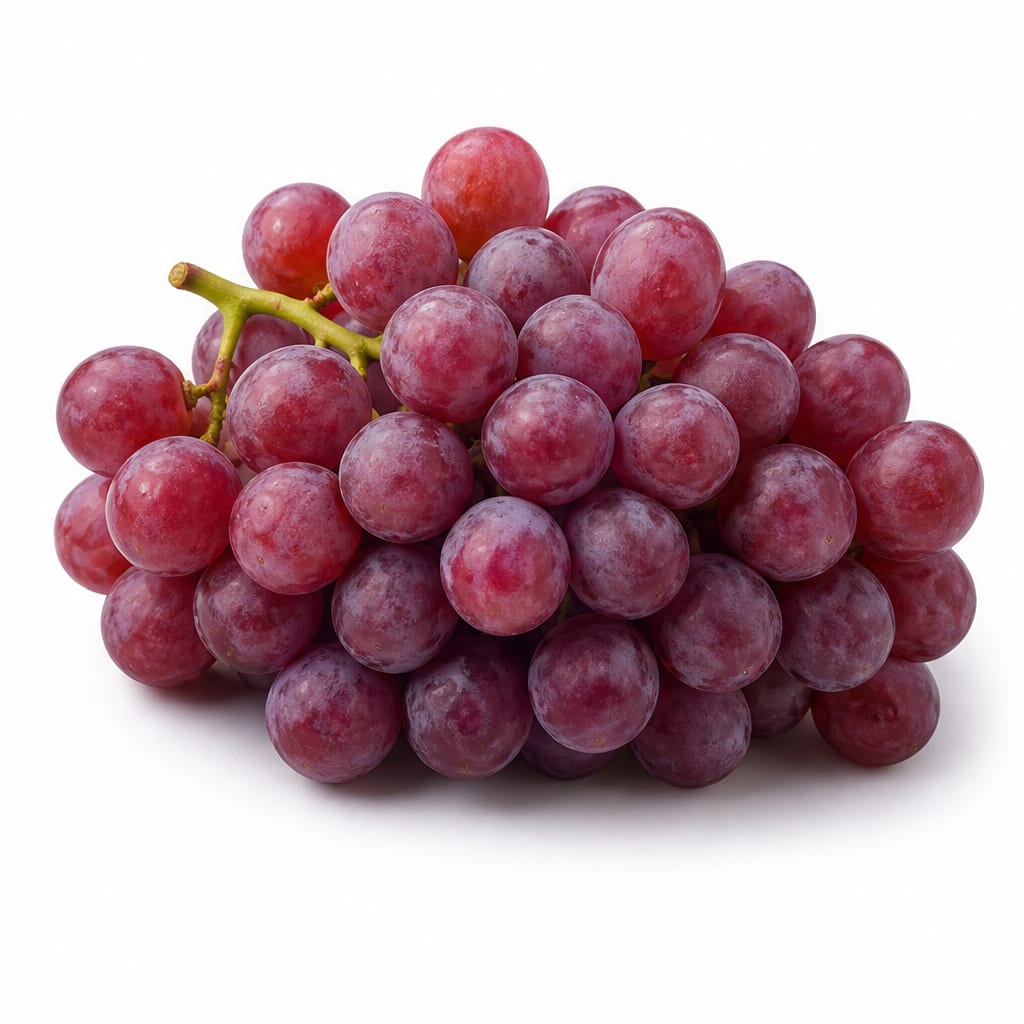
Compare with
Grapes
Apples are significantly better for weight loss and blood sugar control. Grapes contain more sugar (16g vs 10.4g per 100g), higher glycemic index (59 vs 36), and less fiber (0.9g vs 2.4g). Grapes provide more convenient portion control but less satiety per calorie.
Apples are superior for weight loss and blood sugar control due to lower sugar content, more fiber, and better satiety.
This food
Apple
VS60% alike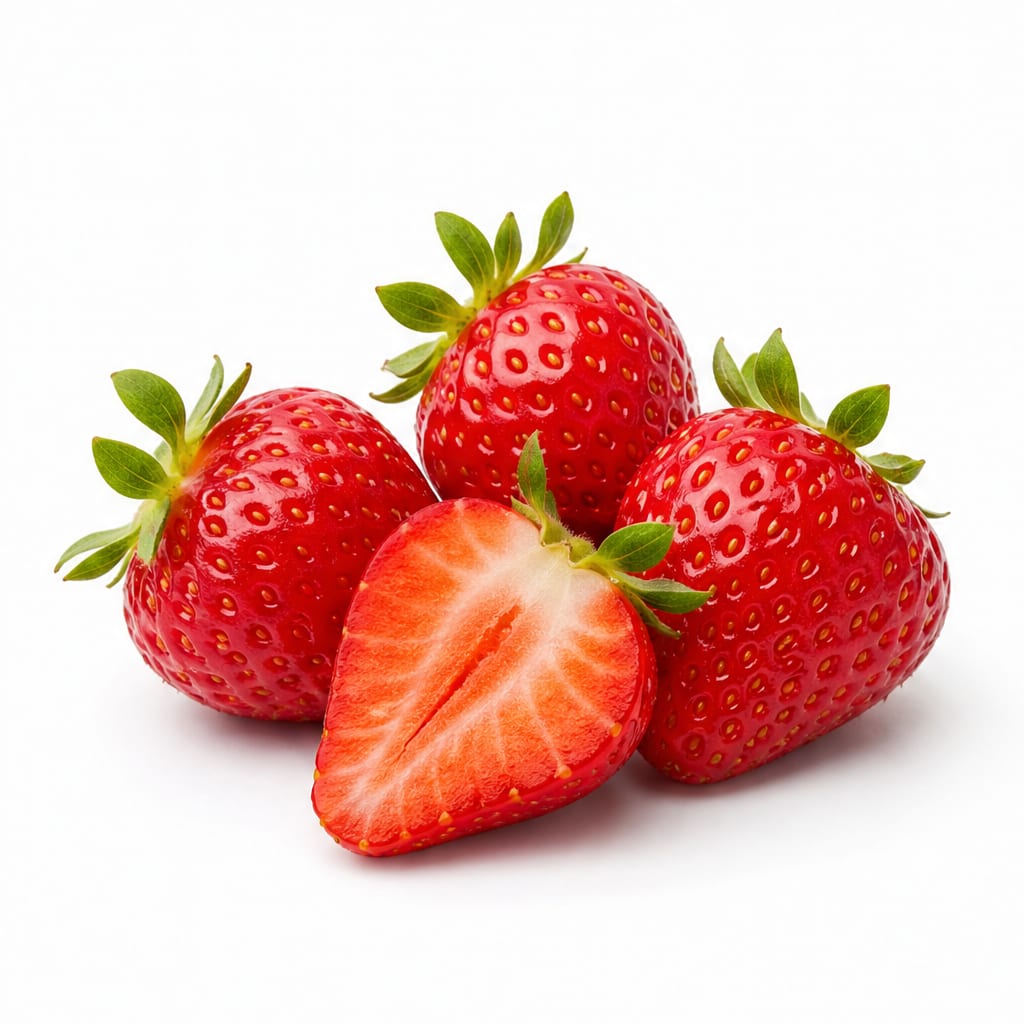
Compare with
Strawberries
Strawberries are lower in calories (32 vs 52 per 100g) and sugar (4.9g vs 10.4g), making them exceptional for weight loss. Both have low glycemic index. Strawberries provide more vitamin C (58.8mg vs 4.6mg). Apples offer better portability and longer shelf life.
Strawberries are lower in calories and sugar, making them better for weight loss. Apples are more portable and provide more energy.
This food
Apple
VS85% alike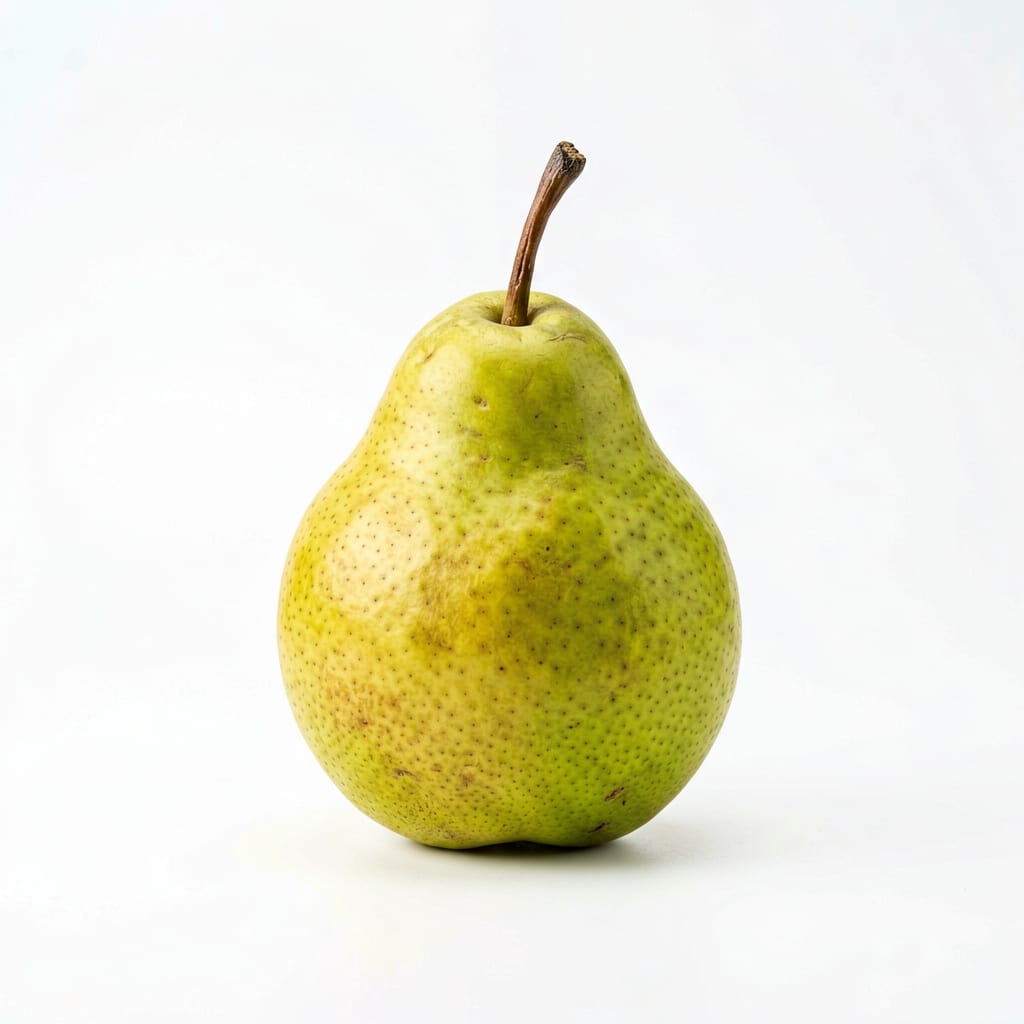
Compare with
Pear
Pears and apples are remarkably similar nutritionally. Pears have slightly more calories (57 vs 52 per 100g) and fiber (3.1g vs 2.4g). Both have low glycemic index. Pears provide more sorbitol, which may affect digestive comfort. Apples typically have longer shelf life.
Nearly identical nutrition profiles. Pears offer slightly more fiber, while apples have fewer calories and better storage life.
This food
Apple
VS55% alike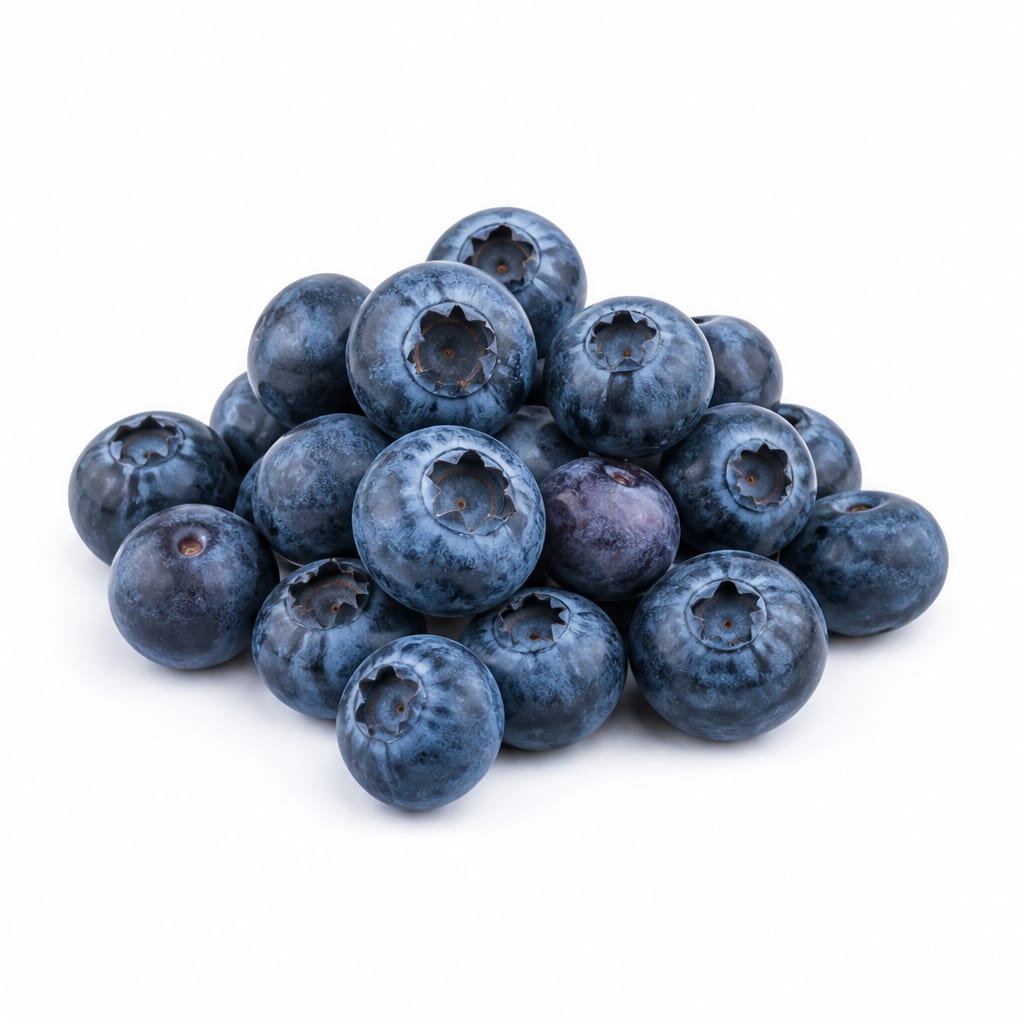
Compare with
Blueberries
Blueberries provide superior antioxidant content and similar calories (57 vs 52 per 100g). Both have low glycemic index. Apples offer better satiety from larger portion size and pectin fiber. Blueberries are more expensive and have shorter shelf life but higher nutrient density.
Blueberries have more antioxidants. Apples provide better satiety, portability, and value per serving.
This food
Apple
VS50% alike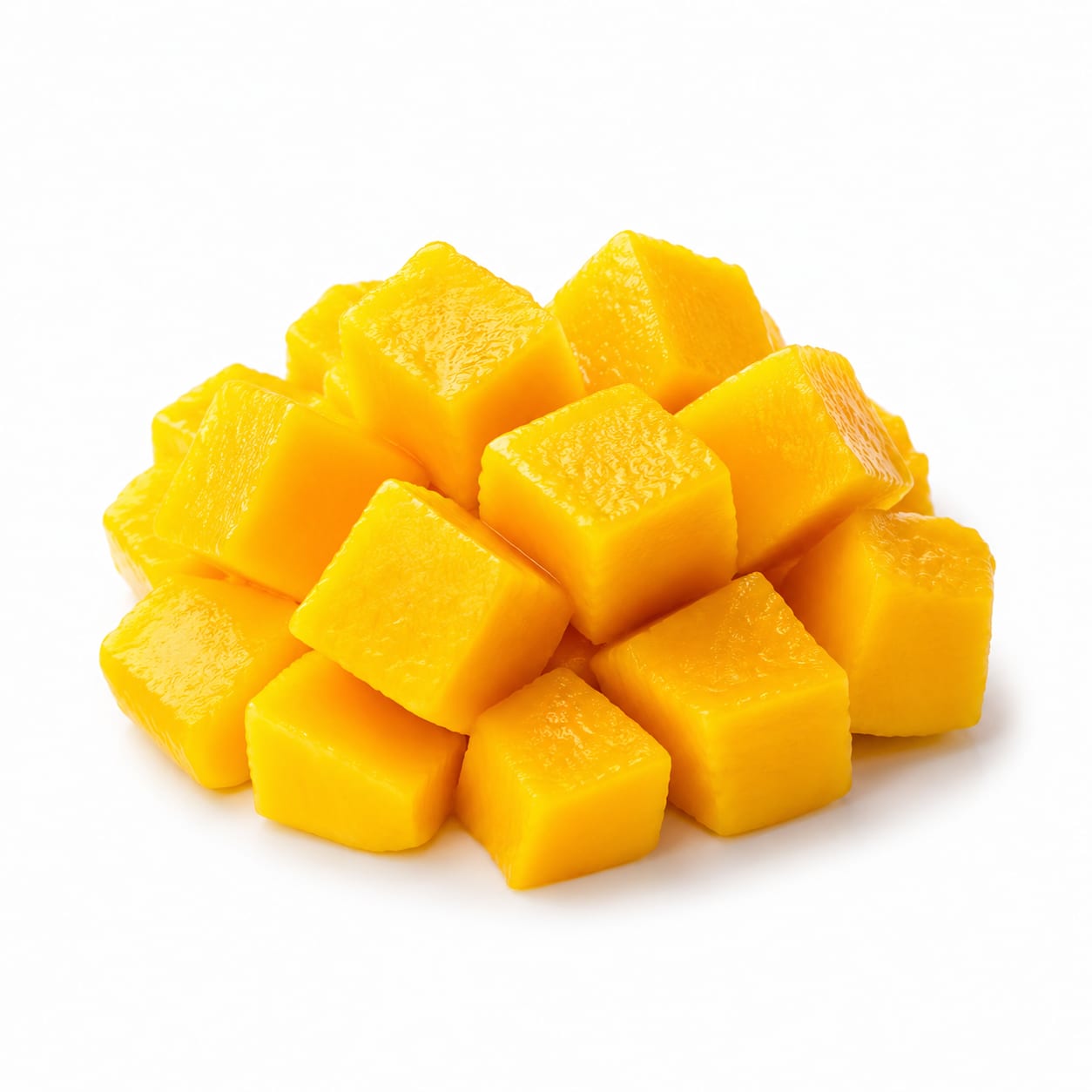
Compare with
Mango
Apples are much better for weight loss and blood sugar control. Mangoes have more calories (60 vs 52 per 100g), higher sugar (13.7g vs 10.4g), and higher glycemic index (51 vs 36). Mangoes provide more vitamin C and A. Apples offer better satiety and year-round availability.
Apples are better for weight loss and blood sugar. Mangoes provide more vitamins A and C but higher sugar content.
This food
Apple
VS45% alike
Compare with
Watermelon
Watermelon is even lower in calories (30 vs 52 per 100g) due to 92% water content but provides less fiber (0.4g vs 2.4g) and satiety. Both have low glycemic index. Apples offer better portability. Watermelon provides more hydration and lycopene antioxidants.
Watermelon has fewer calories and more hydration. Apples provide better fiber, satiety, and portability.
This food
Apple
VS30% alike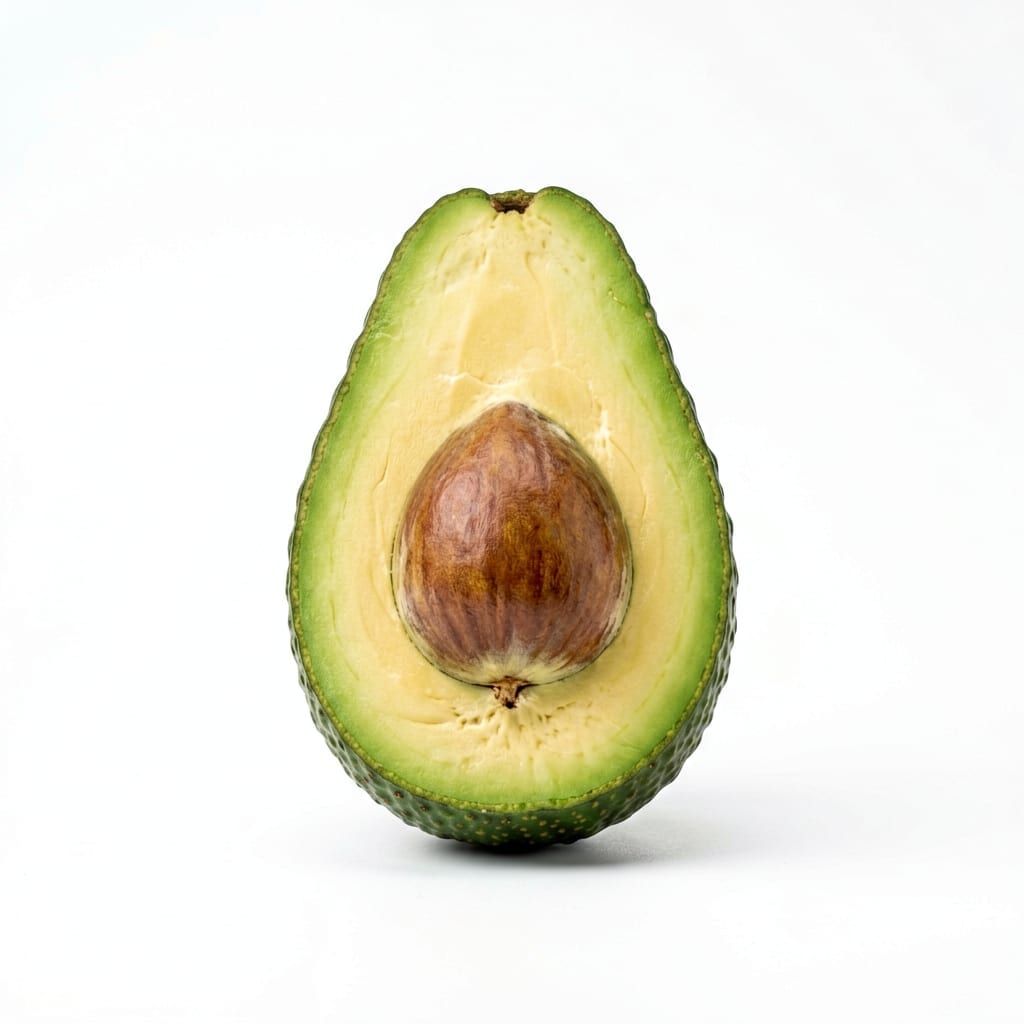
Compare with
Avocado
Completely different nutritional profiles. Avocados are high-fat, high-calorie (160 vs 52 per 100g), low-sugar, and keto-friendly. Apples are low-fat, low-calorie, and higher-carb. Avocados provide more satiety from fat and more micronutrients. Apples are better for calorie restriction.
Apples are low-calorie carb sources. Avocados are high-fat, nutrient-dense foods better for keto and satiety through fat content.
This food
Apple
VS80% alike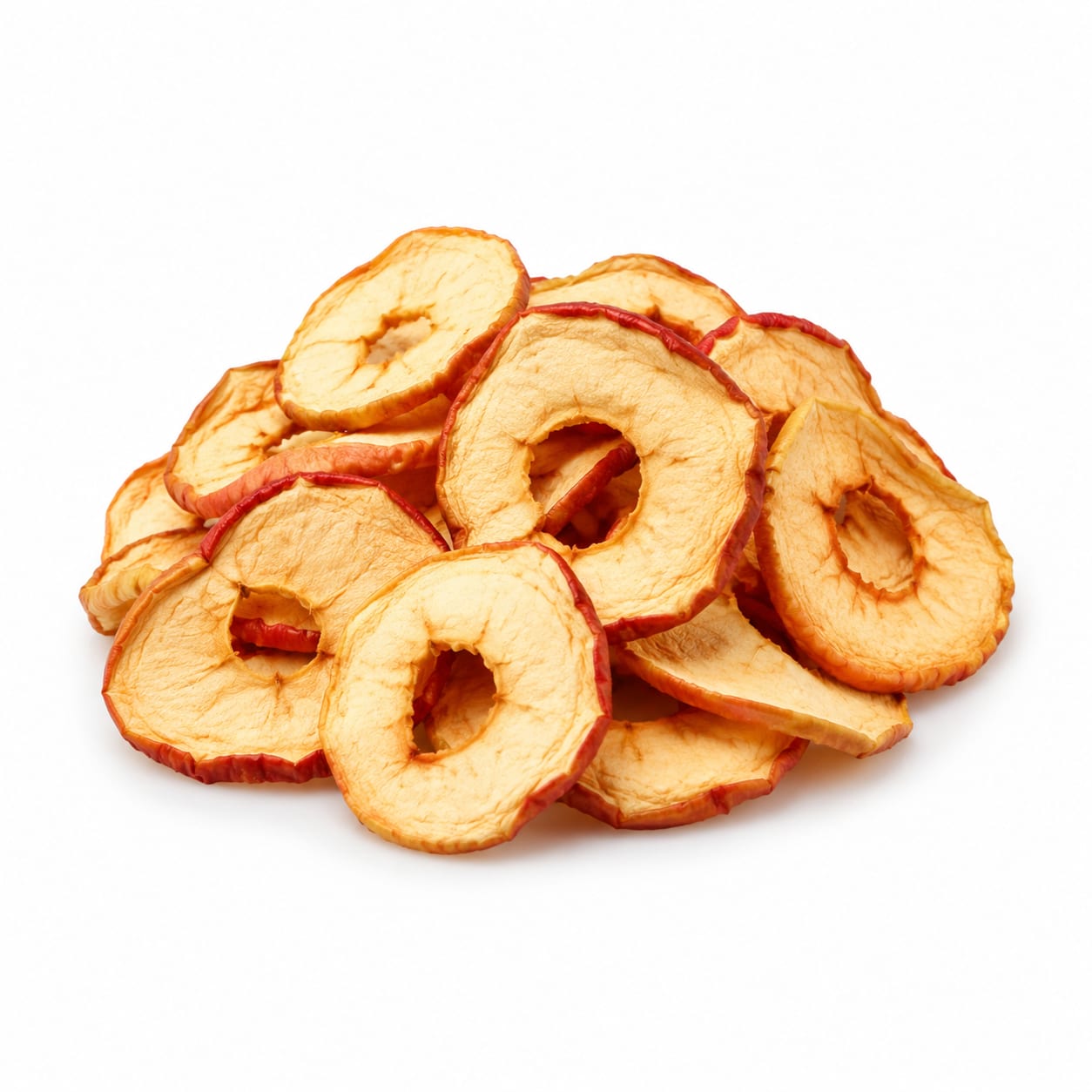
Compare with
Dried Apples
Dried apples concentrate calories and sugars through water removal (243 vs 52 calories per 100g). The drying process removes water-based satiety, increases glycemic impact, and often adds sulfites or sugar. Fresh apples are vastly superior for weight loss, satiety, and blood sugar control.
Fresh apples are far better for weight loss with 5x fewer calories and much better satiety. Dried apples offer concentrated energy for endurance activities.
Common questions
FAQ
Answers aligned with how people search for this food.
Are apples good for weight loss?
Yes, apples are excellent for weight loss due to their low energy density (52 calories per 100g), high water content (86%), and fiber that promotes fullness. Eating an apple before meals can reduce overall calorie intake by increasing satiety.
Can diabetics eat apples?
Yes, apples are suitable for diabetics. They have a low glycemic index (36) and glycemic load (5), meaning they cause minimal blood sugar spikes. The fiber content further slows sugar absorption. Pair with protein for optimal blood sugar control.
Should you eat the apple peel?
Yes, the peel contains about half the fiber and most of the beneficial polyphenol antioxidants. Removing the peel significantly reduces nutritional value. Wash thoroughly to reduce pesticide residues if eating conventional apples.
Are apples high in sugar?
Apples contain 10.4g of natural sugar per 100g, which is moderate for fruit. However, the fiber content and low glycemic index prevent rapid blood sugar spikes, making them much healthier than processed sugary snacks.
Are organic apples worth the extra cost?
For frequent apple consumers, organic may be worthwhile as conventional apples consistently contain detectable pesticide residues. Organic reduces exposure, though washing conventional apples also helps. Consider budget and consumption frequency.
What's the healthiest apple variety?
All varieties offer similar nutrition, but Granny Smith apples have slightly lower sugar and higher polyphenol content. The healthiest choice is whichever variety you'll actually eat regularly. Nutrient differences between varieties are minimal.
Are apples good before a workout?
Apples work well for light to moderate exercise 30-60 minutes pre-workout, providing quick-digesting natural sugars. However, they're not ideal for intense training due to lower carbohydrate content compared to bananas and lack of protein for recovery.
Can you eat apples on a keto diet?
Apples are generally not compatible with strict keto diets due to 13.8g net carbs per 100g. A medium apple contains about 20g net carbs, which would consume most or all of a typical 20-30g daily keto carb limit.
Are apples better than bananas for weight loss?
Yes, apples are better for weight loss with 52 calories per 100g versus 89 for bananas. Apples provide higher water content and similar fiber, creating better satiety per calorie. Bananas offer more potassium and workout fuel.
Do apples help with gut health?
Yes, apples contain pectin, a soluble fiber that acts as a prebiotic, feeding beneficial gut bacteria like Bifidobacteria and Lactobacilli. Regular consumption supports microbiome diversity and gut barrier function.
Transparency
Data confidence
Estimated confidence for nutrition data, interpretation, safety notes, and comparisons.
Nutrition data
Health analysis
Food safety
Comparisons